Shenzhen Chip 'Little Giant' Restarts IPO, with Lei Jun, Huawei, and BOE Holding Shares

marsbitPublished on 2026-09-15Last updated on 2026-09-15

Abstract

"Cloud Valley Technology, a Shenzhen-based 'little giant' specializing in AMOLED display driver chip design, has restarted its process for an A-share IPO by filing for listing tutoring with the Shenzhen Securities Regulatory Bureau on September 10th, with GF Securities as the tutoring institution. Established in May 2012 and listed on the Hong Kong Stock Exchange in May 2025, the company is a leader in its field. According to its prospectus, founder Gu Jing serves as Chairman and CEO. Major investors include Xiaomi's Yangtze River Fund and Tianjin Jinmi (controlled by Lei Jun), Huawei's Hubble Technology, BOE Technology, and Qualcomm China. Despite continuous revenue growth from 5.51 billion yuan in 2022 to 11.06 billion yuan in 2025, Cloud Valley has yet to achieve profitability, reporting net losses in the same period. R&D expenses have remained substantial, reaching 2.66 billion yuan in 2025. The company specializes in two product lines: AMOLED display driver chips primarily for smartphones, and Micro-OLED display backplanes/drivers for AR/VR devices. Frost & Sullivan data positions the company as the world's fifth-largest and China's largest supplier of AMOLED display driver chips by 2024 sales volume. It also holds a significant 40.7% market share in the global Micro-OLED display backplane/driver market. Notably, it was the first Chinese mainland company to supply AMOLED driver chips to major consumer electronics brands and has cumulatively sold over ten million chips...

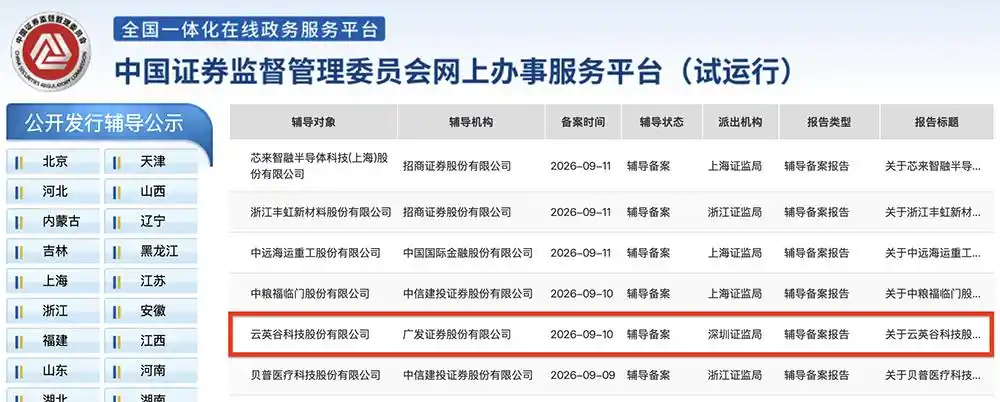
ChipNews reported on September 14, according to the China Securities Regulatory Commission (CSRC) website, on September 10, Shenzhen AMOLED display driver chip design leader Yunyinggu Technology completed the registration for listing tutoring and filing at the Shenzhen Securities Regulatory Bureau, initiating the process for an A-share IPO. The tutoring institution is GF Securities.
Yunyinggu Technology was founded in May 2012 with a registered capital of 436 million yuan. Its legal representative is founder Gu Jing. The controlling shareholders, Shenzhen Yishi No. 1 Enterprise Management Center (Limited Partnership), Shenzhen Yisheng No. 1 Enterprise Management Center (Limited Partnership), and Shenzhen Yisheng No. 2 Enterprise Management Center (Limited Partnership), collectively hold 16.68% of the shares.
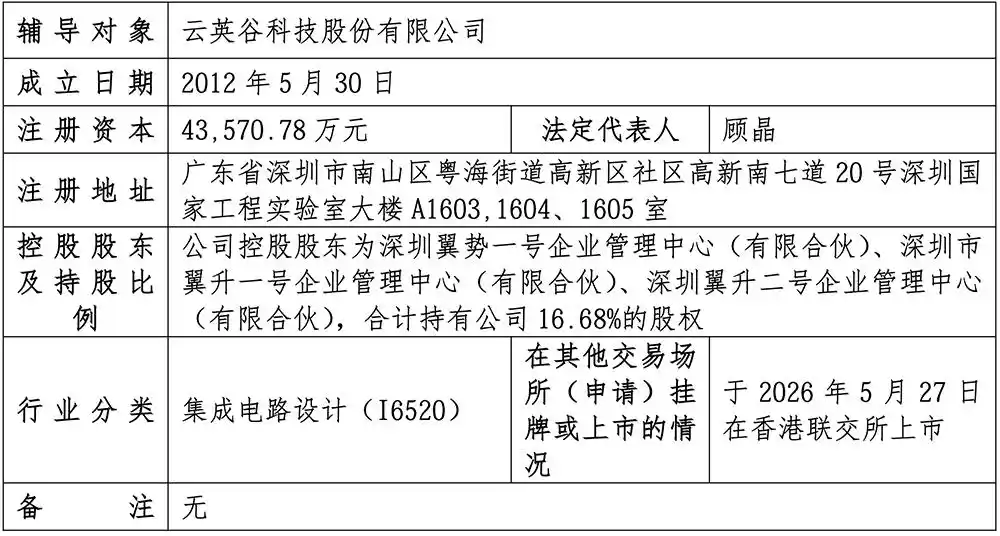
The company was listed on the Hong Kong Stock Exchange on May 27 this year. As of the close of trading yesterday, its total market value was 10.5 billion Hong Kong dollars.

According to the prospectus, Gu Jing earned his bachelor's and master's degrees from Tsinghua University and a Ph.D. from Harvard University in the United States. He serves as the executive director, chairman, general manager, and chief executive officer of Yunyinggu Technology.

Yunyinggu Technology was designated as a "Little Giant" enterprise under the Specialized, Refined, Differential, and Innovative (SRDI) program in 2025. Its investors include Xiaomi Yangtze River Fund and Tianjin Jinmi controlled by Lei Jun, Huawei's Hubble Technology, BOE Technology, Qualcomm China, among others.

In 2022, 2023, 2024, and 2025, Yunyinggu Technology's revenues were 551 million yuan, 720 million yuan, 891 million yuan, and 1.106 billion yuan, respectively. Net losses were 124 million yuan, 232 million yuan, 309 million yuan, and 230 million yuan, respectively. R&D expenses were 188 million yuan, 177 million yuan, 242 million yuan, and 266 million yuan, respectively.
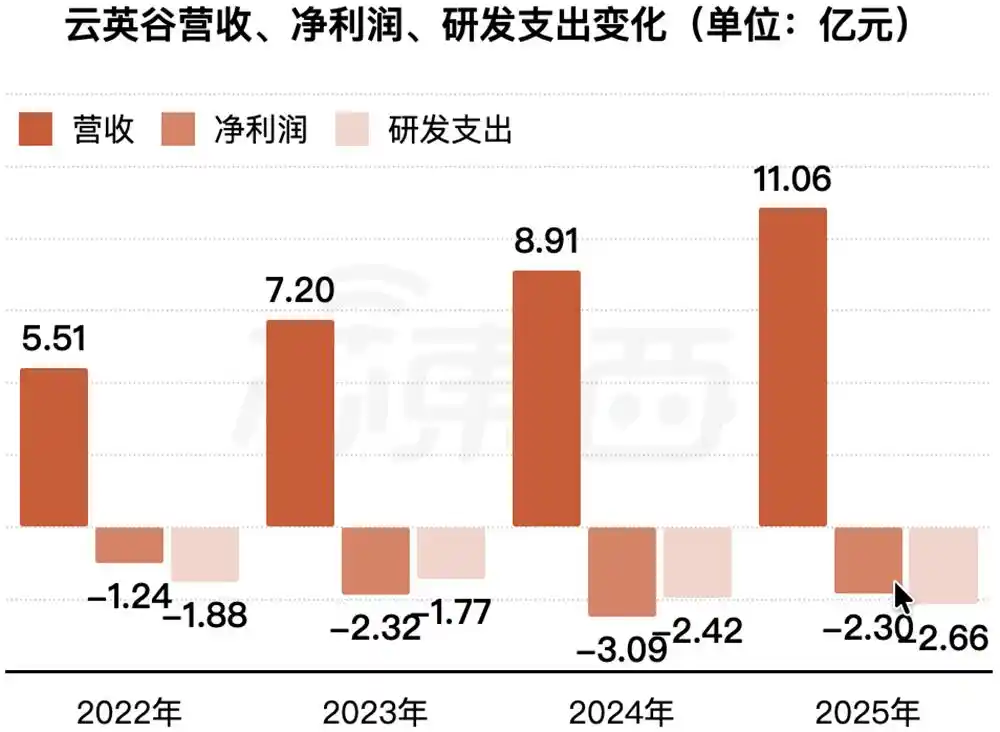
Changes in Yunyinggu Technology's revenue, net profit, and R&D expenditure from 2022 to 2025 (Chart by ChipNews)

Its adjusted net losses for 2023, 2024, and 2025 were 146 million yuan, 224 million yuan, and 217 million yuan, respectively.
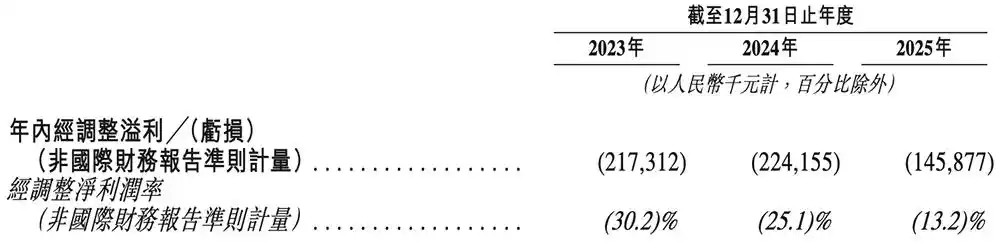
According to the interim results announcement, in the first half of 2026, Yunyinggu Technology's revenue was 318 million yuan, with a net loss of 151 million yuan. It has not yet achieved profitability.

Yunyinggu Technology began focusing on the R&D and design of AMOLED display driver chips in 2017. In 2021, it successfully achieved mass production and began supplying AMOLED display driver chips to one of China's largest AMOLED panel manufacturers, becoming the first company in mainland China to supply AMOLED display driver chips to mainstream consumer electronics brand companies.

The company mainly provides two types of products: (1) AMOLED display driver chips, primarily used in smartphones; and (2) Micro-OLED display backplanes/drivers, primarily used to support AR/VR head-mounted devices.
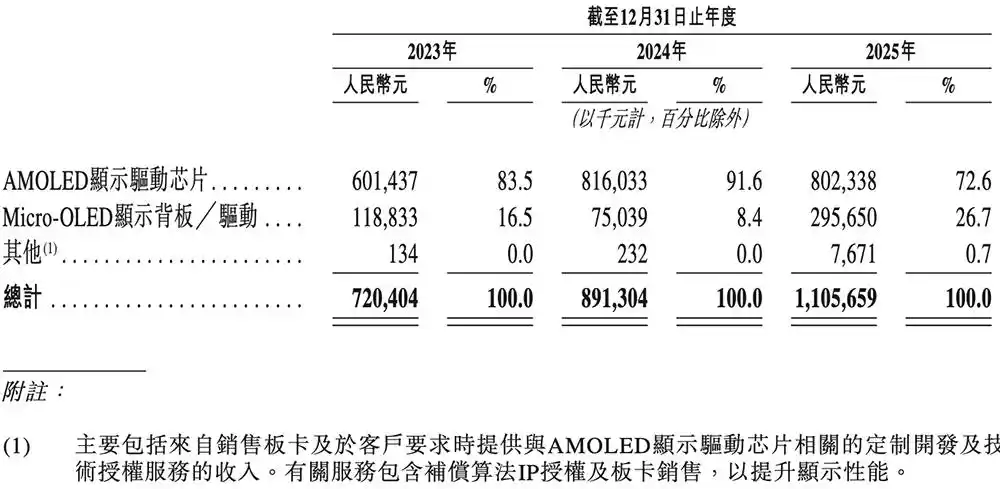
According to data from Frost & Sullivan, Yunyinggu Technology is the first company in mainland China to master the specialized knowledge of advanced technologies required for developing and designing AMOLED display driver chips and Micro-OLED display backplanes/drivers. It is the earliest independent Micro-OLED display backplane/driver manufacturer to apply Micro-OLED technology to consumer-grade VR/AR devices, and also the first company globally to provide Micro-OLED display backplanes/drivers with ultra-high resolution and ultra-high display refresh rates.
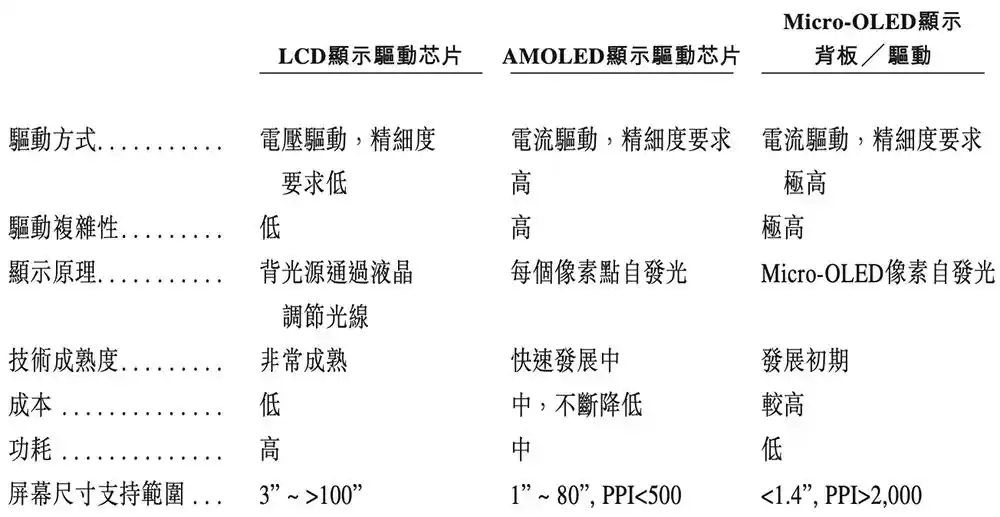
A Frost & Sullivan report shows that based on 2024 sales volume, Yunyinggu Technology is the fifth largest globally and the largest in mainland China among AMOLED display driver chip manufacturers.
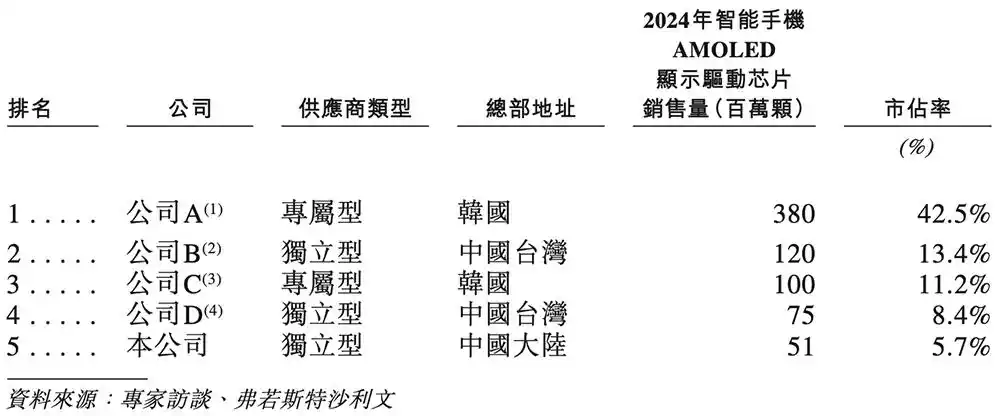
Based on 2024 sales, the company is the fifth largest supplier, the third largest independent supplier in the global smartphone AMOLED display driver chip market, and the largest supplier among those based in mainland China.
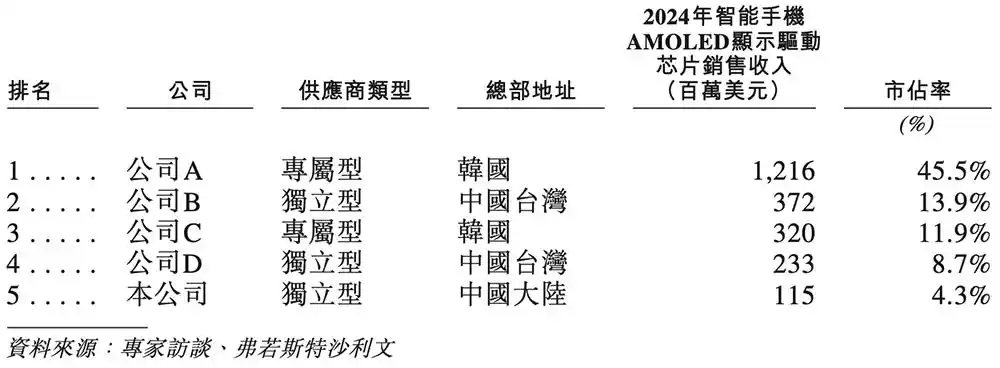
It is also the first company in mainland China to pass brand customer certification and the only one to have cumulatively sold over 10 million units of AMOLED display driver chips to downstream brand customers.

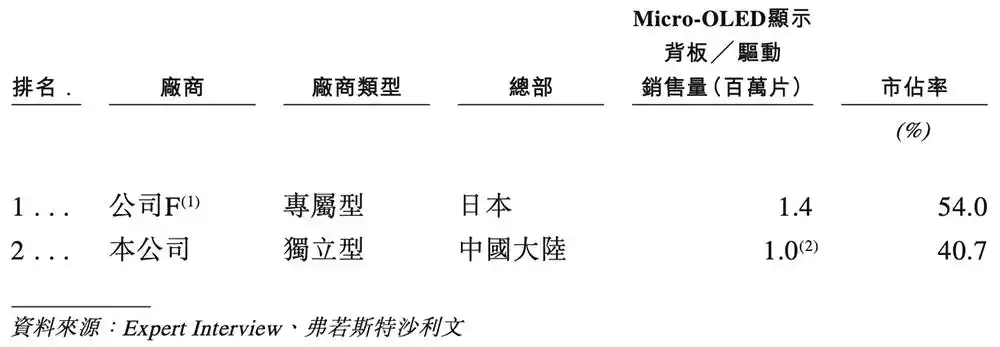
The global Micro-OLED display backplane/driver market is highly concentrated. Based on 2024 sales volume, Yunyinggu Technology ranks second, with a market share of 40.7%.
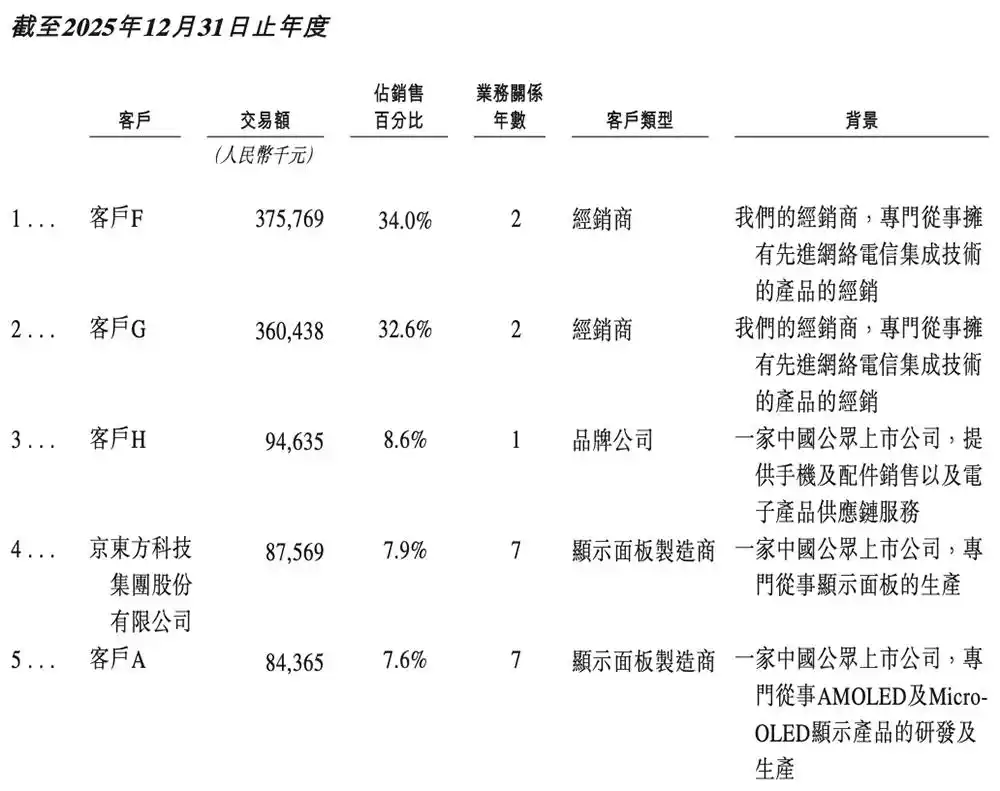
In 2025, global display leader BOE was Yunyinggu Technology's fourth-largest customer, accounting for 7.9% of its total sales.
Yunyinggu Technology had previously initiated an A-share IPO process in January 2023 and submitted an application for listing on the STAR Market in June of the same year but withdrew the application shortly after. Now, just over three months after its Hong Kong listing, the company has restarted the process for a return to an A-share IPO, aiming to leverage both capital markets to broaden fundraising channels and continue securing capital to build its technological moat and mature commercial layout in the display driver field.

This article is from the WeChat public account "ChipNews", author: ZeR0, editor: Moying
Trending Cryptos

Related Questions

QWhat is the name of the Shenzhen-based 'little giant' AMOLED display driver chip company that has restarted its IPO process?

AThe company is called Yunyinggu Technology, also known as 'Cloud Valley Technology' or Shenzhen Cloud Valley Technology Co., Ltd.

QWho are some of the notable investors in Yunyinggu Technology?

ANotable investors include Lei Jun's Xiaomi Changjiang and Tianjin Jinmi, Huawei's Hubble Technology, BOE Technology, and Qualcomm China.

QWhat are the two main product categories offered by Yunyinggu Technology?

AThe company primarily offers two product categories: (1) AMOLED display driver chips, mainly used in smartphones, and (2) Micro-OLED display backplanes/drivers, mainly used for AR/VR headsets.

QAccording to the article, what were Yunyinggu Technology's revenue and net profit status for the years 2022 to 2025?

AFrom 2022 to 2025, the company's revenue grew from 5.51 billion yuan to 11.06 billion yuan. However, it reported net losses each year, with losses of 1.24 billion, 2.32 billion, 3.09 billion, and 2.30 billion yuan, respectively.

QWhat are the company's claimed market positions in the AMOLED and Micro-OLED sectors?

AIn the AMOLED display driver chip sector, it is the 5th largest and China's largest supplier by 2024 sales volume. In the Micro-OLED display backplane/driver market, it ranks second globally with a 40.7% market share by 2024 sales volume.

Related Reads

Racing to Secure Seats Before the Senate Flips: Trump Nominates Four SEC and CFTC Commissioners, Ushering in a New Era for Crypto Regulation

On November 12, Trump submitted four nominations for SEC and CFTC commissioner positions—one Republican and one Democrat for each agency—as time runs short before Republicans lose their Senate majority in January. The seats have been vacant for months: SEC has only Chair Paul Atkins and Commissioner Mark Uyeda since Hester Peirce departed in October, while CFTC has only Chair Michael Selig. Even if all four are confirmed, SEC would have four commissioners and CFTC three—still short of full five-member slates—so the significance lies in adding voting participants rather than announcing new policy. Both CFTC nominees, Nathan Anonick and Matthew Rowland, worked on the CLARITY Act, which would authorize CFTC oversight of digital commodity spot intermediaries, platform registration, customer fund segregation and conflict-of-interest rules; it failed a procedural Senate vote in September. If confirmed, they would join Selig in voting on rules such as the event-contract draft proposed in June. SEC nominee Kristin Johnson, a former CFTC commissioner and law professor, publicly supported CFTC enforcement against three DeFi operators in 2023, arguing regulators should examine whether platforms concentrating clearing or settlement off-chain effectively act as intermediaries. The other SEC nominee, Levine, served as deputy chief of staff to acting Chair Uyeda during the agency's early crypto framework overhaul and would fill Peirce's seat. The bipartisan list responds to calls for restoring two-party representation and seeks broader support for confirmation. Senate hearings will be the first key window into the nominees' regulatory intentions.

marsbit6m ago

Racing to Secure Seats Before the Senate Flips: Trump Nominates Four SEC and CFTC Commissioners, Ushering in a New Era for Crypto Regulation

marsbit6m ago

Revenue Becomes This Year's Hardest Crypto Narrative

The article argues that "revenue" is becoming crypto's most durable narrative in 2026, as the industry matures and institutional allocators shift from speculation toward sustainable business models. Crypto protocols generated $11.68B year-to-date, on pace for ~$13.9B by year-end—only slightly below 2025 despite a much weaker market. The author contends the real opportunity lies not just in profitable protocols but in those with mechanisms converting business success into tokenholder value, primarily token buybacks backed by real revenue. Four criteria define a "good" buyback: revenue-funded, established product-market fit, transparent execution, and sustainable capital allocation. Context matters: Jupiter's $70M+ buyback failed amid a Solana-wide downturn, and buybacks can be swamped by new token emissions. Still, 2026 data is compelling—among the 16 top-revenue protocols with tradeable tokens, the 12 with active buybacks averaged +62.2% YTD (median +32.6%) versus −31.6% for those without, a 93.8-point gap, achieved despite crypto's total market cap falling ~19%. Buyback tokens also outperformed direct revenue-distribution tokens (190% vs 29% market-cap-weighted). The author highlights opportunities in stablecoins/RWA lending, World Liberty Financial's USD1 buyback linking stablecoin economics to WLFI, Venice's AI platform ($100M+ annualized revenue, VVV up 1,200%), Bittensor subnets using revenue for alpha-token buybacks, and Robinhood Chain's LONG 500 model combining buybacks with tokenized stock accumulation. The piece concludes the revenue narrative is still early, and in a true bull market, revenue-funded buybacks could act as accelerant rather than life raft.

marsbit15m ago

Revenue Becomes This Year's Hardest Crypto Narrative

marsbit15m ago

LBank exchange listed VJRA (Vajra Coin)

LBank Exchange listed VJRA (Vajra Coin) at 10:00 am on Nov 13, 2026 (UTC), with trading available via the VJRA/USDT pair. Vajra Coin (VJRA) is a Real-world Asset (RWA) token backed by senior tranches of the Vajra Fund, an alternative investment fund focused on art and antiques. VJRA is issued by Vajra Issuance Limited through a proof-of-reserve mechanism, providing partial liquidity, 24/7 liquidity, and on-chain transparency for alternative fund assets within the Solana ecosystem. All antique artworks are museum-quality, nationally recognized, and professionally appraised and authenticated by authoritative institutions, and fully insured by AA-rated professional insurance companies. VJRA is notable for combining RWA tokenization with high-value art investments. Built on Solana, it focuses on tokenizing traditional alternative investment assets, particularly ancient Chinese artworks and historical artifacts, connecting conventional art investment funds with on-chain financial markets. VJRA is integrated with the Jupiter trading ecosystem, aiming to enhance investment accessibility, trading efficiency, and market liquidity through blockchain technology. As the RWA sector expands into non-traditional asset classes such as art and collectibles, VJRA represents a differentiated use case for bridging real-world assets with the DeFi ecosystem. Tokenomics: Token Name: Vajra Coin; Token Symbol: VJRA; Total Supply: 12,200,000. Learn More: Website: https://vajracoins.com/; X: https://x.com/Vajracoins; Whitepaper: https://xfunds.fi/whitepaper About LBank: Founded in 2015, LBank is a leading global cryptocurrency exchange serving over 30 million registered users in 160 countries and regions, with daily trading volume exceeding $23.81 billion and 11 years of safety with zero security incidents. LBank has listed over 300 mainstream coins and more than 50 high-potential gems, ranked No. 1 in 100x Gems, Highest Gains, and Meme Share, leading the market with the fastest altcoin listings, unmatched liquidity, and industry-first trading guarantees.

cointelegraph56m ago

LBank exchange listed VJRA (Vajra Coin)

cointelegraph56m ago

Jensen Huang's Scandal, Nvidia's Nightmare

The article argues that the real danger to Nvidia from the Huang Renxun scandal is not criminal liability but securities litigation and governance risk. Criminal charges require proving knowledge and intent, a high bar. Far more threatening is the 10b-5 class action, which hinges on whether statements like "no evidence of chip diversion" and calling the relationship "normal and not unusual" were misleading when made. Plaintiffs need only show the company lacked adequate basis for such confident characterizations—a much lower threshold than criminal intent. The "no evidence found" statement is especially vulnerable: if discovery reveals the company didn't seriously look or ignored anomalies, it becomes misleading. The nightmare scenario is the discovery phase, where internal emails, compliance records, and board minutes must be handed over, exposing governance gaps that fuel further lawsuits, congressional hearings, and regulatory scrutiny. Board investigations cut both ways: a narrow scope looks perfunctory, while a broad one may uncover new disclosure obligations. The article also highlights a regulatory shift from item-based export controls to relationship-based controls, meaning executives' personal networks are now part of compliance monitoring. This raises structural costs across the entire AI chip supply chain and could lead to industry-wide compliance discounts. Key indicators to watch: whether congressional briefings escalate to subpoenas or public hearings, whether the class action focuses on disclosure-control failures, whether the board investigation covers Megaspeed and export compliance, and whether customer contracts add "no-diversion" audit and indemnity clauses. The ultimate nightmare isn't a fine—it's a rule change.

marsbit1h ago

Jensen Huang's Scandal, Nvidia's Nightmare

marsbit1h ago

The Failure of 'First Principles': When AI Entrepreneurship Falls into the Trap of Physics Worship

This article critiques the misapplication of "first principles" thinking in AI entrepreneurship, arguing that while Elon Musk's physics-based approach succeeds in hardware (a "convergent system" governed by physical laws and measurable variables), it fails in software and AI ecosystems, which are "divergent systems" defined by emergence, network effects, path dependency, and unpredictable human behavior. The author contends that many founders treat first principles as a universal cure-all, ignoring existing industrial structures, user habits, and collaboration networks, leading to failure. OpenAI's evolution—marked by trial, error, and adaptation rather than a perfect blueprint—serves as a counterexample. In China, complexity is compounded by strong regulation, unique user habits, and entrenched supply chains, making "from-scratch" thinking especially risky. The article proposes upgrading from reductionist physics thinking to complex adaptive systems thinking, centered on three shifts: seeking a viable ecological niche rather than a perfect solution, embracing co-evolution over unilateral disruption, and accepting emergent adaptation over full upfront design. It introduces a four-layer decision framework—environment sensing, ecosystem analysis, path design via a Minimum Viable Ecosystem (MVE), and adaptive organizational mechanisms—plus China-specific tools like government-market dual drivers, industrial clusters, and semi-open data ecosystems. Practical paths include avoiding direct competition with tech giants, prioritizing scenario embedding over technical purity, ecosystem compatibility over disruptive features, and iterative feedback over complete top-down design. Future trends favor vertical small models over general large models, ecosystem affinity as the key competitive edge, regional specialization (AI+manufacturing in the Yangtze River Delta, AI+services in the Greater Bay Area), and SOE digitalization as a major second growth curve. Ultimately, success in China's AI sector depends on precise embedding and co-evolution within complex business ecosystems rather than isolated technical excellence.

marsbit1h ago

The Failure of 'First Principles': When AI Entrepreneurship Falls into the Trap of Physics Worship

marsbit1h ago

Trading

Spot

Hot Articles

How to Buy CHIP

Welcome to HTX.com! We've made purchasing USD.AI (CHIP) simple and convenient. Follow our step-by-step guide to embark on your crypto journey.Step 1: Create Your HTX AccountUse your email or phone number to sign up for a free account on HTX. Experience a hassle-free registration journey and unlock all features.Get My AccountStep 2: Go to Buy Crypto and Choose Your Payment MethodCredit/Debit Card: Use your Visa or Mastercard to buy USD.AI (CHIP) instantly.Balance: Use funds from your HTX account balance to trade seamlessly.Third Parties: We've added popular payment methods such as Google Pay and Apple Pay to enhance convenience.P2P: Trade directly with other users on HTX.Over-the-Counter (OTC): We offer tailor-made services and competitive exchange rates for traders.Step 3: Store Your USD.AI (CHIP)After purchasing your USD.AI (CHIP), store it in your HTX account. Alternatively, you can send it elsewhere via blockchain transfer or use it to trade other cryptocurrencies.Step 4: Trade USD.AI (CHIP)Easily trade USD.AI (CHIP) on HTX's spot market. Simply access your account, select your trading pair, execute your trades, and monitor in real-time. We offer a user-friendly experience for both beginners and seasoned traders.

9.0k Total ViewsPublished 2026.04.21Updated 2026.06.02

How to Buy CHIP

Discussions

Welcome to the HTX Community. Here, you can stay informed about the latest platform developments and gain access to professional market insights. Users' opinions on the price of CHIP (CHIP) are presented below.

活动图片