Pump.fun 2026 Outlook: Where Lies the Path to Breakthrough for the King of Memes?

marsbitPublished on 2025-12-17Last updated on 2025-12-17

Abstract

Pump.fun, highlighted in Delphi Digital's 2026 outlook, remains a key consumer crypto app but faces challenges in balancing short-term crypto dynamics with long-term vision. Its foray into crypto-native livestreaming and creator coins has struggled, with the notable exception of "Bagwork," which briefly demonstrated a successful viral-token flywheel. However, structural issues persist: creator tokens often trend to zero, lacking sustainable incentives for both creators and traders. Pump's shift to using 100% net revenue for token buybacks spurred a price rebound, yielding a high buyback yield, yet market skepticism remains over future unlocks and revenue sustainability. The acquisition of Padre indicates multi-chain ambitions, but the core focus for 2026 must be resolving the creator-token economic model. Potential growth areas include iGaming, which aligns with its speculative user base, and mobile app expansion. Despite uncertainties, Pump retains dominance in the memecoin launch sector and significant potential for broader breakout.

Original: Simon, Delphi Digital

Adaptation: Yuliya, PANews

In Delphi Digital's upcoming "2026 Application Outlook" report, Pump.fun is regarded as one of the most noteworthy consumer applications to watch in the coming year. The report points out that since Delphi Digital first published its analysis before Pump's funding round, although many predictions have come true, the platform's development in some areas has fallen short of expectations, disappointing users and investors, and its core challenges still persist. To achieve a grander vision, the Pump team must find a balance between the inherent short-termism of the crypto world and the platform's long-term ambitions. The report further emphasizes that once a project launches a token, its operating environment changes accordingly, because the token itself becomes a product with intrinsic reflexivity, continuously shaping user expectations—Pump is no exception.

The Dilemma of the Creator Economy and the Fleeting Success of "Bagwork"

Since the funding round, the Pump team has continued to invest in the crypto-native live streaming space, but this has not unfolded as Delphi Digital had expected, at least not yet.

Pump has failed to attract influential creators from outside the crypto ecosystem, and the CCM (Creator Capital Market) model, which briefly flourished on Pump, quickly died out. The most notable moment came from the rise of "Bagwork," which highlighted both the potential of creator-driven tokens and the structural issues that still hinder the development of this model.
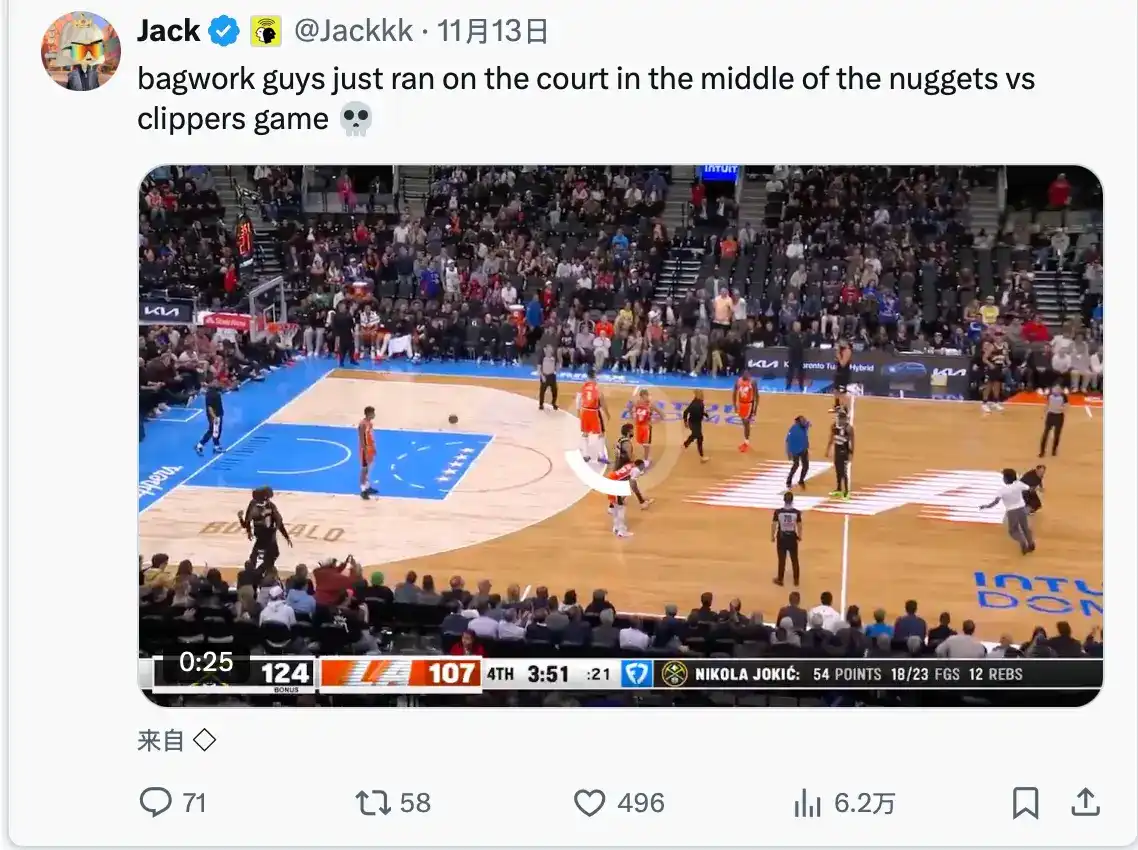
This breakthrough was led by a group of teenagers and partially supported by Pump. They orchestrated a series of viral stunts: stealing fitness influencer Bradley Martyn's hat, rushing onto the field during a Dodgers game, storming the Knicks' court, and even getting tattoos of Pump.fun and Bagwork.

The emergence of "Bagwork" almost perfectly coincided with Pump.fun's peak moment in mid-September, when the fully diluted valuation (FDV) of the $PUMP token reached approximately $8.5 billion, and the market capitalization of the Bagwork token $BAGWORK briefly exceeded $50 million. Since then, no creator token has come close to replicating that level of organic growth momentum or peak valuation. The Knicks court stunt occurred long after the initial hype cycle, and today Bagwork's market capitalization is around $2 million.
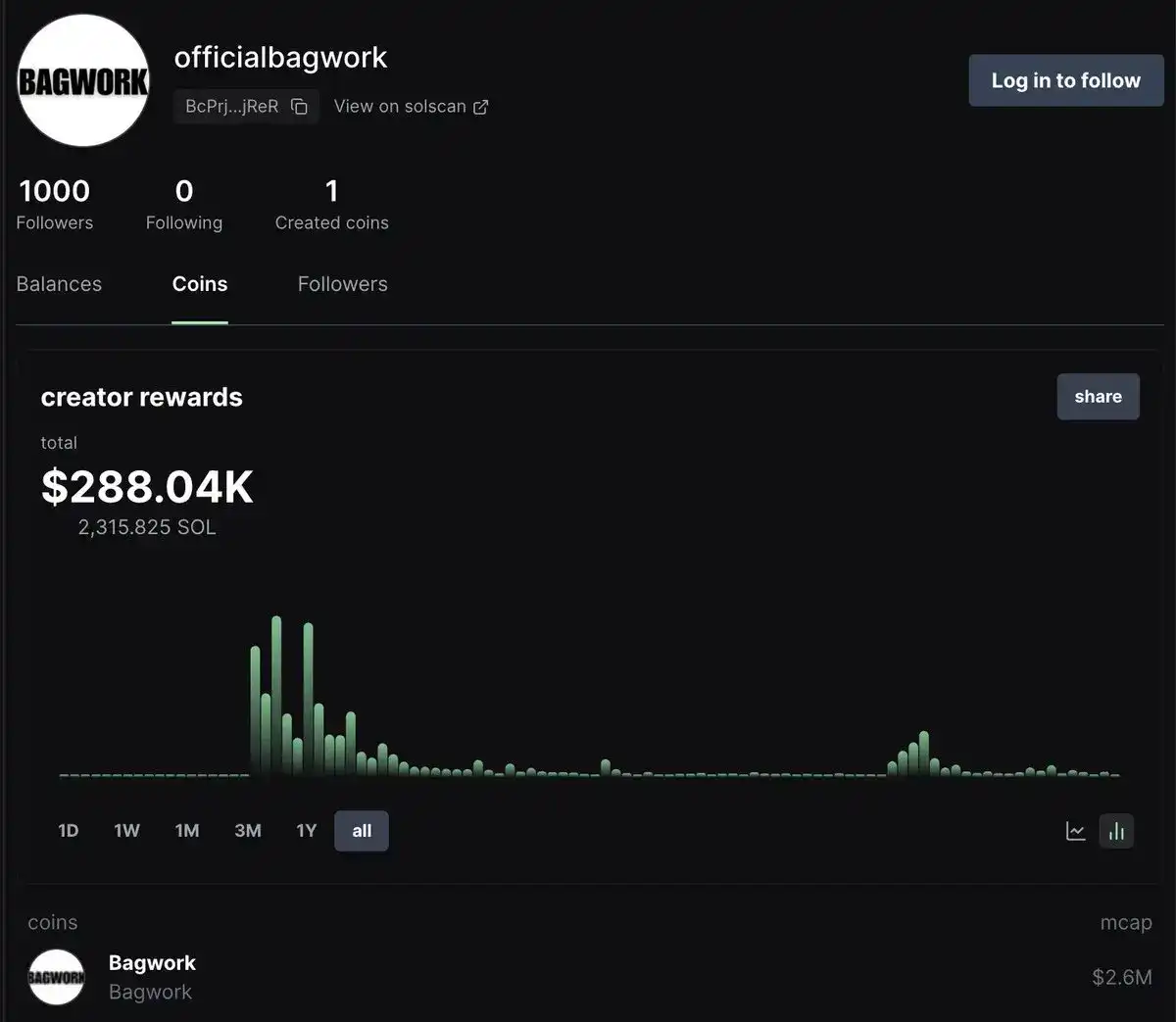
Bagwork was one of the few cases in Pump's live streaming experiment that truly worked as intended. The Bagwork team earned over 2,300 SOL in creator revenue from $BAGWORK trading fees (approximately $300,000 at current prices). Note that all of this was achieved without the team needing to sell any of their holdings. These viral stunts directly translated into attention, trading volume, and fees, creating the closest case to a genuine creator token flywheel effect that Pump has seen so far.

However, apart from Bagwork, Pump has struggled to realize its ambitions in the live streaming space. The value of creator tokens continues to decline, which brings us back to the structural issue of the token itself being part of the product.

Structural Issues and the Path Forward

Currently, the economic incentive to hold or support a creator token remains unclear. Bagwork's early success quickly faded, and every major creator token since has failed to gain similar traction and eventually trended toward zero.
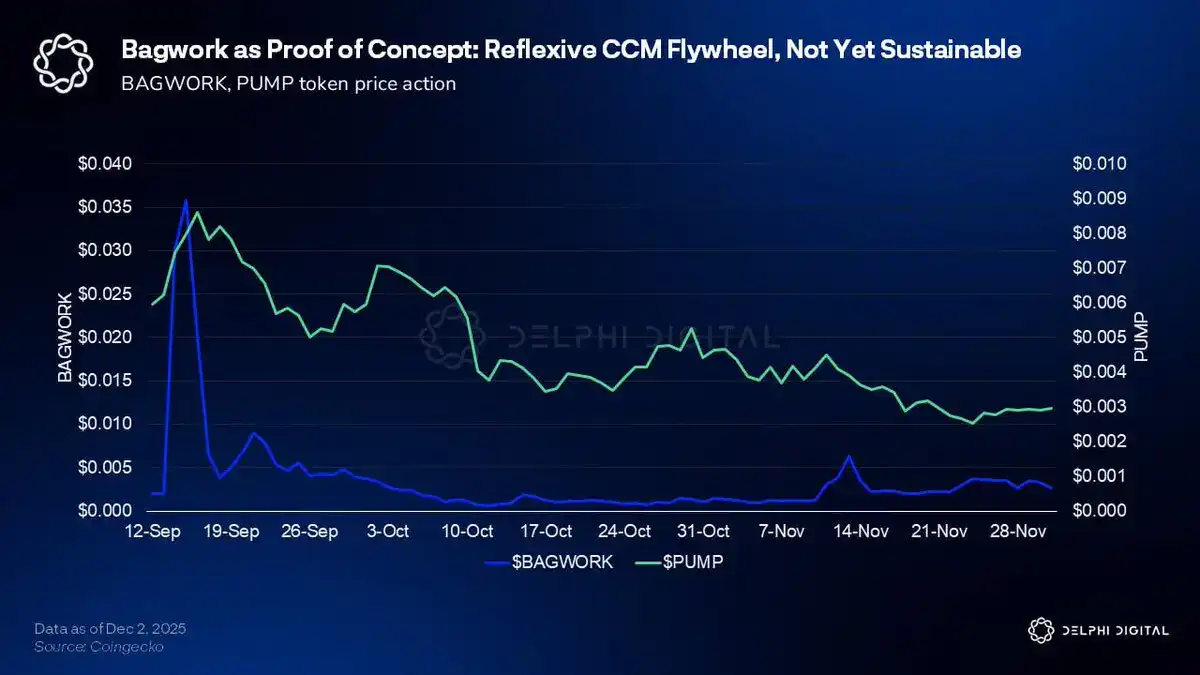
Creators can earn short-term revenue through the CCM fee structure, but the reputational cost associated with a continuously depreciating token makes this model unattractive to more established influencers who could help attract a broader audience. From a trader's perspective, these tokens remain a zero-sum game environment rather than genuine communities.

This is the most critical issue Pump needs to address as it enters 2026.

The team has yet to conduct meaningful experiments in deeper creator incentives, and its airdrop allocation quota remains unused. Apart from the support provided informally during Bagwork's rise, Pump has not made any coordinated attempts, such as targeted airdrops, creator rewards, or other incentive mechanisms. These mechanisms could have been used to bootstrap early activity, create more PvE (Player vs. Environment)-style incentives, and give creators room to experiment without immediately destroying their communities.
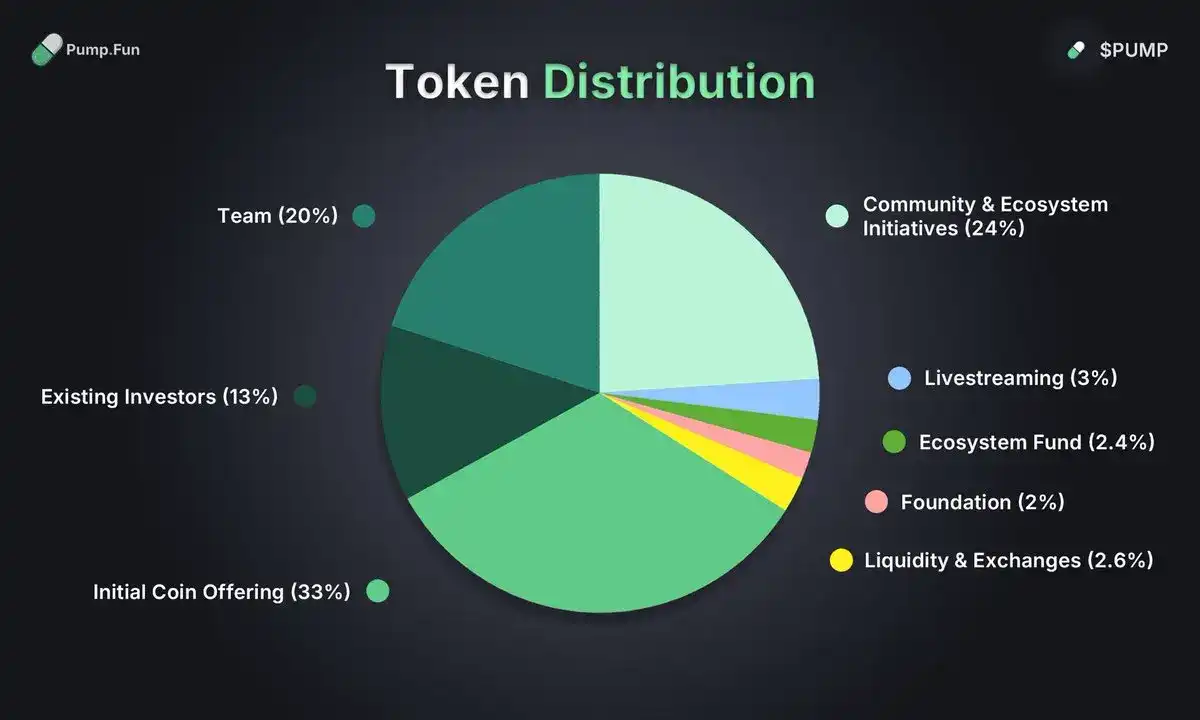
The good news is that this gives Pump significant room for choice. The unused "Community & Ecosystem Initiative" treasury is a major lever the team can pull once the model is ready. If Pump can design a sustainable incentive structure for creator tokens, it will unlock a whole new economic category for creators looking to leverage crypto mechanisms to monetize and grow their audience. The upside potential is real, but until then, the live streaming feature will continue to exist as a series of short-lived hype cycles rather than a lasting, repeatable business vertical.

Tokenomics and Market Performance

On the token side, the primary catalyst for the $PUMP price rebound from around $0.025 to $0.085 was the team's decision to use 100% of net revenue for buybacks.
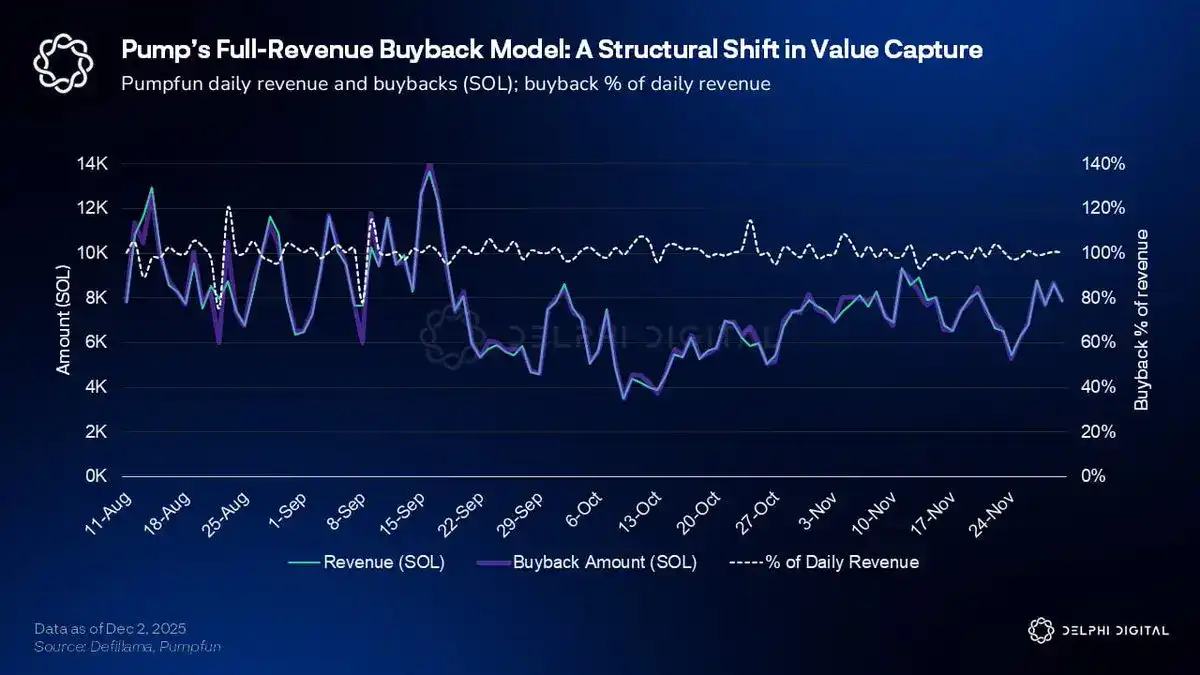
After the market made it clear that a partial buyback strategy would not be rewarded, Pump shifted from initially planning to use about a quarter of its revenue for buybacks to essentially adopting a full Hyperliquid-like model. In an illiquid and harsh altcoin environment, this shift helped ignite one of the strongest large-cap token rallies of the year.
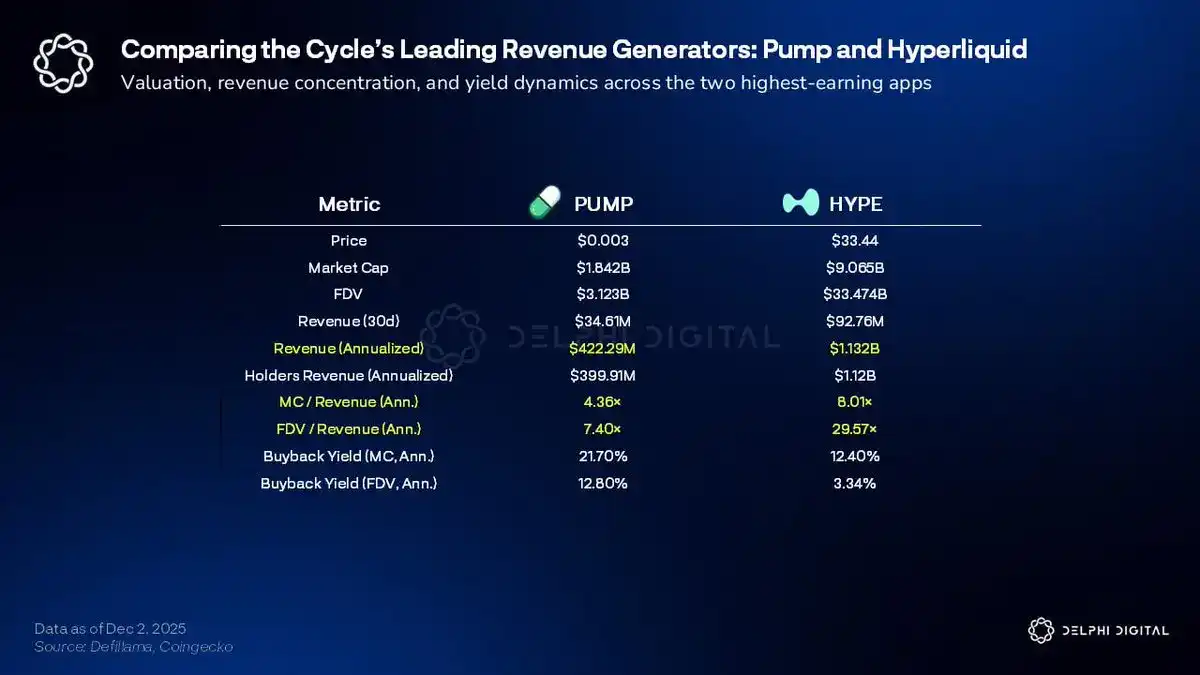
In terms of the buyback-to-market-cap ratio, no other mainstream token trades at a cheaper multiple than $PUMP. Based on current data, Pump's annualized revenue is $422 million, while its market capitalization is $1.84 billion, meaning its market-cap-to-revenue multiple (MC/Rev) is 4.36x, with an annualized buyback yield of about 12.8%. These levels are significantly lower than all other large-cap tokens, including Hyperliquid's approximately 8.01x MC/Rev and about 3.34% yield.

Even so, the market remains skeptical about Pump's long-term business development trajectory. Concerns may include: whether the team can continue to launch meaningful products, the impact of future token unlocks (about 40% of the supply is still locked), and uncertainty about how airdrop and creator incentive distributions will ultimately be implemented. Additionally, the general contraction in Memecoin and end-user activity, as well as ongoing doubts about the durability of Pump's revenue base, exacerbate these concerns.
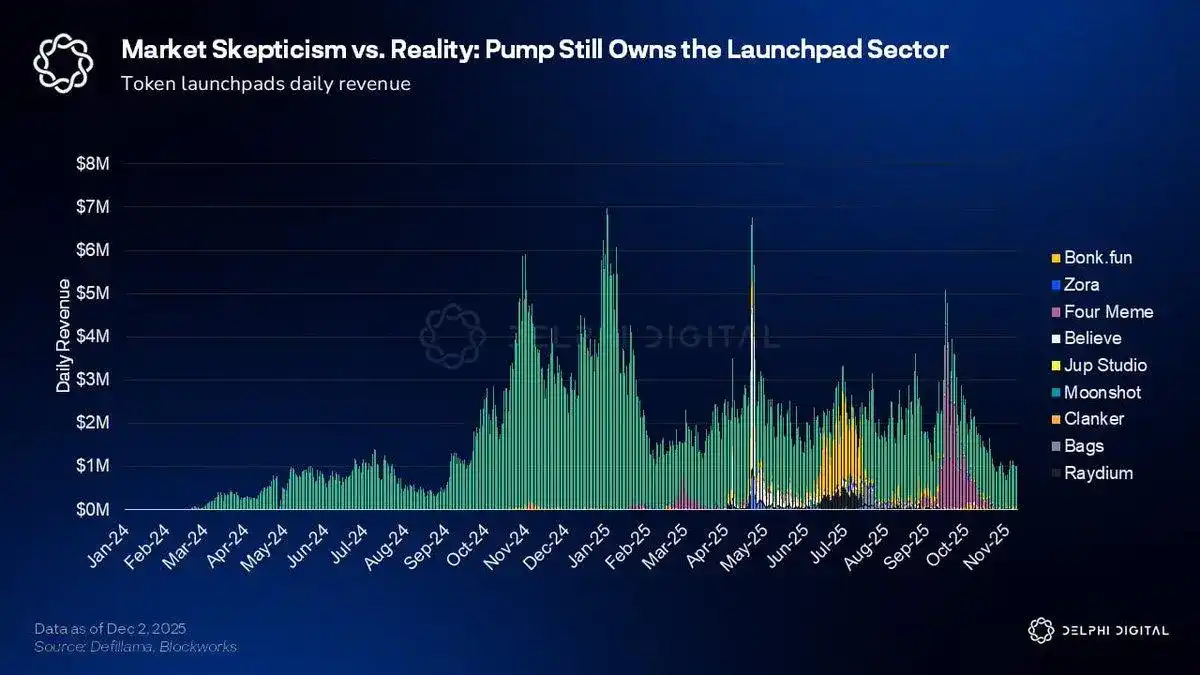
Despite these concerns, Pump continues to dominate the Memecoin launchpad space and still earns (and buys back) approximately $1 million daily, even in an extremely tough market environment. Its daily launchpad revenue has fallen nearly 85% from its peak of nearly $14 million per day earlier this year to around $2 million per day now, but competitors, aside from brief challenges, have not substantially shaken Pump's position. This aligns with the expectations in Delphi Digital's initial report during the Bonk and Raydium challenger phase: even facing periodic trading volume compression, Pump maintains a structurally dominant share of industry activity.

Strategic Moves and Future Direction
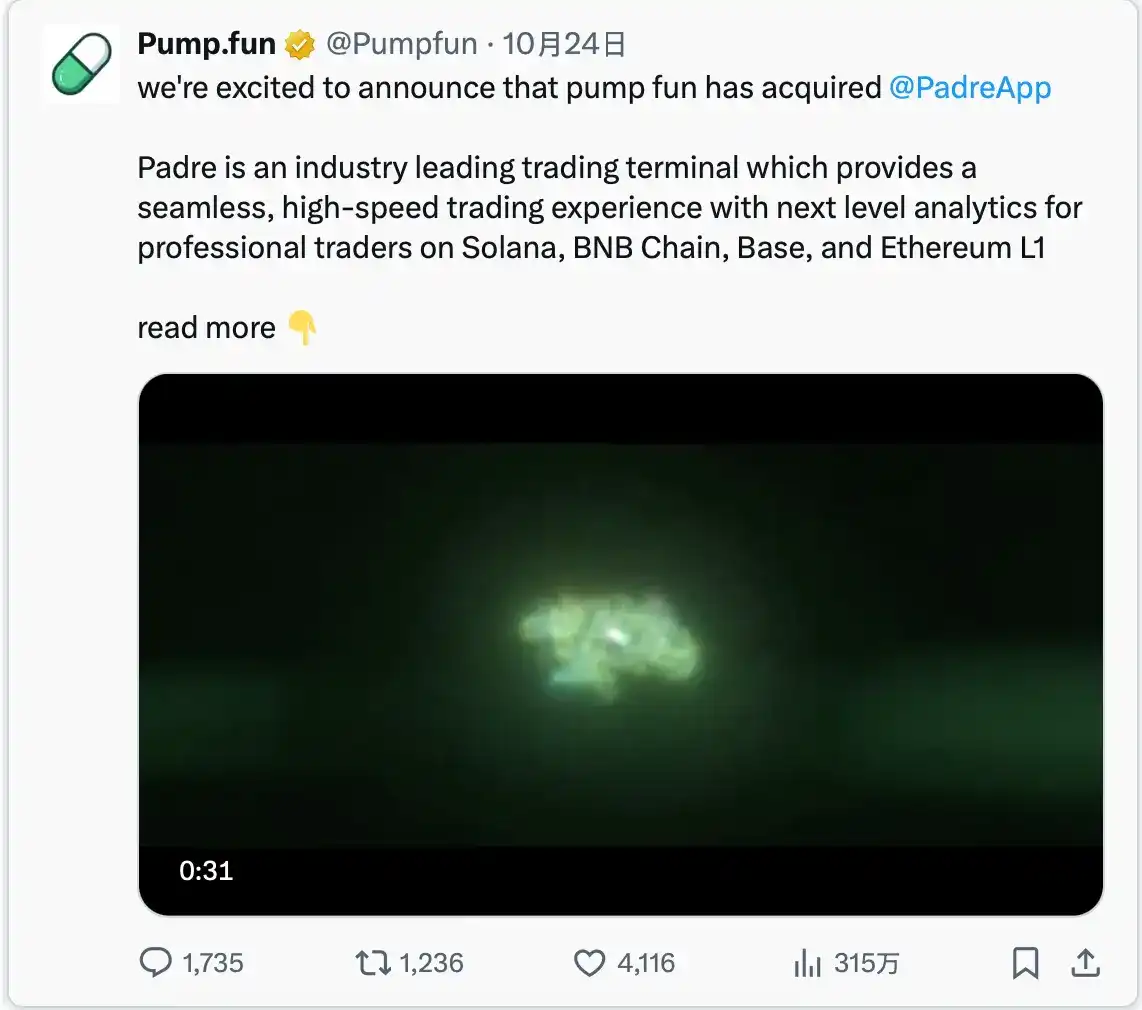
The acquisition of Padre indicates that Pump intends to expand beyond Solana, reach multi-chain users, and has already achieved support for BNB ecosystem assets through Padre's frontend. This also aligns with Delphi Digital's earlier prediction that Pump would eventually acquire a terminal or terminal-related asset to strengthen its traffic entry point and integrate more of the user journey. However, beyond these moves, the team has remained quiet. An investor call has been scheduled but had not taken place at the time of writing, so more clarity may be forthcoming.

Pump's leadership has also expressed interest in the broader ICM (Internet Capital Market) category, but this is not an area Delphi Digital considers core, nor does it align with Pump's current core identity or product strengths. The initial attempt at this model was made by Believe but failed to gain real traction, and MetaDAO has since become the dominant player in the "high-quality founder + community" funding space. ICM is also culturally and structurally misaligned with Pump's brand feel, which is built on speculation, speed, and creator meme culture, rather than long-form governance or prophet governance-style systems.

To succeed in the ICM space, Pump would need to delve deep into heavy governance structures and attract non-crypto teams looking to operate on-chain, which is not where most of Pump's current users or creators are. Although there is theoretical upside if the team commits seriously, I view this as a secondary or optional direction, not a natural extension of Pump's existing flywheel as it enters 2026.
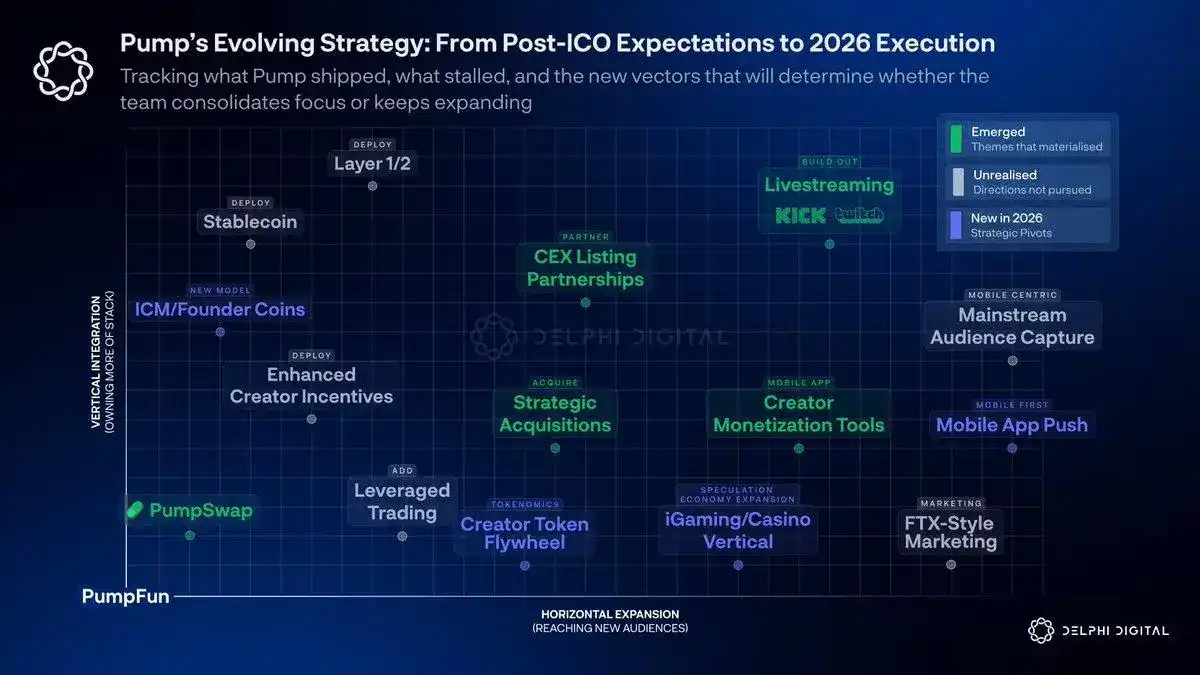
Looking ahead to 2026, the main questions revolve around whether Pump can finally create an incentive-aligned model for creator tokens, whether it can meaningfully expand into multi-chain markets through Padre, how it will manage token unlocks and declining revenue visibility, and which product vertical it will choose as its most aggressive entry point. Currently, its strategy seems scattered across multiple layers, from live streaming to ICM to mobile. At some point, the team may need to identify a primary focus, and for most of 2025, that focus seemed to be live streaming. Now, that is less clear.

Potential Breakthroughs: iGaming and Mobile

The bigger question is whether Pump can still attract larger non-crypto creators. This may require reinventing the creator token flywheel, introducing stronger, longer-term incentives to sustain virality beyond the crypto-native crowd. The raw ingredients exist. In 2025, Bagwork's run gave Delphi Digital a glimpse of what it looks like when this model works, a time when Pump seemed close to crossing the chasm.
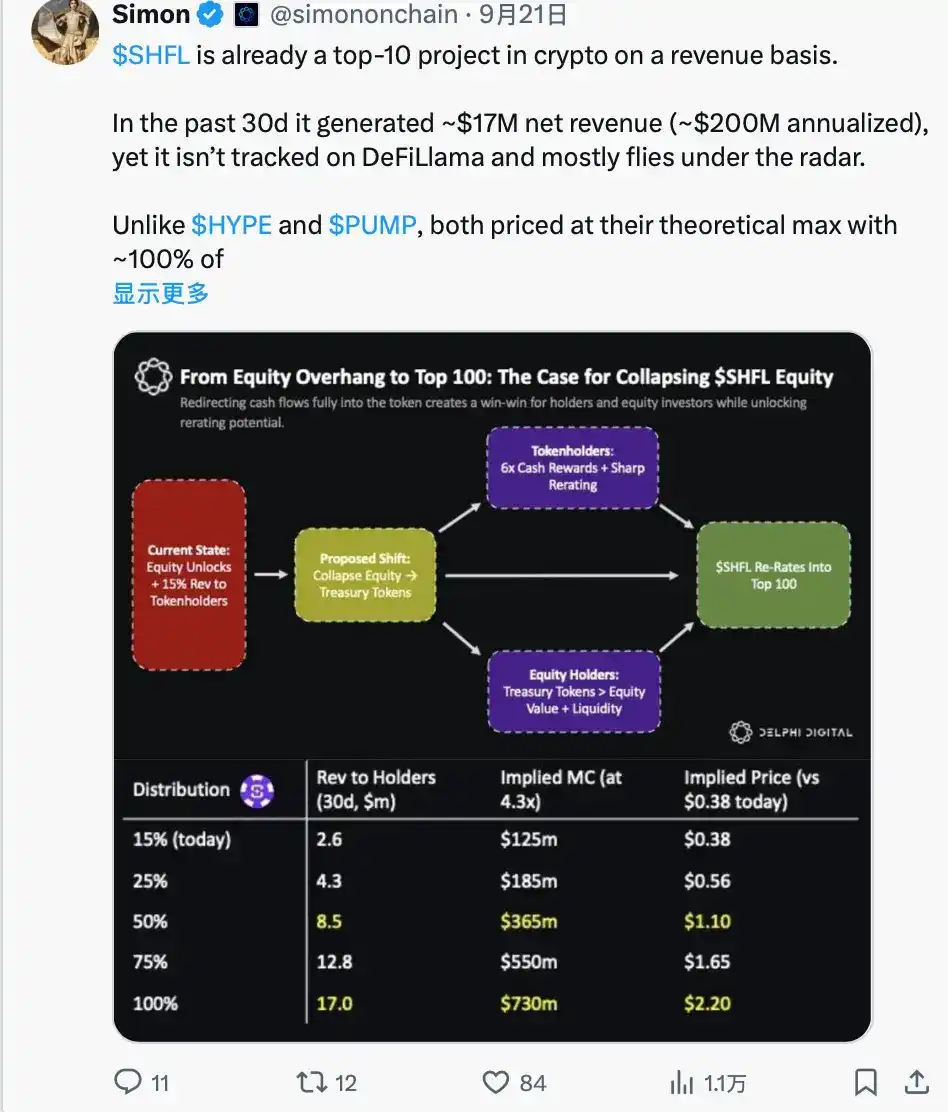
Pump also retains significant room to expand its product suite. One strategic direction the team should seriously evaluate is entering the iGaming or casino-related vertical; a Kick/Stake-like model would naturally fit with Pump's speculation-driven user base. This would create deep synergies with its memecoin and live streaming ambitions, and the profit potential of this category is already proven. Shuffle's net gaming revenue and weekly lottery distributions demonstrate how large this opportunity can be when executed well.

Pump's mobile app is another underutilized advantage. Deeper promotion on mobile could broaden the traffic funnel, make the product more accessible to mainstream users, and provide creators with more monetization space. If combined with iGaming, this would meaningfully expand Pump's potential user base while strengthening parts of the platform that already work.

Despite the uncertainties, Pump remains one of the most resilient consumer applications of this cycle, maintaining dominance even as the broader macro environment shifted. Making substantive progress in any single direction could catalyze a meaningful market sentiment reset and prepare Pump for broader breakthrough beyond the crypto-native crowd.


Related Questions

QWhat is the core challenge that Pump.fun must address to achieve its grand vision according to Delphi Digital's report?

APump.fun must find a balance between the inherent short-termism of the crypto world and the platform's long-term ambitions.

QWhat was the 'Bagwork' phenomenon and why was it significant for Pump.fun's creator economy model?

ABagwork was a creator-driven token that went viral through a series of stunts, generating over 2300 SOL in creator fees and showcasing the potential flywheel effect of a successful creator token, though it was short-lived and has not been replicated.

QWhat major change in tokenomics acted as the primary catalyst for the $PUMP price rebound from $0.025 to $0.085?

AThe team's decision to use 100% of net revenue for token buybacks, shifting from an initial plan to use only about a quarter of the revenue.

QWhat strategic acquisition did Pump.fun make to expand beyond the Solana ecosystem, and what does it enable?

APump.fun acquired Padre, which allows it to reach multi-chain users and has already enabled support for BNB ecosystem assets through Padre's front-end.

QWhat are the two potential strategic directions mentioned in the report that could provide a breakthrough for Pump.fun in 2026?

AEntering the iGaming or casino-related verticals, which aligns with its speculation-driven user base, and further leveraging its underutilized mobile application to broaden its reach and accessibility.

Related Reads

Bankless Co-founder: Why I Sold All My ETH

Author David Hoffman, founder of Bankless, explains his decision to sell all his ETH, despite being a prominent figure in the Ethereum ecosystem. He clarifies that his move is not a bearish take on Ethereum itself, which he remains highly optimistic about as a network. His core argument is that the "ETH is money" thesis, which he helped popularize, has largely played out. Hoffman argues that ETH has achieved the market valuation it deserves based on Ethereum's current success and competitive position. He details several reasons for this view. First, the path for ETH to become global money required nearly flawless execution and sustained dominance across Ethereum's entire technical and social stack—a coordination challenge he now believes had a narrower window for success than anticipated. Second, market data shows a strong correlation between L1 chain activity/fees and the price of its native asset; Ethereum's fee dominance has been challenged by competitors like Solana. Third, the "strong version" of crypto (decentralized, native crypto economies) that ETH's monetary thesis relied upon has struggled to maintain a positive mainstream narrative and stable adoption beyond a brief period. Finally, Ethereum's architecture as a "giver"—providing secure block space and tokenization capabilities at cost to L2s and applications—means it doesn't capture premium value directly. Its rollup-centric roadmap further directs most profits to L2s and applications ("fat app theory"). In conclusion, Hoffman believes the opportunity for ETH to be revalued significantly upward as money has diminished. He sold not because ETH will fail, but because its monetary thesis has matured, and he seeks to allocate capital to other opportunities he finds more compelling.

链捕手19m ago

Bankless Co-founder: Why I Sold All My ETH

链捕手19m ago

From Issuer to Infrastructure Owner: Circle's Arc Strategy and the Fatal Gap in the GENIUS Act

Circle raised $222 million for its proprietary Layer-1 blockchain, Arc, positioning itself not just as a stablecoin issuer but as the owner of the settlement infrastructure USDC relies on. This move, backed by investors like BlackRock and Apollo, highlights a significant structural conflict unaddressed by the GENIUS Act of 2025. While the act focuses on stablecoin reserves and issuer oversight, it remains silent on the market structure implications of an issuer controlling the underlying network—a scenario akin to a currency issuer also owning the payment rails. Traditionally, financial regulations separate issuers from settlement infrastructure to ensure neutrality. With Arc, Circle gains control over transaction ordering, fees, and network rules, potentially favoring USDC over competitors. The article argues that this creates a permanent structural temptation, even if no abuse occurs. The solution lies in applying established market infrastructure principles: mandating neutral transaction ordering, transparent fee schedules, and governance separated from Circle’s commercial interests. The current pre-mainnet phase offers a critical window for regulators to establish these rules before Arc becomes entrenched. Once operational, enforcing changes would be costly and disruptive. The core question remains: should a regulated stablecoin issuer be allowed to own the settlement network its competitors must use? The GENIUS Act doesn’t answer this, but Circle’s Arc strategy makes it urgent.

marsbit25m ago

From Issuer to Infrastructure Owner: Circle's Arc Strategy and the Fatal Gap in the GENIUS Act

marsbit25m ago

What Are the Key Variables Determining the AI Bull Market?

Title: What Determines the AI Bull Market? Key Variables Revealed Despite rising oil prices above $100/barrel, persistent inflation, and fragile Fed rate cut expectations—a traditionally hostile environment for high-valuation tech stocks—the AI sector continues to drive the market to new highs. According to analysts, the current AI boom is in a phase of "rational fervor": while bubbles exist, they are not yet out of control. The crucial shift is the emergence of Agentic AI, which is evolving from an assisting tool (Copilot) to an autonomous execution tool (Autopilot), creating a clearer commercial path from investment to revenue. This shift accelerates Token consumption and inference computing demand while boosting revenue forecasts for leading firms. The market is now rewarding capital expenditure as it transforms from a burden into a competitive moat, supporting hardware chains like GPUs, optical modules, and storage. However, valuations have already priced in growth expectations for 2027-2028. The forward P/E ratio for the "Magnificent Seven" tech giants is about 35x, compared to 25x for the rest of the S&P 500. This premium implies AI adoption must occur 5 to 8 times faster than past technological revolutions—a scenario with little room for error. The sustainability of the AI bull market hinges on three key variables: 1. **Short-term liquidity shocks**: Risks include sustained high oil prices, resurgent inflation, rising interest rates, and potential unwinding of the yen carry trade. The critical question is whether the upward revision speed of Annual Recurring Revenue (ARR) can outpace the rise in interest rates. 2. **Mid-term industry realization**: Can the actual pace of AI adoption and commercialization match the current lofty valuations? Historically, general-purpose technology revolutions follow a non-linear path with periods of acceleration and deceleration. 3. **Long-term structural constraints**: These include energy and power grid limitations, employment displacement and consumer purchasing power, social acceptance and potential backlash, and potential hardware technology breakthroughs that could disrupt current supply chains. While the long-term prospects for AI remain optimistic with potential for significant productivity gains, the stock market's pricing depends not just on the vision but on the actual speed of realization amid these growing constraints. The direction is clear, but the pace of execution will determine whether the bubble remains controlled or spirals out of control.

marsbit25m ago

What Are the Key Variables Determining the AI Bull Market?

marsbit25m ago

The AI Industrial Revolution: Where Are We Now?

This article explores the current stage of the AI industrial revolution, arguing we are still merely attaching new tools to old workflows rather than fundamentally redesigning production. The author compares this to the early Industrial Revolution, where factories simply replaced waterwheels with steam engines without changing their core structure. Similarly, today we embed AI chat windows into existing software but leave organizational processes unchanged. While massive investment floods into AI infrastructure (data centers, chips), akin to railway manias of the past, the real transformation lies in "dismantling the old workshop"—reorganizing companies around AI. Examples include Notion's use of hundreds of AI Agents and Y Combinator's experiments with self-improving AI systems that operate autonomously. The author notes a critical gap: while China has vast AI user growth, few companies have rebuilt core workflows. AI is beginning to impact entry-level jobs, and early adopters are gaining a compounding advantage. The conclusion is that the pivotal moment will not be the invention of better models, but when organizations decide to tear down old structures and rebuild around AI, shifting the bottleneck from human coordination to computing power. The future workplace and job titles are yet to be defined, but the imperative is to move away from legacy processes and position oneself where the new "railway" is being built.

marsbit58m ago

The AI Industrial Revolution: Where Are We Now?

marsbit58m ago

Trading

Spot
Futures

Hot Articles

How to Buy PUMP

Welcome to HTX.com! We've made purchasing Pump.fun (PUMP) simple and convenient. Follow our step-by-step guide to embark on your crypto journey.Step 1: Create Your HTX AccountUse your email or phone number to sign up for a free account on HTX. Experience a hassle-free registration journey and unlock all features.Get My AccountStep 2: Go to Buy Crypto and Choose Your Payment MethodCredit/Debit Card: Use your Visa or Mastercard to buy Pump.fun (PUMP) instantly.Balance: Use funds from your HTX account balance to trade seamlessly.Third Parties: We've added popular payment methods such as Google Pay and Apple Pay to enhance convenience.P2P: Trade directly with other users on HTX.Over-the-Counter (OTC): We offer tailor-made services and competitive exchange rates for traders.Step 3: Store Your Pump.fun (PUMP)After purchasing your Pump.fun (PUMP), store it in your HTX account. Alternatively, you can send it elsewhere via blockchain transfer or use it to trade other cryptocurrencies.Step 4: Trade Pump.fun (PUMP)Easily trade Pump.fun (PUMP) on HTX's spot market. Simply access your account, select your trading pair, execute your trades, and monitor in real-time. We offer a user-friendly experience for both beginners and seasoned traders.

4.0k Total ViewsPublished 2024.03.29Updated 2026.05.09

How to Buy PUMP

Discussions

Welcome to the HTX Community. Here, you can stay informed about the latest platform developments and gain access to professional market insights. Users' opinions on the price of PUMP (PUMP) are presented below.

活动图片