Автор: katexbt.hl
Компиляция: Deep Tide TechFlow
Введение от Deep Tide: Если статья Evanss6 искала выход в рамках рациональной инвестиционной стратегии, то этот длинный тред от katexbt — это «внутреннее самоисследование», разрывающее все приличия. Он начинает с едкой (и даже несколько вульгарной) метафоры, указывая на реальные ощущения нынешних участников криптопространства: неловкость, стыд и повторение одних и тех же бесполезных ошибок.
В 2026 году криптоиндустрия столкнулась с беспрецедентным кризисом доверия. Кейт отмечает, что внешние настроения по отношению к криптовалютам сменились с «противостояния» на «отвращение», а внутри сообщества началась грызня в болоте «PvP». В то время как ИИ, робототехника и космические технологии предлагают более реальные и интересные нарративы, криптовалюты зашли в тупик банкомата.
Текст статьи:
Том и Джон заинтересовались новым для них явлением под названием «групповой секс», и поэтому они организовали вечеринку с участием около дюжины друзей, парней и девушек, но девушек было больше.
Это был их первый раз, поэтому нервничать было понятно. Они решили выключить свет перед началом — так было проще, и было меньше тревоги о производительности.
Время пришло, все разделись и начали действовать.
Бум! Бум! Бум!
В темноте раздался тихий плач.
«С вами все в порядке?» — спросил Том, включая свет.
«Все хорошо! Продолжаем!» — сказал Джон.
Свет снова погас. Бум! Бум! Бум!
Свет снова включили.
Джон закричал: «Ребята, пожалуйста, можете ли вы сосредоточиться, это уже второй раз, когда я случайно делаю минет Тому!»
Если вы думаете, что эта история выше — просто кликбейт, чтобы заставить вас читать дальше, то вы ошибаетесь — это именно то, что большинство людей чувствует, участвуя в криптовалютах:
- Групповой секс = сияющая новая вещь (криптовалюты)
- Выключение света = легкое чувство стыда, но не настолько, чтобы помешать конечному решению
- Повторные попытки ожидать другого результата = безумие
- Том делает минет Джону = тот же результат, но с большим количеством шагов, и в конце этого пути вы чувствуете больше унижения.
За последние два года негативные настроения (и даже язвительная враждебность) по отношению к энтузиастам криптовалют росли почти во всех лагерях.
Да, криптовалюты всегда ненавидели, но раньше всегда находились сторонники и стойкие защитники, которые говорили: «Подождите, на этот раз все по-другому» — и так и было, каждые 4 года эти взгляды подтверждались.
Каждая новая волна «чайников (Normies)» и неверующих всасывалась в биткоин или другие популярные схемы Понци:
- 2017: ICO и shitcoin'ы.
- 2020: DeFi, смарт-контракты, NFT, трейдинг на Ethereum/BSC/L1, и, конечно, LUNA и Celsius.
- 2023/24: Мемкоины, Транши (Trenches).
Уже по формату и длине этих слов можно почувствовать, что большая часть существенных действий осталась в 2020 году. И это именно то, почему люди сейчас к нам плохо относятся.
Просто подумайте, вот несколько причин, по которым люди настроены враждебно к криптовалютам, в произвольном порядке:
1. Это игра для стариков
Те, кто начал проповедовать биткоин в возрасте чуть за 20, теперь вступили в фазу «сертифицированных дядек». Как 40-летнему мужчине, в чатах, полных детей, вставлять контрактные адреса (CA) с некоторым чувством превосходства, в этом нет ничего героического, даже если ты действительно на них зарабатываешь.
Молодое поколение, кажется, больше заботит материальные коллекционные предметы, атмосфера (Vibes), ностальгические вещи и воспоминания. Они хотят стремления (Yearn), а не заработка (Earn).
2. Плохая репутация крипты
Даже если они хотят заработать, причины, которые я привожу ниже, делают это почти невозможным: Криптовалюты — это не весело, даже если ты технически подкован, мгновенная потеря рассудка — один клик, одна подпись авторизации — может нанести непоправимый постоянный ущерб твоему чистому капиталу.
- Ты напился и кликнул на рекламу дропа в X, кошелек опустошен?
- Ты полгода назад скачал пиратский PS и забыл удалить, кейлоггер украл твой приватный ключ?
- Не повезло, возврата нет.
Даже если ты содержишь устройства в чистоте, ты можешь быть вовлечен в утечку данных Ledger или раскрытие персональной информации Celsius, твоя личность навсегда будет связана с «азартными играми на интернет-помойке». Не говоря уже о том, что если ты немного похвастаешься богатством, ты можешь столкнуться с похищением, пытками или просто всеобщим презрением.
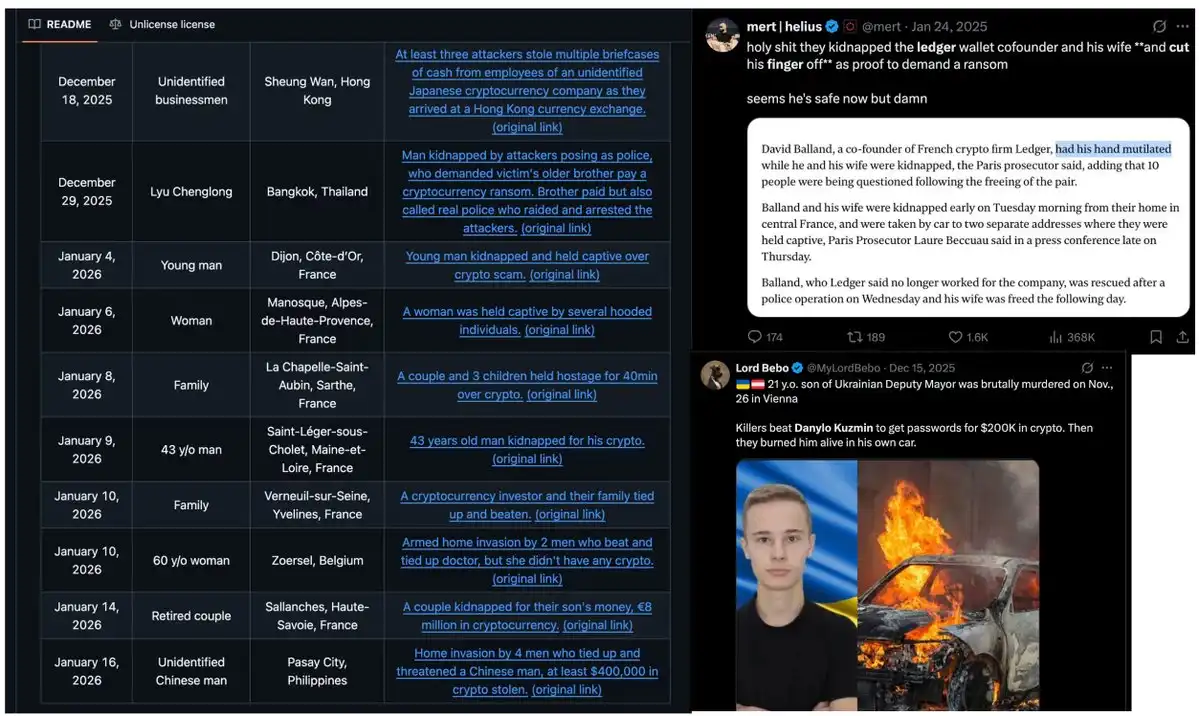
Подпись: Смотрите, как я тут веселюсь (ирония)
3. Плохая репутация крипты — Президентский банкомат
С появлением таких токенов, как TRUMP, MELANIA и WLF, окно Овертона сместилось. Забавно, что все эти монеты упали, они стали похоронным звоном для предыдущей лихорадки «ИИ + Solana».
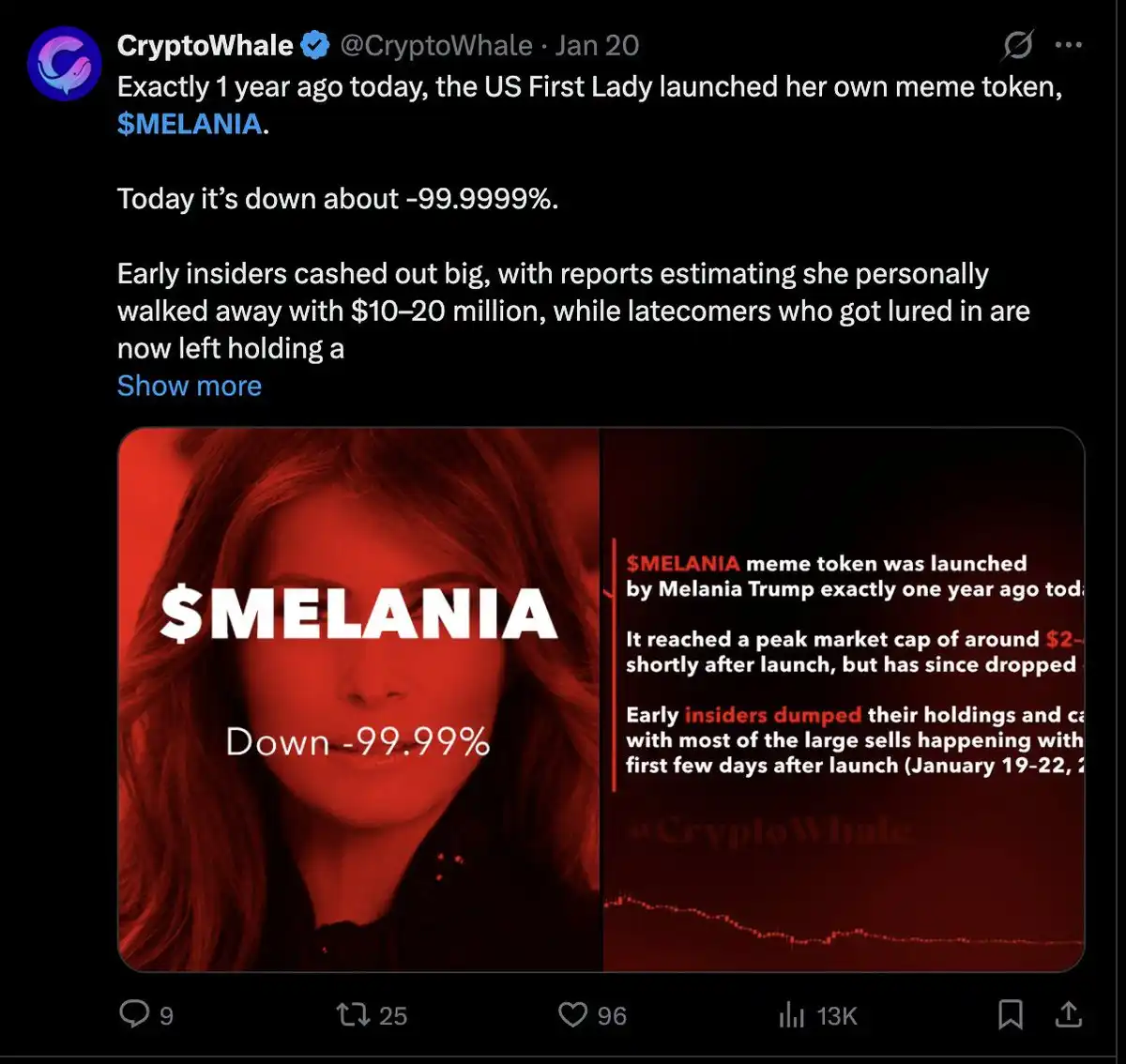
Подпись: Спасибо, Обама (мем)
Проблема не в том, знаменует ли это вершину, а в том, кто это сделал и каковы последствия. Учитывая, что токен TRUMP был запущен за два дня до официальной инаугурации, а другие токены были сделаны людьми, «связанными, но технически не принадлежащими ему», удачи вам в попытках вернуть деньги.
«Вывод средств» (Extraction) уже был названием этой игры до того, как произошла эта сцена. Мы часто говорим, что криптовалюты — это игра с нулевой суммой — чтобы я заработал 50 долларов, один человек или группа людей в сумме должны потерять 50 долларов. Многие обожглись в 2021/22 годах, став ликвидностью для выхода проницательных «ончейн-хищников», а затем они вернулись в 2023 году с менталитетом мести — начав грабить сами.
Вот в чем проблема: здесь больше нет чистого интереса.
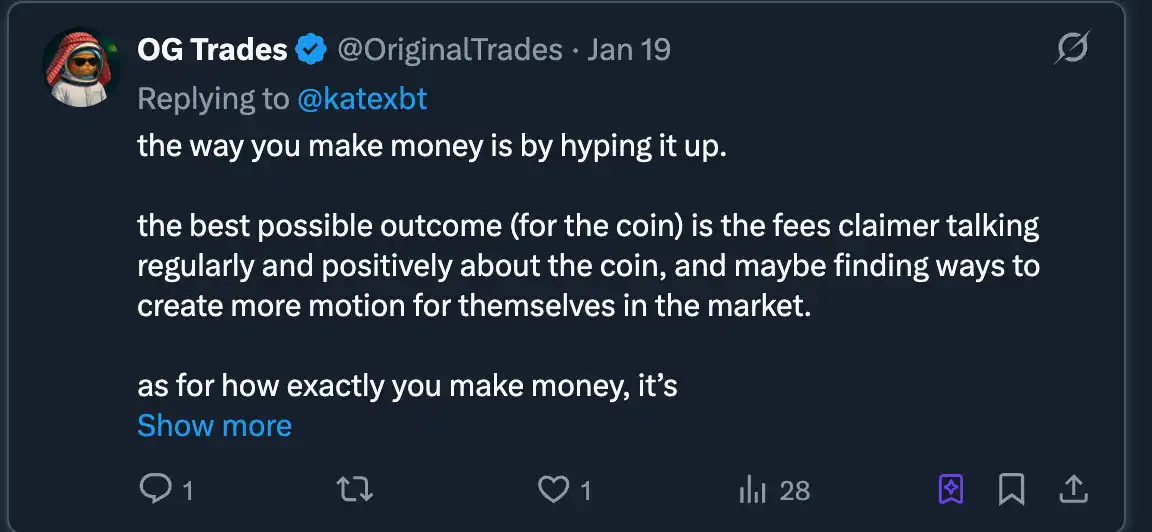
Теперь нет новых спекулянтов, желающих быть «ограбленными», потому что в 2021/2022 году участие в этой «вечеринке» было, по крайней мере, с положительным матожиданием (+EV), веселым, живым. А сейчас у людей есть куда лучше пойти.
4. Крипта больше не самая интересная игра
- ИИ
- Vibe Coding (создание приложений в одиночку за несколько часов, а не с командой за недели)
- Робототехника
Все эти области намного интереснее криптовалют, потому что мы ясно видим их влияние. Истории в этих областях — не просто «ты станешь богатым, потому что это растет», если сейчас и есть пузырь, то в области ИИ, а не в крипте.
Это означает, что возможности в другом месте, а не в криптовалютах.
Как сказал «один мой друг из TG» о своем происхождении (и многих других):
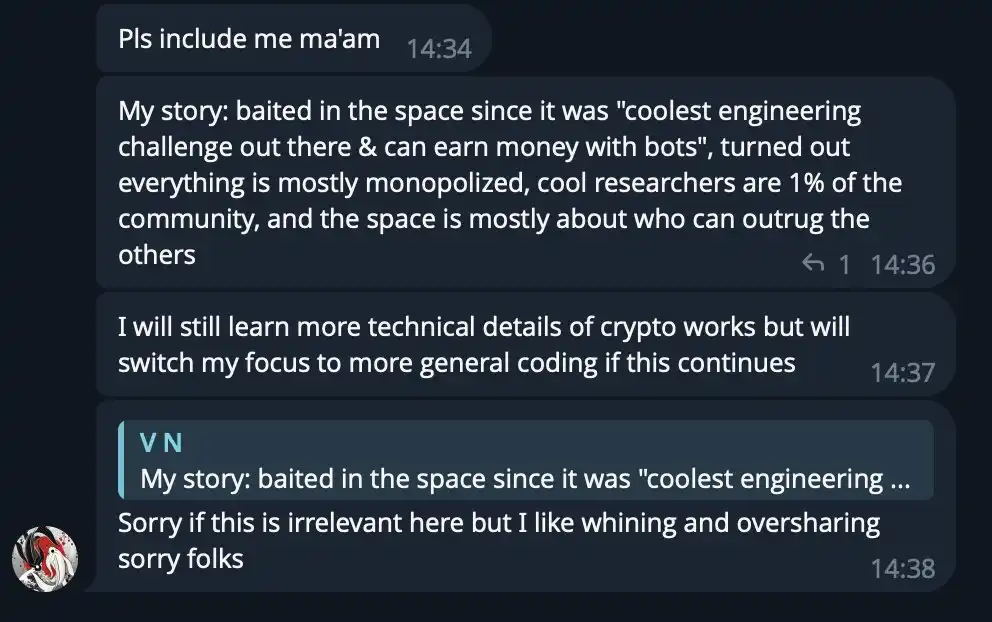
Логика здесь такова: если ты входишь с чистыми намерениями, пытаешься создать ценность и токенизировать ее, ты в конечном итоге сталкиваешься с кучей идиотов, жалующихся на цену (а цена спроектирована так, чтобы падать, потому что токеномика в основном для выгоды команды).
Поэтому люди выбирают простой и грубый способ — они проектируют системы (в зависимости от уровня навыков, представленные различными вариантами схем Понци), чья первоначальная цель — забрать деньги. Этот способ более прямой, более эффективный.
5. Цена — лучшая реклама, но сейчас реклама отстой
До сих пор эти рекламные объявления показывали себя очень плохо. С тех пор как Solana (SOL) выросла в 10 раз, а Hyperliquid (HYPE) в 5 раз, доходность на крипторынке просто ничтожна по сравнению с тем, что вы видите на фондовом рынке.
Легендарный криптотрейдер GCR сокрушался:
«Когда макросреда в режиме склонности к риску (Risk on), разумно ставить на самую быструю лошадь, и на данный момент этой лошадью являются криптовалюты». (Вроде так, не могу найти скриншот).
Но знаете что? Индекс Dow Jones достиг исторического максимума, Nikkei также достиг исторического максимума, цена на золото и серебро — вы угадали, тоже достигли исторических максимумов. А криптовалюты? Ни с места. Это не похоже ни на что, что мы видели раньше, и это именно то, что раздражает многих людей.
Цена активов (их оценка) также полностью оторвана от функциональности этих активов. Действительно ли «мировому компьютеру» нужна рыночная капитализация в 360 миллиардов долларов? Стоит ли он в два раза больше, чем Intel?
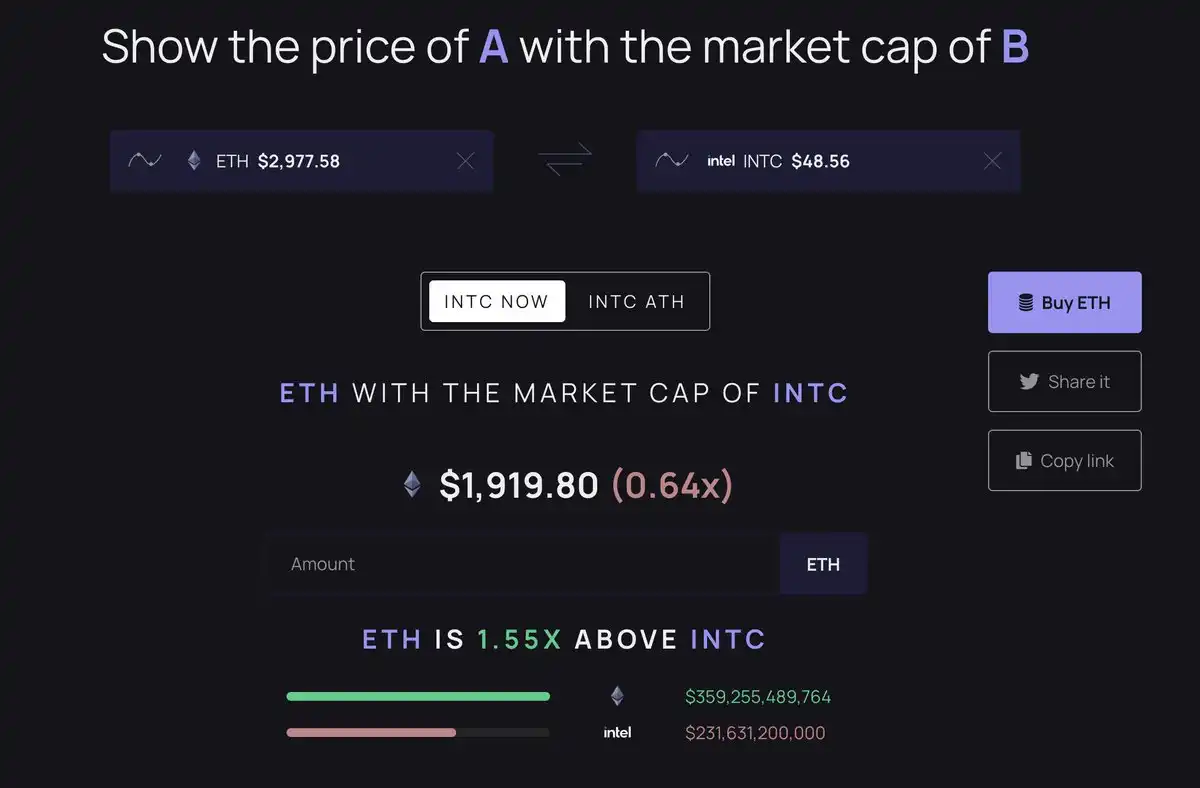
Это компания, которая производит процессоры почти полвека. Если бы Ethereum (ETH) стоил 400 долларов, была бы безопасность сети обеспечена? Скорее всего, да.
6. Обычные люди испытывают отвращение к нашей «культуре»
Сегодня есть одно отличие от 2021 года — больше никто не пьет «воду кул-эйда» (Coolaid), никто не верит, что ты можешь стать богатым, известным или успешным, просто находясь в криптоиндустрии. Если бы это было так, ты бы видел больше историй успеха, а не людей, постоянно теряющих деньги или даже сталкивающихся с насилием (отрубание пальцев и т.д.).
Наоборот, когда человек с социальным капиталом видит криптопроект или кто-то упоминает ему о нем, он может какое-то время, несколько часов, подыгрывать, потому что в наше время войти и выйти с мешком денег занимает примерно столько же времени. На этом сайте (X/Твиттер) все псевдонимно или анонимно, что означает, что потенциальные последствия также минимальны — их почти не существует.
Мы пробуем это дерьмо с «токенами создателей» (Creator coin) уже почти три года, и за исключением нескольких едва работающих случаев, почти каждая версия становилась «Центром вывода средств» (Extraction Central). В экономике это называется «Неблагоприятный отбор» (Adverse Selection):
- Настоящие создатели не хотят, чтобы их整天 донимала группа отвратительных, униженных, как тараканы, спекулянтов.
- Мошенники будут упиваться этим два часа, заработают деньги и будут смеяться над тем, насколько деградировали мы, игроки.
- Большинство состоятельных людей (HNWI) просто брезгуют этим, потому что минусы значительно перевешивают плюсы.
- Игроки (действительно деградировавшие) проиграются до нитки и будут жаловаться в своих информационных пузырях.
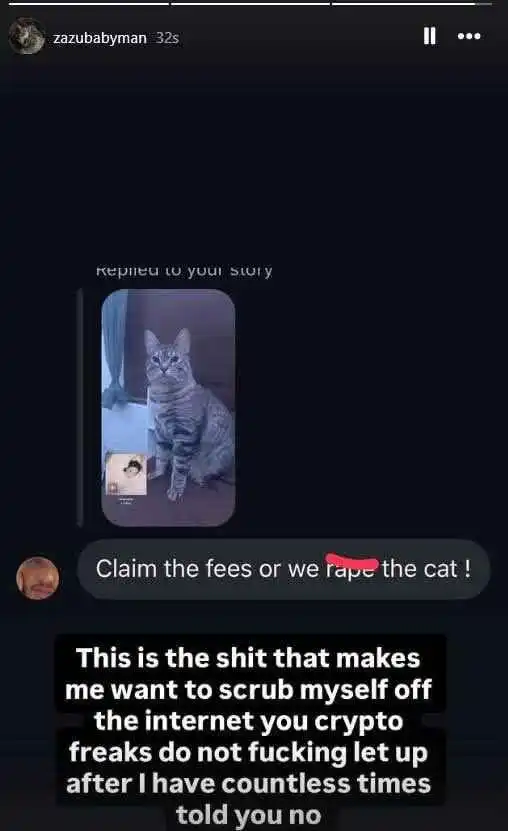
Вау, креативная экономика Zora, управляемая рынками капитала Base и Solana, это так круто, я так люблю это, я должен как можно скорее привести всех своих друзей! (Прим. автора: ирония)
7. Технари тоже испытывают отвращение к этой культуре — потому что в криптоиндустрии нет наследия
Пять лет назад я заходил на Hacker News, чтобы посмотреть, как они анти-крипто, или почитать, насколько ядовиты комментарии на Gematsu, но в конечном итоге те люди часто становились теми, кто покупал на самом верху. Но сейчас, я чувствую, они даже не выражают ненависть так активно, как раньше — они просто чувствуют полное отвращение и хотят, чтобы это поскорее закончилось.
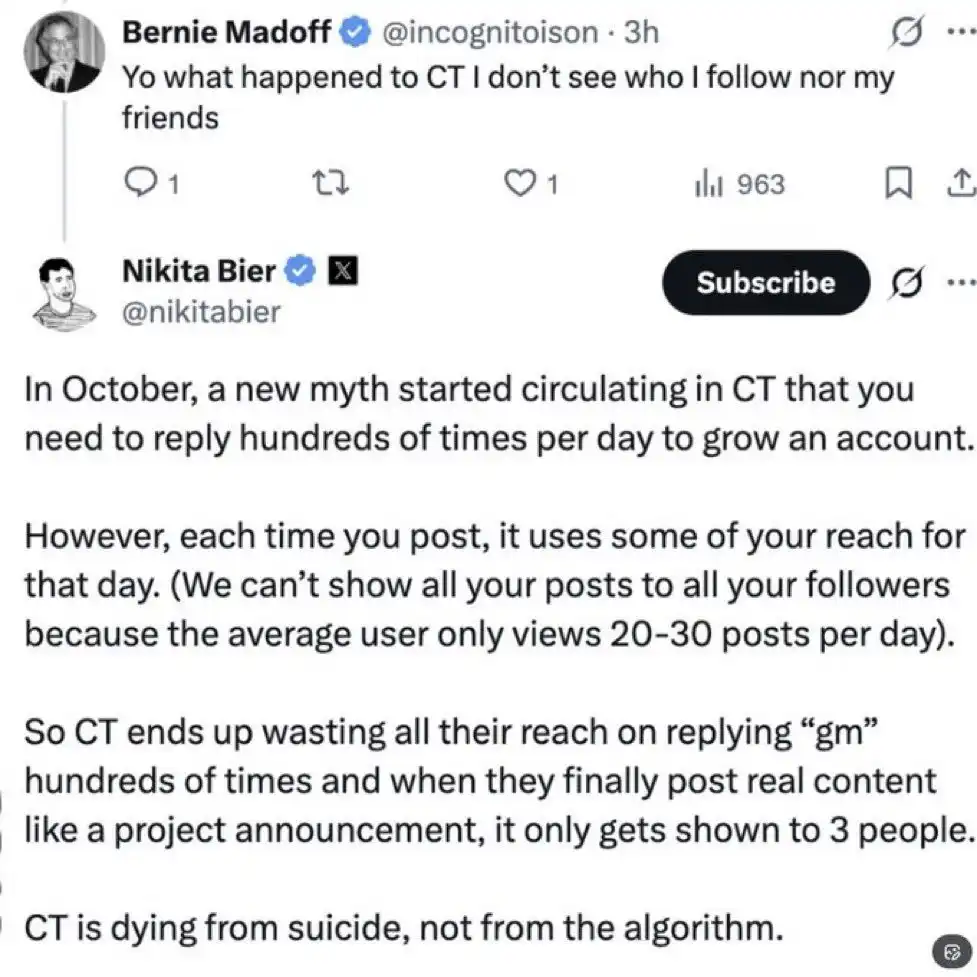
Они хотят конца потому, что будь то основатели или мыслители, независимо от их позиции по криптовалютам, единственное значимое применение, которое они видят, — это «игра с нулевой суммой» и «мошенничество». За исключением нескольких единичных дропов, меняющих жизнь (таких как Jito, Hyperliquid или какой-нибудь уже умерший инфраструктурный проект), подавляющее большинство так называемых «возможностей» — это мины.
С моей точки зрения:
- Несмотря на техническую возможность, подключение Web3-кошелька (Wallet connect) еще не реализовано ни в одном известном Web2-приложении.
- Распространенность стейблкоинов в реальной жизни на самом деле не так уж поразительна, а, как упоминалось ранее,增加了增加了增加了 (увеличивает) риск государственного регулирования и операционной безопасности (Opsec).
- Для проницательных инвесторов есть лучшая доходность на других рынках.
- Оценки новых проектов повсеместно безумны, независимо от цены, и у нас сейчас есть более 8 лет убедительных данных, подтверждающих это (неудовлетворительные результаты).
- Даже такие проекты, как Privy, которые в последние 4 года назывались крупными победителями из-за их широкой привлекательности, не запустили ни одного приложение, которое можно было бы назвать «историей успеха» криптоиндустрии.
Если как коллективу вам дали целых 10 лет, чтобы построить что-то, и лучшее, что вы придумали, — это «кошелек получше», «блокчейн-эксплорер получше» или «более простой способ азартных игр с более низкими комиссиями» — можете ли вы винить людей в том, что они считают криптовалюты бесполезными и провалившимся экспериментом?
8. Сжатие доходности (Yield Compression)
С тех пор как я пришел в индустрию в 2020 году, меня привлекали и заставляли вкладывать деньги протоколы DeFi. Доходность в долларах (в традиционной сфере) составляла максимум 3-4%, и банки требовали всевозможные подтверждения KYC/AML (против отмывания денег) для базовых операций. В таких странах, как Япония или Китай, получить такую доходность даже сложно.
DeFi предлагал новый способ заработка, который был более или менее (чаще менее, лол) безопасен, особенно если учитывать потенциальные дропы, доходность могла быть очень существенной. Но, как часто говорят в черных сообществах, частота «попадания в куш в трущобах» (hitting a lick in the bando) резко упала.
Это произошло не из-за прогресса ИИ или того, что люди вдруг поумнели, а из-за дисбаланса в соотношении: новые entrants, готовые терпеть это дерьмо и его риски / опытные игроки, знающие правила игры ...... это соотношение резко падает.
Если вы хотите узнать больше, можете почитать прошлые эссе @rami_poker, все уже написано.
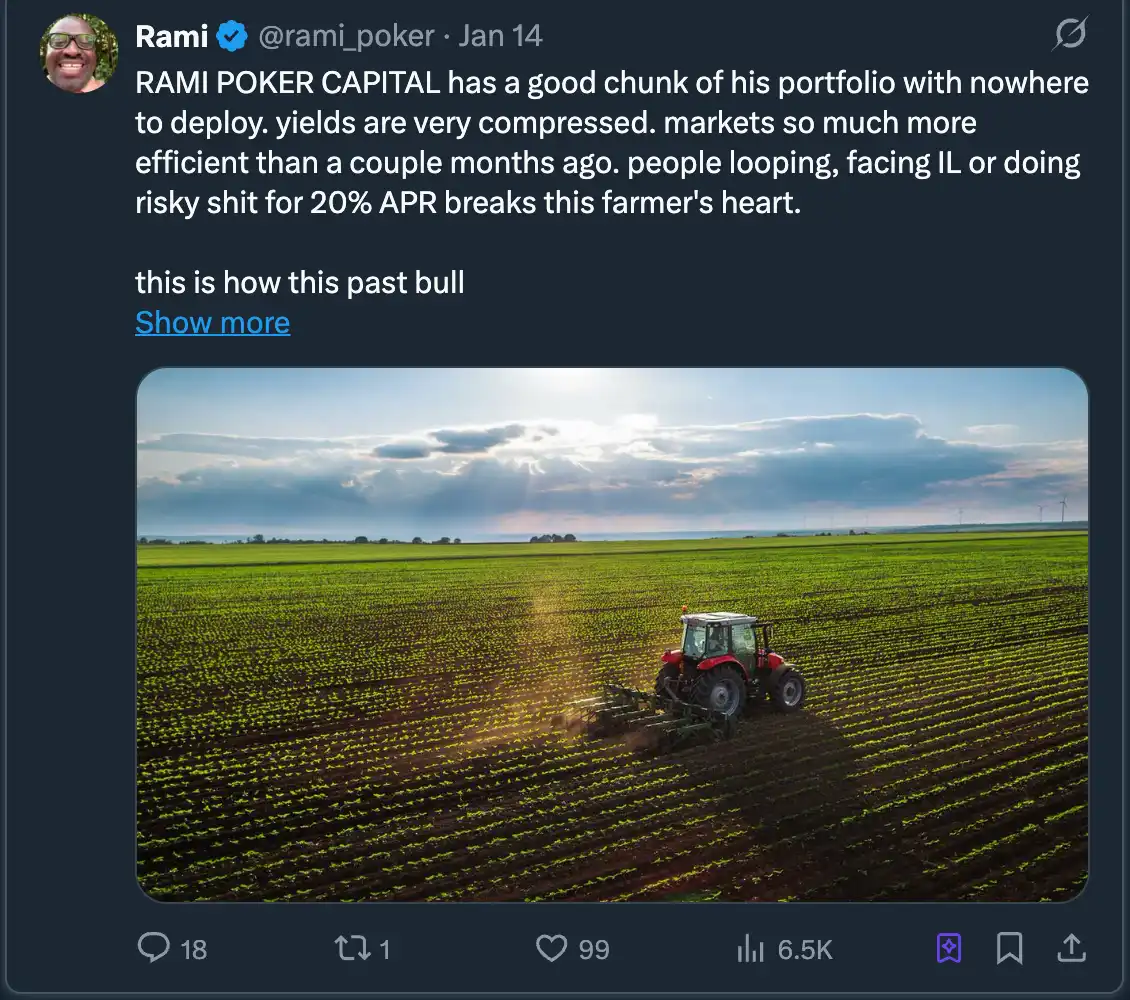
Я также готов поспорить, что Pendle в некоторой степени усугубил эту ситуацию. Несмотря на свою гениальность, инновация YT (yield tokens) открыла дверь для неэтичных команд, чтобы ускорить это спекулятивное мошенничество за счет тех, кто считает себя умным, но на самом деле посредственным (как я, лол).
Сжатие доходности соответствует моему предыдущему пункту: безумно вращающийся шар горячих денег больше не такой горячий, теперь он похож на объедки. По личному опыту, в моем кругу только 3 человека являются фанатами DeFi и действительно заботятся о нем:
- Тот, кто вечно ненавидит его и хочет выйти, потому что чувствует себя слишком старым для всей этой ерунды.
- Другой из Сингапура, очень заботится о нем, но ему всего 20, и он в любой момент может переключиться на что угодно.
- Последний — это я — я переключился на написание в X для заработка, потому что у меня нет времени совмещать работу, путешествия и управление жизнью с должной осмотрительностью (due diligence) в отношении того, собирается ли кто-то просто сделать хард-раг, украсть мою доходность или просто заставить меня тратить время впустую.
9. Мы больше никому не доверяем
Все «меты» (Metas), кажется, ускоряются в развитии, и любая конкретная мета сталкивается с большим сопротивлением для распространения. Мы также больше не доверяем компаниям или централизованным биржам (CEX)...
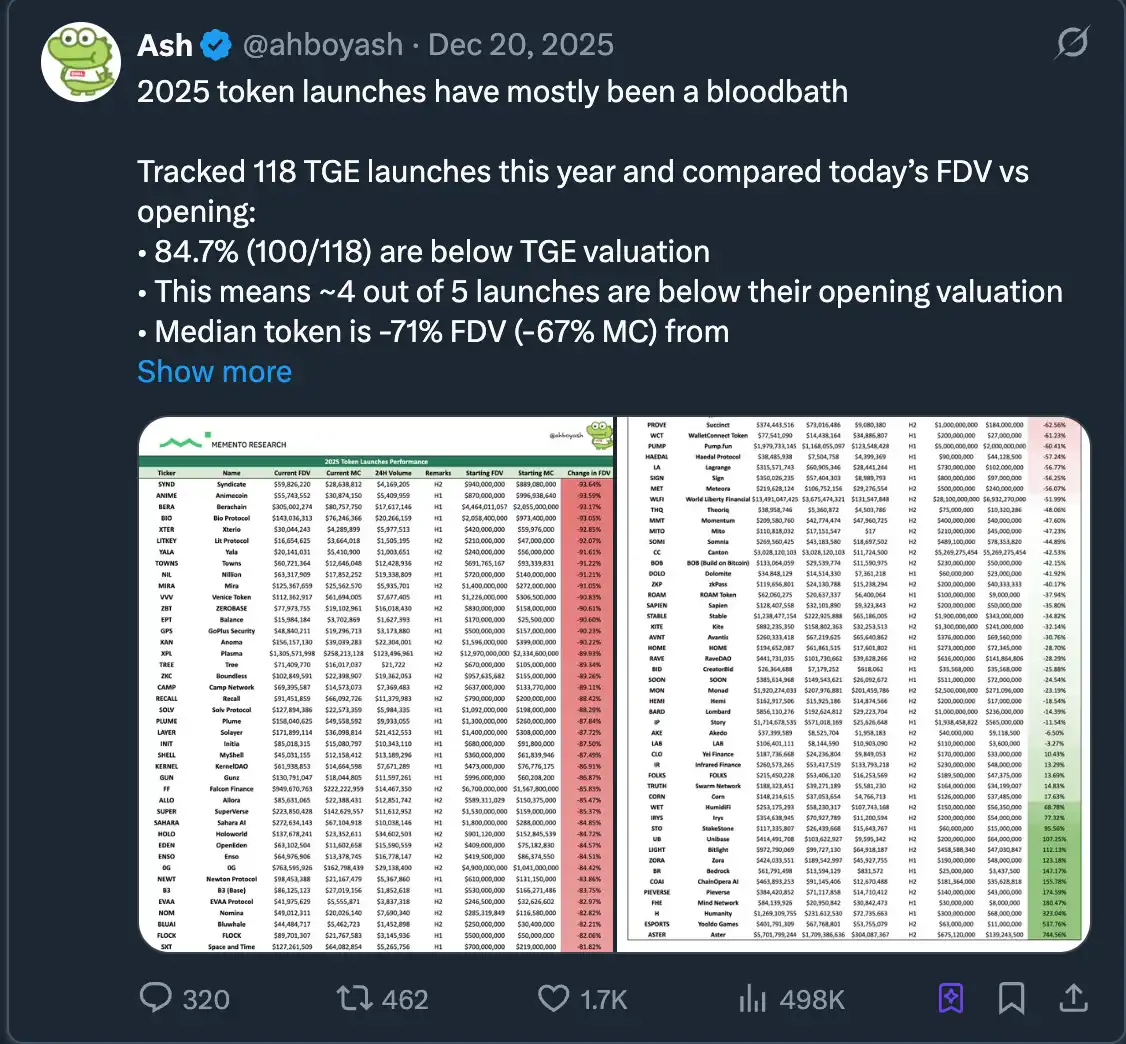
- Мы не доверяем CZ и Binance.
- Мы не доверяем Coinbase, Брайану или ребятам из Base/Zora.
- Мы абсолютно не доверяем Ledger.
- Мы тем более не доверяем «туристическим» основателям — если ты провел в индустрии десять лет, прежде чем выпустить монету, чем ты занимался все эти десять лет?

10. Внутренняя ненависть
С конца 2022 года термин «PvP-рынок» стал повсеместным. Раньше это относилось к博弈 ончейн-метрик, но теперь эта «ненависть» распространилась и внутри криптовалют.
- Трупоедство по версии Yelp для крипты: Все ругаются друг с другом в соцсетях, хотя出发点 и хорошие, но уже слишком поздно.
- Подъем за счет «хейта»: Многие аккаунты недавно быстро набирали подписчиков, единственным «ценностным предложением» которых было написать две строчки острот или сделать скриншот, высмеивающий других крупных игроков CT (Crypto Twitter) или проекты.
- Мизогинный и неприятный комьюнити-вайб: Группа самодовольных крутых парней в своих各自 «выгребных ямах» (NFT или токен-комьюнити) с доступом по разрешению. Когда через год рыночная капитализация сообщества падает на 90%, они начинают яростно грызть друг друга.
Только представьте, насколько тошнотворно будет потом рассказывать своим внукам, что твоим достижением в возрасте от 20 до 30 лет была вся эта ерунда.

Будь то любовь или ненависть, именно это «невежественное оптимистичное» когда-то поддерживало цены наших альткоинов. А теперь свет включили, и вечеринке пора заканчиваться.





