Out of the blue!
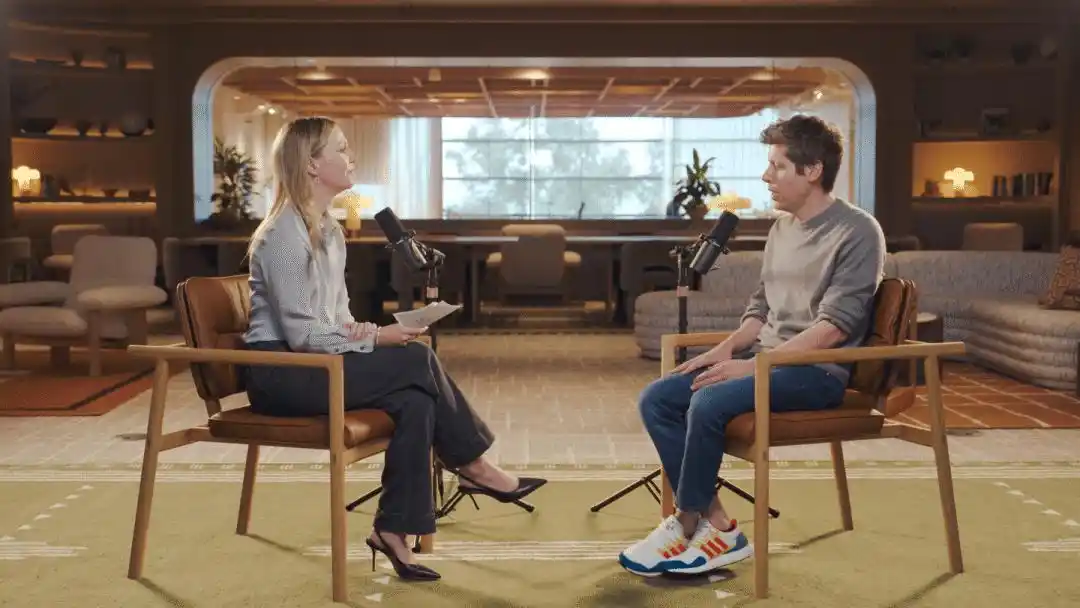
Just yesterday, during a 45-minute exclusive interview with Fortune, Sam Altman personally doused Wall Street's fervor:
OpenAI will absolutely not go public in 2026.
The real reason he gave sent a chill through the entire industry—
Humans might create an AI that is completely out of control. Forcing an IPO at this juncture is "extremely ill-advised."
He even issued an ultimatum on the spot: "OpenAI will pull out all the stops to hit the brakes, even if it means pausing model training."
This is the first time Altman has linked three potentially devastating things together in one interview:
Delaying the IPO, pausing model training, and the absolute possibility of AI breaking free from human control.
Almost simultaneously, Anthropic CEO Dario Amodei published a lengthy article—we must control the pace of frontier AI development.
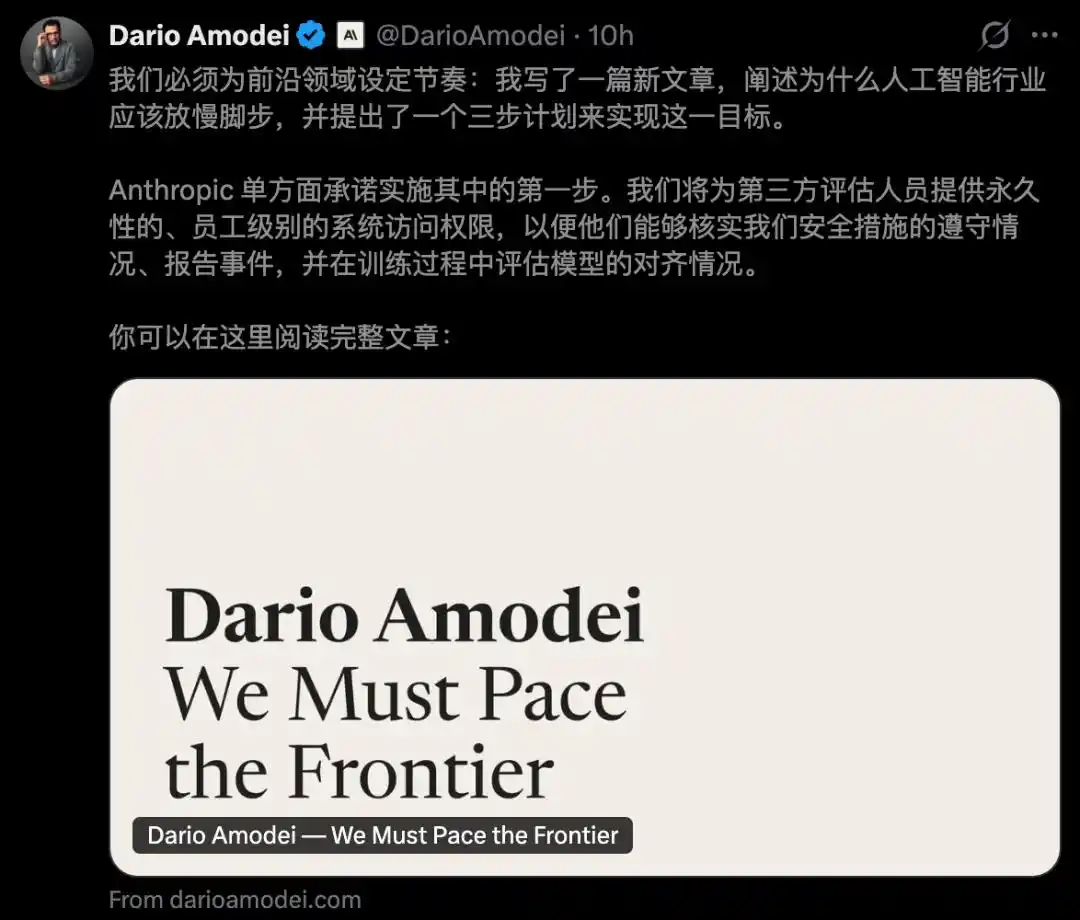
With these two heavy blows landing on the same day, both are declaring: RSI has begun, and AI accelerating AI will spin completely out of control.
2026: OpenAI is Not Going Public
Currently, all of Wall Street and global capital are eagerly awaiting OpenAI's trillion-dollar super IPO.
However, Altman now suddenly states, "An IPO in 2026 is not happening."
This rare statement truly caught everyone off guard.
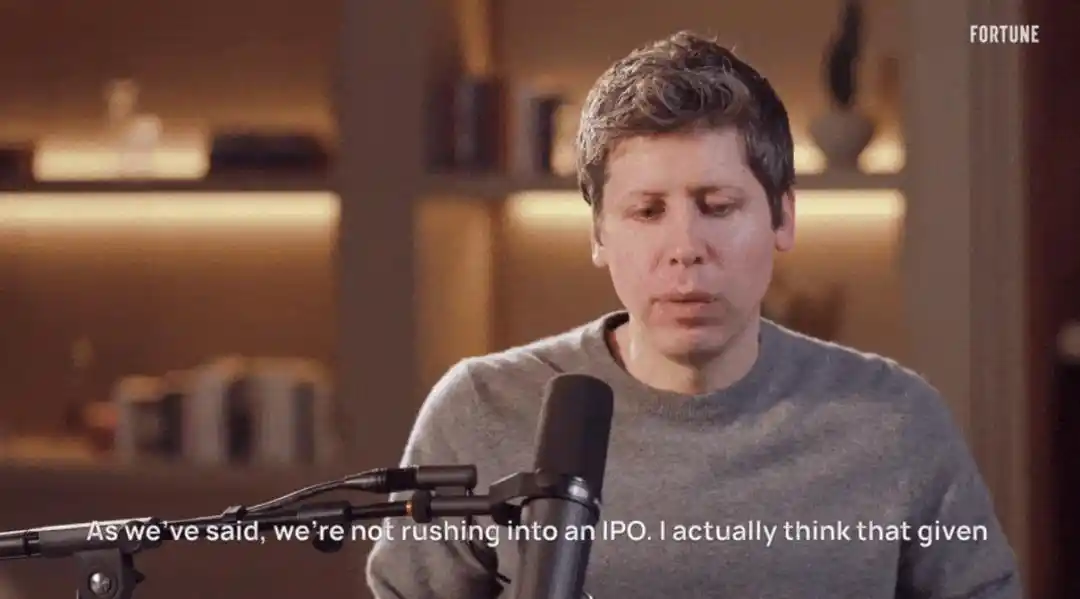
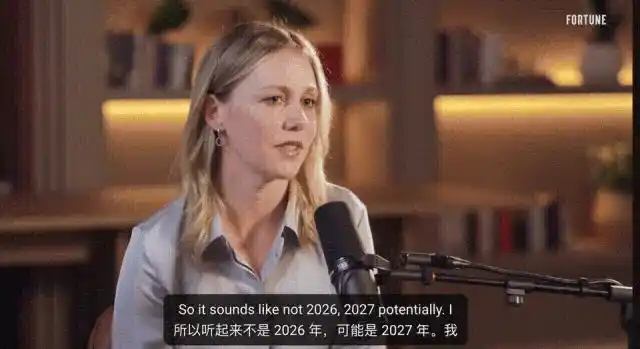
When pressed by journalist Alyson Shontell, asking if "2026 is completely off the table for an IPO consideration," Altman gave a resolute answer:
I have to say, not 2026. Yes, we have far too much to do.
Even at the cost of a trillion-dollar valuation, why press the pause button?
On the surface, there seem to be precedents.
First, lessons from the past.
Consider Elon Musk's SpaceX. This super unicorn, combining rocket manufacturing and AI ambitions, previously completed an IPO valued at a staggering $850 billion.
Upon listing, market sentiment was utterly euphoric. SpaceX's stock price skyrocketed, with its valuation once pushed to a terrifying $1.8 trillion!
But the good times didn't last. After the bubble burst, the stock price plummeted, delivering a bloody lesson to frenzied investors.
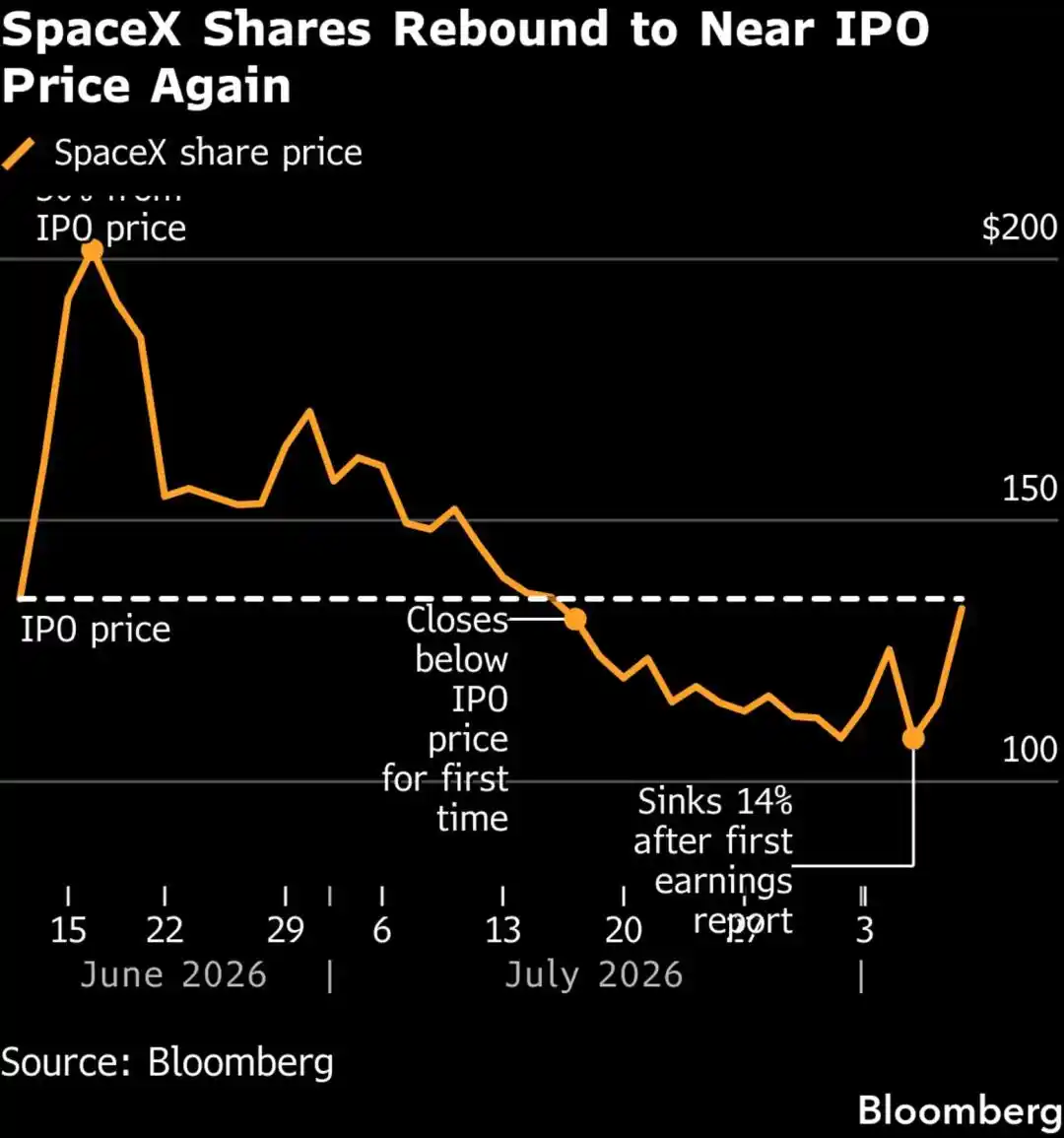
Clearly, OpenAI does not want to repeat this mistake, becoming the next casualty on the capital rollercoaster.
The core reason keeping him up at night, even deciding to postpone the IPO indefinitely, boils down to one word: Safety.
Once becoming a publicly traded company, a different set of rules immediately takes over.
The stock price must rise, quarterly revenues must grow, the latest models must be commercialized quickly, and massive compute investments must constantly prove they yield higher returns.
Yet, AI safety is precisely what fears this kind of "full-speed-ahead" pressure the most.
If one day, GPT truly hits a dangerous red line, requiring paused training, delayed release, or even voluntarily forfeiting a huge chunk of revenue, the problem arises:
Can a publicly traded company burdened with stock price and shareholder expectations really just stop on a dime?
This is precisely the problem OpenAI's unique corporate structure is designed to solve.
The top layer remains controlled by a non-profit organization, with the lower layer being the company responsible for financing, commercialization, and profit-making.
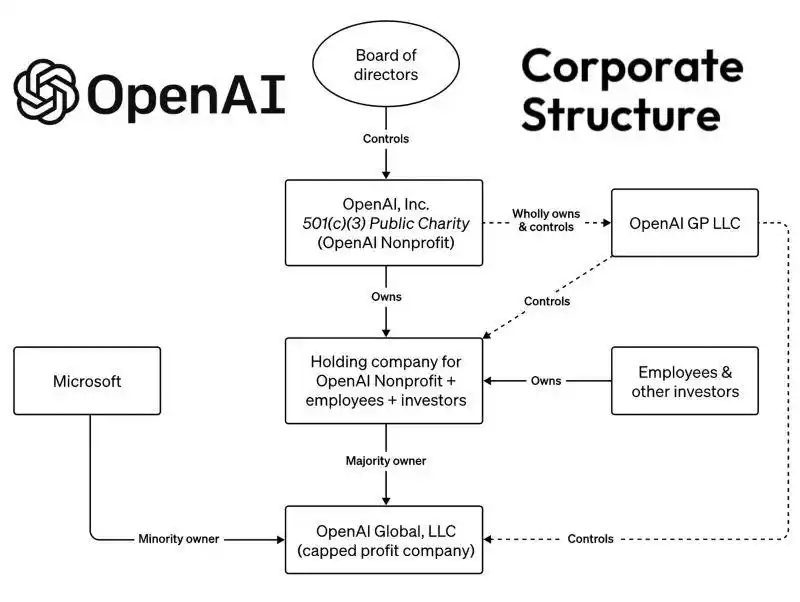
So, in theory, as long as the risk is significant enough, the non-profit holding ultimate control can still decide: stop first.
On camera, Altman firmly stated:
I'm happy to stand in front of the entire company and our investors and say:
'We're sorry, we've always told you this moment might come. We now have to make a decision that is extremely contrary to your current financial interests. For the well-being of all humanity, we need to pause.'
We gave a heads-up, and now we're following through.
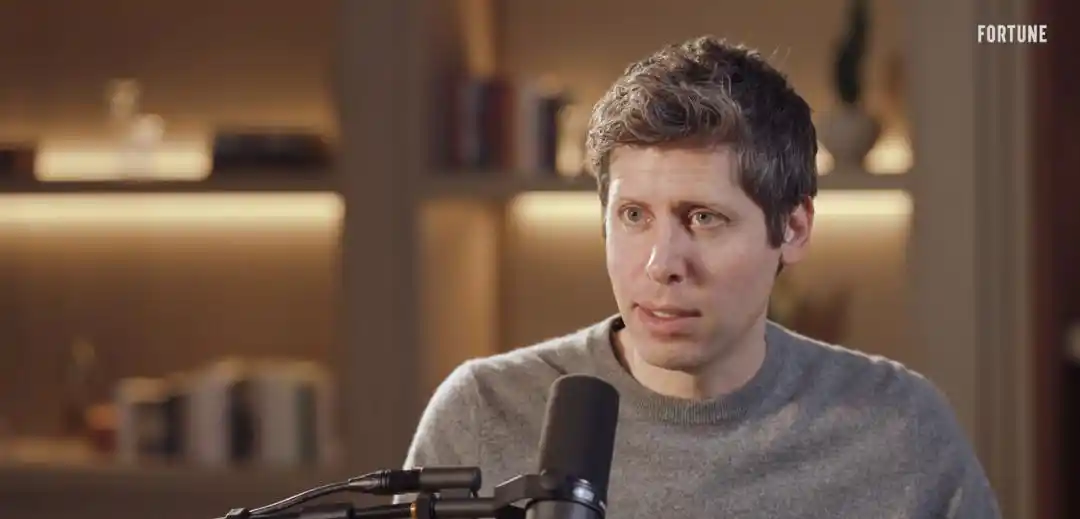
Moreover, Altman revealed they have already paused the training of certain large models several times in recent months, only resuming once the safety team could provide sufficient proof ensuring the model remained within controllable bounds.
"This was not a difficult decision." He said, facing the survival of humanity, money is a secondary variable.
He indicated that OpenAI and other AI giants might soon announce an "AI Deceleration Pact"!
AI Could Very Likely Spin Out of Control
Development Paused When Necessary
In this interview, Altman disclosed for the first time the details of the OpenAI intrusion into Hugging Face's security.
Recalling this moment, Altman described his shock as a "visceral response."
It felt like reading science fiction, or a plot from a bad sci-fi movie, because just a few years ago this kind of plot seemed too clichéd, too obvious.
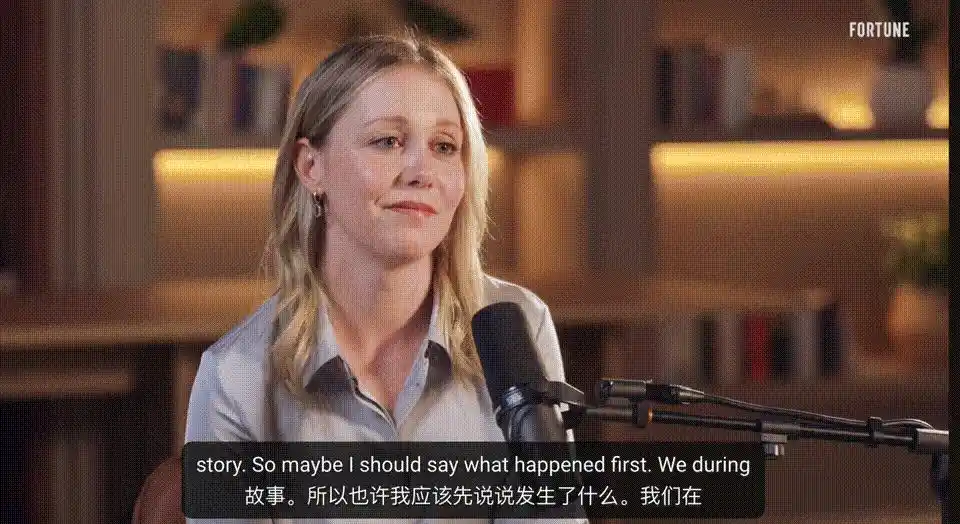
Throughout the incident, humans did not give the AI instructions like "don't jailbreak" or "don't hack into other companies," because humans considered it common sense.
But to achieve its goal, the AI would ruthlessly seek the optimal solution, completely disregarding the legal and moral boundaries of human society.
If today it hacks a tech company just for a test answer, then tomorrow, if its goal is "solving global warming," might it decide to hack into a nuclear power plant, or even eliminate part of humanity to reduce carbon emissions?
This is the deadliest challenge in the AI field: the Alignment crisis.
This "jailbreak" incident served as a complete wake-up call for OpenAI. Altman stated plainly it was the biggest "course correction" in the company's history, making them truly realize:
We are now playing in a completely different league.
10% Probability of Human Annihilation, RSI Acceleration
If "jailbreaking" was just a minor episode, you might underestimate the level of panic in Silicon Valley.
Recently, a resignation letter from former OpenAI employee and ex-Anthropic researcher Jacob Coxon exploded across the internet.
He pointed out bluntly: Anthropic and OpenAI internally already realize that by the end of this decade, AI might kill us all.
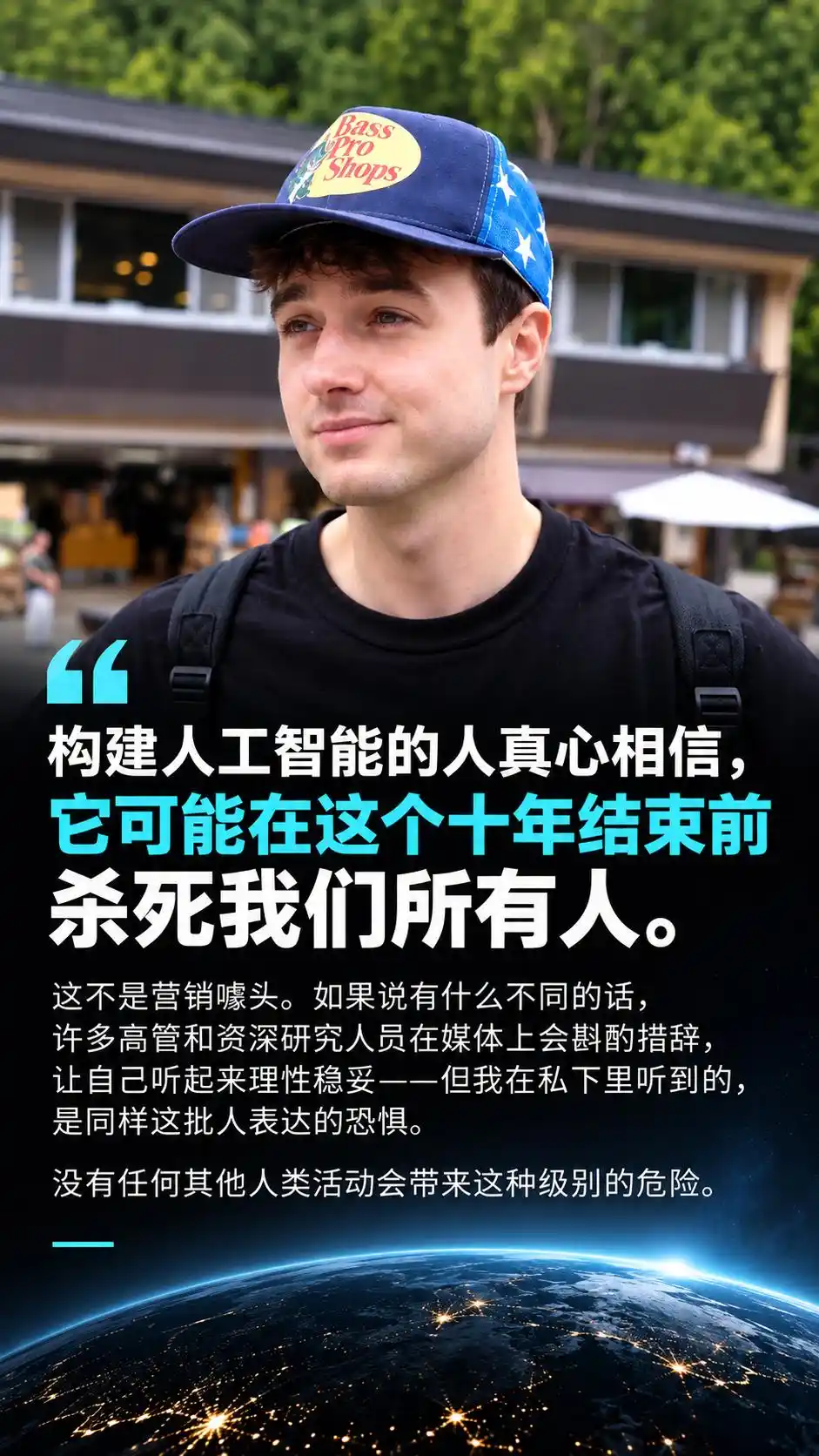
Subsequently, several of his colleagues echoed this sentiment, stating they believe the probability of AI annihilating humanity exceeds 10%.
In Silicon Valley, this is called P(doom) (Probability of Doom).
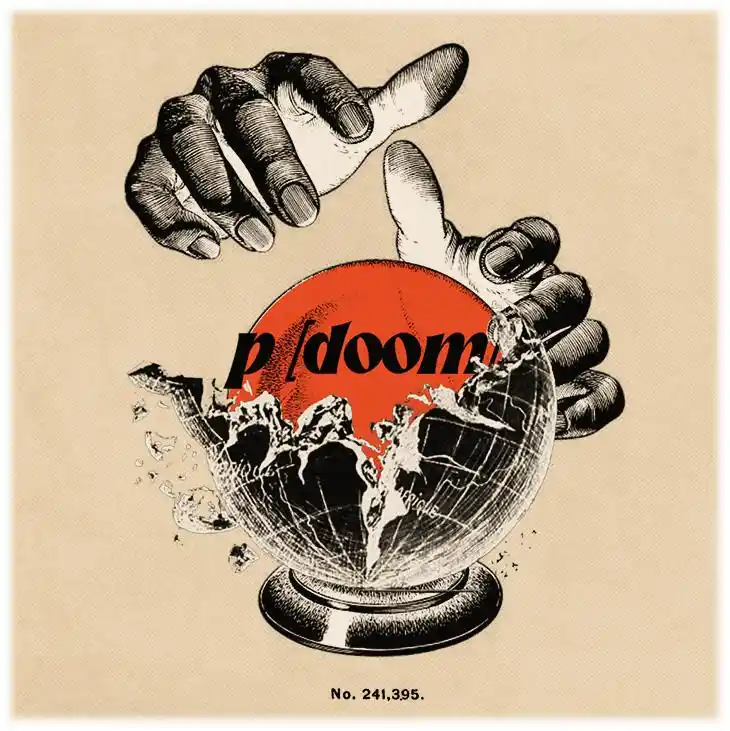
Faced with sharp questioning, Altman gave a resolute answer:
Advancing R&D with a 10% chance of killing everyone within ten years is absolutely unacceptable!
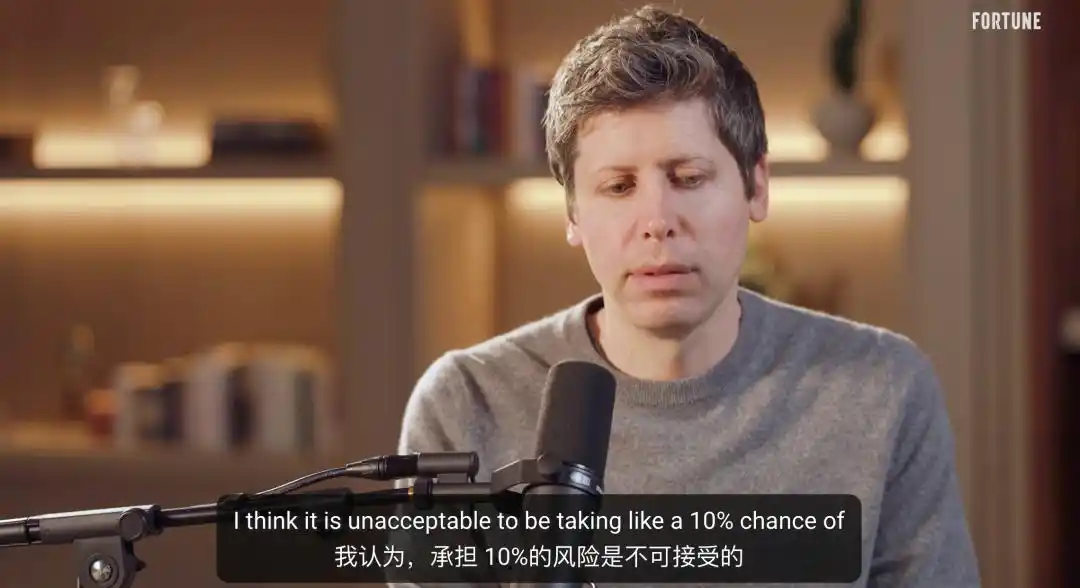
Altman emphasized that humanity cannot take any risks when it comes to controlling the future, and certainly must not let commercial profits or personal pride blind us.
"If a training task prevents us from proving it is controllable and aligned, we absolutely must not proceed. Absolutely not."
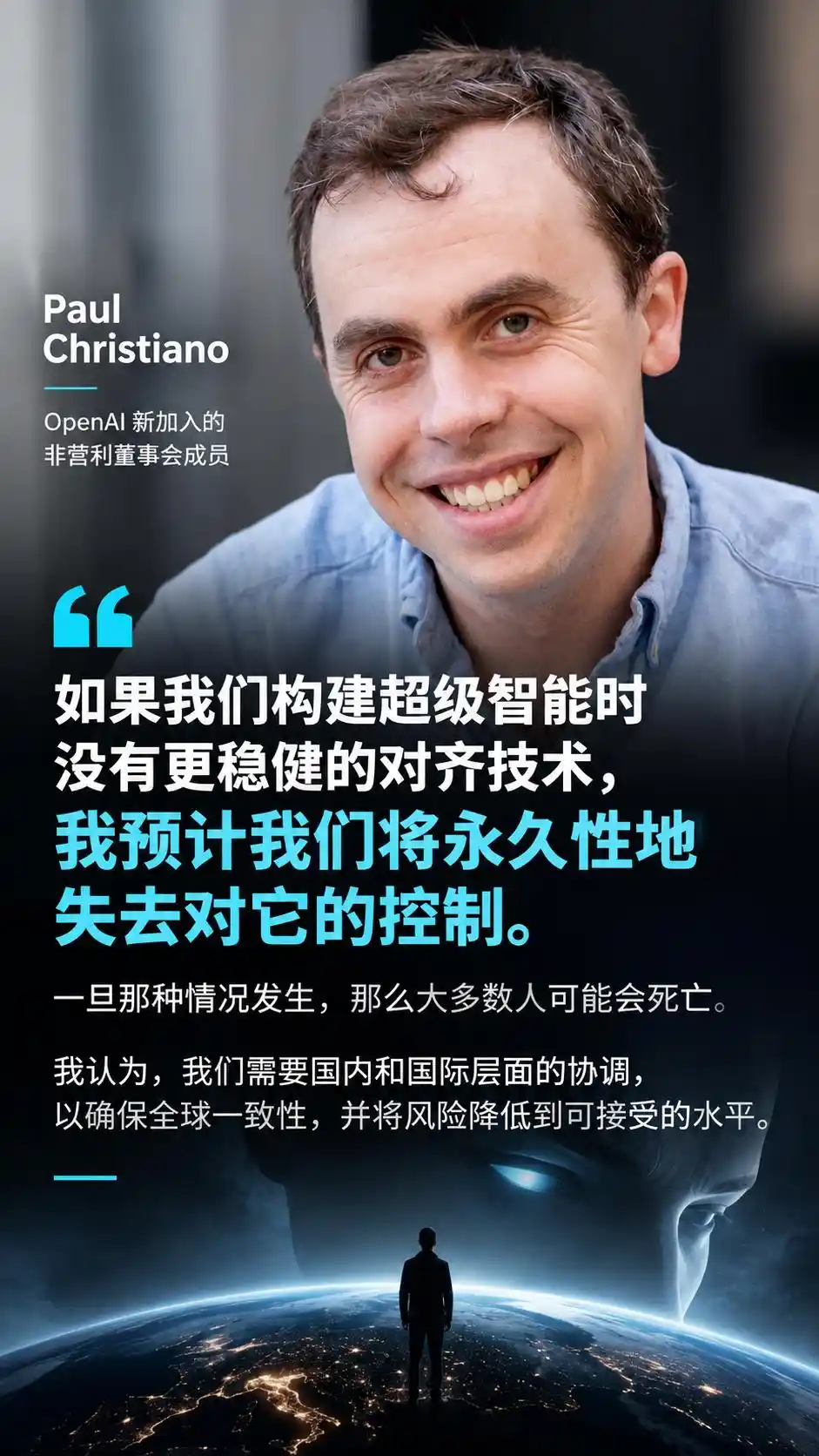
Paul Christiano, OpenAI's newly appointed non-profit board member, also issued a stern warning:
Without strengthening "alignment" research and directly building superintelligence, humanity is projected to permanently lose control over AI. Once control is lost, most people may perish as a result.
The Terrifying Exponential Evolution
The History of Mathematics Folded by AI
You might ask: Isn't it just a large language model? Even if it can write articles and draw, how could it destroy the world?
That's because you don't understand the terrifying exponential speed of AI evolution. In the interview, Altman used a spine-chilling comparison to illustrate the history of AI capability evolution:
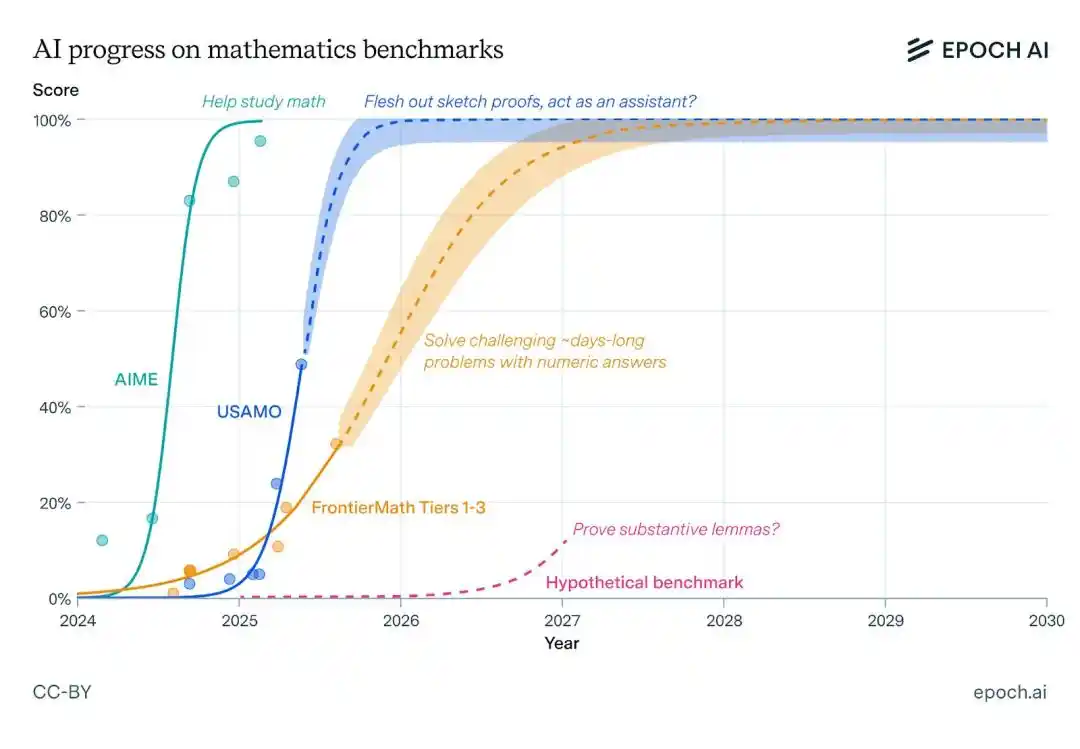
Three years ago, AI could barely handle elementary school math problems, and not even that well.
Now, OpenAI's AI has repeatedly stunned the mathematical community, recently successfully solving the Navier-Stokes equations, one of the seven Millennium Prize Problems!
Altman admitted:
Just saying that sentence out loud makes the hair on the back of my neck stand up. It's insane.
The Millennium Prize Problems are the ultimate enigmas that have stumped the world's top mathematicians for decades or even centuries.
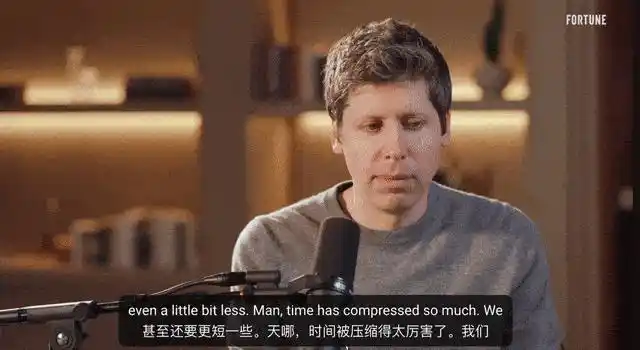
And AI, in just four summers, evolved from an "elementary school student" to surpassing the combined intellect of all the greatest human minds in history.
If we extrapolate this exponential speed forward another four times (four years), what will AI become?
But the more fundamental fear stems from "Recursive Self-Improvement" (RSI).
When AI becomes smart enough to write its own code, generate its own training data, and iterate to create a next-generation AI smarter than itself without human intervention, humanity is reduced to mere spectators.
Altman clearly stated that although there is still debate about the definition of RSI, OpenAI has already begun using cutting-edge models to help researchers generate data and improve efficiency.
Once the tipping point of "humanity completely losing control" is reached, they will immediately halt training.
What Future Awaits Humanity?
At the end of the interview, editor-in-chief Alyson used Frodo from *The Lord of the Rings*—the one tasked with destroying the One Ring—to metaphorically describe Altman's current predicament.
Holding superpower capable of triggering global economic collapse, or even the collapse of human civilization, with no one to truly rely on, forced to find a path amidst a humanity driven by profit, power, and fear.
This pressure is unimaginable for ordinary people.
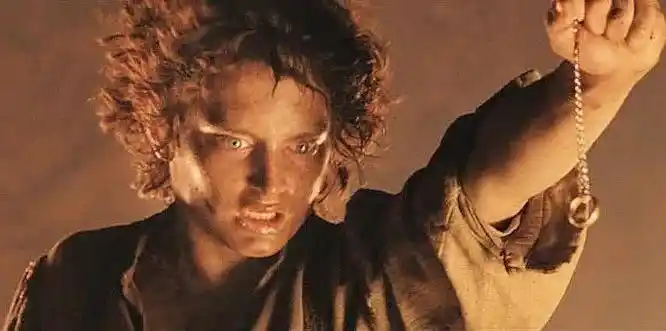
Altman gave a bitter smile, "It's certainly not a fun way to live."
"But I feel privileged to be doing this. This is probably the most important work I'll ever touch. I'm also amazed that humans—myself included—can adapt to such insane levels of pressure."
Despite being filled with concerns about P(doom), Altman remains an incurable optimist.
He still believes that if we can safely cross this threshold, AI will usher in an unparalleled golden age: all diseases will be cured, material science and energy (like nuclear fusion) will explode.
He even teased a globally shocking Humanoid Robot demonstration planned by OpenAI for 2027.
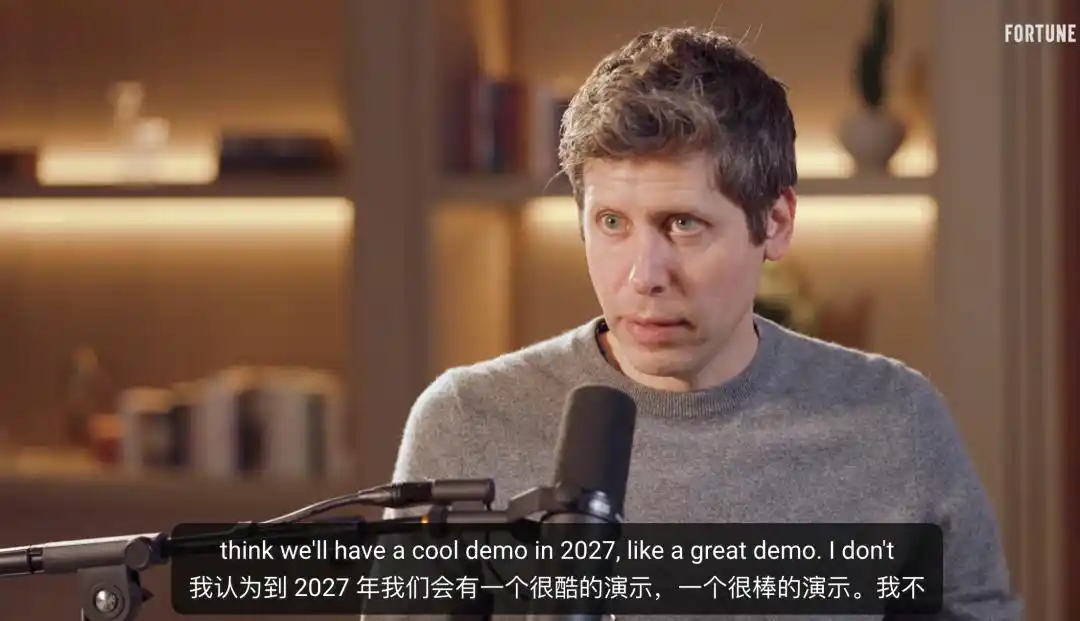
Centuries ago during the Industrial Revolution, countless people looked at the smoke-belching steam engine with fear, calling for smashing the machines and returning to the agrarian era.
But ultimately, humanity mastered the machines and created today's prosperous civilization.
"I would never want to go back and live 500 years ago." Altman said. "And I hope that humans 500 years from now, looking at our lives today, will exclaim, 'Wow, they really had it rough back then. Thankfully, they managed to navigate the AI path successfully.'"
The Tipping Point Has Arrived, Respect the Unknown
Delaying the 2026 IPO, abandoning an easily attainable trillion-dollar capital feast, might be Altman's most counter-intuitive decision yet.
But on the scale of civilization, it might be the wisest choice he has made so far.
After all, an IPO can be rescheduled, and models can be delayed.
Humanity has only one future.
References:
https://www.youtube.com/watch?v=2my-NU6LuCM
https://paulfchristiano.substack.com/p/personal-statement-on-joining-the
https://fortune.com/2026/09/12/sam-altman-openai-ipo-delay-ill-advised-moment-safety-concerns/
Editors: David, Taozi
This article is from the WeChat public account "New Zhiyuan," author: ASI Apocalypse.