Stablecoins have become one of the few products with "strong pmf" in the cryptocurrency space. Their supply has reached $2.5 trillion and is expected to continue growing, with daily settlement volumes in the tens of billions of dollars, and their role as the internet's "dollar API" is becoming increasingly clear.
However, when investors try to find the best target to profit from the stablecoin narrative, the most obvious target—Circle ($CRCL)—may not offer the best risk-reward ratio. Instead, Western Union (WU), an old giant with a so-called "outdated" remittance business but a double-digit dividend yield, is quietly entering the stablecoin trend from the distribution channel direction.
In today's article, we will delve into how to better capture the growth dividend of stablecoins: does the value lie in the minting of stablecoins, or in the control of the "last mile" distribution channel?
Current Use Cases for Stablecoins
The "Last Mile" Challenge: Could Western Union Be an Asymmetric Trade Opportunity in the Stablecoin Arena?
Stablecoins have become one of the few "clear stream" products in the cryptocurrency space. Their supply has reached $2.5 trillion and is expected to continue growing, with daily settlement volumes in the tens of billions of dollars, and their role as the internet's "dollar API" is becoming increasingly clear.
However, when investors try to find the best target to profit from the stablecoin narrative, the most obvious code—Circle ($CRCL)—may not offer the best risk-reward ratio. Instead, Western Union (WU), an old giant with a so-called "outdated" remittance business but a double-digit dividend yield, is quietly entering this grand stablecoin trend from the opposite direction.
In today's article, we will delve into how to better capture the growth dividend of stablecoins: does the value lie in the minting of stablecoins, or in the control of the **"last mile" distribution channel**?
Modern Use Cases for Stablecoins
Currently, the highest volume of stablecoin transactions is still concentrated within the crypto circle:
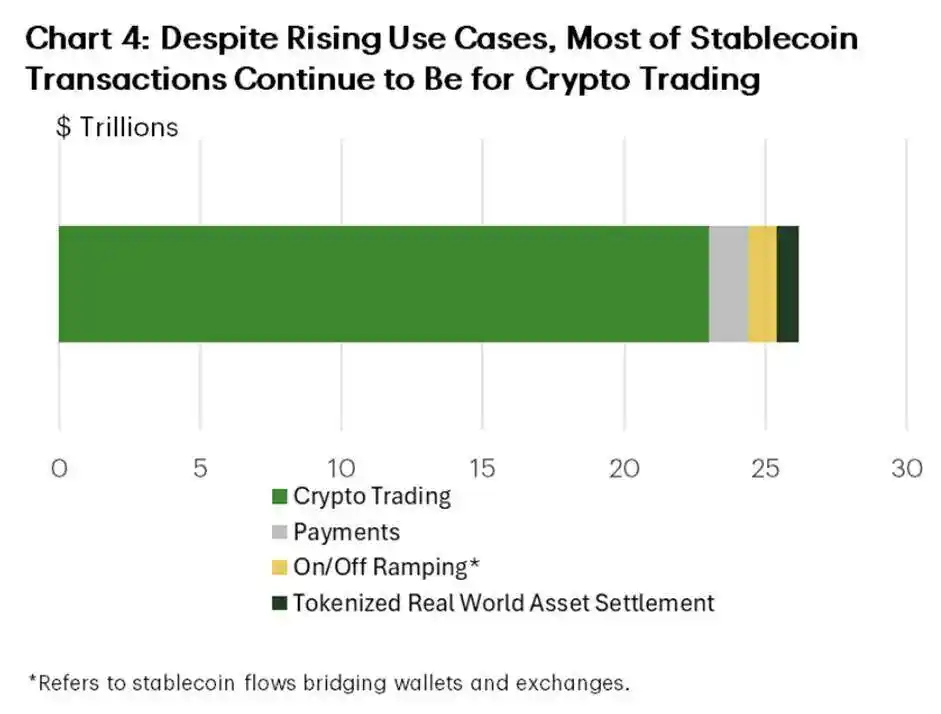
TD Economics data shows:
● Approximately 90% of stablecoin transaction volume is related to trading, collateralization, and institutional settlements among exchanges, trading desks, and DeFi protocols.
● Less than 10% is used for "real-world" payments.
● Within that, P2P and remittances account for only about 3% of the flow.
Therefore, the argument that "stablecoins will kill traditional finance (TradFi)" is premature. Today, real-world payments are still primarily conducted through banks, money transfer operators, and card network rails.
To live up to their hyped expectations, stablecoins must penetrate and replace existing real-world use cases. Mainstream predictions suggest that due to blockchain transfers potentially reducing underlying settlement costs by up to 70% compared to traditional correspondent banking models, stablecoins could account for around 20% of cross-border payment volume by 2030.
Cross-border payments will be one of the most promising use cases for stablecoin expansion. We believe the current gap in stablecoin adoption is primarily due to distribution, an area where Western Union has been a leader for over 170 years—and where Circle hopes USDC can reach.
Circle's Dilemma: The Cost of Buying Distribution
Circle's business model is straightforward: issue USDC, invest reserves in short-term treasuries, and earn a net interest margin (NIM). However, as an infrastructure provider lacking a native user base, Circle faces a high "distribution tax".
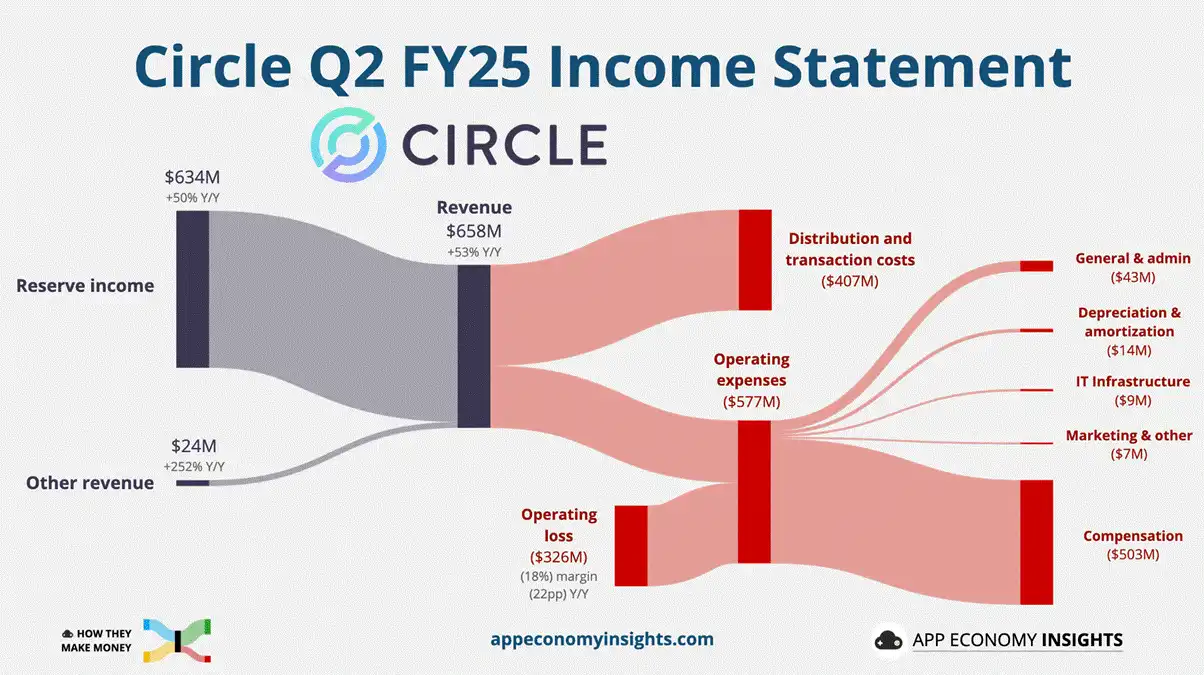
Since Circle does not own the end-customer, it must purchase channels. To promote USDC, Circle is forced to provide incentives for exchanges and wallets to prioritize its token over competitors (like USDT). This dynamic is most evident in its relationship with Coinbase. Public disclosures show that Coinbase, merely acting as a distribution funnel, takes the majority of the economic benefits generated by USDC reserves—often over 50% of the total interest income.
This reveals the fragility of its profit quality—as USDC supply expands, Circle's "distribution, transaction & other" costs are growing aggressively, even outpacing traditional operating leverage.
Essentially, Circle is a utility provider, but its marginal customer acquisition cost remains high because each new user effectively requires a revenue-sharing agreement. The company is valued like a high-growth fintech, but its earnings are heavily constrained by partners who control the customer relationship. Even as Circle builds its own L1 and banking licenses, these too will require sufficiently attractive subsidies to attract users.
Circle's strengths are real:
● Possesses one of the most trusted fiat-backed stablecoins;
● Solid regulatory positioning;
● Deeply integrated into crypto trading and on-chain infrastructure as the second-largest stablecoin by circulation.
But its weaknesses are equally clear:
● Lacks retail distribution channels;
● Heavily reliant on partners like Coinbase;
● Earnings depend not just on USDC adoption, but on how much profit it retains after paying fees to partners.
Western Union: Old Bottle, New Wine
Western Union's angle into stablecoins is largely overlooked by the market: it already owns the distribution channels that Circle is paying to acquire.
It already controls a distribution network:
● Hundreds of thousands of physical agent locations across 200+ countries.
● Deep penetration into immigrant remittance corridors with high cash volumes.
● Possesses a compliance framework and license portfolio that is extremely difficult to replicate, especially in high-risk jurisdictions.
Most importantly, Western Union doesn't need to pay a revenue share to a Coinbase to reach its customers. In many corridors, it has been the default choice for decades.
Currently, Western Union monetizes this distribution network through traditional technology and economic models: namely, fees plus FX spread on cash remittances. This economic model is highly lucrative, explaining why WU remains a highly profitable, cash-generative business despite facing challenges from stablecoin growth.
Now, it is layering stablecoin technology underneath.
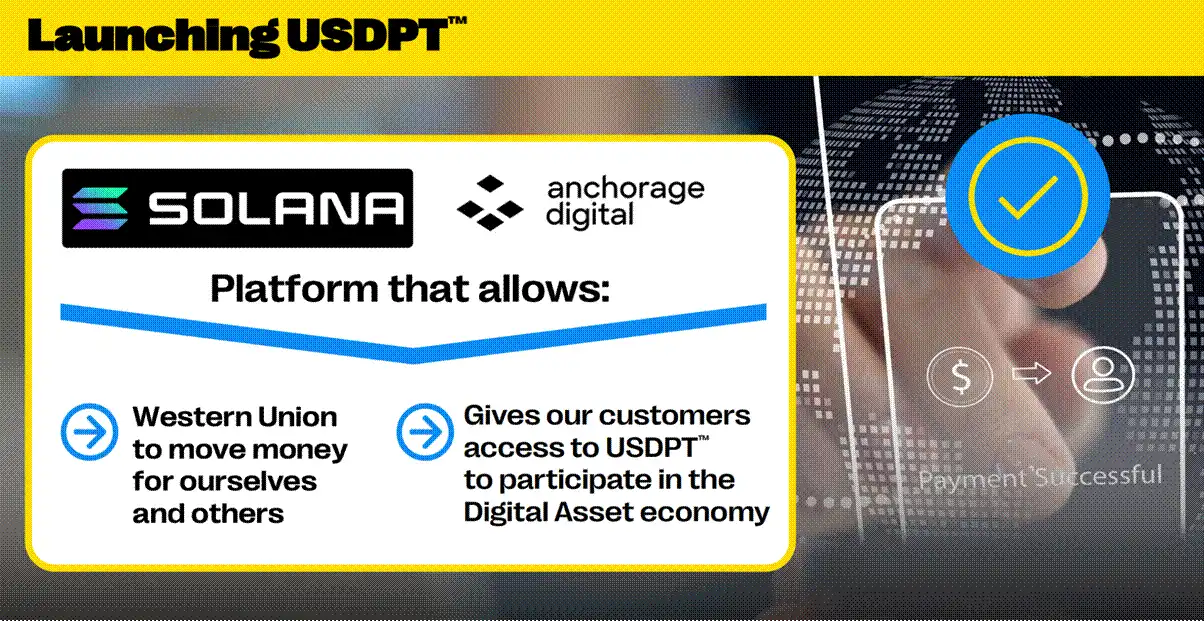
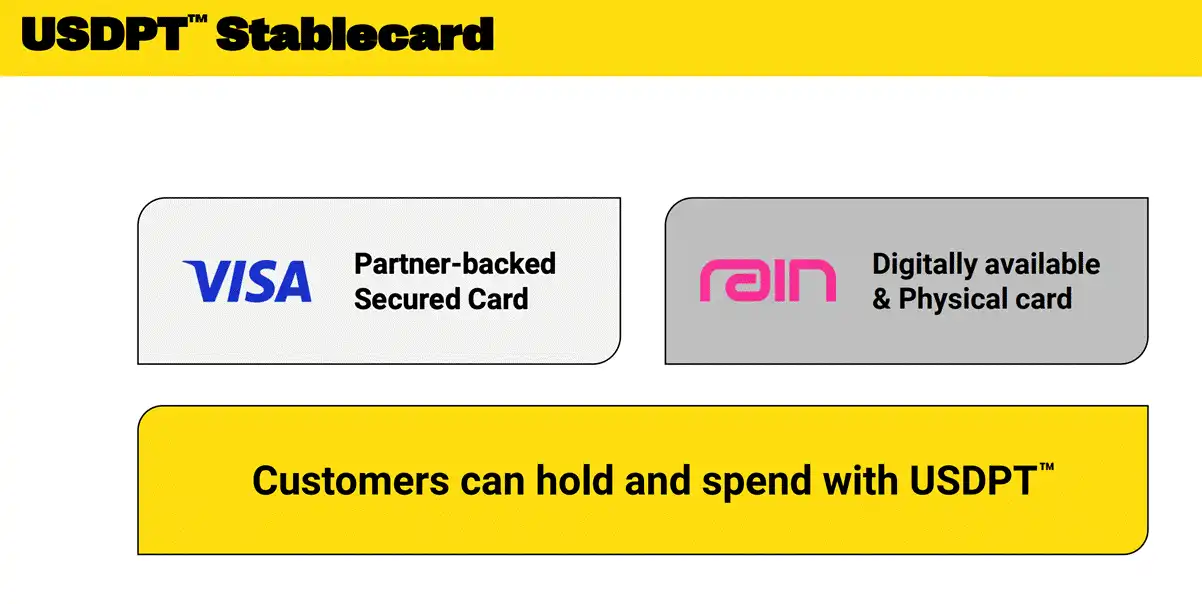
By launching its own dollar stablecoin (USDPT) and building a "Digital Asset Network", Western Union's:
● Front-end (brand, agents, trusted payment locations) remains unchanged;
● Back-end (settlement rails and float) migrates to a stablecoin model.
This gives Western Union two levers that Circle cannot simultaneously possess:
- Where it owns the distribution channel, it can still charge fees and spreads.
- It can begin monetizing the float and on-chain settlement, just like a stablecoin issuer.
Circle must pay a high cost for distribution and then try to maximize its share of the float income; Western Union already owns and profits from the distribution channel, and now the stablecoin float adds an additional revenue stream.
Western Union's Execution Risk: Spread "Addiction" vs. Blockchain Efficiency
In 1975, Kodak engineer Steven Sasson invented the first digital camera. When he presented it to company executives, the response became a textbook definition of corporate suicide: "That's cute—but don't tell anyone about it."
Kodak shelved the technology to protect its highly profitable film business. They chose the cash cow, ignoring the inevitable transition where high-tech would lower costs and iterate on the old product, ultimately becoming a relic when the transformation arrived.
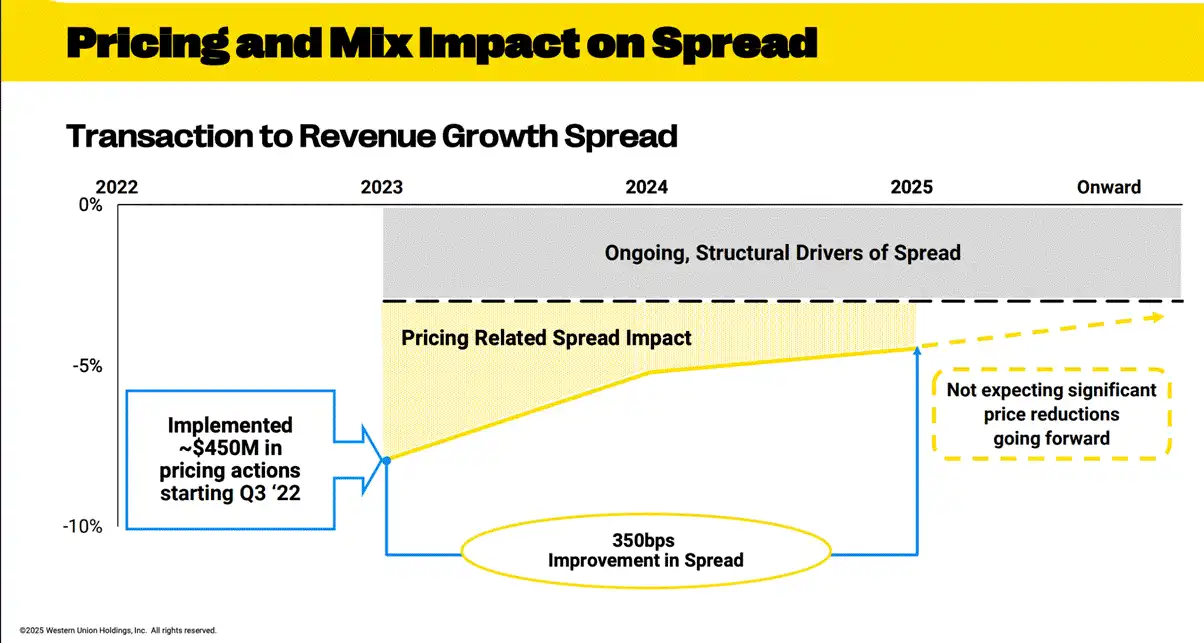
Today, Western Union ($WU) stands at the same cliff edge. Can it self-cannibalize its traditional cash cow business to survive the digital transformation?
"Spread" Addiction vs. Blockchain Efficiency: As shown in the chart above, Western Union's profitability heavily relies on FX spreads—the markup on currency exchange. The stablecoin narrative promises near-zero settlement costs, but for WU, efficiency creates a conflict of interest. If they shift to transparent on-chain rails, they risk compressing the FX spreads that drive their bottom-line profits.
Valuation Analysis: Value Trap vs. Growth Trap
The divergence in valuation between these two entities presents a classic case of market inefficiency.
Western Union is priced as a troubled business. A mere 4x P/E ratio and a 10% dividend yield indicate the market has priced in the expectation that its franchise will be slowly and inevitably eroded by digital disruptors. This view focuses on the "innovator's dilemma"—the fear that digital wallets will cannibalize WU's high-margin cash business. While not without merit (digital accounts for ~15% of revenue and is growing, while retail cash is softening), it seems to ignore the optionality value of a stablecoin business transformation.
Conversely, Circle is priced for perfection, embedding optimistic assumptions about its long-term market share and the durability of unregulated seigniorage in a high-rate environment. Investors are paying a premium for a future where Circle must not only beat Tether but also contend with inevitable bank-issued stablecoins and CBDCs.
Conclusion: Consider Going Long Western Union ($WU)
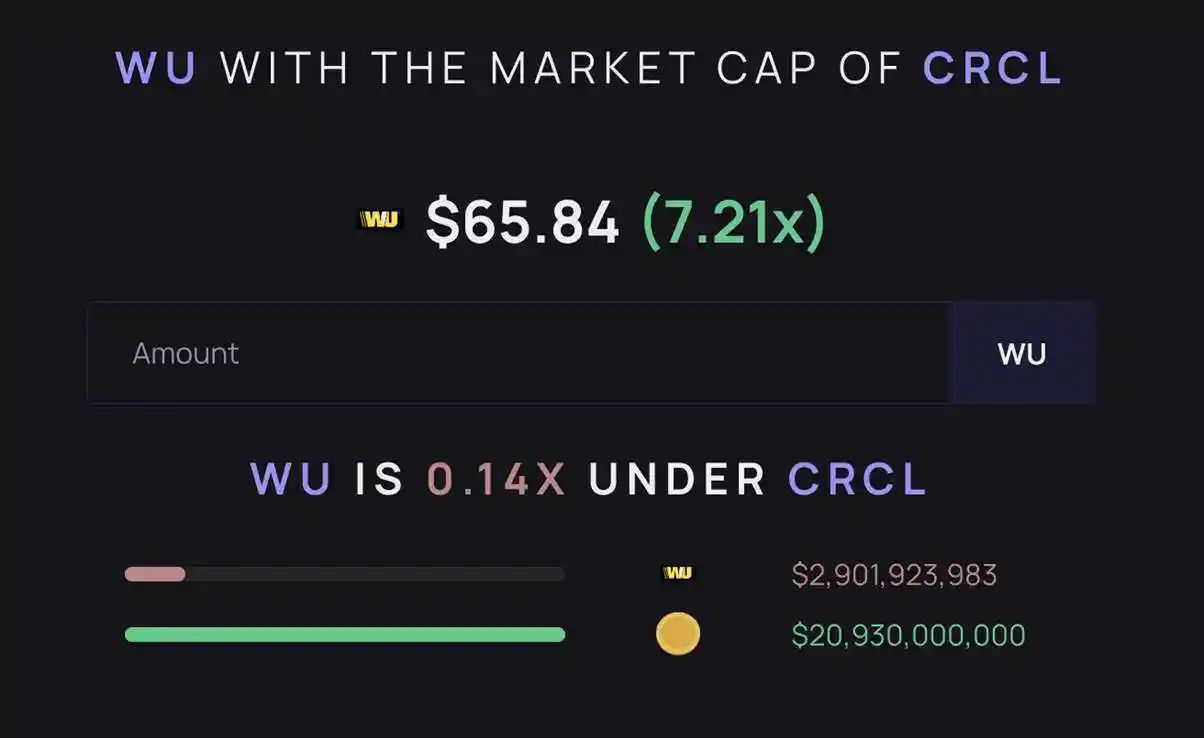
For traders building a portfolio around the thesis that "stablecoins will revolutionize cross-border finance," an established giant with rich distribution resources is trading at 1/7th the valuation of a capital-intensive stablecoin issuer.
● Circle represents high-beta, pure-play stablecoin exposure to the category, but it's not the absolute leader and comes with significant margin compression concerns.
● Western Union represents a deep-value, asymmetric bet on the adoption of the technology. It offers a "free call option" on the success of its digital transformation, backed by a huge cash flow and a low valuation assuming failure. If Western Union can successfully integrate stablecoin rails to defend margins and streamline settlement, its subsequent multiple expansion could outperform the linear growth trajectory of a pure issuer.
In the race for dollar digitization, he who owns the user wins. Western Union owns the users; Circle is still "subsidizing" to acquire them.