Bitcoin Exchanges Upbit, Bithumb, and Coinone Added This Altcoin to Their List of Assets Subject to Delisting! Here Are the Details

cryptonews.ruPublished on 2026-10-13Last updated on 2026-10-13

Abstract

Three leading South Korean cryptocurrency exchanges — Upbit, Bithumb, and Coinone — have added the token $BLUR to their list of assets at risk of delisting. The exchanges stated this move was made to protect investors. According to their announcements, the $BLUR project was evaluated against guidelines for best practices in supporting virtual asset trading. The review identified several deficiencies related to the project's commercial viability and sustainability. The exchanges concluded these shortcomings could pose a potential risk of harm to users. Consequently, they decided to place $BLUR on their monitoring list as a precautionary investor protection measure.

Upbit, Bithumb, and Coinone, three leading South Korean cryptocurrency exchanges, have added the $BLUR token to their list of assets at risk of delisting. The exchanges stated that this decision was made to protect investors.

According to statements from the three exchanges, the $BLUR project was evaluated based on the guidelines for best practices in supporting virtual asset trading. The reviews identified a number of shortcomings related to the project's commercial viability and operational sustainability.

The exchanges concluded that these shortcomings could pose a potential risk of harm to users. Therefore, it was decided to add the $BLUR token to their watchlist of assets as a measure to protect investors.

Related Questions

QWhich cryptocurrency token has been added to the delisting warning list by Upbit, Bithumb, and Coinone?

AThe cryptocurrency token is $BLUR (Blur Token).

QWhy did the three South Korean exchanges decide to add $BLUR to their watchlist for potential delisting?

AThe exchanges added $BLUR to their watchlist due to identified deficiencies in the project's commercial viability and operational sustainability, which they concluded could pose potential risks to users, as part of investor protection measures.

QWhat is the stated primary goal behind the exchanges' decision to add $BLUR to the monitoring list?

AThe stated primary goal is to protect investors from potential harm.

QAccording to the article, what specific guidelines were used to evaluate the $BLUR project?

AThe project was evaluated according to guidelines for best practices in supporting virtual asset trading.

QWhat action might be taken against $BLUR after being placed on this monitoring list?

ABeing placed on this list signifies that $BLUR is under threat of being delisted from the exchanges.

Related Reads

Russia finalizes crypto trading rules ahead of Nov. 17 rollout

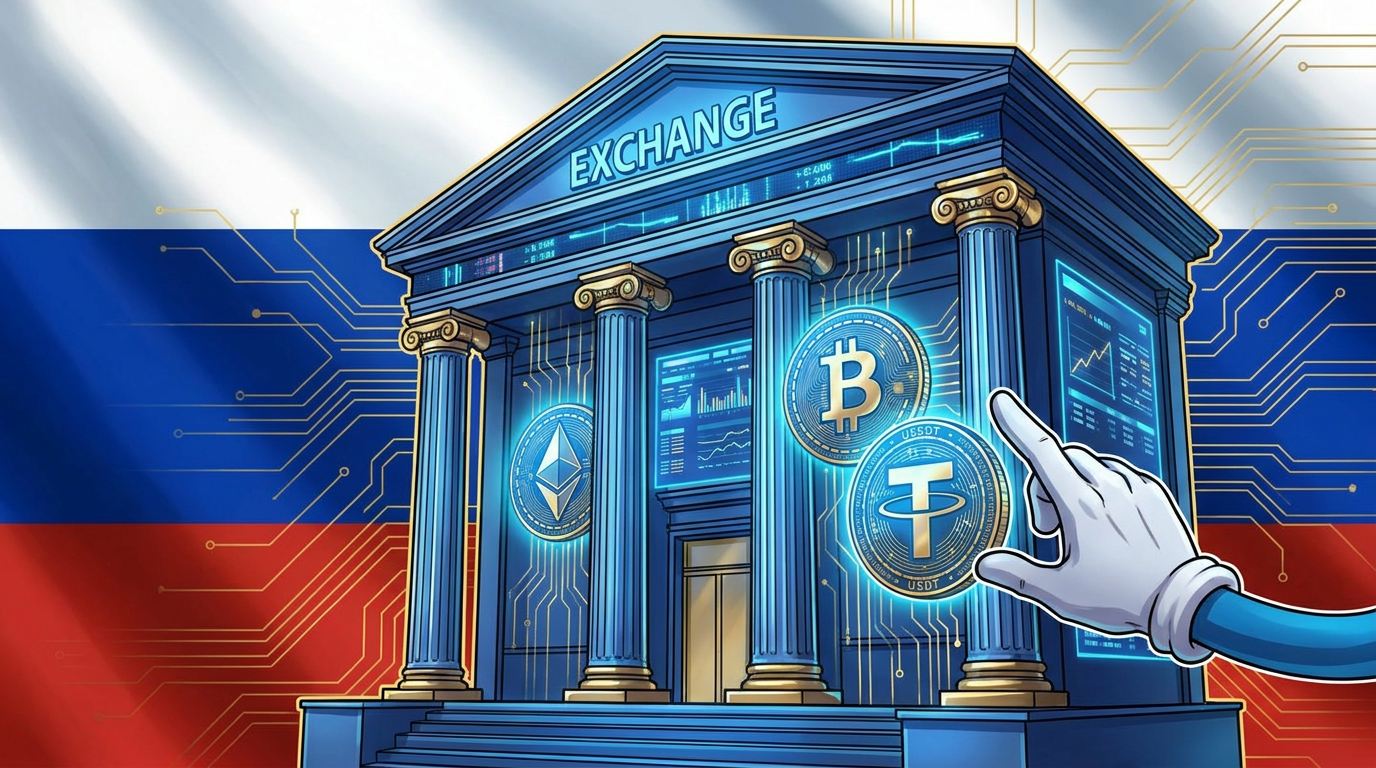
Russia’s central bank has finalized rules allowing exchanges to offer Bitcoin, Ether and Tether USDt to retail investors starting Nov. 17. Non-qualified investors can buy up to 300,000 rubles (about $3,700) in crypto annually through each intermediary, including brokers, asset managers and crypto exchange providers. Qualified investors face no purchase limits, but all investors must pass a mandatory test before trading. The directive builds on legislation signed by President Vladimir Putin on Aug. 4 establishing a regulated crypto market under central bank oversight. On Aug. 11, the Bank of Russia published draft regulations identifying BTC, ETH and USDT as eligible for public trading based on market capitalization, average daily trading volume and at least five years of price history on foreign exchanges. The law took effect Sept. 1, and the Bank of Russia later authorized Sberbank, the country’s largest bank, to offer crypto exchange services in October. Moscow Exchange, Russia’s largest securities exchange and a publicly traded company, is preparing to launch crypto trading on Dec. 1, initially offering the three cryptocurrencies through pilot transactions. While expanding regulated access, Russia is also tightening restrictions outside those channels. Direct peer-to-peer crypto trading will be prohibited starting July 1, 2027, transfers from regulated digital accounts to self-custody wallets are already banned, and cryptocurrency cannot be used to pay for goods and services.

cointelegraph44m ago

Russia finalizes crypto trading rules ahead of Nov. 17 rollout

cointelegraph44m ago

Trading

Spot
活动图片