South Korea moves to block USDT and USDC from corporate trading – Details

ambcryptoPublished on 2026-03-08Last updated on 2026-03-08

Abstract

South Korea's Financial Services Commission (FSC) is moving to exclude USD-based stablecoins like USDT and USDC from its upcoming corporate crypto trading guidelines. This decision aims to prevent indiscriminate investments in the early market stages and is partly due to the current legal framework not recognizing stablecoins as a valid external payment method. The proposed rules will allow eligible firms to invest up to 5% of their capital in crypto, but only in top assets like Bitcoin and Ethereum, traded through regulated exchanges. This aligns with South Korea's broader push to promote the Korean Won-pegged stablecoins and reduce reliance on the U.S. dollar, a trend also emerging in other countries like China and Russia.

South Korea is mulling banning USD-based stablecoins, especially Tether’s USDT and Circle’s USDC, from its upcoming corporate crypto rules.

According to a local publication, the country’s watchdog, the Financial Services Commission (FSC), will exclude dollar-denominated stablecoins from the ‘corporate virtual currency trading’ guidelines.

The report noted the move was designed to “prevent indiscriminate investments’ in the early stages of the market.

Additionally, the current legal framework, the Foreign Exchange Transactions Act, does not treat stablecoins as a means of external payment. A recent push for the amendment of the Act to include stablecoins has yet to be ratified.

Even so, local firms had requested that stablecoins be included to help them hedge against exchange rate risks and drive faster settlements.

South Korea proposed crypto rules

For over nine years, South Korea’s crypto scene has mostly been dominated by individual retail investors. However, there has been strong institutional crypto adoption across the U.S., the E.U., and parts of Asia.

As such, South Korea has opted to set clear rules for local corporations seeking to engage in the sector.

These rules will be rolled out in the upcoming FSC’s corporate crypto trading rules.

Per the proposal, eligible firms will invest up to 5% of their capital in crypto. However, the investment will be restricted only to the top crypto assets, including Bitcoin [BTC] and Ethereum [ETH].

Besides, transactions will be conducted strictly through regulated exchanges such as Upbit and Bithumb.

That said, South Korea has been pushing for stablecoins denominated in Korean Won (KRW) since last year to reduce reliance on US dollar alternatives.

So, the need for monetary sovereignty could also be another key reason for excluding USDT and USDC. In fact, China and Russia have made similar moves, underscoring stablecoin adoption as a national security issue among key players.

Stablecoins, or digital currencies pegged to various traditional currencies, have grown to over $300 billion amid explosive global adoption. The crypto rails have made stablecoins a low-cost and fast way to send remittances and international payments.

Stablecoin activity in Asia

However, U.S dollar-based USDT and USDC control over 90% of the market share. But there’s a likely looming showdown as various jurisdictions position themselves to fight US dollar dominance.

Interestingly, Asia has emerged as a key stablecoin corridor, accounting for 60% ($245 billion) of total activity in 2025. Asia-originated activity is primarily driven by Singapore, Hong Kong, and Japan. But most of these countries are pushing to secure their turf from U.S dollar stablecoins.

It remains to be seen how these proposed foreign stablecoins will compete with USDC and USDT in the near future.


Final Summary

  • South Korean regulators and lawmakers are considering excluding USDT and USDC from corporate crypto trading guidelines
  • Broader Asia dominated global stablecoin activity, driving $245B in 2025, but individual countries are pushing for stablecoins pegged to their local currencies.


Related Questions

QWhy is South Korea considering banning USDT and USDC from corporate crypto trading?

ASouth Korea is considering this ban to prevent indiscriminate investments in the early stages of the market, and because the current Foreign Exchange Transactions Act does not treat stablecoins as a means of external payment. Additionally, the country is pushing for monetary sovereignty by promoting stablecoins denominated in the Korean Won (KRW).

QWhat is the maximum percentage of capital that eligible South Korean firms can invest in crypto under the new proposal?

AEligible firms will be allowed to invest up to 5% of their capital in crypto, but this investment will be restricted to top crypto assets like Bitcoin (BTC) and Ethereum (ETH).

QWhich regulated exchanges will be used for corporate crypto transactions in South Korea?

ACorporate crypto transactions will be conducted strictly through regulated exchanges such as Upbit and Bithumb.

QWhat percentage of global stablecoin activity did Asia account for in 2025, according to the article?

AAsia accounted for 60% of total global stablecoin activity in 2025, which amounted to $245 billion.

QWhat are the two main reasons cited for the push towards local currency stablecoins in various countries?

AThe two main reasons are to reduce reliance on U.S. dollar alternatives and to address stablecoin adoption as a matter of national security, as seen in the moves by countries like China and Russia.

Related Reads

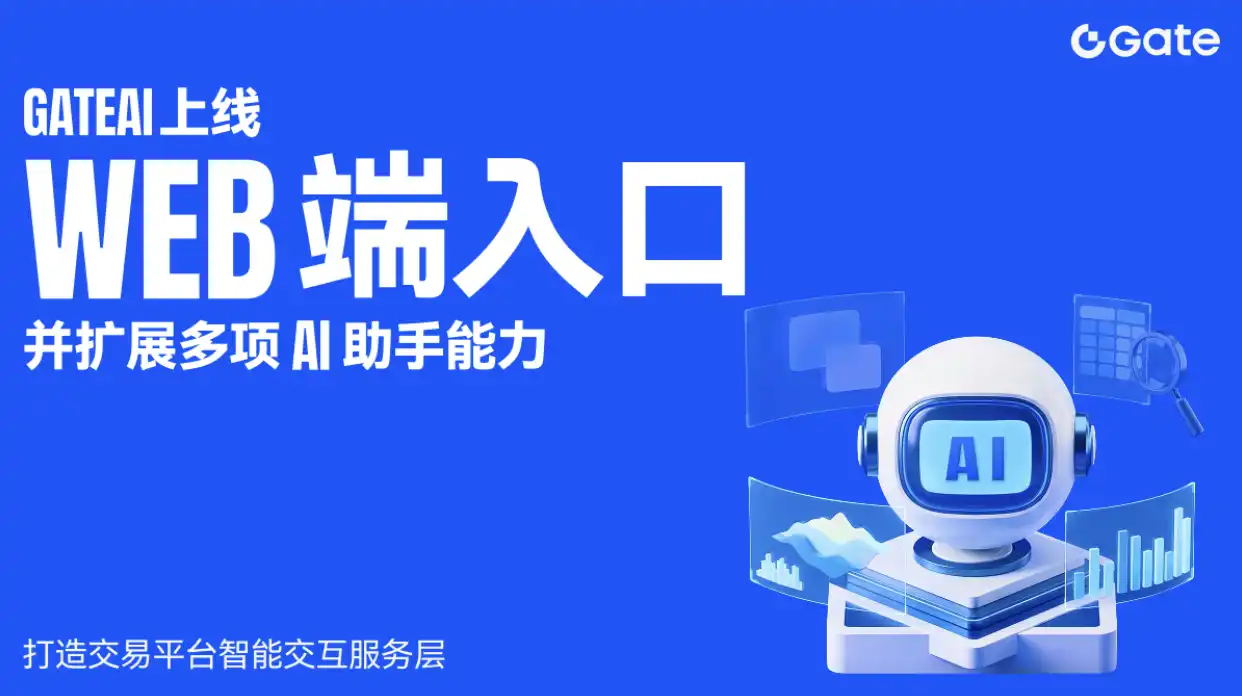
GateAI Launches Web Portal and Expands Multiple AI Assistant Capabilities, Building an Intelligent Interaction Service Layer for Trading Platforms

Gate, a leading digital asset trading platform, has launched the web version of its AI product, GateAI, marking its largest functional expansion to date. The upgrade introduces over ten new modules, including user center, marketing activities, asset management, and personalized recommendations, transforming GateAI from a trading assistant into a comprehensive smart service layer for the entire user journey. Users can now access GateAI via a fixed entry at the bottom of any page on the website, such as the homepage, market trends, or help center, to ask questions about market analysis, product details, or platform guidance. The AI also intelligently suggests questions based on the user’s current page. The dedicated full-page chat interface integrates market sentiment indicators, industry news feeds, and recommended topics, allowing users to observe markets, access information, and engage in in-depth conversations seamlessly. Logged-in users can view and continue past conversations. The web version currently supports core functions like spot trading, wealth management subscriptions, and flash swaps. The expansion also enhances the GateAI app with capabilities covering user accounts, promotions, unified accounts, quantitative asset management, rebate systems, and new user onboarding. GateAI now offers personalized services, such as recommending financial products based on user assets and risk preferences, and guiding new users through KYC, first deposit, and initial trading steps. By using natural language, users can trigger complex operations that previously required navigating multiple pages. This update reflects Gate's ongoing investment in AI infrastructure, including earlier initiatives like Gate for AI, which opens core exchange capabilities via APIs. GateAI makes these features accessible to everyday users, positioning AI as a key entry point to platform services. As AI integrates deeper into the digital asset industry, Gate is advancing trading platforms from traditional interfaces to AI-driven intelligent service layers.

marsbit1h ago

GateAI Launches Web Portal and Expands Multiple AI Assistant Capabilities, Building an Intelligent Interaction Service Layer for Trading Platforms

marsbit1h ago

Trading

Spot
Futures
活动图片