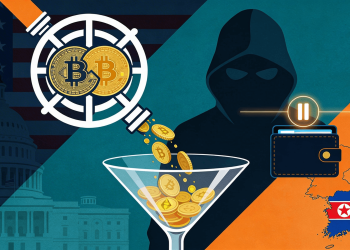
According to recent reports, the Dutch arm of the prediction markets platform Polymarket has been asked to cease its activities in the Netherlands. This order comes as the latest regulatory blow dealt to the prediction market platform in recent weeks.
Dutch Regulator Threatens Polymarket With $840,000 Fine
In a notice dated Tuesday, February 17, the Netherlands Gambling Authority ordered Polymarket’s Dutch arm, Adventure One, to “cease its activities immediately” or risk incurring up to $840,000 in fines per week. According to the Dutch regulator, Adventure One offered illegal bets, including on the local elections, to residents without a license.
While prediction markets do not particularly fall into the traditional gambling category, the Netherlands Gambling Authority has classified them as betting. The regulator revealed that it contacted Polymarket about its activities on the Dutch market, but have seen no corrective action or response from the prediction markets company.
Netherlands Gambling Authority’s director of licensing and supervision, Ella Seijsener, said in the notice:
Prediction markets are on the rise, including in the Netherlands. These types of companies offer bets that are not permitted in our market under any circumstances, not even by license holders. Besides the social risks of these kinds of predictions (for example, the potential influence on elections), we conclude that this constitutes illegal gambling. Anyone without a Ksa license has no business in our market. This also applies to these new gambling platforms.
This restriction in the Netherlands marks the latest stumbling block for Polymarket in terms of regulation over the past few months. Despite receiving approvals from the United States Commodity Futures Trading Commission (CFTC), individual state authorities have placed significant scrutiny on the activities of prediction market platforms.
This has led to an issue of jurisdiction, as the CFTC chair criticized the state-level scrutiny which undermines their federal authority over prediction markets.
Dutch Unrealized Gains Tax On Crypto Rolls On
This crackdown on prediction markets comes just a week after the Dutch House of Representatives advanced a proposal to introduce a 36% capital gains tax on most liquid investments, including cryptocurrencies. This controversial bill, if passed, would see profits made from interest-bearing financial instruments, equity investments, cryptocurrencies, and savings accounts be subject to tax, whether realized or not.
The proposal of this capital gains tax led to interesting reactions, with several crypto analysts noting that the legislation will drive investors out of the Netherlands. “To be honest, the fact that there’s the unrealized gains tax for Bitcoin in the Netherlands is the dumbest thing I’ve seen in a long time. The amount of people willing to flee the country is going to be bananas,” analyst Michaël van de Poppe said on X.
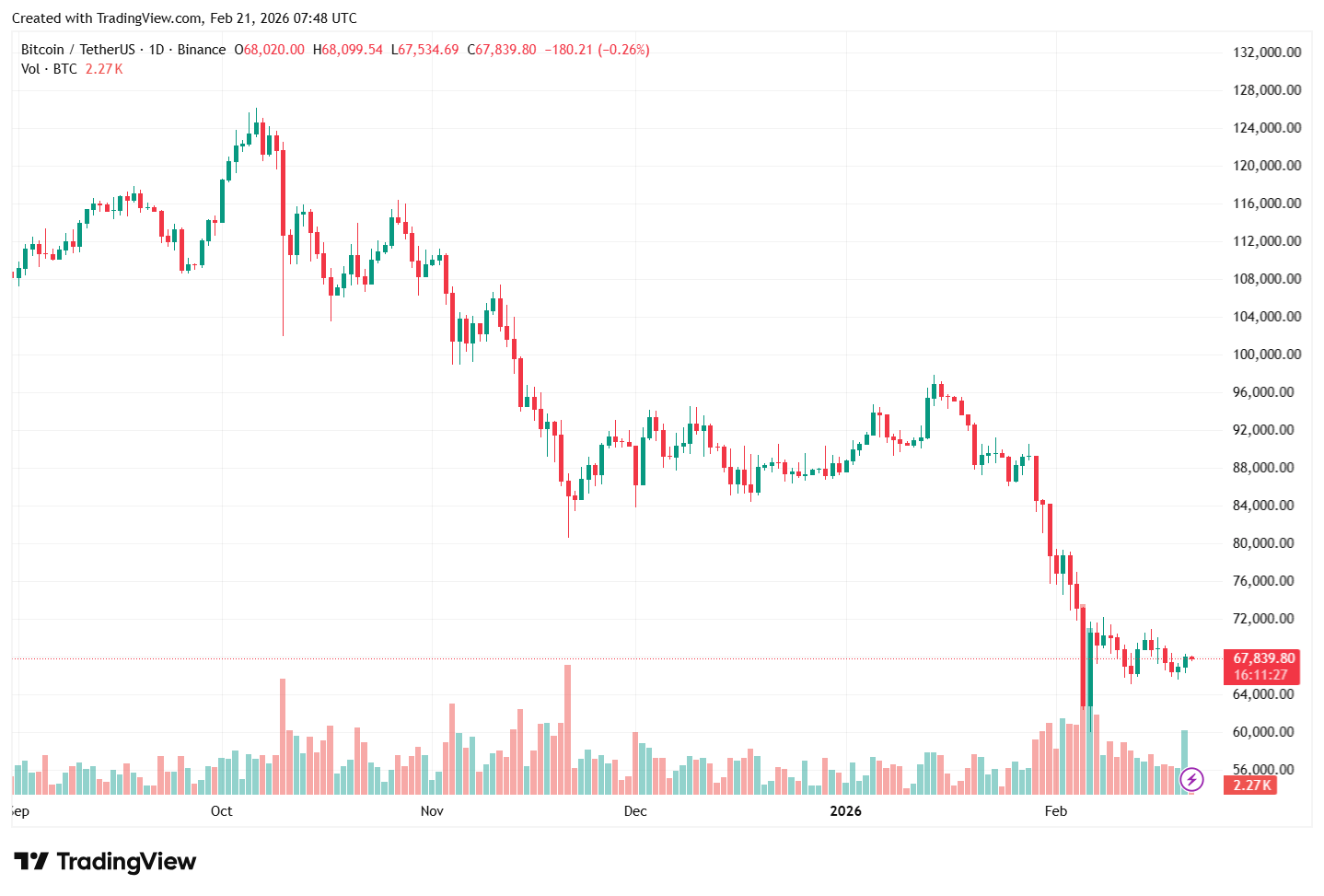
The price of BTC on the daily timeframe | Source: BTCUSDT chart on TradingView