Tesla Suddenly Announces: Zero Rare Earth in Motors, Does China Still Hold Competitive Cards?

marsbitPublished on 2026-09-07Last updated on 2026-09-07

Abstract

Tesla has announced that its upcoming Cybercab will use a drive motor with zero rare earth elements (REE), while claiming no compromise on vehicle range. CEO Elon Musk stated this was a significant engineering challenge, as non-REE magnets (like ferrite) have much lower energy density than the neodymium-iron-boron (NdFeB) magnets commonly used. Tesla's solution combines three approaches: enhancing the synchronous reluctance path in the rotor, developing new composite ferrite materials, and using hairpin windings with improved thermal management. The result is a system-level engineering achievement rather than a single breakthrough. This move marks a strategic pivot for Tesla. Early models used REE-free induction motors, then switched to REE-dependent permanent magnet motors for efficiency and cost during mass production. Now, with scaling and geopolitical supply chain risks in mind, Tesla is again prioritizing REE-free technology, starting with the North American-focused Cybercab. The new drive unit is designed for mass production with a sub-10-second assembly cycle, reduced factory footprint, and a reported cost reduction of around $1000 per unit. The article analyzes the implications for Chinese companies, which currently dominate the global REE supply chain and high-performance magnet manufacturing. While this has been a key advantage, Tesla's move demonstrates that supply chain dominance does not equate to an unassailable technological moat. It signals a potential shift...

Elon Musk reposted a Tesla update on X, stating that the Cybercab's drive motor uses no rare earth elements at all, with zero compromise on range.
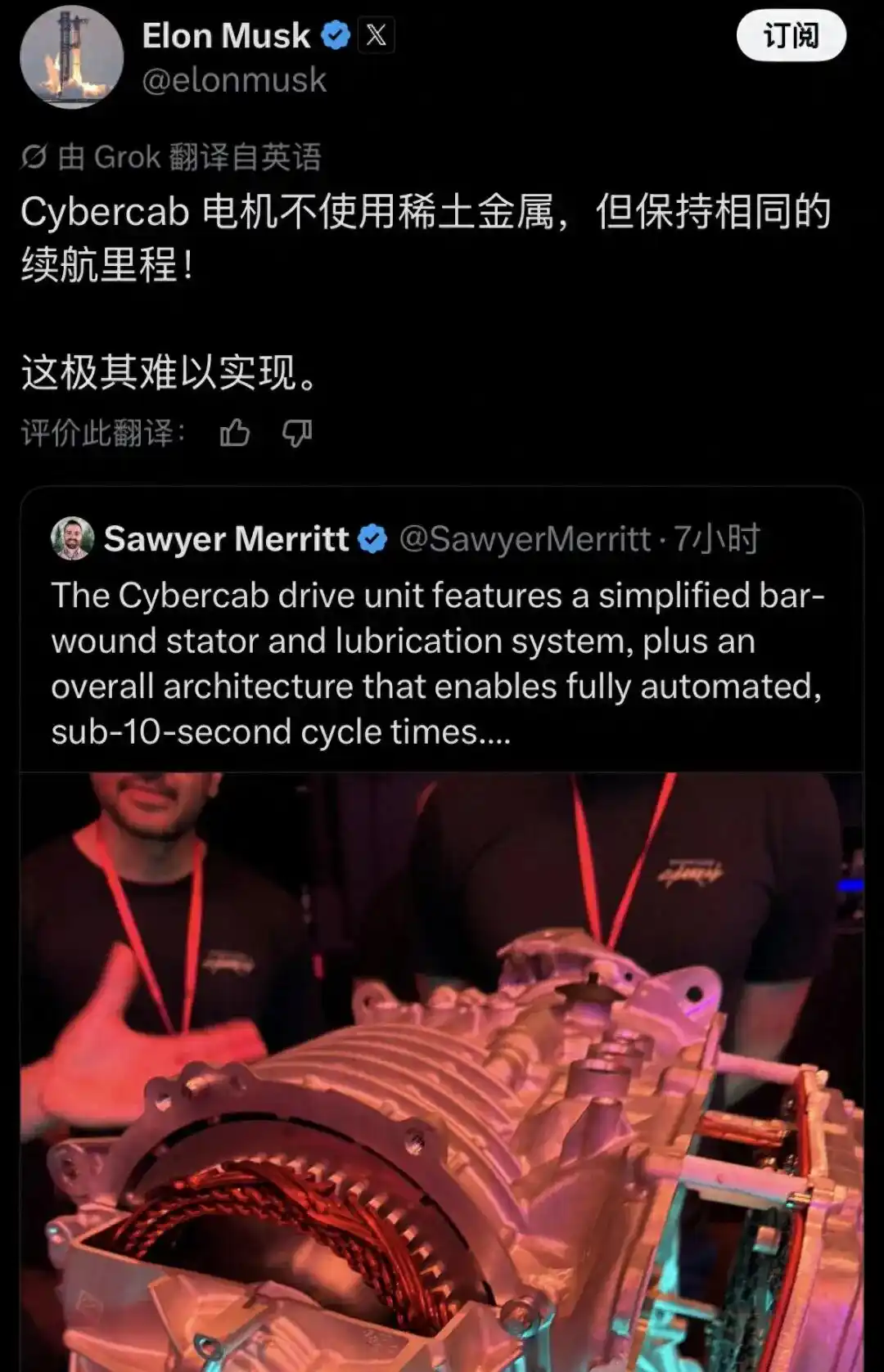
Musk added that achieving this was extremely difficult. Why is it so difficult?

Because the energy density of non-rare earth magnets (like ordinary ferrite) is only a fraction of that of neodymium-iron-boron (NdFeB) permanent magnets. Using "weak magnetic materials" to achieve "strong magnetic output" without sacrificing vehicle range is challenging the laws of physics.

Therefore, "rare-earth-free" historically meant "poor performance, heavy weight, bad range," but Musk not only announced zero rare earth usage but also claimed no compromise on range.

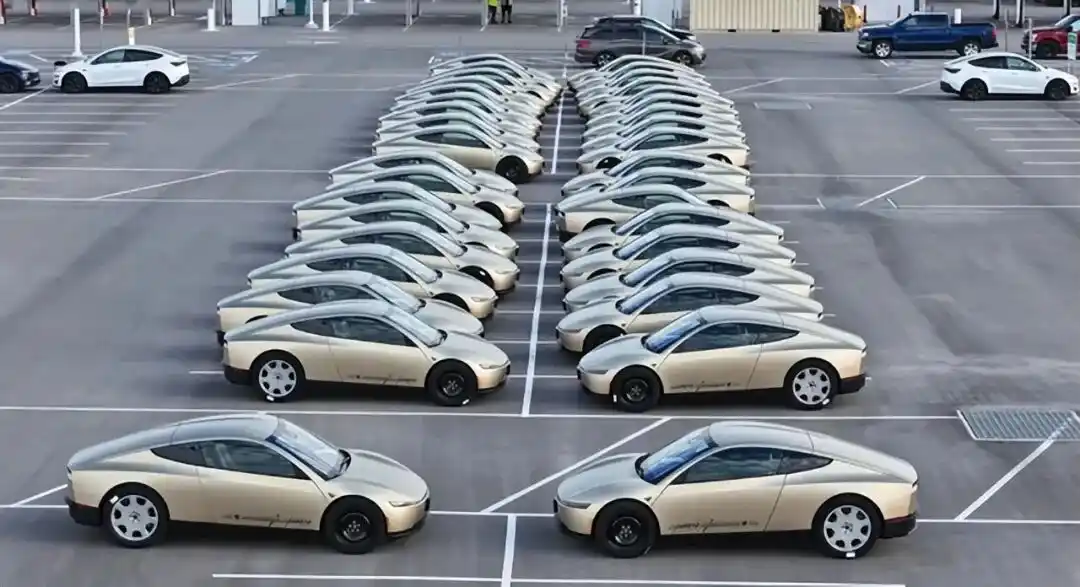
On the same day, golden Tesla compact cars with no steering wheel and no pedals began picking up passengers on American streets.

Tesla's Rare Earth History

To understand this, we need to look back at Tesla's history.

The earliest Model S and Model X used AC induction motors, which did not rely on rare earths. At that time, Tesla had weak supply chain leverage, and using induction motors was a matter of necessity – albeit slightly less efficient and heavier, it meant not being at the mercy of others.

By the time of the Model 3 and Model Y era, Tesla needed to ramp up volume, reduce costs, and improve range. The efficiency disadvantage of induction motors became unacceptable, leading to a complete switch to permanent magnet synchronous motors.

Permanent magnet synchronous motors are efficient, compact, and lightweight, but they have a critical vulnerability – they depend on NdFeB rare earth permanent magnets.

In March 2023, Tesla displayed a motor material usage chart at its Investor Day. At that time, Tesla's permanent magnet motors required the use of three types of rare earths, with quantities of approximately 500 grams of neodymium, 10 grams of dysprosium, and 10 grams of terbium.

Then in 2023, at the Investor Conference, Tesla suddenly unveiled the goal of "next-generation drive motors with zero rare earths." Two years later, Cybercab delivered the actual vehicle.
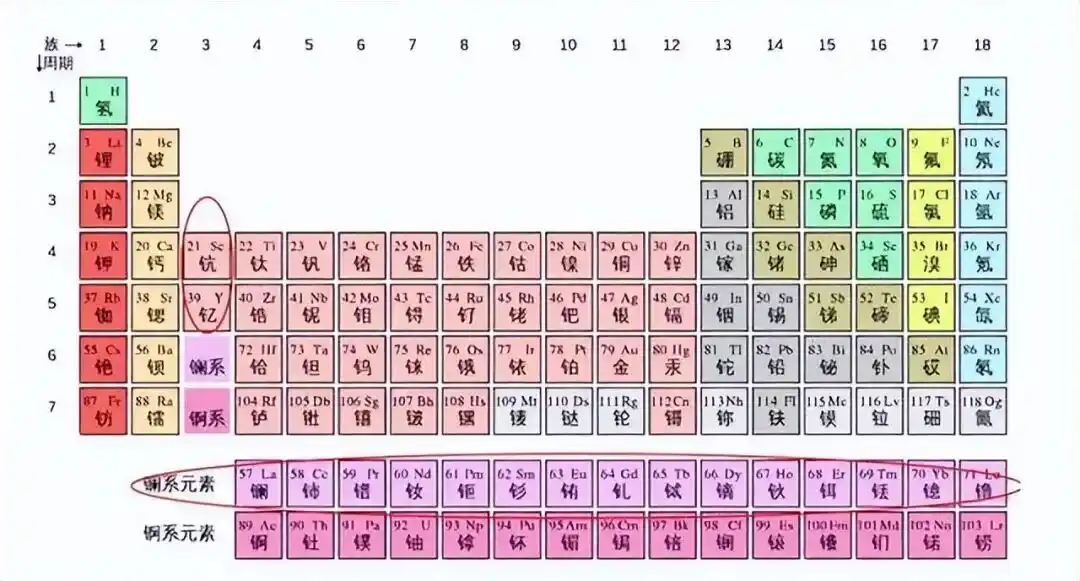
From not using rare earths, to using them heavily, and now back to not using them. These are different choices Tesla made at different stages – When scale was small, supply chain security was the priority; when ramping up volume, efficiency and cost became priorities; now, with substantial scale and facing geopolitical risks, supply chain security has once again become the top priority.

How Zero Rare Earth Achieves Uncompromised Performance

Traditional permanent magnet synchronous motors rely on rare earth permanent magnets to provide a strong magnetic field, allowing the motor to be small, light, and efficient. Without rare earths, the magnetic field strength cannot reach high levels, naturally leading to compromised performance.

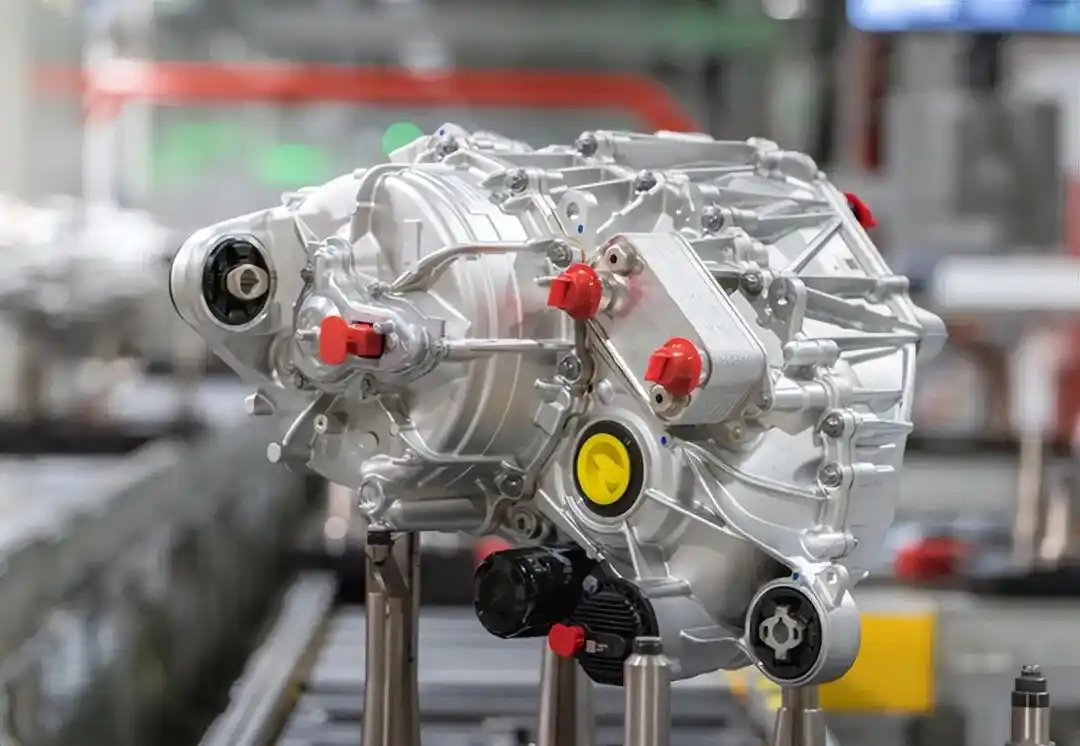
Tesla's solution is a three-pronged approach: First, enhancing the synchronous reluctance route, allowing the rotor core's magnetic circuit structure to bear more driving force. In simple terms, it relies less on magnetic attraction and more on the magnetic reluctance variation of the iron core's shape itself to generate rotation.

Second, exploring new ferrite composite magnetic materials, using weak magnetic materials combined with structural design to achieve output close to that of strong magnets.

Third, using hairpin winding to increase copper fill factor, combined with a stronger thermal management system, to compensate for efficiency and heat dissipation.
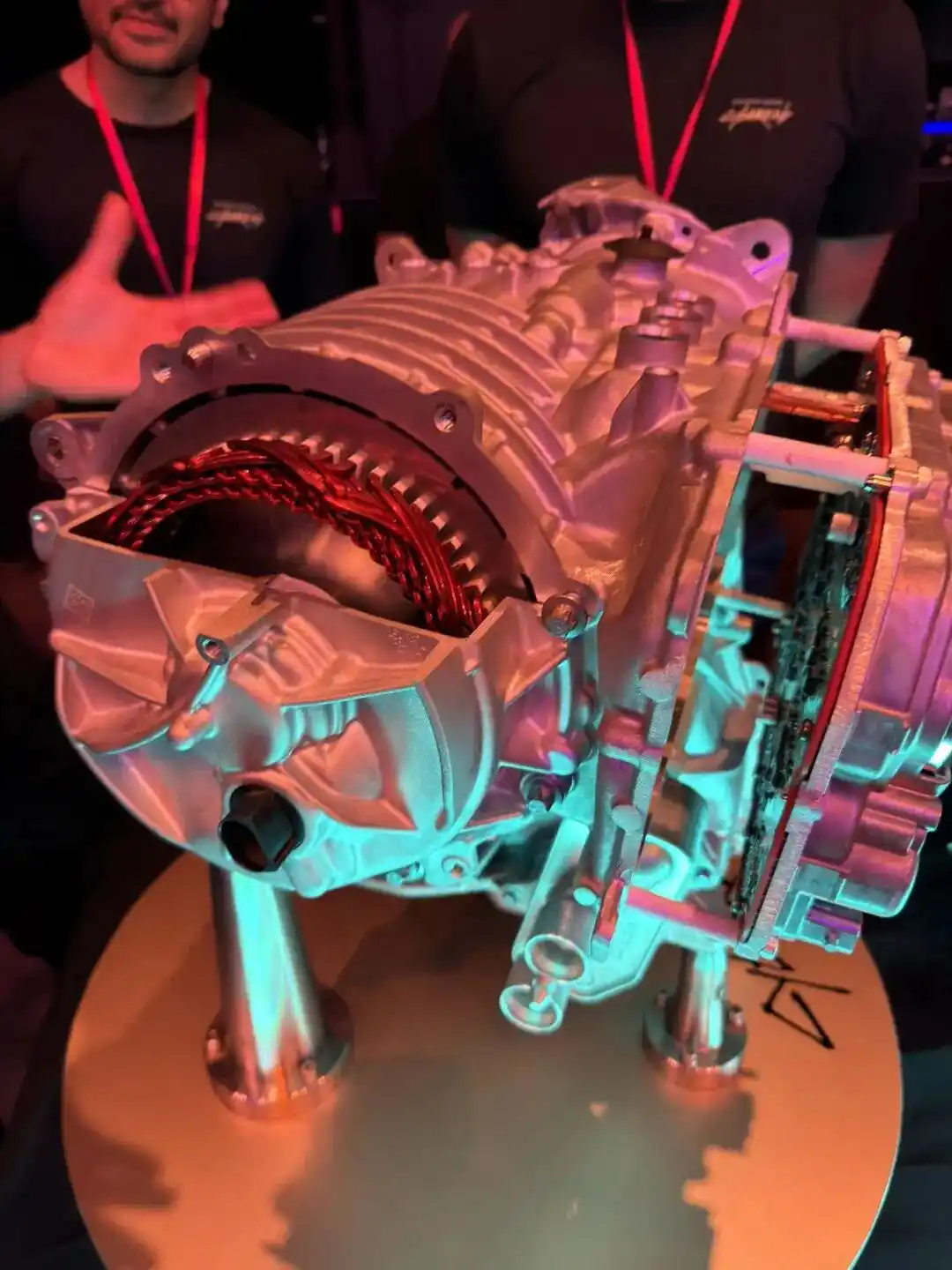
Individually, none of these three moves is particularly revolutionary black tech. The difficulty lies in combining all three while maintaining uncompromised performance and even reducing cost. This is about systems engineering capability, not a single-point technological breakthrough.

But what's truly technologically significant is not zero rare earths itself, but the manufacturing data that follows.

The automated production cycle time for the drive unit is compressed to under 10 seconds – traditional automakers take tens of minutes or even hours to assemble a high-performance motor; Tesla spits one out every 10 seconds.

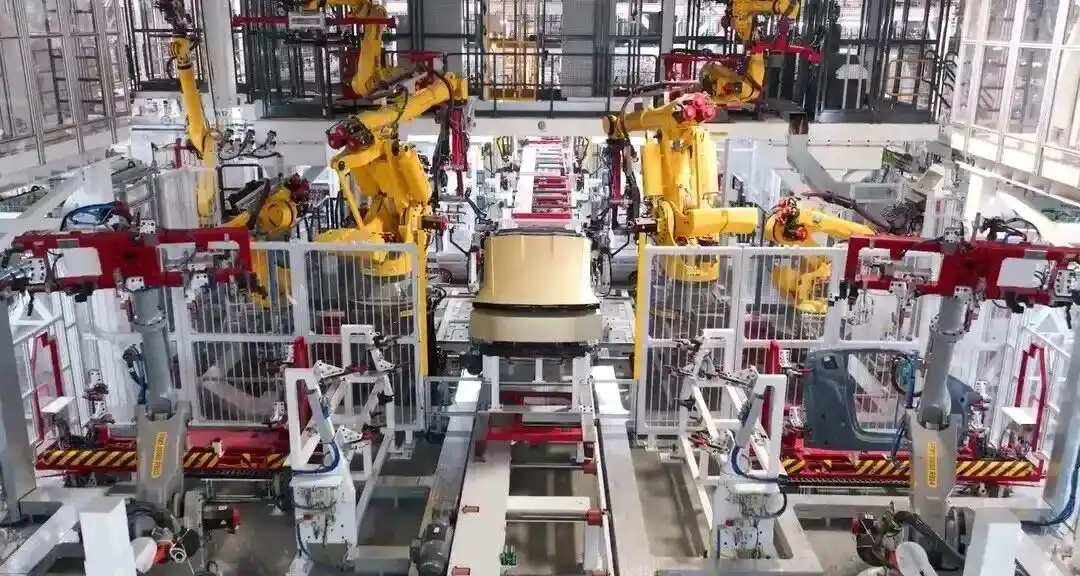
Motor production line footprint is reduced by 50%. The cost of the next-generation drive unit is about $1000, and the demand for inverter silicon carbide chips has also decreased.
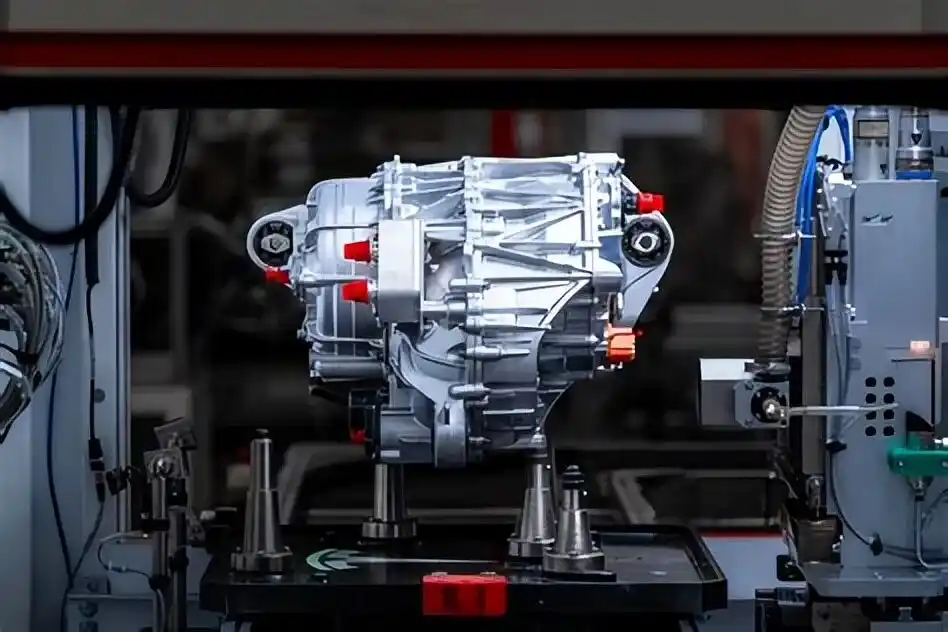
Rare earths saved, chips saved, space saved, labor saved, and cost reduced by $1000.

This shows Tesla is not just doing technical validation; it's doing mass production validation – zero rare earths is not a lab sample; it's a mass-produced product already installed in the Cybercab, rolling off the line one every 10 seconds, and costing even less.
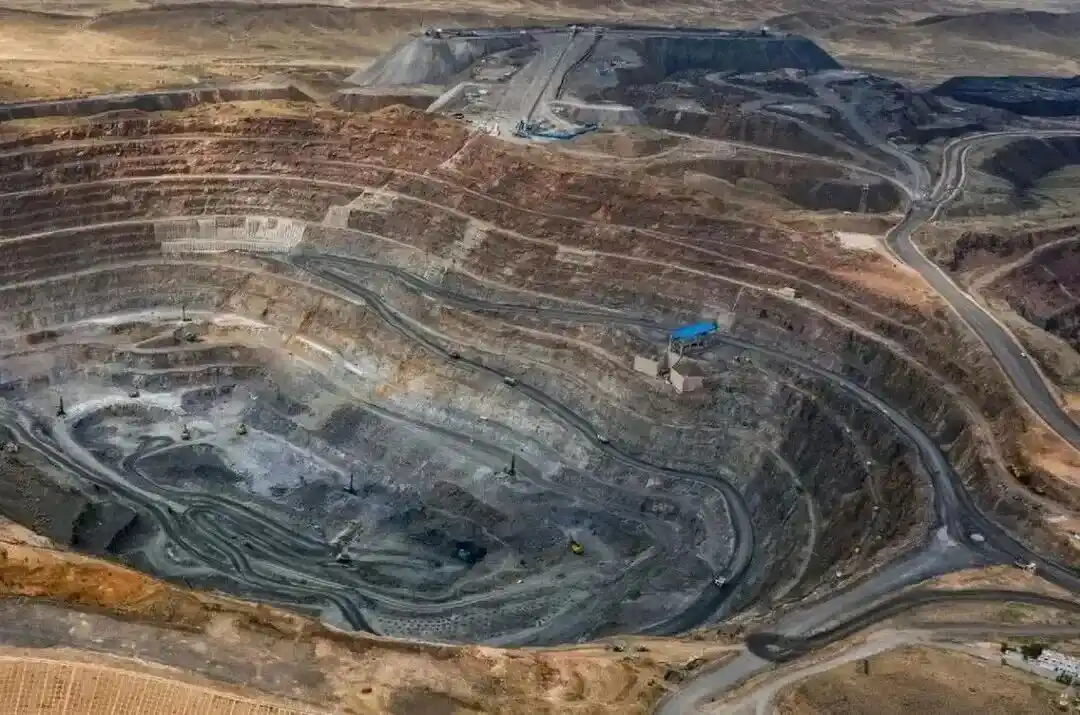
From mining, separation, and refining to high-performance magnetic material manufacturing, China has a very complete industrial chain and a clear scale advantage in rare earths.

This sounds like an advantage, but for Tesla, it's a potential supply chain risk. 500 grams of rare earth per motor might not seem like much, but Tesla sells millions of cars a year. Adding future robotaxis and humanoid robots, motor demand could be several times or even over ten times the current level.

By then, whether key materials can be stably supplied is no longer a small issue.

Also, notice one detail: Tesla's zero-rare-earth motor is first deployed on the Cybercab, and the Cybercab's target market is primarily North America.

What does this mean? It means Tesla is building technical reserves for "de-sinicization of the North American supply chain." If geopolitical tensions escalate in the future, requiring vehicles sold in North America not to use Chinese rare earths, Tesla already has a ready-made solution.

And this is how Musk has always operated: while others are still discussing risks, he has already created the alternative solution.
Does China Still Hold Competitive Cards?

China's new energy vehicle supply chain is strong, and rare earths are our ace advantage. China not only possesses the world's richest rare earth reserves but also controls over 90% of global rare earth refining capacity and high-performance NdFeB magnet manufacturing capability.

From mining and separation to refining and magnetic material processing, China has established a near-absolute monopoly in this field.

In the past, to address this rare earth shortfall, new mines, new refineries, and new magnet factories have been slowly starting up in the US.

But whether it's re-procuring equipment, adjusting separation processes, or getting magnets validated by automakers, this cycle might not be completed in 3-5 years, and the product might not be competitive with Chinese companies.

Tesla has taken a new path. Waiting for the US industrial chain to be built would take forever. It's better to have its engineers redesign the motor – we won't use rare earths at all. Zero grams of rare earths – it's trying to rewrite the rules of the game.

This matter has a complex flavor for Chinese automakers. Advantages can sometimes turn into inertia – We have rare earths anyway, and they are cheap and good, so why bother developing zero-rare-earth motors?
But Tesla's practical action tells you: Supply chain advantage does not equal a technological moat. Today you dominate the market with low rare earth costs; tomorrow, if others successfully commercialize a zero-rare-earth route with even lower costs, where is your advantage?

If future motor competition shifts from "whose magnet is stronger" to "who uses less material, is more efficient, and costs less," then rare earths are no longer an unavoidable critical point for the electric drive system, much like when lithium-ion batteries first emerged, no one expected they would take over half the sky from nickel-metal hydride batteries and internal combustion engine vehicles.

More critically, Tesla's move sets an example for global automakers: key materials are not impossible to circumvent.

This logic applies not only to rare earths but also to chips, battery materials, and all key supply chain links – as long as you are willing to invest and change your mindset, the previously thought unavoidable critical point might be circumvented by taking a different path.

In fact, the three technical routes for zero rare earths – synchronous reluctance, switched reluctance, and electrically excited – have all been deployed by Chinese companies long ago, and many are already in mass production.
In the industrial field, Wolong Electric Drive and Inovance Technology's synchronous reluctance motors have been shipped in bulk for a long time, with a combined market share exceeding 34%, energy efficiency rivaling Siemens and ABB, and costs 30% lower.

In the automotive field, BYD's variable flux motor is already installed in vehicles, directly halving rare earth usage while increasing power by 12% and high-speed range by 15%; NIO and XPeng's electrically excited motor technology reserves were completed long ago. The electrically excited route used in the BMW iX3 – domestic automakers can do that too.

Tesla wanting to change the rules of the game is both a warning and an opportunity for Chinese companies.

The warning is: don't rest on your rare earth laurels; technological route shifts might happen faster than you think.

The opportunity is: since Tesla can pave the way for a zero-rare-earth route, Chinese automakers, with a more complete industrial chain, lower manufacturing costs, and a larger market scale, can walk this path even more steadily.

What Chinese automakers need to prepare for is: what you have, I can have too; what you don't have, I can still build. This is the key to winning the next phase of competition.

This article is from the WeChat public account "Hotspot Micro-Review" (ID: redianweiping), author: Wang Xinxi


Related Questions

QWhat technological approach did Tesla use to achieve its 'zero rare earth' goal for the Cybercab's drive motor without compromising range?

ATesla employed a three-pronged approach: 1) enhancing the synchronous reluctance path in the rotor, 2) developing new iron oxide composite magnetic materials, and 3) using hairpin winding to increase copper fill factor and pairing it with a more robust thermal management system.

QHow has Tesla's strategy regarding rare earth usage in its motors evolved over the different stages of its development?

ATesla's strategy has evolved in three stages: initially, with the Model S/X, it used induction motors with zero rare earths due to weak supply chain influence and a focus on security. Later, for the Model 3/Y, it switched to rare earth-dependent permanent magnet synchronous motors to prioritize efficiency, cost, and range for mass production. Now, with the Cybercab, it has returned to a 'zero rare earth' approach, prioritizing supply chain security and independence from specific materials.

QAccording to the article, what is the broader strategic implication of Tesla's 'zero rare earth' motor for its North American operations?

AThe article suggests that by first deploying the 'zero rare earth' motor in the Cybercab targeted at the North American market, Tesla is creating a technical reserve for 'de-Sinicization' of its North American supply chain. This prepares Tesla for potential future geopolitical scenarios where vehicles sold in North America might be required to avoid Chinese-sourced rare earth materials.

QHow does the article assess the potential impact of Tesla's move on Chinese electric vehicle (EV) companies and their rare earth advantage?

AThe article argues that while China holds a dominant position in the rare earth supply chain, Tesla's move serves as a warning that supply chain advantages are not permanent technical moats. It could shift the competitive focus from 'whose magnet is stronger' to 'who uses less material, is more efficient, and has lower cost.' This challenges Chinese companies to not become complacent and to actively develop alternative non-rare earth technologies, which they are already doing in various forms.

QWhat examples does the article provide of Chinese companies already developing or using non-rare earth motor technologies?

AThe article cites several examples: In the industrial sector, Wolong Electric and Inovance Technology have mass-produced synchronous reluctance motors. In the automotive sector, BYD uses variable flux motors that halve rare earth usage, and Nio and Xpeng have technical reserves for electrically excited motors, similar to the technology used in the BMW iX3.

Related Reads

Coinone warns of phishing, identity theft after customer data breach

South Korean crypto exchange Coinone warned customers about potential phishing scams and identity theft after an attacker breached its outsourced customer support provider, MetaM, exposing information shared during customer service interactions. Coinone said the attacker accessed MetaM servers on Thursday and viewed or extracted customer support records, learning of the breach the same day. Potentially exposed data includes names, phone numbers, email addresses, dates of birth, bank account numbers, passwords, national identification numbers, home and wallet addresses, and transaction IDs, varying by customer; those who never contacted the support center were unaffected, and Coinone did not disclose how many customers were impacted. The exchange urged customers who shared passwords during support interactions to change them and warned that fraudsters could impersonate Coinone using details from previous conversations. Coinone said its account, trading, and wallet infrastructure operates separately from MetaM's servers, with no evidence of direct compromise, and it has reported the incident to South Korean authorities. The disclosure comes as South Korea strengthens financial-sector cybersecurity; in October the Financial Services Commission identified security deficiencies at 130 of 555 financial firms reviewed, and on Thursday the regulator said it would allow crypto exchanges to suspend withdrawals when hacking is suspected, alongside calls for round-the-clock monitoring.

cointelegraph48m ago

Coinone warns of phishing, identity theft after customer data breach

cointelegraph48m ago

Is There a Hidden Hand Behind Jensen Huang's Departure? Secretary of State Rubio or Anthropic?

The article alleges that Nvidia founder Jensen Huang's departure was the result of a coordinated "hunt" involving two forces: Secretary of State Marco Rubio and AI rival Anthropic. On the policy front, the dispute centers on AI chip export controls—Huang was the most prominent corporate voice opposing built-in tracking and remote kill-switch functions in chips, while three bipartisan chip bills (covering congressional review of export licenses, anti-smuggling measures, and pressure on allies to halt equipment sales) have been folded into the Senate's annual defense authorization bill. The storm began with a highly classified memo leaked to The New York Times; according to The Washington Post, the memo originated with Rubio, who reportedly rewrote a CIA report whose analysts were unconvinced by the underlying intelligence, using "his own more aggressive wording," then sent it to senior officials and briefed the president. David Sacks called the leak a crime and asked why someone would risk prison to bring Huang down. Separately, NYT reporter Tripp Mickle said a mysterious industry contact told him to "drop everything" and investigate Megaspeed, a Singapore-based Nvidia compute rental firm; suspicion points to Anthropic CEO Dario Amodei and a co-founder as the leaker. Anthropic reportedly donated $40 million to Public First Action, which pushes AI safety rules and chip export controls—positions opposite Huang's defense of open-source AI and opposition to backdoors. Nvidia shares fell on the news, and tech leaders including Musk, Garry Tan, and Tim Sweeney are petitioning for Huang's reinstatement, with Sweeney comparing his ouster to Apple firing Steve Jobs.

marsbit3h ago

Is There a Hidden Hand Behind Jensen Huang's Departure? Secretary of State Rubio or Anthropic?

marsbit3h ago

Global Chip Stocks Retreat Nearly 40% from Peak: Has the AI Bubble Burst?

Nvidia is set to report its fiscal Q3 2027 earnings after market close on November 17, but the call will be led by interim CEO and CFO Colette Kress, not Jensen Huang, who resigned as president, CEO, and board member effective November 12 following an apology letter to employees admitting infidelity and a board investigation into reports that he was a target of foreign intelligence activity. The report comes as investors question whether massive AI capital expenditures will pay off. On November 5, the Philadelphia Semiconductor Index plunged 12.25%, its worst single-day drop since March 2020, with Nvidia falling 9.3% and losing about $447 billion in market value; Seoul's KOSPI triggered a circuit breaker the next day. Over the past month, Nvidia has shed nearly $1.4 trillion in market value from its early-October peak, the semiconductor index has pulled back nearly 40% from its June 22 peak of 14,634, Oracle is down over 30% year-to-date, and CoreWeave has retreated about 70% from its June 2025 high. Yet the broader market looks calm: the Nasdaq is only about 12% off its high, and the equal-weighted S&P 500 hit a record during the selloff week—the crash is concentrated in AI. The timeline shows early warnings in Korea in June, with memory stocks falling first; Goldman's AI memory basket is down 51% from its June peak, the largest drawdown since ChatGPT launched. The selloff layered by proximity to end cash flow: memory worst, then leveraged neoclouds like CoreWeave, then power, chips, and optics, while cash-rich cloud giants held up, with the seven giants still up about 9.6% year-to-date before the crash. Nvidia's roughly 14x P/E isn't necessarily cheap—its revenue is others' capex, low multiples on cyclicals often mark peak profits, and chip index declines historically lead semiconductor sales drops by 6-9 months, suggesting real estimate cuts may not appear until Q1 2027. Meanwhile, orders are full but stocks still fall: Lumentum says data center optics are sold out for years, SanDisk beat for six straight quarters yet is down over 60% from its high, and CoreWeave's Q3 beat and $132.5 billion backlog didn't stop a 32% year-to-date decline. Hyperscaler capex guidance for 2026 totals $720-745 billion, up nearly 80% from 2025, but the market's reaction has turned cold—Google fell 12.6% on October 29, its worst day ever. Free cash flow is turning negative: the five biggest players spent $556.9 billion in the first nine months versus $542.9 billion in operating cash flow, with four of the seven giants seeing negative FCF for the first time in a decade, funded by debt—US cloud companies issued about $225 billion in bonds in the first nine months, up 973.7% year-over-year. Oracle's CDS spread widened from about 58 basis points a year ago to 295, and CoreWeave's exceeded 1,000, with bond yields near 15%. The bond market is already pricing default risk while stocks debate bubbles. Politics adds a second layer: Democrats won both chambers in the November 3 midterms, and of 41 local data center ballot measures in 10 states, 40 went against data center construction. Texas, which holds 27% of planned US capacity, elected a governor promising a moratorium. Goldman estimates 45% of planned US data center capacity faces short-term pause risk. Buffers exist—the new Congress seats in January 2027, any restrictions face a presidential veto, and UBS estimates only about 30% of planned 2028 capacity would be affected. Demand hasn't broken; what broke is the belief that spending alone lifts stocks—AI is moving from storytelling to audit. Whether the pullback becomes a collapse depends on three readings: whether cloud giants' free cash flow turns positive, whether Oracle and CoreWeave credit spreads keep widening, and whether state-level data center restrictions take effect.

marsbit3h ago

Global Chip Stocks Retreat Nearly 40% from Peak: Has the AI Bubble Burst?

marsbit3h ago

Successfully Recovering Starship Upper Stage, SpaceX Debuts 'Chopsticks Catching the Ship,' Analyst: The Most Critical Step Supporting a Trillion-Dollar Valuation

SpaceX achieved a historic first on November 15, successfully catching the Starship upper stage in mid-air using the launch tower's giant "Mechazilla" robotic arms after the spacecraft completed 14 orbits and re-entered the atmosphere. More than 5 million viewers watched the live broadcast. It marks the first time since NASA's Space Shuttle in 2011 that a spacecraft returning from orbit has been recovered, and the first-ever capture of an orbital spacecraft by a tower. However, the mission was only half successful: the Super Heavy booster aborted its recovery attempt after an early engine shutdown during descent, splashing down in the Gulf of Mexico and exploding. SpaceX engineers are investigating the cause. This was the 15th test flight and the most ambitious, marking the first simultaneous recovery attempt of both stages. Analysts stress the cost implications. Bernstein called full reusability "the most important step" supporting SpaceX's multi-trillion-dollar valuation, key to high launch frequency and lower orbital costs. Citi called fully reusable rockets the industry's "holy grail." Morgan Stanley argued markets underestimate the significance, noting the ship's capture is harder than the booster's because it endures extreme re-entry stress. Success would reduce execution risk across commercialization, Starlink deployment, and future space-based AI computing. The Starship released 26 Starlink V3 satellites during the flight, re-entering at over 26,000 km/h with temperatures reaching 7,000°F. NASA Administrator Jared Isaacman congratulated SpaceX, and Musk shared video of the recovered ship. NASA's Artemis lunar program and Musk's Mars ambitions both depend on Starship. SpaceX stock (SPCX) dipped 2% after the booster failure, trading just 3% above its $135 IPO price and 38% below its June high of $225.64. Bernstein noted SpaceX remains roughly a decade ahead of competitors in reusability. Starlink, SpaceX's profit center, serves over 13 million users in 170+ countries with over 11,000 satellites, posting about $3.5 billion in Q3 EBITDA. Starship can carry up to 60 Starlink V3 satellites—each nearly four times the volume and ten times the data capacity of V2. Musk hopes to build space-based AI data centers, possibly starting in late 2027, with reusability being the prerequisite for lowering per-unit orbital costs.

marsbit6h ago

Successfully Recovering Starship Upper Stage, SpaceX Debuts 'Chopsticks Catching the Ship,' Analyst: The Most Critical Step Supporting a Trillion-Dollar Valuation

marsbit6h ago

Trading

Spot
活动图片