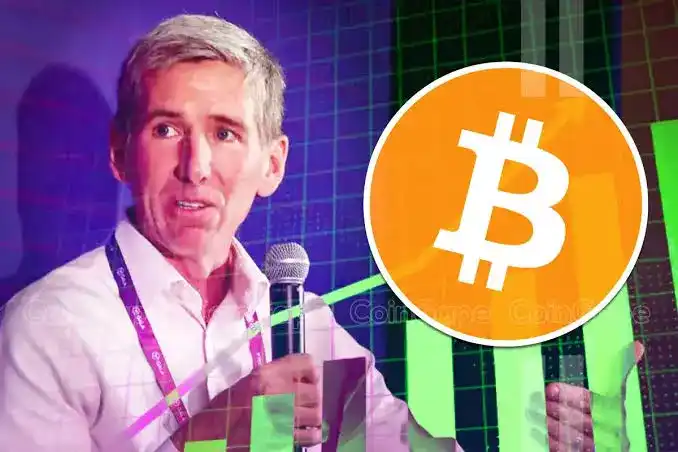
抢跑SEC:特朗普加密ETF背后的窗口期之战

marsbitPublicado em 2025-07-08Última atualização em 2025-07-09

在华盛顿,权力游戏的最高境界,是预判规则的改变,并在旧秩序的余晖与新秩序的黎明之间,找到那稍纵即逝的窗口。2025年的夏天,唐纳德·特朗普的媒体帝国(TMTG)就上演了这样一场高风险的战略冲刺,目标直指美国证券交易委员会(SEC)——这个全球金融市场的最高守门人。

这场战役的核心,并非仅仅是发行一两支以“真相社交”为名的加密货币ETF,而是一场与时间赛跑的豪赌。赌注是:能否在SEC为替代币(Altcoin)ETF建立一套全新的、高效的“通用上市标准”之前,利用现行的、缓慢而繁琐的旧规则“抢先上车”,从而在即将到来的市场洪流中占据一个宝贵的先发位置。

这是一场精心策划的“抢跑”行动。TMTG的每一步棋,从资产的选择到申请的时机,都精准地踩在监管变革的鼓点上。


旧规则下的“敲门砖”

TMTG的第一步棋,落在2025年6月16日。他们向SEC提交了“真相社交比特币和以太坊ETF”的S-1申请文件。

这是一个无比稳妥、甚至可以说是乏味的开局。比特币和以太坊,是当时唯二获得SEC现货ETF绿灯的加密资产,拥有清晰的监管判例和无可争议的市场地位。在现行的“19b-4”审批流程下,尽管过程可能长达240天,但这样一个紧跟先例的产品,其最终获批的确定性极高。

这支ETF就像一枚投入旧体系的“敲门砖”。它的目的不是为了创新,也不是为了获取超额回报,而是在这场赛跑中获得一个合法的“参赛号码”。通过提交这份申请,TMTG得以在缓慢的官僚队列中排上队,启动那个漫长的倒计时。这确保了无论后续监管如何变化,他们至少已经有一只脚踏入了赛场。

然而,所有人都明白,这只是佯攻。真正的野心,隐藏在三周后的第二份文件中。


冲撞边界的“宣言”

7月8日,当TMTG抛出“真相社交加密蓝筹ETF”的申请时,市场的空气才真正变得紧张起来。这份文件与其说是金融产品说明书,不如说是一份向监管边界发起冲锋的宣言。
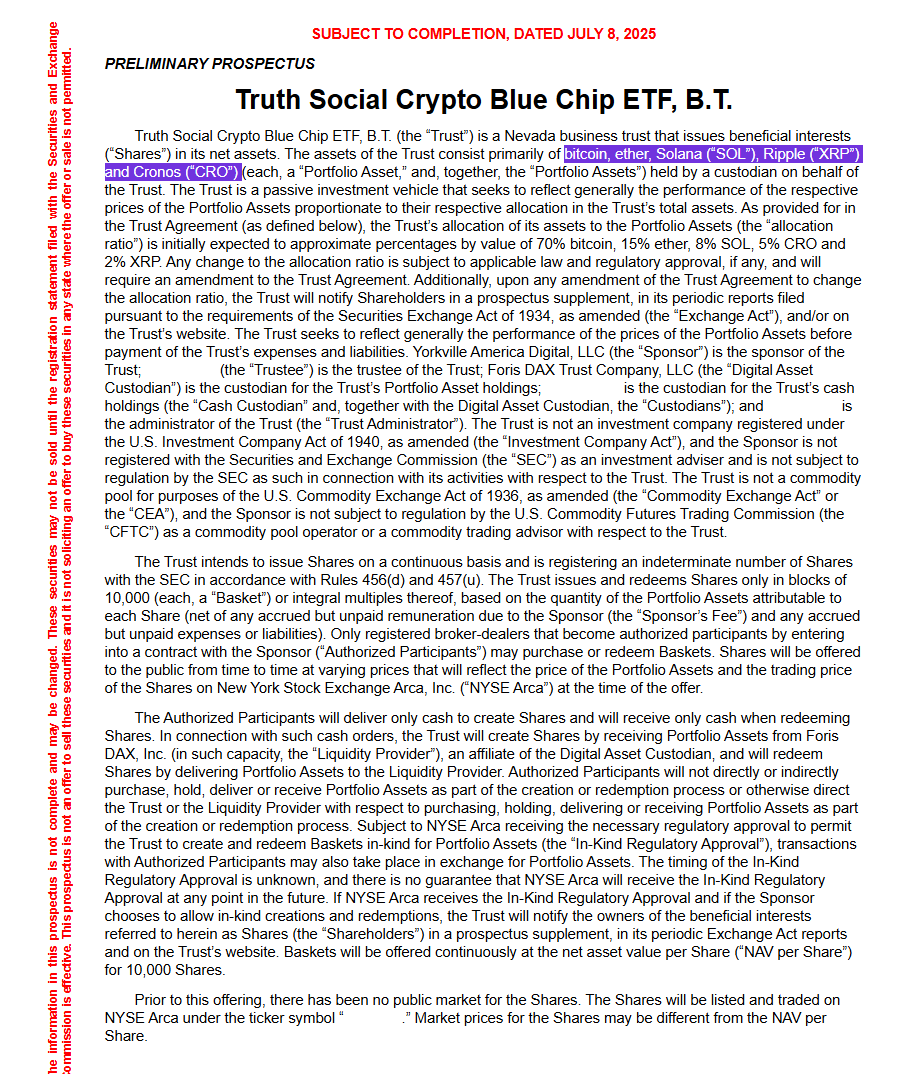
ETF

其投资组合的构成,充满了精心计算的挑衅意味:70%的比特币和15%的以太坊是“安全垫”,而剩下的15%,则大胆地分配给了三种在监管和声誉上极具争议的资产:Solana(SOL)、Cronos(CRO),以及在几个月前海湖庄园风波中扮演了核心角色的瑞波币(XRP)。

将这三种资产纳入“蓝筹”之列,本身就是一场豪赌。XRP的法律地位在SEC长达数年的诉讼后依旧模糊不清;而CRO则因其“反向销毁”的利益捆绑而备受质疑。任何一个理性的基金经理,在为一支面向公众的基金挑选资产时,都会对它们避之不及。

但TMTG的算盘并非纯粹的金融逻辑。这支基金的目标用户,不是寻求稳健收益的传统投资者,而是那些对中心化权威抱有天然敌意、信奉“反抗叙事”的加密社群。XRP的入选,是对抗SEC“执法式监管”的图腾;CRO的入选,则是对“代码即法律”极端信条的迎合。

这支ETF是一个信号放大器。它存在的意义,就是在SEC的新规则落地、华尔街巨头们可以轻松推出海量替代币ETF产品之前,利用其独特的政治品牌和争议性资产,尽可能快地聚拢起一个忠诚的、具有高度共识的投资者社群。这是他们在与贝莱德(BlackRock)、富达(Fidelity)等巨头的竞争中,唯一的差异化优势。

正在关闭的窗口

TMTG之所以如此急于求成,是因为他们清晰地看到,SEC的监管窗口正在迅速关闭。

据The Block及彭博社分析师James Seyffart等多个消息源证实,SEC正与各大交易所紧锣密鼓地商议,计划推出一套“通用上市标准”。这个新框架一旦落地,将彻底改变游戏规则。它将允许交易所自行批准和上架那些符合预设标准(如市值、流动性、去中心化程度等)的ETF,审批时间可能从240天大幅缩短至75天,甚至更短。

Seyffart预测,这一新规最早可能在今年秋季前实施。届时,替代币ETF的“闸门”将被彻底打开。可以预见,拥有庞大合规团队和分销网络的资本巨鳄,将会在一夜之间向市场倾倒数十种替代币ETF产品。

对于TMTG这样一个在资产管理领域毫无经验的新玩家而言,一旦进入那个“公平竞争”的阶段,他们几乎毫无胜算。他们唯一的生机,就在于利用新旧规则交替的混乱期,完成这次战略“抢跑”。

SEC对灰度公司(Grayscale)多币种加密ETF(GDLC)的处理方式,更是印证了这一窗口期的存在。SEC工作人员先是通过“授权”批准了该基金,但很快又将其“暂停”,以便由委员会进行全面审查。分析师们普遍认为,这表明SEC希望在批准任何复杂的多资产基金之前,先将统一的框架最终确定下来。

这为TMTG创造了一个绝佳的博弈空间:在SEC专注于打磨新规则、对个案审批犹豫不决的时刻,用一份充满争议但又紧扣政治脉搏的申请去施加压力。他们的赌注是,在巨头们被新规的“程序正义”束缚住手脚时,他们可以凭借旧规则的漏洞和政治影响力,成为第一个(或第一批)将替代币篮子产品推向市场的玩家。


终章:赛跑的尽头是什么?

将所有线索串联起来,TMTG的战略意图清晰无比:这是一场与监管效率和市场竞争的赛跑。

他们用一份保守的ETF申请来“占位”,用一份激进的ETF申请来“冲锋”,目标就是在SEC建立起新的、有序的、对所有人都公平的赛道之前,提前冲过终点线。这支“加密蓝筹ETF”的成败,或许从一开始就不取决于其长期的净值表现,而在于它能否在那个短暂的窗口期内,成功点燃政治狂热,完成资本的原始积累。

然而,商业的现实是冰冷的。现货比特币ETF市场早已是巨头的天下,贝莱德的IBIT基金在短短数月内资产管理规模已突破760亿美元。正如VettaFi的金融未来学家Dave Nadig所言:“他们面临着巨大的分销挑战……这感觉更像是一种营销策略,而不是一个严肃的资产管理业务。”

这场“抢跑”行动,最终可能赢了时间,却输给市场。但无论结局如何,它都为我们揭示了在技术、金融与政治三者交汇的十字路口,一种全新的竞争范式正在诞生。它关乎时机、胆识和对规则的极限利用。在这场与SEC的赛跑中,特朗普的媒体帝国或许无法成为最终的赢家,但它无疑已经成为了那个最引人注目的“领跑者”,将整个市场的目光都吸引到了这条正在迅速变化的赛道之上。


Leituras Relacionadas

The Full Story of How Crypto Unicorn Blockstream Is Mired in Serious Fraud Allegations

This article details serious allegations of fraud against Bitcoin infrastructure company Blockstream, founded by Bitcoin pioneer Adam Back. In June 2024, investigative account NatInfoSec published a report accusing Blockstream's mining note (BMN) program of potentially operating a multi-billion dollar scheme with Ponzi-like characteristics. The core allegations focus on Blockstream Mining Notes (BMNs), which offer investors fixed annual yields up to approximately 20% from Bitcoin mining. NatInfoSec's investigation raises several key issues: 1. **Suspicious Hashrate & Payout Capacity**: The analysis suggests Blockstream would need 20-45 EH/s of mining power to cover its BMN obligations, but its public dashboard shows only around 15 EH/s. Furthermore, no verifiable public evidence (e.g., grid connection records, import data) was found to support the massive mining operation required. 2. **Questionable Payout Source**: The BMN contract allows Blockstream to use Bitcoin from *any source* (Substitute Performance BTC) to fulfill investor payouts, raising concerns that payouts may not come from actual mining revenue. 3. **High-Risk, Fixed Returns**: Offering ~20% fixed yields in the volatile, cyclical Bitcoin mining industry is viewed as highly unusual and requires clear explanation. 4. **Undisclosed Criminal Record of Key Figure**: Christopher William Cook, a key figure in Blockstream's mining operations and CEO of spin-off Exacore, was found to have a federal felony conviction for mail fraud in 2008, a fact not disclosed in BMN offering documents. His background was also allegedly embellished. 5. **Potential Contagion to BSTR SPAC**: Questions were raised about whether these liabilities and Cook's record should have been disclosed in the SEC filings for Bitcoin Standard Treasury Company (BSTR), a separate Adam Back-associated firm planning a SPAC merger. The crypto community is divided. BitMEX Research validated Cook's criminal record and expressed concern over the high yields but found other evidence lacking or misleading, noting the legal separation between BMN, Blockstream, and BSTR. Blockstream defenders, like Samson Mow, argue the mining is real. Critics, however, emphasize the lack of independent, verifiable proof of the mining operation's scale and the true source of investor payouts. The article concludes that BMN remains shrouded in key unanswered questions regarding its actual size, the verifiability of its underlying mining assets and payouts, the source of its high yields, and the full role and disclosure concerning Chris Cook. Blockstream had not issued a comprehensive response at the time of writing.

marsbitHá 29m

The Full Story of How Crypto Unicorn Blockstream Is Mired in Serious Fraud Allegations

marsbitHá 29m

The Full Story Behind Encryption Unicorn Blockstream's Deep Entanglement in Serious Fraud Allegations

This article details allegations of serious fraud surrounding the crypto company Blockstream, founded by Bitcoin pioneer Adam Back. Investigation account NatInfoSec accuses Blockstream of raising billions through its Blockstream Mining Note (BMN) products, which offer high fixed yields of up to 20% from purported mining revenue. The core allegations are: 1) Blockstream's public mining hash rate (15 EH/s) appears insufficient to cover the massive payout obligations from sold BMN notes, raising questions about the true source of investor payouts. 2) Key executive Christopher William Cook, central to the mining operations, has a prior federal conviction for mail fraud, a fact not disclosed to investors. Cook's background and lavish lifestyle are highlighted as red flags. 3) The structure allows payouts from any source of BTC, not necessarily mining revenue, which critics argue gives it Ponzi-like characteristics. The controversy also touches on Bitcoin Standard Treasury Company (BSTR), a related entity planning a SPAC上市. Critics question whether BMN's liabilities and Cook's record should be disclosed in BSTR's filings. BitMEX Research offered a tempered analysis, confirming Cook's criminal record is likely true and the high yields concerning, but found other claims like insufficient抵押证据 less substantiated. Community debate centers on the need for verifiable proof of Blockstream's mining output and revenue. The article concludes that while fraud is not proven, BMN presents significant, unresolved questions regarding its actual scale, the source of its high fixed returns, the verifiability of its mining operations and payouts, and the full disclosure of associated risks and personnel backgrounds. Blockstream has not yet issued a formal response.

链捕手Há 1h

The Full Story Behind Encryption Unicorn Blockstream's Deep Entanglement in Serious Fraud Allegations

链捕手Há 1h

Trading

Spot
Futuros
活动图片