Opus 5.5 Reverse-Engineers 'Call of Duty', Activision Blizzard Can't Sit Still

marsbitPublished on 2026-10-12Last updated on 2026-10-12

Abstract

Claude Opus 5.5 AI has ignited a "renaissance" in classic gaming, enabling developers to rapidly port numerous iconic games like *Halo: Combat Evolved*, *Grand Theft Auto: Vice City*, and *The Simpsons: Hit & Run* directly to web browsers. By drastically accelerating the reverse-engineering and code migration process—reducing tasks that took hours to mere minutes—Opus 5.5 allows these titles to run smoothly online, eliminating the need for large downloads. This has led to massive player engagement, with the web-based *Halo* attracting tens of thousands of sessions globally within hours. However, major publishers like Activision Blizzard and Microsoft are responding with legal action, issuing DMCA takedowns against projects that reuse copyrighted game assets such as maps, models, and audio. While some developers attempt to circumvent this by separating the game engine (hosted online) from the proprietary game data (which users must provide themselves), the core copyright issue remains unresolved. The situation highlights a new frontier in game preservation and modification, powered by AI's technical capabilities but still constrained by longstanding intellectual property law.

Open a browser, enter a URL, and start playing 'Call of Duty' or 'GTA' directly?

Claude Opus 5.5.

As expected of you, still so attuned to Vibe Games...

Honestly, the recent gaming scene is like a grand 'Renaissance':

From 'Halo: Combat Evolved' and 'GTA: Vice City' to 'Skate 3' and 'The Simpsons: Hit & Run'...

Opus 5.5 has brought a wave of ancient masterpieces back to life in the browser, and the results are surprisingly good.
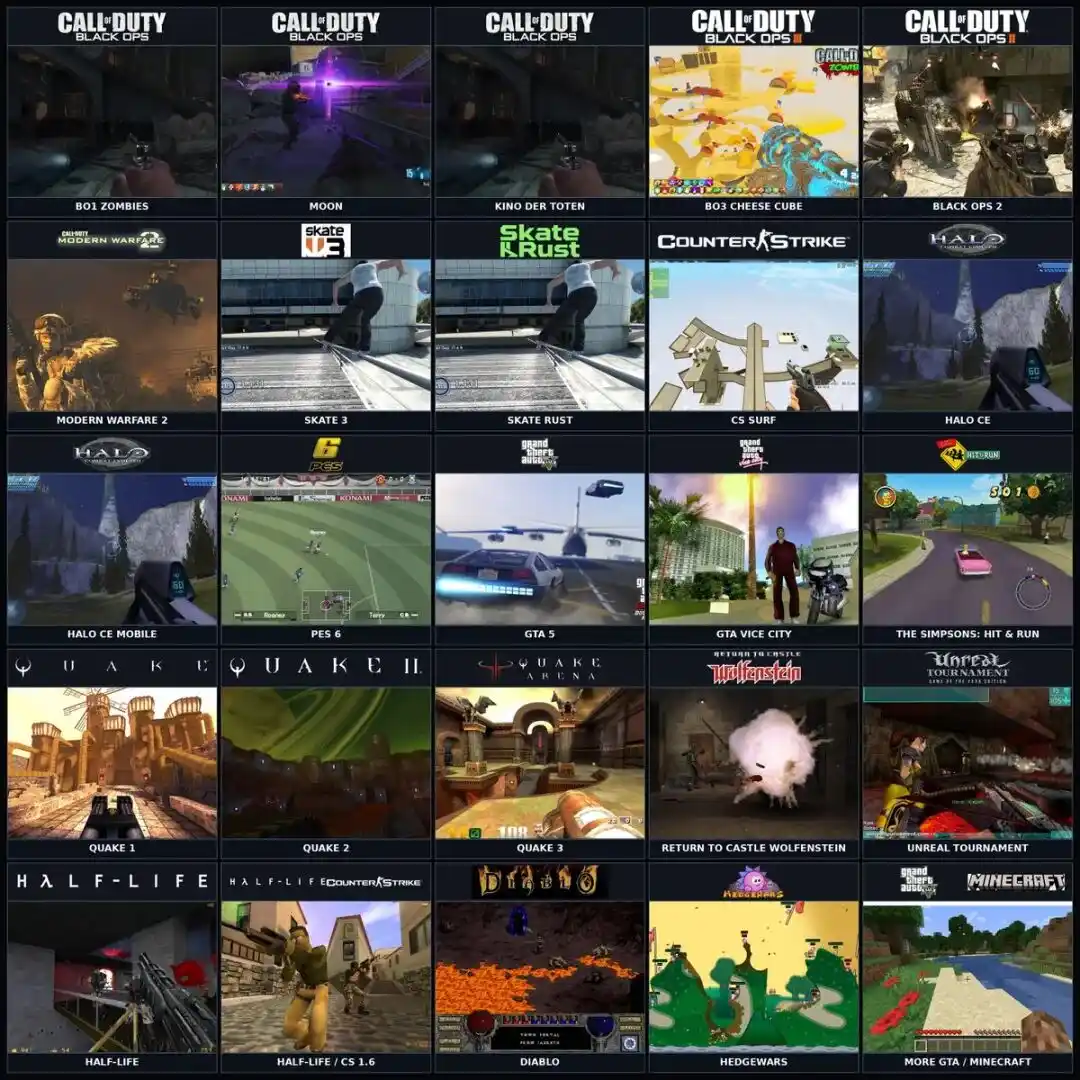
Take the web version of Halo, for example. The project saw nearly 20,000 game sessions explode within just 5 hours of launch, with players flooding in from 115 countries worldwide.

Just one word: Awesome!

Goodbye to those hefty installation packages of tens of gigabytes 👋

Now, a single webpage can handle zombies, driving, and shooting.

But the bad news is, the celebration barely lasted two days before the legal departments of Activision and Microsoft were already knocking on the door with cease-and-desist letters...

Hundreds of Old Games Moving House Collectively

No kidding, who would have thought...

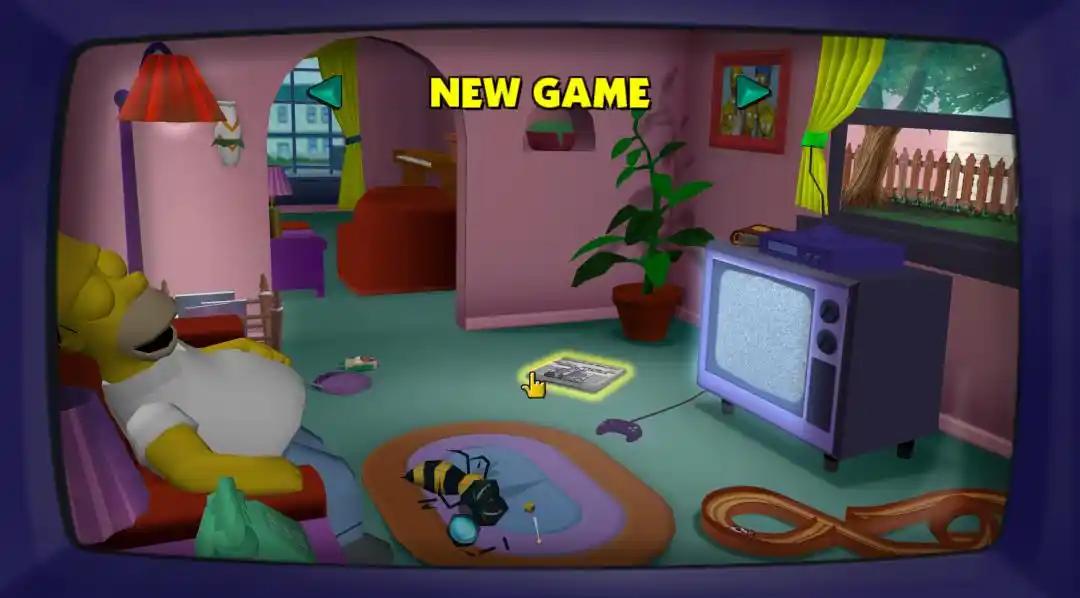
It's already 6202, and 'The Simpsons: Hit & Run' can still hit 240 FPS in a web page.

The occasionally stuttering console graphics from childhood memories now run butter-smooth in a browser tab~
And that web version of 'Halo: Combat Evolved' not only comes with its own multiplayer servers but also has surprisingly low latency when you jump in for a match.

Familiar scenes, mouse and keyboard controls, plus links you can share at the drop of a hat.

These classics from the PS2 and PS3 era have been faithfully restored and collectively moved into the new-era 4399.

So why do they run so smoothly?

Many might forget, the entire PS3 console back in the day had only about 512MB of RAM.

Nowadays, just opening Chrome for some casual browsing easily eats up around 1200MB of memory.

Hardware is no longer a barrier. The real Achilles' heel of web porting was always reverse engineering.

This means taking the already compiled game program and working backwards to reconstruct human-readable, recompilable code.

Game logic needs to closely match the original, and it all has to adapt to the browser.

The workload is massive. In the past, a few programmers working hard for months might not even fully decipher the old code.

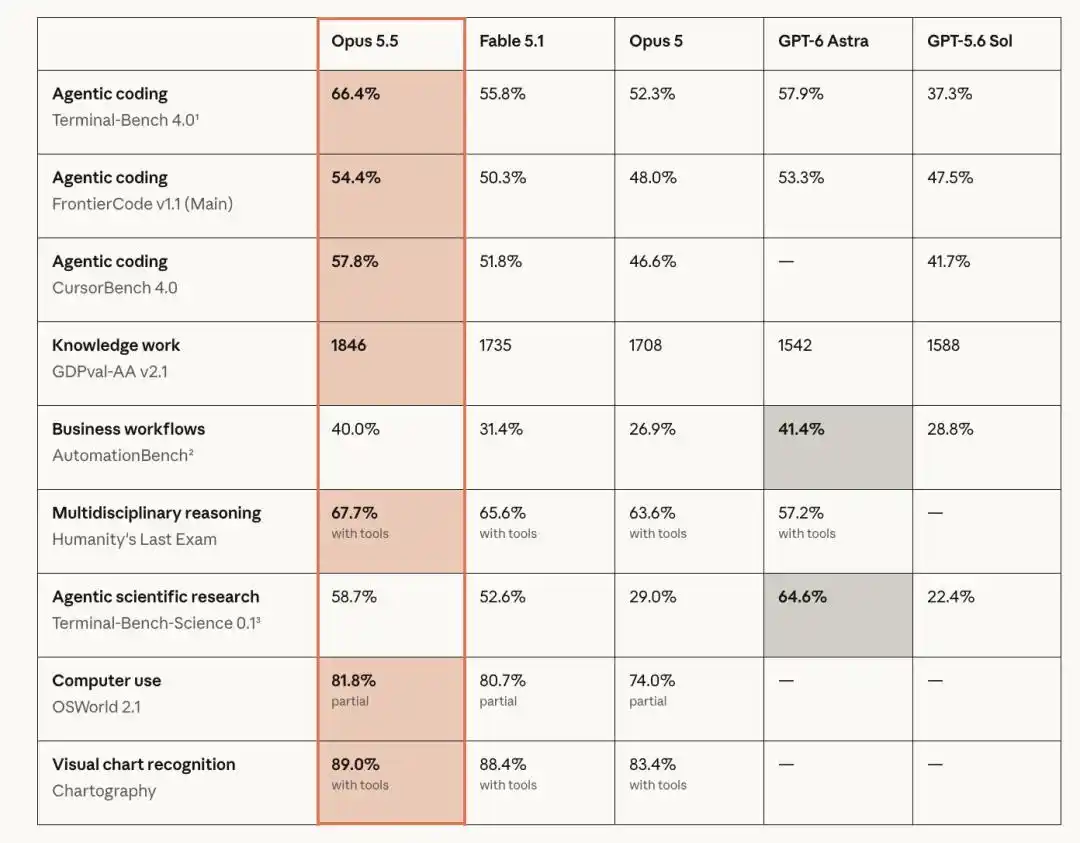
But the reverse-engineering capabilities shown by Claude Opus 5.5 are like having cheat codes enabled.

Anthropic officials mentioned that an early tester using Opus 5.5 migrated 680,000 lines of code in less than a day;

Another tester had it audit and fix 200,000 lines of code in under 3 hours, whereas Opus 5 took over 20 hours for similar tasks.

When creating games using the same prompts, Opus 5.5 also received the highest ratings for graphics and completeness.
On the actual development floor, models even work in a relay.

When developer Luckey Faraday was making the web version of 'Call of Duty', Claude initially refused to participate.

After using models like GLM to build the initial framework, the task was handed over to Claude for polishing visual details.

Ultimately, multiple models complemented each other's strengths, collaborating to complete maps and combat systems, with gameplay even richer than the original.

With Opus 5.5's help, developers can now even let the model run unattended overnight, instantly converting the complex underlying logic of old games into code that runs directly in the browser.

Brilliant, brilliant. This wave benefits players and makes sneaking in a game during idle moments even easier~

The Publishers Strike Back

But... Activision Blizzard doesn't see it that way:

Take them down! Take them all down!!!

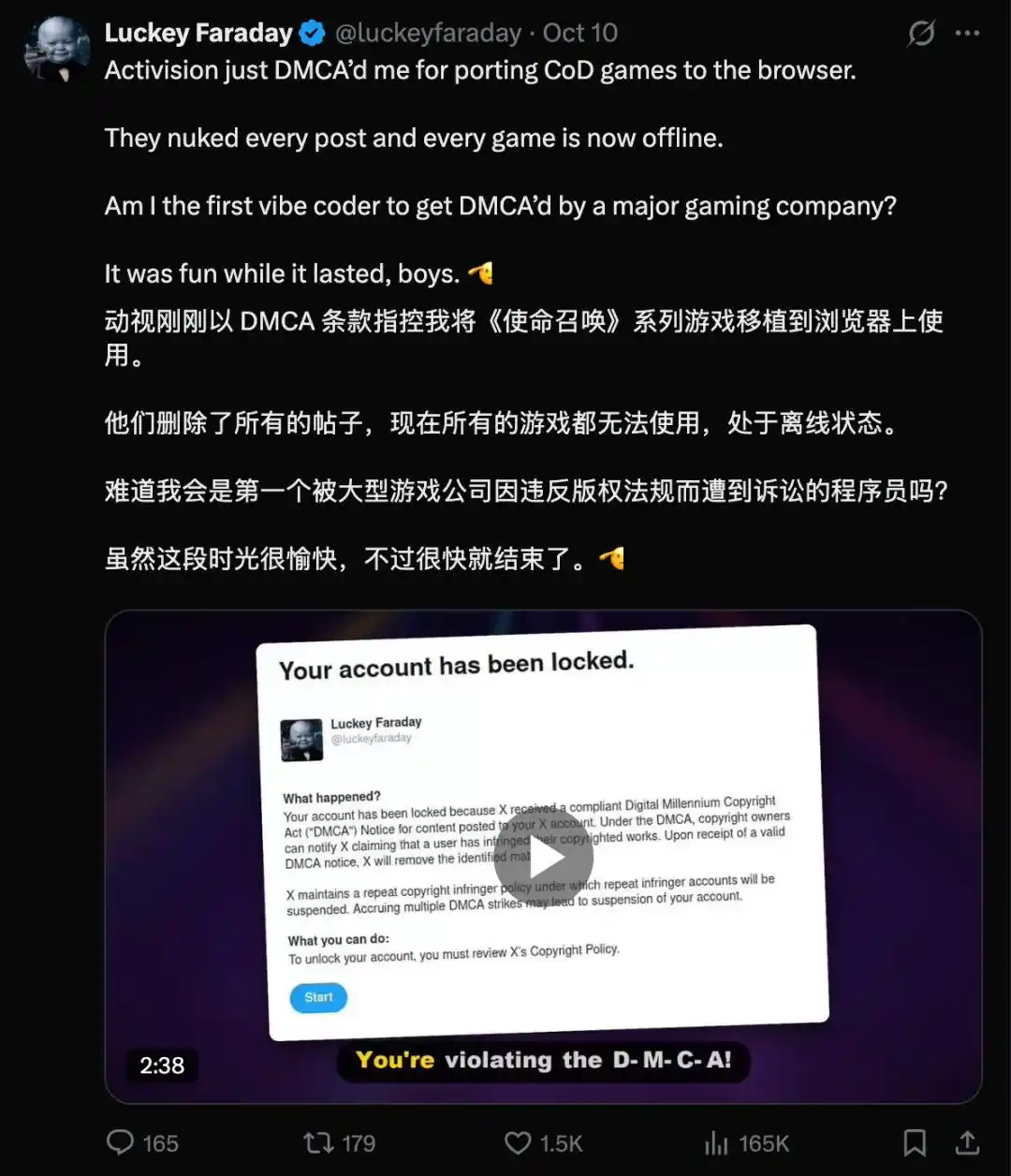
Faraday's related porting project links have been taken down. The guy even semi-joked on X:

Am I the first Vibe Coder to get a DMCA notice from a game publisher? (doge)
To be fair, it's not entirely undeserved.

To stay true to the original, these web versions directly exported and packed in all the maps, models, and animation assets from the original PC games.

The code could be reverse-engineered and made "open-source" via AI, but those art and audio assets are 100% still under the copyright of the original developers and publishers.

And it's not just porting projects using old game assets that risk infringement; new works borrowing familiar worlds are also in danger ⚠️

Previously, developer Chris First used Opus 5.5 to create the web game 'Fallout: New York'.
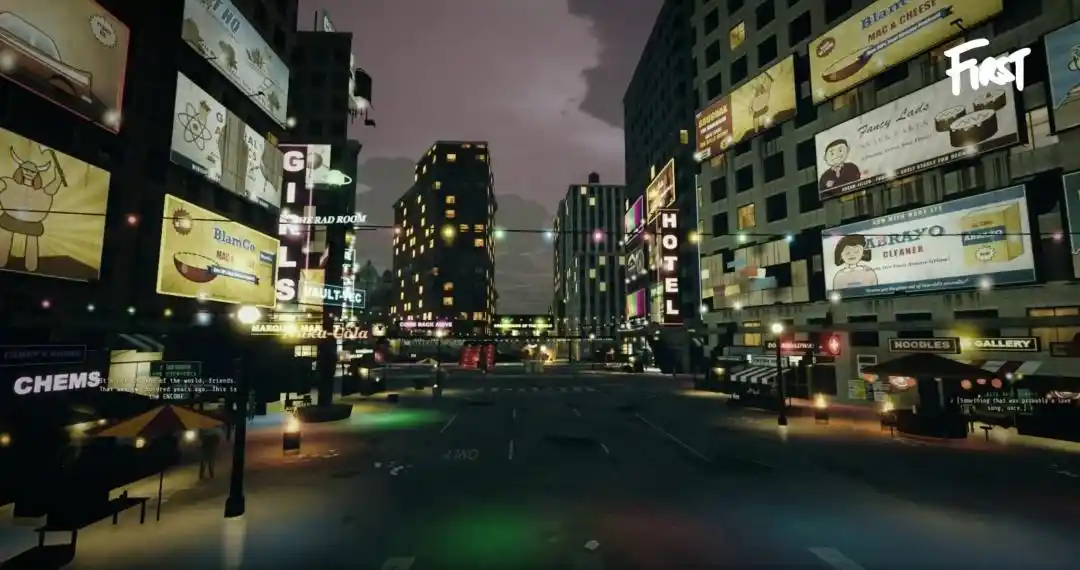
Although the locations, characters, and music were independently generated, he still received a cease-and-desist notice from the game's parent company, ZeniMax, and the subsequent project was announced as terminated.

Thus, to escape the heavy hammer of various legal departments, developers of different web projects have begun employing various tactics.

For example, the developer of the similarly targeted web version of 'Super Mario 64' was much smarter:

The online offering is purely the runtime and emulator, absolutely no copyrighted game textures or data included.

Want to play?

Players must provide their own game ROM, then upload it for parsing within the browser.
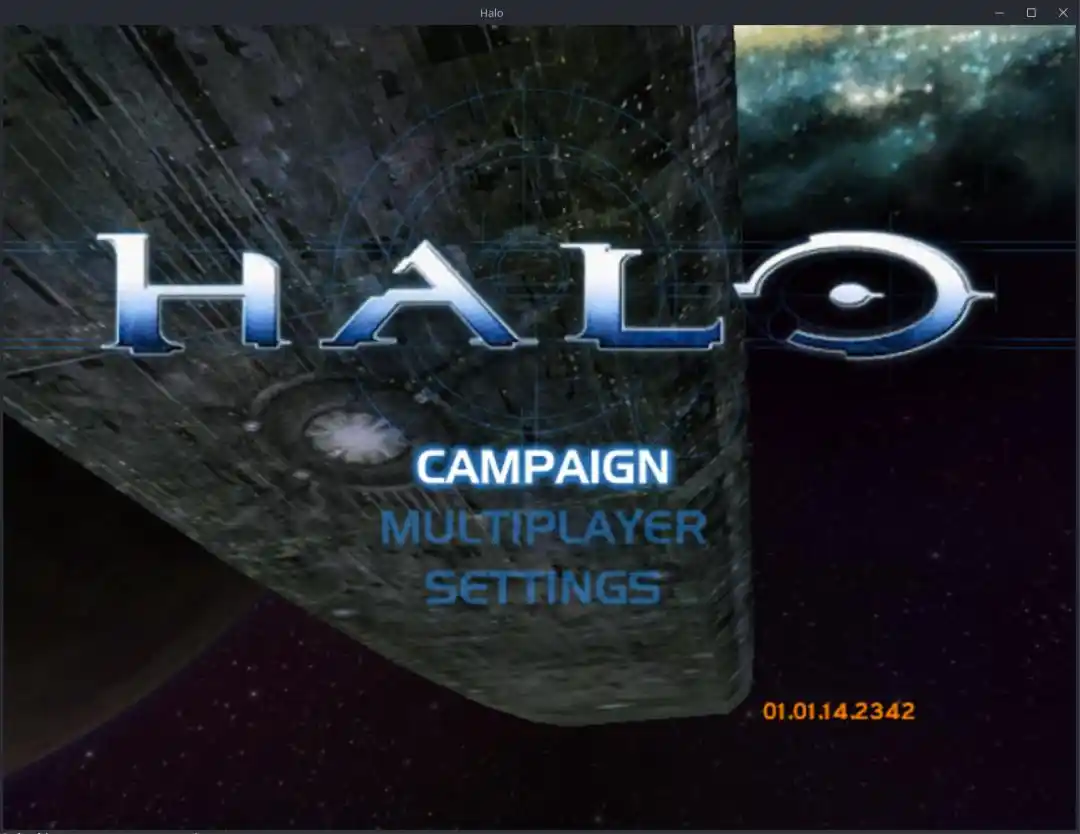
The OpenCE project for 'Halo' also clearly states it contains no game data.

On first launch, players need to select an Xbox disc image, from which the program extracts the maps. The web version saves files in the browser's local storage, not uploaded to any server.

By completely separating the runtime logic from the game assets, developers are trying to carve out a path to survival.

As for the players, the experience still happens in the browser, just with one extra preparation step before the first play.

But publishers won't go easy. Follow-up measures are already on the way.

AI can only push the porting project forward; it won't resolve the authorization issues for developers when they publicly release their work.

This round of cat-and-mouse in the gaming world has only just begun.

References:

[1]https://kotaku.com/we-might-be-cooked-as-these-vibe-coded-web-browser-ports-of-halo-the-simpsons-hit-and-run-and-gta-vice-city-seem-to-work-perfectly-2000743300

[2]https://www.techpowerup.com/353601/activision-dmca-takes-down-vibe-coded-call-of-duty-browser-ports

[3]https://momo5502.com/posts/2026-10-09-game-decompilation/

[4]https://www.pcgamer.com/hardware/you-can-now-play-halo-combat-evolved-in-a-web-browser-and-it-even-has-multiplayer/

This article is from the WeChat public account "Quantum Bit", author: Focus on Frontier Technology

Related Questions

QWhat major capability of Claude Opus 5.5 has led to the revival of classic games in web browsers, according to the article?

AAccording to the article, Claude Opus 5.5 demonstrates a significantly enhanced capability for 'reverse compilation' or decompilation. It can reconstruct human-readable and recompilable code from compiled game programs at unprecedented speed, allowing old games to be quickly adapted to run directly in a browser.

QWhy were the web browser ports of games like *Call of Duty* and *Halo* taken down by companies such as Activision and Microsoft?

AThey were taken down primarily due to copyright infringement. The ports directly used copyrighted assets from the original games, such as maps, models, and audio, which belong to the original developers and publishers. The use of these assets without authorization led to DMCA takedown notices.

QWhat strategy did developers of the *Super Mario 64* web port use to try to avoid copyright issues?

AThe developers only provided the runtime program and emulator online, without including any copyrighted game textures or data. To play, users must supply their own game ROM file, which the browser-based program then parses and runs, thereby separating the game logic from the copyrighted assets.

QWhat is mentioned as a key technical reason why running these old games in a modern browser is now feasible?

AA key technical reason is the vast difference in hardware capabilities. For example, the PlayStation 3 had only about 512MB of RAM, while a modern Chrome browser can easily use over 1200MB just for web browsing. This means current hardware has far surpassed the requirements of these older games.

QHow did the developer Luckey Faraday reportedly create the web port of *Call of Duty* using AI models?

AInitially, Claude refused to participate directly. Faraday reportedly used other models like GLM to build the initial framework. Then, he used Claude to handle graphical details. Multiple models worked together in a relay-like fashion, taking on different tasks to complete the map and combat systems, resulting in a version with gameplay richer than the original.

Related Reads

Changing Gas Metering Could Break Smart Contracts? Ethereum Urgently Halts Hoodi Fork to Investigate Eight Major Security Risks

Ethereum core developers have paused the Hoodi testnet upgrade after security auditors found that two upcoming Gas improvement proposals could invalidate long-standing assumptions underpinning many deployed smart contracts. The proposals, EIP-8037 and EIP-8038, part of the Glamsterdam upgrade, aim to reprice state storage by decoupling state creation from state access and setting dynamic weights for certain opcodes, in order to curb unchecked growth of Ethereum's state data. However, this overhaul disrupts static Gas constants that developers have relied on as fixed system parameters. ChainSecurity identified eight invariant risks. Many contracts and off-chain infrastructure depend on hardcoded Gas limits, for example to prevent reentrancy or bound execution scope; higher costs could cause cross-contract calls to run out of Gas and revert. Other risks lie in error-handling logic that relies on precise prediction of inner execution costs, and in proxy contracts that forward Gas based on fixed ratios, potentially distorting execution paths or locking funds in incomplete state-machine branches. To avoid systemic compatibility failures and cascading disruptions across multisig wallets, bridges, and lending protocols, developers agreed at an ACD meeting not to hard-fork Hoodi until the affected contracts are fully mapped and compatibility guidance is issued. Because much logic lives off-chain in proprietary routing, settlement scripts, and liquidation bots, the Ethereum Foundation acknowledged it cannot audit the entire ecosystem alone. It has published a public repository detailing the eight affected invariants, sample problem code, and prompt templates for audit and scanning tools, so teams can check their own logic. Findings will be reviewed at next week's ACD meeting, when Hoodi activation conditions will be reassessed.

marsbit1h ago

Changing Gas Metering Could Break Smart Contracts? Ethereum Urgently Halts Hoodi Fork to Investigate Eight Major Security Risks

marsbit1h ago

What Exactly Drives the Value of Layer 1?

This analysis by Marc Arjoon, CFA, examines what actually drives Layer 1 valuation through time-series regression on major L1 assets. Short-term, all L1 price movements remain dominated by Bitcoin beta. Over longer horizons, Ethereum's market cap has fully decoupled from its own protocol revenue—a deliberate policy outcome of Dencun and higher gas limits rather than a demand collapse—with its 2025 rally driven instead by spot ETF and corporate treasury demand. Solana, by contrast, shows revenue and market cap moving in tandem, both rising ~15x since January 2023 and peaking the same week. Active addresses and DEX volumes show weak weekly correlations and large divergences despite long-cycle drift. Testing Metcalfe's Law, the fitted elasticity of market cap to active addresses is only 0.56 for Ethereum and 0.62 for Solana and BNB—closer to the square root of addresses than the square. None of six valuation multiples reliably mean-reverts; Mcap/REV is the only one that predicts positive 13-week returns from low valuation quantiles on Ethereum and TRON. No L1 has Bitcoin's deep holder base: only 4% of Solana and 10% of Ethereum supply has been dormant over three years versus 42% for Bitcoin. Ethereum's pricing anchors to peer capital share—59% of L1 market cap, 70% of DeFi TVL, 75% of tokenized RWA—rather than on-chain activity, where it holds just 5% of active addresses. Across chains, market cap rank correlates strongly with TVL (Spearman 0.87) and stablecoin supply (0.63) but weakly with transactions (0.17). The core conclusion: L1s are valued less as fee-generating businesses and more as monetary assets competing for capital settlement and liquidity share.

marsbit1h ago

What Exactly Drives the Value of Layer 1?

marsbit1h ago

Trading

Spot
活动图片