France Plans to Impose 31.4% Tax on 'Crypto to EU-Compliant Stablecoin' Trades, Chainalysis Warns It Could Drive Traders Offshore

marsbitPublished on 2026-10-15Last updated on 2026-10-15

Abstract

France is proposing to extend its 31.4% capital gains tax to cover the exchange of crypto assets, like Bitcoin, for EU-regulated stablecoins (EMTs under MiCA). This proposed change, part of the 2027 budget debate, would create a taxable event for such conversions, which are currently non-taxable under French law. Chainalysis warns this could push traders towards unregulated, offshore stablecoins, undermining efforts to bring crypto activity into the regulated financial system. Other related proposals include mandatory reporting for self-custodied wallets holding over €100,000, extending an exit tax to large crypto holdings, and allowing crypto losses to be carried forward for up to 10 years. These amendments must still be approved by the full National Assembly. Meanwhile, Greece is moving in the opposite direction, proposing a much lower 10% capital gains tax on crypto assets.

Author: Olivier Acuna

Compiled by: TechFlow DeepTide

DeepTide Introduction: This round of France's budget amendment specifically targets stablecoins regulated under MiCA (the EU's Markets in Crypto-Assets Regulation), imposing a 31.4% capital gains tax even on swapping Bitcoin for compliant stablecoins like USDC or EURC. Coupled with the requirement to declare self-custodied wallets holding over 100,000 euros and the inclusion of crypto assets in the exit tax, the direction is clear even if the tax isn't yet law: the more compliant the channel, the heavier the tax burden, potentially incentivizing capital to flow towards on-chain and stablecoins outside EU rules. This is a headwind for the expansion of European compliant stablecoins.
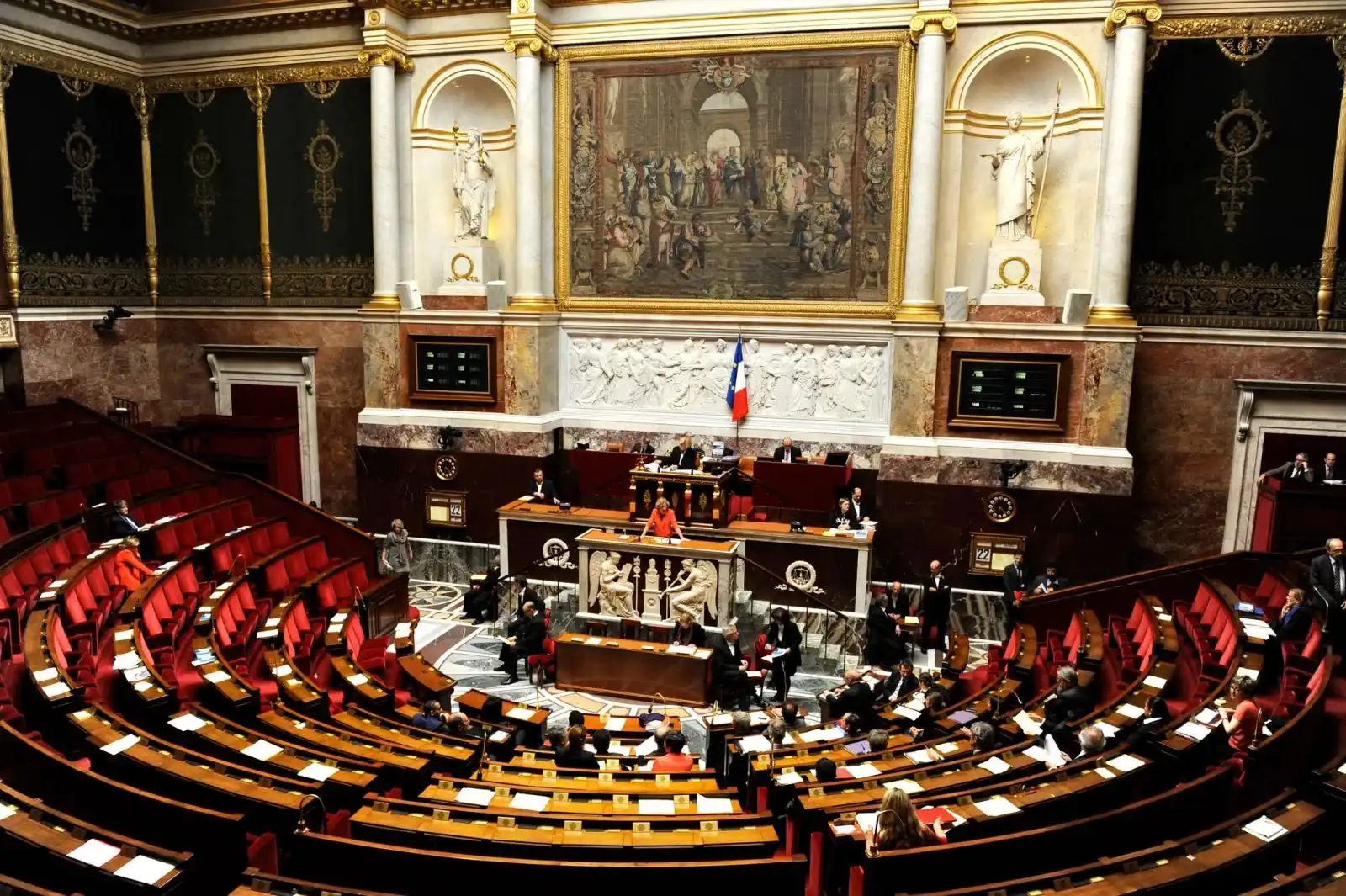
French lawmakers have proposed a new measure to extend the country's 31.4% capital gains tax on crypto assets to transactions involving European Union (EU)-regulated stablecoins. Chainalysis warns this move could drive investors towards stablecoins outside EU rules.

The proposal is part of France's 2027 budget. The National Assembly began debating the budget last week, and lawmakers must finalize their vote by December 10.

An amendment adopted by the National Assembly's Finance Committee on October 7 stipulates that when investors exchange crypto assets like Bitcoin for stablecoins classified as electronic money tokens (EMT) under the EU's MiCA regulation, it will constitute a taxable event. MiCA fully came into effect on July 1.

In France, exchanging one crypto asset for another typically does not trigger capital gains tax. The proposed change would, from January 1, 2027, impose the tax on trades converting into specific EU-regulated stablecoins. Currently, France applies a flat 31.4% tax rate on gains when investors cash out crypto assets or use them for consumption.

This distinction is crucial because the proposal specifically targets the category of stablecoins subject to EU rules, potentially incentivizing traders to switch to alternatives outside this category.

Chainalysis's France CEO, Francois Volpoet, warned that this measure could undermine efforts to bring more crypto transactions into the regulated financial system.

"Do we want more taxpayers to declare their assets, or do we want to apply a higher tax rate to a tax base that is increasingly being circumvented?" Volpoet said in an email to CoinDesk. He noted that transactions involving regulated stablecoins are easier for authorities to monitor compared to those conducted via decentralized finance (DeFi) platforms or self-custody wallets.

Another amendment backed by the Finance Committee on October 9 would require French taxpayers to declare self-custodied crypto wallets holding assets worth 100,000 euros (approximately $116,000) or more, with non-declaration subject to fines of up to $11,600.

Volpoet expressed concerns about the security implications of such declarations, pointing to a rise in physical attacks targeting crypto asset holders in France. As of July, 39 out of 52 such incidents globally occurred in Europe, with France alone accounting for 33 incidents, representing 63.5% of the global total.

Lawmakers also supported a proposal to extend France's exit tax to crypto asset holdings worth around $900,000. The measure would bring unrealized crypto gains under existing tax rules that already apply to wealthy shareholders moving abroad.

Another amendment backed on October 7 would allow investors to carry forward crypto asset losses for up to 10 years, aligning their tax treatment more closely with that of stocks.

The Finance Committee later rejected the revenue portion of the government's 2027 budget by a vote of 31 to 3, meaning the aforementioned crypto-related amendments must be resubmitted for debate in the full National Assembly. Lawmakers are scheduled to vote on the revenue section on October 20.

None of these measures are yet law.

As France plans to expand crypto taxation, Greece is moving in the opposite direction. According to a draft bill unveiled last week and now open for public consultation, Greece is preparing to impose a 10% capital gains tax on crypto assets. This 10% rate places Greece among the EU countries with the lowest crypto tax burdens. Germany, France, and Italy have set or plan to set capital gains tax rates exceeding 25%.


Related Questions

QWhat is the key difference in France's proposed crypto tax policy that specifically targets stablecoins?

AThe key difference is that France's proposed policy would extend its 31.4% capital gains tax to include trades where crypto assets (like Bitcoin) are exchanged for EU-regulated stablecoins classified as Electronic Money Tokens (EMTs) under the MiCA framework. Normally, crypto-to-crypto trades are not taxable events in France; tax is only triggered when converting to fiat or using crypto for consumption.

QAccording to Chainalysis, what could be a major unintended consequence of this proposed French tax law?

AAccording to Chainalysis, this measure could push investors and traders away from the very stablecoins that are compliant with EU regulations (like USDC or EURC) and towards alternatives that are outside the EU's regulatory framework, such as other stablecoins or those traded via decentralized finance (DeFi) platforms. This would undermine efforts to bring more crypto transactions into the regulated financial system.

QWhat other major crypto-related proposals are being debated alongside the stablecoin tax rule in France?

AOther major proposals include: 1) A requirement for French taxpayers to declare self-custodied crypto wallets holding assets worth 100,000 euros or more, with fines for non-compliance. 2) Extending the 'exit tax' to cover unrealized gains on crypto assets (around $900,000) for residents moving abroad. 3) Allowing investors to carry forward crypto asset losses for up to 10 years, aligning their tax treatment more closely with stocks.

QHow does the proposed crypto tax policy in Greece differ from the direction France is taking?

AGreece is moving in the opposite direction by proposing a relatively low 10% capital gains tax on crypto assets. This would place Greece among the EU countries with the lowest crypto tax burdens, while France (along with Germany and Italy) is planning or already has tax rates exceeding 25% for crypto capital gains.

QWhat is the current status of these tax proposals mentioned in the article, and what is the next legislative step?

AThese measures are currently proposals and have not yet become law. The French National Assembly's Finance Committee rejected the revenue section of the 2027 budget that contained these amendments. Therefore, the crypto-related amendments must now be debated and re-submitted for a vote by the full National Assembly, with a vote on the revenue section scheduled for October 20th.

Related Reads

Tech Veteran: Anthropic IPO Will Be the Peak of the US AI Rally, Will "Go Big on China AI" If Conditions Allow

Veteran tech investor Jack Selby, head of Copper Sky and managing partner of Peter Thiel's family office, warns that Anthropic's planned IPO—aiming to raise up to $100 billion—could mark the peak of the AI market rally. He cautions that if the highly anticipated IPO prices well below expectations, the expiry of lock-up periods could trigger significant selling pressure and a large-scale AI market correction. Selby names SoftBank and Oracle as "canaries in the coal mine," flagging Oracle's higher debt ratio as a bigger risk, and suggests investors needing AI exposure consider Google instead. Selby also questions Anthropic's fundamentals: over 80% of its revenue is non-recurring and vulnerable to competitors closing the technology gap within six to nine months. He notes the business is extremely capital-intensive—requiring costly data, energy, data centers, and chips—and that with interest rates no longer near zero, calling it a trillion-dollar company seems far-fetched. He further highlights Chinese competition, saying DeepSeek and other Chinese AI models trail Anthropic by only about six months, posing a direct threat. Selby says he would "aggressively go long on Chinese AI" if conditions allow, arguing that Anthropic cannot claim all its business must rely on U.S. models, since most AI use cases resemble basic tool applications, leaving room for Chinese alternatives.

marsbit8h ago

Tech Veteran: Anthropic IPO Will Be the Peak of the US AI Rally, Will "Go Big on China AI" If Conditions Allow

marsbit8h ago

Trading

Spot
活动图片