Russian Crypto Market to Become Easier to Isolate from the Rest of the World — Finam

cryptonews.ruPubblicato 2026-09-06Pubblicato ultima volta 2026-09-06

Introduzione

Finam investment holding warns that Russia's new cryptocurrency regulations could make its crypto market easier to isolate from the global financial system. The law requires all market operators to legalize, increasing transparency in liquidity providers and asset flows. This, combined with the sanctions environment, creates risks for Russian crypto holders. Experts note that using cryptocurrencies purchased on Russian platforms could lead to complications abroad, such as requests for proof of funds origin or outright rejection of transfers. This could reduce arbitrage opportunities and potentially create a separate pricing circuit within Russia, trading at a discount to international rates. While legal operations in Russia are limited to Bitcoin, Ethereum, and USDT, attempts to move these assets to international exchanges or services may face hurdles, with USDT posing a higher risk due to Tether's ability to freeze tokens. Despite these challenges, the legal market is expected to remain in demand in Russia. Mass investors value buying with rubles, familiar brokers, legal protection, and clear tax reporting. More experienced users may exploit the potential price gap between cheaper domestic and more expensive international markets, while trying to maintain channels for withdrawing assets to private wallets. The article concludes that real demand depends on whether Russian players can preserve working links to external liquidity and avoid the market becoming a completely clo...

According to an expert from the investment holding, the task of imposing sanctions has been made easier by the changed Russian legislation, which has required all market operators to legalize themselves and made the addresses of liquidity providers and the movement of assets more transparent.

An owner of cryptocurrency that has passed through Russian legal platforms risks encountering requests on foreign ones to confirm the origin of funds or even a refusal to accept the transfer. Opportunities for arbitrage between Russian and global platforms will shrink, and at this moment, as the Bits.media interlocutor put it, a 'separate price circuit with a discount to international quotes' may form.

By the will of the Central Bank, only Bitcoin, Ethereum, and the stablecoin $USDT are legally allowed to circulate in Russia. It is quite possible to buy Bitcoins and Ethereum on a Russian platform and store them on a hardware wallet—but when trying to move them to an international exchange, use a foreign custodial service, or withdraw through foreign exchangers, difficulties may arise, a Finam specialist believes.

For $USDT, in his opinion, the risk is higher since the stablecoin issuer, Tether, is capable of freezing its tokens in holders' addresses.

'Limits for non-qualified investors and a limited list of available assets do not "taint" cryptocurrency by themselves, but they may further reduce the depth of the domestic market,' suggests Kirill Pistsov.

However, the Bits.media interlocutor does not name any specific provision of the changed Russian legislation that creates a market for 'tainted cryptocurrency'—as the 'risk arises from a combination of the new regulation and the sanctions environment.'

Despite all this, the legal market will be in demand in Russia, the Finam expert is convinced. The reason: for the mass investor, purchase for rubles, working through a familiar broker, legal protection, and clear tax accounting are important. More experienced investors will consider the price difference of crypto assets inside the country (cheaper) and abroad (more expensive) and try to maintain the ability to withdraw assets to their own wallet.

'Therefore, real demand largely depends on whether Russian participants can maintain working channels with external liquidity and prevent the legal market from turning into a completely closed system,' says Pistsov.

Recently, the Chairman of the Board of the Finam Group, Vladislav Kochetkov, expressed concern that there is a risk in Russia of the emergence of a separate, isolated crypto market of 'tainted cryptocurrency' 'with a significant discount to international benchmarks.'

end-content
Domande pertinenti

QAccording to the Finam expert, what has made it easier for foreign entities to impose sanctions on the Russian crypto market?

AAccording to the expert from the Finam investment holding, the task of imposing sanctions has been made easier by the changed Russian legislation, which obligated all market operators to legalize and made the addresses of liquidity providers and asset movements more transparent.

QWhat specific risks does the owner of cryptocurrency that has passed through Russian legal platforms face on foreign exchanges?

AThe owner of cryptocurrency that has passed through Russian legal platforms risks facing a request to confirm the origin of funds on foreign exchanges, or even a refusal to accept the transfer entirely.

QWhich cryptocurrencies are legally permitted to circulate in Russia according to the Central Bank's will, as mentioned in the article?

AAccording to the will of the Central Bank, only Bitcoin, Ethereum, and the stablecoin USDT ($USDT) are legally permitted to circulate in Russia.

QWhat potential market consequence does the article suggest could form due to reduced arbitrage opportunities between Russian and global platforms?

AThe article suggests that a separate price circuit with a discount to international quotes could form due to reduced arbitrage opportunities between Russian and global platforms.

QWhy does the Finam expert believe the legal crypto market will still be in demand in Russia despite the risks?

AThe Finam expert believes the legal market will still be in demand because for the mass investor, purchasing with rubles, working through a familiar broker, legal protection, and clear tax accounting are important. More experienced investors will account for the price difference between assets inside the country (cheaper) and abroad (more expensive).

Letture associate

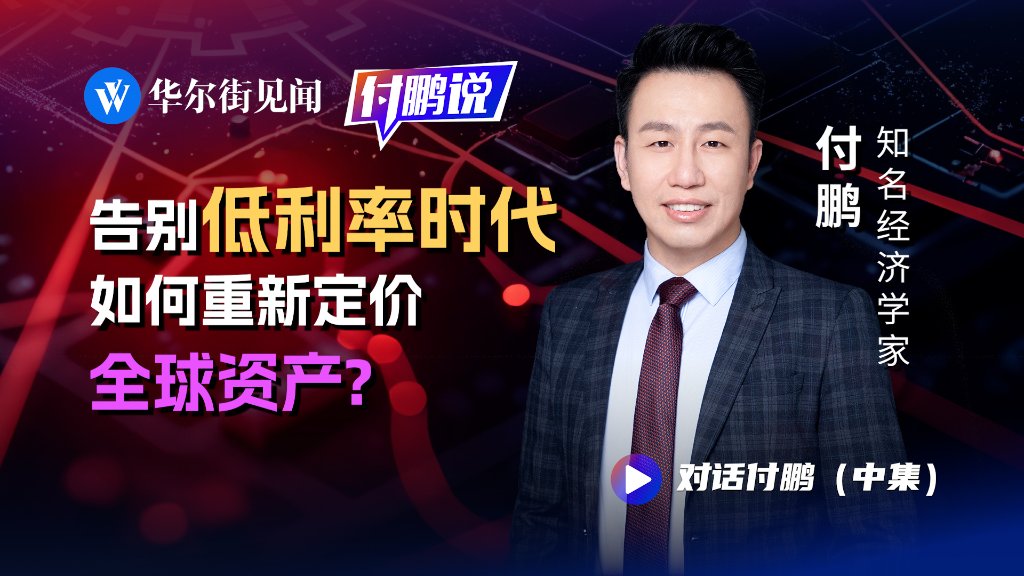
Dialogue with Fu Peng: Farewell to the Low-Interest Era — What's the Outlook for U.S. Stocks, Hong Kong Stocks, Gold, and Bitcoin in the Second Half of 2026?

The article titled "Dialogue with Fu Peng: Farewell to the Low-Interest Era, Outlook on US Stocks, Hong Kong Stocks, Gold, and Bitcoin in the Second Half of 2026" is based on a conversation between Wall Street Seen and economist Fu Peng, author of the popular column "Fu Peng Says." Fu Peng analyzes market shifts, noting signals of liquidity tightening since Q4 2025. He points out that by Q2 2026, major AI companies saw their free cash flow drop to zero, forcing them to seek external financing. Using his "peeling the onion" framework, he examines macro, industry, and market layers, concluding that AI development remains primarily at the hardware and tool efficiency stage, with coding advances not yet equating to widespread application. He asserts that the post-2008 low-interest-rate era has ended. Liquidity tightening now acts as a filter, separating stronger from weaker assets. Fu Peng emphasizes that "everything has its cycle," and a major investor mistake is clinging to past mindsets during a major cyclical transition. The discussion highlights that liquidity must be viewed multidimensionally. While short-term interest rates might be low, overall liquidity is tightening. Fu Peng introduces the concept of "K-shaped" liquidity, mirroring a "K-shaped" economy: sectors like tech may find financing easier, while traditional industries face greater difficulty. He describes the current phase not as one of broad monetary shifts ("open and close"), but of "fine management," with a general trend towards gradual tightening driven by productivity changes. The article also promotes the newly launched seventh season of "Fu Peng Says," which offers video columns, exclusive community access, in-depth articles, chart analysis, and Q&A sessions.

华尔街日报1 min fa

Dialogue with Fu Peng: Farewell to the Low-Interest Era — What's the Outlook for U.S. Stocks, Hong Kong Stocks, Gold, and Bitcoin in the Second Half of 2026?

华尔街日报1 min fa

Trading

Spot
活动图片