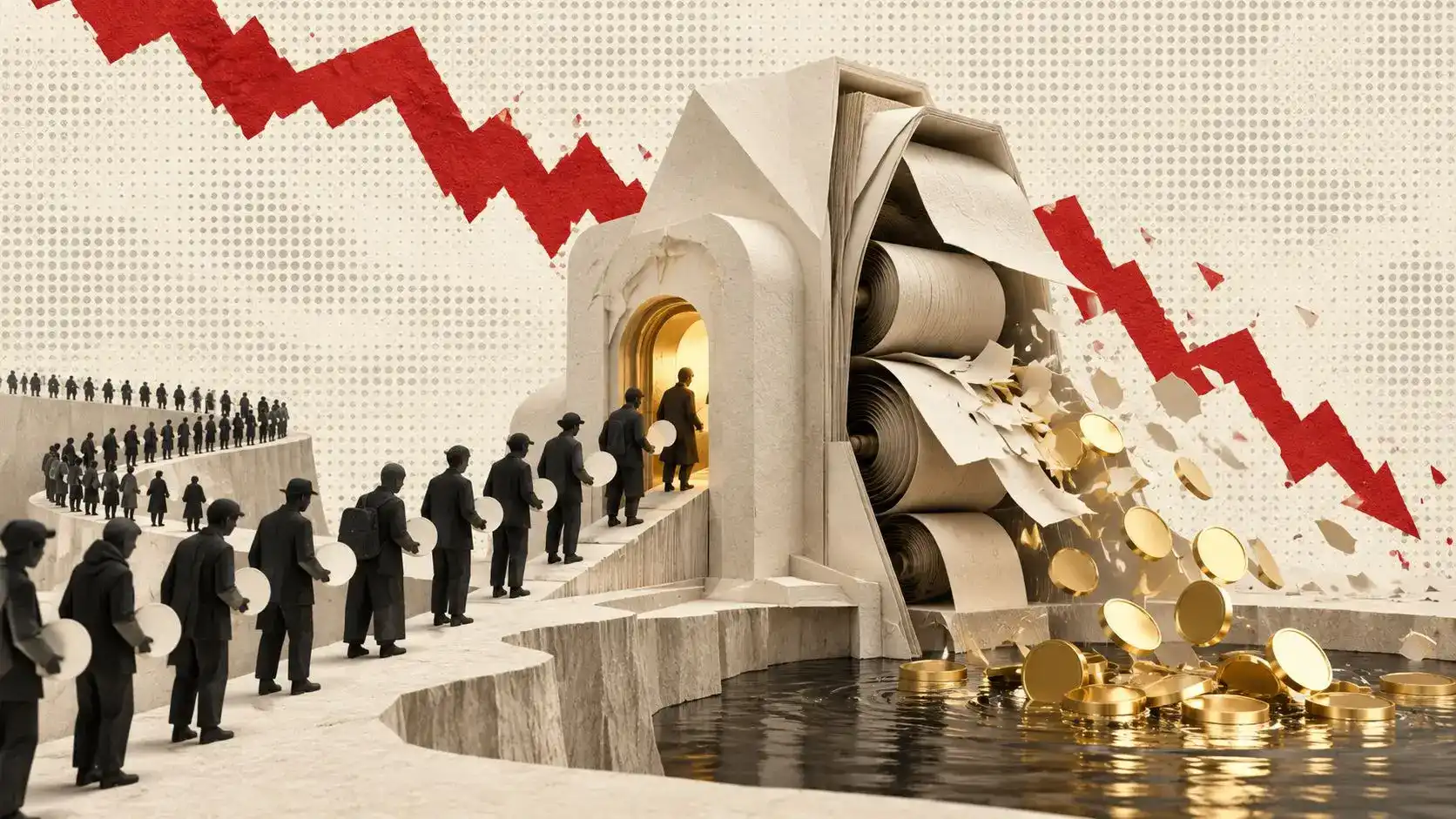
Nvidia's capital returns have become a new focal point in market discussions. An analysis published by Insider Monkey on September 7 mentioned that Jim Cramer once suggested the company significantly increase its buyback scale, referencing Apple's practice of continuous repurchases. The discussed $500 billion figure belongs to his proposal and is not a new buyback plan already announced by Nvidia.
First, Distinguish Between Authorized Amounts and Money Already Spent
Nvidia's quarterly filing as of July 26, 2026 shows that actual share repurchases in the second quarter of fiscal year 2027 were approximately $19.7 billion, with cumulative repurchases in the first half reaching about $39.8 billion; as of the end of the quarter, remaining buyback authorization stood at approximately $99.3 billion.
These three sets of numbers correspond respectively to quarterly execution amount, semi-annual execution amount, and the upper limit of authorization still available for future use. The authorization provides flexibility; it does not require the company to immediately purchase the entire amount, nor can it be directly translated into new short-term buying pressure.
Earnings Growth Provides the Foundation for Returns
Company records show quarterly revenue was $96.2 billion, a 106% increase year-over-year. The expanded operating scale enables the company to consider both shareholder returns and business investments simultaneously, but management still needs to decide on fund allocation based on demand, operational requirements, and other investment opportunities.
The Insider Monkey article points out that buybacks can increase the profit share corresponding to remaining shares, but prerequisites include sustained profitability and the buyback effect not being offset by new issuances. When evaluating the quality of buybacks, purchase price and subsequent profits are more meaningful than looking at the authorized amount alone.
Supply Commitments Require Maintaining Financial Flexibility
The article also focuses on Nvidia's supply and capacity commitments. These arrangements support future sales and also imply the company needs to reserve funds during its expansion process. If customer demand or delivery schedules change, the flexibility of cash arrangements becomes more crucial.
The company clearly states in its quarterly filing that repurchases will be executed considering market conditions, operational requirements, and other investment opportunities, and plans can also be suspended by the company itself. From this perspective, the remaining authorization should not be viewed as an unconditional, continuous support for the stock price.
The Market Needs to Compare Returns with Operational Investment
Apple's history of buybacks can serve as a reference for capital allocation, but the two companies' businesses and funding needs differ. For Nvidia, whether expanding buybacks is beneficial still needs to be judged in the context of profit growth, supply commitments, and actual execution. Commentators' suggestions can spark discussion, but what truly changes the company's funding arrangements are board authorization and subsequent disclosures.