# Artikel Terkait Switzerland

Pusat Berita HTX menyediakan artikel terbaru dan analisis mendalam mengenai "Switzerland", mencakup tren pasar, pembaruan proyek, perkembangan teknologi, dan kebijakan regulasi di industri kripto.

Sygnum's B2B Bank Model Fuels Cryptocurrency Boom in Switzerland

Swiss digital asset bank Sygnum's B2B model is enabling a cryptocurrency boom in Switzerland by providing integrated infrastructure to traditional banks. Its partnership with Bancastato, a regional bank, allows clients to seamlessly trade cryptocurrencies like Bitcoin, Ethereum, Litecoin, and Solana directly within their existing bank apps. This eliminates the friction of using separate platforms. Under this model, Sygnum handles the backend trading infrastructure, custody, compliance, and regulatory licenses, while partner banks maintain their customer relationships and branding. This "infrastructure-as-a-service" approach allows banks to offer crypto services faster and more safely than building them in-house. Over 25 Swiss financial institutions, including Zuger Kantonalbank and PostFinance, now use Sygnum's B2B platform, making regulated digital asset services accessible to over a third of Switzerland's population. The trend reflects a shift where Swiss banks view crypto as another mainstream asset class rather than a niche product. Sygnum, a licensed bank itself with operations in Zurich, Singapore, and Abu Dhabi, leverages Switzerland's mature regulatory framework, which has integrated crypto into existing banking supervision. This environment, along with the concentration of blockchain firms in "Crypto Valley," is helping mainstream cryptocurrency adoption in the country, with an estimated 18-23% of Swiss residents already owning crypto assets.

cryptonews.ru08/01 19:12

Sygnum's B2B Bank Model Fuels Cryptocurrency Boom in Switzerland

cryptonews.ru08/01 19:12

UBS Enters the Fray, 20 Swiss Banks Now Offer Crypto Trading, Covering 2.5 Million Accounts

Global wealth management giant UBS has entered the cryptocurrency market, offering Bitcoin and Ethereum trading to select private banking clients in Switzerland as of January 2026. This move is part of a broader trend in Switzerland, where approximately 20 banks now provide crypto services, collectively covering over 2.5 million accounts. Client data from Zurich Cantonal Bank (ZKB) challenges the stereotype of crypto being solely for the young, revealing that the average buyer is aged 30-50 and predominantly male. Notably, over 40% of these clients previously held no investment portfolio, indicating crypto is activating dormant capital. The business case is proving substantial. For several Swiss banks, crypto-related activities already contribute a significant and disproportionate share of profits, with unit economics often outperforming traditional banking services. This institutional adoption in Switzerland reflects a global trend, with a recent survey showing 73% of institutional investors planning to increase crypto allocations in 2026. Switzerland's early regulatory clarity through its DLT Act and established custody infrastructure have provided a foundation for this growth. However, upcoming challenges include the implementation of the OECD's Crypto Asset Reporting Framework (CARF) in 2027 and ongoing reforms by Swiss regulator FINMA. The final shape of these regulations will be crucial in determining whether Switzerland can maintain its leading position in the global banking crypto sector.

marsbit05/13 02:40

UBS Enters the Fray, 20 Swiss Banks Now Offer Crypto Trading, Covering 2.5 Million Accounts

marsbit05/13 02:40

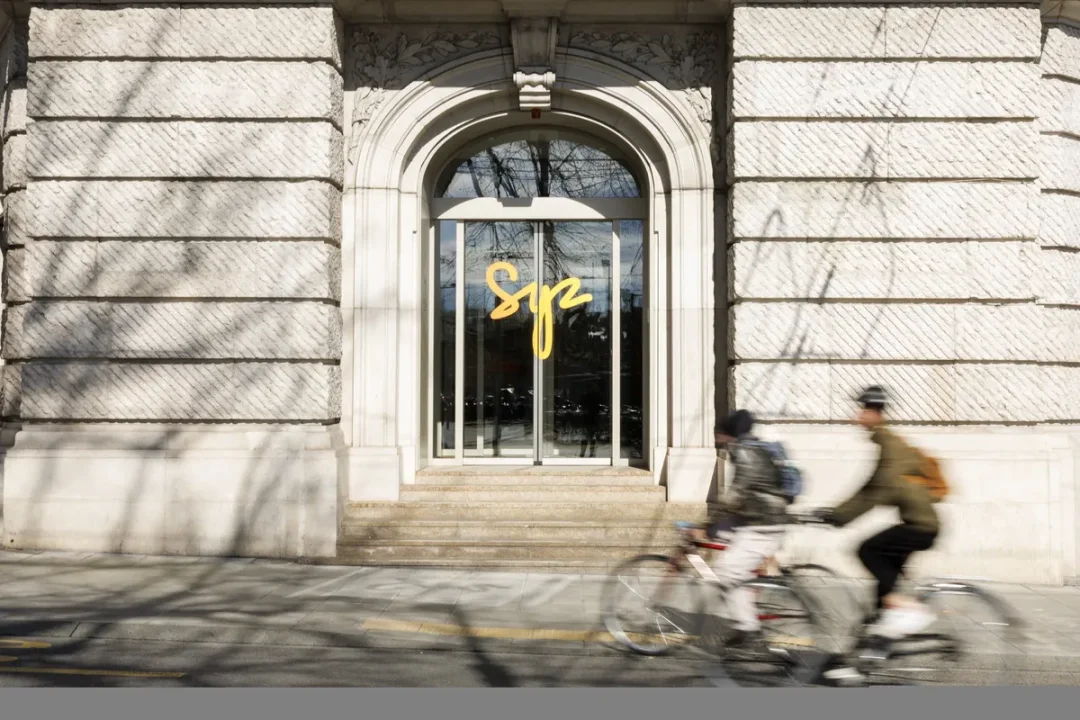
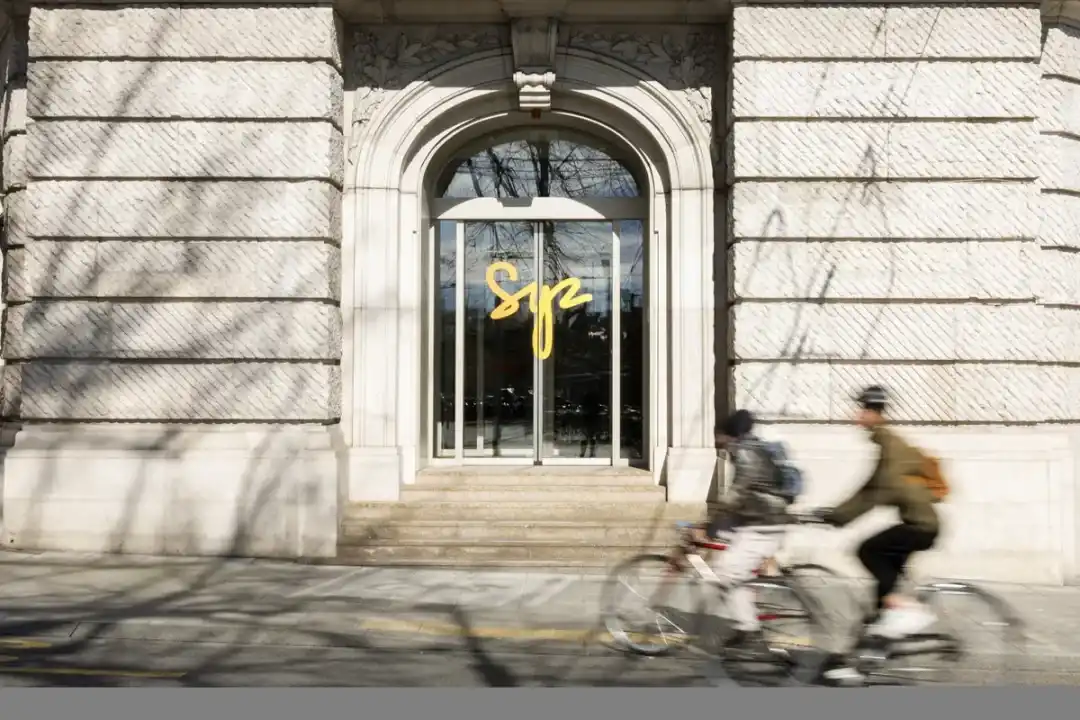
A Crypto Gamble That Split a Century-Old Swiss Private Bank?

An internal conflict over cryptocurrency strategy has led to a generational split within the Swiss private banking family behind Banque Syz. Marc Syz left the bank, led by his father Eric Syz, after the board rejected his proposal to integrate Future Holdings AG—a crypto treasury firm—into the bank’s alternative asset division, Syz Capital. Marc, who previously headed Syz Capital, is now pursuing a dual IPO for Future Holdings in Sweden and Switzerland, aiming to build one of Europe’s largest corporate Bitcoin treasuries. The dispute reflects broader tensions within Switzerland’s wealth management sector, where traditional private banks face intense competition and divergent views on innovation. Marc advocated for greater focus on digital assets and AI, warning that some banks rely too heavily on Switzerland’s reputation as a financial safe haven without adapting to new trends. Following the rejection of the merger, Marc and his business partner Richard Byworth resigned from Syz Capital and are launching a new asset management firm focused on alternative investments. Meanwhile, Banque Syz reaffirmed its commitment to alternative investments as a core business pillar and recently appointed Eric’s other son, Nicolas Syz, as CEO. The split underscores both the difficulties of family business governance and the high-stakes divergence in strategy between traditional finance and emerging digital asset models in Switzerland.

marsbit03/23 09:49

A Crypto Gamble That Split a Century-Old Swiss Private Bank?

marsbit03/23 09:49

活动图片