Anhui Welcomes a Problem-Solver Who Understands Industry
On September 23, 2026, Li Lecheng, former Minister of Industry and Information Technology, was appointed as the Secretary of the Anhui Provincial Party Committee. This appointment coincides with a critical transition in Anhui's economic strategy. The province has evolved beyond its early reputation as a savvy government investor in companies like BOE, Changxin, and Nio. These past bets have matured into full-fledged industrial pillars; Anhui's automotive and new energy vehicle output led China in 2025, and Changxin Storage's successful IPO highlighted a thriving integrated circuit cluster in Hefei.
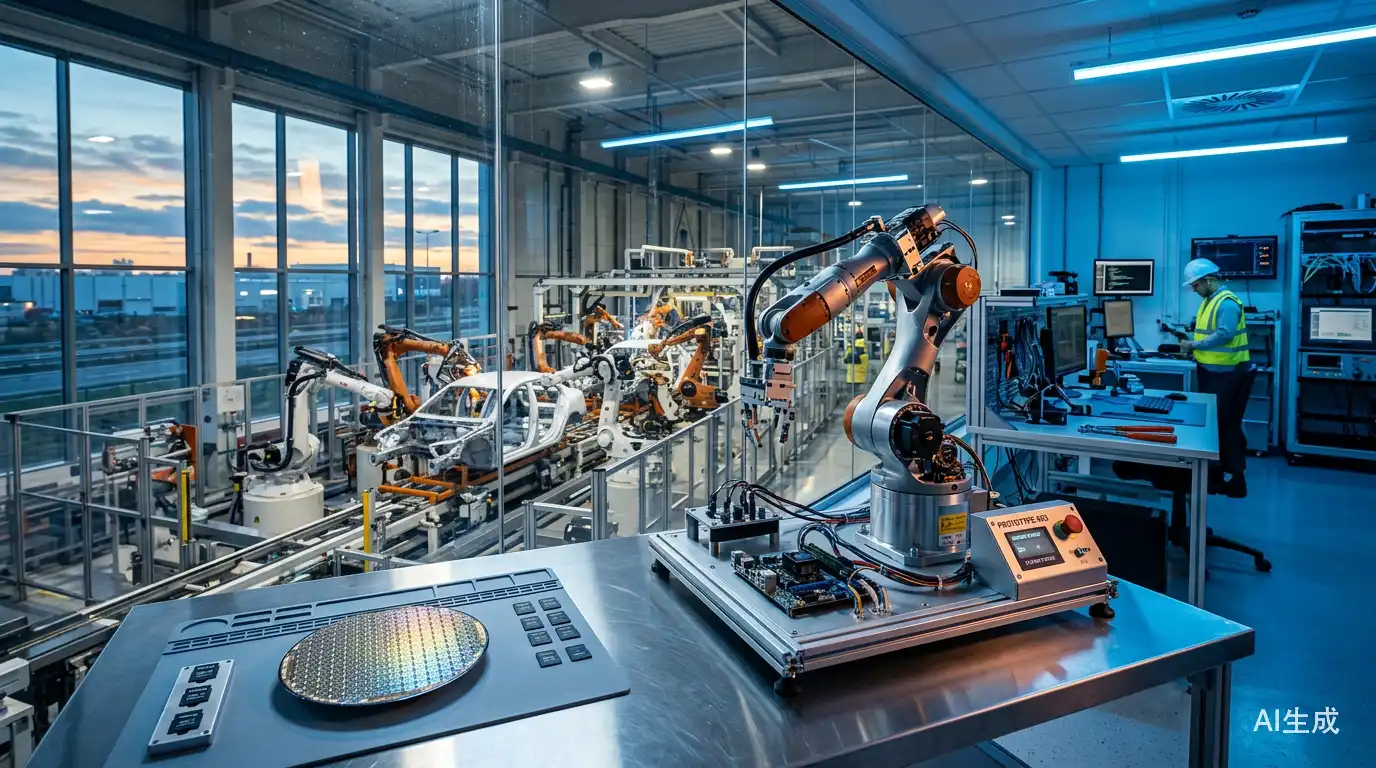
Now, Anhui's challenge is to foster the next generation of industries—quantum technology, nuclear fusion, brain-computer interfaces, embodied AI—before clear market leaders emerge. The province's new approach involves building specialized industrial parks, adapting state-owned venture capital for long-term, high-risk investments, providing initial government procurement and application scenarios, and funding pilot-scale production facilities to bridge the gap between lab research and commercialization.
However, Anhui faces intense competition from other major regions like Shanghai, Jiangsu, and Beijing, which offer similar policy packages of funds, zones, and subsidies. The key differentiator will be the speed and effectiveness of industrialization—connecting technology with manufacturing capabilities, securing first orders, and building complete supply chains. Anhui possesses strong assets: top-tier research institutions (e.g., USTC) and a robust existing manufacturing base in autos, chips, and displays. The core task is to systematically link these elements, addressing bottlenecks from prototyping to mass production.
Li Lecheng's recent work at MIIT focused on proactive enterprise cultivation, precisely the skill set needed for this phase. While his transfer is officially a personnel decision, it aligns with Anhui's need for deeper industrial expertise to nurture not just individual companies, but entire future-proof ecosystems.
marsbit09/28 17:14