Anthropic opens access to its vulnerability scanner for crypto projects

cryptonews.ruPublished on 2026-10-09Last updated on 2026-10-09

Abstract

Cryptographic projects such as Nethermind and the ZEUS Bitcoin wallet have applied to Anthropic's new program, which grants open-source developers access to vulnerability reports generated by the company's most powerful AI models. The OSS Scanner service, launched on October 8th, aims to help open-source developers find and fix security flaws before they can be exploited by malicious actors. These automated reports will be created by top-tier models like Claude Mythos. This initiative continues the work of Anthropic's Project Glasswing. While the company already manually scans open-source software and shares vetted reports, the process is time-consuming. The new OSS Scanner will deliver these vulnerability findings directly and immediately to participants upon scanning their code, significantly speeding up the process.

Crypto projects, including Nethermind and the Bitcoin wallet ZEUS, have applied to participate in Anthropic's new program, which gives open-source developers access to vulnerability reports generated by the company's most powerful AI models.

The OSS Scanner Anthropic service was launched on October 8. Its goal is to help open-source developers find and fix vulnerabilities before they are exploited by attackers. The reports will be generated by the company's most powerful models, including Claude Mythos. Anthropic announced this in its release.

The service continues Anthropic's work on Project Glasswing. The company already regularly scans open-source software and sends reports after review by specialists. However, manual review takes a lot of time, so it is not always possible to share findings as quickly as desired. The OSS Scanner will send reports to participants immediately after scanning their code.

Related Questions

QWhat is the main purpose of Anthropic's OSS Scanner?

AThe main purpose of Anthropic's OSS Scanner is to help open-source developers find and fix vulnerabilities in their code before they can be exploited by malicious actors.

QWhich specific AI model from Anthropic was mentioned as being used to generate reports for the OSS Scanner?

AThe reports for the OSS Scanner will be generated by the Claude Mythos model, one of Anthropic's most powerful AI models.

QWhat is the name of the earlier Anthropic initiative that the new OSS Scanner service continues?

AThe new OSS Scanner service continues the work of Anthropic's earlier Project Glasswing initiative.

QWhat is one key improvement the OSS Scanner offers over Anthropic's previous manual process for handling vulnerability reports?

AA key improvement is speed. The OSS Scanner sends reports to participants immediately after scanning their code, unlike the previous manual review process which took a lot of time and caused delays in sharing findings.

QName two cryptocurrency projects mentioned that have applied to participate in Anthropic's new program.

ATwo cryptocurrency projects that have applied are Nethermind and the ZEUS bitcoin wallet.

Related Reads

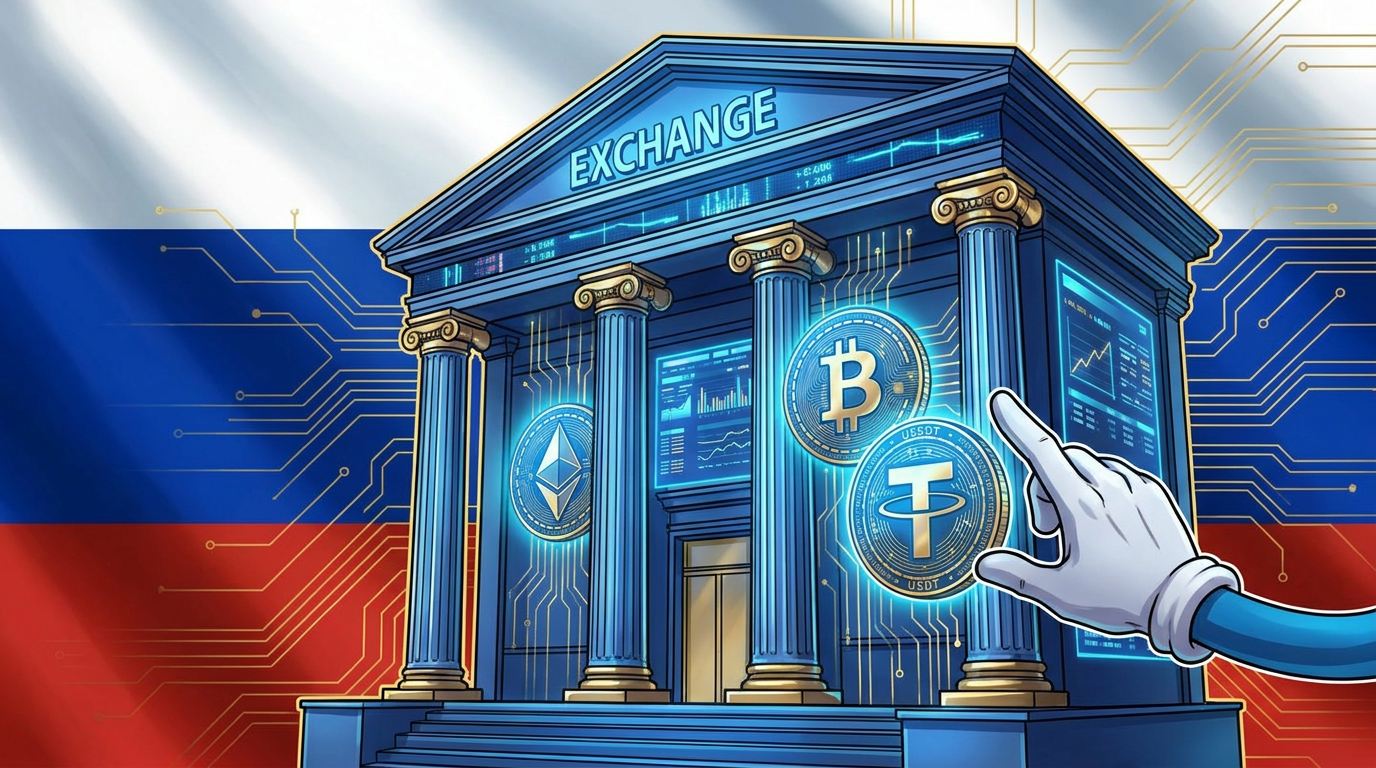
Russia finalizes crypto trading rules ahead of Nov. 17 rollout

Russia’s central bank has finalized rules allowing exchanges to offer Bitcoin, Ether and Tether USDt to retail investors starting Nov. 17. Non-qualified investors can buy up to 300,000 rubles (about $3,700) in crypto annually through each intermediary, including brokers, asset managers and crypto exchange providers. Qualified investors face no purchase limits, but all investors must pass a mandatory test before trading. The directive builds on legislation signed by President Vladimir Putin on Aug. 4 establishing a regulated crypto market under central bank oversight. On Aug. 11, the Bank of Russia published draft regulations identifying BTC, ETH and USDT as eligible for public trading based on market capitalization, average daily trading volume and at least five years of price history on foreign exchanges. The law took effect Sept. 1, and the Bank of Russia later authorized Sberbank, the country’s largest bank, to offer crypto exchange services in October. Moscow Exchange, Russia’s largest securities exchange and a publicly traded company, is preparing to launch crypto trading on Dec. 1, initially offering the three cryptocurrencies through pilot transactions. While expanding regulated access, Russia is also tightening restrictions outside those channels. Direct peer-to-peer crypto trading will be prohibited starting July 1, 2027, transfers from regulated digital accounts to self-custody wallets are already banned, and cryptocurrency cannot be used to pay for goods and services.

cointelegraph55m ago

Russia finalizes crypto trading rules ahead of Nov. 17 rollout

cointelegraph55m ago

Trading

Spot
活动图片