Tesla Suddenly Announces: Zero Rare Earth in Motors, Does China Still Hold Competitive Cards?

marsbitPublished on 2026-09-07Last updated on 2026-09-07

Abstract

Tesla has announced that its upcoming Cybercab will use a drive motor with zero rare earth elements (REE), while claiming no compromise on vehicle range. CEO Elon Musk stated this was a significant engineering challenge, as non-REE magnets (like ferrite) have much lower energy density than the neodymium-iron-boron (NdFeB) magnets commonly used. Tesla's solution combines three approaches: enhancing the synchronous reluctance path in the rotor, developing new composite ferrite materials, and using hairpin windings with improved thermal management. The result is a system-level engineering achievement rather than a single breakthrough. This move marks a strategic pivot for Tesla. Early models used REE-free induction motors, then switched to REE-dependent permanent magnet motors for efficiency and cost during mass production. Now, with scaling and geopolitical supply chain risks in mind, Tesla is again prioritizing REE-free technology, starting with the North American-focused Cybercab. The new drive unit is designed for mass production with a sub-10-second assembly cycle, reduced factory footprint, and a reported cost reduction of around $1000 per unit. The article analyzes the implications for Chinese companies, which currently dominate the global REE supply chain and high-performance magnet manufacturing. While this has been a key advantage, Tesla's move demonstrates that supply chain dominance does not equate to an unassailable technological moat. It signals a potential shift...

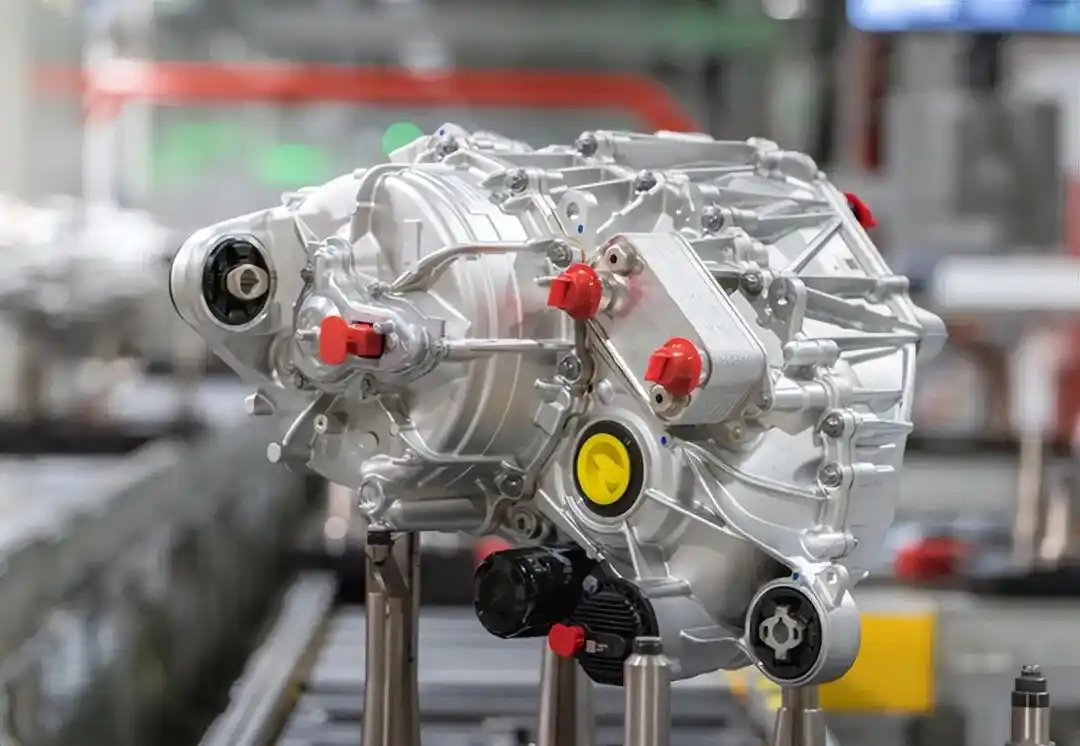
Elon Musk reposted a Tesla update on X, stating that the Cybercab's drive motor uses no rare earth elements at all, with zero compromise on range.
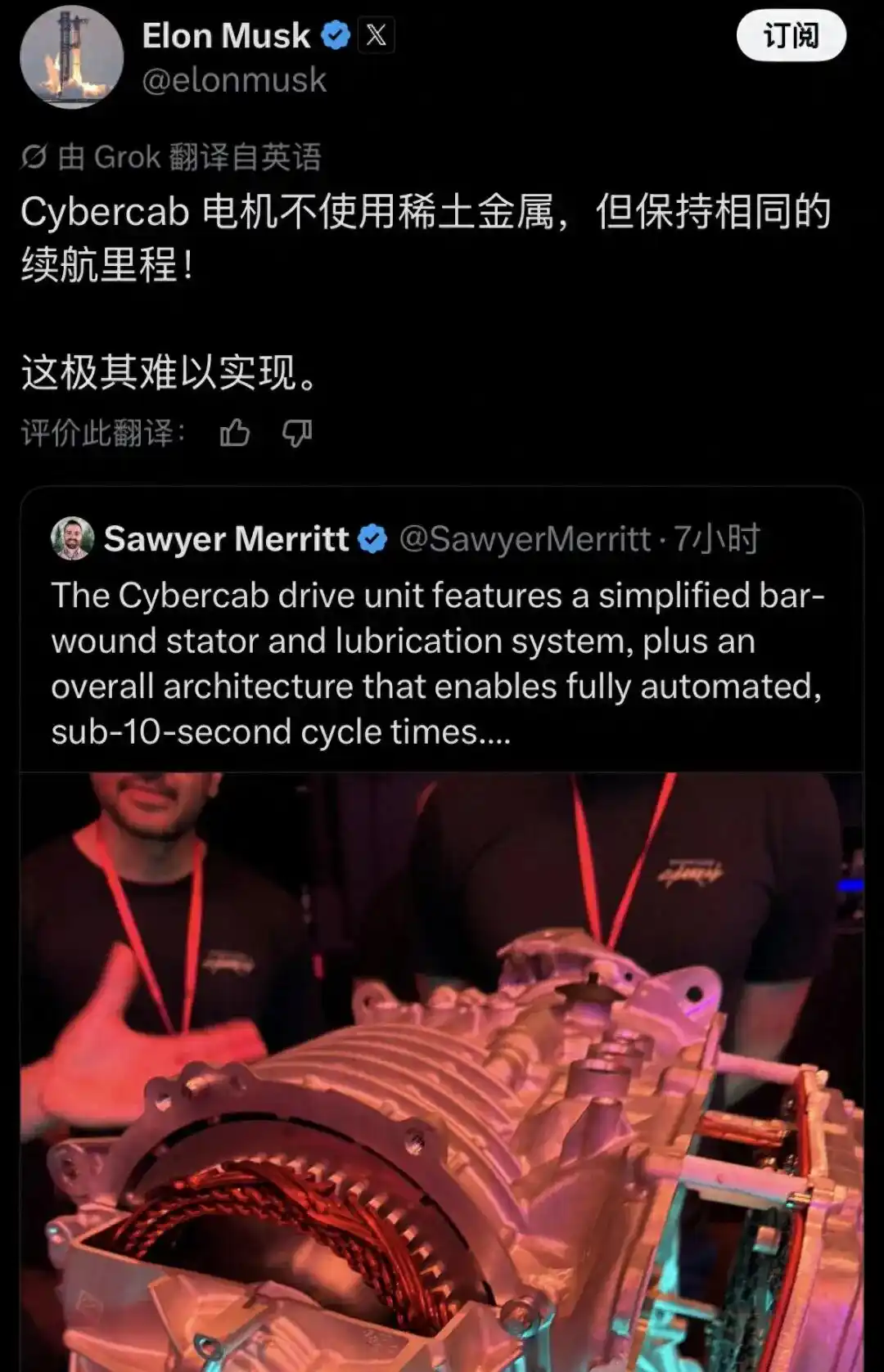
Musk added that achieving this was extremely difficult. Why is it so difficult?

Because the energy density of non-rare earth magnets (like ordinary ferrite) is only a fraction of that of neodymium-iron-boron (NdFeB) permanent magnets. Using "weak magnetic materials" to achieve "strong magnetic output" without sacrificing vehicle range is challenging the laws of physics.

Therefore, "rare-earth-free" historically meant "poor performance, heavy weight, bad range," but Musk not only announced zero rare earth usage but also claimed no compromise on range.

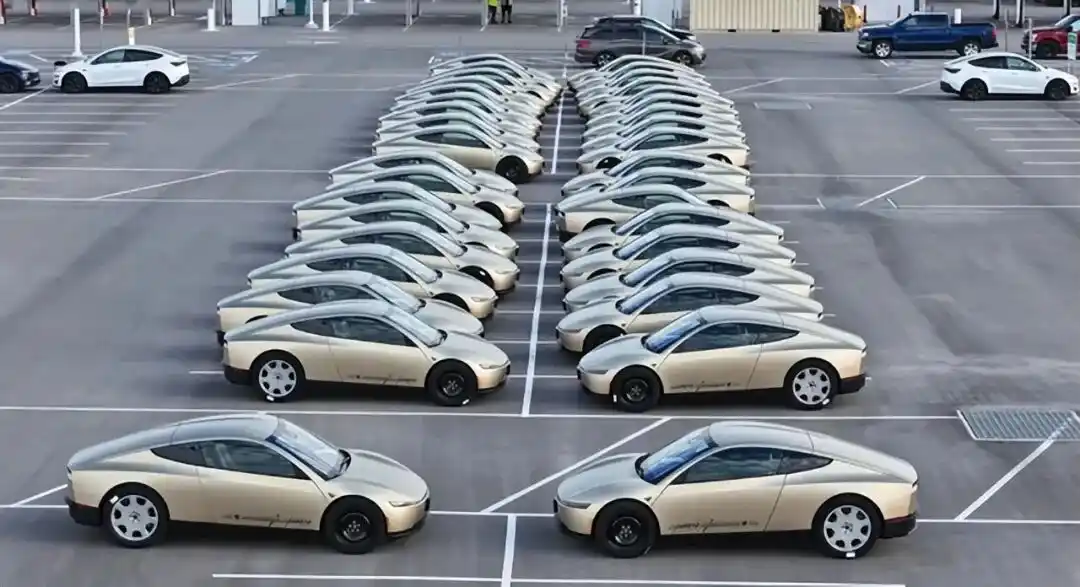
On the same day, golden Tesla compact cars with no steering wheel and no pedals began picking up passengers on American streets.

Tesla's Rare Earth History

To understand this, we need to look back at Tesla's history.

The earliest Model S and Model X used AC induction motors, which did not rely on rare earths. At that time, Tesla had weak supply chain leverage, and using induction motors was a matter of necessity – albeit slightly less efficient and heavier, it meant not being at the mercy of others.

By the time of the Model 3 and Model Y era, Tesla needed to ramp up volume, reduce costs, and improve range. The efficiency disadvantage of induction motors became unacceptable, leading to a complete switch to permanent magnet synchronous motors.

Permanent magnet synchronous motors are efficient, compact, and lightweight, but they have a critical vulnerability – they depend on NdFeB rare earth permanent magnets.

In March 2023, Tesla displayed a motor material usage chart at its Investor Day. At that time, Tesla's permanent magnet motors required the use of three types of rare earths, with quantities of approximately 500 grams of neodymium, 10 grams of dysprosium, and 10 grams of terbium.

Then in 2023, at the Investor Conference, Tesla suddenly unveiled the goal of "next-generation drive motors with zero rare earths." Two years later, Cybercab delivered the actual vehicle.
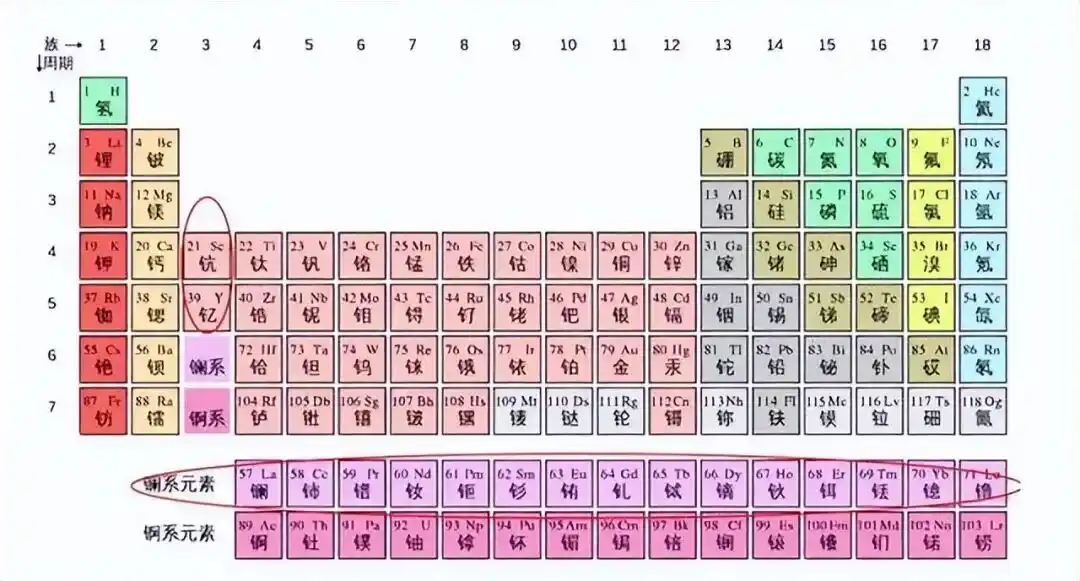
From not using rare earths, to using them heavily, and now back to not using them. These are different choices Tesla made at different stages – When scale was small, supply chain security was the priority; when ramping up volume, efficiency and cost became priorities; now, with substantial scale and facing geopolitical risks, supply chain security has once again become the top priority.

How Zero Rare Earth Achieves Uncompromised Performance

Traditional permanent magnet synchronous motors rely on rare earth permanent magnets to provide a strong magnetic field, allowing the motor to be small, light, and efficient. Without rare earths, the magnetic field strength cannot reach high levels, naturally leading to compromised performance.

Tesla's solution is a three-pronged approach: First, enhancing the synchronous reluctance route, allowing the rotor core's magnetic circuit structure to bear more driving force. In simple terms, it relies less on magnetic attraction and more on the magnetic reluctance variation of the iron core's shape itself to generate rotation.

Second, exploring new ferrite composite magnetic materials, using weak magnetic materials combined with structural design to achieve output close to that of strong magnets.

Third, using hairpin winding to increase copper fill factor, combined with a stronger thermal management system, to compensate for efficiency and heat dissipation.
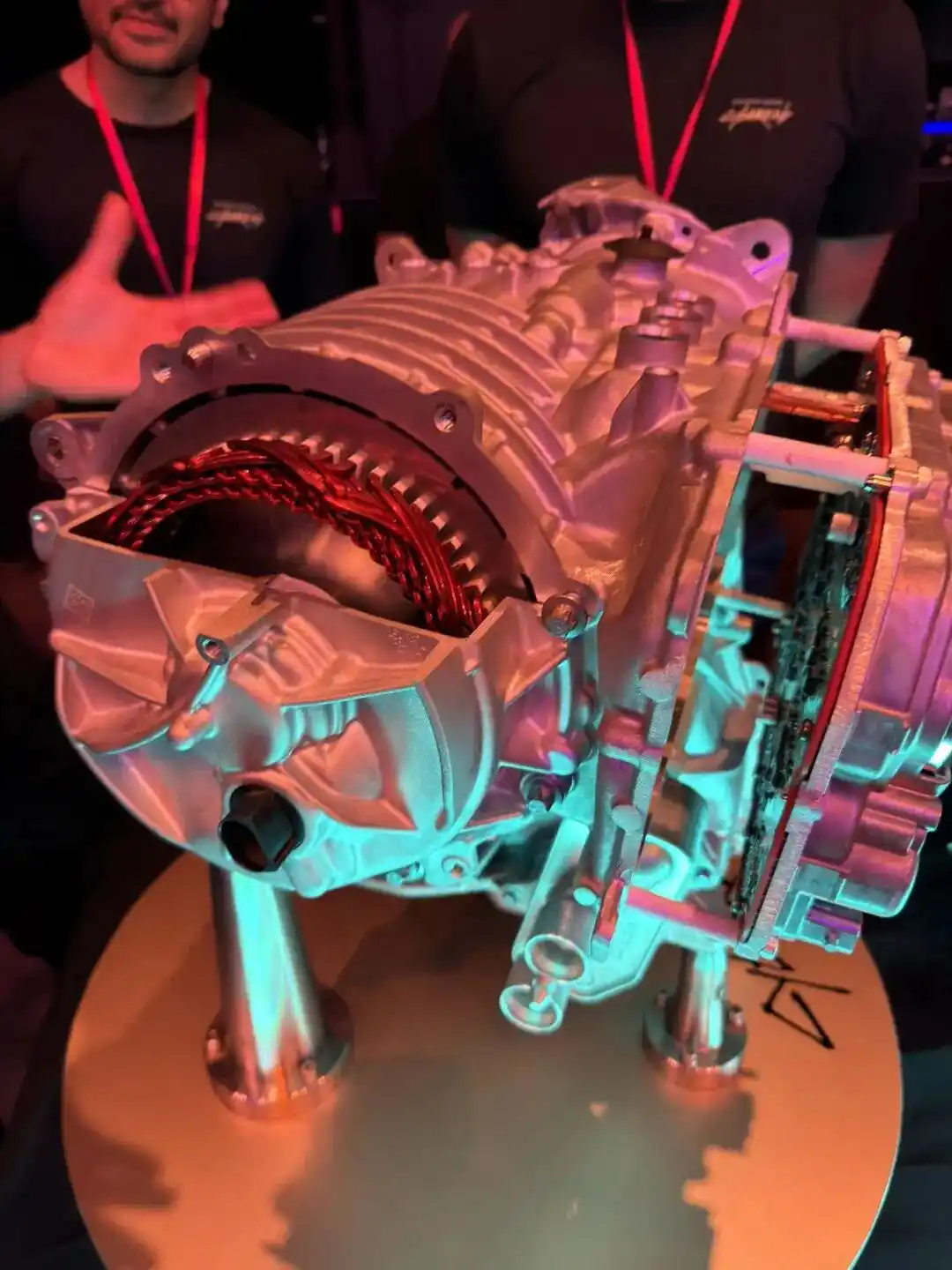
Individually, none of these three moves is particularly revolutionary black tech. The difficulty lies in combining all three while maintaining uncompromised performance and even reducing cost. This is about systems engineering capability, not a single-point technological breakthrough.

But what's truly technologically significant is not zero rare earths itself, but the manufacturing data that follows.

The automated production cycle time for the drive unit is compressed to under 10 seconds – traditional automakers take tens of minutes or even hours to assemble a high-performance motor; Tesla spits one out every 10 seconds.

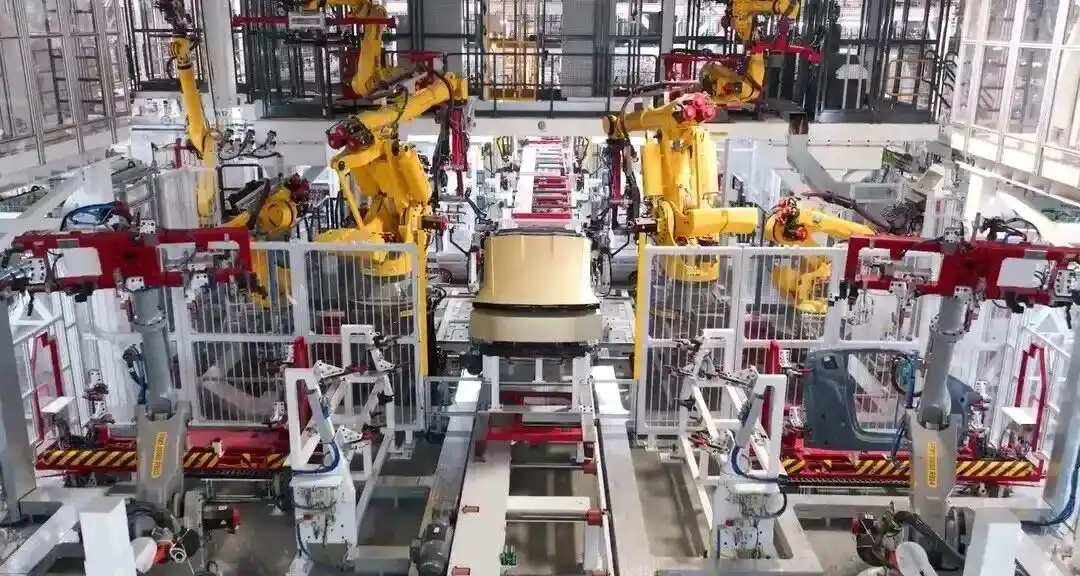
Motor production line footprint is reduced by 50%. The cost of the next-generation drive unit is about $1000, and the demand for inverter silicon carbide chips has also decreased.
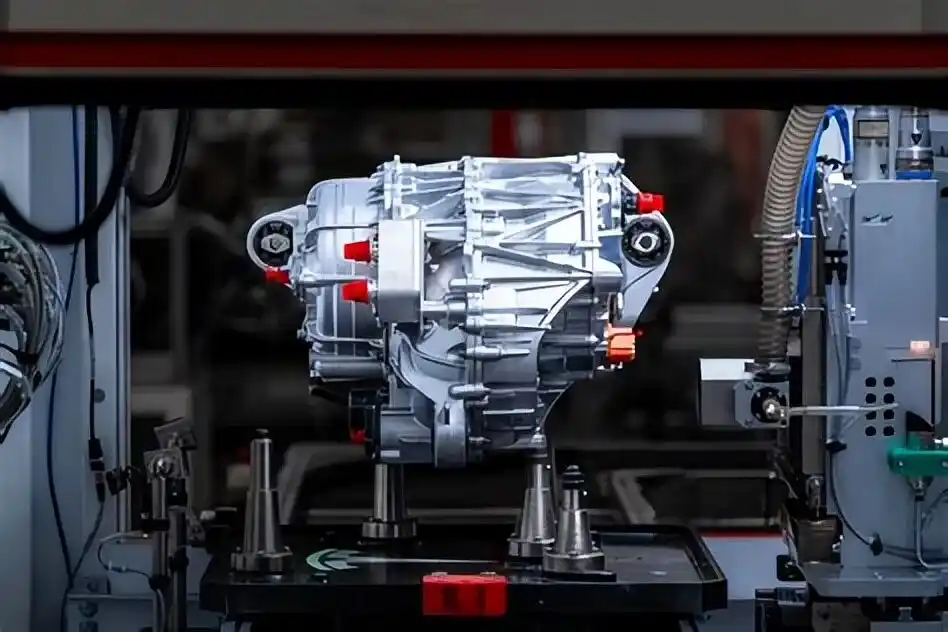
Rare earths saved, chips saved, space saved, labor saved, and cost reduced by $1000.

This shows Tesla is not just doing technical validation; it's doing mass production validation – zero rare earths is not a lab sample; it's a mass-produced product already installed in the Cybercab, rolling off the line one every 10 seconds, and costing even less.
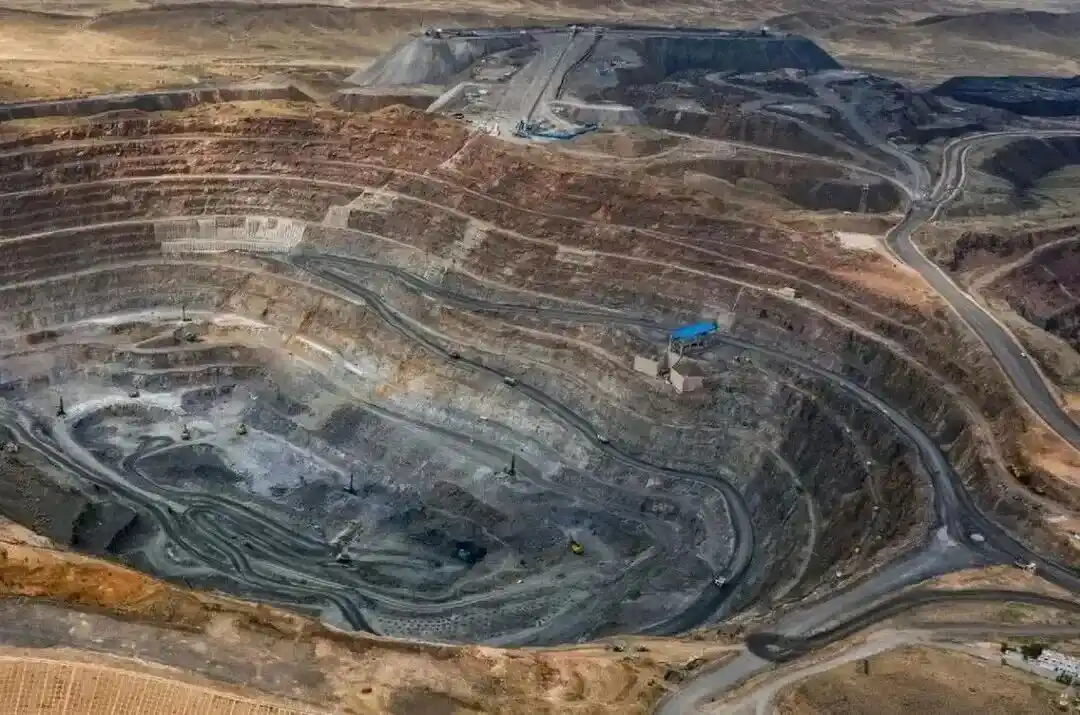
From mining, separation, and refining to high-performance magnetic material manufacturing, China has a very complete industrial chain and a clear scale advantage in rare earths.

This sounds like an advantage, but for Tesla, it's a potential supply chain risk. 500 grams of rare earth per motor might not seem like much, but Tesla sells millions of cars a year. Adding future robotaxis and humanoid robots, motor demand could be several times or even over ten times the current level.

By then, whether key materials can be stably supplied is no longer a small issue.

Also, notice one detail: Tesla's zero-rare-earth motor is first deployed on the Cybercab, and the Cybercab's target market is primarily North America.

What does this mean? It means Tesla is building technical reserves for "de-sinicization of the North American supply chain." If geopolitical tensions escalate in the future, requiring vehicles sold in North America not to use Chinese rare earths, Tesla already has a ready-made solution.

And this is how Musk has always operated: while others are still discussing risks, he has already created the alternative solution.
Does China Still Hold Competitive Cards?

China's new energy vehicle supply chain is strong, and rare earths are our ace advantage. China not only possesses the world's richest rare earth reserves but also controls over 90% of global rare earth refining capacity and high-performance NdFeB magnet manufacturing capability.

From mining and separation to refining and magnetic material processing, China has established a near-absolute monopoly in this field.

In the past, to address this rare earth shortfall, new mines, new refineries, and new magnet factories have been slowly starting up in the US.

But whether it's re-procuring equipment, adjusting separation processes, or getting magnets validated by automakers, this cycle might not be completed in 3-5 years, and the product might not be competitive with Chinese companies.

Tesla has taken a new path. Waiting for the US industrial chain to be built would take forever. It's better to have its engineers redesign the motor – we won't use rare earths at all. Zero grams of rare earths – it's trying to rewrite the rules of the game.

This matter has a complex flavor for Chinese automakers. Advantages can sometimes turn into inertia – We have rare earths anyway, and they are cheap and good, so why bother developing zero-rare-earth motors?
But Tesla's practical action tells you: Supply chain advantage does not equal a technological moat. Today you dominate the market with low rare earth costs; tomorrow, if others successfully commercialize a zero-rare-earth route with even lower costs, where is your advantage?

If future motor competition shifts from "whose magnet is stronger" to "who uses less material, is more efficient, and costs less," then rare earths are no longer an unavoidable critical point for the electric drive system, much like when lithium-ion batteries first emerged, no one expected they would take over half the sky from nickel-metal hydride batteries and internal combustion engine vehicles.

More critically, Tesla's move sets an example for global automakers: key materials are not impossible to circumvent.

This logic applies not only to rare earths but also to chips, battery materials, and all key supply chain links – as long as you are willing to invest and change your mindset, the previously thought unavoidable critical point might be circumvented by taking a different path.

In fact, the three technical routes for zero rare earths – synchronous reluctance, switched reluctance, and electrically excited – have all been deployed by Chinese companies long ago, and many are already in mass production.
In the industrial field, Wolong Electric Drive and Inovance Technology's synchronous reluctance motors have been shipped in bulk for a long time, with a combined market share exceeding 34%, energy efficiency rivaling Siemens and ABB, and costs 30% lower.

In the automotive field, BYD's variable flux motor is already installed in vehicles, directly halving rare earth usage while increasing power by 12% and high-speed range by 15%; NIO and XPeng's electrically excited motor technology reserves were completed long ago. The electrically excited route used in the BMW iX3 – domestic automakers can do that too.

Tesla wanting to change the rules of the game is both a warning and an opportunity for Chinese companies.

The warning is: don't rest on your rare earth laurels; technological route shifts might happen faster than you think.

The opportunity is: since Tesla can pave the way for a zero-rare-earth route, Chinese automakers, with a more complete industrial chain, lower manufacturing costs, and a larger market scale, can walk this path even more steadily.

What Chinese automakers need to prepare for is: what you have, I can have too; what you don't have, I can still build. This is the key to winning the next phase of competition.

This article is from the WeChat public account "Hotspot Micro-Review" (ID: redianweiping), author: Wang Xinxi


Related Questions

QWhat technological approach did Tesla use to achieve its 'zero rare earth' goal for the Cybercab's drive motor without compromising range?

ATesla employed a three-pronged approach: 1) enhancing the synchronous reluctance path in the rotor, 2) developing new iron oxide composite magnetic materials, and 3) using hairpin winding to increase copper fill factor and pairing it with a more robust thermal management system.

QHow has Tesla's strategy regarding rare earth usage in its motors evolved over the different stages of its development?

ATesla's strategy has evolved in three stages: initially, with the Model S/X, it used induction motors with zero rare earths due to weak supply chain influence and a focus on security. Later, for the Model 3/Y, it switched to rare earth-dependent permanent magnet synchronous motors to prioritize efficiency, cost, and range for mass production. Now, with the Cybercab, it has returned to a 'zero rare earth' approach, prioritizing supply chain security and independence from specific materials.

QAccording to the article, what is the broader strategic implication of Tesla's 'zero rare earth' motor for its North American operations?

AThe article suggests that by first deploying the 'zero rare earth' motor in the Cybercab targeted at the North American market, Tesla is creating a technical reserve for 'de-Sinicization' of its North American supply chain. This prepares Tesla for potential future geopolitical scenarios where vehicles sold in North America might be required to avoid Chinese-sourced rare earth materials.

QHow does the article assess the potential impact of Tesla's move on Chinese electric vehicle (EV) companies and their rare earth advantage?

AThe article argues that while China holds a dominant position in the rare earth supply chain, Tesla's move serves as a warning that supply chain advantages are not permanent technical moats. It could shift the competitive focus from 'whose magnet is stronger' to 'who uses less material, is more efficient, and has lower cost.' This challenges Chinese companies to not become complacent and to actively develop alternative non-rare earth technologies, which they are already doing in various forms.

QWhat examples does the article provide of Chinese companies already developing or using non-rare earth motor technologies?

AThe article cites several examples: In the industrial sector, Wolong Electric and Inovance Technology have mass-produced synchronous reluctance motors. In the automotive sector, BYD uses variable flux motors that halve rare earth usage, and Nio and Xpeng have technical reserves for electrically excited motors, similar to the technology used in the BMW iX3.

Related Reads

Singapore Blockchain Week 2026 Returns This November, Puts Singapore and Johor, Malaysia Cross-Border Digital Economy Opportunities in the Spotlight

Singapore Blockchain Week (SBW) 2026 will take place from 13 to 17 November 2026 as a government-supported flagship event bringing together regulators, financial institutions, sovereign entities, family offices, founders, investors, enterprises, and ecosystem builders. The event features prominent speakers including H.E. Justin Sun (TRON), Jose Fernandez da Ponte (Stellar Development Foundation), representatives from VISA, J.P. Morgan, SAP, the United Nations Development Programme, Société Générale-Forge, Paxos, World Bank, and others. SBW 2026 is positioned as the world's first cross-border blockchain week, connecting Singapore and Malaysia's Johor-Singapore Special Economic Zone (JS-SEZ) to accelerate innovation, investment, and technology collaboration across Southeast Asia. It is supported by partners including Singapore Global Network – Economic Development Board, Singapore Tourism Board, Malaysia Digital Economy Corporation, Iskandar Regional Development Authority, and Johor Corporation. The week-long programme includes: Special Economic Zone Immersion (13 Nov), Tech-Enabled Sports (14 Nov), Learnathon (15 Nov), Inner Circle (16 Nov), and Institution Summit (17 Nov). The event focuses on the convergence of AI, DeFi, Real World Assets (RWA), and Venture Capital, positioning Singapore and ASEAN at the forefront of global digital transformation. Sebastian Zilliacus, Chair of the Advisory Committee, emphasised that the event aims to move beyond headlines so traditional finance and emerging technology "start building together." CK Ong of SBI Digital Markets noted that tokenisation's key question is now market viability, requiring alignment of regulatory clarity, distribution, custody, and commercial viability. Kiran Mistry of SAP highlighted the importance of interoperability between blockchain and enterprise systems, while Rahul Bhargava of the World Bank and Contour Network discussed addressing the $2.5 trillion trade finance gap through digital documentation and multi-rail settlements. Raymond Ngan of Singapore Innovation Centre noted the event strengthens Singapore and Southeast Asia's position, particularly as Singapore prepares for ASEAN Chairmanship in 2027.

TheNewsCrypto36m ago

Singapore Blockchain Week 2026 Returns This November, Puts Singapore and Johor, Malaysia Cross-Border Digital Economy Opportunities in the Spotlight

TheNewsCrypto36m ago

BIT CCO Cynthia Wu Deconstructs Digital Asset Industry Pain Points: Buying Is Only the Starting Point; Holding It Properly Is the Real Competitive Edge

BIT CCO Cynthia Wu spoke at an FTAHK roundtable in Hong Kong on November 3, 2026, alongside Xapo Bank's Belle Leung and Anthea's Alex Pei, discussing the evolution of digital asset wealth management. She noted that after a full market cycle, family clients have shifted focus from prices to operational safety—asking not "can I buy it" but "can I hold it properly." Concerns center on custody, asset segregation, counterparty risk, and inheritance planning, with many families preferring familiar instrument types such as BIT's Swiss-listed spot bitcoin ETF (BBIT). On yield, Wu argued that yield itself is never the problem—unexplained yield is. Real yield is compensation for time and risk, so the key questions are whether risk is isolated, quantified, and capped. She advised families to ask every institution what risk their return corresponds to and where its boundaries lie. Regarding structured products like tokenized funds, RWA, and principal-protected notes, she stressed that structure can reallocate risk but cannot eliminate protocol-level or market risk; tokenization even adds smart-contract risk. Structures mainly change who bears the risk—citing SIX exchange's collateralized issuance since the Lehman crisis—while uncollateralized notes and buffer/income ETFs merely transfer risk at the cost of upside. The biggest red flag is a product promising protection against risks no structure can remove. On AI agents, Wu invoked equal rights and responsibilities: models are software without balance sheets, licenses, or duties of care, so liability rests with whoever deploys the agent and defines its limits, with attribution assessed over the long term as with human managers. "You can delegate trades, but not responsibility." Looking ahead three years, she predicted the first regulated, AI-agent-managed digital asset fund fully running on blockchain, with agents paid in bitcoin. BIT, founded in 2019 and headquartered in Singapore, manages over $6 billion in assets with licenses across multiple jurisdictions.

marsbit41m ago

BIT CCO Cynthia Wu Deconstructs Digital Asset Industry Pain Points: Buying Is Only the Starting Point; Holding It Properly Is the Real Competitive Edge

marsbit41m ago

Just Now, Gemini Omini 1.2 Tops the Leaderboard, 360p Video at $0.07 per Second, with Upscaling to 4K

Google DeepMind has released Gemini Omni 1.2 Flash, a new video generation model that ranks first on Arena.ai for both text-to-video and image-to-video, and third for video editing. It scored 1541 in text-to-video, up 27 points from Gemini Omni 1.1 Flash, with Google's Omni series now holding the top three spots. Key updates include: text-to-video duration extended to 15 seconds, with editing of source clips up to 15 seconds; native audio support; editing of 3–15 second source videos with up to 7 reference images; clip extension of 3–10 seconds per call up to 30 seconds total; re-editing of any output via videoId in later calls; and support for 360p, 720p, 1080p and 4K in 16:9 or 9:16 aspect ratios. Unlike prior waitlist approaches, it is fully available in Google AI Studio and the Gemini API. Pricing is 30% lower than the previous generation. The model introduces a "draft-then-refine" workflow: users generate quick 360p or 720p drafts at about $0.07 per second (roughly 5 cents USD), make multi-turn conversational edits to fix details without regenerating whole clips, then upscale the best draft to 1080p or 4K. This drastically cuts trial-and-error costs for ad agencies, e-commerce sellers and indie filmmakers. Other features include multimodal reference adherence (face portraits, character sheets, product images, motion reference clips up to 3 seconds, audio cues), enhanced cinematic camera control with stable perspective in complex 3D spaces, and improved multi-character dialogue with accurate lip-sync and speaker distinction. Early hands-on tests show 1.2 Flash outperforming 1.1 in FPV camera moves through the Colosseum without flicker or distortion, generating convincing wildlife documentary footage from a single prompt, and maintaining character consistency across dancing and parkour clips, including mixed art styles (stop-motion, realistic 3D, comic, anime) interacting in one scene. The release marks AI video's shift into a third phase focused on cost, deliverability and workflow integration.

marsbit46m ago

Just Now, Gemini Omini 1.2 Tops the Leaderboard, 360p Video at $0.07 per Second, with Upscaling to 4K

marsbit46m ago

Three Harvard Girls Venture into the AI Startup World, She Raised Over $100 Million

This article contrasts the first generation of "Harvard girls"—epitomized by Liu Yiting, whose 1999 full-scholarship admission to Harvard became a bestselling parenting-book phenomenon—with a new wave of Harvard-educated Chinese women who are choosing AI entrepreneurship over traditional elite career paths. Three profiles stand out. Guo Wenjing, a "genius girl" admitted early to Harvard from Hangzhou No. 2 High School, earned degrees in math and computer science, interned at Meta AI, Microsoft, Google Brain and Epic Games, then dropped out of her Stanford PhD in 2023 to co-found Pika Labs, an AI video generation startup. Pika raised $135 million within about a year, reaching a valuation above $470 million. Her father's A-share listed company briefly surged on the "daughter concept stock" hype. Christine Zhang, 19, took a gap year from Harvard to co-found Veil, a GEO (generative engine optimization) startup helping brands become visible when consumers query AI chatbots. Veil raised a $1 million seed round within three months, serving nearly 500 clients with a six-person team. Avery Pan co-founded Class Companion, an AI education company that gives teachers AI-generated personalized feedback while retaining grading authority. It raised a $4 million seed round led by Index Ventures with OpenAI Startup Fund participation, and was acquired by Panorama Education in 2025, just two years after founding. The article notes this "Harvard + Chinese + dropout + AI startup" narrative is spreading beyond Harvard to Stanford and MIT, citing Jessica Wu (MIT dropout, Sola Solutions, ~$21 million raised) and Hong Letong (Stanford PhD dropout, Axiom Math, $200 million Series A, valuation over $1 billion). The generational shift is clear: the earlier narrative centered on being chosen by Harvard as proof of success, while the new one centers on refusing to be defined by Harvard—dropping out, taking gap years, and proving value through ventures and results. Both generations share a belief that timing, not just credentials, changes destiny—and AI provides the opportunity.

marsbit1h ago

Three Harvard Girls Venture into the AI Startup World, She Raised Over $100 Million

marsbit1h ago

Trading

Spot
活动图片