
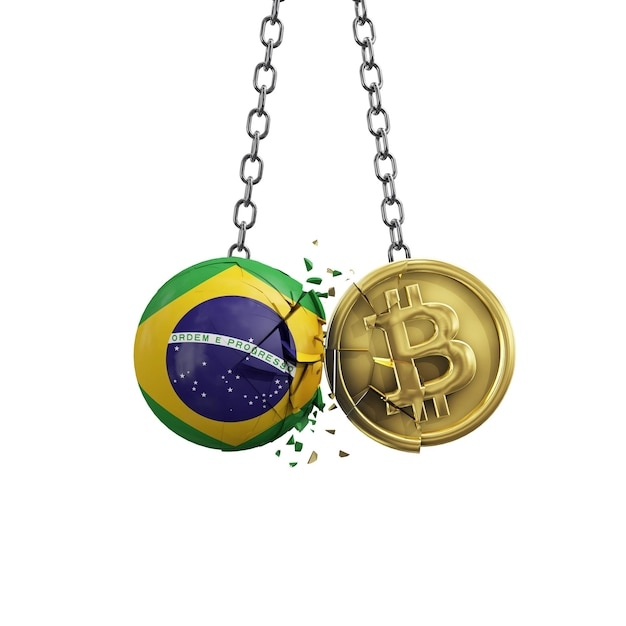
Brazil’s central bank governor, Gabriel Galipolo, recently noted a surge in cryptocurrency adoption across the country. Speaking at an international settlement and banking event in Mexico City, Galipolo noted that the number of cryptocurrency transactions has increased dramatically over the past two to three years. Maintains a stable value by being pegged to a real-world asset, such as the US dollar. Unlike more volatile digital currencies, these stablecoins are increasingly being used for everyday purchases and cross-border purchases. However, there appears to be some positive news out of Brazil, where the central bank governor expressed concerns about the challenges regulators face with such rapid adoption. Galipolo emphasized that the increased use of stablecoins often comes with a certain level of opacity, especially around taxation and money laundering. Since most of the transactions involve retail and international purchases, monitoring and enforcement are becoming increasingly difficult. Notably, regulators still appear to face the difficult task of maintaining financial integrity while supporting innovation and growing demand for digital payment options. To address these issues and improve the country’s financial infrastructure, Gallipolo pointed to Brazil’s DREX initiative. While often referred to as a central bank digital currency, it has been described as a framework for facilitating lending backed by collateral, Gallipolo said. DREX aims to lower borrowing costs and expand access to reliable financing in traditionally struggling areas of Brazil, Gallipolo explained. The platform uses distributed ledger technology to process wholesale banking transactions, with retail participants accessing the system through token bank deposits. This approach highlights an approach aimed at making credit markets more efficient, reducing costs, and expanding general access to credit. Others have highlighted the potential for Pix, a popular instant payment system in Brazil, to expand its reach beyond domestic borders. As one of the most widely used real-time payments platforms in the world, Pix has already seen some success in Brazil. Galipolo suggested that PIX’s programmability and flexibility could enable integration with international instant payment networks, creating a more seamless cross-border payment process. This integration would further strengthen the region’s financial connectivity and its leading position in digital payments infrastructure. Related Reading: Stablecoin Users Alert: Brazil Considers Banning Withdrawals to Self-Custody Wallets Last year, Brazil’s central bank proposed a plan to ban stablecoin withdrawals from self-custody wallets. The proposal is reportedly still open for public consultation until February 28, 2025. The global digital currency market is limited to a one-day chart. Source: Image by TradingView.com using DALL-E, TradingView Charts
#Grab $100,000 Surprise Gifts#Share Your Thoughts on Popular Assets in March#Tariffs Crash Crypto#Santa Claus Rally#The Federal Reserve announced a rate cut
Tous les commentaires0RécentPopulaire