Author: Lin Wanwan
Twelve minutes' drive north of Singapore's Changi Airport, one of the world's most secure private vaults stands at the end of the runway—Le Freeport.
This building, costing approximately S$100 million, is known as the "Fort Knox of Asia." It has no windows but maintains a constant temperature of 21°C and 55% humidity year-round, perfectly suited for preserving valuable items.
Behind heavily guarded steel doors lie billions of dollars worth of gold, silver, and rare artworks—all exempt from customs declarations and taxes.
Three years ago, one of Asia's youngest crypto billionaires, Bitdeer founder Jihan Wu, acquired this vault for S$40 million (about RMB 210 million), a steal compared to its rumored S$100 million construction cost.
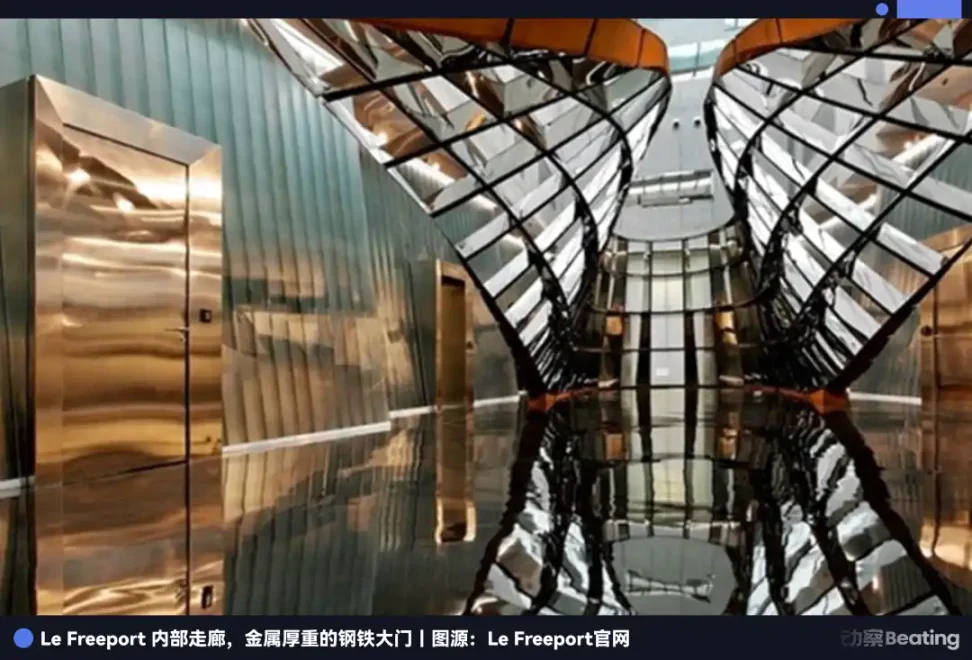
The deal was confirmed by Bloomberg, with Bitdeer, led by Wu, as the buyer. At the time, some mocked it as a "distraction" for a crypto giant—why buy an offline vault when mining Bitcoin was profitable?
But with gold soaring past $4,000 per ounce in 2025, this acquisition now seems less like a detour and more like a masterstroke.
However, Wu didn't just buy concrete and steel. Le Freeport was designed as a tax-free enclave for the super-rich and institutions: high-security storage, private exhibition spaces, and a way to elegantly bypass tariffs.
It reveals a truth: China's Bitcoin millionaires are turning to humanity's oldest safe-haven asset—gold.
The Nursing Home for Gold
In May 2010, Le Freeport opened in Singapore. Designed as critical infrastructure, it sits adjacent to the airport, with direct access to runways, allowing valuables to be moved from planes to vaults in minutes.
Singapore's government support was evident in its ownership structure. The National Heritage Board and National Arts Council were among its initial shareholders.
As Singapore transitioned from a "trade hub" to an "asset hub," Le Freeport became part of a global art and wealth management plan, benefiting from the Zero GST Warehouse Scheme, making it one of the few vaults globally with tax-free, bonded, and cross-border settlement capabilities.
Under this framework, Le Freeport quickly attracted global elites and institutions. It allowed storage of high-value physical assets without customs procedures or tariffs for non-Singaporean holders.
For a Picasso worth $50 million, storing it at Le Freeport could save tens of millions in taxes at 10%–30% rates.
Since Le Freeport hasn't released internal photos, we can only glimpse its setup from images of a similar vault, The Reserve.
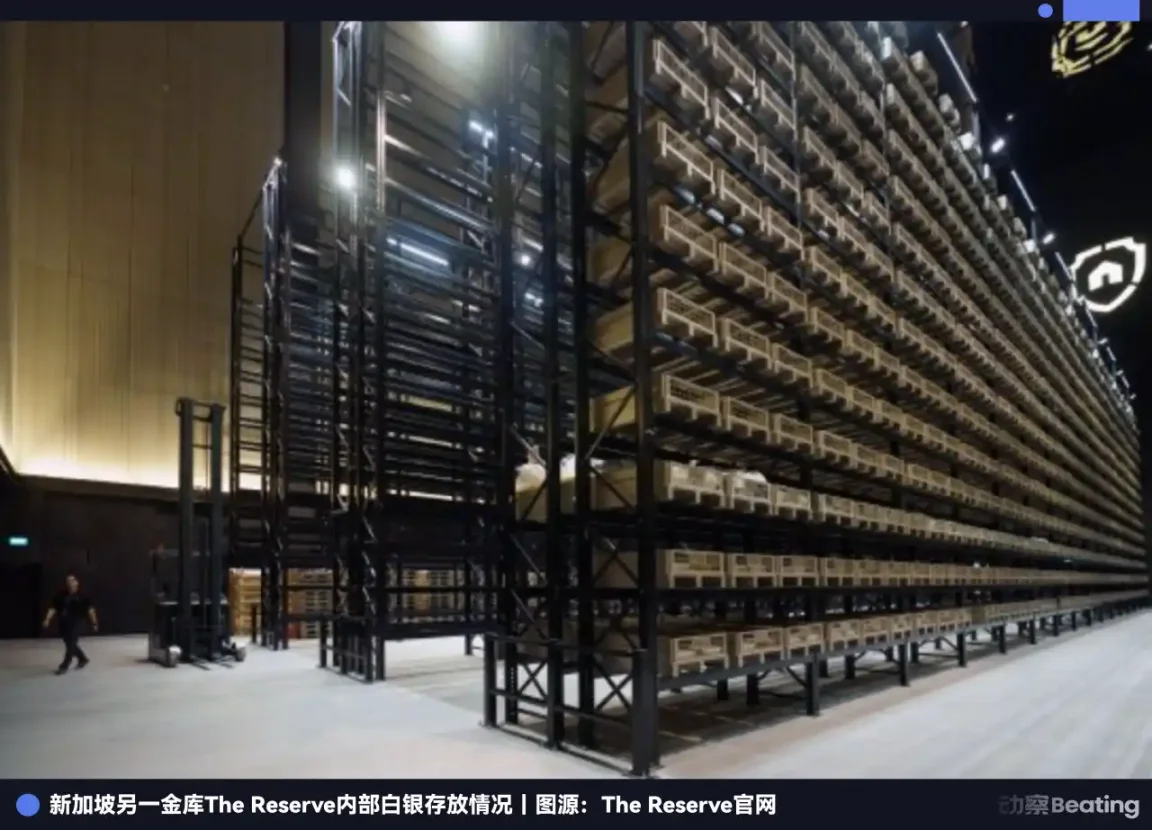
It once hosted top-tier tenants like J.P. Morgan, Christie's subsidiary CFASS, UBS, and Deutsche Bank, facilitating cross-border gold transfers and custody.
But as some countries tightened regulations on luxury goods and offshore assets, these institutions began leaving, and Le Freeport fell into losses.
By 2017, it was labeled a "problem asset" and put up for sale. It took five years to find a buyer—Jihan Wu.
At the time, crypto was in a deep winter. LUNA's collapse triggered a crisis of confidence; Three Arrows Capital, Celsius, and BlockFi imploded, culminating in FTX's downfall and widespread counterparty risks.
Amid this, Chinese crypto entrepreneur Jihan Wu, via Bitdeer, acquired the vault for S$40 million (RMB 210 million).
Wu, co-founder of Bitmain, once controlled 75% of Bitcoin's mining power. After exiting Bitmain, he focused on Bitdeer's mining operations as a Singapore PR.
He rarely commented on the purchase, only confirming it to Bloomberg.
Today, Le Freeport's website highlights it as an exclusive, private experience for the few.
While crypto enthusiasts obsess over private keys, the truly wealthy store assets in Singapore—some as trust documents, others as seed phrases etched on steel plates.
It's not just Chinese tycoons; new wealth from India and Southeast Asia are also becoming Le Freeport's clients.
Le Freeport never discloses clients, but auction houses hint that many artworks go "straight to the vault" after sales, never re-entering the market.
Similarly, Southeast Asian billionaires divert proceeds into Le Freeport—gold bars, jewelry, Patek Philippes, vintage cars, and art—all moved directly from transactions to the vault.
For aspiring "vault members," here’s the storage process:
Armed guards check passports and backgrounds at the entrance. Access requires passing five checkpoints: ID verification, biometrics, bulletproof doors, and item inspections. Hundreds of cameras monitor everything 24/7. With silver bars weighing 30kg and gold bricks 12.5kg, even if someone broke in, they couldn’t carry much out.
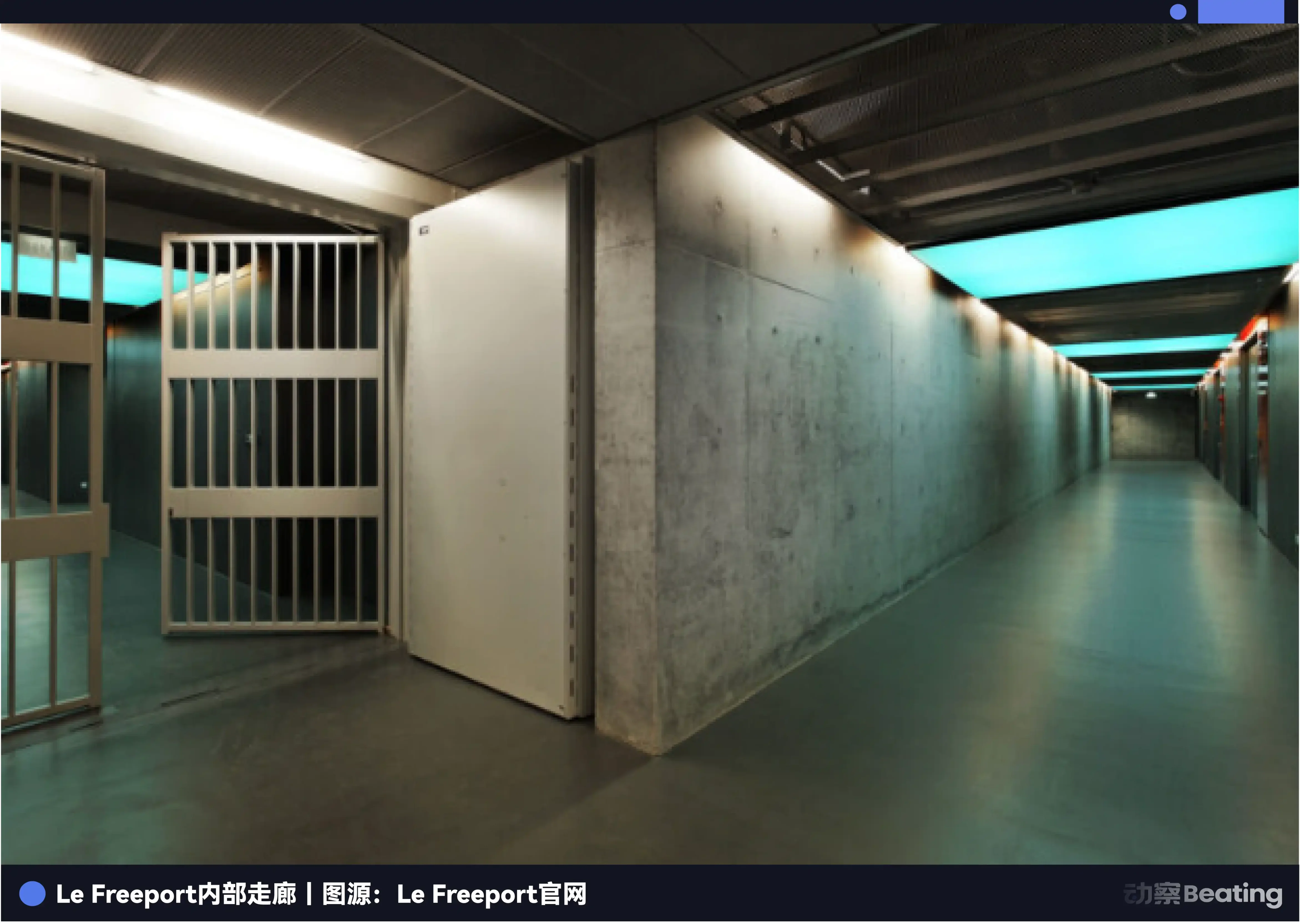
While outsiders debate "if gold will rise," insiders discuss storing hundreds of bottles of Romanée-Conti (at $15,000 each) and which shelf Picasso or Rembrandt should occupy for better photo ops.
Workers end with公积金 accounts; Asian tycoons end up in Singapore's windowless walls.
But vaults are just physical assets. To dominate the gold industry, one must go upstream.
Fujianese Shake Gold's Bloodline
While Chinese aunties queue for gold discounts, old money and crypto nouveau riche are battling over who controls tons of gold.
In May, fintech firm Antalpha filed for a Nasdaq IPO. Its prospectus mentioned Bitmain, co-founded by Jihan Wu.
It stated: "We are a key financing partner for Bitmain," with a memorandum to continue collaboration and client referrals.
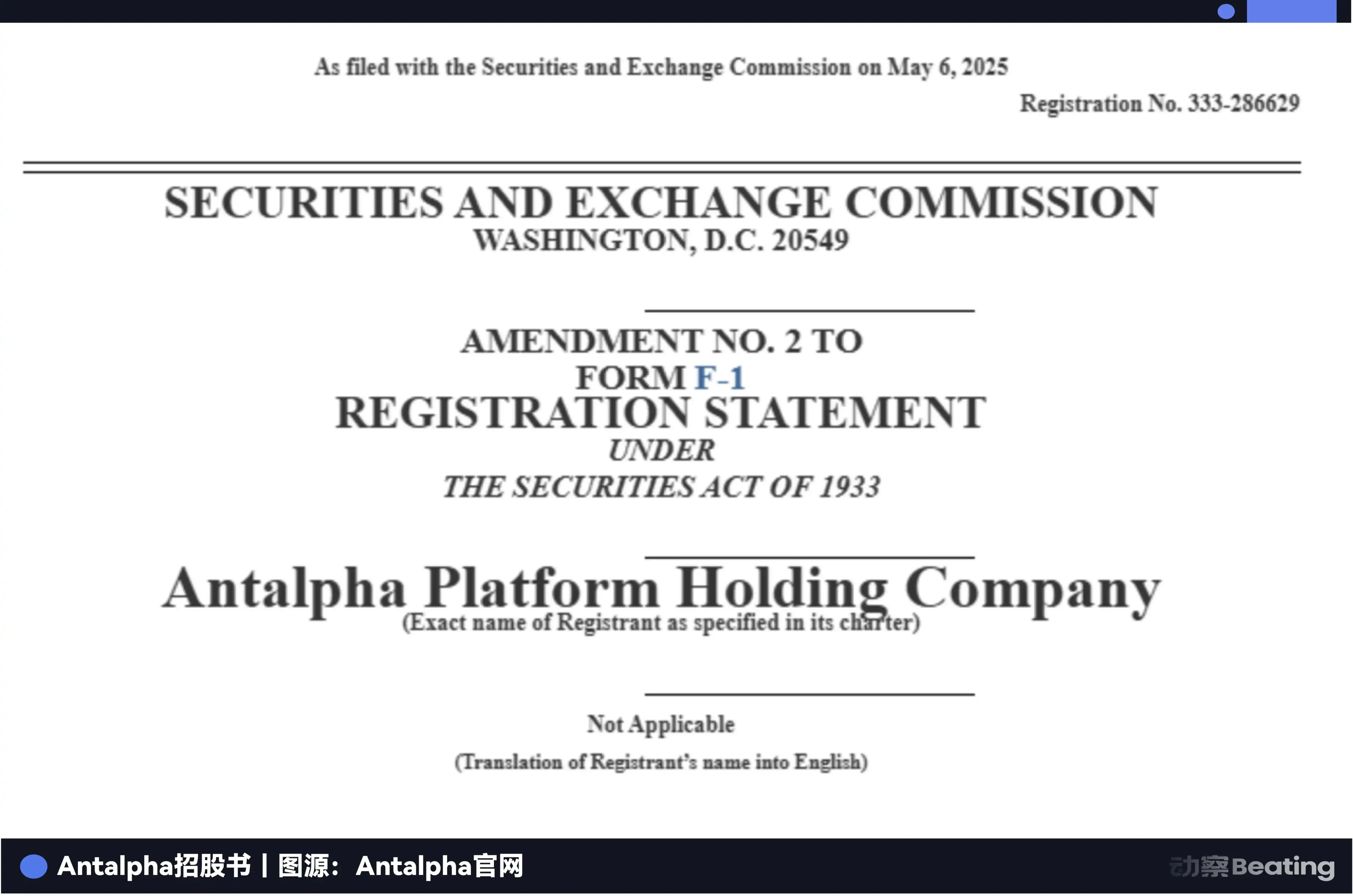
Antalpha provided supply chain loans and client financing for Bitmain, a legacy from Wu's era.
Now, with Wu gone, control has passed to co-founder Micree Zhan, another crypto tycoon from Fujian, China.
Many in China believe in gold, but Fujianese tie their fate to it: Longyan's Chen Jinghe turned a "worthless mine" into Zijin Mining, a global giant; Fuqing's Zhou Zongwen founded Chow Tai Seng, a top jewelry chain; Putian's goldsmiths dominate half of China's gold wholesale and retail.
With gold mines, shops, and tycoons in Fujian, it seems Fujianese have gold in their blood.
Clearly, Zhan's bloodline ignited. How could Fujianese miss out on chain-based gold?
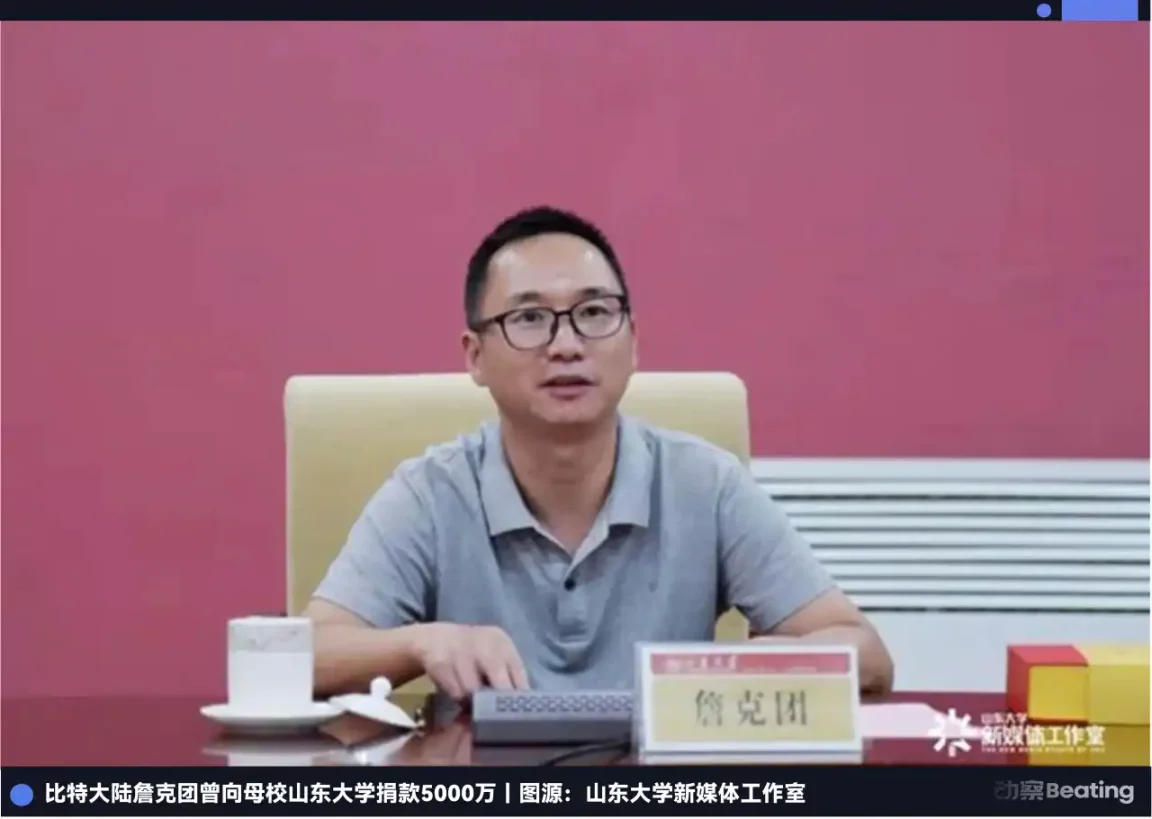
He took aim at Tether, the largest stablecoin issuer and now a top-30 global gold buyer, the new "chain-based gold owner."
In October, Tether partnered with Antalpha to build a "Tokenized Gold Treasury," raising $200 million based on gold token XAU₮, creating a "digital credit system backed by gold."
The分工 is Fujian-style: Tether tokenizes gold and stores it in Swiss vaults; Antalpha turns the token into a financial tool, designing loans and expanding vault networks in Singapore, Dubai, and London, making "on-chain gold" a pledgeable asset exchangeable for physical bars.
In short, a modern "gold standard": Tether as the mint, Antalpha as the bank, set in Swiss vaults instead of Bretton Woods.
Reports say Tether holds ~80 tons of gold in Swiss vaults, rivaling some national reserves. But for "security," the vault locations are undisclosed.
Unlike central banks locking gold away, XAU₮ is fragmented on-chain—traceable, divisible, tradable, and pledgeable. Idle gold becomes "dynamic liquidity" for institutions.
Antalpha's Aurelion invested $134 million in XAU₮, aiming to become the "first listed treasury with on-chain gold reserves." This rewrites the old money playbook of "stuffing Swiss vaults" into "stuffing balance sheets with XAU₮."
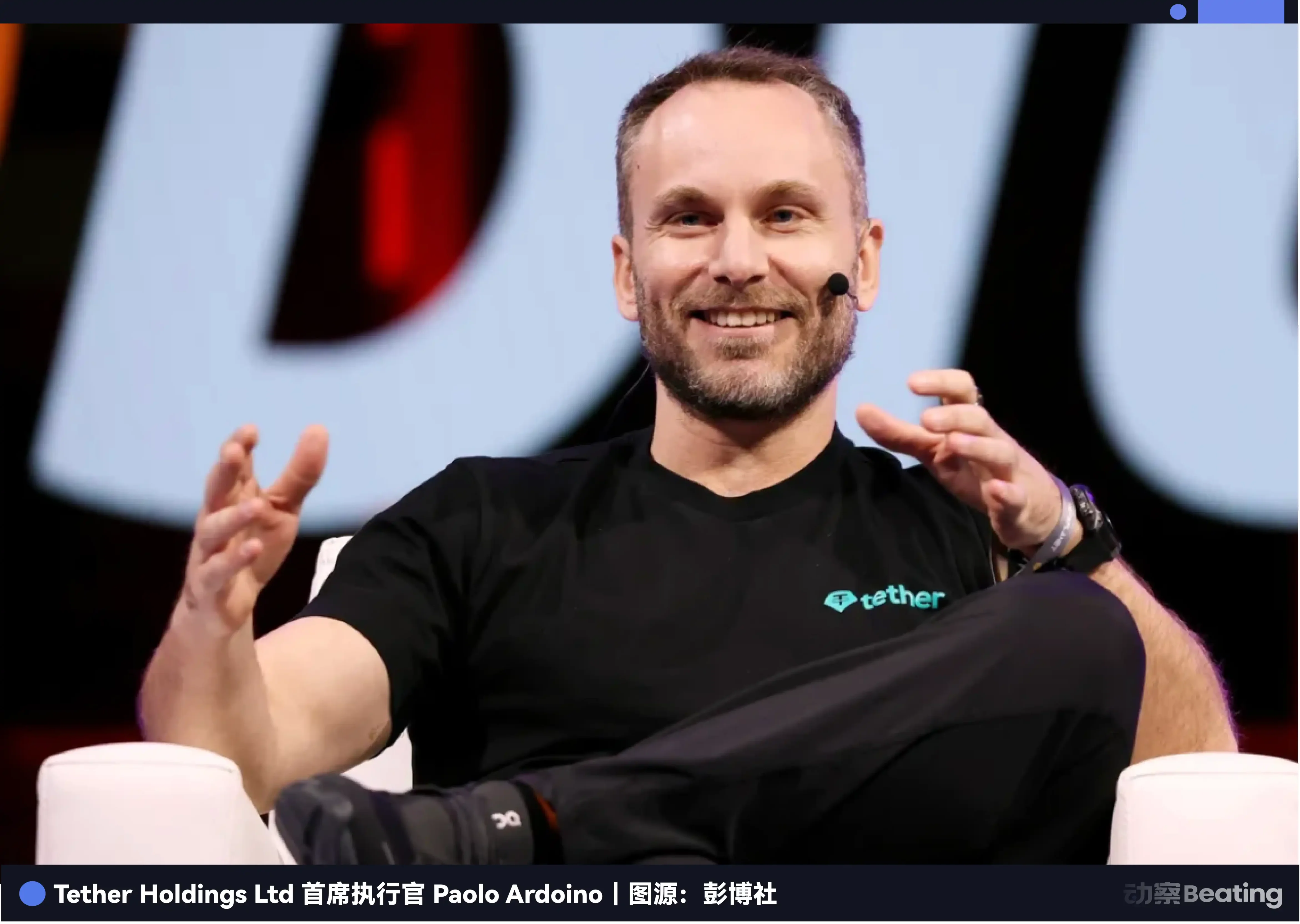
Tether CEO Paolo Ardoino summarized: "Gold and Bitcoin are two poles of the same logic—one the oldest store of value, the other the most modern."
Gold prices validate this: global gold investment rose 50%+ this year, and XAU₮'s market cap doubled. Risk-averse and risk-loving investors are on the same path.
They answer a bigger question: Can humanity's oldest wealth storage method thrive again on blockchain?
Breaking the Old Rules
In October 2025, gold surged past $4,000/oz, a record high, up 50% year-to-date, making it a top-performing asset.
On surface, a "gold bull market"; underneath, three forces reshaping gold's power structure.
First, central banks. They've been buying gold to de-dollarize and hedge against sanctions, indifferent to short-term swings, focused on one question: In the worst case, can it trade for food, weapons, or allies?
Second, Asian ultra-rich. Money from China, Hong Kong, the Middle East, and Southeast Asia flows into Singapore vaults, Swiss cellars, and family trusts, building new gold walls.
They skip "paper gold" for physical bars. Some deposit cash in Singapore banks; others store gold directly—two types of deposits, vastly different security.
Wu's Le Freeport acquisition is a node in this chain: from mining Bitcoin to safeguarding gold and art, shifting from "on-chain gains" to "off-chain security."
Third, crypto nouveau riche. Zhan, Antalpha, and Tether play a different game: Wu bought vault walls; they buy the variable inside—XAU₮.
In this structure, Tether tokenizes gold into Swiss vaults; Antalpha tokenizes it into assets for balance sheets and collateral.
Thus, gold's role is quietly rewritten: for central banks, it's the "ultimate collateral"; for Asian tycoons, a "family cold wallet"; for crypto nouveau riche, a financial layer for leverage and liquidity premiums.
For most, gold is charts and grams; for these three groups, it's a ledger of family, sovereignty, and security.
Narratives change, but the underlying asset is ancient. Capital is honest—when the show ends, they seek security for a good night's sleep.