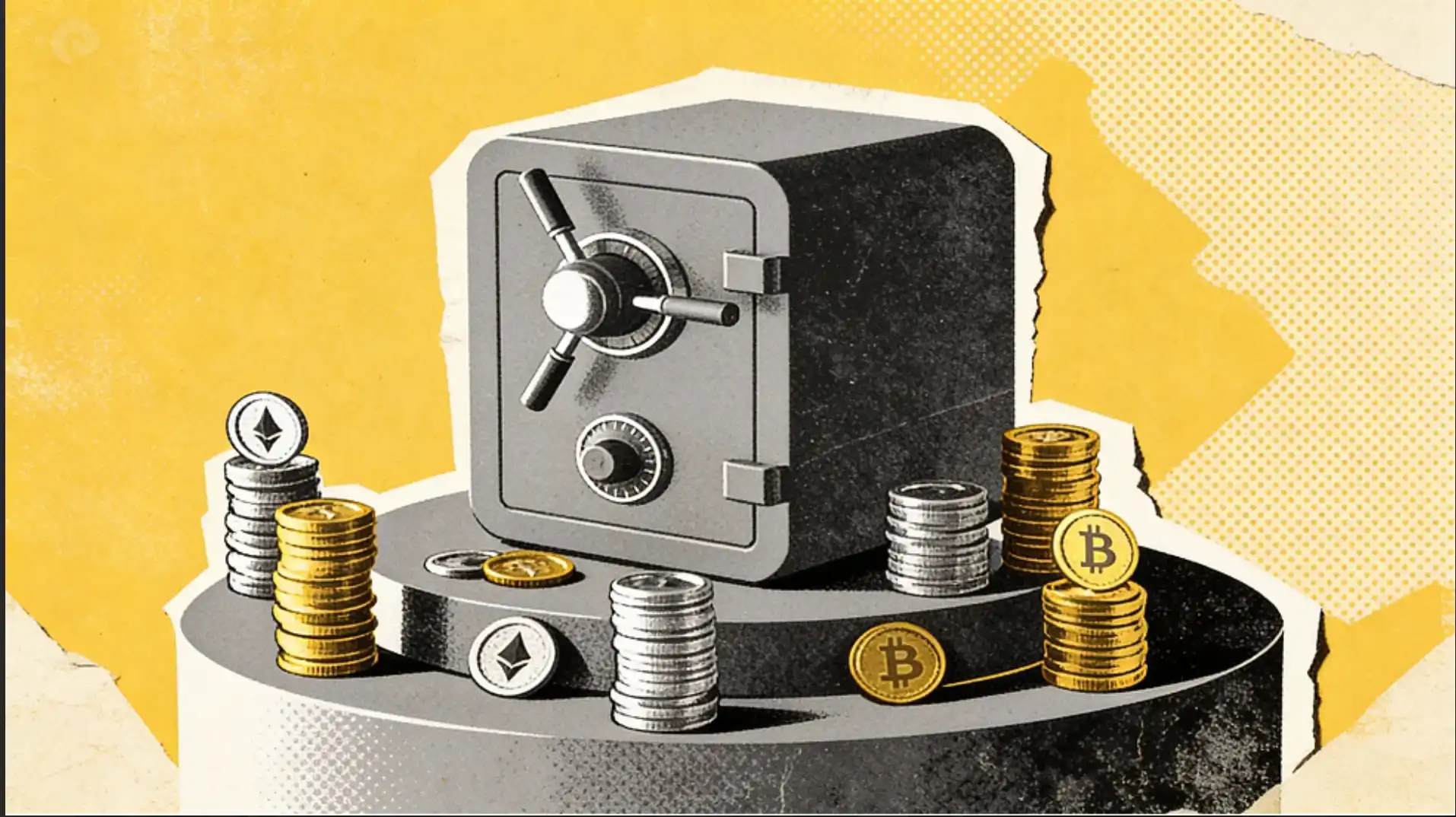
What should you expect from 10 February’s White House stablecoin meeting?

ambcryptoPublicado a 2026-02-10Actualizado a 2026-02-10

Resumen

White House officials, Wall Street leaders, and crypto executives are meeting on 10 February to address the deadlock over the CLARITY Act, with interest-paying stablecoins being the most contentious issue. Crypto firms argue that offering yield supports innovation and user benefits, citing companies like Coinbase which earned $355 million from stablecoins in Q3 2025. Traditional banks, however, warn of a potential $6.6 trillion outflow from deposits. Another key point is the Federal Reserve’s proposed “skinny” master account system, which neither side finds satisfactory. Past policy delays and meeting cancellations have triggered sharp market declines, while agreements like the GENIUS Act spurred rallies. Currently, market sentiment is nervous, with total crypto valuation dropping 1.65% to $2.36 trillion in a day, and major cryptocurrencies like BTC and ETH facing downward pressure. Analysts see this as reducing risk rather than a full market crash. Ultimately, the conflict reflects a broader struggle over the future financial system, with markets reacting strongly to regulatory uncertainty.

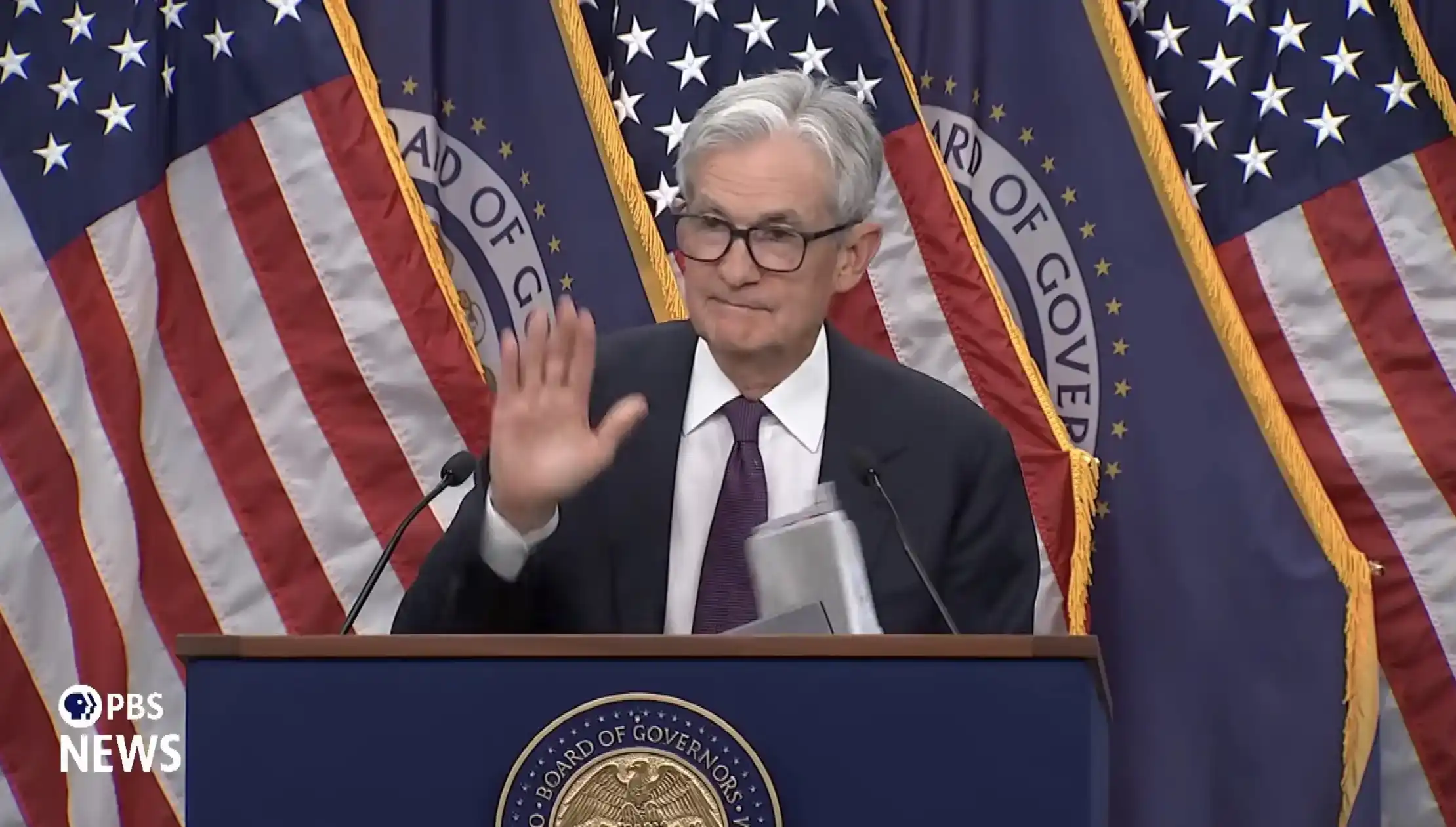
Inside the White House, a high-pressure struggle is reaching a turning point as government officials, Wall Street leaders, and crypto founders meet on 10 February to resolve the long-running deadlock over the CLARITY Act.

At the center of the conflict is the issue of interest-paying stablecoins, which has become the most divisive topic in the debate.

Crypto companies argue that offering yield is a natural step towards building a modern and efficient financial system that benefits everyday users and supports innovation. For instance, companies like Coinbase, which have earned $355 million from stablecoins in Q3 2025 alone, see yield as critical to their business.

Traditional banks, however, see this as a serious threat and warn that $6.6 trillion from deposits could be drained from savings accounts.

Various other points of concern

Another major issue is the Federal Reserve’s proposed “skinny” master account system, which would give some crypto firms limited access to central bank services under strict conditions.

Crypto companies say the access is too limited to support real growth and stability. Banks, meanwhile, warn that even restricted access could open the door too quickly.

As a result, the proposal fails to satisfy either side, making compromise difficult.

Past meetings and their impact on the crypto market

History shows that policy delays have often triggered sharp market reactions. Last week itself, after the 02 February meeting, the total crypto market’s value dropped from $2.64 trillion to $2.54 trillion in a very short time.

Another major shock followed on 15 January when the Senate Banking Committee suddenly canceled its vote on the CLARITY Act.

Needless to say, the market reacted almost instantly, with crypto prices falling by about 7.5% within minutes and wiping out billions of dollars in value.

On the other hand, when lawmakers reach an agreement, the market also recovers quickly. A strong example is the GENIUS Act, signed on 18 July 2025. It sparked a bullish rally and pushed many altcoins up by nearly 12% in just one week.

Is the market on edge right now?

At present, the market is once again waiting to see what happens next. Even before the meeting concludes, stress is already visible across the crypto market.

The sentiment was well reflected by an X user who said,

Fears of a possible ban on stablecoin interest have weakened investor confidence too. As a result, the total crypto market value fell to $2.36 trillion in a single day – A decline of 1.65%.

Bitcoin [BTC] has also struggled on the charts, trading near $69,132 at press time. Ethereum [ETH] seems to be following the same trend too, dropping to around $2,040 on the back of high traders’ anxiety.

And yet, despite the recent bouts of depreciation, analysts are not calling this a major crash. Instead, they see investors actively reducing risk and shifting into a more defensive position


Final Thoughts

  • The fight over stablecoin yield is really a fight over who gets to shape the next financial system.
  • Markets are reacting not to decisions, but to uncertainty caused by repeated delays and unfinished negotiations.

Preguntas relacionadas

QWhat is the main topic of the White House meeting on February 10th?

AThe main topic is to resolve the long-running deadlock over the CLARITY Act, with a central focus on the issue of interest-paying stablecoins.

QWhy do traditional banks view interest-paying stablecoins as a threat?

ATraditional banks warn that interest-paying stablecoins could drain $6.6 trillion from savings accounts, posing a serious threat to their deposit base.

QWhat was the market reaction to the Senate Banking Committee canceling its vote on the CLARITY Act on January 15th?

AThe market reacted almost instantly, with crypto prices falling by about 7.5% within minutes, wiping out billions of dollars in value.

QWhat is the Federal Reserve's proposed 'skinny' master account system?

AIt is a proposed system that would give some crypto firms limited access to central bank services, but under strict conditions that both crypto companies and traditional banks find unsatisfactory.

QHow did the market perform in the lead-up to the February 10th meeting?

AThe market was under stress, with the total crypto market value falling 1.65% to $2.36 trillion in a single day due to weakened investor confidence and fears of a possible ban on stablecoin interest.

Lecturas Relacionadas

Trading

Spot
Futuros

Artículos destacados

Cómo comprar HOUSE

¡Bienvenido a HTX.com! Hemos hecho que comprar Housecoin (HOUSE) sea simple y conveniente. Sigue nuestra guía paso a paso para iniciar tu viaje de criptos.Paso 1: crea tu cuenta HTXUtiliza tu correo electrónico o número de teléfono para registrarte y obtener una cuenta gratuita en HTX. Experimenta un proceso de registro sin complicaciones y desbloquea todas las funciones.Obtener mi cuentaPaso 2: ve a Comprar cripto y elige tu método de pagoTarjeta de crédito/débito: usa tu Visa o Mastercard para comprar Housecoin (HOUSE) al instante.Saldo: utiliza fondos del saldo de tu cuenta HTX para tradear sin problemas.Terceros: hemos agregado métodos de pago populares como Google Pay y Apple Pay para mejorar la comodidad.P2P: tradear directamente con otros usuarios en HTX.Over-the-Counter (OTC): ofrecemos servicios personalizados y tipos de cambio competitivos para los traders.Paso 3: guarda tu Housecoin (HOUSE)Después de comprar tu Housecoin (HOUSE), guárdalo en tu cuenta HTX. Alternativamente, puedes enviarlo a otro lugar mediante transferencia blockchain o utilizarlo para tradear otras criptomonedas.Paso 4: tradear Housecoin (HOUSE)Tradear fácilmente con Housecoin (HOUSE) en HTX's mercado spot. Simplemente accede a tu cuenta, selecciona tu par de trading, ejecuta tus trades y monitorea en tiempo real. Ofrecemos una experiencia fácil de usar tanto para principiantes como para traders experimentados.

222 Vistas totalesPublicado en 2025.04.27Actualizado en 2025.04.27

Cómo comprar HOUSE

Discusiones

Bienvenido a la comunidad de HTX. Aquí puedes mantenerte informado sobre los últimos desarrollos de la plataforma y acceder a análisis profesionales del mercado. A continuación se presentan las opiniones de los usuarios sobre el precio de HOUSE (HOUSE).

活动图片