Vibe Coding, Possibly a New Narrative for Web3

深潮Publicado a 2025-12-19Actualizado a 2025-12-19

Resumen

"Vibe Coding, the Next Web3 Narrative" explores how AI-assisted development, or "Vibe Coding," is poised to transform Web3 application landscape, similar to how Pump.fun revolutionized token creation. Key signals from Web2 indicate rapid growth: programming-related LLM queries grew from 11% to 50% of all usage in under a year, and leading AI development platforms saw valuations surge 72x. Studies show 84% of developers use or plan to use AI tools, with 41% of code now AI-generated. While Web3 Vibe Coding platforms are still emerging, early examples include: - @dreamspaceHQ for no-code website and dashboard creation with multi-chain data aggregation. - @Minidevx for building mini-apps on Farcaster. - @Poofnew, a chain-based Replit alternative for creating apps via prompts. - @RemixGG_ for creating and playing games on Base. The movement empowers non-developers (especially degens) to rapidly experiment with consumer apps, trading terminals, SocialFi, and more—accelerating innovation and narrative cycles. The article concludes that Vibe Coding could do for Web3 apps what Pump.fun did for tokens, marking 2026 as a pivotal year for adoption and signaling.

Author:miguelrare

Compiled by: Deep Tide TechFlow

Pumpfun has brought hundreds of thousands of new tokens to the market,

and Vibecoding will bring the same transformation to Web3 applications.
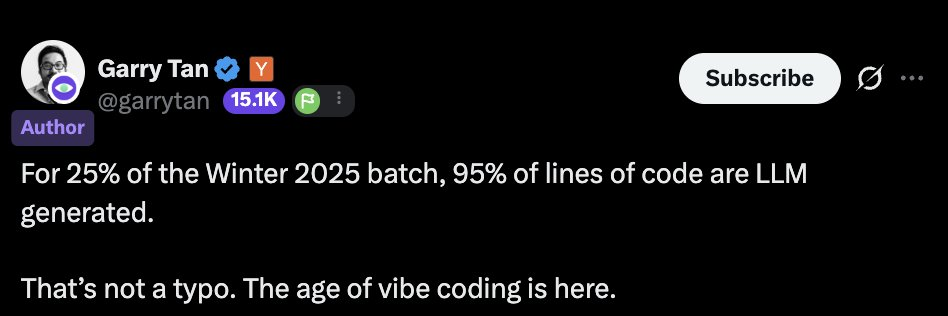
$GOAT is a pioneer in the field of AI agents.

It successfully combined two major hot narratives at the time: AI agents + Meme coins, instantly making "token value" clear to speculators (degens).

However, $GOAT did not appear out of thin air; its success relied on a series of important catalysts from Web2—the infrastructure provided by X and the growing momentum of OpenAI.

If you were active in the market at the time, you probably remember what happened next.

Shortly after $GOAT was launched, everyone started talking about Virtual Protocol. This was a project that existed before the narrative exploded, and its FDV (fully diluted valuation) had hovered between $20 million and $50 million for nearly a year.

Now, a very similar pattern is forming around Vibecoding. This term has only recently emerged. Some speculators are already doing Vibecoding for simple on-chain projects, but due to a lack of infrastructure, especially in the Web3 space, these applications have failed to gain enough attention.

Here is a detailed analysis:

  • The rise of Vibecoding in Web2

  • Its inevitable impact on Web3

  • The formation of early on-chain infrastructure

  • Bullish signals from Web2

Bullish Signals from Web2

From May 2025 to December 2025, the proportion of all LLM queries related to programming grew from 11% to 50%.

In less than a year, programming queries accounted for half of all LLM usage categories.
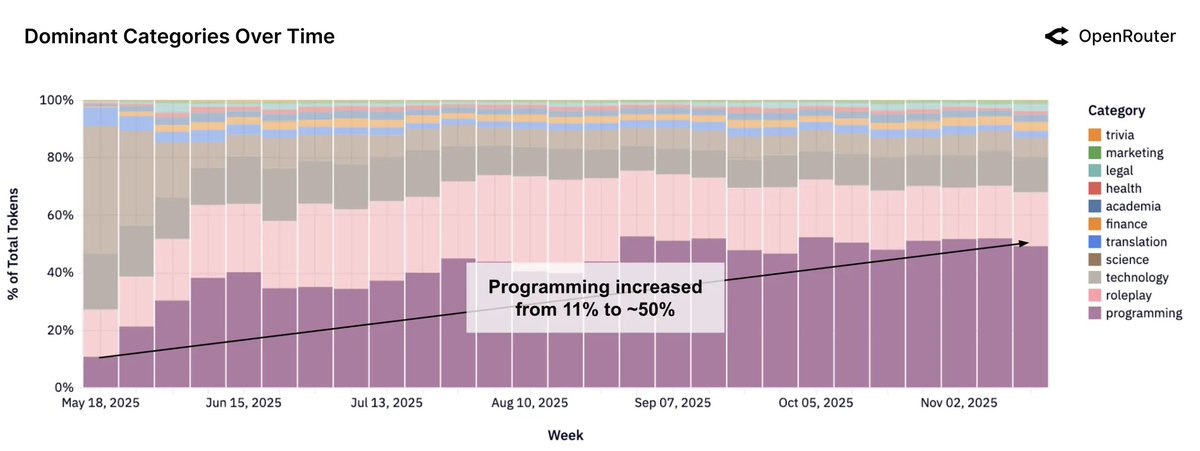
At the same time, the valuation of the most popular AI-driven development platform surged 72 times in one year, from $400 million to $29.3 billion.
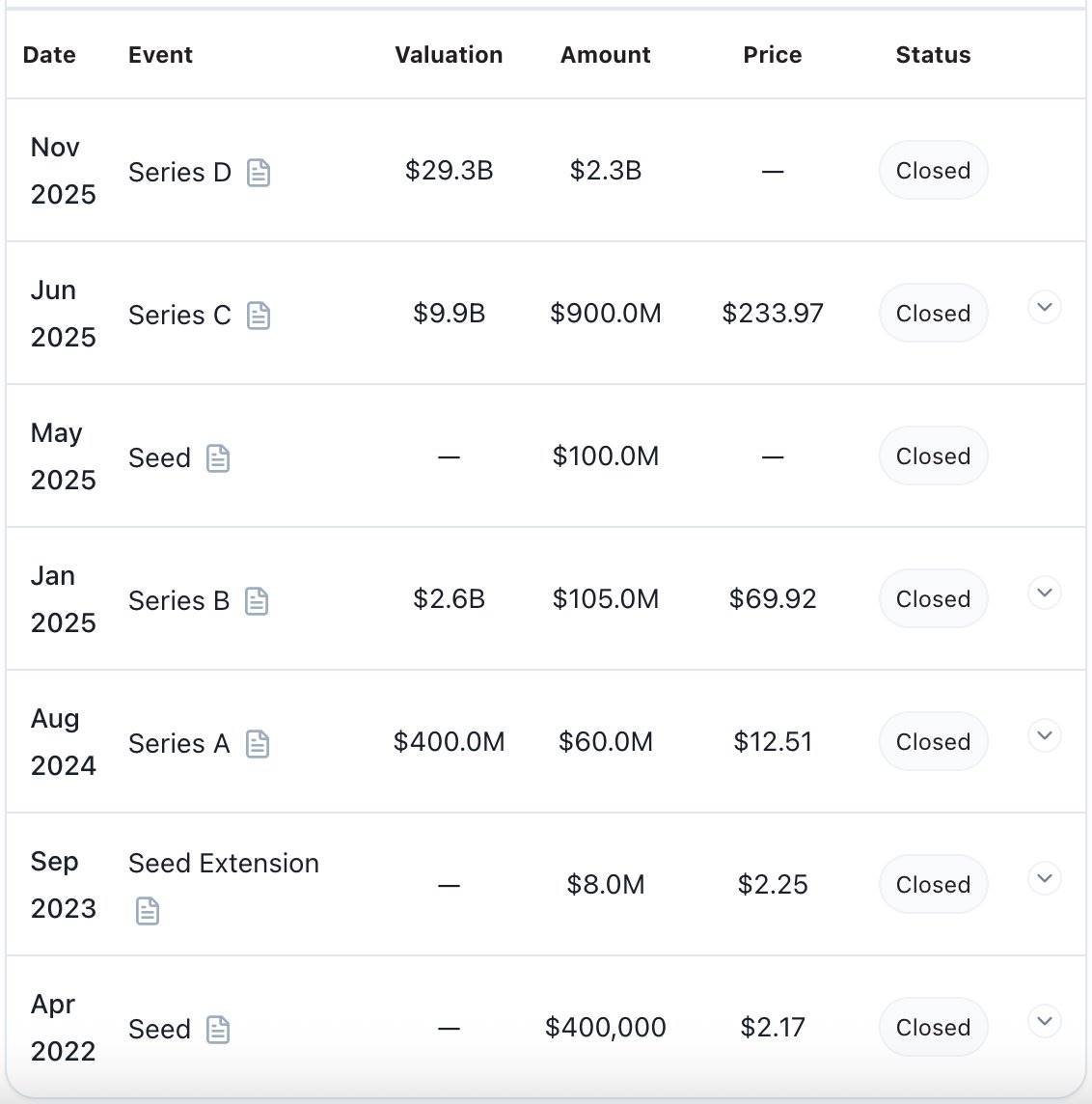
If we zoom out and look at survey data and research reports, there are three important signals worth noting:

  • 84% of respondents are using or plan to use AI tools in their development process.

  • 41% of code is now generated by AI.

  • Developers report that AI tools improve productivity by an average of 10%-30%.

At the same time, it is important to clarify that Vibecoding is not the same as AI-assisted development.

For complex production-level systems, relying solely on Vibecoding may be risky. However, given the astonishing expansion speed of this field, more and more developers will begin to incorporate Vibecoding into their workflows.

(According to the 2025 Stack Overflow Developer Survey, only 17% of developers are currently using Vibecoding, which means there is still huge room for growth.)

The PumpFun Effect

A few years ago, issuing your own token was not easy. Teams tried various issuance mechanisms until PumpFun introduced an extremely simple model. PumpFun provided creators with a simplified way to issue tokens and also brought a new trading experience to speculators (degens). So, why can't we see a similar pattern replicated in Web3 applications?
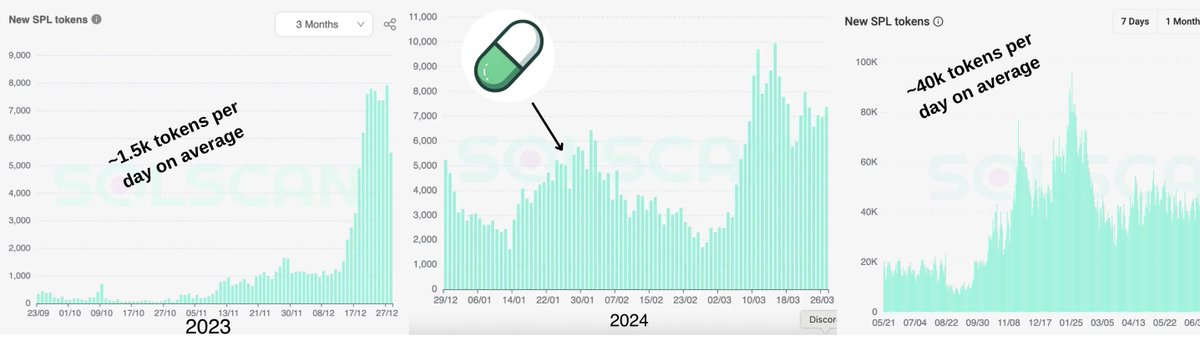
Speculators (Degens) are always the first users and early adopters of emerging narratives.

Many of them know exactly what products the market currently needs, how to launch these products, and what Crypto Twitter (CT) truly cares about—because they have been observing new project launches for years.

Empowering degens to turn ideas into products without coding skills or high costs essentially provides the front line with fresh ideas to experiment with.

Therefore, we may see hundreds of creative experiments emerging across multiple tracks:

Consumer applications, trading terminals, SocialFi, prediction markets, GameFi Ponzi projects, and more.

This phenomenon, in turn, may accelerate the growth of specific market narratives.

Beyond the Front Line: AI Integration into Core Protocols

Beyond the abstract concept of "frontline narratives," there is another direction that excites me—AI directly integrated into large protocols.

The simplest example is trading terminals.

Delta-neutral strategies, points farming, arbitrage operations—all of these can be transformed into personalized bots or features by users entering simple prompts on the platform.

For example:

Monitor the funding rates of tokenized stocks and automatically open positions when significant spreads appear between two perpetual decentralized exchanges (perps DEXes).

In practice, this approach allows platforms to meet thousands of small user needs that are often relatively simple but overlooked by teams.

"We already have Cursor, Replit, Lovable—why do we need a Web3 fork?"
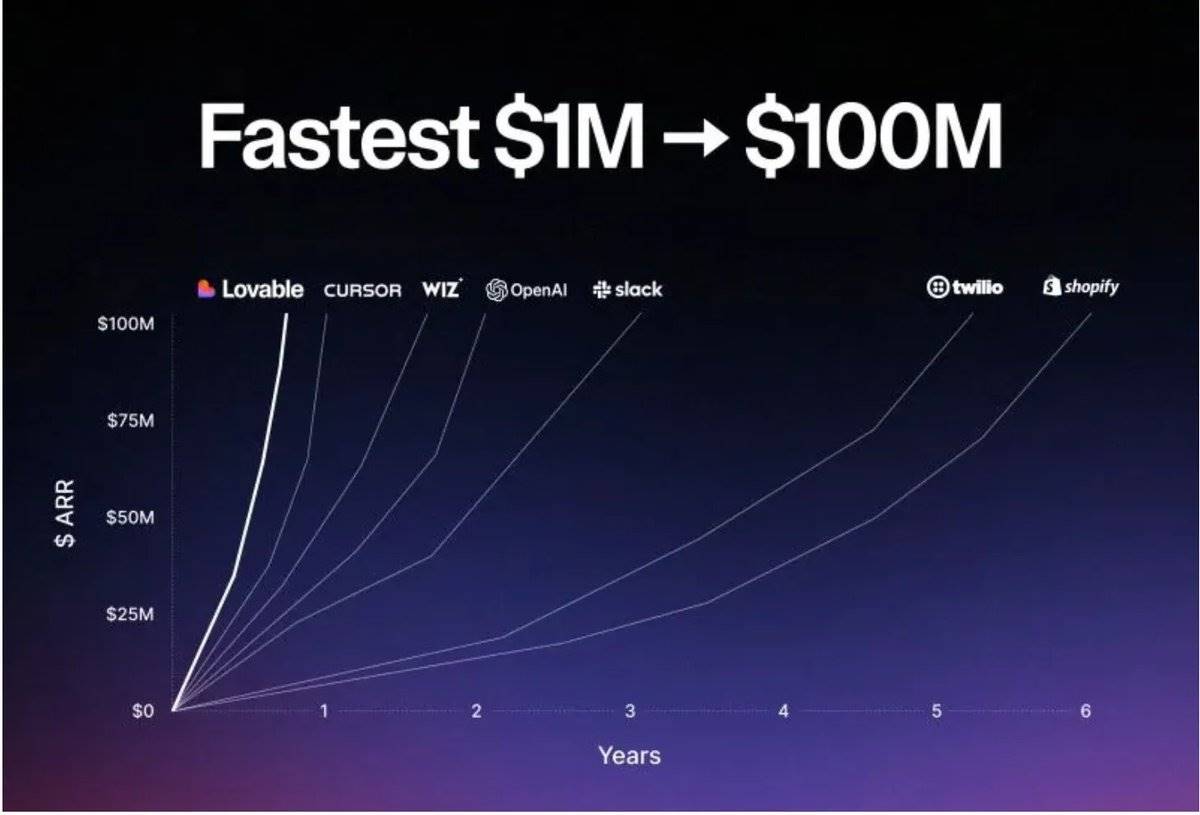
For a while, I asked myself the same question.

But after extensive research, the answer became very clear.

Even in the Web2 Vibecoding space, there is no absolute winner. Each platform has its unique features, including its own priorities, functions, and target user groups.

Some products excel at solving one or two specific problems,

while others try to do everything and end up achieving nothing.

Web3 Vibecoding platforms will not be hindered by competition with Lovable or Replit.

Their infrastructure is specifically built for on-chain creativity, not for Web2 applications.

Web3 Vibe Ecosystem
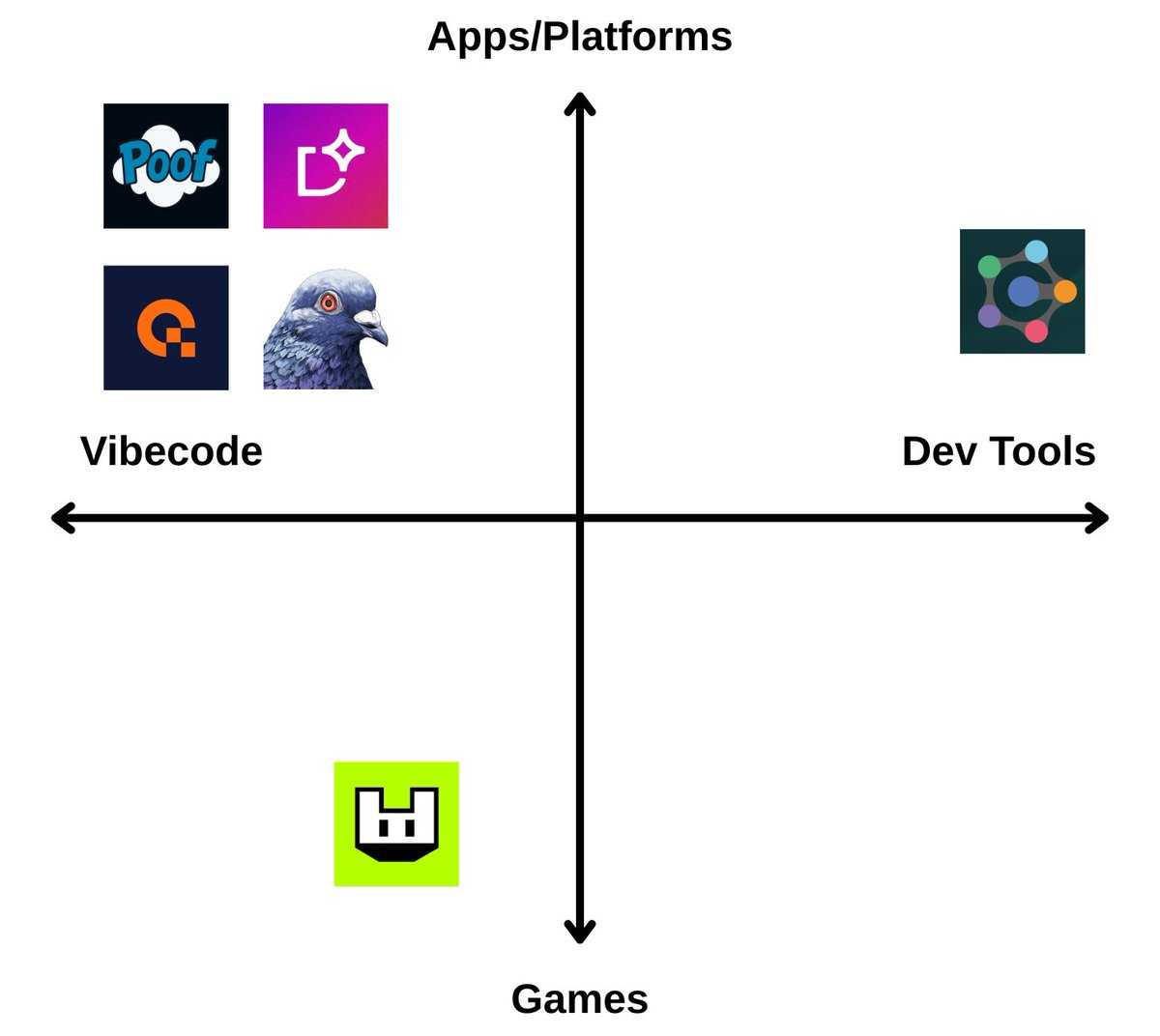
As of December 2025, there are still very few Web3 projects focused on Vibecoding or development tools, and cases of non-developers successfully launching meaningful Web3 products are even rarer.

Nevertheless, I believe it is still very important to sort out the current industry landscape.

Application/Platform Overview

@dreamspaceHQ—Without any coding knowledge, you can create websites, platforms, and dashboards.

The core advantage of Dreamspace is that, in addition to creating or connecting smart contracts through prompts, you can also aggregate data across multiple chains: BTC, ETH, zkSync, Sei, Base, and even Stellar, WTF?

@Minidevx—A Vibecoding platform based on Base, focused on building mini-apps on Farcaster.

Currently, the product is still in its early stages, with relatively few launched applications.

Minidev launched its token $MINI about a month ago—which may seem a bit rushed. Nevertheless, @0xjenil is still actively launching and improving the product, so I wouldn't be surprised to see high-quality applications emerging on Minidev soon.

@Poofnew —An on-chain version of Replit

Poof allows you to create on-chain websites and applications through prompts, which are passed to an agent and then assigned to three specialized agents: UI Agent, Smart Contract Agent, and Actions Agent.

In July of this year, the team showcased an application built entirely using Poof, where two users could duel for a "Waifu" and bet SOL in the process.

This kind of project demonstrates the flexibility of Poof as an experimental field.

Games

@RemixGG_ —A Vibecoding platform where you can create games on Base through prompts or play hundreds of games created by other users.

Some of these games are really quite good.

This application is extremely simple: download it to your phone, no wallet required, swipe through the content, try out games, or create your own.

In my opinion, this is exactly the kind of product that can attract Web2 users—they won't even realize they are using Web3 infrastructure.

Development Tools

@CodigoPlatform—Codigo is an AI-driven development platform built specifically for Solana.

It combines a cloud IDE, specially trained AI models, and complete build and deployment tools.

However, unlike Poof, Codigo is difficult to classify as a Vibecoding platform—you still need some programming skills.

Trading Bots

@pigeon_trade —A trading bot with built-in AI.

In addition to spot, perpetual, and prediction market trading, you can chat with Pigeon and Vibecode custom functions, such as:

  • Monitor funding rates on specific DEXes, set alerts, or automatically open positions

  • Track selected wallets and copy trades

  • Look for arbitrage opportunities on Polymarket and more.

Final Thoughts

Currently, there are still very few high-quality Web3 Vibecoding platforms.

Most existing projects are either still in development or have not found product-market fit (PMF), which is completely normal.

As mentioned earlier, Virtual Protocol also took a long time to form a complete narrative.

Often, the product is not bad; it is just launched too early.

I firmly believe that 2026 will be the year we start to see real signals:

Non-developers will independently build profitable Web2 companies based on creativity, large platforms will integrate Vibecoding tools, and the number of users and annual recurring revenue (ARR) of Cursor, Replit, and Lovable will continue to grow exponentially.

As always, degens will be the first users.

In a few months or a year, we will look back and compare the starting point of the Vibecoding narrative to the rise of PumpFun.

The only difference?

Pumpfun brought us hundreds of thousands of new tokens -> Vibecoding will bring the same transformation to Web3 applications.


Preguntas relacionadas

QWhat is the core argument made about Vibecoding in relation to Web3?

AThe article argues that Vibecoding will bring a transformative change to Web3 applications, similar to how Pump.fun revolutionized token creation by enabling the launch of hundreds of thousands of new tokens. It suggests that Vibecoding will empower non-developers to easily build and experiment with on-chain applications, accelerating innovation and adoption in the Web3 space.

QAccording to the article, what are some key bullish signals from Web2 that support the rise of Vibecoding?

AKey bullish signals from Web2 include: programming-related LLM queries growing from 11% to 50% of all queries between May and December 2025; the valuation of a popular AI-driven development platform surging 72x from $400M to $29.3B in a year; 84% of surveyed developers using or planning to use AI tools; 41% of code now being AI-generated; and AI tools boosting developer productivity by 10-30% on average.

QHow does the article compare the potential impact of Vibecoding to the 'Pump.fun effect'?

AThe article compares Vibecoding to the 'Pump.fun effect' by stating that just as Pump.fun simplified token creation and launched a massive wave of new tokens, Vibecoding platforms will democratize the creation of Web3 applications. It will allow degens and non-coders to easily turn ideas into on-chain products, leading to hundreds of creative experiments across various sectors like consumer apps, trading terminals, SocialFi, and GameFi.

QName three Web3 projects mentioned in the article that are building Vibecoding infrastructure and briefly describe their focus.

A1. @dreamspaceHQ: A platform for creating websites, platforms, and dashboards with no coding, with a core strength in aggregating data across multiple blockchains. 2. @Poofnew: An on-chain version of Replit that uses AI agents to build on-chain websites and applications from prompts. 3. @RemixGG_: A Vibecoding platform focused on creating and playing games on Base, designed to be simple and accessible to attract Web2 users.

QWhat is the author's outlook for the Vibecoding narrative in 2026?

AThe author believes that 2026 will be the year we start to see real signals of Vibecoding's impact: non-developers independently building profitable Web2 companies, large platforms integrating Vibecoding tools, and continued exponential growth in user numbers and Annual Recurring Revenue (ARR) for platforms like Cursor, Replit, and Lovable. Degens will be the first users, and the narrative's rise will be compared to that of Pump.fun.

Lecturas Relacionadas

Justin Sun Sues Trump Family: What $75 Million Bought Was Only a Blacklist

Justin Sun, founder of Tron, has filed a lawsuit in federal court against World Liberty Financial (WLF), alleging he was made the "primary target of a fraudulent scheme" after investing $75 million. Sun claims the investment secured him an advisor title and WLFI tokens, which were later frozen by WLF, causing "hundreds of millions in losses." The dispute began in late 2024 when Sun's investment helped revive WLF's struggling token sale, which ultimately raised $550 million. Shortly after, the SEC dropped its lawsuit against Sun following Donald Trump's inauguration. However, relations soured when Sun refused WLF's demands for additional funding. In August 2025, WLF added a "blacklist" function to its smart contract, allowing it to unilaterally freeze tokens. Sun's holdings, worth approximately $107 million, were frozen, and he was threatened with token destruction. The lawsuit highlights WLF's structure, which directs 75% of token sale profits to the Trump family, who had earned $1 billion by December 2025. WLF's CEO is Zach Witkoff, son of U.S. Middle East envoy Steve Witkoff. The project faces scrutiny for opaque operations, including a controversial loan arrangement on the Dolomite platform, co-founded by a WLF advisor. Despite Sun's history with the SEC, the case underscores centralization risks within DeFi, as WLF controls governance and holds powers to freeze assets arbitrarily. Sun's tokens remain frozen as legal proceedings begin.

marsbitHace 7 min(s)

Justin Sun Sues Trump Family: What $75 Million Bought Was Only a Blacklist

marsbitHace 7 min(s)

$500 to Buy OpenAI Stock: Silicon Valley's Most Respectable Liquidity Invitation

Silicon Valley's largest venture capital platform, AngelList, has launched a new fund called USVC, allowing U.S. retail investors to buy into high-profile AI companies like OpenAI, Anthropic, and xAI with a minimum investment of $500—no accredited investor status required. Promoted by AngelList co-founder Naval Ravikant, the fund is framed as an opportunity for ordinary people to access high-growth private tech investments traditionally reserved for VCs. However, critics argue it functions more like an exit vehicle for early insiders. USVC acquires shares not through primary rounds but largely via secondary transactions—purchasing stakes from early investors, VC funds, and employees looking to cash out at peak valuations. With companies like xAI heavily weighted in the portfolio, the fund effectively channels retail money into providing liquidity for insiders who entered at much lower valuations. The fund’s structure raises concerns: shares are illiquid, with no secondary market, and buybacks are limited and discretionary. The actual annual fee reaches 3.61%, far above the advertised 1% management fee. This model parallels the "low float, high fully diluted valuation" strategy seen in crypto, where early investors profit by selling to latecomers at inflated prices. The timing—alongside similar moves by platforms like Robinhood—suggests that Silicon Valley’s sudden interest in retail inclusion may be less about democratizing access and more about securing exits for insiders.

marsbitHace 37 min(s)

$500 to Buy OpenAI Stock: Silicon Valley's Most Respectable Liquidity Invitation

marsbitHace 37 min(s)

Trading

Spot
Futuros

Artículos destacados

Cómo comprar CFG

¡Bienvenido a HTX.com! Hemos hecho que comprar Centrifuge (CFG) sea simple y conveniente. Sigue nuestra guía paso a paso para iniciar tu viaje de criptos.Paso 1: crea tu cuenta HTXUtiliza tu correo electrónico o número de teléfono para registrarte y obtener una cuenta gratuita en HTX. Experimenta un proceso de registro sin complicaciones y desbloquea todas las funciones.Obtener mi cuentaPaso 2: ve a Comprar cripto y elige tu método de pagoTarjeta de crédito/débito: usa tu Visa o Mastercard para comprar Centrifuge (CFG) al instante.Saldo: utiliza fondos del saldo de tu cuenta HTX para tradear sin problemas.Terceros: hemos agregado métodos de pago populares como Google Pay y Apple Pay para mejorar la comodidad.P2P: tradear directamente con otros usuarios en HTX.Over-the-Counter (OTC): ofrecemos servicios personalizados y tipos de cambio competitivos para los traders.Paso 3: guarda tu Centrifuge (CFG)Después de comprar tu Centrifuge (CFG), guárdalo en tu cuenta HTX. Alternativamente, puedes enviarlo a otro lugar mediante transferencia blockchain o utilizarlo para tradear otras criptomonedas.Paso 4: tradear Centrifuge (CFG)Tradear fácilmente con Centrifuge (CFG) en HTX's mercado spot. Simplemente accede a tu cuenta, selecciona tu par de trading, ejecuta tus trades y monitorea en tiempo real. Ofrecemos una experiencia fácil de usar tanto para principiantes como para traders experimentados.

256 Vistas totalesPublicado en 2026.03.19Actualizado en 2026.03.19

Cómo comprar CFG

Qué es WL

I. Introducción al ProyectoWorldLand es una L2 o cadena lateral de Ethereum, diseñada como una solución de abajo hacia arriba para mejorar el ecosistema de Ethereum.II. Información del Token1) Información BásicaNombre del token: WL (WorldLand)III. Enlaces RelacionadosSitio web:https://worldland.foundation/Exploradores:https://bscscan.com/address/0x8aaB31fbc69C92fa53f600910Cf0f215531F8239Redes Sociales:https://x.com/WorldLand_space Nota: La introducción del proyecto proviene de los materiales publicados o proporcionados por el equipo oficial del proyecto, que es solo para referencia y no constituye asesoramiento de inversión. HTX no se hace responsable de ninguna pérdida directa o indirecta resultante.

132 Vistas totalesPublicado en 2026.03.28Actualizado en 2026.03.28

Qué es WL

Cómo comprar WL

¡Bienvenido a HTX.com! Hemos hecho que comprar WorldLand (WL) sea simple y conveniente. Sigue nuestra guía paso a paso para iniciar tu viaje de criptos.Paso 1: crea tu cuenta HTXUtiliza tu correo electrónico o número de teléfono para registrarte y obtener una cuenta gratuita en HTX. Experimenta un proceso de registro sin complicaciones y desbloquea todas las funciones.Obtener mi cuentaPaso 2: ve a Comprar cripto y elige tu método de pagoTarjeta de crédito/débito: usa tu Visa o Mastercard para comprar WorldLand (WL) al instante.Saldo: utiliza fondos del saldo de tu cuenta HTX para tradear sin problemas.Terceros: hemos agregado métodos de pago populares como Google Pay y Apple Pay para mejorar la comodidad.P2P: tradear directamente con otros usuarios en HTX.Over-the-Counter (OTC): ofrecemos servicios personalizados y tipos de cambio competitivos para los traders.Paso 3: guarda tu WorldLand (WL)Después de comprar tu WorldLand (WL), guárdalo en tu cuenta HTX. Alternativamente, puedes enviarlo a otro lugar mediante transferencia blockchain o utilizarlo para tradear otras criptomonedas.Paso 4: tradear WorldLand (WL)Tradear fácilmente con WorldLand (WL) en HTX's mercado spot. Simplemente accede a tu cuenta, selecciona tu par de trading, ejecuta tus trades y monitorea en tiempo real. Ofrecemos una experiencia fácil de usar tanto para principiantes como para traders experimentados.

222 Vistas totalesPublicado en 2026.03.28Actualizado en 2026.03.28

Cómo comprar WL

Discusiones

Bienvenido a la comunidad de HTX. Aquí puedes mantenerte informado sobre los últimos desarrollos de la plataforma y acceder a análisis profesionales del mercado. A continuación se presentan las opiniones de los usuarios sobre el precio de A (A).

活动图片