US prosecutors propose changes to CLARITY as voting window narrows: Report

cointelegraphPublicado a 2026-07-29Actualizado a 2026-07-29

Resumen

US law enforcement organizations have proposed changes to the cryptocurrency market structure bill known as the CLARITY Act, as the Senate's window to vote narrows before a month-long recess. The groups requested alterations to provisions regarding developer liability within the bill. The White House crypto adviser indicated the proposals do not align with the administration's position. The legislation faces pushback from some Democrats over ethics rules related to former President Trump's crypto investments. Senate leaders have not scheduled a vote, and procedural hurdles make passage before the recess unlikely. A key aspect of the bill would shift primary regulatory authority over digital assets from the SEC to the CFTC.

Organizations representing law enforcement officials in the US have reportedly proposed changes to a comprehensive cryptocurrency market structure bill under consideration in the Senate, with only days left until the chamber breaks for a month-long recess.

According to a Tuesday Politico report, the National Association of Assistant US Attorneys and the National District Attorneys Association sent a letter to the White House asking for changes on provisions regarding developers in the Digital Asset Market Clarity (CLARITY) Act. The changes proposed to the Blockchain Regulatory Certainty Act (BRCA) within the CLARITY Act included that guidelines on developers not “create, expand, or modify criminal liability under Federal law.”

In response to reports on the proposed changes, White House crypto adviser Patrick Witt said that the provisions were “not even close” to the Trump administration’s position, and implied that it was not the result of “productive negotiations.” Senator Catherine Cortez Masto has reportedly been pushing the White House to address the BRCA before any potential vote.

The provisions came as the CLARITY Act faces pushback from many Democrats over ethics rules in the bill regarding US President Donald Trump’s crypto investments, which netted him $1.4 billion in 2025. As of Wednesday, Senate Majority Leader John Thune had not scheduled a vote on the legislation before the chamber breaks for state work periods.

Related: Wyden urges Senate leaders to keep dev protections in crypto bill

The US Senate is scheduled to start state work periods from Aug. 7 to Sept. 14, giving lawmakers a limited window to pass crypto market structure before the recess and potential complications from the 2026 midterm elections in November. Thune told reporters last week that the Senate was unlikely to vote on the bill before the August recess.

”Even if CLARITY were brought up today, the procedural steps — cloture → amendment process → second cloture → up to 30 hours of debate — make finishing before recess extremely difficult without [unanimous consent] agreement to waive process, which is rare on contested bills,” said Anne Kelley, a partner at consulting firm Mercury Strategies, in a Monday X post.

CLARITY could shift crypto authority to US commodities regulator

One of the key points of the crypto market structure bill would be to change the regulatory purview over digital asset largely from the US Securities and Exchange Commission (SEC) to the Commodity Futures Trading Commission (CFTC), which currently has fewer tools and resources to address enforcement and oversight issues. Both agencies are also currently understaffed at the leadership level, with only one CFTC chair and three SEC commissioners.

Magazine: Here’s why the CLARITY Act’s ethics deal may be so hard to reach

Preguntas relacionadas

QWhat is the main concern expressed by US prosecutors regarding the CLARITY Act, according to the article?

AThe main concern expressed by US prosecutors is about provisions regarding developers in the Digital Asset Market Clarity (CLARITY) Act. Specifically, they proposed changes to ensure that guidelines on developers do not 'create, expand, or modify criminal liability under Federal law.'

QWhat is the stated position of White House crypto adviser Patrick Witt on the proposed changes to the CLARITY Act?

AWhite House crypto adviser Patrick Witt stated that the proposed provisions were 'not even close' to the Trump administration's position and implied they were not the result of 'productive negotiations.'

QWhy does the article state there is a limited window to pass the crypto market structure bill in the Senate?

AThere is a limited window because the US Senate is scheduled to start state work periods from August 7 to September 14. Furthermore, the 2026 midterm elections in November could introduce potential complications, pressuring lawmakers to act before the recess.

QWhat is one of the key regulatory changes proposed by the CLARITY Act regarding oversight of digital assets?

AOne key regulatory change proposed by the CLARITY Act is to shift the primary regulatory authority over digital assets from the US Securities and Exchange Commission (SEC) to the Commodity Futures Trading Commission (CFTC).

QAccording to Anne Kelley, why would it be extremely difficult to pass the CLARITY Act before the Senate recess even if it were brought up immediately?

AAccording to Anne Kelley, even if the CLARITY Act were brought up immediately, the required procedural steps—including cloture votes, an amendment process, and up to 30 hours of debate—would make finishing before the recess extremely difficult without a rare unanimous consent agreement to waive the normal process.

Lecturas Relacionadas

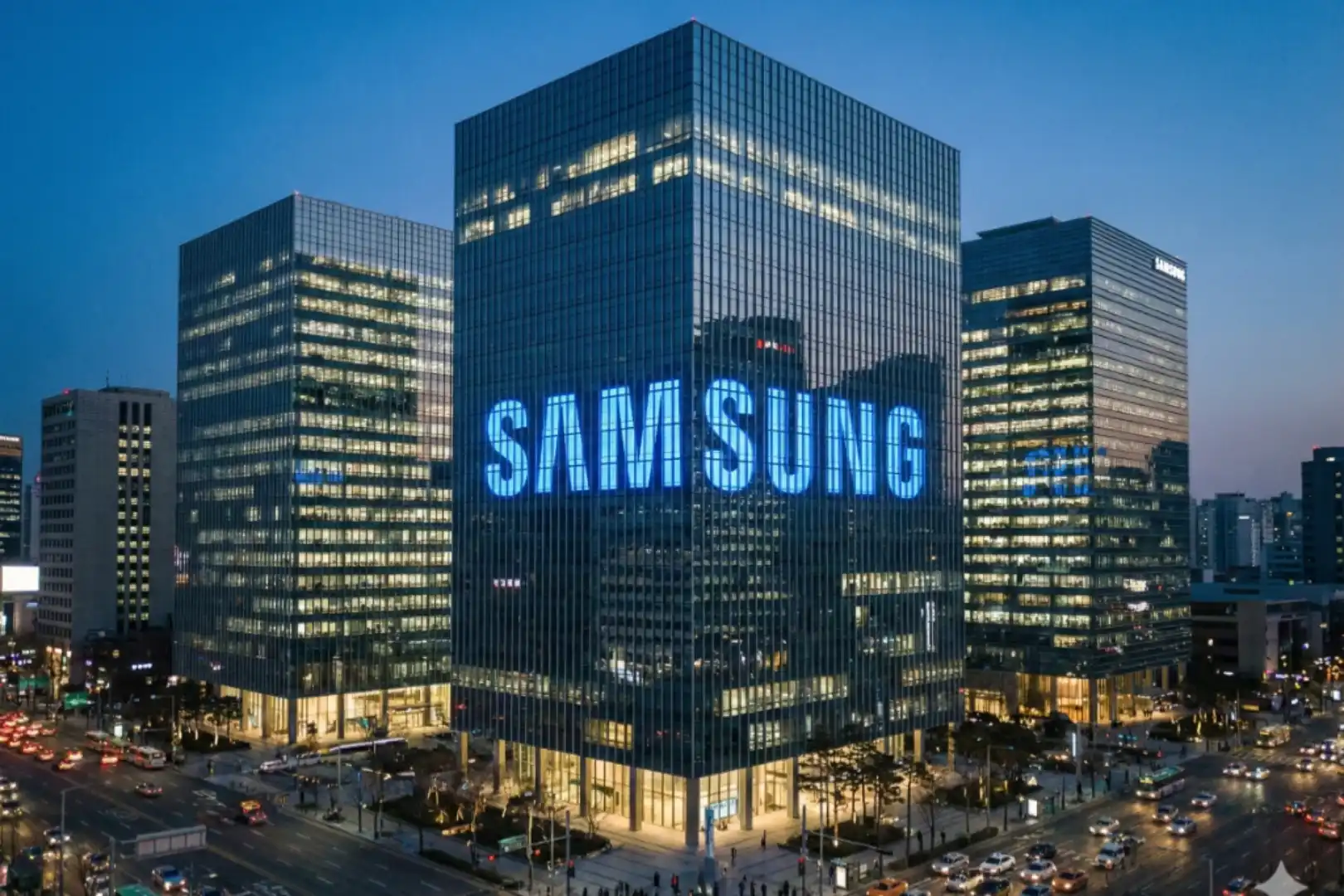
Net Profit Soars 1299.9%, Samsung's Q2 Reports the Most Profitable Quarter in History

Samsung Electronics posts record-breaking Q2 2026 results, driven primarily by explosive AI-driven demand for its semiconductor business. Revenue surged 130% year-on-year (YoY) to 171.5 trillion won, while operating profit skyrocketed 1,813.8% to 89.49 trillion won. Net profit reached 71.62 trillion won, a 1,299.9% increase YoY. The Device Solutions (DS) division, which includes memory chips, was the core engine, contributing over 99% of total operating profit. Sales for the DS unit hit a record 127.5 trillion won, with memory revenue reaching 120.8 trillion won, fueled by AI server demand for products like HBM. The company has begun mass production of next-generation HBM4. In contrast, the Device eXperience (DX) division, covering mobile phones and consumer electronics, reported an operating loss of 0.8 trillion won due to rising component costs, highlighting a significant performance split within the company. Other segments showed improvement: Samsung Display's profit rose to 0.7 trillion won, and Harman's profit recovered to 0.4 trillion won. Financially, Samsung's position strengthened dramatically, with cash and equivalents reaching 190 trillion won and operating cash flow hitting a record 105.1 trillion won. The company also engaged in significant share buybacks and dividend payments. Looking ahead, Samsung expects sustained strong demand from AI infrastructure, though acknowledges softer demand in some consumer segments.

marsbitHace 5 min(s)

Net Profit Soars 1299.9%, Samsung's Q2 Reports the Most Profitable Quarter in History

marsbitHace 5 min(s)

E Fund "Quits Drinking"

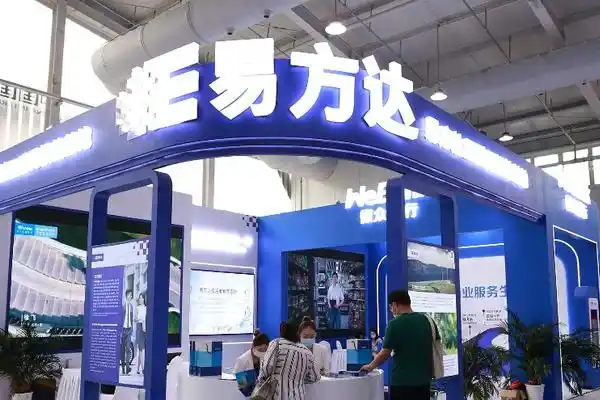
"Yi Fang Da 'Gives Up Alcohol'" - Summary The article analyzes the recent portfolio adjustments of star fund manager Zhang Kun, focusing on his flagship funds, the Yi Fang Da Blue Chip Select and Yi Fang Da Quality Select. The key trend highlighted is a significant and ongoing reduction in exposure to the consumer sector, particularly liquor (baijiu) stocks like Kweichow Moutai and Wuliangye, which were once core holdings. This shift is driven by several factors: a downturn in the consumer sector's business cycle post-pandemic, with slowing earnings growth for major players; a change in consumer behavior towards value over premium brands; and high channel inventory pressures, especially in the liquor industry. These fundamentals have led to a prolonged phase of valuation contraction for consumer stocks. Concurrently, market capital has rotated aggressively towards the high-growth technology sector, especially AI-related chains, which have dominated fund inflows. This style shift has further diminished the attractiveness of traditional consumer "core assets" for many funds. As a result, Zhang Kun's funds have drastically cut their consumer stock allocations. For example, the Blue Chip Select's baijiu holding proportion has fallen from over 40% to around 20%, and its overall top 10 holdings concentration dropped sharply. This mirrors a broader trend in the active equity fund industry, where allocations to consumer staples have plummeted to multi-year lows while technology holdings have surged. The article concludes that while the consumer sector's valuations are now at historical lows, offering some margin of safety, the fundamental outlook remains challenging due to weak macro consumption recovery and intense internal competition. Therefore, the sector is likely to see only sporadic rebounds rather than a sustained recovery, continuing to weigh on the performance of funds still heavily invested in it. Zhang Kun's timely reduction of Korean semiconductor holdings in his Asia Select fund amid a market crash is also noted as a contrast to his domestic strategy.

marsbitHace 34 min(s)

E Fund "Quits Drinking"

marsbitHace 34 min(s)

Before the Second Attempt at Hong Kong IPO, Topstar 'Hands Out' 548 Million in Related-Party Orders

Tosda, an industrial robotics firm, is making its second attempt at a Hong Kong listing shortly after its first application lapsed. The company has undergone a significant strategic shift, pivoting away from its lower-margin intelligent energy and environmental management system (IEEMS) business to focus on core robotics and machinery. This "revenue-reduction, profit-growth" strategy saw revenue nearly halve from 2022 to 2025, but resulted in a sharp turnaround to profitability, with a 1147% year-on-year increase in Q1 2026 net profit. This restructuring involved spinning off the IEEMS business, leading to a substantial jump in related-party transactions. Following the departure of a former executive, two newly associated companies are expected to handle up to 548 million RMB worth of IEEMS orders in 2026, with Tosda acting as a platform charging a 3% management fee. While profitability has improved, several financial concerns remain. Accounts receivable collection cycles have lengthened, inventory—particularly for robots—has surged significantly despite falling revenue, and the company faces challenges in overseas market expansion. Notably, overseas business currently has a lower gross margin than domestic operations. The company was also recently reprimanded by regulators for accounting inaccuracies related to revenue recognition and bad debt provisions. The success of its strategic pivot and its second listing attempt will depend on managing these financial risks, the transparency of its new business model, and the long-term performance of its core robotics segment.

marsbitHace 44 min(s)

Before the Second Attempt at Hong Kong IPO, Topstar 'Hands Out' 548 Million in Related-Party Orders

marsbitHace 44 min(s)

Trading

Spot
活动图片