This Time, OpenAI Eliminated 90% of Human Designers

marsbitPublicado a 2026-04-23Actualizado a 2026-04-23

Resumen

OpenAI's latest release, GPT-Image 2, marks a paradigm shift in AI-generated imagery, moving beyond aesthetic quality to logical reasoning and contextual understanding. The model introduces a "thinking mode," where it performs background reasoning—such as mathematical calculations and geographic knowledge—before generating images. This enables highly accurate and context-aware outputs, like a livestream overlay showing precise distance metrics or a brand-aligned poster design. The model excels in rendering Chinese text with remarkable accuracy and aesthetic quality, a significant improvement over previous versions. It supports multi-turn conversational editing via the new Responses API, allowing iterative refinements similar to chatting with a large language model. While GPT-Image 2 demonstrates unprecedented capabilities in commercial applications like marketing material and illustration—potentially displacing many human designers due to its cost efficiency—it still has limitations. Minor artifacts in fine text details persist, and complex prompts can cause extended processing times. Additionally, the technology raises ethical concerns around deepfakes and digital trust. Overall, GPT-Image 2 transitions AI image generation from a novelty to a powerful production-ready tool, redefining industry standards and pushing the boundary of what’s possible in visual AI.

By Silicon-based Spark

That famous Sam Altman meme has now come true for everyone.

Last year, while promoting GPT-5, the OpenAI CEO said something that later became an internet sensation: "The feeling is like witnessing an atomic bomb explosion, leaving one dizzy and collapsing." Since then, whenever the AI community releases a new product with exaggerated marketing copy, this meme gets dragged out and ridiculed repeatedly.
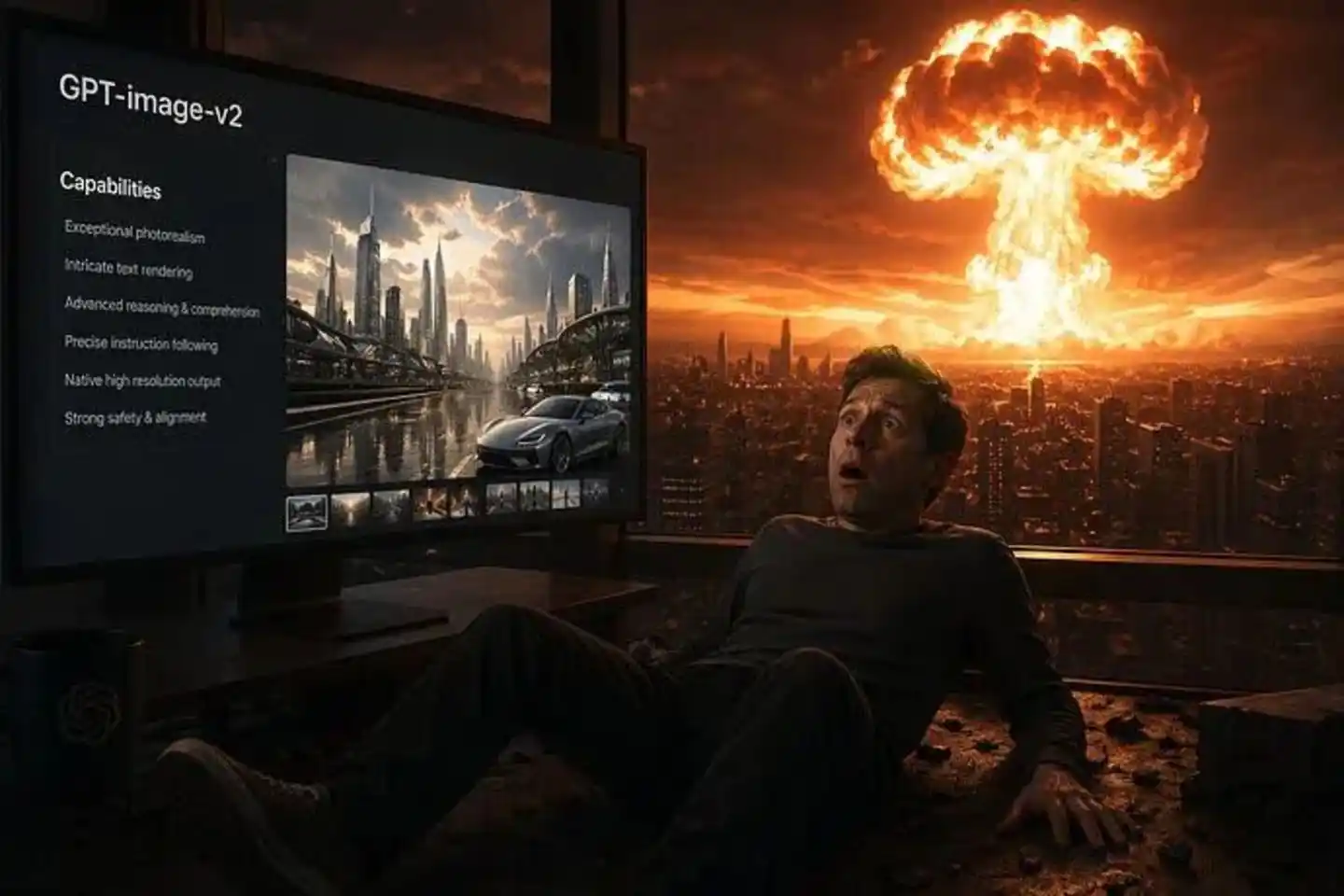
But late the night before last, it wasn't Altman who was left dizzy and collapsing. This time, it was all the users staring at their screens waiting for OpenAI to play its hand.

Altman, as usual,故作神秘故作神秘 (played it coy故作神秘故作神秘), posting a tweet: "We've prepared something fun."
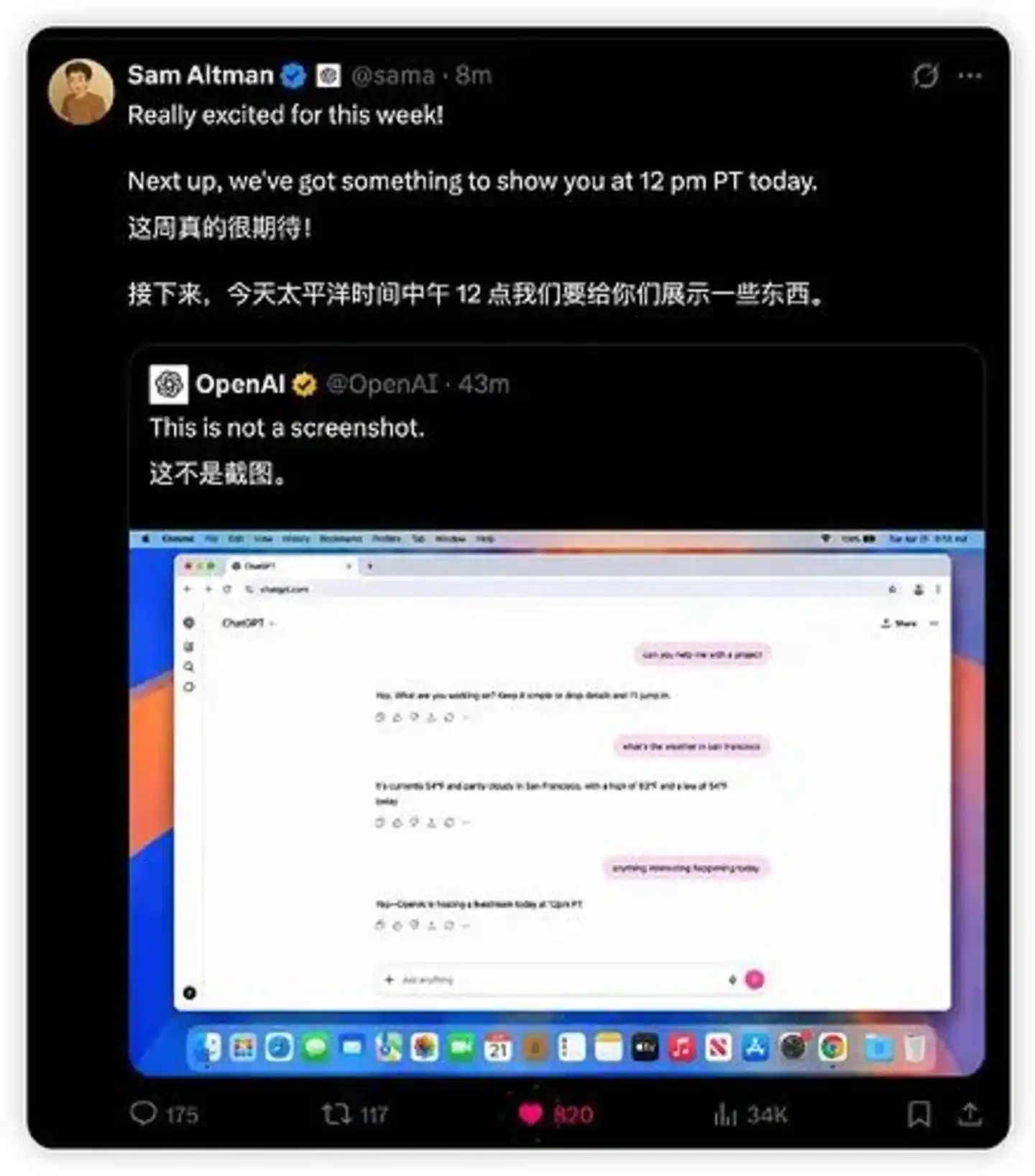
By 3 a.m., GPT-Image 2 was released. The global AI community exploded.

"Images are a language, not decoration."

This is the first sentence written on OpenAI's release page. Translated, it means one thing: from today, images are no longer just decorations; they are a language in themselves. This is a declaration of a generational leap for the entire computer vision industry.

For the past year, AI image generation was stuck in the aesthetic quagmire of "does it look realistic?" The arrival of GPT-Image 2 directly pressed the switch—AI image generation officially entered the intelligence exam hall of "is the logic correct?".

The precision of this model can be described as "terrifying."

It topped both the text-to-image and image editing rankings on Artificial Analysis, and its practical performance is crushing.

The feeling is like when Seedance 2.0 arrived in the video generation field—it long ceased being just an auxiliary tool for humans; it is defining the new industry standard.

Note: All images in this article are generated by GPT-Image 2. The image content is purely fictional.

01  The Awakening of the Thinking Engine

In the past, the primary standard for judging an image model was how much it resembled a real person or a reference object.

In the face of this monster, GPT-Image 2, that standard is obsolete. Completely obsolete.

The core breakthrough of the new model is this: it is an image model that supports a thinking mode.

What does that mean? After the user inputs a prompt, the model doesn't simply denoise and stitch pixels. It first completes a round of thinking and modeling in the background, *then* it starts drawing.

A test image leaked from the Linux.do community best illustrates the point. The model simulated a live stream of Lei Jun running:
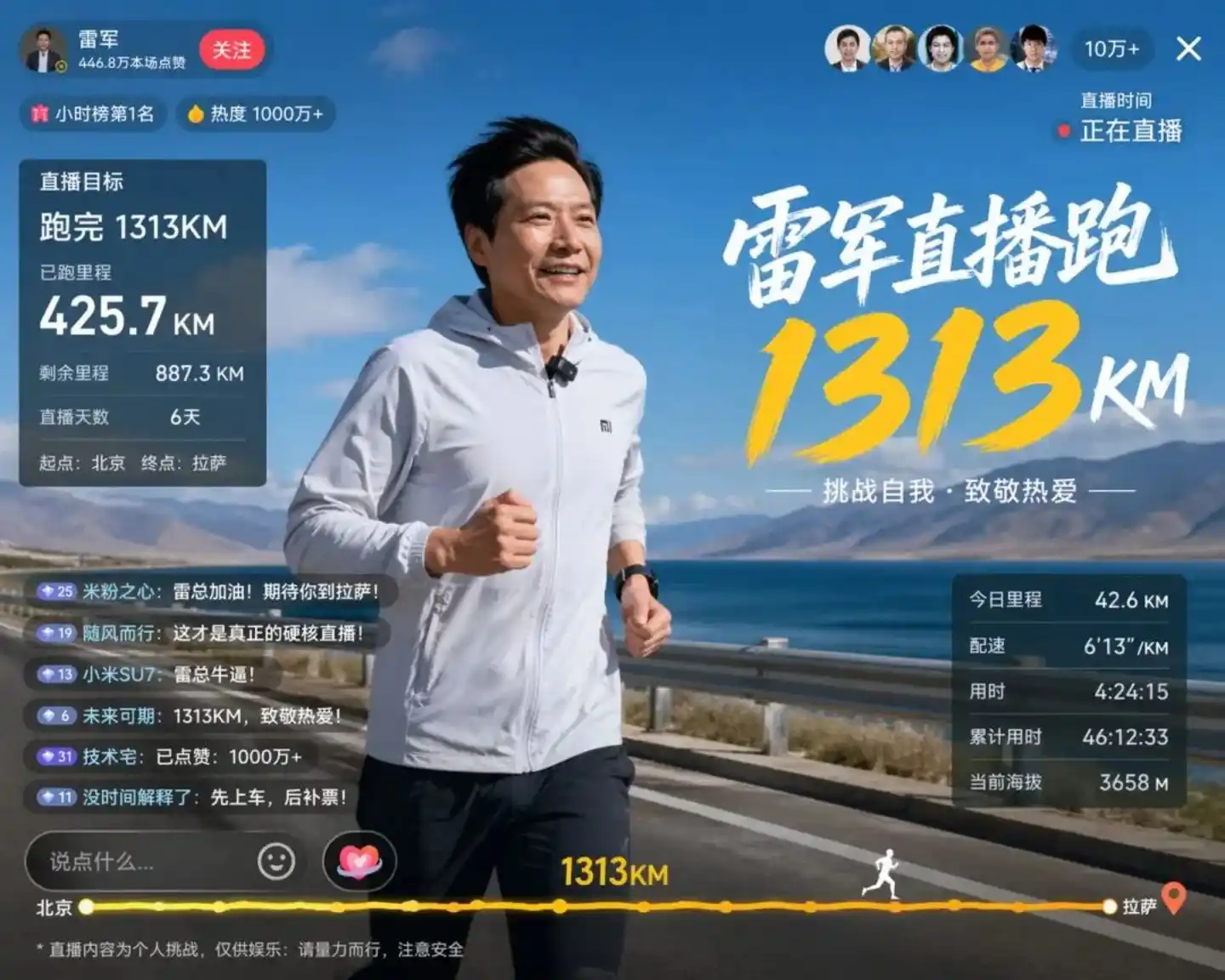
Image source: https://cdn3.linux.do/original/4X/0/f/3/0f37c8bc968e3d563cc6100d8e7f80ee305661ff.jpeg

This image made many developers gasp. Lei's facial features are accurately reproduced—almost like a photo—the image clearly shows: Live stream target 1313km, Distance run 425.7km, Remaining distance 887.3km. Even more impressive, the current altitude is marked as 3658m.

What does 3658m mean? From Beijing to Lhasa, the typical altitude upon entering the Tibetan region is precisely this number.

In human eyes, this is simple arithmetic and common geographical knowledge. But think about it: For an image model, what does the triple unification of mathematical logic + geographical常识 (common sense) + UI specifications mean?

The conclusion is straightforward: Before generating the first pixel, GPT-Image 2 had already completed a round of reasoning. It understood the meaning of "distance," understood the logical relationship of addition and subtraction, and also understood the visual characteristics of high-altitude areas.

This isn't drawing. This is thinking.

02  From Toy to Productivity Tool

In the face of this capability, everyone's attitude towards image models needs to change.

It's long ceased to be a toy for drawing avatars or making wallpapers. It has stepped over the "usable" threshold and rushed directly into the "easy to use" zone—a tool that can be thrown into commercial scenarios to get work done.

Take poster design. GPT-Image 2's composition aesthetics, light and shadow processing, and grasp of brand tone have undoubtedly reached a height that the vast majority of ordinary human designers find difficult to achieve.

Image source: https://cdn3.linux.do/original/4X/7/a/1/7a12ccd6b745be5ad8828eb0ac225d218fb43cbc.jpeg

In human society, hiring a senior graphic designer to create a commercial-grade poster often entails significant communication costs, time costs, and design fees of over a thousand yuan, which can be a heavy burden for small and medium-sized enterprises.

However, with GPT-Image 2, even if you are unsatisfied and need to adjust dozens of times, the cost is only a few dollars.

In fields like poster design, marketing materials, and illustration, what users care about is not "realism," but "is it good-looking, is it accurate." Precisely because of this, AI's replacement efficiency is devastating.

In the synchronously updated developer documentation, there is also an exciting detail hidden: the sample code frequently appears model: "gpt-5.4".

The thinking mode combined with the flagship model hints at one thing: GPT-Image 2 is by no means an isolated product. It is the visual terminal born for the next generation of large language models.

Through the new Responses API, the image generation process will interact as naturally as chatting with a large language model. The model adds a function that allows for multi-turn conversational modifications. After the initial image generation, users can propose various instructions that give human designers high blood pressure for modifications.

Through the new Responses API, the image generation process will interact as naturally as chatting with a large language model. The model adds a multi-turn conversational modification function. After the first version is generated, users can propose various instructions that would send a乙方 (Party B) designer's blood pressure soaring: "Make the background a bit darker." "Move the logo a few pixels to the side."

These interactive real-time modification demands are precisely the most tedious and patience-consuming parts of a designer's daily work. Now, they are solved.

03  The Pinnacle of Chinese Rendering

Although GPT-Image 2 is a foreign model, domestic users are overwhelmingly positive.

There's only one reason: Its support for Chinese characters is nearly perfect.

In the community's actual test return images, you can see the famous debate scene between Luo Yonghao and Wang Ziru:
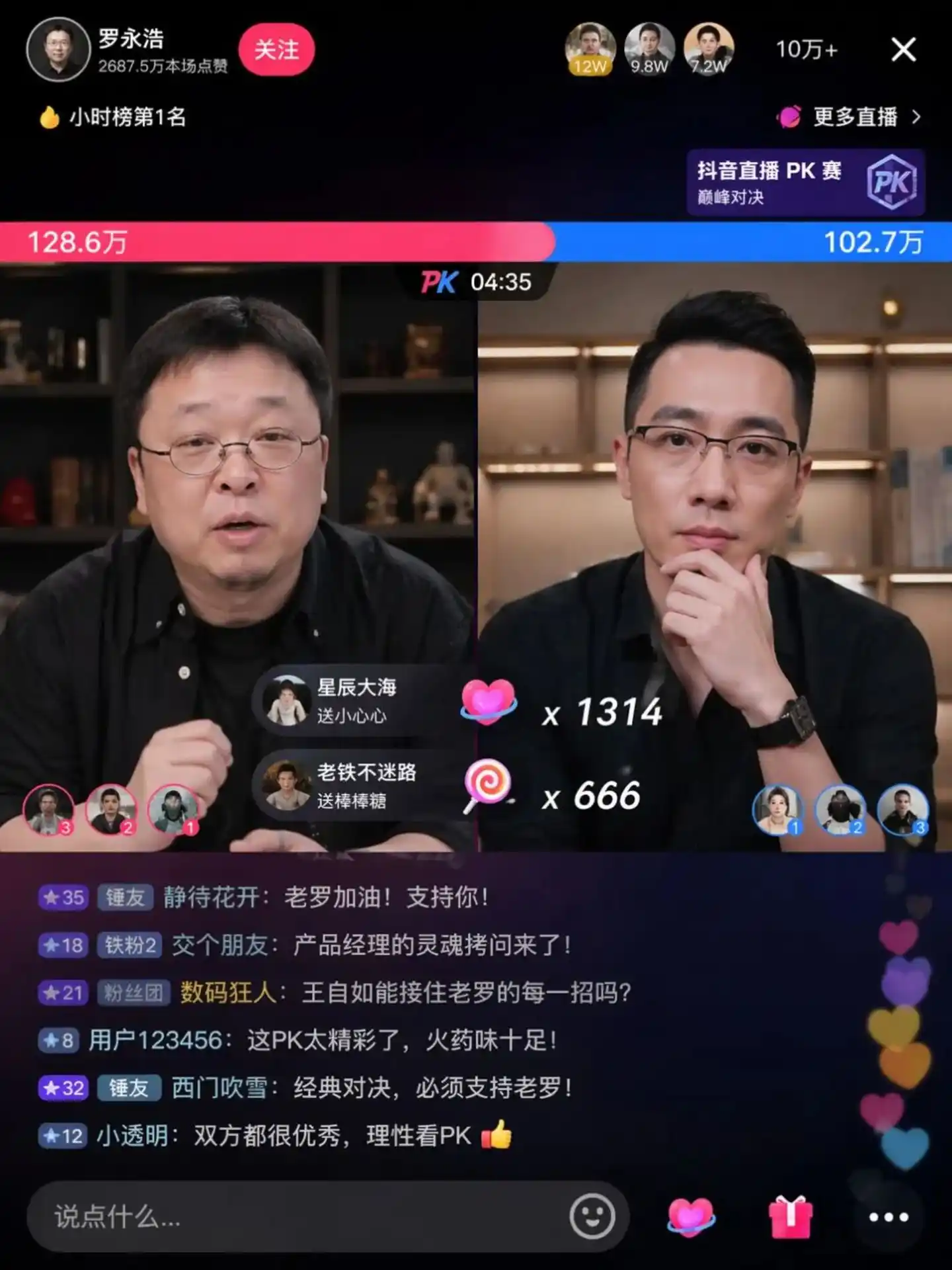
Image source: https://cdn3.linux.do/original/4X/0/9/7/097ed46991d2464442aebc6b1076a292cc839fec.jpeg

You can see Elon Musk live-streaming sales of Lao Gan Ma chili sauce:
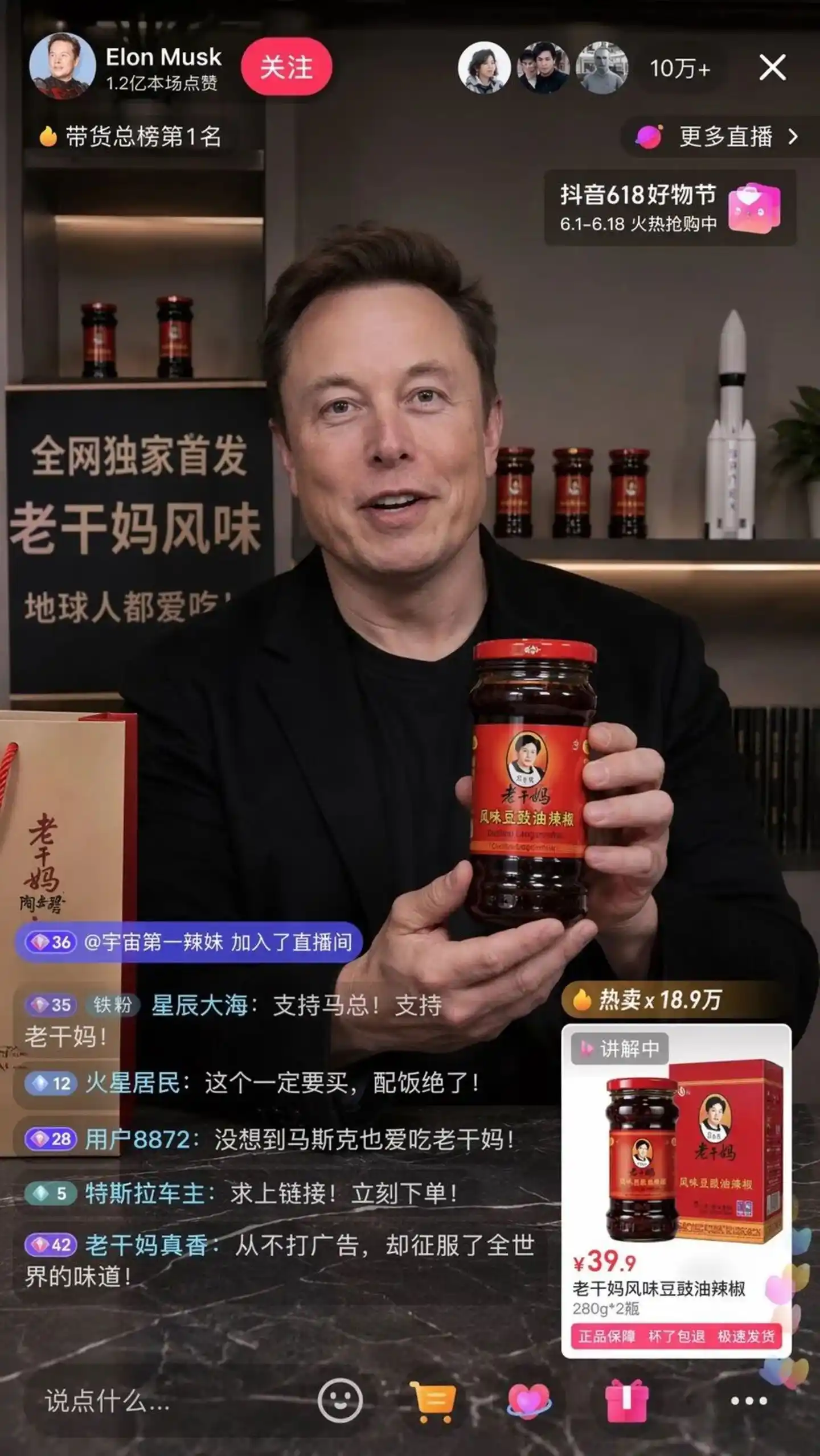
Image source: https://cdn3.linux.do/original/4X/2/f/a/2fa77cf040e6337643829df4ec5ca6467d2866b2.jpeg

You can even see a doctor's prescription:
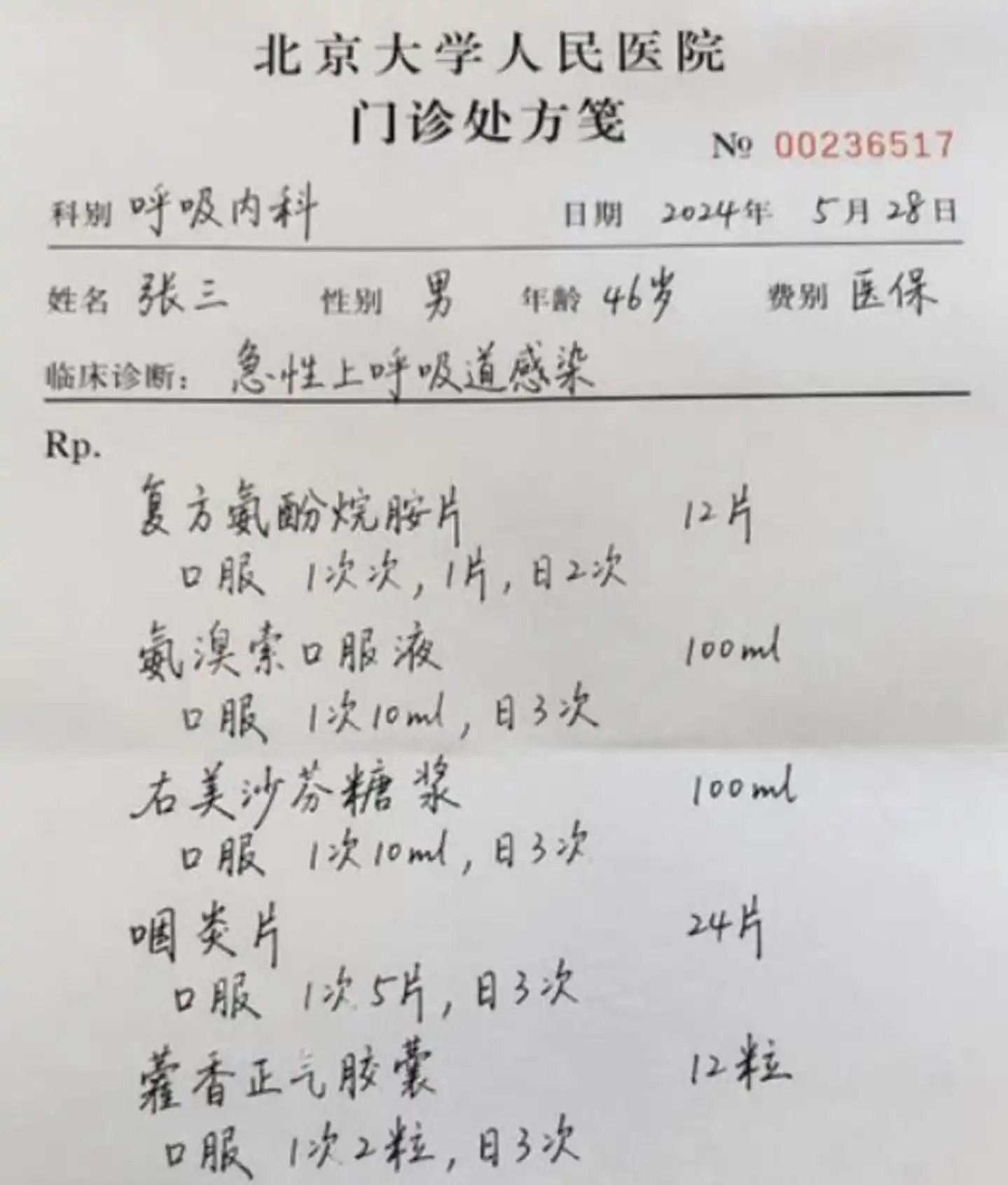
Image source: https://cdn3.linux.do/original/4X/9/f/f/9ffeab83675648b43116cd0763f6c8b560611ae6.jpeg

The text in these images is no longer crooked,胡乱拼凑的 (haphazardly拼凑的) "pseudo-Chinese characters," but mature design drafts possessing calligraphic charm, typographical hierarchy, and排版 (layout) artistry.

Clearly, OpenAI has injected a massive amount of Chinese language image data into the training set and conducted targeted intensive training.

Compared to the previous generation model, GPT-Image 2's power is even more淋漓尽致地 (thoroughly) evident.

In comparative tests, the previous generation model, version 1.5, could draw something resembling a recipe, but upon closer inspection, the text was almost all gibberish.
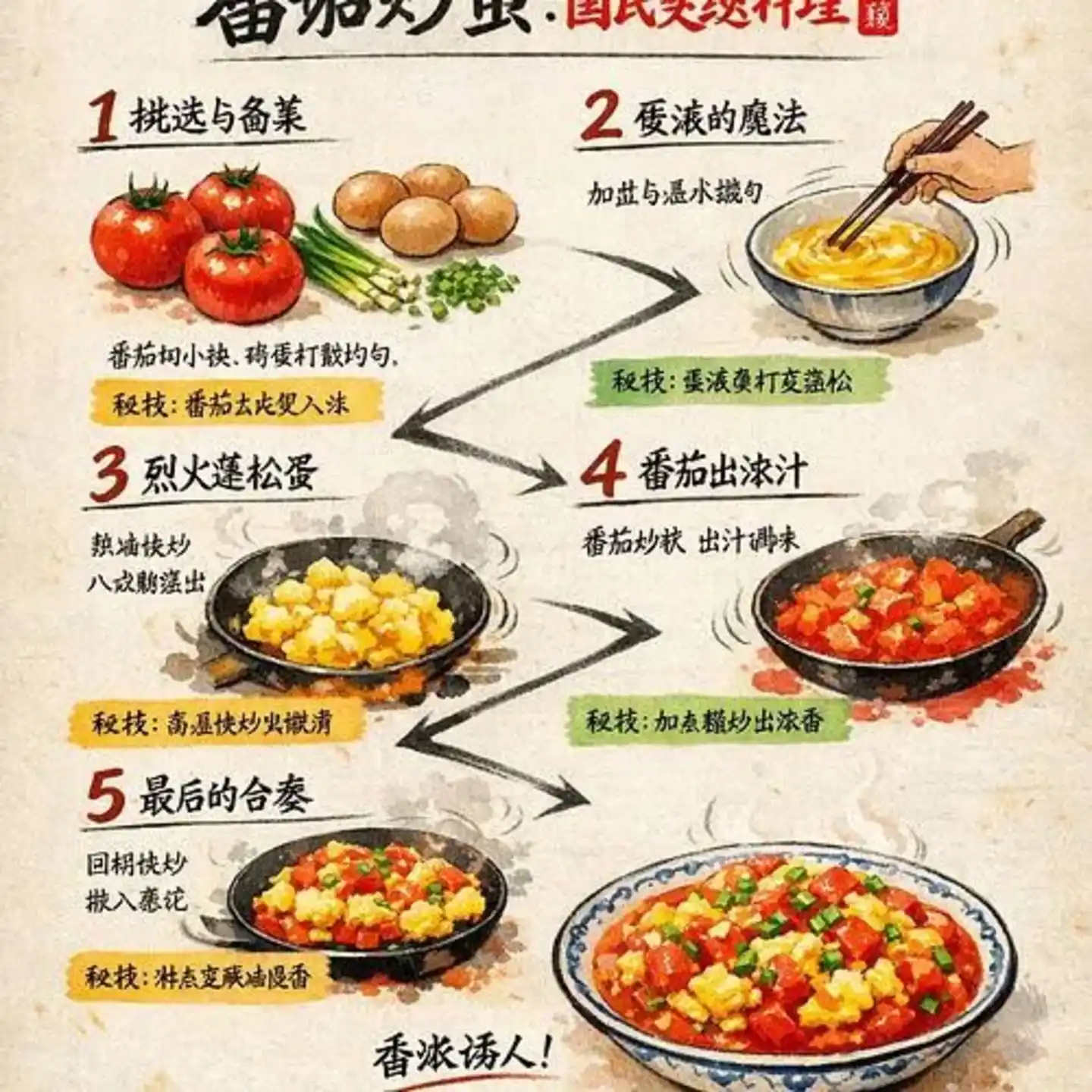
Image source: https://cdn3.linux.do/optimized/4X/2/b/3/2b38f3c1a134515d564f07f81661c0bd9578c6b9_2_750x750.jpeg

But the same recipe generated by GPT-Image 2 shows a milestone breakthrough in text clarity and aesthetics.
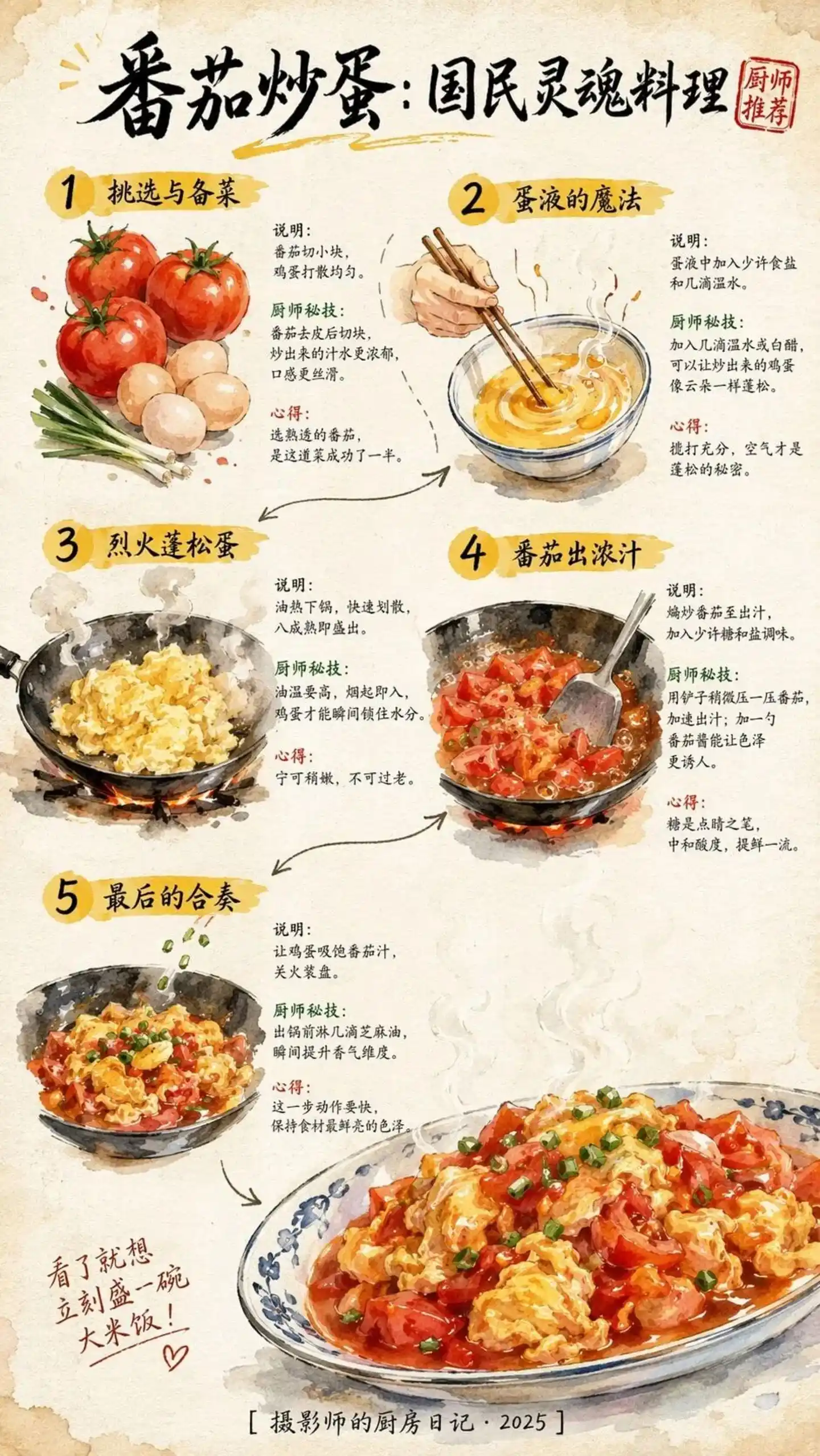
Image source: https://cdn3.linux.do/original/4X/0/2/5/02513b10135d824ccb1c22bd0c7eb441f1e34455.jpeg

For prompts with over a hundred Chinese characters, the five steps are still clearly visible, and the图文一致性 (text-image consistency) is satisfactory. This isn't just an image; it's a reproducible practical guide.

However, this also raises an interesting technical question: Has the image model really completely solved the gibberish problem?

My judgment is: Probably not.

Large language models generate tokens based on semantic logic. During the reinforcement learning phase, it's based on probability; the higher the quality and quantity of the training data, the more logical the output. But the essence of an image model is, after all, pixel generation. The logical relationship between pixels is fundamentally different from the logical relationship between words.

In other words, as powerful as GPT-Image 2 is, it does not truly "understand" the rules of text. It has merely memorized the pixel-level appearance of text by rote.

An image of doing business with Altman暴露 (exposes) this point: The large characters "Mengniu" and "Wanglaoji" on the two boxes of drinks are written perfectly, but the small text below is still模糊的色块 (blurry color blocks).
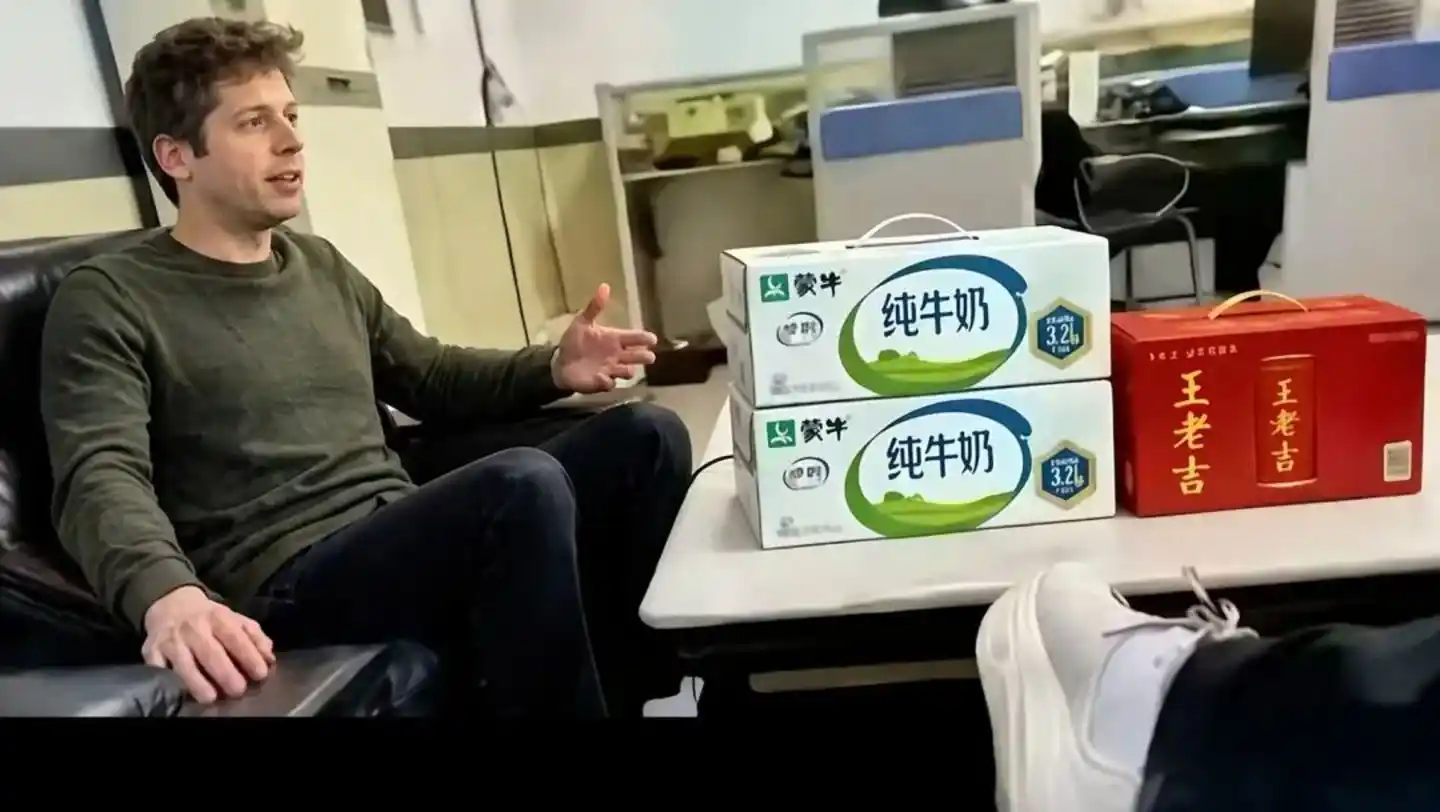
Image source: https://cdn3.linux.do/original/4X/d/7/c/d7c4fb063202bcbf56b9ca0623aa0ce6fc26e542.jpeg

Under the current technical paradigm, the generation logic is still "arrange by pixels," which is fundamentally different from "render by characters." Extremely subtle gibberish may never be completely eradicated.

But that said, for over 90% of commercial application scenarios, this is already sufficient.

04  Un-deified Flaws and Boundaries

Even though it already sits on the world's number one throne, GPT-Image 2 also has its clumsy side.

Actual tests found that because the thinking mode calls for web searches and performs logical reasoning, when processing extremely complex fictional tasks, the model occasionally falls into a logical loop—thinking for nearly 40 minutes and still unable to answer.
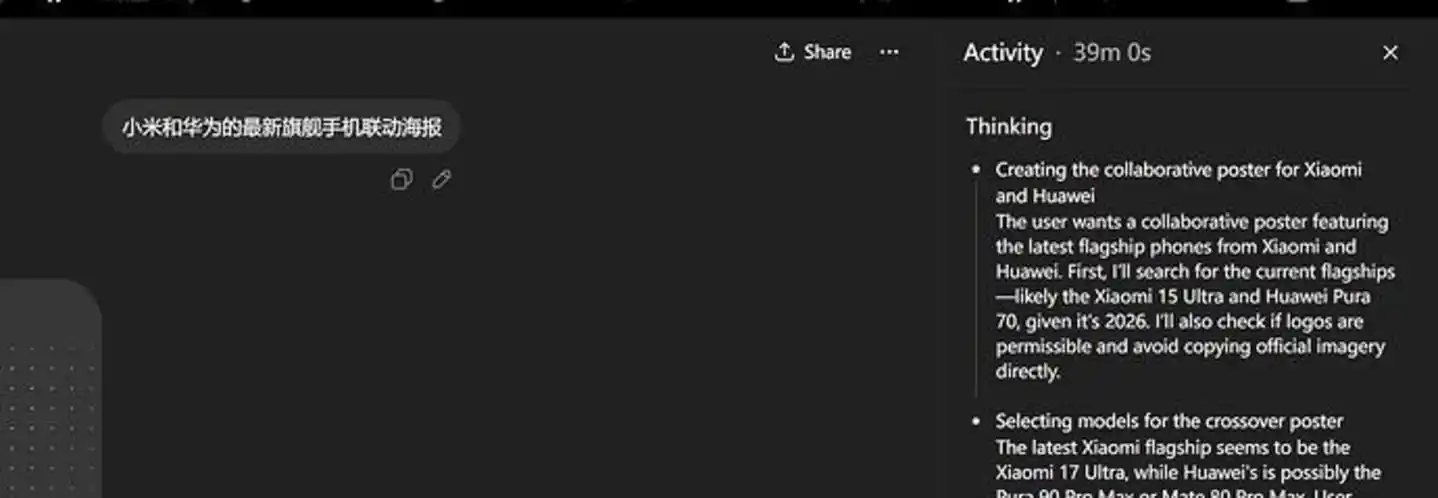
At the same time, the API's claimed support for 2K甚至 (even) 4K resolution implies extremely high token consumption and latency.

For ordinary users, how to balance ultimate image quality with response speed will be a required course for future use.

In the field of technology, powerful capability is always a double-edged sword.

Whether it's image models or video models, they inevitably face the ethical challenges of deepfakes.

In most current test cases, the AI generates images of well-known figures, but if they are replaced with ordinary people who have posted photos on various social media platforms, it is already extremely difficult to distinguish the fake from the real without knowing the person.

Apart from the occasional gibberish in the background that might give the AI away, the human body itself has no flaws left.

Therefore, those fields that once required real people are facing an unprecedented crisis of trust.

The release of GPT-Image 2 has moved image generation models from toys to productivity tools.

In the past, people used AI for inspiration, but now AI is beginning to尝试接管 (attempt to take over) the entire process from conception, calculation, typesetting, to finished product.

For design practitioners, this is an era filled with FOMO (Fear Of Missing Out).

But for those who are good at using tools, possess product aesthetics, and logical thinking, this is also the best of times.

Images are beginning to learn to think,文字不再是像素的杂音 (text is no longer the noise of pixels).

People may truly be only one step away from that visual singularity of所思即所得 (what you think is what you get).


Preguntas relacionadas

QWhat is the core breakthrough of GPT-Image 2 according to the article?

AThe core breakthrough is that GPT-Image 2 is an image model with a thinking mode. It performs reasoning and logical modeling before generating pixels, understanding concepts like mathematical operations, geographical常识, and UI specifications, rather than just denoising or stitching pixels.

QHow does GPT-Image 2 impact the commercial design industry, particularly for small and medium enterprises?

AGPT-Image 2 significantly reduces costs and time in commercial design. For tasks like poster design, marketing materials, and illustrations, it achieves a level of aesthetic and brand alignment that is difficult for many human designers to match. The cost for generating or iterating designs is only a few dollars, compared to the high fees and communication overhead of hiring human designers.

QWhat is notable about GPT-Image 2's handling of Chinese text and characters?

AGPT-Image 2 demonstrates exceptional support for Chinese text, generating clear, well-rendered characters with calligraphic nuance and proper typography. It avoids the garbled or nonsensical text common in previous models, thanks to extensive training on Chinese language image data.

QWhat are some limitations or challenges mentioned for GPT-Image 2?

ALimitations include occasional logic loops when handling highly complex fictional tasks, leading to long processing times (e.g., 40 minutes of思考 without output). It also has high token consumption and latency for 2K/4K resolutions, and it may still produce subtle garbled text in fine details, as it generates pixels rather than truly understanding character rendering.

QWhat ethical concern does the article raise regarding advanced image models like GPT-Image 2?

AThe article raises concerns about deepfakes and ethical challenges. The model can generate highly realistic images of people, making it difficult to distinguish AI-generated content from real photos, which could lead to trust crises in fields requiring authenticity, such as personal identity verification or media integrity.

Lecturas Relacionadas

Trading

Spot
Futuros

Artículos destacados

Qué es MEME 2.0

Memecoin 2.0: El Ascenso de $MEME 2.0 en el Mundo de las Criptomonedas Introducción En el panorama siempre cambiante de las criptomonedas, ha surgido un nuevo contendiente. Memecoin 2.0, simbolizada como $MEME 2.0, lleva el concepto de las monedas meme a un emocionante nuevo nivel. Como un subproducto del Memecoin original, este proyecto ha capturado la atención de la comunidad cripto al cambiar el enfoque de los incentivos financieros típicos a una experiencia comprometida y entretenida. Operando en la blockchain de Ethereum, Memecoin 2.0 redefine audazmente la participación de la comunidad en la esfera cripto. ¿Qué es Memecoin 2.0, $MEME 2.0? En su núcleo, Memecoin 2.0 es un proyecto de criptomoneda que prioriza el espíritu comunitario y la diversión asociada con la cultura meme. A diferencia de las criptomonedas convencionales, que se concentran en casos de uso prácticos y beneficios tangibles, Memecoin 2.0 se distingue al abrazar el lado más liviano de la moneda digital. El proyecto existe sin promesas de utilidad, un mapa estructurado o retornos financieros, enfocándose en cambio en fomentar una comunidad vibrante centrada en memes y en el disfrute compartido. Al hacerlo, aprovecha la creciente tendencia de la cultura meme en el espacio en línea, convirtiéndose en un jugador único en el mundo de los activos digitales. Creador de Memecoin 2.0, $MEME 2.0 A pesar de la extensa investigación sobre los orígenes de Memecoin 2.0, la identidad explícita de su creador sigue siendo desconocida. Esta anonimidad no es inusual en la comunidad cripto, donde muchos proyectos son liderados por individuos o grupos que prefieren permanecer en las sombras. La falta de información disponible públicamente sobre el creador podría verse como un movimiento estratégico, poniendo el foco en la participación comunitaria en lugar de la notoriedad individual dentro del espacio. Inversores de Memecoin 2.0, $MEME 2.0 La información sobre los inversores o el respaldo financiero de Memecoin 2.0 es escasa. Esta ausencia de detalles puede sugerir que el proyecto es autofinanciado o que su enfoque en la comunidad en lugar de las estructuras de inversión tradicionales ha atraído a un tipo diferente de apoyo. Dado que el mundo de las monedas meme generalmente involucra una participación más de base en lugar de inversión institucional, este enfoque está alineado con la ética de los proyectos impulsados por la comunidad. ¿Cómo Funciona Memecoin 2.0, $MEME 2.0? Memecoin 2.0 opera completamente en la blockchain de Ethereum, capitalizando sus robustas características de seguridad y escalabilidad. Al aprovechar las fortalezas de Ethereum, Memecoin 2.0 puede ofrecer un entorno seguro para las interacciones de los usuarios, asegurando que las transacciones sean tanto eficientes como rentables. Uno de los atributos únicos de Memecoin 2.0 radica en su estructura impulsada por la comunidad. El valor y la popularidad del token $MEME 2.0 derivan de la participación activa de sus usuarios, en vez de de una utilidad inherente. Este diseño refuerza el enfoque del proyecto en el aspecto de entretenimiento de las criptomonedas, lo que implica que la risa y la participación comunitaria son las verdaderas monedas que impulsan su éxito. Además, el proyecto encaja dentro del ecosistema más amplio de las monedas meme, donde el valor de cada moneda meme oscila basado en la cultura, tendencias y la participación de la comunidad, en lugar de principios económicos tradicionales. Cronología de Memecoin 2.0, $MEME 2.0 Para entender mejor la evolución y los hitos de Memecoin 2.0, aquí hay una cronología que destaca eventos significativos en su historia: 2024: Se reconoce la creación de Memecoin 2.0 como una ramificación del Memecoin original, estableciéndose dentro del contexto próspero de las monedas meme mientras opera en la blockchain de Ethereum. 13 de julio de 2024: Memecoin 2.0 se posiciona oficialmente como una moneda meme centrada en la comunidad en la red de Ethereum, enfatizando su enfoque centrado en el entretenimiento que invita a los usuarios a participar y crecer. Puntos Clave Sobre Memecoin 2.0, $MEME 2.0 Varios rasgos críticos definen a Memecoin 2.0: Enfoque Centrado en la Comunidad: La misión principal de Memecoin 2.0 es crear una experiencia comunitaria divertida y atractiva, capitalizando en el disfrute colectivo derivado de la cultura memética. Construido sobre Ethereum: Operar en la blockchain de Ethereum proporciona al proyecto una infraestructura esencial que garantiza seguridad y escalabilidad. Falta de Utilidad o Hoja de Ruta: En un notable desvío de las criptomonedas tradicionales, Memecoin 2.0 no promete características utilitarias ni retornos financieros, reafirmando su compromiso con la participación comunitaria y el compromiso social. Enfoque en la Cultura Memética: Al abrazar los aspectos humorísticos y culturales del fenómeno meme, Memecoin 2.0 proporciona una plataforma para que los usuarios interactúen con cripto tanto fuera de línea como en línea. Contexto Adicional: La Importancia de las Monedas Meme Las monedas meme han surgido como una clase distinta de criptomonedas, a menudo impulsadas por el humor y un enfoque desenfadado para el comercio. Estas monedas generalmente carecen de una utilidad significativa o hojas de ruta de desarrollo, atrayendo a los usuarios con la promesa de diversión, interacción comunitaria y relevancia cultural. En el panorama del ecosistema cripto más amplio, las monedas meme reviven la importancia de la participación comunitaria, revirtiendo enfoques únicamente motivados por el lucro. Proyectos como Memecoin 2.0 inauguran una era donde el entretenimiento puede armonizar con las aspiraciones financieras, convirtiendo la blockchain en un parque de diversiones para la creatividad y la interacción social. Conclusión Memecoin 2.0, o $MEME 2.0, encarna una nueva ola de criptomonedas que prioriza la participación comunitaria sobre estructuras financieras rígidas. Con un enfoque en el humor y la interacción social, capitaliza sobre la fascinación que rodea la cultura meme. Al operar en la blockchain de Ethereum, Memecoin 2.0 aprovecha las capacidades de la tecnología mientras se mantiene firme en su compromiso con el valor de entretenimiento de la moneda digital. A medida que el espacio alrededor de las criptomonedas continúa evolucionando, Memecoin 2.0 sirve como un testimonio de la noción de que el futuro de los activos digitales podría depender, en gran medida, de experiencias compartidas, risas y sólidas conexiones comunitarias. En el mundo impredecible de las criptomonedas, quizás la alegría pueda ser tan valiosa como la ganancia financiera tradicional.

95 Vistas totalesPublicado en 2024.04.04Actualizado en 2024.12.03

Qué es MEME 2.0

Cómo comprar MEME

¡Bienvenido a HTX.com! Hemos hecho que comprar Memeland (MEME) sea simple y conveniente. Sigue nuestra guía paso a paso para iniciar tu viaje de criptos.Paso 1: crea tu cuenta HTXUtiliza tu correo electrónico o número de teléfono para registrarte y obtener una cuenta gratuita en HTX. Experimenta un proceso de registro sin complicaciones y desbloquea todas las funciones.Obtener mi cuentaPaso 2: ve a Comprar cripto y elige tu método de pagoTarjeta de crédito/débito: usa tu Visa o Mastercard para comprar Memeland (MEME) al instante.Saldo: utiliza fondos del saldo de tu cuenta HTX para tradear sin problemas.Terceros: hemos agregado métodos de pago populares como Google Pay y Apple Pay para mejorar la comodidad.P2P: tradear directamente con otros usuarios en HTX.Over-the-Counter (OTC): ofrecemos servicios personalizados y tipos de cambio competitivos para los traders.Paso 3: guarda tu Memeland (MEME)Después de comprar tu Memeland (MEME), guárdalo en tu cuenta HTX. Alternativamente, puedes enviarlo a otro lugar mediante transferencia blockchain o utilizarlo para tradear otras criptomonedas.Paso 4: tradear Memeland (MEME)Tradear fácilmente con Memeland (MEME) en HTX's mercado spot. Simplemente accede a tu cuenta, selecciona tu par de trading, ejecuta tus trades y monitorea en tiempo real. Ofrecemos una experiencia fácil de usar tanto para principiantes como para traders experimentados.

178 Vistas totalesPublicado en 2024.12.12Actualizado en 2025.03.21

Cómo comprar MEME

Discusiones

Bienvenido a la comunidad de HTX. Aquí puedes mantenerte informado sobre los últimos desarrollos de la plataforma y acceder a análisis profesionales del mercado. A continuación se presentan las opiniones de los usuarios sobre el precio de MEME (MEME).

活动图片