The real crypto adoption shows on Tuesday morning payments

cointelegraphPublicado a 2025-12-17Actualizado a 2025-12-17

Resumen

Although cryptocurrency ownership is widespread with over 560 million global users, only a small fraction actually use crypto for everyday payments. Most treat it as an investment rather than a medium of exchange. True adoption, the article argues, should be measured by behavioral metrics like time-to-first-spend, weekly active payers, and low decline rates—not just wallet counts. Kolo, an all-in-one crypto app, is presented as a solution aiming to bridge this gap. It combines a multi-network wallet with a Visa card integrated into Apple Pay and Google Pay, allowing users to spend crypto seamlessly at millions of merchants. The platform processes over 460,000 payments, primarily for routine expenses like groceries, dining, and subscriptions. It features quick onboarding, compliance with regulations, and offers Bitcoin cashback to incentivize spending. The core idea is that real adoption happens when crypto becomes a frictionless part of daily life, operating invisibly in the background of normal transactions.

Sponsored Content

Crypto occupies a stable place in global finance. A 2024 report from payments firm Triple-A estimates that approximately 562 million people worldwide own digital currencies, accounting for around 6.8% of the global population.

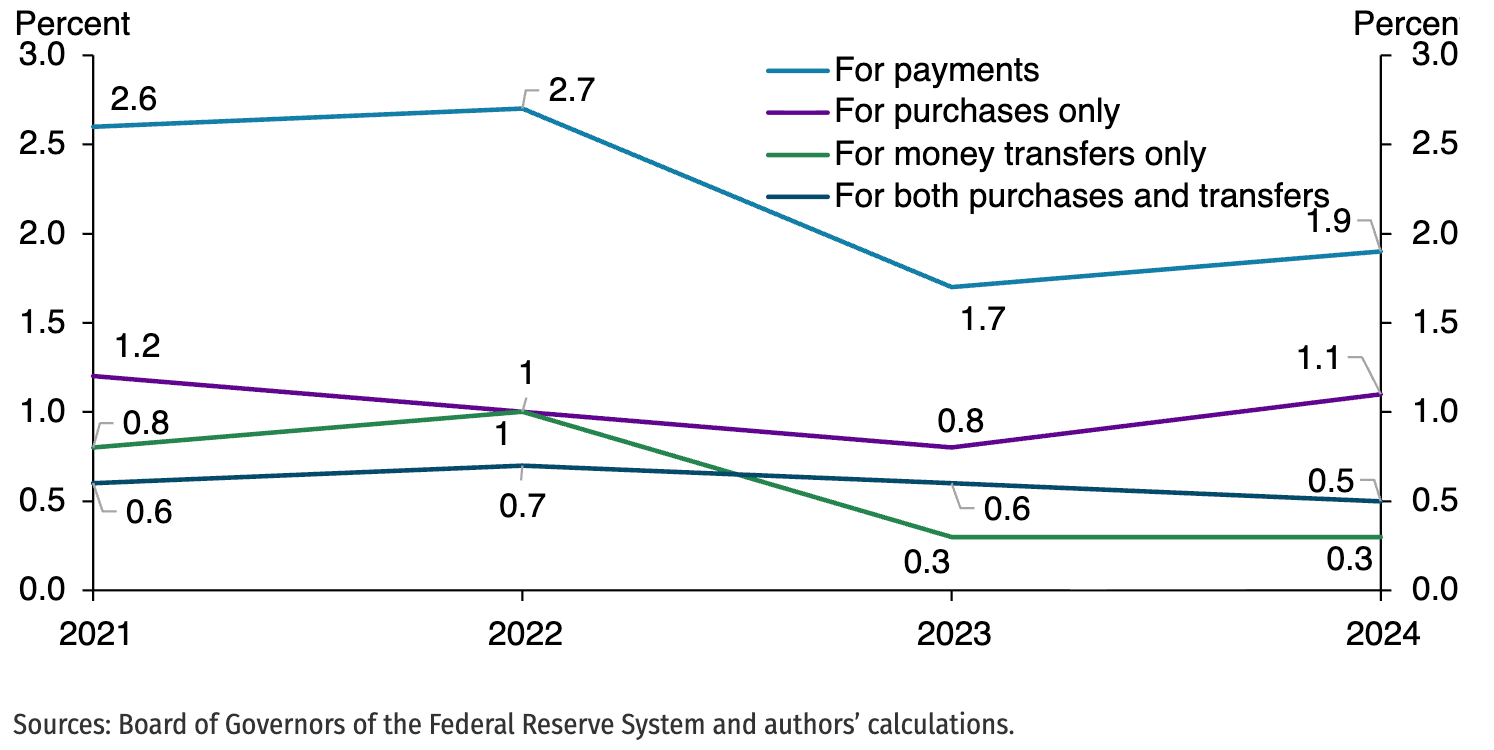
Yet payment behavior grows slowly. Research from the Federal Reserve Bank of Kansas City indicates that less than 2% of US consumers use cryptocurrency for payments, such as purchases or money transfers. Many people hold crypto as an investment or as a way to move value between services, and they still reach for bank cards at the supermarket.
Loyalty programs move in the opposite direction. A 2024 market intelligence report expects the global loyalty market to reach about $151 billion in 2024 and to grow toward roughly $215 billion by 2028.

When will the large base of crypto holders and the significant pool of loyalty spend begin to show up as simple weekday payments for groceries, rides and subscriptions?

Why wallet counts hide that answer

Projects usually point to easy success markers. Teams report the number of wallets, the number of cards they have issued and the amount of value in custody. These figures describe potential access, and they look strong on a slide, yet they fail to show whether people treat crypto as everyday money. A single enthusiast can create several wallets, keep balances on multiple exchanges and hold cards from more than one provider.

A tighter group of behavioral metrics gives a clearer view. Time-to-first-spend tracks how quickly new users complete a first successful payment after onboarding. Weekly active payers count people who make at least one payment in a week, and they highlight spending on groceries, transport or subscriptions. Fail and decline rate shows how many attempted payments fail at checkout, and it exposes gaps between onchain balances, offchain settlement and issuer risk rules.

Together, these three metrics form a product brief for builders. The ecosystem needs services that shorten time-to-first-spend, raise weekly active payer numbers and keep decline rates low at the places where people already shop.

What weekday spending looks like

All-in-one crypto app Kolo offers a single solution to that brief. Kolo is a payment layer that bridges digital assets with everyday spending through a multi-network wallet and a Visa card that works with Apple Pay and Google Pay.

The newly launched Kolo Card has introduced a virtual Visa card that allows users to pay with cryptocurrency at millions of merchants and receive up to 5% cashback in Bitcoin (BTC). Users can pay for services such as Amazon, Instagram, Telegram, Netflix or Steam wherever Apple Pay or Google Pay is accepted.

Kolo has more than 100,000 wallets and around 50,000 monthly users. Most Kolo Card transactions fall into familiar spending categories such as restaurants, supermarkets, transport and digital subscriptions, with over 460,000 payments processed.

The typical Kolo transaction looks like a coffee run, a grocery top-up or a streaming renewal. Users move funds into the wallet, and they see that they can handle routine expenses with crypto in the background. That pattern matches the idea of weekly active payers.

Turning wallets into weekday payments

Kolo aligns its experience with these behavioral metrics. The product aims to help new users move from signup to the first successful payment in one flow and to keep using the card every week for familiar purchases. During checkout, the cryptocurrency is converted to the local currency with a single tap on the phone or smart watch of the user.

Key features include:

  • A digital wallet across 11 networks

  • Kolo Card for Apple Pay and Google Pay at millions of merchants

  • One-minute Know Your Customer (KYC) that unlocks the card and payment features

  • More than 15 different payment methods, including PIX, MPESA and many others

  • Up to 5% Bitcoin cashback that grows a BTC balance on every purchase

This structure aims for a short time-to-first-spend. A user can download the app, complete KYC in about a minute, receive a Kolo Card and start using it in under two minutes. They no longer need to move funds through multiple intermediaries.
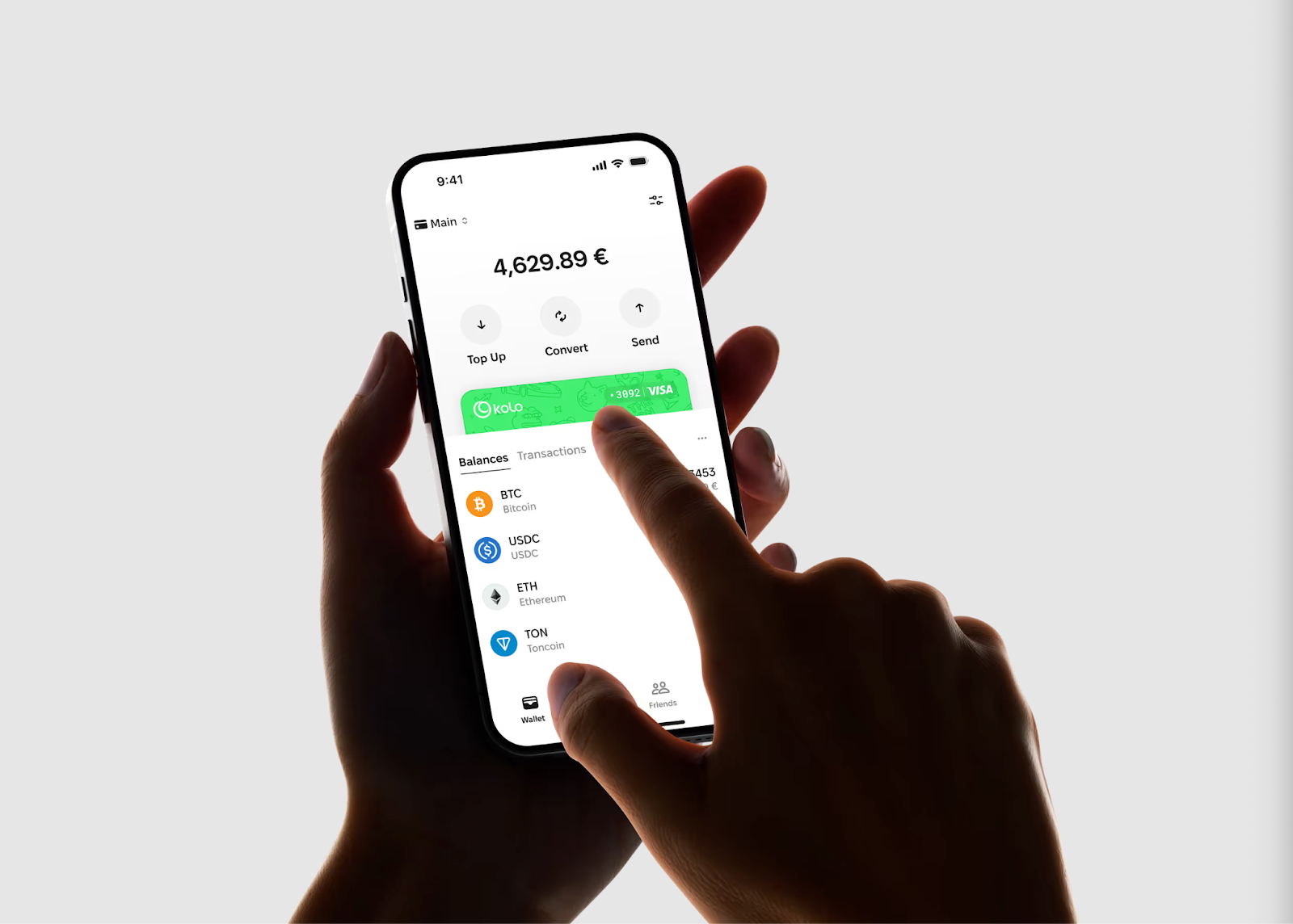
Source: Kolo

Compliance and infrastructure sit at the core of that journey. Kolo operates with MiCA alignment and Travel Rule compliance, and it includes Anti-Money Laundering (AML) protections. These foundations help the team lower fail and decline rates because the card, the wallet and the back-end settlement share the same rules and risk view.

“For everyday users, stablecoins’ rise as a universal way to store and move value simply removes friction. Digital money finally exists in a digital form that feels natural,” said Pavel Luchkovskyi, CEO of Kolo, adding:

“Kolo just connects to this new layer: if someone holds a digital dollar or any virtual asset, they should be able to use it for regular payments as easily as tapping a card. And once that becomes normal, that’s when real adoption shows up.”

Kolo also uses rewards to reinforce everyday behavior. The Bitcoin cashback model links offchain payments to onchain savings. Users pay for ordinary purchases at physical or digital merchants, and they grow a BTC stack in parallel.

Rethinking success in the age of crypto payments

The story of crypto adoption often highlights wallet milestones and price charts. Another picture emerges when teams track how many people tap a phone on a Tuesday morning and complete a smooth crypto-backed payment.

Time-to-first-spend, weekly active payers and fail or decline rates give that picture structure. These metrics encourage builders and investors to treat UX, on-ramp design and merchant coverage as central levers for growth.

Kolo shows how this mindset looks in a live product. The company brings together a hybrid wallet, a globally accepted card, a variety of payment rails and Bitcoin rewards in one experience that fits existing payment habits. Cryptocurrency runs behind the scenes while users focus on their everyday lives.


Lecturas Relacionadas

Anthropic Major Release: "The Founder's Playbook" - All 4 Stages of Entrepreneurship, Completely Reimagined with AI

**Anthropic Releases "The Founder's Playbook," Reimagining the Four Stages of Startups with AI** The logic of entrepreneurship is being fundamentally reshaped by AI. Anthropic's new handbook, "The Founder's Playbook: Building an AI-Native Startup," defines the AI-native startup as a new species: not a traditional company with AI tools, but a venture driven by AI from day one. The founder's role is transforming from a hands-on builder to a conductor or architect, orchestrating AI agents for execution while focusing on high-level judgment and strategy. Anthropic outlines a product matrix of Claude tools for different tasks: Claude Chat for interactive research, Claude Code for generating production-ready code, and Claude Cowork for automating knowledge-intensive workflows. The handbook structures the startup lifecycle into four stages, detailing core goals, pitfalls, and AI applications for each: 1. **Idea Stage**: Focuses on validating a real problem. The core challenge is avoiding confirmation bias. AI practices include using Claude as a "structured devil's advocate" to challenge assumptions and for automated market/competitor research. 2. **MVP Stage**: Aims to gather early signals of Product-Market Fit (PMF). Key risks are technical debt and scope creep due to rapid AI-assisted development. Recommended AI uses include maintaining project memory documents (e.g., CLAUDE.md), using Claude Code for structured coding, and automating user feedback analysis. 3. **Launch Stage**: Centers on establishing scalable growth, operations, and compliance. Challenges include accelerating technical debt and founders becoming bottlenecks. AI should be used to build an "operating system" for launch—automating routine tasks (scheduling, reporting, content) and code audits—freeing founders for critical decisions. 4. **Scale Stage**: Focuses on achieving sustainable business operations. The main challenge is delegating operational control. AI should be leveraged for differentiated marketing, operational optimization, and building competitive moats through data network effects. The handbook concludes that in the AI era, "Can we build it?" is no longer the primary constraint. The advantage shifts back to foundational strengths: **insight, judgment, and a deep understanding of a specific problem and audience.**

marsbitHace 8 hora(s)

Anthropic Major Release: "The Founder's Playbook" - All 4 Stages of Entrepreneurship, Completely Reimagined with AI

marsbitHace 8 hora(s)

Trading

Spot
Futuros

Artículos destacados

Qué es GENIUS

I. Introducción al Proyecto1. ¿Qué es Genius?Genius (GENIUS) se posiciona como el “terminal en cadena definitivo”, una plataforma de trading descentralizada enfocada en la privacidad y la velocidad. Al integrar tecnología de privacidad de primer nivel, busca construir una infraestructura de trading privado de próxima generación en redes como BNB Chain, permitiendo a los usuarios interactuar en cadena con una experiencia fluida comparable a los intercambios centralizados.2. ¿Cómo Funciona Genius?La arquitectura técnica central de Genius está estructurada de la siguiente manera:(1) Invisible en la cadena: Los usuarios no necesitan manejar manualmente aprobaciones de múltiples pasos para operaciones entre cadenas, envoltura de activos o gestión compleja de gas.(2) Trading sin firma: A través de integraciones como Turnkey, Genius permite el trading instantáneo sin confirmaciones emergentes o autorización por transacción.(3) Agregador de Agregadores: Genius está impulsado por una pila de agregación de clase mundial integrada con más de 150 DEXs, reclamando una eficiencia de cotización superior en comparación con productos competidores.(4) Gestión de Cuentas: La plataforma adopta una arquitectura no custodial y aprovecha Turnkey y Lit Protocol para la gestión de claves, permitiendo a los usuarios acceder de manera segura a sus cuentas a través de claves de acceso.3. ¿Quién Creó Genius?Según sus Términos de Servicio oficiales, Genius fue desarrollado por Shuttle Labs, Inc. Basado en la cuenta oficial de X del proyecto, Ryan Myher es uno de los contribuyentes clave que impulsa la iteración del producto, incluyendo desarrollos como el lanzamiento del protocolo Ghost, así como un mayor compromiso con la comunidad.El fundador de Binance, CZ, se ha unido oficialmente al proyecto como asesor, con el objetivo de ayudar al equipo a construir una experiencia de trading en cadena más rápida y que preserve la privacidad.Además, el proyecto ha recibido un fuerte respaldo de YZi Labs, que ha invertido en Genius y trabaja junto a la Fundación Genius, responsable de mantener el Protocolo Genius Bridge (GBP).4. Tokenómica de GeniusGENIUS es el token nativo del ecosistema Genius. Hasta ahora, el proyecto no ha publicado un documento completo de tokenómica.Según las últimas divulgaciones oficiales, Genius incorpora un mecanismo deflacionario, y el 4.6% del suministro total de tokens ya había sido quemado durante la fase de lanzamiento inicial.Sistema de Puntos Genius (GP):(1) Comercio para Ganar: La plataforma ha establecido un fondo de recompensas de 200 millones de Puntos Genius, y los usuarios ganan GP por cada comercio ejecutado a través del terminal.(2) Clasificación y Insignias: Genius cuenta con un sistema de insignias basado en progresión que va desde Inteligente hasta Dios, con niveles más altos desbloqueando beneficios y ventajas adicionales.(3) Rendimiento Nativo: Los usuarios que posean activos designados como usdGG en el panel pueden ganar rendimiento nativo directamente sin pasar por un staking complejo.(4) Incentivos por Referidos: Los referidores pueden ganar reembolsos de tarifas de más del 45% pagados en USDC, junto con GP adicionales.5. Cronograma & Hitos ClaveMarzo 2020: Se creó la cuenta oficial de X del proyecto, marcando el inicio de su fase de preparación temprana.13 de enero de 2026: Genius anunció una inversión de varios millones de dólares de YZi Labs y simultáneamente confirmó a CZ como asesor para acelerar la construcción de su infraestructura de trading privado.18 de abril de 2026: El proyecto anunció que el protocolo de privacidad Ghost se lanzaría pronto.29 de abril de 2026: El protocolo Ghost se abrió oficialmente a sus primeros 50 testers, marcando el comienzo de una nueva era para el trading privado en BNB Chain. Al mismo tiempo, el equipo confirmó que el 4.6% de los tokens han sido quemados.​II. Información del Token1) Información BásicaNombre del token: GENIUS (Genius)III. Enlaces RelacionadosSitio web:https://www.tradegenius.com/homeExploradores:https://bscscan.com/address/0x1f12b85aac097e43aa1555b2881e98a51090e9a6Redes Sociales:https://x.com/GeniusTerminalNota: La introducción del proyecto proviene de los materiales publicados o proporcionados por el equipo oficial del proyecto, que es solo para referencia y no constituye asesoramiento de inversión. HTX no se hace responsable de ninguna pérdida directa o indirecta resultante.

256 Vistas totalesPublicado en 2026.04.29Actualizado en 2026.05.12

Qué es GENIUS

Cómo comprar GENIUS

¡Bienvenido a HTX.com! Hemos hecho que comprar Genius (GENIUS) sea simple y conveniente. Sigue nuestra guía paso a paso para iniciar tu viaje de criptos.Paso 1: crea tu cuenta HTXUtiliza tu correo electrónico o número de teléfono para registrarte y obtener una cuenta gratuita en HTX. Experimenta un proceso de registro sin complicaciones y desbloquea todas las funciones.Obtener mi cuentaPaso 2: ve a Comprar cripto y elige tu método de pagoTarjeta de crédito/débito: usa tu Visa o Mastercard para comprar Genius (GENIUS) al instante.Saldo: utiliza fondos del saldo de tu cuenta HTX para tradear sin problemas.Terceros: hemos agregado métodos de pago populares como Google Pay y Apple Pay para mejorar la comodidad.P2P: tradear directamente con otros usuarios en HTX.Over-the-Counter (OTC): ofrecemos servicios personalizados y tipos de cambio competitivos para los traders.Paso 3: guarda tu Genius (GENIUS)Después de comprar tu Genius (GENIUS), guárdalo en tu cuenta HTX. Alternativamente, puedes enviarlo a otro lugar mediante transferencia blockchain o utilizarlo para tradear otras criptomonedas.Paso 4: tradear Genius (GENIUS)Tradear fácilmente con Genius (GENIUS) en HTX's mercado spot. Simplemente accede a tu cuenta, selecciona tu par de trading, ejecuta tus trades y monitorea en tiempo real. Ofrecemos una experiencia fácil de usar tanto para principiantes como para traders experimentados.

184 Vistas totalesPublicado en 2026.04.29Actualizado en 2026.05.12

Cómo comprar GENIUS

Cómo comprar MEGA

¡Bienvenido a HTX.com! Hemos hecho que comprar MegaETH (MEGA) sea simple y conveniente. Sigue nuestra guía paso a paso para iniciar tu viaje de criptos.Paso 1: crea tu cuenta HTXUtiliza tu correo electrónico o número de teléfono para registrarte y obtener una cuenta gratuita en HTX. Experimenta un proceso de registro sin complicaciones y desbloquea todas las funciones.Obtener mi cuentaPaso 2: ve a Comprar cripto y elige tu método de pagoTarjeta de crédito/débito: usa tu Visa o Mastercard para comprar MegaETH (MEGA) al instante.Saldo: utiliza fondos del saldo de tu cuenta HTX para tradear sin problemas.Terceros: hemos agregado métodos de pago populares como Google Pay y Apple Pay para mejorar la comodidad.P2P: tradear directamente con otros usuarios en HTX.Over-the-Counter (OTC): ofrecemos servicios personalizados y tipos de cambio competitivos para los traders.Paso 3: guarda tu MegaETH (MEGA)Después de comprar tu MegaETH (MEGA), guárdalo en tu cuenta HTX. Alternativamente, puedes enviarlo a otro lugar mediante transferencia blockchain o utilizarlo para tradear otras criptomonedas.Paso 4: tradear MegaETH (MEGA)Tradear fácilmente con MegaETH (MEGA) en HTX's mercado spot. Simplemente accede a tu cuenta, selecciona tu par de trading, ejecuta tus trades y monitorea en tiempo real. Ofrecemos una experiencia fácil de usar tanto para principiantes como para traders experimentados.

186 Vistas totalesPublicado en 2026.04.30Actualizado en 2026.04.30

Cómo comprar MEGA

Discusiones

Bienvenido a la comunidad de HTX. Aquí puedes mantenerte informado sobre los últimos desarrollos de la plataforma y acceder a análisis profesionales del mercado. A continuación se presentan las opiniones de los usuarios sobre el precio de A (A).

活动图片