The New York Times: Behind Trump's Embrace of Cryptocurrency, the Untold Story

深潮Publicado a 2025-12-18Actualizado a 2025-12-18

Resumen

"Trump's Embrace of Crypto: The Unseen Consequences" A New York Times investigation reveals the hidden risks and rapid expansion of the cryptocurrency market fueled by former President Donald Trump's policies and public endorsements. Dubbed the "crypto treasury company summer," this boom saw a surge in publicly traded companies shifting their strategies to hoard cryptocurrencies, aiming to attract investors. Over 250 such companies emerged, many leveraging debt to buy digital assets. However, the market experienced a sharp crash in October, wiping out billions in value and exposing extreme volatility and high-risk leverage trading. Companies associated with Trump's inner circle, including his son Eric Trump's venture World Liberty Financial, faced significant losses and scandals. The article highlights concerns from financial experts and former regulators about the blurring lines between speculation and investment, the accumulation of dangerous leverage, and the potential for systemic risk to spread to the broader financial system. Despite these warnings, the Trump administration and crypto executives continue to promote the industry as a hub for innovation and economic opportunity, pushing for new products like tokenized stocks and expanded leverage options.

Written by: David Yaffe-Bellany and Eric Lipton, The New York Times

Compiled by: Chopper, Foresight News

This summer, a group of corporate executives pitched a business plan to Wall Street financier and former Trump presidential advisor Anthony Scaramucci. They hoped Scaramucci would join a publicly traded company with a unique strategy: boosting the company's appeal to investors by hoarding massive amounts of cryptocurrency assets.

"They really didn't have to say much," Scaramucci recalled. Soon after, he joined three little-known companies adopting this strategy as an advisor. "The entire negotiation process went very smoothly."

However, this boom did not last long. This fall, the cryptocurrency market crashed, and the stock prices of the three companies Scaramucci was involved with plummeted, with the worst performer dropping over 80%.

The rise and fall of these companies is a microcosm of the cryptocurrency frenzy ignited by Trump. The self-proclaimed "first cryptocurrency president" not only ended the regulatory crackdown on cryptocurrency companies but also publicly promoted cryptocurrency investment at the White House, signed bills supporting cryptocurrency development, and even issued a meme coin named TRUMP, thrusting this once-niche field into the spotlight of the global economy.

Now, the ripple effects of Trump's strong support for cryptocurrency are gradually becoming apparent.

Since the beginning of this year, a large number of new cryptocurrency companies pushing the boundaries of the industry have emerged, drawing more people into this highly volatile market. Currently, over 250 publicly traded companies have begun hoarding cryptocurrencies—digital assets whose price volatility characteristics are no different from traditional investments like stocks and bonds.
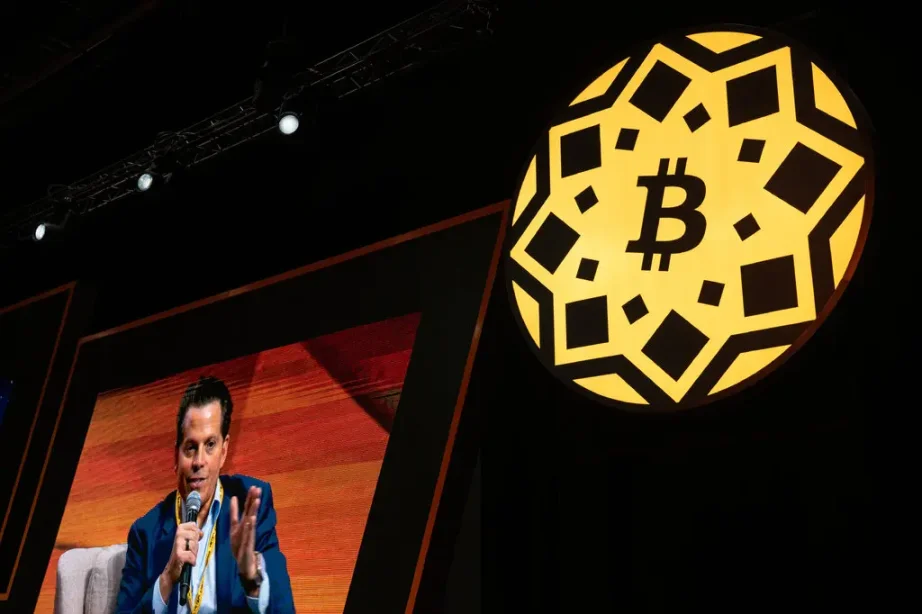
2024, Trump's former advisor Anthony Scaramucci attends the UAE Bitcoin Conference

A wave of companies has顺势 launched innovative products, lowering the barrier to including cryptocurrencies in brokerage accounts and retirement plans. Meanwhile, industry executives are lobbying regulators, planning to issue crypto tokens pegged to publicly traded company stocks, creating a stock trading market based on encryption technology.

This radical innovation wave has already exposed many problems. Over the past two months, the sharp plunge in mainstream cryptocurrency prices has pushed companies heavily invested in crypto assets into a crisis of collapse. Other emerging projects have also raised warnings from economists and regulators, indicating accumulating market risks.

The core concern triggering各方担忧 is the continuous expansion of borrowing. By this fall, publicly traded companies had borrowed heavily to purchase cryptocurrencies; investors' futures contract holdings for cryptocurrencies exceeded $200 billion, with most of these transactions relying on leveraged funds, which can bring huge profits but also hide the risk of liquidation.

More alarmingly, a series of new initiatives in the cryptocurrency industry have deeply tied the crypto market to the stock market and other financial sectors. Once a crisis erupts in the cryptocurrency market, the risk could spread to the entire financial system, causing a chain reaction.

"Now, the line between speculation, gambling, and investment has become blurred," said Timothy Massad, who served as Assistant Secretary of the Treasury for Financial Stability after the 2008 financial crisis. "This current situation worries me deeply."

White House press secretary Karoline Leavitt responded that Trump's policies are "helping the United States become a global cryptocurrency hub by promoting innovation and creating economic opportunities for people across America."

Cryptocurrency industry executives argue that these emerging projects demonstrate the potential of encryption technology to reshape the outdated financial system. In their view, market volatility is precisely an opportunity for profit.

"High risk often comes with high reward," said Duncan Moir, president of 21Shares, which issues cryptocurrency investment products. "Our mission is to bring these investment opportunities to more people."

The rise of this innovation wave is inseparable from a comprehensive relaxation of the regulatory environment, creating the most friendly regulatory window for cryptocurrency companies. For many years prior, the U.S. Securities and Exchange Commission (SEC) had been in court battles with the cryptocurrency industry; but in January of this year, the agency established a dedicated cryptocurrency task force and has held meetings with dozens of companies seeking new regulation support or product listing approvals.

An SEC spokesperson said the agency is committed to "ensuring investors have sufficient information to make rational investment decisions."

U.S. Securities and Exchange Commission headquarters building in Washington

Notably, many of these emerging companies are connected to the Trump family's expanding cryptocurrency business empire, a connection that has blurred the lines between business and government.

This summer, executives from Trump's cryptocurrency startup World Liberty Financial announced they would join the board of the publicly traded company ALT5 Sigma. This company originally focused on recycling but now plans to raise $1.5 billion to enter the cryptocurrency market.

Capital Frenzy: An Out-of-Control Crypto Gamble

Cryptocurrency enthusiasts have named the high-risk investment boom催生ed by the Trump administration the "Summer of Crypto Treasury Companies."

A crypto treasury company (DAT) refers to a publicly traded company whose core goal is to hoard cryptocurrencies. Data from cryptocurrency consulting firm Architect Partners shows that among these emerging companies, nearly half focus on hoarding Bitcoin, the most well-known cryptocurrency, while dozens of others have announced plans to purchase non-mainstream coins like Dogecoin.
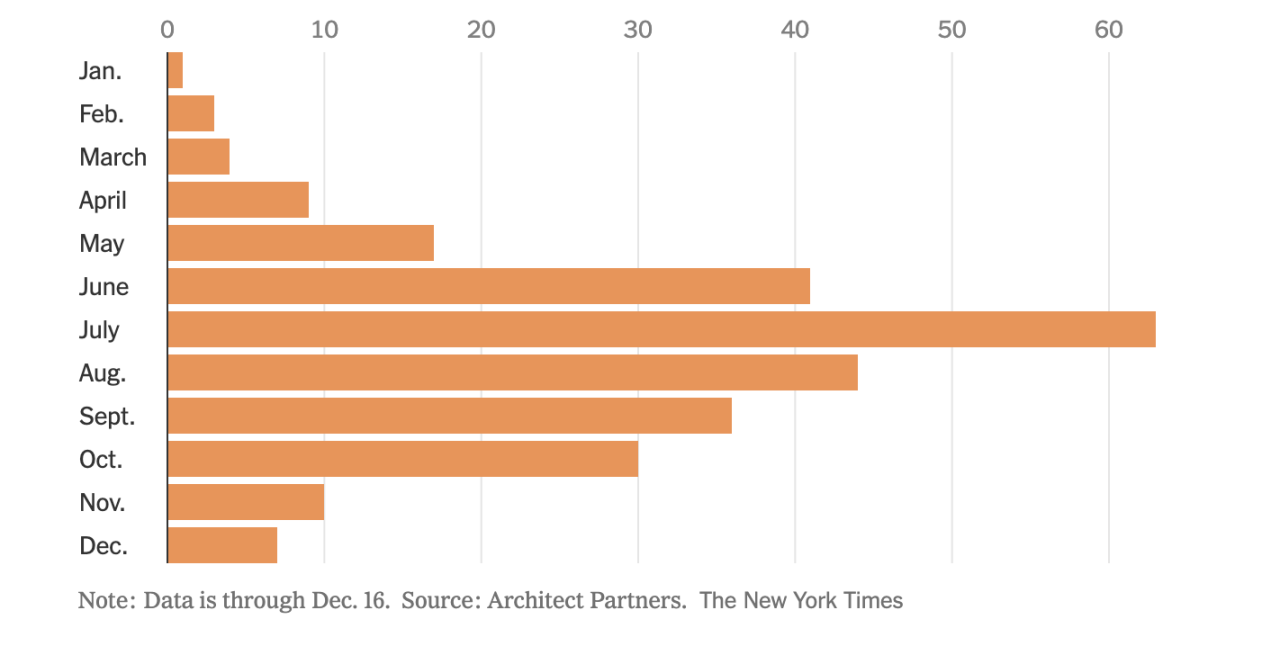
Number of crypto treasury companies established each month in 2025. Source: Architect Partners, statistics as of December 16

The operating model of these companies is often straightforward: a group of executives identifies a small company trading on the public market (e.g., a toy manufacturer), persuades it to转型 into a cryptocurrency hoarding business; then partners with the company to raise hundreds of millions of dollars from high-net-worth investors, ultimately using the funds to purchase cryptocurrencies.

The core purpose is to allow more people to participate in cryptocurrency investment by issuing traditional stocks tied to cryptocurrency prices. This strategy theoretically has considerable profit potential. Many investment funds and asset management institutions have been hesitant to invest directly in cryptocurrencies due to the complex and costly storage process and vulnerability to hacker attacks.

Investing in a crypto treasury company is equivalent to outsourcing the storage and other logistical work of cryptocurrencies. But these companies also隐藏 huge risks: many are established hastily, and their management lacks experience in operating public companies. Data from Architect Partners shows these companies have collectively announced plans to borrow over $20 billion to purchase cryptocurrencies.

"Leverage is the culprit behind financial crises," warned Corey Frayer, a former SEC cryptocurrency advisor. "And the current market is generating massive amounts of leverage."

Some crypto treasury companies have already陷入 operational difficulties or management crises, causing investors to suffer huge losses.

After the publicly traded company Forward Industries转型 into a crypto treasury company, it heavily invested in SOL. In September, the company raised over $1.6 billion from private investors, and its stock price一度 soared to nearly $40 per share.

Allan Teh from Miami, who manages assets for a family office, invested $2.5 million in Forward Industries this year. "At that time, everyone thought this strategy was foolproof, and crypto asset prices would keep rising," Allan Teh recalled.

However, as the cryptocurrency market crashed, Forward Industries' stock price fell to $7 per share this month. The company announced plans to spend $1 billion to repurchase shares over the next two years, but this move failed to stop the stock's decline.

"The music stopped, the game is over. Now I'm starting to panic. Can I get out unscathed?" Allan Teh has lost about $1.5 million. "How much will this investment ultimately lose?" Forward Industries declined to comment.

The proliferation of crypto treasury companies has alerted the SEC. "Clearly, we are very concerned about this," agency chairman Paul Atkins said in an interview last month at a cryptocurrency conference in Miami. "We are closely monitoring developments."

And behind this new cryptocurrency track lies the strong support of the Trump family.

World Liberty Financial's founders include Trump's son Eric Trump and Zach Witkoff

In August, World Liberty Financial announced that its founders (including the president's son Eric Trump) would join the board of ALT5 Sigma. This publicly traded company plans to hoard the crypto token WLFI issued by World Liberty Financial (Eric Trump's current title is Strategic Advisor and Board Observer).

This collaboration seemed poised to quickly profit the Trump family. According to the revenue-sharing agreement published on World Liberty Financial's website, commercial entities owned by the Trump family receive a cut whenever WLFI tokens are traded.

Subsequently, ALT5 Sigma's business took a turn for the worse. In August, the company disclosed that an executive of one of its subsidiaries had been convicted of money laundering in Rwanda, and the board was investigating other "undisclosed matters." Soon after, ALT5 Sigma announced the suspension of its CEO and terminated contracts with two other executives.

Since August, the company's stock price has plummeted 85%. An ALT5 Sigma spokesperson said the company "remains confident about its future development."

Flash Crash: A Trillion in Market Value Wiped Out Overnight

The recent turmoil in the cryptocurrency market can be traced back to one night in October.

Driven by Trump's policies, the cryptocurrency market rose for most of this year. But on October 10th, the prices of Bitcoin, Ethereum, and dozens of other cryptocurrencies collectively crashed in a flash crash.

The immediate trigger for the crash was Trump's announcement of new tariffs on China, a move that caused剧烈震荡 in the global economy. The reason the cryptocurrency market was hit so hard lies in the huge amount of leveraged funds that drove the market up.

On cryptocurrency trading platforms, traders can use their held crypto assets as collateral to borrow fiat currency or use leveraged funds to increase their cryptocurrency investment positions. Data from cryptocurrency data firm Galaxy Research shows that in the third quarter of this year, global cryptocurrency lending grew by $20 billion in a single quarter, reaching a historical peak of $74 billion.

Previously, the riskiest cryptocurrency leverage trading mostly occurred overseas. But in July, the largest U.S. cryptocurrency exchange, Coinbase, announced the launch of a new investment tool allowing traders to bet on Bitcoin and Ethereum futures prices with 10x leverage. Before this, U.S. federal regulators had revoked relevant guidelines restricting such leveraged trading, giving the green light to Coinbase's new product.
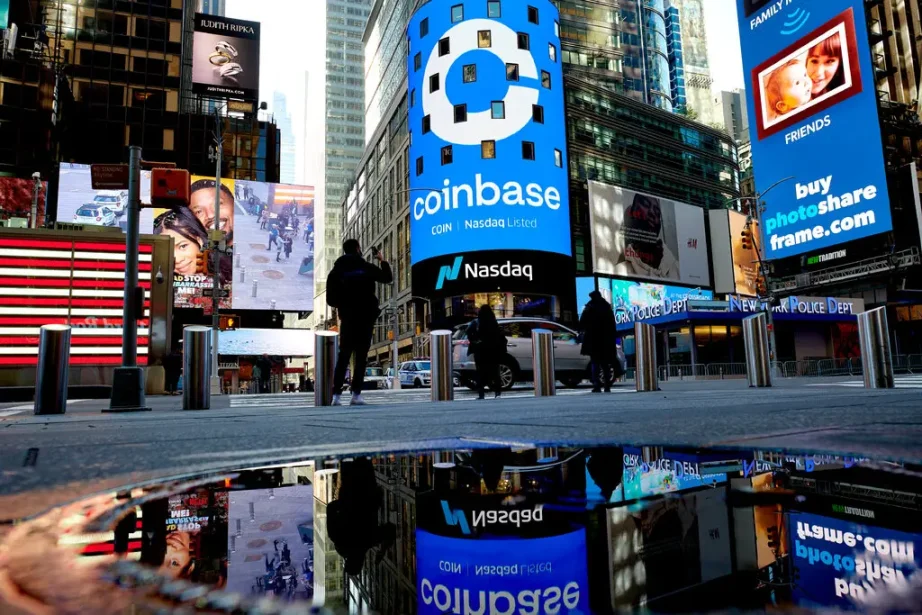
In July, Coinbase exchange launched a 10x leverage cryptocurrency trading tool

The flash crash in October, while not causing an industry catastrophe like the bankruptcy of several large cryptocurrency companies in 2022, served as a wake-up call for the market, signaling the potential systemic crisis hidden in the cryptocurrency field.

The nature of leveraged trading is that when the market falls, losses are magnified. Trading platforms force liquidate, selling clients' collateral assets, a process that often further exacerbates price declines.

Data from cryptocurrency data firm CoinGlass shows that on October 10th, at least $19 billion worth of cryptocurrency leveraged trades were liquidated globally, affecting 1.6 million traders. This wave of liquidations was concentrated on platforms like Binance, OKX, and Bybit.

The crash caused a surge in trading volume, and several major exchanges experienced technical failures, preventing traders from transferring funds promptly. Coinbase said it was aware that some users "experienced delays or degraded system performance when trading."

Derek Bartron, a software developer in Tennessee and also a cryptocurrency investor, said his Coinbase account was frozen during the flash crash. "I wanted to close my position and exit, but there was no way to operate," Derek Bartron said. "Coinbase effectively locked users' funds. We could only watch helplessly as asset values plummeted."

Derek Bartron said that in the days following the flash crash, his cryptocurrency assets lost about $50,000, partly because he couldn't close positions in time to stop losses.

A Coinbase spokesperson responded that the company provides automated risk management tools, "These tools functioned normally during this market volatility, and our exchange remained stable throughout the incident."

A Binance spokesperson admitted that the exchange "experienced technical issues due to a surge in trading volume" and said measures had been taken to compensate affected users.

Crazy Experiment: The Regulatory Dilemma of the Tokenization Wave

One night this summer, cryptocurrency entrepreneurs Chris Yin and Teddy Pornprinya, dressed in formal attire, appeared at the Kennedy Center in Washington, D.C., attending a grand black-tie dinner.

The dinner was star-studded. Chris Yin, in a tuxedo bought the night before, met U.S. Vice President JD Vance, who had previously been involved in Silicon Valley venture capital; he and Teddy Pornprinya also spoke with former hedge fund manager and current U.S. Treasury Secretary Scott Bessent; they even took a photo with Trump, who gave a thumbs up to the camera.

Chris Yin and Teddy Pornprinya were there to pave the way for their startup, Plume. The company is advancing an industry-disrupting innovation plan, attempting to expand the underlying technology of cryptocurrency to a broader financial field.

For months, Plume has been seeking permission from U.S. regulators to build an online trading platform to issue crypto tokens to clients pegged to real-world assets, covering everything from publicly traded company stocks to farms, oil wells, and other entities.

Plume founders Chris Yin and Teddy Pornprinya at the Empire State Building

Currently, Plume has launched such tokenized products overseas, where clients can buy and sell these asset tokens like cryptocurrencies. But this business, known as asset tokenization, exists in a legal gray area in the United States. Securities laws enacted decades ago impose strict regulatory rules on the issuance of equity in various assets, requiring issuers to disclose detailed information to protect investor rights.

This year, asset tokenization has become the hottest concept in the cryptocurrency industry. Industry executives claim that tokenized stocks can make stock trading more efficient and faster, creating a 24/7 global trading market. The major U.S. cryptocurrency exchange Kraken has already launched crypto-based stock trading services for clients overseas.

Cryptocurrency industry executives say that cryptocurrency trading, based on public ledger records, is more transparent than the traditional financial system. "All transactions are traceable and auditable," said Kraken CEO Arjun Sethi. "It's almost risk-free."

Representatives from Kraken and Coinbase have met with the SEC to discuss regulatory rules for tokenized assets; meanwhile, Plume is also seeking a legal path to expand its business in the United States.

But this race for tokenized products has raised concerns among current and former regulatory officials, as well as executives of traditional financial giants.

In September, Federal Reserve economists warned that asset tokenization could lead to the transmission of cryptocurrency market risks to the entire financial system, "weakening policymakers' ability to maintain the stability of the payment system during times of market stress."

SEC Chairman Paul Atkins has a positive attitude towards tokenized stocks, calling them a "major technological breakthrough." "Under the securities laws, the Commission has broad discretion to provide regulatory support for the cryptocurrency industry. I am determined to push this work forward," Atkins said at a roundtable meeting on asset tokenization in May.

To promote their company's compliance, Chris Yin and Teddy Pornprinya took a series of measures. In May, the two met with the SEC's dedicated cryptocurrency task force; they also provided chart support for the White House's cryptocurrency industry report; and set up Plume's U.S. headquarters on the 77th floor of the Empire State Building.

At that black-tie dinner in Washington this summer, Trump's team showed great interest in the two founders. "They knew about Plume," Teddy Pornprinya recalled. "Everyone had some understanding of our business."

A few weeks later, Plume announced a key partnership, establishing a business relationship with the Trump family's World Liberty Financial.


Preguntas relacionadas

QWhat is the main concern raised by the New York Times article regarding the cryptocurrency boom under Trump's policies?

AThe article highlights concerns about the high-risk investment frenzy, increased leverage, potential systemic risks to the financial system, and the blurring of lines between speculation, gambling, and investment due to the rapid expansion of cryptocurrency enterprises and their deep integration with traditional markets.

QHow did Anthony Scaramucci become involved with cryptocurrency companies, and what was the outcome?

AAnthony Scaramucci was quickly recruited as an advisor to three little-known companies that adopted a strategy of hoarding large amounts of cryptocurrency to attract investors. However, the cryptocurrency market crashed in the fall, causing the stock prices of these companies to plummet, with the worst-performing one dropping over 80%.

QWhat role does leverage play in the recent cryptocurrency market volatility, as described in the article?

ALeverage amplifies risks in the cryptocurrency market. When prices fall, losses are magnified, leading to forced liquidations where exchanges sell off collateral assets, exacerbating price declines. In October, a flash crash triggered $19 billion in forced liquidations, affecting 1.6 million traders and highlighting systemic vulnerabilities.

QWhat is asset tokenization, and why is it a focus for companies like Plume and Kraken?

AAsset tokenization involves issuing cryptocurrency tokens that represent real-world assets like stocks, farms, or oil wells, allowing them to be traded like cryptocurrencies. Companies like Plume and Kraken aim to create more efficient, 24/7 global markets for these assets, though the practice exists in a regulatory gray area in the U.S. due to securities laws.

QHow is the Trump family's business interests connected to the cryptocurrency industry, according to the article?

AThe Trump family, through World Liberty Financial (co-founded by Eric Trump), has ties to cryptocurrency enterprises. For example, World Liberty Financial executives joined the board of ALT5 Sigma, a company planning to hoard crypto tokens, and Plume partnered with World Liberty Financial. These connections blur the lines between business and government, with the family benefiting from fee structures linked to token transactions.

Lecturas Relacionadas

Trading

Spot
Futuros

Artículos destacados

Qué es $S$

Entendiendo SPERO: Una Visión General Completa Introducción a SPERO A medida que el panorama de la innovación continúa evolucionando, la aparición de tecnologías web3 y proyectos de criptomonedas juega un papel fundamental en la configuración del futuro digital. Un proyecto que ha atraído la atención en este campo dinámico es SPERO, denotado como SPERO,$$s$. Este artículo tiene como objetivo reunir y presentar información detallada sobre SPERO, para ayudar a entusiastas e inversores a comprender sus fundamentos, objetivos e innovaciones dentro de los dominios web3 y cripto. ¿Qué es SPERO,$$s$? SPERO,$$s$ es un proyecto único dentro del espacio cripto que busca aprovechar los principios de descentralización y tecnología blockchain para crear un ecosistema que promueva la participación, la utilidad y la inclusión financiera. El proyecto está diseñado para facilitar interacciones de igual a igual de nuevas maneras, proporcionando a los usuarios soluciones y servicios financieros innovadores. En su esencia, SPERO,$$s$ tiene como objetivo empoderar a los individuos al proporcionar herramientas y plataformas que mejoren la experiencia del usuario en el espacio de las criptomonedas. Esto incluye habilitar métodos de transacción más flexibles, fomentar iniciativas impulsadas por la comunidad y crear caminos para oportunidades financieras a través de aplicaciones descentralizadas (dApps). La visión subyacente de SPERO,$$s$ gira en torno a la inclusividad, buscando cerrar brechas dentro de las finanzas tradicionales mientras aprovecha los beneficios de la tecnología blockchain. ¿Quién es el Creador de SPERO,$$s$? La identidad del creador de SPERO,$$s$ sigue siendo algo oscura, ya que hay recursos públicos limitados que proporcionan información de fondo detallada sobre su(s) fundador(es). Esta falta de transparencia puede derivarse del compromiso del proyecto con la descentralización, una ética que muchos proyectos web3 comparten, priorizando las contribuciones colectivas sobre el reconocimiento individual. Al centrar las discusiones en torno a la comunidad y sus objetivos colectivos, SPERO,$$s$ encarna la esencia del empoderamiento sin señalar a individuos específicos. Como tal, comprender la ética y la misión de SPERO sigue siendo más importante que identificar a un creador singular. ¿Quiénes son los Inversores de SPERO,$$s$? SPERO,$$s$ cuenta con el apoyo de una diversa gama de inversores que van desde capitalistas de riesgo hasta inversores ángeles dedicados a fomentar la innovación en el sector cripto. El enfoque de estos inversores generalmente se alinea con la misión de SPERO, priorizando proyectos que prometen avances tecnológicos sociales, inclusión financiera y gobernanza descentralizada. Estas fundaciones de inversores suelen estar interesadas en proyectos que no solo ofrecen productos innovadores, sino que también contribuyen positivamente a la comunidad blockchain y sus ecosistemas. El respaldo de estos inversores refuerza a SPERO,$$s$ como un contendiente notable en el dominio de proyectos cripto que evoluciona rápidamente. ¿Cómo Funciona SPERO,$$s$? SPERO,$$s$ emplea un marco multifacético que lo distingue de los proyectos de criptomonedas convencionales. Aquí hay algunas de las características clave que subrayan su singularidad e innovación: Gobernanza Descentralizada: SPERO,$$s$ integra modelos de gobernanza descentralizada, empoderando a los usuarios para participar activamente en los procesos de toma de decisiones sobre el futuro del proyecto. Este enfoque fomenta un sentido de propiedad y responsabilidad entre los miembros de la comunidad. Utilidad del Token: SPERO,$$s$ utiliza su propio token de criptomoneda, diseñado para servir diversas funciones dentro del ecosistema. Estos tokens permiten transacciones, recompensas y la facilitación de servicios ofrecidos en la plataforma, mejorando la participación y la utilidad general. Arquitectura en Capas: La arquitectura técnica de SPERO,$$s$ apoya la modularidad y escalabilidad, permitiendo la integración fluida de características y aplicaciones adicionales a medida que el proyecto evoluciona. Esta adaptabilidad es fundamental para mantener la relevancia en el cambiante paisaje cripto. Participación de la Comunidad: El proyecto enfatiza iniciativas impulsadas por la comunidad, empleando mecanismos que incentivan la colaboración y la retroalimentación. Al nutrir una comunidad sólida, SPERO,$$s$ puede abordar mejor las necesidades de los usuarios y adaptarse a las tendencias del mercado. Enfoque en la Inclusión: Al ofrecer tarifas de transacción bajas e interfaces amigables para el usuario, SPERO,$$s$ busca atraer a una base de usuarios diversa, incluyendo a individuos que anteriormente pueden no haber participado en el espacio cripto. Este compromiso con la inclusión se alinea con su misión general de empoderamiento a través de la accesibilidad. Cronología de SPERO,$$s$ Entender la historia de un proyecto proporciona información crucial sobre su trayectoria de desarrollo y hitos. A continuación se presenta una cronología sugerida que mapea eventos significativos en la evolución de SPERO,$$s$: Fase de Conceptualización e Ideación: Las ideas iniciales que forman la base de SPERO,$$s$ fueron concebidas, alineándose estrechamente con los principios de descentralización y enfoque comunitario dentro de la industria blockchain. Lanzamiento del Whitepaper del Proyecto: Tras la fase conceptual, se lanzó un whitepaper completo que detalla la visión, los objetivos y la infraestructura tecnológica de SPERO,$$s$ para generar interés y retroalimentación de la comunidad. Construcción de Comunidad y Primeras Interacciones: Se realizaron esfuerzos de divulgación activa para construir una comunidad de primeros adoptantes y posibles inversores, facilitando discusiones en torno a los objetivos del proyecto y obteniendo apoyo. Evento de Generación de Tokens: SPERO,$$s$ llevó a cabo un evento de generación de tokens (TGE) para distribuir sus tokens nativos a los primeros seguidores y establecer liquidez inicial dentro del ecosistema. Lanzamiento de la dApp Inicial: La primera aplicación descentralizada (dApp) asociada con SPERO,$$s$ se puso en marcha, permitiendo a los usuarios interactuar con las funcionalidades centrales de la plataforma. Desarrollo Continuo y Alianzas: Actualizaciones y mejoras continuas a las ofertas del proyecto, incluyendo alianzas estratégicas con otros actores en el espacio blockchain, han moldeado a SPERO,$$s$ en un jugador competitivo y en evolución en el mercado cripto. Conclusión SPERO,$$s$ se erige como un testimonio del potencial de web3 y las criptomonedas para revolucionar los sistemas financieros y empoderar a los individuos. Con un compromiso con la gobernanza descentralizada, la participación comunitaria y funcionalidades diseñadas de manera innovadora, allana el camino hacia un paisaje financiero más inclusivo. Como con cualquier inversión en el espacio cripto que evoluciona rápidamente, se anima a los posibles inversores y usuarios a investigar a fondo y participar de manera reflexiva con los desarrollos en curso dentro de SPERO,$$s$. El proyecto muestra el espíritu innovador de la industria cripto, invitando a una mayor exploración de sus innumerables posibilidades. Mientras el viaje de SPERO,$$s$ aún se desarrolla, sus principios fundamentales pueden, de hecho, influir en el futuro de cómo interactuamos con la tecnología, las finanzas y entre nosotros en ecosistemas digitales interconectados.

72 Vistas totalesPublicado en 2024.12.17Actualizado en 2024.12.17

Qué es $S$

Qué es AGENT S

Agent S: El Futuro de la Interacción Autónoma en Web3 Introducción En el paisaje en constante evolución de Web3 y las criptomonedas, las innovaciones están redefiniendo constantemente cómo los individuos interactúan con las plataformas digitales. Uno de estos proyectos pioneros, Agent S, promete revolucionar la interacción humano-computadora a través de su marco agente abierto. Al allanar el camino para interacciones autónomas, Agent S busca simplificar tareas complejas, ofreciendo aplicaciones transformadoras en inteligencia artificial (IA). Esta exploración detallada profundizará en las complejidades del proyecto, sus características únicas y las implicaciones para el dominio de las criptomonedas. ¿Qué es Agent S? Agent S se presenta como un marco agente abierto innovador, diseñado específicamente para abordar tres desafíos fundamentales en la automatización de tareas informáticas: Adquisición de Conocimiento Específico del Dominio: El marco aprende inteligentemente de diversas fuentes de conocimiento externas y experiencias internas. Este enfoque dual le permite construir un rico repositorio de conocimiento específico del dominio, mejorando su rendimiento en la ejecución de tareas. Planificación a Largo Plazo de Tareas: Agent S emplea planificación jerárquica aumentada por la experiencia, un enfoque estratégico que facilita la descomposición y ejecución eficiente de tareas complejas. Esta característica mejora significativamente su capacidad para gestionar múltiples subtareas de manera eficiente y efectiva. Manejo de Interfaces Dinámicas y No Uniformes: El proyecto introduce la Interfaz Agente-Computadora (ACI), una solución innovadora que mejora la interacción entre agentes y usuarios. Utilizando Modelos de Lenguaje Multimodal de Gran Escala (MLLMs), Agent S puede navegar y manipular diversas interfaces gráficas de usuario sin problemas. A través de estas características pioneras, Agent S proporciona un marco robusto que aborda las complejidades involucradas en la automatización de la interacción humana con las máquinas, preparando el terreno para una multitud de aplicaciones en IA y más allá. ¿Quién es el Creador de Agent S? Si bien el concepto de Agent S es fundamentalmente innovador, la información específica sobre su creador sigue siendo elusiva. El creador es actualmente desconocido, lo que resalta ya sea la etapa incipiente del proyecto o la elección estratégica de mantener a los miembros fundadores en el anonimato. Independientemente de la anonimidad, el enfoque sigue siendo en las capacidades y el potencial del marco. ¿Quiénes son los Inversores de Agent S? Dado que Agent S es relativamente nuevo en el ecosistema criptográfico, la información detallada sobre sus inversores y patrocinadores financieros no está documentada explícitamente. La falta de información disponible públicamente sobre las bases de inversión u organizaciones que apoyan el proyecto plantea preguntas sobre su estructura de financiamiento y hoja de ruta de desarrollo. Comprender el respaldo es crucial para evaluar la sostenibilidad del proyecto y su posible impacto en el mercado. ¿Cómo Funciona Agent S? En el núcleo de Agent S se encuentra una tecnología de vanguardia que le permite funcionar de manera efectiva en diversos entornos. Su modelo operativo se basa en varias características clave: Interacción Humano-Computadora Similar a la Humana: El marco ofrece planificación avanzada de IA, esforzándose por hacer que las interacciones con las computadoras sean más intuitivas. Al imitar el comportamiento humano en la ejecución de tareas, promete elevar las experiencias de los usuarios. Memoria Narrativa: Empleada para aprovechar experiencias de alto nivel, Agent S utiliza memoria narrativa para hacer un seguimiento de las historias de tareas, mejorando así sus procesos de toma de decisiones. Memoria Episódica: Esta característica proporciona a los usuarios una guía paso a paso, permitiendo que el marco ofrezca apoyo contextual a medida que se desarrollan las tareas. Soporte para OpenACI: Con la capacidad de ejecutarse localmente, Agent S permite a los usuarios mantener el control sobre sus interacciones y flujos de trabajo, alineándose con la ética descentralizada de Web3. Fácil Integración con APIs Externas: Su versatilidad y compatibilidad con varias plataformas de IA aseguran que Agent S pueda encajar sin problemas en ecosistemas tecnológicos existentes, convirtiéndolo en una opción atractiva para desarrolladores y organizaciones. Estas funcionalidades contribuyen colectivamente a la posición única de Agent S dentro del espacio cripto, ya que automatiza tareas complejas y de múltiples pasos con una intervención humana mínima. A medida que el proyecto evoluciona, sus posibles aplicaciones en Web3 podrían redefinir cómo se desarrollan las interacciones digitales. Cronología de Agent S El desarrollo y los hitos de Agent S pueden encapsularse en una cronología que resalta sus eventos significativos: 27 de septiembre de 2024: El concepto de Agent S fue lanzado en un documento de investigación integral titulado “Un Marco Agente Abierto que Usa Computadoras Como un Humano”, mostrando las bases del proyecto. 10 de octubre de 2024: El documento de investigación fue puesto a disposición del público en arXiv, ofreciendo una exploración profunda del marco y su evaluación de rendimiento basada en el benchmark OSWorld. 12 de octubre de 2024: Se lanzó una presentación en video, proporcionando una visión visual de las capacidades y características de Agent S, involucrando aún más a posibles usuarios e inversores. Estos marcadores en la cronología no solo ilustran el progreso de Agent S, sino que también indican su compromiso con la transparencia y la participación comunitaria. Puntos Clave Sobre Agent S A medida que el marco Agent S continúa evolucionando, varios atributos clave destacan, subrayando su naturaleza innovadora y potencial: Marco Innovador: Diseñado para proporcionar un uso intuitivo de las computadoras similar a la interacción humana, Agent S aporta un enfoque novedoso a la automatización de tareas. Interacción Autónoma: La capacidad de interactuar de manera autónoma con las computadoras a través de GUI significa un salto hacia soluciones informáticas más inteligentes y eficientes. Automatización de Tareas Complejas: Con su metodología robusta, puede automatizar tareas complejas y de múltiples pasos, haciendo que los procesos sean más rápidos y menos propensos a errores. Mejora Continua: Los mecanismos de aprendizaje permiten a Agent S mejorar a partir de experiencias pasadas, mejorando continuamente su rendimiento y eficacia. Versatilidad: Su adaptabilidad en diferentes entornos operativos como OSWorld y WindowsAgentArena asegura que pueda servir a una amplia gama de aplicaciones. A medida que Agent S se posiciona en el paisaje de Web3 y criptomonedas, su potencial para mejorar las capacidades de interacción y automatizar procesos significa un avance significativo en las tecnologías de IA. A través de su marco innovador, Agent S ejemplifica el futuro de las interacciones digitales, prometiendo una experiencia más fluida y eficiente para los usuarios en diversas industrias. Conclusión Agent S representa un audaz avance en la unión de la IA y Web3, con la capacidad de redefinir cómo interactuamos con la tecnología. Aunque aún se encuentra en sus primeras etapas, las posibilidades para su aplicación son vastas y atractivas. A través de su marco integral que aborda desafíos críticos, Agent S busca llevar las interacciones autónomas al primer plano de la experiencia digital. A medida que nos adentramos más en los reinos de las criptomonedas y la descentralización, proyectos como Agent S sin duda desempeñarán un papel crucial en la configuración del futuro de la tecnología y la colaboración humano-computadora.

363 Vistas totalesPublicado en 2025.01.14Actualizado en 2025.01.14

Qué es AGENT S

Cómo comprar S

¡Bienvenido a HTX.com! Hemos hecho que comprar Sonic (S) sea simple y conveniente. Sigue nuestra guía paso a paso para iniciar tu viaje de criptos.Paso 1: crea tu cuenta HTXUtiliza tu correo electrónico o número de teléfono para registrarte y obtener una cuenta gratuita en HTX. Experimenta un proceso de registro sin complicaciones y desbloquea todas las funciones.Obtener mi cuentaPaso 2: ve a Comprar cripto y elige tu método de pagoTarjeta de crédito/débito: usa tu Visa o Mastercard para comprar Sonic (S) al instante.Saldo: utiliza fondos del saldo de tu cuenta HTX para tradear sin problemas.Terceros: hemos agregado métodos de pago populares como Google Pay y Apple Pay para mejorar la comodidad.P2P: tradear directamente con otros usuarios en HTX.Over-the-Counter (OTC): ofrecemos servicios personalizados y tipos de cambio competitivos para los traders.Paso 3: guarda tu Sonic (S)Después de comprar tu Sonic (S), guárdalo en tu cuenta HTX. Alternativamente, puedes enviarlo a otro lugar mediante transferencia blockchain o utilizarlo para tradear otras criptomonedas.Paso 4: tradear Sonic (S)Tradear fácilmente con Sonic (S) en HTX's mercado spot. Simplemente accede a tu cuenta, selecciona tu par de trading, ejecuta tus trades y monitorea en tiempo real. Ofrecemos una experiencia fácil de usar tanto para principiantes como para traders experimentados.

742 Vistas totalesPublicado en 2025.01.15Actualizado en 2025.03.21

Cómo comprar S

Discusiones

Bienvenido a la comunidad de HTX. Aquí puedes mantenerte informado sobre los últimos desarrollos de la plataforma y acceder a análisis profesionales del mercado. A continuación se presentan las opiniones de los usuarios sobre el precio de S (S).

活动图片













