The Earliest Regulator to Study Bitcoin: How Did He Step into the Crypto World?

Odaily星球日报Publicado a 2026-03-16Actualizado a 2026-03-16

Resumen

This article explores the journey of Mark Wetjen, a former U.S. regulator who transitioned into the cryptocurrency industry. As a policy advisor in the U.S. Senate and later a commissioner and acting chairman of the CFTC, Wetjen was an early advocate for Bitcoin regulation, leading the first U.S. regulatory hearing on digital assets and approving the first regulated Bitcoin derivatives product. After his tenure in government, he worked in traditional finance infrastructure and later joined FTX US to handle policy and regulatory affairs. He is now President of Backpack US, where he is leading the platform’s expansion into the U.S. market. Wetjen believes that long-term success in crypto depends on trust and compliance, not just technical innovation. He sees Backpack as a company that embeds regulatory compliance into its core design rather than treating it as an afterthought. Under his leadership, Backpack is pursuing a deliberate global compliance strategy, with licenses already secured in Dubai and Europe. Wetjen argues that in the future, the most important competitive advantage for crypto exchanges will be trust—built through consistent compliance, user safety, and the ability to bridge traditional finance with the crypto ecosystem.

Original | Odaily Planet Daily (@OdailyChina)

Author | Ding Dang (@XiaMiPP)
In the eyes of most people, there seems to be an insurmountable gap between the crypto industry and the U.S. regulatory system.

On one side are the tech pioneers constantly pushing boundaries, who believe that code can rewrite financial rules and repeatedly test the limits of the system; on the other side are the regulators tasked with maintaining order and stability, who use caution and rules as a shield to protect the bottom line of the financial system.

Over the past decade, these two forces have sometimes clashed fiercely and sometimes reached brief compromises, always moving forward in a delicate tension.

But there are also some people who happen to stand right on this boundary line, such as Mark Wetjen.

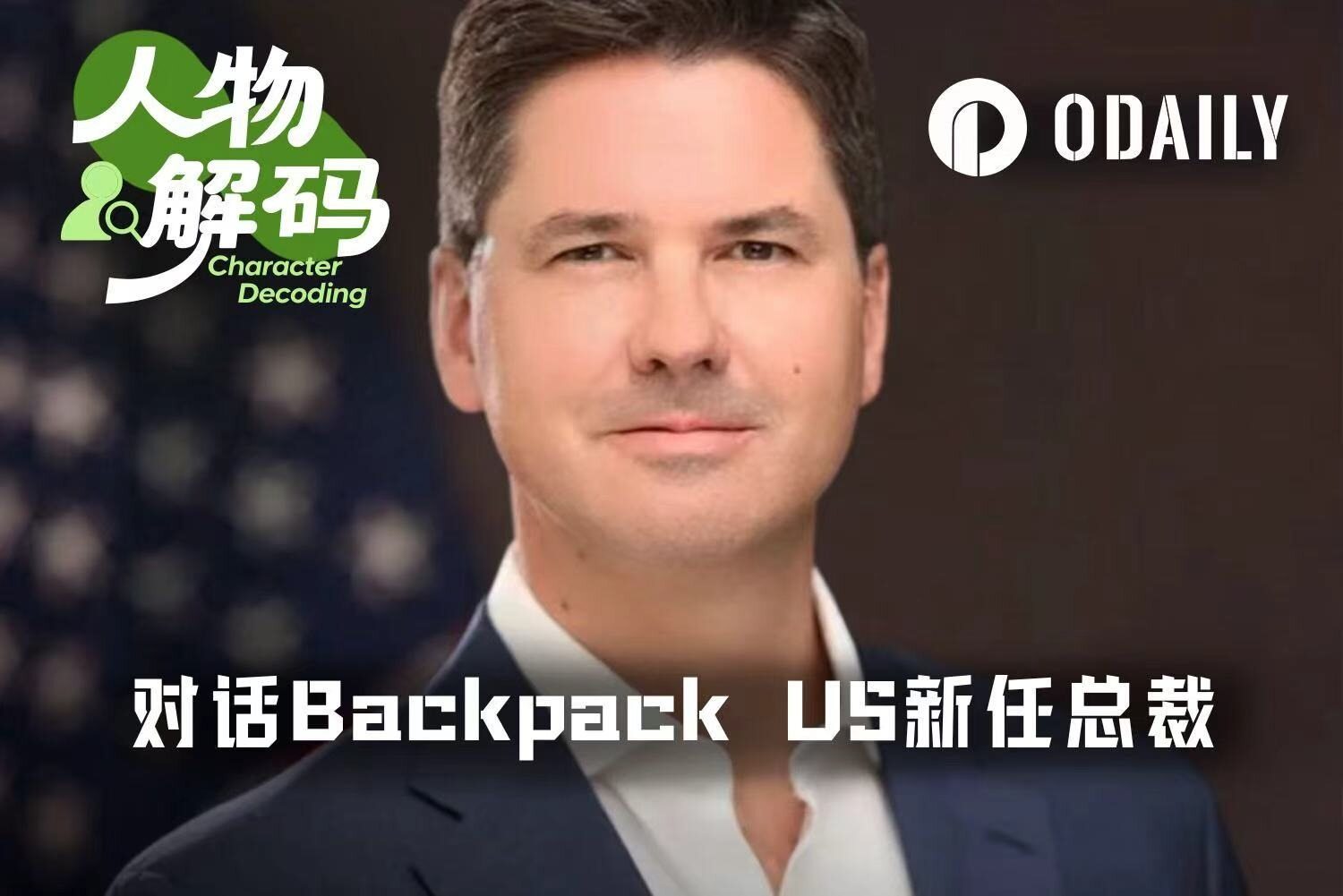
He worked in the U.S. financial regulatory system for nearly two decades: from Policy Advisor to the U.S. Senate Committee on Finance, to being nominated by President Obama as a Commissioner of the U.S. Commodity Futures Trading Commission (CFTC), and even serving as Acting Chairman in 2014. At that time, Wall Street was still largely观望 or even skeptical of Bitcoin, while he had already led and facilitated the first formal hearing on digital assets in U.S. regulatory history within the CFTC. Looking back now, that openness and foresight towards emerging technology must have seemed particularly precious and lonely at the time.

More than a decade later, this former policy maker who once sat in the regulatory seat chose to turn around and step into the crypto world. Today, he has joined the crypto exchange Backpack as President of Backpack US, responsible for U.S. market operations management, regulatory communication, and business development.

And at this point in time, Backpack is also standing at a new critical juncture. The TGE of the platform's native token is expected to take place on March 23. As the token issuance approaches, Backpack is also明显 accelerating its global market compliance layout and has identified the U.S. market as the most important strategic focus for the next phase.

It is against this backdrop that Odaily Planet Daily had the privilege of conducting an in-depth and candid conversation with Mark Wetjen.

This conversation is not just the story of a veteran regulator's personal transition; it also serves as a mirror, reflecting the subtle yet profound changes in the U.S. regulatory environment and the crypto industry ecosystem over the past decade—from initial vigilance and alienation to increasing understanding, dialogue, and even a certain degree of mutual approach.

And Mark Wetjen has恰好 witnessed and participated in all of this.

From the Regulatory Seat to the Market Frontlines

In the development narrative of the crypto industry, regulators are often seen as an "external force." They often arrive late after the market has already formed, using rules to amend, restrict, or even correct the sparks of innovation that have already occurred.

But Mark Wetjen's trajectory is somewhat unique.

While many were still debating "whether this nascent digital asset Bitcoin is an internet bubble," he was already pondering a more practical question: if this asset can truly exist and continue to grow, how should the regulatory system face it?

If we仔细观察 Mark Wetjen's career path, we find that he has几乎 walked through the most important nodes of the modern financial system.

In Washington, he was a policy maker; at the CFTC, he was a regulator; at DTCC (The Depository Trust & Clearing Corporation), he entered the core financial infrastructure of Wall Street and participated in shaping DTCC's early thinking on blockchain technology; later, he was hired to lead MIAX Futures and assisted in its foray into digital asset products. After that, he joined FTX US, responsible for policy and regulatory affairs. From rule drafter, to infrastructure guardian, to exchange leader, this path几乎串起了 the entire bloodstream of the financial market.

During his tenure at the CFTC, he approved the first Bitcoin derivative instrument listed and traded on a regulated U.S. platform and directed the General Counsel to assess whether Bitcoin was a commodity, thus determining its suitability as a reference asset for CFTC-regulated products. At that time, he saw a nascent market full of potential but structurally chaotic. He was already one of the earliest officials in Washington to publicly advocate for a regulatory framework for Bitcoin.

In the early years, Wetjen formed this view: those crypto companies that can truly develop long-term are precisely the ones that treat compliance capabilities as a competitive advantage. Because compliance not only means legal security but also broader market access, more institutional funds, and more stable long-term growth.

In Wetjen's view, Backpack is exactly such a company.

They are a team that truly places compliance at the core of product design, rather than treating it as an afterthought. This was also a key reason why he ultimately chose to join Backpack.

Now, as Backpack officially enters the U.S. market, he has been appointed President of Backpack US, responsible for U.S. market operations management, regulatory communication, and business development. Simply put, his task is单一: to help Backpack truly land in the world's most complex and important financial market.

And judging from today's results, this strategy is already taking shape. Backpack has already obtained regulatory approval in multiple jurisdictions: a VASP license in Dubai, MiFID II authorization in Europe, and the U.S. is its next most important market. In Wetjen's view, this is not accidental—it is a strategic choice made after careful consideration.

The Ultimate Answer to Exchange Competition: Trust

Over the past few years, the battle among crypto exchanges has seemed like an never-ending arms race: who has deeper liquidity, who iterates products quicker, who lists coins faster... These were once hailed as the king's way and indeed allowed some platforms to stand out in the short term.

However, when asked about the most core competitiveness of exchanges in the next decade, in Wetjen's view, these are not the final answer.

His answer is simple: trust.

In the crypto industry, everything comes and goes quickly. Today's领先 matching engine may be replaced by a more efficient architecture tomorrow; an exchange's proud liquidity pool may also be quickly replicated by competitors during market cycles. Even regulatory licenses, once seen as barriers, may no longer be the exclusive advantage of a few institutions as the industry gradually moves towards compliance.

But trust is different.

If an exchange can operate stably over the long term in a complex and changing regulatory environment and always put user asset safety first, then this trust will continuously沉淀 over time, eventually becoming the most difficult to replicate moat.

In Wetjen's view, the role played by crypto trading platforms in the future is far more than just a simple trading matching system.

It is more like a bridge. One end connects the crypto-native world, and the other end connects the traditional financial system, allowing ordinary users and institutional investors to enter this new financial network in a compliant and secure manner.

It is precisely for this reason that he chose to join Backpack. "I believe this team is doing the right thing at the right time," Wetjen said.

If five years from now, when people think of the most compliant, trustworthy, and product-innovative crypto trading platform, the first name that comes to mind is Backpack, then for him, this experiment might already be a success.

In a sense, this is also a natural continuation of his career.

Ten years ago, he was in a Washington conference room discussing how to regulate Bitcoin.

Ten years later, he is participating in building a crypto financial infrastructure that can be accepted by the regulatory system.

Some people are builders of the crypto world, some are gatekeepers of the regulatory system. And people like Mark Wetjen are trying to build a bridge between the two.

Preguntas relacionadas

QWho is Mark Wetjen and what significant role did he play in the early regulation of Bitcoin?

AMark Wetjen is a former U.S. financial regulator who served as a policy advisor to the U.S. Senate Committee on Finance and was nominated by President Obama as a commissioner of the U.S. Commodity Futures Trading Commission (CFTC). In 2014, he acted as the CFTC's acting chairman. He led and facilitated the first formal U.S. regulatory hearing on digital assets, approved the first Bitcoin derivatives product traded on a regulated U.S. platform, and was one of the earliest officials in Washington to advocate for a regulatory framework for Bitcoin.

QWhat is Mark Wetjen's current role in the cryptocurrency industry?

AMark Wetjen is currently the President of Backpack US, a cryptocurrency exchange. He is responsible for the platform's U.S. market operations, regulatory communication, and business development.

QAccording to Mark Wetjen, what is the ultimate competitive advantage for a cryptocurrency exchange in the long term?

AMark Wetjen believes that the ultimate competitive advantage for a cryptocurrency exchange is trust. He argues that while technological features like liquidity and product innovation can be replicated, the trust built through long-term compliance, user asset security, and stable operation in a complex regulatory environment becomes an enduring and difficult-to-copy moat.

QWhat regulatory approvals has Backpack obtained in its global expansion?

ABackpack has obtained a VASP license in Dubai and received MiFID II authorization in Europe. The United States is identified as its next most important strategic market.

QHow does Mark Wetjen view the role of a cryptocurrency exchange in the future financial system?

AMark Wetjen sees the future role of a cryptocurrency exchange as a bridge connecting the native crypto world with the traditional financial system. It aims to allow both retail users and institutional investors to enter this new financial network in a compliant and secure manner.

Lecturas Relacionadas

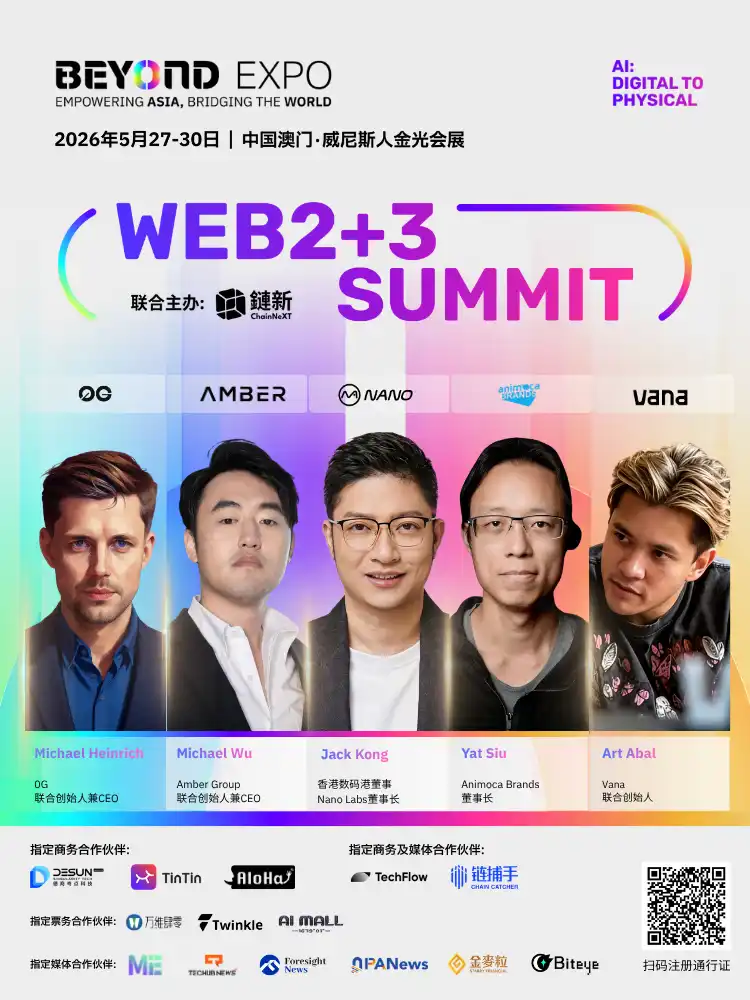
First Batch of Keynote Speakers and Partners Announced! Web2+3 Summit: Defining the Next Generation of Digital Economy

Web2+3 Summit: Defining the Next Generation of Digital Economy The 6th BEYOND International Technology Innovation Expo (BEYOND Expo 2026), Asia's largest tech and ecosystem exhibition, is launching a dedicated Web2+3 stage for the first time. Co-hosted by BEYOND Expo and ChainNeXT Group, the Web3 Summit will take place from May 28–30, 2026. Against the backdrop of accelerating global tech integration, the boundaries between Web2 and Web3 are rapidly blurring. With clearer global regulations for blockchain-driven internet (Web3) and the special issuance of a Hong Kong dollar stable币 license by the Hong Kong SAR government on April 10, 2026, Web3's decentralized principles are quickly merging with traditional industries (Web2) such as e-commerce, finance, and artificial intelligence. Focused on blockchain-driven digital economy elements, the summit will center on three core principles—implementability, commercial viability, and compliance. It will bring together top Web3 experts to discuss key integration areas like stablecoin payment finance (PayFi), real-world asset tokenization (RWA), and decentralized AI (DeAI), unveiling new opportunities for industrial innovation. The first wave of confirmed speakers includes Jack Kong (Director of Hong Kong Cyberport, Chairman of Nano Labs), Yat Siu (Chairman of Animoca Brands), Michael Wu (Co-founder & CEO of Amber Group), Michael Heinrich (Co-founder & CEO of 0G), and Art Abal (Co-founder of Vana). More Web3 ecosystem pioneers, AI, and fintech experts will be announced soon. Core forum topics include: - Web2+DeAI: New AI Paradigms Driven by Decentralized Infrastructure - Web2+RWA: Real-World Asset Tokenization and Global Liquidity - Web2+PayFi: Cross-Border Payments and Financial Innovation Powered by Crypto Infrastructure - Web2+3 AI: Autonomous Agents and the Crypto Economy - Web2+3 Wealth: On-Chain and Off-Chain Integrated Investment Ecosystems - Web2+3 Commerce: A New Landscape for Global Trade Driven by Stablecoins Additional agenda details will be released in the near future.

marsbitHace 4 hora(s)

First Batch of Keynote Speakers and Partners Announced! Web2+3 Summit: Defining the Next Generation of Digital Economy

marsbitHace 4 hora(s)

Trading

Spot
Futuros

Artículos destacados

Qué es BITCOIN

Entendiendo HarryPotterObamaSonic10Inu (ERC-20) y Su Posición en el Espacio Cripto En los últimos años, el mercado de criptomonedas ha sido testigo de un aumento en la popularidad de las monedas meme, capturando el interés no solo de los comerciantes, sino también de aquellos que buscan compromiso comunitario y valor de entretenimiento. Entre estos tokens únicos se encuentra HarryPotterObamaSonic10Inu (ERC-20), un proyecto intrigante que mezcla referencias culturales en el tejido de las criptomonedas. Este artículo profundiza en los aspectos clave de HarryPotterObamaSonic10Inu, explorando sus mecanismos, ethos impulsado por la comunidad y su relación con el paisaje cripto más amplio. ¿Qué es HarryPotterObamaSonic10Inu (ERC-20)? Como su nombre sugiere, HarryPotterObamaSonic10Inu es una moneda meme construida sobre la blockchain de Ethereum, clasificada bajo el estándar ERC-20. A diferencia de las criptomonedas tradicionales que pueden enfatizar la utilidad práctica o el potencial de inversión, este token prospera en el valor de entretenimiento y la fuerza de su comunidad. El proyecto tiene como objetivo fomentar un entorno donde los usuarios comprometidos puedan reunirse, compartir ideas y participar en actividades inspiradas por diversos fenómenos culturales. Una característica notable de HarryPotterObamaSonic10Inu es su cero impuestos en las transacciones. Este atractivo elemento tiene como objetivo incentivar el comercio y la participación comunitaria, sin cargos adicionales que puedan disuadir a los comerciantes de pequeña escala. El suministro total de la moneda está establecido en mil millones de tokens, una cifra que marca su intención de mantener una circulación sustancial dentro de la comunidad. Creador de HarryPotterObamaSonic10Inu (ERC-20) Los orígenes de HarryPotterObamaSonic10Inu están algo envueltos en misterio; los detalles sobre el creador siguen siendo desconocidos. El desarrollo de este token carece de un equipo identificable o de un plan explícito, lo cual no es inusual dentro del sector de monedas meme. En cambio, el proyecto ha surgido de manera orgánica, con su progreso muy dependiente del entusiasmo y la participación de su comunidad. Inversores de HarryPotterObamaSonic10Inu (ERC-20) En cuanto a inversiones externas y respaldo, HarryPotterObamaSonic10Inu también sigue siendo ambiguo. El token no lista ninguna fundación de inversión conocida o apoyo organizacional significativo. En cambio, la savia del proyecto es su comunidad de base, que informa su crecimiento y sostenibilidad a través de la acción colectiva y el compromiso en el espacio cripto. ¿Cómo Funciona HarryPotterObamaSonic10Inu (ERC-20)? Como una moneda meme, HarryPotterObamaSonic10Inu opera principalmente fuera de los marcos tradicionales que a menudo rigen el valor de los activos. Hay varios aspectos distintivos que definen cómo funciona el proyecto: Transacciones Sin Impuestos: Sin tarifas impositivas en las transacciones, los usuarios pueden comprar y vender el token libremente sin preocuparse por costos ocultos. Compromiso Comunitario: El proyecto prospera en la interacción comunitaria, aprovechando plataformas de redes sociales para crear entusiasmo y facilitar la participación. Las discusiones, el intercambio de contenido y el compromiso son elementos cruciales que ayudan a expandir su alcance y fomentar la lealtad entre los seguidores. Sin Utilidad Práctica: Cabe señalar que HarryPotterObamaSonic10Inu no ofrece utilidad concreta dentro del ecosistema financiero. Más bien, se clasifica como un token principalmente para actividades de entretenimiento y comunitarias. Referencia Cultural: El token incorpora astutamente elementos de la cultura popular para atraer interés, conectando con entusiastas de los memes y seguidores de las criptomonedas por igual. HarryPotterObamaSonic10Inu ejemplifica cómo las monedas meme operan de manera diferente a los proyectos de criptomonedas más tradicionales, ingresando al mercado como construcciones sociales innovadoras en lugar de activos utilitarios. Cronología de HarryPotterObamaSonic10Inu (ERC-20) La historia de HarryPotterObamaSonic10Inu está marcada por varios hitos notables: Creación: El token surgió de un meme viral, capturando la imaginación de muchos entusiastas de las criptomonedas. Las fechas específicas de creación no están disponibles, subrayando su ascenso orgánico. Listado en Exchanges: HarryPotterObamaSonic10Inu ha llegado a varios exchanges, permitiendo un acceso y comercio más fácil por parte de la comunidad. Iniciativas de Compromiso Comunitario: Actividades continuas destinadas a mejorar la interacción comunitaria, incluyendo concursos, campañas en redes sociales y generación de contenido por parte de fanáticos y defensores. Planes de Expansión Futuros: La hoja de ruta del proyecto incluye el lanzamiento de una colección de NFT, mercancía y un sitio de comercio electrónico relacionado con sus temas culturales, involucrando aún más a la comunidad e intentando añadir más dimensiones a su ecosistema. Puntos Clave Sobre HarryPotterObamaSonic10Inu (ERC-20) Naturaleza Impulsada por la Comunidad: El proyecto prioriza la participación colectiva y la creatividad, asegurando que la involucración de los usuarios esté a la vanguardia de su desarrollo. Clasificación como Moneda Meme: Representa la epítome de las criptomonedas basadas en el entretenimiento, diferenciándose de los vehículos de inversión tradicionales. Sin Afiliación Directa con Bitcoin: A pesar de la similitud en el nombre del ticker, HarryPotterObamaSonic10Inu es distinto y no tiene relación con Bitcoin u otras criptomonedas establecidas. Enfoque en la Colaboración: HarryPotterObamaSonic10Inu está diseñado para crear un espacio para la colaboración y el intercambio de historias entre sus poseedores, proporcionando una vía para la creatividad y el vínculo comunitario. Perspectivas Futuras: La ambición de expandirse más allá de su premisa inicial hacia NFTs y mercancías describe un camino para que el proyecto potencialmente ingrese a avenidas más tradicionales dentro de la cultura digital. A medida que las monedas meme continúan capturando la imaginación de la comunidad de criptomonedas, HarryPotterObamaSonic10Inu (ERC-20) se destaca debido a sus lazos culturales y su enfoque centrado en la comunidad. Si bien puede no encajar en el molde típico de un token impulsado por la utilidad, su esencia radica en la alegría y la camaradería fomentadas entre sus seguidores, destacando la naturaleza en evolución de las criptomonedas en una era cada vez más digital. A medida que el proyecto continúa desarrollándose, será importante observar cómo las dinámicas comunitarias influyen en su trayectoria en el cambiante paisaje de la tecnología blockchain.

1.3k Vistas totalesPublicado en 2024.04.01Actualizado en 2024.12.03

Qué es BITCOIN

Cómo comprar BTC

¡Bienvenido a HTX.com! Hemos hecho que comprar Bitcoin (BTC) sea simple y conveniente. Sigue nuestra guía paso a paso para iniciar tu viaje de criptos.Paso 1: crea tu cuenta HTXUtiliza tu correo electrónico o número de teléfono para registrarte y obtener una cuenta gratuita en HTX. Experimenta un proceso de registro sin complicaciones y desbloquea todas las funciones.Obtener mi cuentaPaso 2: ve a Comprar cripto y elige tu método de pagoTarjeta de crédito/débito: usa tu Visa o Mastercard para comprar Bitcoin (BTC) al instante.Saldo: utiliza fondos del saldo de tu cuenta HTX para tradear sin problemas.Terceros: hemos agregado métodos de pago populares como Google Pay y Apple Pay para mejorar la comodidad.P2P: tradear directamente con otros usuarios en HTX.Over-the-Counter (OTC): ofrecemos servicios personalizados y tipos de cambio competitivos para los traders.Paso 3: guarda tu Bitcoin (BTC)Después de comprar tu Bitcoin (BTC), guárdalo en tu cuenta HTX. Alternativamente, puedes enviarlo a otro lugar mediante transferencia blockchain o utilizarlo para tradear otras criptomonedas.Paso 4: tradear Bitcoin (BTC)Tradear fácilmente con Bitcoin (BTC) en HTX's mercado spot. Simplemente accede a tu cuenta, selecciona tu par de trading, ejecuta tus trades y monitorea en tiempo real. Ofrecemos una experiencia fácil de usar tanto para principiantes como para traders experimentados.

4.6k Vistas totalesPublicado en 2024.12.12Actualizado en 2025.03.21

Cómo comprar BTC

Qué es $BITCOIN

ORO DIGITAL ($BITCOIN): Un Análisis Integral Introducción al ORO DIGITAL ($BITCOIN) ORO DIGITAL ($BITCOIN) es un proyecto basado en blockchain que opera en la red Solana, cuyo objetivo es combinar las características de los metales preciosos tradicionales con la innovación de las tecnologías descentralizadas. Aunque comparte un nombre con Bitcoin, a menudo referido como “oro digital” debido a su percepción como un refugio de valor, ORO DIGITAL es un token separado diseñado para crear un ecosistema único dentro del paisaje Web3. Su meta es posicionarse como un activo digital alternativo viable, aunque los detalles sobre sus aplicaciones y funcionalidades aún están en desarrollo. ¿Qué es ORO DIGITAL ($BITCOIN)? ORO DIGITAL ($BITCOIN) es un token de criptomoneda diseñado explícitamente para su uso en la blockchain de Solana. A diferencia de Bitcoin, que proporciona un papel de almacenamiento de valor ampliamente reconocido, este token parece centrarse en aplicaciones y características más amplias. Aspectos notables incluyen: Infraestructura Blockchain: El token está construido sobre la blockchain de Solana, conocida por su capacidad para manejar transacciones de alta velocidad y bajo costo. Dinámicas de Suministro: ORO DIGITAL tiene un suministro máximo limitado a 100 cuatrillones de tokens (100P $BITCOIN), aunque los detalles sobre su suministro circulante no se han divulgado actualmente. Utilidad: Si bien las funcionalidades precisas no están delineadas explícitamente, hay indicios de que el token podría ser utilizado para diversas aplicaciones, potencialmente involucrando aplicaciones descentralizadas (dApps) o estrategias de tokenización de activos. ¿Quién es el Creador de ORO DIGITAL ($BITCOIN)? En la actualidad, la identidad de los creadores y el equipo de desarrollo detrás de ORO DIGITAL ($BITCOIN) sigue siendo desconocida. Esta situación es típica entre muchos proyectos innovadores dentro del espacio blockchain, particularmente aquellos alineados con las finanzas descentralizadas y fenómenos de monedas meme. Si bien tal anonimato puede fomentar una cultura impulsada por la comunidad, intensifica las preocupaciones sobre la gobernanza y la responsabilidad. ¿Quiénes son los Inversores de ORO DIGITAL ($BITCOIN)? La información disponible indica que ORO DIGITAL ($BITCOIN) no tiene patrocinadores institucionales conocidos ni inversiones destacadas de capital de riesgo. El proyecto parece operar en un modelo de peer-to-peer centrado en el apoyo y la adopción de la comunidad en lugar de rutas de financiamiento tradicionales. Su actividad y liquidez se sitúan principalmente en intercambios descentralizados (DEX), como PumpSwap, en lugar de plataformas de trading centralizadas establecidas, lo que resalta aún más su enfoque de base. Cómo Funciona ORO DIGITAL ($BITCOIN) Los mecanismos operativos de ORO DIGITAL ($BITCOIN) pueden elaborarse en función de su diseño blockchain y atributos de red: Mecanismo de Consenso: Al aprovechar el único proof-of-history (PoH) de Solana combinado con un modelo de proof-of-stake (PoS), el proyecto asegura una validación de transacciones eficiente que contribuye al alto rendimiento de la red. Tokenómica: Si bien los mecanismos deflacionarios específicos no se han detallado extensamente, el vasto suministro máximo de tokens implica que podría atender microtransacciones o casos de uso nicho que aún están por definirse. Interoperabilidad: Existe el potencial de integración con el ecosistema más amplio de Solana, incluyendo varias plataformas de finanzas descentralizadas (DeFi). Sin embargo, los detalles sobre integraciones específicas permanecen no especificados. Cronología de Eventos Clave Aquí hay una cronología que destaca hitos significativos relacionados con ORO DIGITAL ($BITCOIN): 2023: El despliegue inicial del token ocurre en la blockchain de Solana, marcado por su dirección de contrato. 2024: ORO DIGITAL gana visibilidad al estar disponible para trading en intercambios descentralizados como PumpSwap, permitiendo a los usuarios comerciar contra SOL. 2025: El proyecto presencia actividad de trading esporádica y potencial interés en compromisos liderados por la comunidad, aunque no se han documentado asociaciones notables o avances técnicos hasta el momento. Análisis Crítico Fortalezas Escalabilidad: La infraestructura subyacente de Solana soporta altos volúmenes de transacciones, lo que podría mejorar la utilidad de $BITCOIN en varios escenarios de transacción. Accesibilidad: El potencial bajo precio de trading por token podría atraer a inversores minoristas, facilitando una participación más amplia debido a oportunidades de propiedad fraccionada. Riesgos Falta de Transparencia: La ausencia de patrocinadores, desarrolladores o un proceso de auditoría conocidos públicamente puede generar escepticismo sobre la sostenibilidad y confiabilidad del proyecto. Volatilidad del Mercado: La actividad de trading depende en gran medida del comportamiento especulativo, lo que puede resultar en una volatilidad de precios significativa y en incertidumbre para los inversores. Conclusión ORO DIGITAL ($BITCOIN) surge como un proyecto intrigante pero ambiguo dentro del ecosistema de Solana en rápida evolución. Si bien intenta aprovechar la narrativa del “oro digital”, su alejamiento del papel establecido de Bitcoin como refugio de valor subraya la necesidad de una diferenciación más clara de su utilidad y estructura de gobernanza previstas. La aceptación y adopción futura dependerán probablemente de abordar la actual opacidad y de definir sus estrategias operativas y económicas de manera más explícita. Nota: Este informe abarca información sintetizada disponible hasta octubre de 2023, y pueden haber ocurrido desarrollos más allá del período de investigación.

83 Vistas totalesPublicado en 2025.05.13Actualizado en 2025.05.13

Qué es $BITCOIN

Discusiones

Bienvenido a la comunidad de HTX. Aquí puedes mantenerte informado sobre los últimos desarrollos de la plataforma y acceder a análisis profesionales del mercado. A continuación se presentan las opiniones de los usuarios sobre el precio de BTC (BTC).

活动图片