Artículos Relacionados con Vaults

El Centro de Noticias de HTX ofrece los artículos más recientes y un análisis profundo sobre "Vaults", cubriendo tendencias del mercado, actualizaciones de proyectos, desarrollos tecnológicos y políticas regulatorias en la industria de cripto.
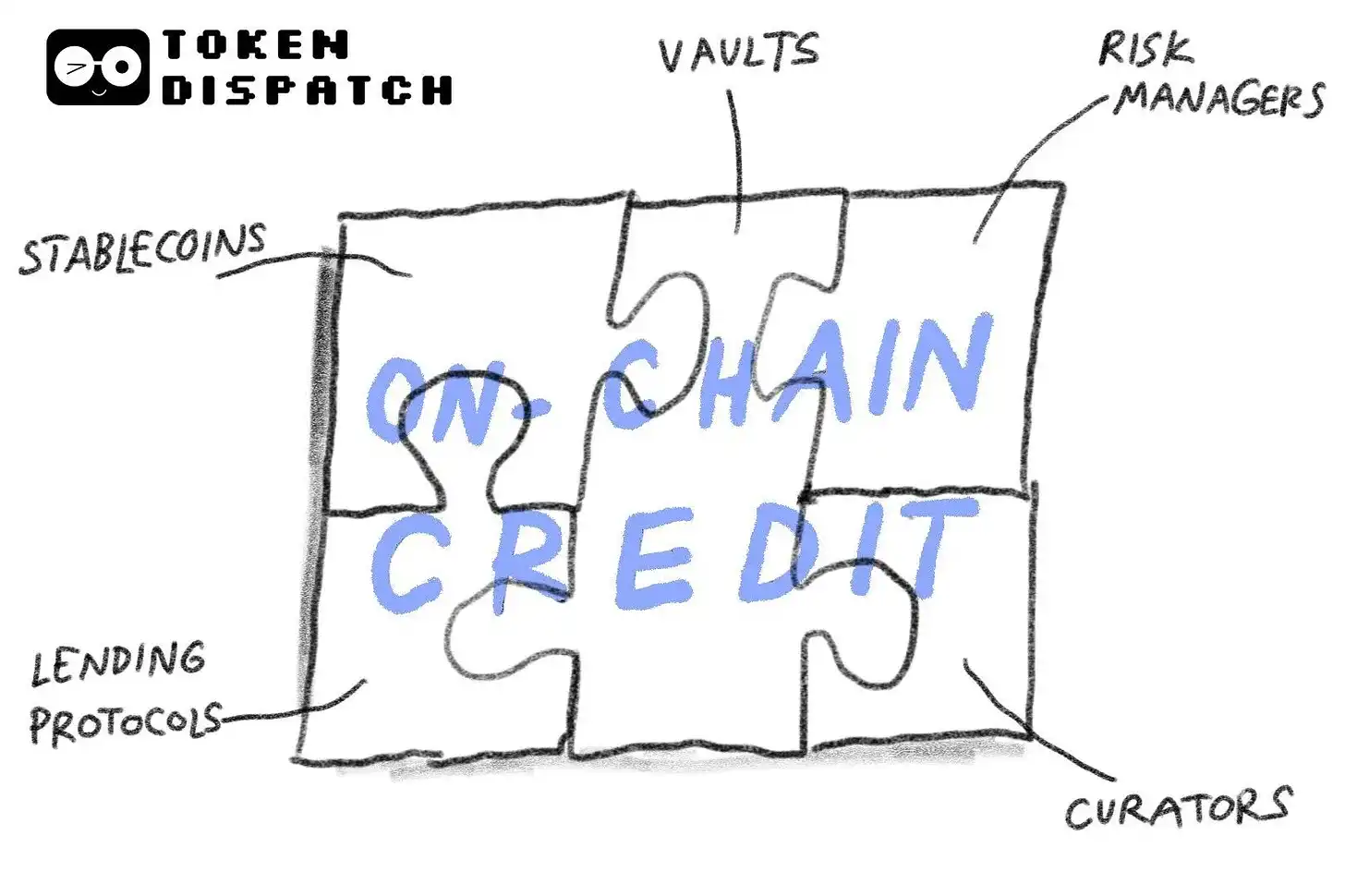

The End of DeFi Lego: Vaults Are Left with Nothing but Deposits

This article argues that the era of "DeFi Lego" – the complex, interlocking composability of decentralized finance protocols – is ending. The primary user behavior has collapsed into a single action: depositing stablecoins into yield-bearing vaults for a return. Major exchanges like Binance, OKX, and HTX are forging their own paths by subsidizing and promoting their own stablecoin products (e.g., USD1, USDG) to capture user value directly. On-chain, the yield landscape has become homogenized, with vaults competing almost solely on the APY they offer for USDT and USDC deposits. Users no longer care about the underlying protocols (Morpho, Aave, etc.) or their governance tokens; they are primarily attracted by high yields and the branding of the platforms offering them (e.g., Kraken, Coinbase). This shift has led to several consequences: governance tokens are losing value, DeFi ecosystem has become a flattened landscape of competing vaults rather than a collaborative system, and the end-user experience is now a simple flow of converting fiat to stablecoins on a CEX, finding the highest-yielding vault, and spending via crypto debit cards. The article concludes that DeFi must learn from traditional finance (TradFi), which successfully serves human needs and builds network effects. To survive, DeFi protocols must move beyond being mere back-end yield generators and find ways to re-engage users, rebuild trust, and create value beyond just high APYs.

marsbit01/29 01:38

The End of DeFi Lego: Vaults Are Left with Nothing but Deposits

marsbit01/29 01:38

The United States Will Not Reject Stablecoins

The article argues that the U.S. has no fundamental reason to reject stablecoins, despite regulatory friction. The debate centers on the "passive yield" mechanism, with traditional banks fearing massive deposit outflows—potentially up to $6 trillion—from community banks into yield-bearing stablecoins like USDC, which could raise lending costs. Coinbase counters that yield is a tool for user benefit and efficiency, helping users escape near-zero bank interest rates. Stablecoin issuers like Tether and Circle have become significant buyers of U.S. Treasury bonds, holding $1700 billion in Treasuries and accounting for a small but growing share of the money supply. With foreign demand for U.S. debt declining, stablecoins help sustain Treasury markets. The piece traces the rapid evolution of on-chain yield mechanisms, from Ethena’s USDe—which surged then contracted after deleveraging events—to more mature vault-based models like those on Morpho. While on-chain yield products have advanced, real-world adoption in payments remains limited. The solution proposed is integrating yield into payment systems, making yield a default feature during transactions—not just when holding or idling—thus benefiting users, merchants, and platforms. Examples like Airwallex’s yield products and travel platform partnerships show the potential. The conclusion is that stablecoins must expand utility and user base to succeed, with the next challenge being the governance of yield vaults to prevent systemic risks.

marsbit01/19 03:37

The United States Will Not Reject Stablecoins

marsbit01/19 03:37

活动图片