Germany's Decades-Long Lead Lost as China's Machine Tools Quietly Rise to Global No.1
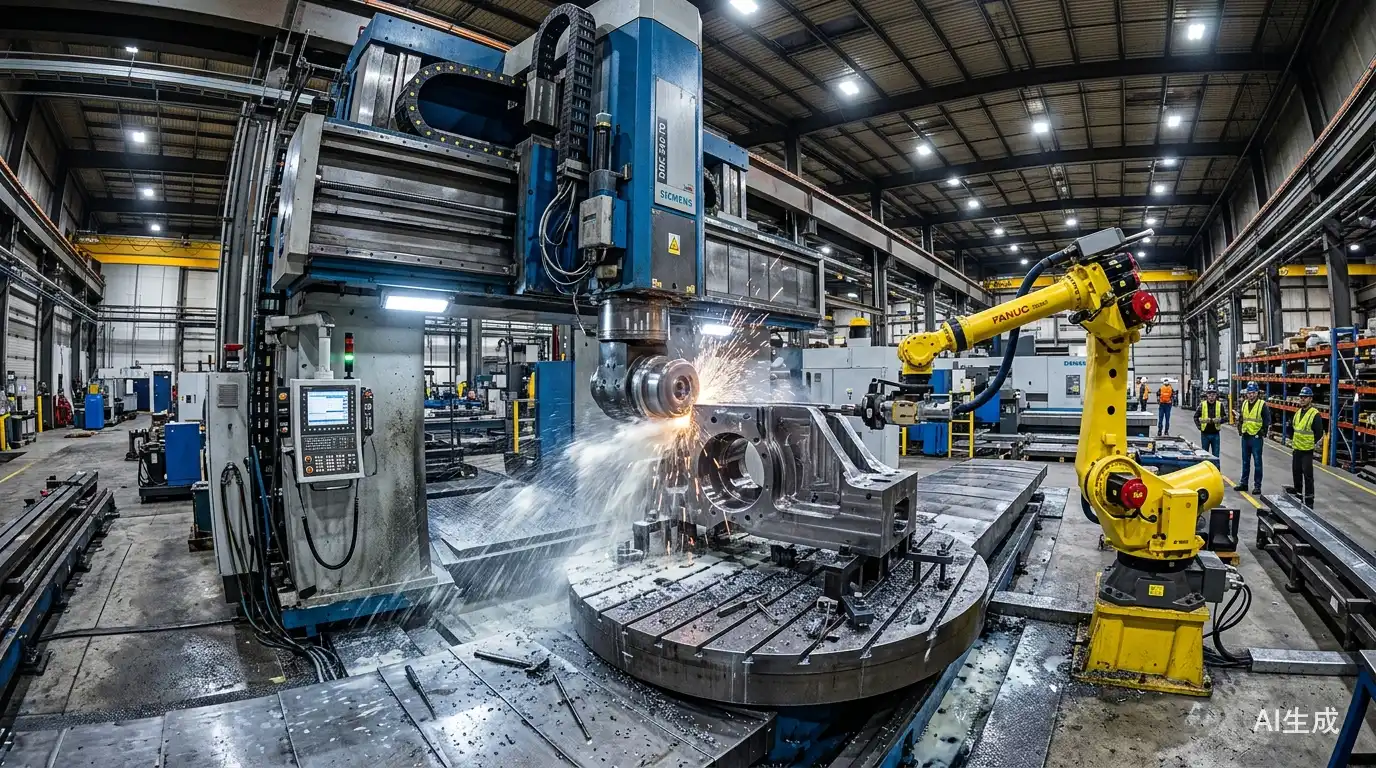
For decades, Germany held the top spot in global machine tool exports, but in 2025, China officially surpassed it for the first time, with its export value reaching 21% of the global market share. This article explores how China transformed from a heavily import-dependent nation to an export leader in this foundational industry for modern manufacturing.
It begins by explaining the immense technical challenges in building high-end machine tools. Precision machining faces persistent physical obstacles like thermal expansion, vibration, and component wear, demanding top-tier core components like spindles, ball screws, and CNC systems. Historically, China relied on imports for over 90% of these critical components, and domestic machine tools suffered from short lifespans between failures (MTBF), making them unreliable for industrial use.
The article credits the state-backed "04 Special Project" (2009-2020) for laying a crucial foundation. It boosted the market share of domestic high-end CNC systems from below 1% to nearly 32% and significantly improved overall machine reliability. However, the primary driver for China's rise was the massive and fast-evolving domestic market, particularly in the new-energy vehicle (NEV) sector. This created unique, high-demand applications like machining large integrated die-castings and complex battery housings. Domestic manufacturers, being close to the world's largest NEV market, rapidly iterated products to meet these new needs, gaining an edge over foreign competitors in certain emerging segments.
Despite reaching the top spot in export value, the article stresses this is just a beginning. The current exports are often in specific categories like special-purpose processing machines (e.g., laser, EDM), with key markets in Asia and emerging economies. Furthermore, part of the "Chinese" export volume comes from foreign-owned factories within China. The true test for China's machine tool industry will be building the global trust and service infrastructure required for long-term, reliable operation overseas. The journey from being a buyer restricted by others' export controls to becoming a seller who must manage sensitive equipment exports and build a global support network has just entered a new, more demanding phase.
marsbitAyer 14:21