SUI dominates 2026 L1 volume with $43B – What it means for price

ambcryptoPublicado a 2026-02-24Actualizado a 2026-02-24

Resumen

Sui led major Layer 1 blockchains in token volume in early 2026, reaching $43.4 billion from January 1 to February 22, surpassing competitors like TRX and ADA. This significant volume, combined with a sharp increase in new account creation, indicates strong capital concentration and investor conviction in the SUI ecosystem. The simultaneous growth in both trading activity and network participation suggests structural momentum rather than short-term rotation, potentially positioning SUI for sustained growth and broader market recognition.

Tokens from high-growth ecosystems dominated early 2026 conversations.

Year-to-date, Sui recorded the highest Token Volume among major Layer 1 networks.

From the 1st of January to the 22nd of February, SUI reached $43.4 billion in cumulative volume. That surpassed TRX at $35.8 billion and ADA at $32.4 billion.

That gap mattered.

Capital rotated aggressively into SUI rather than dispersing across competitors. Investors positioned where liquidity deepened. The concentration signaled conviction.

Was this short-term rotation, or something more structural?

Token Volume leadership

Sui [SUI] led 2026 in Token Volume, and the margin stood out.

Outpacing established Layer 1 competitors signaled conviction. For instance, surpassing networks like Cardano and Avalanche reflected decisive capital allocation. Traders chose engagement.

Strong hands appeared to absorb the supply consistently.

Elevated trading activity unfolded alongside steady positioning. As a result, liquidity is concentrated rather than dispersed.

Moreover, leadership in Token Volume reflected real participation. It signaled preference. It suggested that capital flowed toward ecosystems showing momentum and clarity.

Network activity surges past major Layer 1 rivals

SUI Network Activity did not crawl upward. It surged. New account creation accelerated over recent days. The expansion was sharp and visible.

Fresh participants entered with purpose.

As seen in the data, user inflows aligned with rising Token Volume.

Therefore, engagement deepened structurally. This was not background noise. It was an expansion. Meanwhile, this growth pattern suggested investors were positioning early.

Ecosystem strength often preceded broader recognition.

Is rapid account growth signaling a breakout year for SUI?

Rapid account expansion often preceded broader ecosystem recognition.

When Token Volume and new accounts grew simultaneously, momentum tended to build. The structure strengthened.

Looking ahead, SUI’s leadership in Token Volume, combined with sustained Network Activity, suggested deliberate positioning.

Should participation hold at current levels, the ecosystem could command sustained capital attention.

Momentum formed. Structure supported it. The next phase would determine durability.


Final Summary

  • Sui led 2026 year-to-date Token Volume at $43.4B, ahead of TRX ($35.8B) and ADA ($32.4B).
  • Liquidity is concentrated in SUI rather than dispersing across major Layer 1 competitors.

Preguntas relacionadas

QWhich Layer 1 network led in Token Volume in early 2026 and by how much?

ASui (SUI) led in Token Volume in early 2026 with $43.4 billion.

QWhat two major Layer 1 networks did Sui surpass in cumulative volume from January 1st to February 22nd?

ASui surpassed TRX ($35.8 billion) and ADA ($32.4 billion) in cumulative volume.

QWhat does the concentration of liquidity into SUI, as opposed to being dispersed, signal according to the article?

AThe concentration of liquidity into SUI signaled investor conviction and decisive capital allocation.

QBesides high Token Volume, what other on-chain metric showed significant growth for the SUI network?

ANew account creation, or Network Activity, surged and accelerated alongside the rising Token Volume.

QWhat does the simultaneous growth in Token Volume and new accounts often precede for an ecosystem?

AThe simultaneous growth in Token Volume and new accounts often precedes broader ecosystem recognition and sustained momentum.

Lecturas Relacionadas

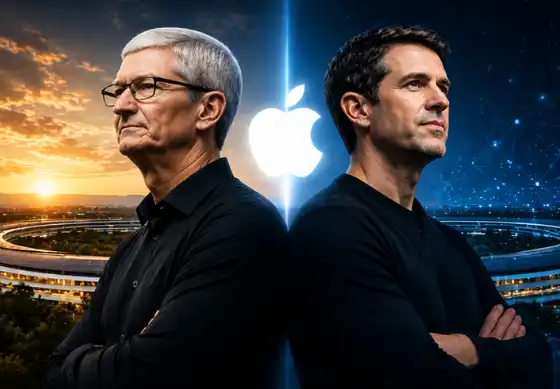
Cook's Curtain Call and Ternus Takes the Helm: The Disruption and Reboot of Apple's 4 Trillion Dollar Empire

Tim Cook has officially announced he will step down as CEO of Apple in September, transitioning to executive chairman after a 15-year tenure during which he grew the company’s market value from around $350 billion to nearly $4 trillion. He will be succeeded by John Ternus, a 50-year-old hardware engineering veteran who has been groomed for the role through increasing public visibility and internal responsibility. Ternus’s appointment signals a strategic shift toward hardware and engineering leadership, with Johny Srouji—head of Apple Silicon—taking on an expanded role as Chief Hardware Officer. This consolidation aims to strengthen Apple’s core technological capabilities. However, Cook’s departure highlights a significant unresolved issue: Apple’s delayed and fragmented approach to artificial intelligence. Despite early efforts, such as hiring John Giannandrea from Google in 2018, Apple’s AI initiatives—particularly around Siri—have struggled with internal restructuring and reliance on external partnerships, including with Google. The transition comes at a critical moment as Apple faces paradigm shifts with the rise of artificial general intelligence (ASI). The company’s closed ecosystem of hardware, software, and services—once a major advantage—now presents challenges in adapting to an AI-centric world where intelligence may matter more than the device itself. Ternus must quickly articulate a clear AI strategy, possibly starting at WWDC, to reassure markets and redefine Apple’s role in a new technological era. His task is not only to maintain Apple’s operational excellence but also to reinvigorate its capacity to innovate and lead in the age of AI.

marsbitHace 47 min(s)

Cook's Curtain Call and Ternus Takes the Helm: The Disruption and Reboot of Apple's 4 Trillion Dollar Empire

marsbitHace 47 min(s)

Trading

Spot
Futuros

Artículos destacados

Cómo comprar SUI

¡Bienvenido a HTX.com! Hemos hecho que comprar SUI Network (SUI) sea simple y conveniente. Sigue nuestra guía paso a paso para iniciar tu viaje de criptos.Paso 1: crea tu cuenta HTXUtiliza tu correo electrónico o número de teléfono para registrarte y obtener una cuenta gratuita en HTX. Experimenta un proceso de registro sin complicaciones y desbloquea todas las funciones.Obtener mi cuentaPaso 2: ve a Comprar cripto y elige tu método de pagoTarjeta de crédito/débito: usa tu Visa o Mastercard para comprar SUI Network (SUI) al instante.Saldo: utiliza fondos del saldo de tu cuenta HTX para tradear sin problemas.Terceros: hemos agregado métodos de pago populares como Google Pay y Apple Pay para mejorar la comodidad.P2P: tradear directamente con otros usuarios en HTX.Over-the-Counter (OTC): ofrecemos servicios personalizados y tipos de cambio competitivos para los traders.Paso 3: guarda tu SUI Network (SUI)Después de comprar tu SUI Network (SUI), guárdalo en tu cuenta HTX. Alternativamente, puedes enviarlo a otro lugar mediante transferencia blockchain o utilizarlo para tradear otras criptomonedas.Paso 4: tradear SUI Network (SUI)Tradear fácilmente con SUI Network (SUI) en HTX's mercado spot. Simplemente accede a tu cuenta, selecciona tu par de trading, ejecuta tus trades y monitorea en tiempo real. Ofrecemos una experiencia fácil de usar tanto para principiantes como para traders experimentados.

456 Vistas totalesPublicado en 2024.12.12Actualizado en 2025.03.21

Cómo comprar SUI

Discusiones

Bienvenido a la comunidad de HTX. Aquí puedes mantenerte informado sobre los últimos desarrollos de la plataforma y acceder a análisis profesionales del mercado. A continuación se presentan las opiniones de los usuarios sobre el precio de SUI (SUI).

活动图片