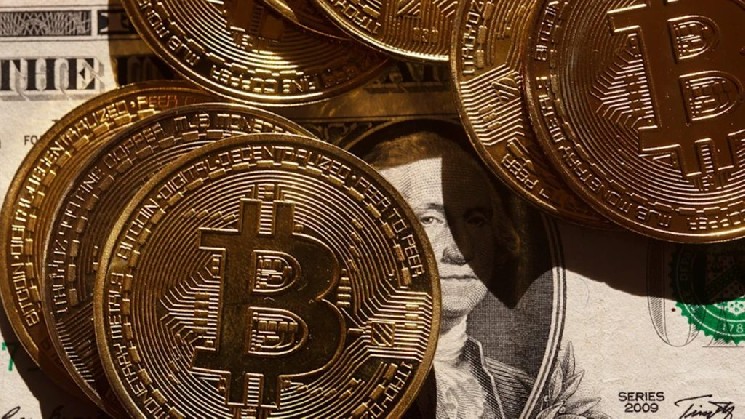
South Korea Urges Crypto Circuit Breakers After $42B Bithumb Mishap

TheNewsCryptoPublicado a 2026-04-13Actualizado a 2026-04-13

Resumen

South Korea's central bank has recommended implementing cryptocurrency exchange "circuit breakers" following a major incident on Bithumb. In February, the exchange erroneously distributed 620,000 Bitcoin (worth approximately $42 billion) to customers instead of the intended 620,000 Korean won (about $400). This triggered panic selling, causing Bitcoin's price on the platform to plummet. Although Bithumb quickly halted trading and reversed the transactions, nearly $125 million in Bitcoin had already been sold. The Bank of Korea's report emphasizes that the crypto sector lacks the stringent internal controls of traditional finance and calls for mandatory systems to detect and prevent such human errors and discrepancies in asset records. This proposal is part of broader legislative moves in South Korea to enhance the security and transparency of virtual asset exchanges.

To avoid a recurrence of the market chaos that ensued in February when Bithumb accidentally delivered over $40 billion worth of Bitcoin to its clients, the South Korean central bank has suggested that cryptocurrency exchanges have “circuit breakers” that temporarily suspend trade.

In a payments report released on Monday, the Bank of Korea suggested that legislators think about implementing measures to halt trading in cryptocurrency in the event of unexpected price fluctuations, much as the trading limitations implemented by the Korea Exchange.

Stringent Protocols

According to the bank, the virtual asset sector is currently not well-regulated and does not have the same internal control procedures as more traditional financial institutions. Therefore, the research concluded, stronger applicable policies are required to proactively avoid such instances, as they may happen at other virtual asset exchanges.

This comes at a time when politicians in South Korea are trying to enact legislation that would further regulate cryptocurrency. The Bank of Korea has said that these regulations should include its recommendations to make virtual asset exchange activities more secure and transparent.

Rather than 620,000 Korean won, which was about $400, Bithumb mistakenly transferred 620,000 Bitcoin, which was valued around $42 billion at the time, to clients in early February. According to the bank’s assessment, the price of Bitcoin on Bithumb dropped as consumers hurried to sell, which in turn caused others to panic-sell, further lowering its price.

Within minutes, Bithumb stopped trading and reversed their Bitcoin transfers. However, the exchange clarified that 1,788 BTC, or almost $125 million, had already been sold before it could take any action, and it made up the difference using corporate reserves.

Crypto exchanges should be obligated to have systems that can identify and prevent human error-induced incorrect payments, according to the Bank of Korea. It went on to say that exchanges should also be able to detect and report differences between a platform’s internal assets and those on the blockchain.

Highlighted Crypto News Today:

Bitwise Accelerates Hyperliquid ETF Debut with Revised Filing

TagsAltcoinBitcoinBlockchain

Preguntas relacionadas

QWhat did the Bank of Korea propose to prevent a recurrence of the Bithumb mishap?

AThe Bank of Korea proposed that cryptocurrency exchanges implement 'circuit breakers' to temporarily suspend trade in the event of unexpected price fluctuations.

QWhat was the nature of the error that Bithumb made in February?

ABithumb accidentally transferred 620,000 Bitcoin, valued at approximately $42 billion, to its clients instead of 620,000 Korean won (about $400).

QWhat was the market impact of Bithumb's erroneous transfer?

AThe price of Bitcoin on Bithumb dropped as customers hurried to sell the mistakenly received funds, which triggered panic-selling and further drove down the price.

QAccording to the Bank of Korea, why is the virtual asset sector particularly vulnerable to such incidents?

AThe Bank of Korea stated that the virtual asset sector is not well-regulated and lacks the same internal control procedures as traditional financial institutions.

QWhat specific systems did the Bank of Korea suggest exchanges be obligated to have?

AThe Bank of Korea suggested exchanges should have systems to identify and prevent human error-induced incorrect payments, and to detect and report differences between a platform's internal assets and those on the blockchain.

Lecturas Relacionadas

The End of the Gold Rush? Global Demand for Precious Metals Is Changing

Global demand for precious metals is shifting. Gold started 2026 strongly, surpassing $5,500 per ounce, but experienced a sharp correction to below $4,000 by mid-year. It now behaves more like a risk asset, sensitive to interest rate changes, rather than a traditional safe haven. However, Chinese central bank purchases continue to provide fundamental support, with its gold reserves reaching record highs and approaching 10% of its total forex reserves. Analysts from J.P. Morgan forecast a year-end recovery to the $4,350-$4,650 range. Silver followed a more volatile path, soaring to $120 per ounce early in the year before halving in value, though current prices remain 70% above last year's levels. The industrial sector, particularly solar panel manufacturers (accounting for a fifth of global demand), is responding to high prices and supply deficits by increasing recycling and reducing metal usage per unit. Analysts note the supply deficit is easing due to increased mining investment, with WisdomTree projecting a gradual rise to $70 per ounce by Q2 2027, supported by expected gains in gold. In conclusion, the precious metals market demands in-depth analysis, as prices are driven by a complex mix of industrial demand and central bank policies. Investors are advised to rely on verified analysis, diversify risks, and make decisions based on objective market facts.

cryptonews.ruHace 24 min(s)

The End of the Gold Rush? Global Demand for Precious Metals Is Changing

cryptonews.ruHace 24 min(s)

Expect news tomorrow: this time the Bank of Japan will announce its interest rate decision! What impact will this have on Bitcoin?

A day before the Bank of Japan's (BOJ) interest rate decision announcement, the Japanese yen surged nearly 3% against the US dollar. The sharp move in the currency market fueled speculation that the Japanese government may have intervened again to support the yen. The USD/JPY pair fell over 400 pips to 158.5, its steepest daily drop since Japan's currency intervention earlier this year. Market participants suspect the rapid, strong yen appreciation could be due to direct foreign currency sales by Japanese authorities, though the Ministry of Finance has made no official statement. The yen had previously fallen to its weakest level against the dollar in nearly 40 years. In late April and May, the government intervened with roughly 9.6 trillion yen to prevent the USD/JPY from rising sustainably above 160, but the yen faced renewed selling pressure afterward. Investors are now focused on the BOJ's rate decision and its signals on future monetary policy. Potential hawkish signals from the BOJ are seen as a factor that could support further yen strength. A sharp yen appreciation could create short-term selling pressure on Bitcoin by increasing the risk of unwinding carry trades, where investors borrow low-yielding yen to invest in Bitcoin and other risky assets. This pressure could intensify if the BOJ takes a hawkish stance or raises interest rates.

cryptonews.ruHace 1 hora(s)

Expect news tomorrow: this time the Bank of Japan will announce its interest rate decision! What impact will this have on Bitcoin?

cryptonews.ruHace 1 hora(s)

Trading

Spot
活动图片