SEC Market Structure Proposal Draws Attention From Tokenized Stock Advocates

bitcoinistPublicado a 2026-06-12Actualizado a 2026-06-12

Resumen

The SEC has proposed eliminating two key equity market structure rules, Regulation NMS Rules 611 and 610(e), which govern order routing and the display of quotes. While the proposal is aimed at simplifying traditional markets and reducing costs, it has drawn attention from advocates for tokenized stocks. The reason is that current rules, which require checking the best prices across venues, are difficult to reconcile with on-chain trading models like automated market makers (AMMs). A more flexible structure could theoretically make it easier to design compliant blockchain-based systems for trading tokenized equities. However, the proposal is not specifically about crypto, and tokenized stocks would still need to meet numerous other securities regulations. The change is now open for public comment and faces a lengthy process before any final adoption.

TL;DR

  • The SEC has proposed rescinding Regulation NMS Rules 611 and 610(e), both tied to U.S. equity market structure.
  • The proposal is not a crypto rule, and the SEC did not frame it as a blockchain or tokenized-stock measure.
  • Industry analysts say the change could matter for tokenized equities because current routing and quote rules are difficult to reconcile with on-chain trading models.
  • The proposal is open for public comment and still faces a long rulemaking process before any final change.

The U.S. Securities and Exchange Commission has proposed rescinding two Regulation NMS rules that shape how traditional U.S. equity markets route and display orders, a move that could also become important for the future structure of tokenized stocks.

The SEC’s proposal focuses on Rule 611, known as the Order Protection or Trade-Through Rule, and Rule 610(e), which restricts locked and crossed quotations. These are equity-market-structure rules, not crypto rules, and the SEC’s press release does not describe the proposal as being designed for blockchain markets.

Still, the proposed rollback is drawing attention from digital asset market-structure watchers because tokenized equities and real-world-asset platforms must eventually fit into the same broader securities-market framework.

What The SEC Is Proposing

Rule 611 was adopted in 2005 and generally prevents trading centers from executing trades at prices inferior to protected quotes displayed on other venues. Rule 610(e) deals with locked or crossed quotations, where bids and offers across venues create market structure conflicts.

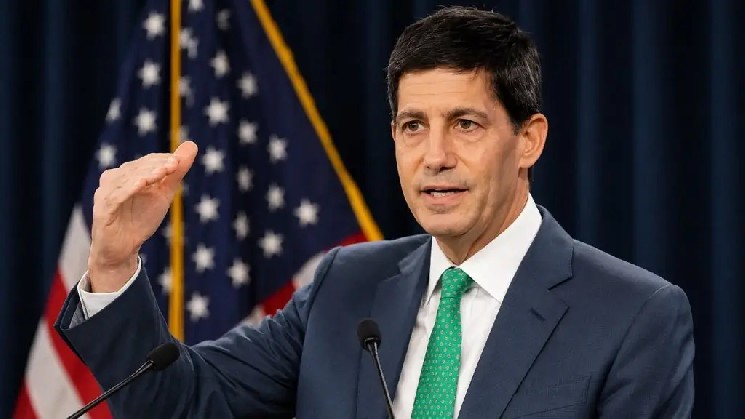
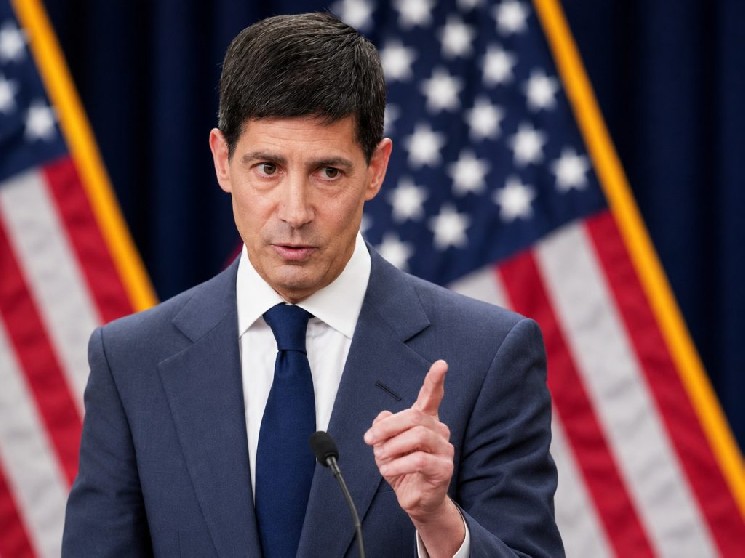
SEC Chairman Paul S. Atkins said the rules have introduced unintended complexity after two decades of market evolution. The agency said the proposal is intended to simplify traditional equity market structure, reduce trading complexity, and lower costs for market participants.

The SEC estimated that removing the rules could save exchanges, alternative trading systems, broker-dealers, and OTC market makers between $54.2 million and $77 million annually in compliance, monitoring, and routing infrastructure costs.

The proposal will be open for a 60-day public comment period after publication in the Federal Register. That means it is not final, and the market will still have time to weigh in before any rule changes are adopted.

Why Tokenized Stocks Enter The Conversation

The tokenization angle is not part of the SEC’s stated rationale, so it needs careful handling. The possible relevance comes from how on-chain trading systems work compared with traditional equity venues.

Automated market makers, or AMMs, execute trades against liquidity pools using pricing formulas rather than routing each order across conventional venues to check the national best bid and offer. Under a strict trade-through framework, that model can be difficult to reconcile with tokenized versions of U.S. equities.

In other words, if a tokenized-stock AMM executes a trade at a price that does not match protected quotes elsewhere, it could create compliance problems under existing market-structure rules. A shift away from rigid per-trade routing requirements could, in theory, make it easier to design compliant blockchain-based equity trading systems.

That does not mean tokenized stocks suddenly become legal everywhere if the SEC finalizes the proposal. Exchanges, broker-dealers, alternative trading systems, custody providers, and tokenized-asset platforms would still need to satisfy a long list of securities-law requirements.

What Still Needs To Happen

The most important caveat is that the SEC proposal is still a proposal. It must go through the comment process, and the agency could revise, narrow, or abandon parts of it before any final rule is adopted.

There are also remaining exchange-level and FINRA rules that may require separate updates. A Regulation NMS change would not automatically remove every barrier facing tokenized equities or real-world-asset markets.

For crypto investors, the significance is therefore indirect but real. Traditional market-structure rules help determine what kinds of trading systems can legally operate in U.S. securities markets. If those rules become more flexible, the path for tokenized equities may become easier to map.

The SEC is not proposing a crypto tokenization regime here. But by reconsidering older equity-market plumbing, the agency may be opening a broader conversation about what modern, automated, and potentially on-chain markets should look like.

Originally proposed by the U.S. Securities and Exchange Commission at SEC Newsroom

Preguntas relacionadas

QWhat two Regulation NMS rules did the SEC propose to rescind in its market structure proposal?

AThe SEC proposed rescinding Regulation NMS Rule 611, known as the Order Protection or Trade-Through Rule, and Rule 610(e), which restricts locked and crossed quotations.

QWhy are advocates of tokenized stocks interested in the SEC's proposal to rescind Rules 611 and 610(e)?

AAdvocates are interested because the current routing and quote rules (like the trade-through requirement in Rule 611) are difficult to reconcile with on-chain trading models such as Automated Market Makers (AMMs). A more flexible market structure could make it easier to design compliant blockchain-based systems for tokenized equities.

QWhat is the SEC's stated primary reason for proposing this change, and what financial benefit does it estimate?

AThe SEC's stated reason is to simplify traditional equity market structure, reduce trading complexity, and lower costs for participants. The agency estimates the change could save exchanges, broker-dealers, and other market participants between $54.2 million and $77 million annually in compliance and infrastructure costs.

QDoes the SEC's proposal directly address or legalize tokenized stocks? Why or why not?

ANo, the proposal does not directly address or legalize tokenized stocks. The SEC framed it as an equity market structure measure, not a crypto or blockchain rule. Tokenized stock platforms would still need to satisfy numerous other securities-law requirements, including exchange, broker-dealer, and custody rules.

QWhat are the next steps for this SEC proposal before any rule change becomes final?

AThe proposal will be open for a 60-day public comment period after publication in the Federal Register. The SEC must then review comments and could revise, narrow, or abandon parts of the proposal before adopting any final rule.

Lecturas Relacionadas

Critical Moments in Bitcoin: Cost Zones That Demand Attention Have Been Identified!

Analytics firm Glassnode reported that reduced expectations for U.S. interest rate cuts, along with pricing in possible rate hikes, have suppressed risk appetite in the cryptocurrency market. The Fed's interest rate decisions are crucial for market direction. U.S. Treasury yields have surpassed returns from crypto carry trades, leading investors to favor cash and low-risk interest-bearing instruments over crypto assets. A strong U.S. dollar further weakens marginal demand for crypto. Bitcoin is currently trading below its most intensive cost basis level, with approximately $69,000 identified as the breakeven zone and significant resistance for short-term investors. For a stronger recovery, Bitcoin needs to reclaim the $69,000 threshold with increased trading volume. Renewed active demand for spot Bitcoin ETFs is also deemed critical. According to Glassnode, the current Bitcoin decline represents the shallowest bear market in terms of price drawdown depth to date. However, based on previous cycle durations, this downturn may not be over yet. Spot trading volumes have fallen to multi-year lows, and sell-side order books have thinned, though many buy orders are placed significantly below current prices. Glassnode's risk indicator, Vector, signaled "risk off," suggesting a capital preservation mindset. The current market structure is being driven more by macroeconomic factors like monetary policy, bond yields, and dollar strength than by crypto-sector developments. Losing Bitcoin's support range of $62,000-$68,000, coupled with renewed exchange inflows, could negate the recovery scenario. Conversely, more favorable monetary policy, increased trading volume, a Bitcoin recovery above $69,000, and a resumption of spot ETF buying could signal a market turnaround.

cryptonews.ruHace 33 min(s)

Critical Moments in Bitcoin: Cost Zones That Demand Attention Have Been Identified!

cryptonews.ruHace 33 min(s)

Breaking News: Full Detailed Rationale and Explanation of the Fed's Interest Rate Decision Released!

As expected, the Federal Reserve kept its key interest rate unchanged at 3.50-3.75 percent, marking the fifth consecutive meeting without a rate change. The Federal Open Market Committee's (FOMC) decision passed with a 9-3 majority vote. Cleveland Fed President Loretta Mester, Minneapolis Fed President Neel Kashkari, and Dallas Fed President Lorie Logan dissented, voting in favor of a 25 basis point rate hike. This was the first meeting since 2016 where three regional Fed presidents voted against holding rates steady, signaling growing influence among members advocating for tighter monetary policy to combat inflation. The Fed's statement noted that economic activity has been expanding at a solid pace despite high uncertainty, partly due to Middle East conflicts. It highlighted that growth in productivity and investment remained strong, employment gains have aligned with labor force growth, and the unemployment rate has remained relatively stable. The Fed also committed to maintaining ample reserves in the banking system. The statement emphasized that inflation remains above the Fed's 2% target. It noted that supply shocks, including in the energy sector, are adding to inflationary pressures. The Committee stated it will continue to closely monitor incoming data and risks in pursuit of its price stability goal. The dissenting members argued that the target range for the federal funds rate should have been increased by 25 basis points.

cryptonews.ruHace 52 min(s)

Breaking News: Full Detailed Rationale and Explanation of the Fed's Interest Rate Decision Released!

cryptonews.ruHace 52 min(s)

Trading

Spot
活动图片