Season One of The Beacon Chain Game Goes Live, A Comprehensive Guide to the 7.7 Million BCN Prize Pool and Chest Mechanics

Odaily星球日报Publicado a 2026-05-26Actualizado a 2026-05-26

Resumen

"The Beacon" Season 1 is now live with a 7.7 million BCN prize pool. This guide provides a tutorial and gameplay strategies. To start, players must sign in via a Web3 wallet at the official app, download the game via the Epic Store for optimal experience, and control their character using WASD keys. An optional $19.99 "Starter Pack" provides 2000 Glint and premium chests. Gameplay currently offers two main paths. First, the "Dungeon" (up from spawn) costs 20 Stamina per run to earn Shadow Shards, which exchange for Umbra Chests. Second, "Kraken Klash" (right from spawn) is a betting mini-game using Goblin Tokens to guess correct tiles for rewards. Rewards consist of Cosmetics and BCN tokens. Free players receive account-bound cosmetics, while Starter Pack purchasers ("Premium" players) receive tradable NFT cosmetics. The season features three chest types: 1. **Umbra Chests** (from Shadow Shards): Contain cosmetics and small BCN amounts (Premium only). 2. **Kraken Chests** (from Goblin Tokens): Contain exclusive cosmetics and larger BCN amounts (Premium only). 3. **Glint Chests** (from Glint, premium currency): Contain exclusive cosmetics and the largest BCN amounts (Premium only). Each chest type (Umbra, Kraken, Glint) has detailed rarity probabilities (Common, Rare, Epic, Legendary) and BCN reward distributions listed for free and premium versions. The four in-game currencies are: Shadow Shards, Goblin Tokens, Glint, and BCN. A stable earning method is farming dungeon...

Original | Odaily Planet Daily(@OdailyChina)

Author | Asher(@Asher_ 0210)
This morning, the blockchain game The Beacon, known in the Chinese community as the "Lighthouse," which has received funding from the Arbitrum Foundation, announced on platform X that its first season has officially launched, with a total prize pool of 7.7 million BCN. Below, Odaily Planet Daily provides a step-by-step participation tutorial and a gameplay guide based on first-hand experience.

Step-by-Step Participation Tutorial

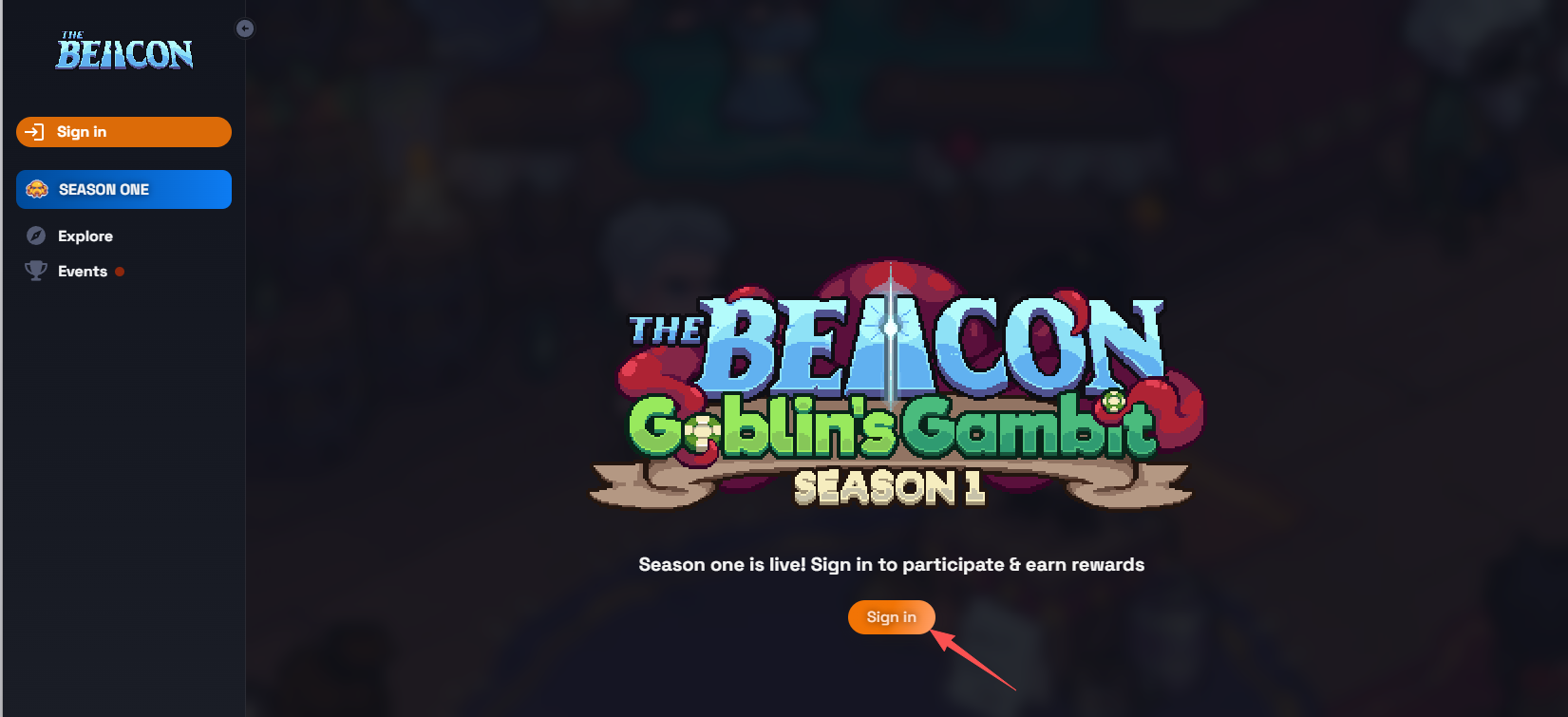
STEP 1. Go to the game interface (link: https://app.thebeacon.gg/season-one), click "Sign in" to log in using your Web3 wallet.
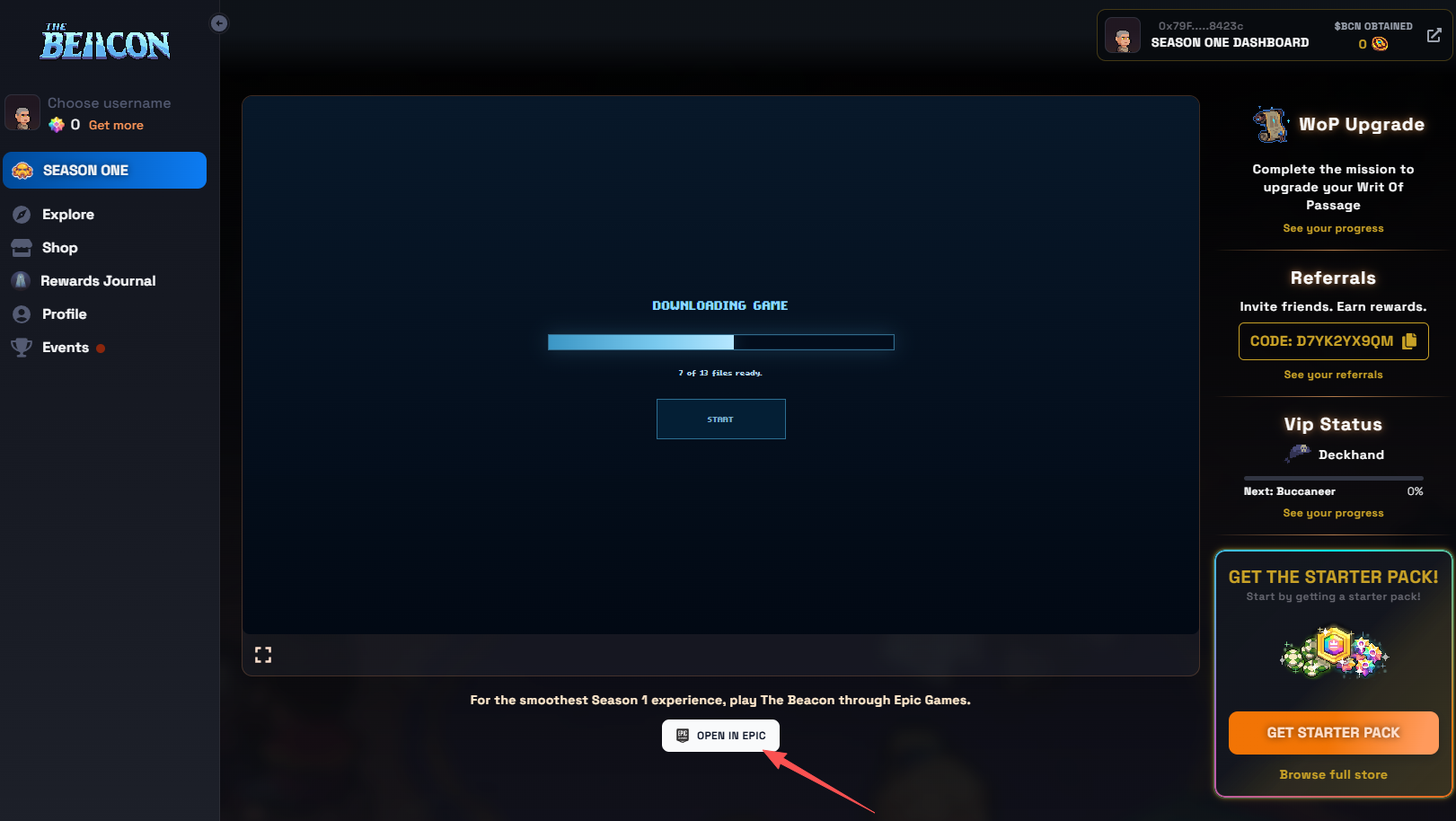
STEP 2. For an optimal gaming experience, download the game from the EPIC store (you can also try it in the web browser first).
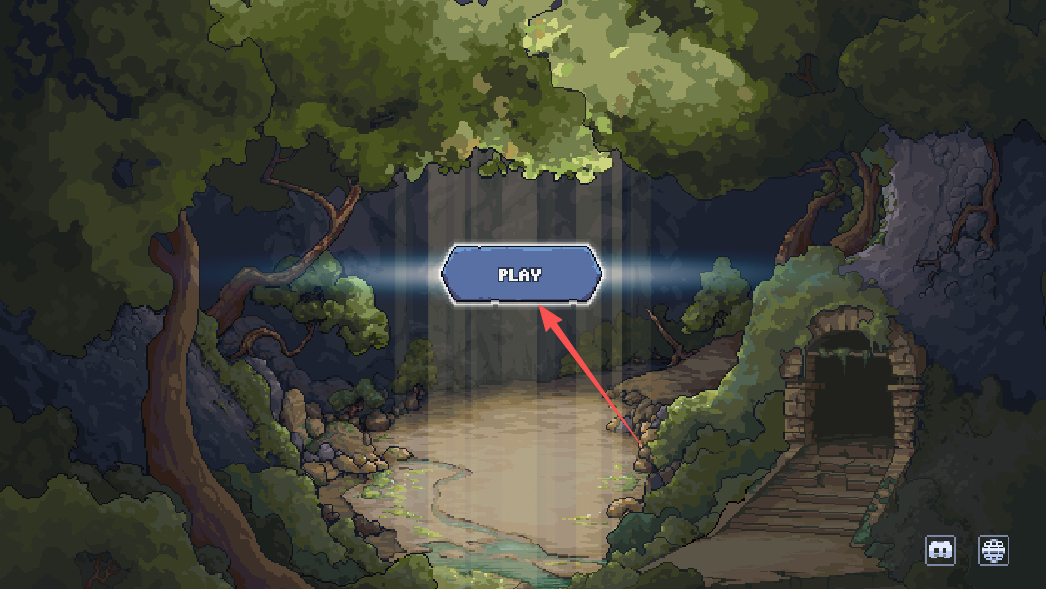
STEP 3. Click "PLAY" to enter the game. Use "W, S, A, D" keys to move your character "up, down, left, right".
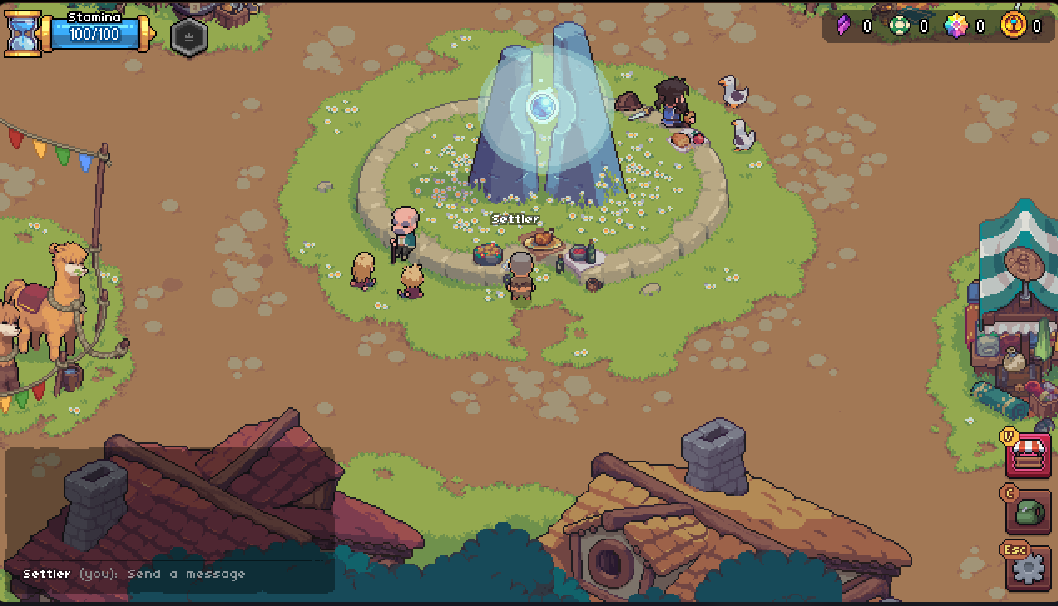
Additionally, for $19.9, you can purchase a "Starter Pack" which includes 2000 Glint, Premium Chests, and other rewards.

Game Guide

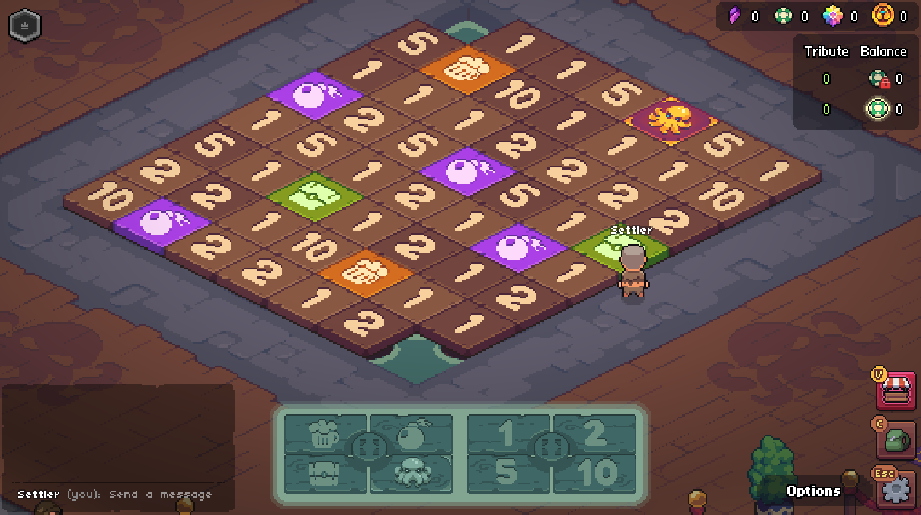
For The Beacon Season One, the current participation methods are shown in the image below, which we will explain one by one in the following sections.
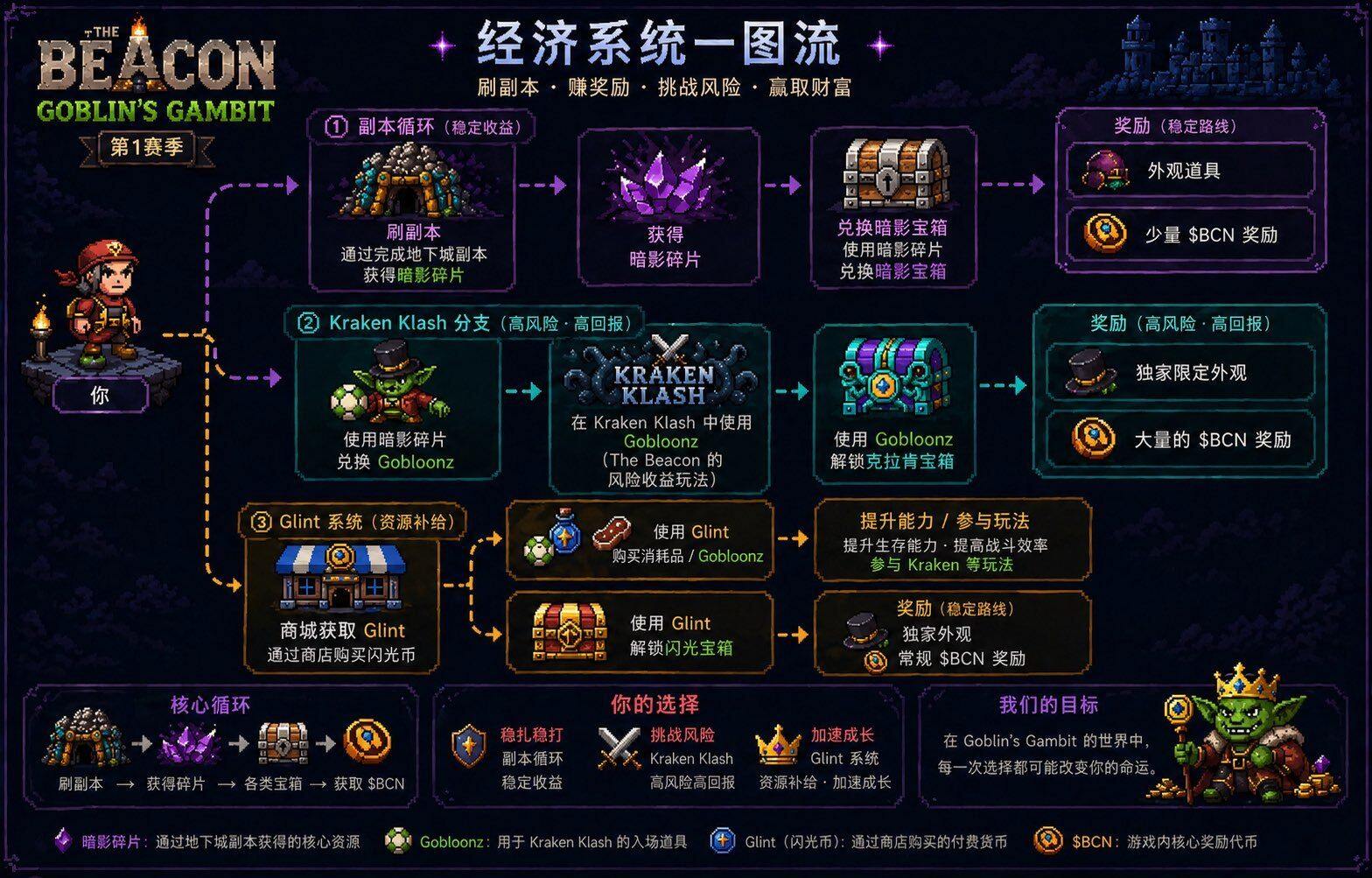
Operational Guide

Currently, there are only two routes to play in The Beacon Season One. First, going straight up on the game's main page leads to the "Dungeon." Clear the dungeon to earn Umbral Shards, which can be exchanged for Umbral Chests.
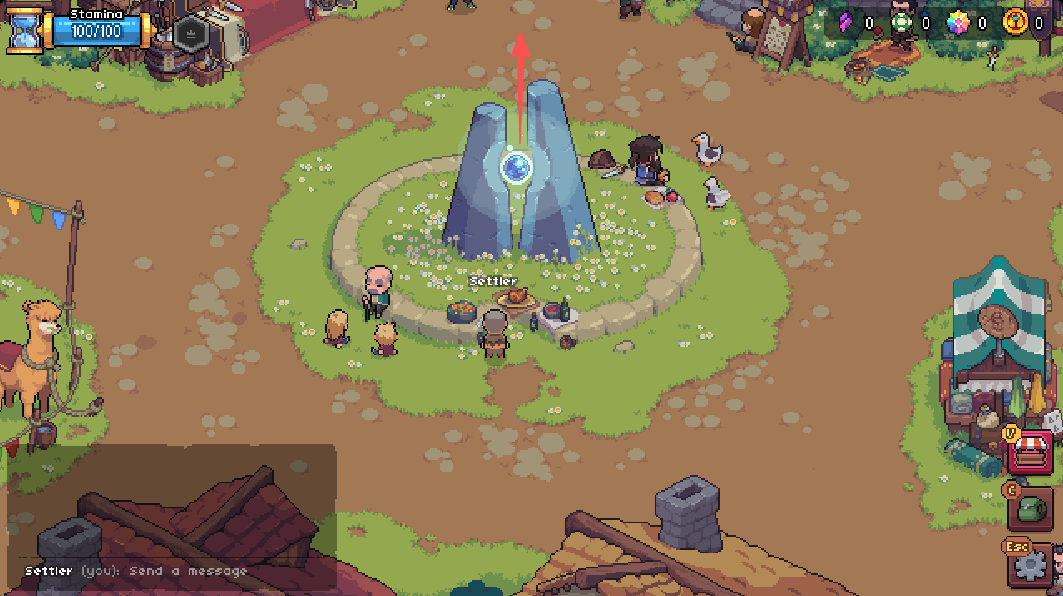
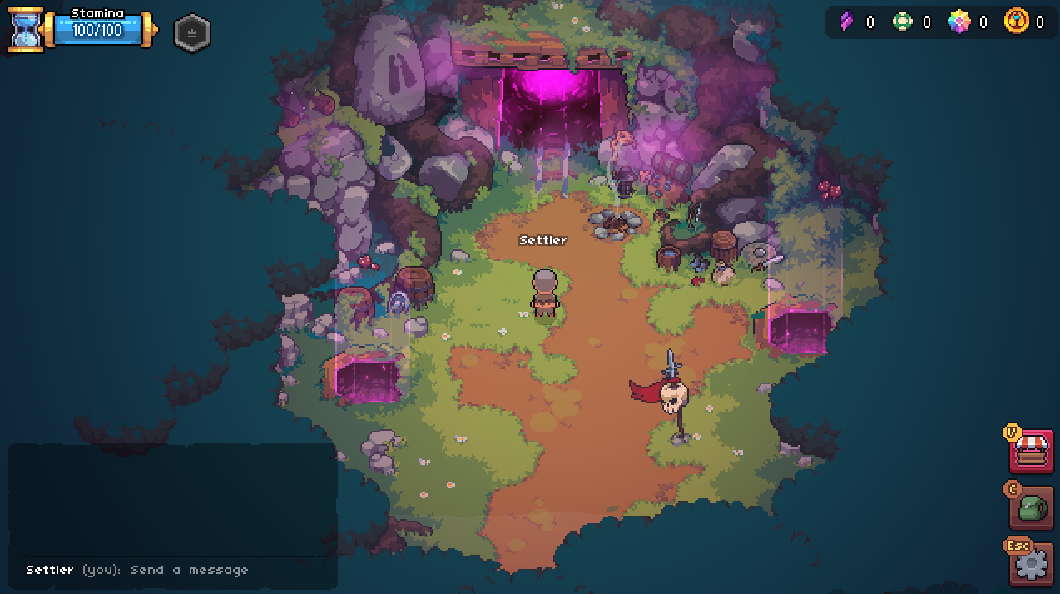
Each entry into the dungeon consumes 20 Stamina (users start with 100 Stamina). You can choose between a bow or a dagger as your weapon to challenge the game and earn Umbral Shards.
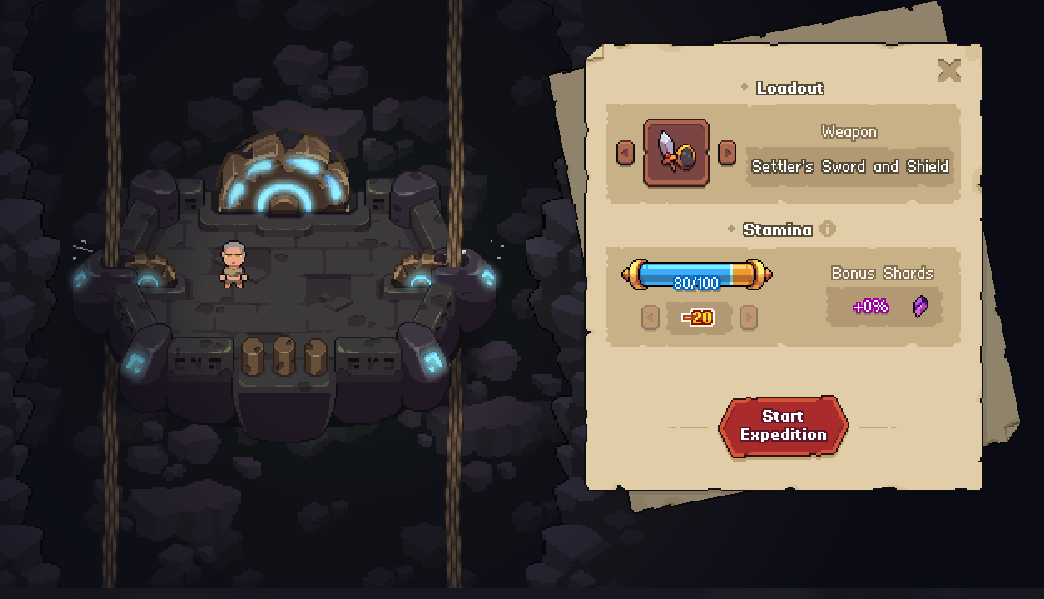
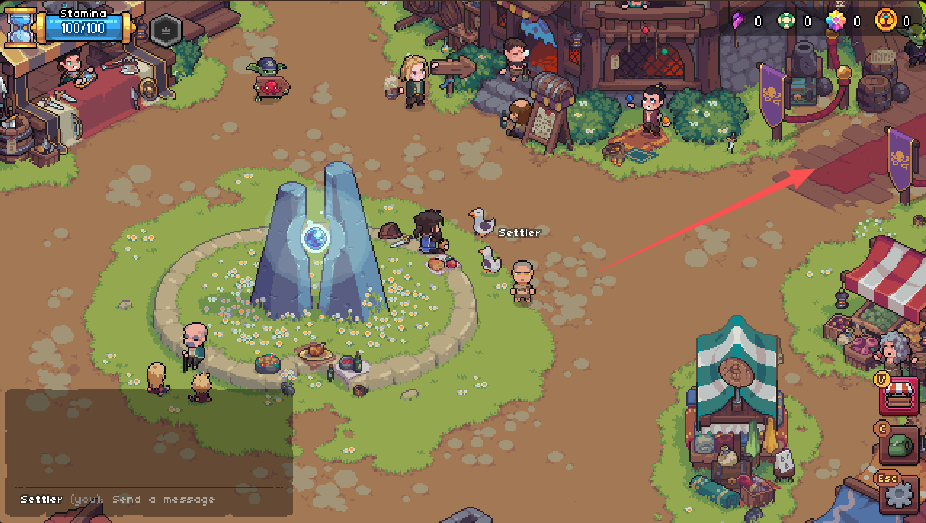
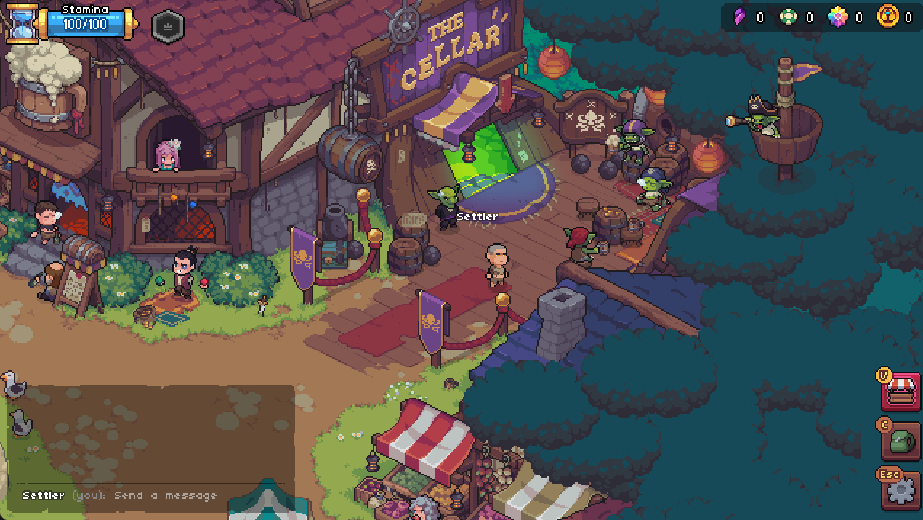
Second, going all the way to the right on the game's main page leads to "Kraken Klash," where you bet on which grid will be randomly selected. Guessing correctly rewards you with Goblin Tokens (An NPC in Kraken Klash provides the exchange rates for Umbral Shards, Goblin Tokens, and Glint).
Chests and Rewards

Season One rewards are divided into Cosmetics and BCN tokens. For free-to-play users, cosmetics are account-bound; for Premium users, cosmetics are NFTs. Players can become Premium users by purchasing the "Starter Pack."

Furthermore, Chests are the primary means of obtaining rewards this season. There are 3 types of chests, specifically:

1、Umbral Chests: Obtained by collecting Umbral Shards. These chests contain Cosmetics and a small amount of BCN token rewards.

Umbral Chests have a free version and a premium version. In the free version, the probability for an Umbral Chest to be Common is 59.06%; Rare is 30.94%; Epic is 8.00%; Legendary is 2.00%, and it will drop 1 to 3 Cosmetics.

In the premium version, the chest tier probabilities and the number of cosmetic drops are the same, but there is an additional chance to receive BCN tokens: 65% chance for 0 BCN; 25% chance for 1 BCN; 9% chance for 5 BCN; 1% chance for 30 BCN.

2、Kraken Chests: Obtained by collecting Goblin Tokens. These chests contain exclusive Cosmetics and a larger amount of BCN token rewards.

Kraken Chests have a free version and a premium version. In the free version, the probability for a Kraken Chest to be Common is 37%; Rare is 44%; Epic is 13%; Legendary is 6%, and it will drop 3 Cosmetics.

In the premium version, the chest tier probabilities and the number of cosmetic drops are the same, but there is an additional chance to receive BCN tokens: 37% chance for 5 BCN; 30% chance for 10 BCN; 22% chance for 21 BCN; 8.5% chance for 50 BCN; 2.5% chance for 210 BCN.

3、Glint Chests: Obtained by collecting Glint. These chests contain exclusive Cosmetics and a larger amount of BCN token rewards.

Glint Chests only have a premium version. The probability for a Glint Chest to be Common is 37%; Rare is 44%; Epic is 13%; Legendary is 6%, and it will drop 3 Cosmetics. Additionally, there is a chance to receive BCN tokens: 48% chance for 4 BCN; 30% chance for 7 BCN; 15% chance for 12 BCN; 6% chance for 30 BCN; 1% chance for 100 BCN.

In summary, there are 4 types of tokens in the game: Umbral Shards, Goblin Tokens, Glint, and BCN tokens. A stable way to farm is by clearing dungeons to earn Umbral Shards and exchange them for Umbral Chests; participating in Kraken Klash is a "luck-based" game that requires consuming Goblin Tokens (which can be obtained from Umbral Shards). Winning can earn you more Goblin Tokens, but losing means losing your stake, with no guarantee.

Preguntas relacionadas

QWhat is the total prize pool for The Beacon Season 1, and what is the name of the token?

AThe total prize pool for The Beacon Season 1 is 7.7 million BCN tokens.

QWhat are the two main gameplay routes currently available in The Beacon Season 1?

AThe two main gameplay routes are: 1) The Dungeon (upwards from the main page), where players spend Stamina to earn Shadow Shards. 2) Kraken Klash (right from the main page), which is a betting mini-game where players wager Goblin Tokens to guess a correct grid for rewards.

QName the three types of chests available in the game and the primary in-game currency used to obtain each.

AThe three types of chests are: 1) Umbra Chests, obtained with Shadow Shards. 2) Kraken Chests, obtained with Goblin Tokens. 3) Glint Chests, obtained with Glint (only for Premium players).

QWhat is the key difference between a Free player and a Premium player regarding cosmetic items from chests?

AFor Free players, cosmetic items obtained from chests are account-bound. For Premium players (who purchase the $19.9 Starter Pack), these cosmetic items are NFTs.

QWhat is the guaranteed, stable method mentioned in the article for earning rewards, as opposed to the risky method?

AThe stable method is farming dungeons to earn Shadow Shards, which are then exchanged for Umbra Chests. The risky method is participating in the Kraken Klash betting game, which can lead to gains or a total loss of the wagered Goblin Tokens.

Lecturas Relacionadas

Bloomberg Uncovered: How Do China's Wealthy Circumvent the Annual $50,000 Limit to Transfer Assets?

**Summary: How Wealthy Chinese Circumvent $50,000 Annual Foreign Exchange Limits** Despite China's strict capital controls, including an annual $50,000 per person foreign exchange quota, an estimated $150 billion in funds still leaves the country annually via various gray and underground channels. This report outlines the evolution of China's "capital wall" and the methods used to bypass it. **The Evolving Capital Controls:** * **Foundation (1994):** The system of "current account convertibility with strict capital account controls" was established. * **Quota Set (2007):** The $50,000 individual annual forex purchase limit was formalized. * **Crackdown Begins (2015-2017):** Following market volatility, enforcement tightened. Banks were required to scrutinize transactions, and channels like using UnionPay cards for Hong Kong insurance premiums or buying overseas property were blocked. * **Digital & Legal Upgrades (2024-2026):** Enhanced algorithms now flag suspicious patterns (e.g., "smurfing"). The Common Reporting Standard (CRS) provides Chinese tax authorities with data on citizens' offshore accounts. Unlicensed cross-border brokers have been targeted. **Five Primary Methods for Moving Capital:** 1. **Underground Banking / "Hawala" (Duiqiao):** The largest-scale method. No money crosses borders. Clients pay RMB to a domestic account; an overseas associate deposits equivalent foreign currency into the client's offshore account. Risks include high fees, account freezes, and legal penalties. 2. **"Smurfing" or "Ant Moving":** Using multiple individuals' $50,000 quotas to pool funds for one offshore recipient. Increasingly detected by anti-money laundering algorithms. 3. **Trade Invoice Manipulation:** Businesses over-invoice imports or under-invoice exports via offshore shell companies, creating a pretext to transfer excess funds abroad under the guise of trade. 4. **Channel Migration:** After a crackdown on internet brokers, funds flow toward more compliant but costly channels like major banks' cross-border wealth management services or Qualified Domestic Institutional Investor (QDII) quotas. 5. **Structural Arrangements:** High-net-worth individuals use complex, high-cost legal structures involving offshore trusts, insurance, and investment migration programs to transfer asset ownership. **Regulatory Response: Focusing on People, Not Just Money** The current strategy extends oversight from enterprises to **individual residents**. Tools like CRS allow retroactive visibility into offshore assets. Cryptocurrencies, once seen as a potential loophole, are now actively monitored and prosecuted as an illegal channel. The underlying driver remains: with significant wealth concentrated among millions of affluent households seeking diversification amid domestic economic shifts, the incentive to move assets offshore persists despite regulatory barriers.

marsbitHace 10 min(s)

Bloomberg Uncovered: How Do China's Wealthy Circumvent the Annual $50,000 Limit to Transfer Assets?

marsbitHace 10 min(s)

Ethereum's Ballmer Moment: As Everyone Is Bearish, the Circulating Supply Is Disappearing

"Ethereum's Ballmer Moment: Circulation Shrinks Amid Bearish Sentiment" Amid widespread bearish sentiment, with prominent figures like Bankless founder David Hoffman selling ETH and young developers flocking to Solana, some argue Ethereum is entering its "Ballmer era"—akin to Microsoft's perceived stagnation under Steve Ballmer. While surface-level criticisms about slow protocol development, cautious leadership, and competitive pressure are valid, underlying fundamentals tell a different story. Approximately 30% of ETH is staked, major holders like BitMine are accumulating, and spot ETFs continue to absorb supply. Regulatory clarity, including the SEC/CFTC's March ruling on staking rewards and the potential passage of the CLARITY Act, is transforming crypto from a regulatory threat into a legitimized framework. This institutionalization, alongside a shrinking circulating supply (with net issuance around 0.23% annually), creates significant buy-side pressure independent of fee-based value capture. The broader crypto total addressable market is expanding through regulated stablecoins, tokenized assets, and institutional adoption. While public chains face competition from permissioned alternatives, the winning model appears to be permissioned assets settling on public chains like Ethereum and Solana. The author advocates a non-maximalist, barbell strategy: holding ETH for its institutional role and supply squeeze, SOL for consumer/throughput trends, BTC as a macro hedge, and a basket of next-gen L1s. Key bullish drivers for ETH include rapid circulation shrinkage, potential Q2 staked ETF approvals, regulatory tailwinds solidifying its role as a default settlement layer, and the optionality of an eventual "Satya moment" leadership shift. Despite bearish consensus, the current setup—where crypto is "not hot" and regulatory groundwork is being laid—presents a compelling investment opportunity. The crypto cycle's focus may have shifted to AI, but blockchain infrastructure is gaining a legal and institutional foothold precisely while attention is elsewhere.

marsbitHace 11 min(s)

Ethereum's Ballmer Moment: As Everyone Is Bearish, the Circulating Supply Is Disappearing

marsbitHace 11 min(s)

Claude Code Introduces Dynamic Workflows: Enabling AI to Form Teams and Collaborate

Claude Code introduces dynamic workflows, enabling AI to coordinate teams of specialized agents for complex tasks. This transforms Claude from a code assistant into a programmable workbench. Workflows address key limitations of single-agent systems: agentic laziness (premature task completion), self-preferential bias (favoring own outputs), and goal drift (losing sight of original objectives). The system allows Claude to dynamically create execution frameworks using JavaScript. It can split tasks, dispatch parallel agents for isolated work (e.g., in separate worktrees), implement adversarial validation, run tournaments, and synthesize results. This multi-agent approach is valuable for tasks requiring deep research, factual verification, code migration, root cause analysis, large-scale triage, and qualitative sorting. Key patterns include: classify-and-route, fan-out-and-synthesize, adversarial verification, generate-and-filter, tournaments, and loop-until-done. While token usage is higher, workflows excel where tasks resemble programming—needing problem decomposition, isolated context, hypothesis testing, and handling many details. They extend Claude Code's utility beyond technical work to areas like business plan review, resume screening, and naming brainstorm. The feature is not a universal solution but points to a future where AI tool competitiveness depends on organizing reliable, reusable, and auditable execution flows for complex goals.

marsbitHace 52 min(s)

Claude Code Introduces Dynamic Workflows: Enabling AI to Form Teams and Collaborate

marsbitHace 52 min(s)

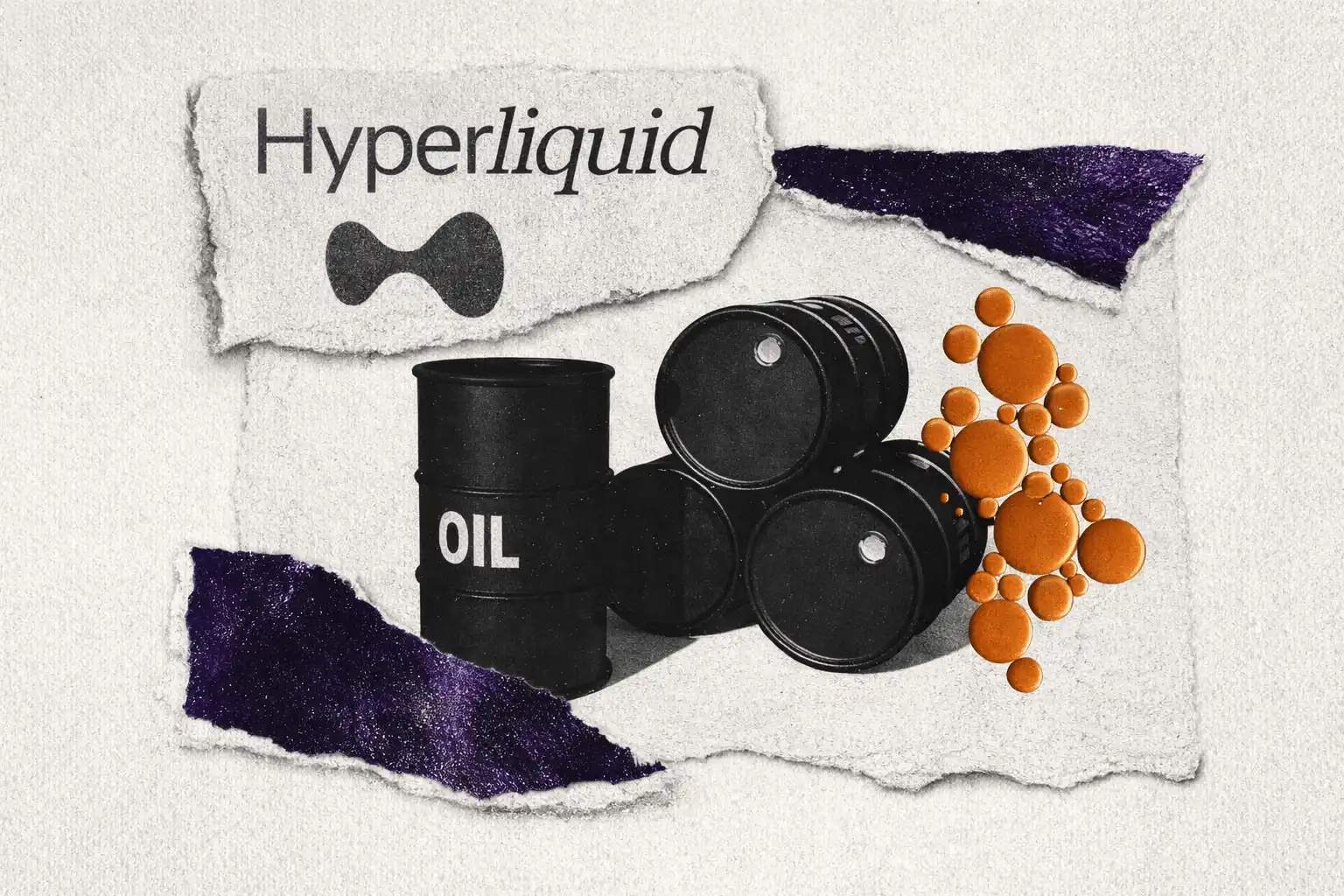
Hyperliquid, Wall Street's 24/7 Trading Convenience Store

Hyperliquid: The 24/7 Trading "Convenience Store" for Wall Street Hyperliquid, a decentralized cryptocurrency exchange, has become a go-to platform for Wall Street traders seeking to trade around the clock, especially during traditional market closures. Founded by Jeff Yan, a former quantitative trader, after the FTX collapse, the platform emphasizes user self-custody of assets. It offers a wide range of perpetual contracts—leveraged derivatives with no expiry—on assets from Bitcoin and crude oil to the S&P 500 and even pre-IPO companies like SpaceX. A notable example involves a hedge fund trader who capitalized on geopolitical news over a weekend, securing a 243% return on oil derivatives before markets reopened. The platform, run by just 11 employees, generated approximately $800 million in revenue last year, and its native token HYPE has seen significant growth. Its rise highlights the merging of traditional finance and crypto. While U.S. users are currently restricted, recent CFTC rule changes could open access. The platform is known for its transparency, having processed $10 billion in liquidations during a market crash while competitors faltered. Regulators warn of the high risks and complexity of perpetual contracts for retail investors. Key to its appeal is a strong community culture, direct engagement with founders, and a simple interface. Despite rules against VPN use, it attracts global users with its permissionless approach. Hyperliquid plans to expand into prediction markets and options, aiming to eventually host all financial activity.

marsbitHace 52 min(s)

Hyperliquid, Wall Street's 24/7 Trading Convenience Store

marsbitHace 52 min(s)

Trading

Spot
Futuros

Artículos destacados

Cómo comprar ONE

¡Bienvenido a HTX.com! Hemos hecho que comprar Harmony (ONE) sea simple y conveniente. Sigue nuestra guía paso a paso para iniciar tu viaje de criptos.Paso 1: crea tu cuenta HTXUtiliza tu correo electrónico o número de teléfono para registrarte y obtener una cuenta gratuita en HTX. Experimenta un proceso de registro sin complicaciones y desbloquea todas las funciones.Obtener mi cuentaPaso 2: ve a Comprar cripto y elige tu método de pagoTarjeta de crédito/débito: usa tu Visa o Mastercard para comprar Harmony (ONE) al instante.Saldo: utiliza fondos del saldo de tu cuenta HTX para tradear sin problemas.Terceros: hemos agregado métodos de pago populares como Google Pay y Apple Pay para mejorar la comodidad.P2P: tradear directamente con otros usuarios en HTX.Over-the-Counter (OTC): ofrecemos servicios personalizados y tipos de cambio competitivos para los traders.Paso 3: guarda tu Harmony (ONE)Después de comprar tu Harmony (ONE), guárdalo en tu cuenta HTX. Alternativamente, puedes enviarlo a otro lugar mediante transferencia blockchain o utilizarlo para tradear otras criptomonedas.Paso 4: tradear Harmony (ONE)Tradear fácilmente con Harmony (ONE) en HTX's mercado spot. Simplemente accede a tu cuenta, selecciona tu par de trading, ejecuta tus trades y monitorea en tiempo real. Ofrecemos una experiencia fácil de usar tanto para principiantes como para traders experimentados.

251 Vistas totalesPublicado en 2024.12.12Actualizado en 2026.06.02

Cómo comprar ONE

Discusiones

Bienvenido a la comunidad de HTX. Aquí puedes mantenerte informado sobre los últimos desarrollos de la plataforma y acceder a análisis profesionales del mercado. A continuación se presentan las opiniones de los usuarios sobre el precio de ONE (ONE).

活动图片