Report: Bank of Japan Could Raise Interest Rates as Early as September, with Subsequent Pace Possibly Accelerating

marsbitPublicado a 2026-08-14Actualizado a 2026-08-14

Resumen

According to Reuters, the Bank of Japan (BOJ) faces mounting pressure to raise interest rates, with a potential hike as early as September. Sources familiar with the internal discussions indicate the central bank is considering accelerating its tightening pace beyond the current schedule of roughly two increases per year. The September 17-18 policy meeting is now viewed as a critical juncture, with market pricing suggesting an approximately 80% probability of a rate hike. This would mark a third increase for 2024, potentially shifting expectations toward a quarterly tightening cycle. Key drivers behind this hawkish shift are multifaceted inflation risks. A persistently weak yen, near a 40-year low, continues to push up import costs. High wholesale prices at a three-year peak signal pending cost pass-through to consumers. Furthermore, inflation expectations among households, businesses, and economists are nearing or exceeding the BOJ's 2% target, raising concerns about de-anchoring. External factors, including energy price volatility from Middle East conflicts and strong global AI-related demand, add further upward pressure. Internal BOJ communications reveal a growing urgency. The July policy meeting summary showed some board members advocating for faster action to avoid "falling behind the curve." Governor Kazuo Ueda acknowledged the need to consider these heightened inflation risks, suggesting the pace of hikes could be increased if financial conditions are deemed too lo...

The Bank of Japan is facing its most urgent pressure to raise interest rates since exiting its ultra-easy policy in 2024.

According to a Reuters report on August 14, three sources familiar with the BOJ's internal discussions revealed that the bank may raise rates as early as September and is considering accelerating the pace of tightening thereafter, exceeding the current pace of about twice a year.

One source stated bluntly: "An earlier rate hike is now in sight." Another source said: "The BOJ may also accelerate the pace of rate hikes."

This signal means the September 17-18 policy meeting will become a key node. Markets have now priced in the probability of a September hike at nearly 80%.

From 'Twice a Year' to 'Quarterly'

Since exiting a decade-long ultra-easy stimulus policy in 2024, the BOJ's rate hike pace has been about twice a year. In June this year, it raised its key rate to 1%, a 31-year high.

If it raises rates in September as expected, Reuters cited some analysts as saying, room for another hike in December would open up. This would bring the total number of hikes for the year to three, reinforcing market expectations for a "quarterly rate hike."

Last month's joint Japan-U.S. intervention to support the yen, along with pressure from U.S. Treasury Secretary Bessant, has further focused market attention on how the BOJ will respond to persistent yen weakness. Raising interest rates itself is a policy tool to support the yen—higher rates typically attract capital inflows, providing support for the currency.

Inflation Pressures Mounting from Multiple Directions Simultaneously

The underlying logic for the BOJ's accelerated tightening is that inflation risks are heating up simultaneously from multiple dimensions.

Yen Depreciation. The yen hit a 40-year low last month. Although Japan and the U.S. subsequently conducted a rare joint intervention, the depreciation trend has not reversed. A weaker yen directly pushes up import costs and transmits them to a wide range of consumer prices.

Elevated Wholesale Prices. Japan's annual wholesale inflation remained at a three-year high in July, meaning cost pressures on the corporate side have not been fully passed on to consumers—once companies begin passing on costs, consumer prices will rise further.

Rising Inflation Expectations. Surveys show that inflation expectations among households, businesses, and economists are all near or above 2%. This is one of the most alarming signals for the central bank—once expectations become unanchored, the difficulty of controlling inflation multiplies.

Overlapping External Shocks. Continued conflict in the Middle East is disturbing energy and commodity prices, while strong global AI demand is driving up demand for related equipment and energy, both constituting additional imported inflationary pressures.

Inside the Central Bank: Cannot Wait Too Long

The BOJ kept interest rates unchanged in July but issued its strongest signal yet for an earlier rate hike—warning that accumulating inflation pressures could push core inflation above its 2% target.

The summary of opinions from the July meeting showed that some board members explicitly called for accelerating the pace of rate hikes to avoid "falling behind the curve" in responding to inflation—a common phrase in central banking circles meaning that if action is delayed, more aggressive tightening will be needed later to remedy the situation.

Governor Kazuo Ueda stated at the post-meeting press conference in July that he would take full account of the board's growing vigilance over inflation risks when chairing future meetings, noting that the BOJ could accelerate the pace of hikes if financial conditions are deemed too accommodative.

A third source was more direct: "Given rising inflation risks, the BOJ probably won't want to wait too long to raise rates."


Criptos en tendencia

Preguntas relacionadas

QAccording to the article, when is the Bank of Japan (BOJ) expected to raise interest rates, and what might change about the pace afterward?

AThe Bank of Japan is expected to raise interest rates as early as September. Following that, the central bank is considering accelerating its tightening pace beyond the current rhythm of about twice a year.

QWhat key policy meeting is highlighted as a critical node for a potential rate hike, and what is the market's expectation for that meeting?

AThe policy meeting on September 17-18 is highlighted as the critical node. The market has priced the probability of a September rate hike at nearly 80%.

QWhat were the four main sources of inflation pressure mentioned in the article that are pushing the BOJ towards faster tightening?

AThe four main sources of inflation pressure are: 1) Yen depreciation, 2) Elevated wholesale prices, 3) Rising inflation expectations among households, businesses, and economists, and 4) External shocks like the Middle East conflict and strong global AI demand.

QWhat signal did the Bank of Japan send in its July meeting regarding its monetary policy stance?

AIn its July meeting, the BOJ kept interest rates unchanged but issued its strongest signal yet for an early rate hike. It warned that accumulating price pressures could push core inflation above its 2% target.

QWhat was the rationale, as per the third source cited, for the BOJ potentially not wanting to wait too long to hike rates?

AAccording to the third source cited, the rationale is that 'given rising inflation risks, the Bank of Japan may not want to wait too long on raising interest rates.'

Lecturas Relacionadas

GPT-5 Also Has Tip-of-the-Tongue Moments, Google Tested 4.5 Million Times: The Keys Are Lost

Google researchers have discovered that advanced AI models like GPT-5 and Gemini 3 experience a phenomenon akin to the human "tip-of-the-tongue" state, where they possess knowledge but fail to retrieve it. Their study, "Empty Shelves or Lost Keys?" (ICML 2026), introduces the "Knowledge Portrait" framework to analyze factual knowledge in models, distinguishing between failure to encode a fact versus failure to recall it. Testing on 13 models across 2.15 million queries from the WikiProfile benchmark revealed that state-of-the-art models successfully encode 95-98% of facts into their parameters. However, when asked directly, they fail to recall 26-34% of these known facts. Enabling chain-of-thought ("thinking") reasoning reduces this recall failure to 11-12%, recovering 40-65% of the previously unrecalled but encoded facts. The research identifies two key bottlenecks: recalling obscure ("long-tail") facts and answering reversed queries (e.g., "Who is Tom Cruise's mother?" vs. "Whose son is Tom Cruise?"). While scaling model size effectively reduces encoding failures, it does little to improve recall rates. In larger models, recall failure becomes the dominant source of factual errors, accounting for over 70% of mistakes in GPT-5.2. The findings suggest that for top models, the primary challenge is no longer storing knowledge but accessing it efficiently. Future accuracy gains may depend more on improved inference-time methods and "meta-cognitive" abilities, enabling models to recognize when they need to engage in deeper reasoning to retrieve information they already know.

marsbitJusto ahora

GPT-5 Also Has Tip-of-the-Tongue Moments, Google Tested 4.5 Million Times: The Keys Are Lost

marsbitJusto ahora

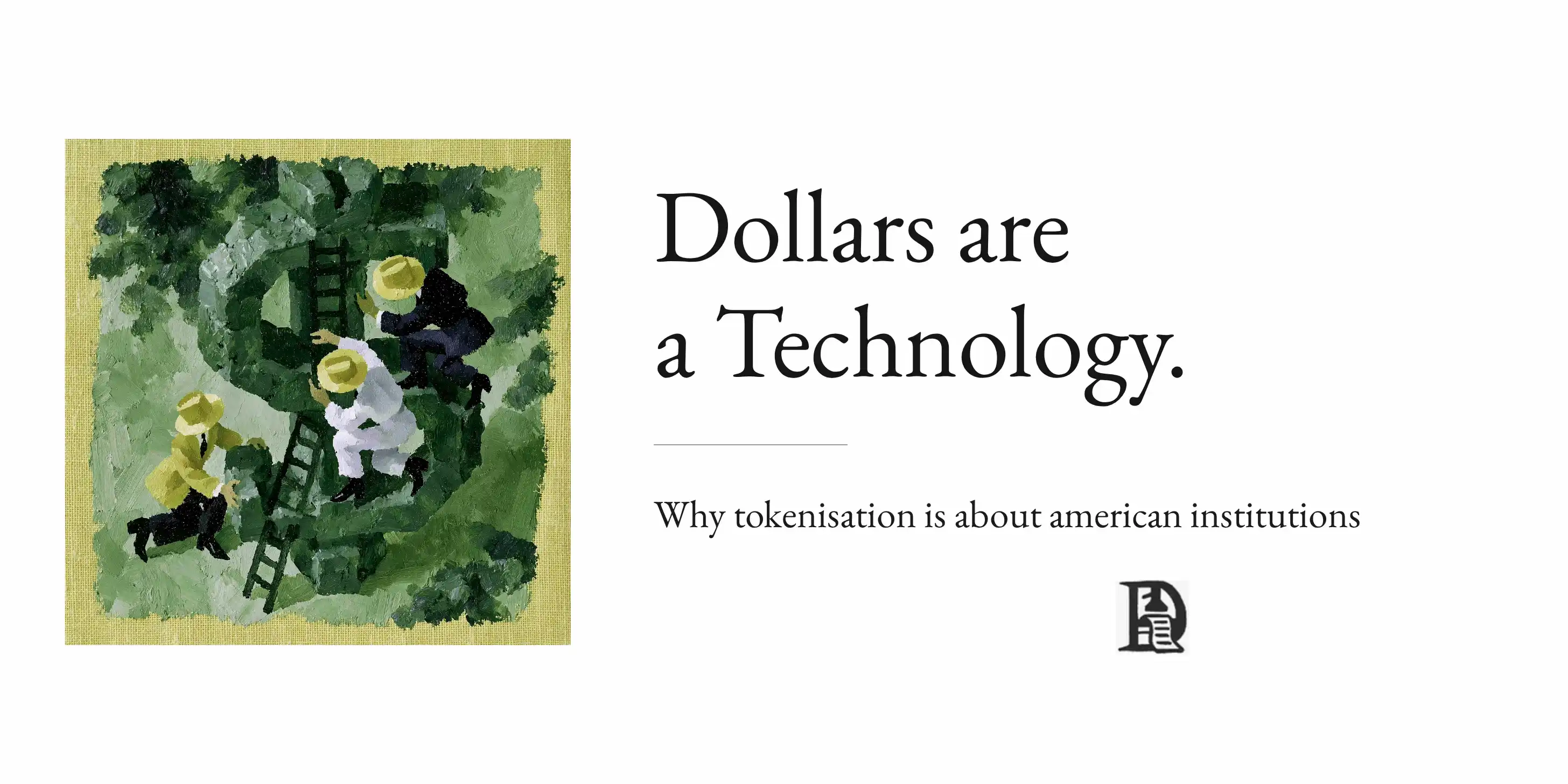
The Dollar is a Technology: Stablecoins Are Exporting U.S. Institutions to the World

This article argues that stablecoins and blockchain infrastructure are becoming a vehicle for exporting American financial systems globally. The core thesis is that the U.S. dollar, as a "technology," is increasingly embedded in blockchain rails, moving beyond a reserve currency to represent the institutional stability of the United States itself. The piece highlights three key areas where this is happening: 1. **Cross-border payments and trade finance:** Companies like Keyrails use stablecoins and blockchain to streamline and secure trade finance for emerging markets (e.g., Nigeria-China trade), offering faster, often cheaper dollar liquidity than traditional systems. 2. **Programmable collateral and credit:** Platforms like SemiLiquid allow institutions to use tokenized assets (e.g., treasuries, stocks) as "programmable collateral" for loans without moving them from custody, unlocking capital efficiency and improving transparency in institutional lending. 3. **Financing real-world assets:** Protocols like USD.AI create lending markets for productive, hard-to-finance assets like AI GPUs, connecting global stablecoin liquidity to physical capital. The author concludes that the true value of these new blockchain-based financial platforms lies not just in transaction volume, but in the deep, hard-to-replicate "context" (data, trust, operational knowledge) they build around specific economic activities like trade and asset finance. This represents crypto's evolution into an operating system for real-world capital formation, moving beyond speculation.

marsbitHace 3 min(s)

The Dollar is a Technology: Stablecoins Are Exporting U.S. Institutions to the World

marsbitHace 3 min(s)

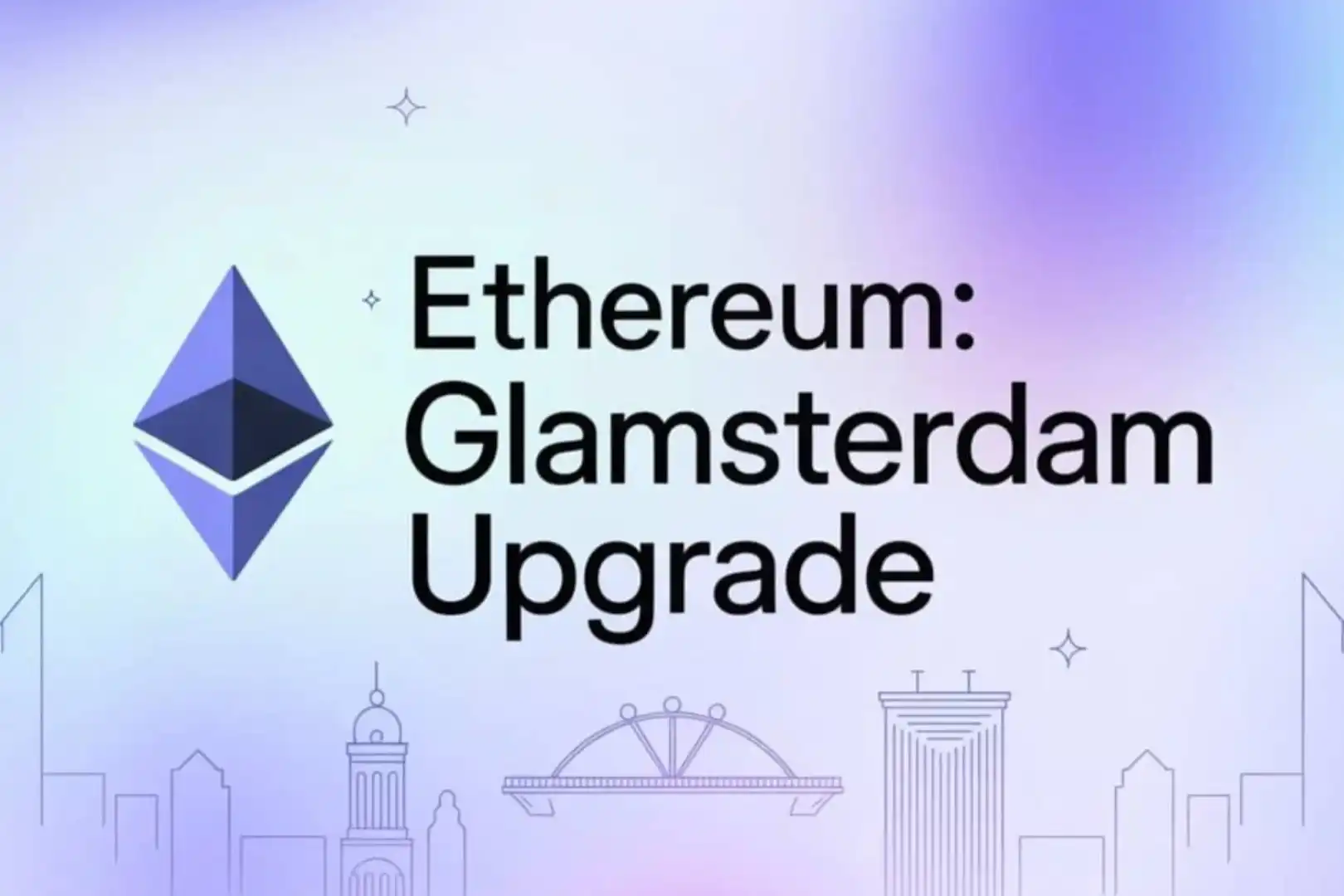
Ethereum Glamsterdam Upgrade: Largest-Scale Underlying Restructuring Yet, Mainnet Date Still Undecided

The upcoming Ethereum "Glamsterdam" upgrade is viewed by core developers as the most significant protocol-level refactoring since The Merge, fundamentally altering how the network processes transactions and manages its state to advance L1 scaling. Its core goals are: accelerating processing via parallelization, increasing capacity, and enhancing sustainability through adjusted fees that better reflect long-term data storage costs. The upgrade features two headline proposals. First, **ePBS (EIP-7732)** on the consensus layer aims to formalize proposer-builder separation directly within the protocol, eliminating reliance on off-chain relayers. This built-in mechanism is designed to provide a more secure and efficient block production pipeline, extending the critical validation window to allow the network to handle more data, particularly for Layer2s. Second, **BALs (EIP-7928)** on the execution layer introduces block-level access lists. These lists specify the data each transaction will access beforehand, allowing the network to identify and safely execute non-conflicting transactions in parallel, rather than strictly sequentially. This also speeds up new node synchronization. Glamsterdam also includes配套 proposals to reprice storage costs (aiming for a predictable ~120 GiB annual state growth) and the cost of data-reading operations to better align with modern hardware costs and prevent spam. Regarding the timeline, the initial schedule targeting a mainnet activation on September 16, 2026, has likely been delayed. Following the launch of a new dedicated testnet (Plataberget), the deployments on the Sepolia and Holesky testnets are now expected in September, with the mainnet launch potentially pushed to Q4 2026 or later, as developers prioritize correctness over a fixed date.

marsbitHace 4 min(s)

Ethereum Glamsterdam Upgrade: Largest-Scale Underlying Restructuring Yet, Mainnet Date Still Undecided

marsbitHace 4 min(s)

Trading

Spot

Artículos destacados

Qué es $BANK

Banco AI: Un Paso Revolucionario en el Futuro de la Banca Introducción En una era marcada por avances rápidos en tecnología, Banco AI se sitúa en la intersección de la inteligencia artificial (IA) y los servicios bancarios. Este proyecto innovador busca redefinir el panorama financiero, mejorando la eficiencia operativa, las medidas de seguridad y las experiencias del cliente a través del poder de la IA. Al embarcarnos en esta exploración de Banco AI, profundizaremos en lo que implica el proyecto, sus dinámicas operativas, su contexto histórico y hitos significativos. ¿Qué es Banco AI? En su esencia, Banco AI representa una iniciativa transformadora destinada a integrar la inteligencia artificial en varias operaciones bancarias. Este proyecto aprovecha las capacidades de la IA para automatizar procesos, mejorar los protocolos de gestión de riesgos y mejorar la interacción con los clientes a través de servicios personalizados. Los objetivos principales de Banco AI incluyen: Automatización de Funciones Bancarias: Al aprovechar las tecnologías de IA, Banco AI tiene como objetivo automatizar tareas rutinarias, reduciendo la carga sobre los recursos humanos y mejorando la eficiencia. Mejora en la Gestión de Riesgos: El proyecto utiliza algoritmos de IA para predecir e identificar riesgos, fortaleciendo así las medidas de seguridad contra fraudes y otras amenazas. Personalización de Servicios Bancarios: Banco AI se centra en ofrecer productos y servicios financieros a medida al analizar datos y comportamientos de los clientes. Mejoramiento de la Experiencia del Cliente: La implementación de soluciones impulsadas por IA, como chatbots y asistentes virtuales, tiene como objetivo proporcionar a los usuarios interacciones más humanas, revolucionando la forma en que los clientes se relacionan con los bancos. Con estos objetivos, Banco AI se posiciona como un jugador crucial para hacer que la banca sea más eficiente, segura y centrada en el usuario. ¿Quién es el Creador de Banco AI? Los detalles sobre el creador de Banco AI siguen siendo desconocidos. Como tal, no se ha identificado a ninguna persona u organización específica en la información disponible. El anonimato que rodea el inicio del proyecto plantea preguntas, pero no resta valor a su ambiciosa visión y objetivos. ¿Quiénes Son los Inversores de Banco AI? Al igual que con el creador del proyecto, no se ha divulgado información específica sobre los inversores u organizaciones que apoyan a Banco AI. Sin esta información, es un desafío delinear el respaldo financiero y el apoyo institucional que podrían estar impulsando el proyecto hacia adelante. No obstante, la importancia de contar con una sólida base de inversión es fundamental para sostener el desarrollo en un campo tan innovador. ¿Cómo Funciona Banco AI? Banco AI opera en múltiples frentes innovadores, centrándose en factores únicos que lo diferencian de los marcos bancarios tradicionales. A continuación, se presentan las características operativas clave: Automatización: Al aplicar algoritmos de aprendizaje automático, Banco AI automatiza varios procesos manuales dentro de los bancos. Esto resulta en la reducción de costos operativos y permite que los trabajadores humanos redirijan sus esfuerzos hacia actividades más estratégicas. Gestión Avanzada de Riesgos: La integración de la IA en las prácticas de gestión de riesgos equipa a los bancos con herramientas para predecir con precisión amenazas potenciales como el fraude, garantizando que la información y los activos de los clientes permanezcan seguros. Recomendaciones Financieras Personalizadas: A través del aprendizaje continuo a partir de las interacciones con los clientes, los sistemas de IA desarrollan una comprensión matizada de las necesidades del usuario, lo que les permite ofrecer consejos adaptados sobre decisiones financieras. Interacciones Mejoradas con los Clientes: Al utilizar chatbots y asistentes virtuales impulsados por IA, Banco AI permite una experiencia más atractiva para el cliente, permitiendo a los usuarios resolver sus consultas rápidamente, reduciendo así los tiempos de espera y mejorando los niveles de satisfacción. En conjunto, estas características operativas posicionan a Banco AI como un pionero en el sector bancario, estableciendo nuevos parámetros para la entrega de servicios y la excelencia operativa. Línea de Tiempo de Banco AI Entender la trayectoria de Banco AI requiere mirar su contexto histórico. A continuación, se presenta una línea de tiempo que destaca hitos y desarrollos importantes: Inicios de 2010: La conceptualización de la integración de la IA en los servicios bancarios comenzó a ganar atención a medida que las instituciones bancarias reconocieron los posibles beneficios. 2018: Se produjo un aumento notable en la implementación de tecnologías de IA cuando los bancos comenzaron a utilizar herramientas de IA como chatbots para el servicio al cliente básico y sistemas de gestión de riesgos para mejorar la seguridad. 2023: La sofisticación de la IA continuó avanzando, con la introducción de IA generativa para tareas más complejas como el procesamiento de documentos y análisis de inversiones en tiempo real. Este año marcó un salto significativo en las capacidades que la tecnología de IA otorgó a los bancos. 2024-Estatus Actual: A partir de este año, Banco AI se encuentra en una trayectoria ascendente, con investigaciones y desarrollos en curso que pronto mejorarán las capacidades en las operaciones bancarias. La continua exploración de las aplicaciones de IA sugiere emocionantes desarrollos aún por venir. Puntos Clave Sobre Banco AI Integración de la IA en la Banca: Banco AI se centra en adoptar inteligencia artificial para optimizar los procesos bancarios y mejorar la experiencia del usuario. Enfoque en Automatización y Gestión de Riesgos: El proyecto enfatiza fuertemente estas áreas, con el objetivo de desplazar la carga de tareas rutinarias mientras mejora los marcos de seguridad a través de análisis predictivos. Soluciones Bancarias Personalizadas: Al aprovechar los datos de los clientes, Banco AI permite servicios bancarios adaptados a las necesidades individuales de los usuarios. Compromiso con el Desarrollo: Banco AI se mantiene comprometido con esfuerzos de investigación y desarrollo continuos, asegurando su adaptabilidad y relevancia continua a medida que la tecnología sigue evolucionando. Conclusión En resumen, Banco AI ejemplifica un paso crucial hacia adelante en la industria bancaria, aprovechando la inteligencia artificial para redefinir los paradigmas operativos, mejorar la seguridad y promover la satisfacción del cliente. A pesar de las lagunas en la información sobre el creador y los inversores, los objetivos claros y los mecanismos funcionales de Banco AI proporcionan una sólida base para su evolución continua. A medida que la tecnología de IA sigue avanzando y fusionándose con el sector bancario, Banco AI está bien posicionado para impactar significativamente el futuro de los servicios financieros, mejorando la forma en que entendemos e interactuamos con la banca.

286 Vistas totalesPublicado en 2024.04.06Actualizado en 2024.12.03

Qué es $BANK

Cómo comprar BANK

¡Bienvenido a HTX.com! Hemos hecho que comprar Lorenzo Protocol (BANK) sea simple y conveniente. Sigue nuestra guía paso a paso para iniciar tu viaje de criptos.Paso 1: crea tu cuenta HTXUtiliza tu correo electrónico o número de teléfono para registrarte y obtener una cuenta gratuita en HTX. Experimenta un proceso de registro sin complicaciones y desbloquea todas las funciones.Obtener mi cuentaPaso 2: ve a Comprar cripto y elige tu método de pagoTarjeta de crédito/débito: usa tu Visa o Mastercard para comprar Lorenzo Protocol (BANK) al instante.Saldo: utiliza fondos del saldo de tu cuenta HTX para tradear sin problemas.Terceros: hemos agregado métodos de pago populares como Google Pay y Apple Pay para mejorar la comodidad.P2P: tradear directamente con otros usuarios en HTX.Over-the-Counter (OTC): ofrecemos servicios personalizados y tipos de cambio competitivos para los traders.Paso 3: guarda tu Lorenzo Protocol (BANK)Después de comprar tu Lorenzo Protocol (BANK), guárdalo en tu cuenta HTX. Alternativamente, puedes enviarlo a otro lugar mediante transferencia blockchain o utilizarlo para tradear otras criptomonedas.Paso 4: tradear Lorenzo Protocol (BANK)Tradear fácilmente con Lorenzo Protocol (BANK) en HTX's mercado spot. Simplemente accede a tu cuenta, selecciona tu par de trading, ejecuta tus trades y monitorea en tiempo real. Ofrecemos una experiencia fácil de usar tanto para principiantes como para traders experimentados.

964 Vistas totalesPublicado en 2025.05.09Actualizado en 2026.06.02

Cómo comprar BANK

Discusiones

Bienvenido a la comunidad de HTX. Aquí puedes mantenerte informado sobre los últimos desarrollos de la plataforma y acceder a análisis profesionales del mercado. A continuación se presentan las opiniones de los usuarios sobre el precio de BANK (BANK).

活动图片