Recent On-Chain Review: No Clear Narrative Under U.S. Stock Market Pressure, Just Hype

marsbitPublicado a 2026-06-12Actualizado a 2026-06-12

Resumen

This article analyzes the current state of the Solana meme coin and community token ecosystem, highlighting a market caught between two dominant forces: attention-based PvP and a gradual return to community-centric projects. The first part explores the "Attention PvP" dynamic, where success is driven by celebrity endorsements, viral events, and speed. Examples include $JOTCHUA, which surged after its meme creator's social media activity, and $WORLDCUP, which outperformed a similar Base chain project ($PITCH) largely due to influencer support. The recent "pump.fun GO" feature, allowing bounty tasks for token promotion, is critiqued for fostering sensationalist and often negative stunts—like people getting token tickers tattooed on their bodies for rewards—reminiscent of old internet shock content. In contrast, the article points to a resurgence of organic, community-driven tokens that survive market volatility through strong holder bases and shared ideology, not just hype. Influencer Ansem is cited, arguing that durable meme coins rely on communities willing to endure losses and promote their core message daily. Examples given are older tokens like $neet (anti-work ethos), $troll, $buttcoin, and $triplet, which have maintained relative price stability. A prime example of this community-build model is the new project $KINS, the token for the browser-based MMORPG Kintara. Its success stems not from advanced graphics but from consistently delivering updates, fostering player t...

After the ETH mainnet gradually grew quiet, degens have returned to be active on Solana once again. Despite this, it's hard to say there is a clear main narrative for the activity on Solana. To summarize, it might be fitting to describe it as "oscillating between a return to community and attention PvP."

Attention PvP

Ever since Trump issued a token, the meme coin market has grown accustomed to the playbook of relying on celebrity endorsements, hot events, and competing on speed for a long time.

Everyone is used to it, so even with poor liquidity, people still follow this playbook to find opportunities, thus forming an inertia for this kind of strategy.

$JOTCHUA, a dog meme that became popular in Spanish and English-speaking circles in 2021. On January 24, 2021, Instagram user @_kingorange uploaded an inspirational poster featuring a crudely drawn dog picture with the text "JOTCHUA," which received over 29,000 likes within three months.
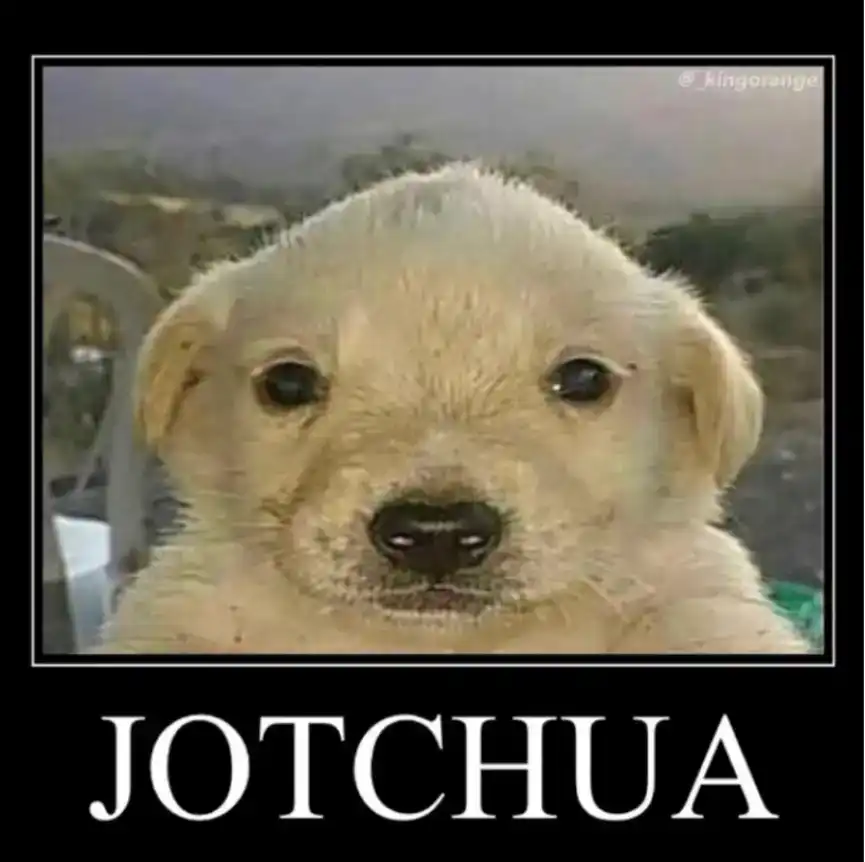
Its market cap once neared $9 million at its peak. The community has significant debates over whether this token is "organic," because its launch did not occur after the meme's creator @_kingorange claimed it, making it almost impossible to say the "claim" was the direct cause of the price surge.

Many players believe this token is another instance of "setting up a play," or attribute it to KOL Ansem sparking market speculation about his purchase being related to this token when he claimed on June 9th that he had returned to buying Solana meme coins for the first time in over a year.

The same concept, even the same ticker, but your coin just doesn't pump. $JOTCHUA on the ETH mainnet was deployed as early as December 2023, and has had consistent content and community, but it couldn't compete with getting the creator to click a few buttons and claim it.

A similar situation happened with the World Cup concept. $WORLDCUP on Solana, due to bonkguy's purchase and detailed analysis, saw its market cap surge from around $5 million to once break $12 million. Meanwhile, the World Cup concept project $PITCH on Base had fallen from a peak market cap of about $7 million to nearly $700,000.

Although $PITCH indeed has its own issues, mainly on the communication front. The project is not inactive, it keeps updating, but the dev rarely speaks up, and their X (Twitter) account got repeatedly suspended and still hasn't sorted out a new one. But admittedly, without any endorsements, similar concepts and playstyles lose out in the battle for attention.

The recent new feature from pump.fun, pump.fun GO, allows anyone to post paid bounty tasks on pump.fun.

This did attract mainstream media attention, but unfortunately, once again in a negative light reaching the masses.

$Bountywork, this token's market cap once approached $2.5 million at its peak. Its dev @ayushquantt's strategy is to continuously post new tasks on pump.fun, creating hype for this token.

He certainly succeeded—by offering a bounty of 40 SOL to have someone tattoo $bountywork on their forehead.

An Indian man actually got it tattooed, and strictly followed a typo the dev made in the description—missing an 'n', incorrectly writing the ticker as $boutywork.
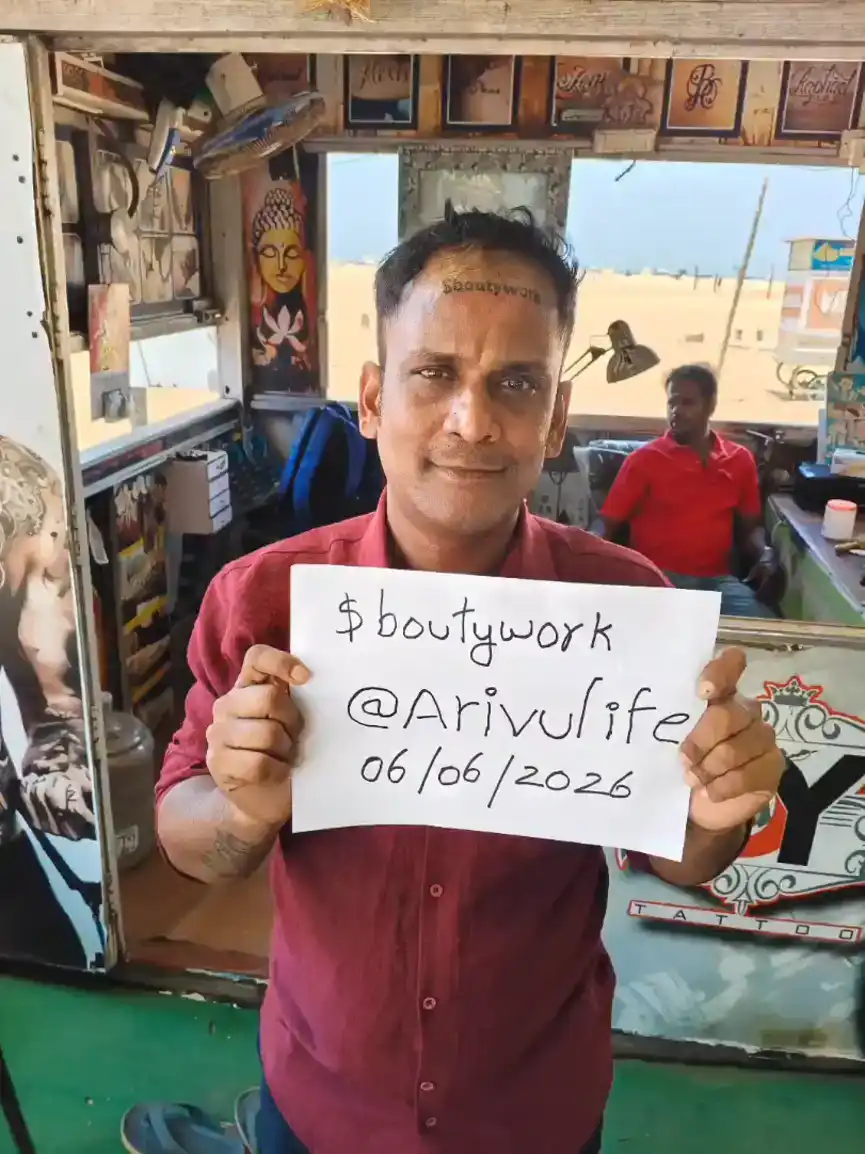
Initially, his bounty application was rejected because the tattoo was missing the letter 'n', and the dev demanded he correct the tattoo. Then, someone launched a new token using the incorrect tattoo as the ticker, $boutywork.

Finally, the 40 SOL bounty reward was still given to him, and the creator revenue from the new token was also given to him, earning him a total of about $48,000.

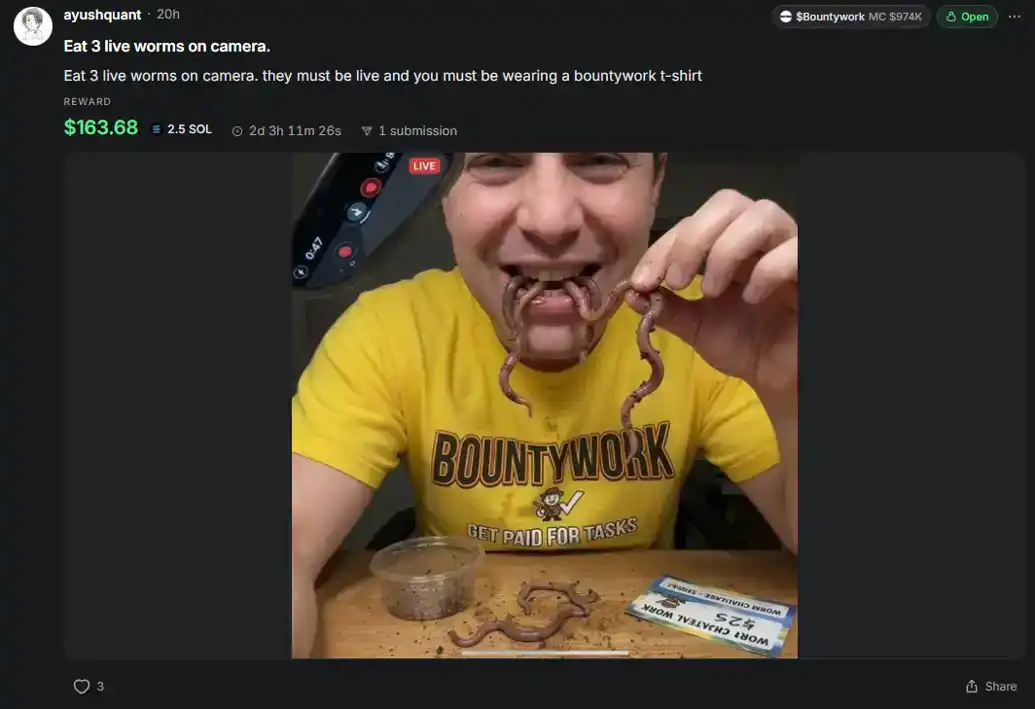
Then, as the hype faded, $boutywork has essentially gone to zero. The dev of $Bountywork is still continuously posting new bounties trying to replicate this "success," for example, having someone eat 3 insects on camera while wearing a $Bountywork t-shirt.
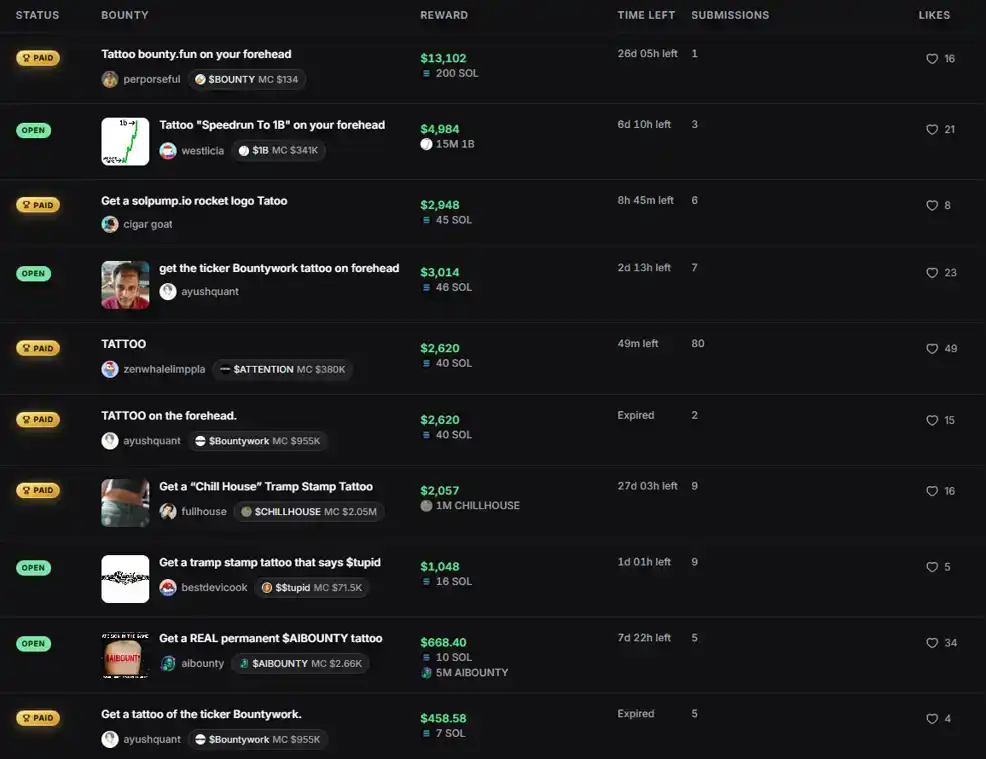
There are quite a few tattoo-related tasks on pump.fun; some have received up to 200 SOL in return for tattooing their own face.
Honestly, this isn't much different from the days when big brothers on Kuaishou tipped people to eat raw eggs or gulp down white liquor...

The Return of Community

Let's continue the discussion around pump.fun's new feature. Almost all bounty tasks are related to generating attention-hype for specific tokens. The only one not treated as a joke might be this bounty task for $neet—organizing a gathering in New York for people who resist work.
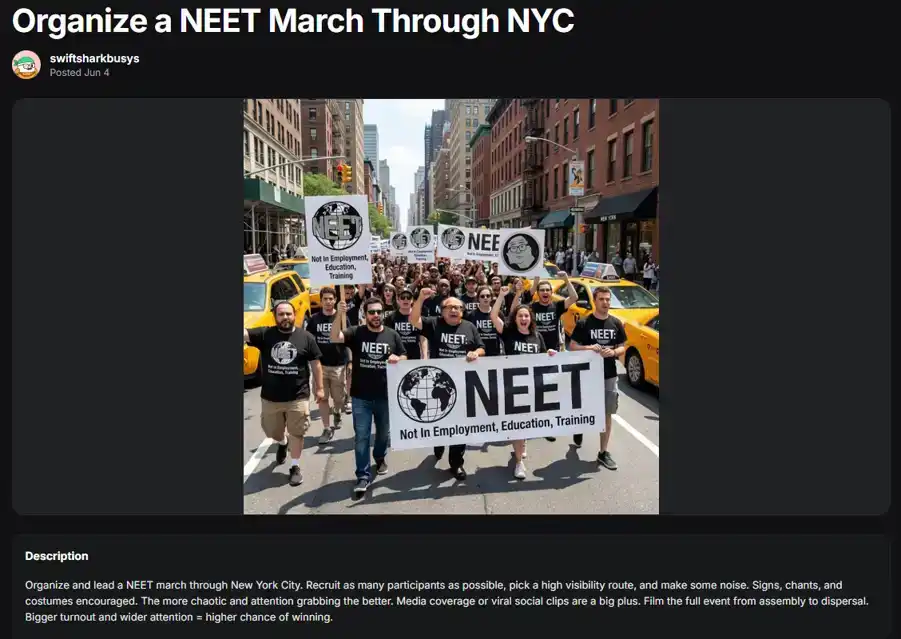
The reward for this bounty is paid in $neet, equivalent to over $15,000. The $neet community has previously self-organized 2 offline "anti-work gatherings" in the US; if this bounty is completed, it will be the 3rd.

Although it's unclear what pump.fun's intention is in supporting community-type meme coins, their official Twitter always features promotions for such community tokens. Although the performance of these tokens varies—for instance, $chillhouse's price has been sluggish for a while—the ones pump.fun officially picks out are generally quite community-driven and organic.

Currently, those with relatively stable visibility and price performance, besides $neet, include $troll, $buttcoin, and $triplet. A brief introduction to the survival status and themes of these community-type tokens:

- $neet: Deployed 410 days ago, peak market cap ~$51 million, current market cap ~$27 million. The community's mission is to make more people realize that dedicating most of one's life to work means losing one's own life.

- $troll: Deployed 416 days ago, holds the copyright to the classic meme Troll, listed on Coinbase. Peak market cap ~$290 million, current market cap ~$65 million.

- $triplet: Deployed 107 days ago, an abbreviation for "Tung Tung Tung Sahur," the hottest breakout character from last year's viral "Italian Classic of Mountains and Seas." Peak market cap ~$13.6 million, current market cap ~$6.6 million.

- $buttcoin: Deployed 153 days ago, originated from a 2011 joke on the Bitcoin forum, a pun on Bitcoin as "Buttcoin" (Butt coin). Peak market cap ~$68.6 million, current market cap ~$27 million.

Mentioning these tokens and the return of community-type coins brings us back to Ansem. After he mentioned returning to buy Solana memes, someone told him to just post the CA (contract address), and if he did, they would aggressively buy 1% to add to their position.
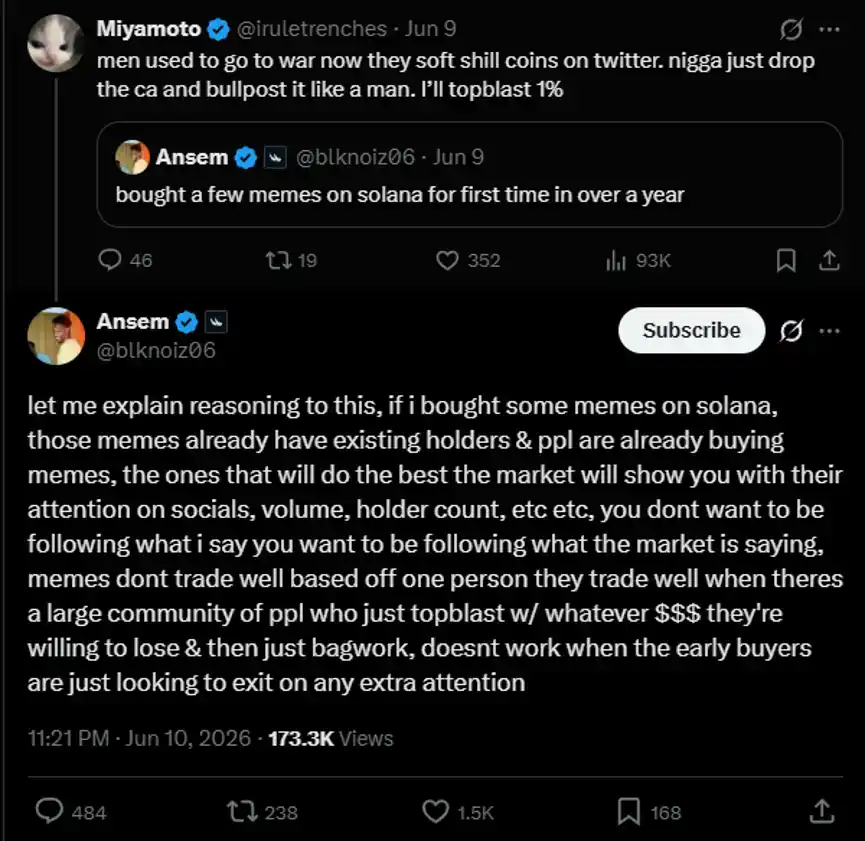
Ansem's response sparked much discussion:

"Let me explain why I don't post CAs. If I buy some Solana meme coins, and these coins already have good holders, the market will tell you which ones are good through social media performance, trading volume, holder count, etc. You shouldn't listen to me, but to the market. Meme coins relying on a group of holders who just compete on speed, wait for endorsements to dump, won't be good. Only tokens with a large community, where people within the community are willing to endure losses and promote their beliefs day after day, will succeed. Tokens dependent on a single celebrity won't do well."

Besides the older tokens mentioned above that have survived long and maintained relatively stable prices, there are indeed new tokens emerging that align with Ansem's view, such as $KINS.

$KINS is the token for Kintara, which is a blockchain game. Interestingly, Kintara hasn't led the Solana gaming sector because its rise wasn't due to the game's polish, but rather its step-by-step actions to earn community trust.

A brief introduction to $KINS' mechanism. This is an MMORPG playable in a browser; to play, your wallet needs 1,000 $KINS. Once in, you can chop wood, mine, fish, buy houses, fight monsters and bosses, and PvP.
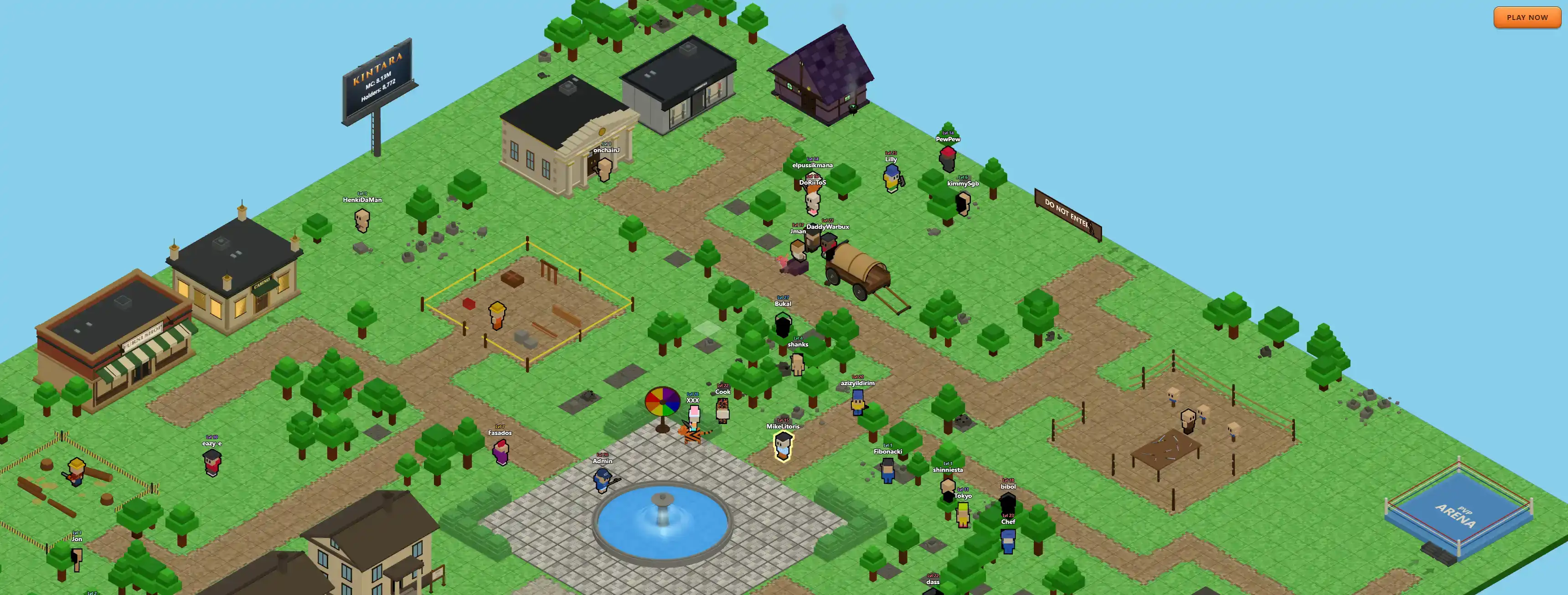
The game has no other pay-to-win options, only a reward wheel. If players don't want to spin only once a day, they can spend $3 worth of $KINS to continue spinning. 50% of this revenue is used for token buyback and burn, 50% for project maintenance and development.

The core gameplay loop is roughly: gather resources -> craft items -> challenge tougher monsters. If players lack resources, they need to use the in-game currency "Gold" to buy from other players. Players can sell "Gold" in the game priced in $KINS, with 5% going to the treasury and 95% to the player.

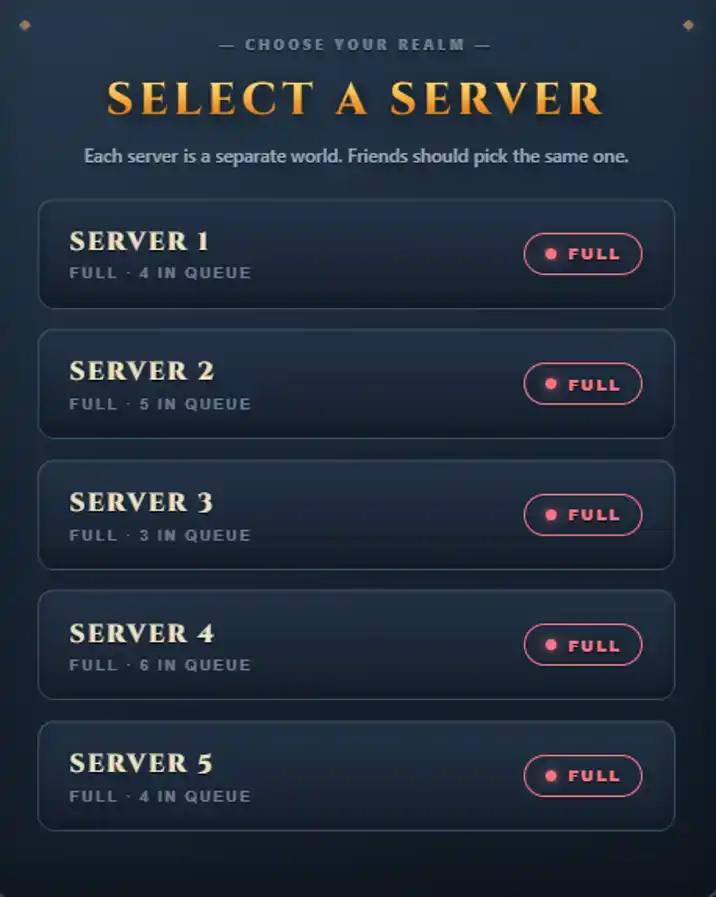
It sounds fairly ordinary, and the data isn't particularly impressive either (so far, 0.5% of $KINS has been repurchased), but the project's consistent delivery has built solid trust. Perhaps because the market is so disheartening, many players have genuinely gotten into it. The number of people fishing in the game daily is increasing. The project has expanded to 5 servers, but there's still a queue...
A player successfully sold a rare mount obtained from fishing and earned $1,800:
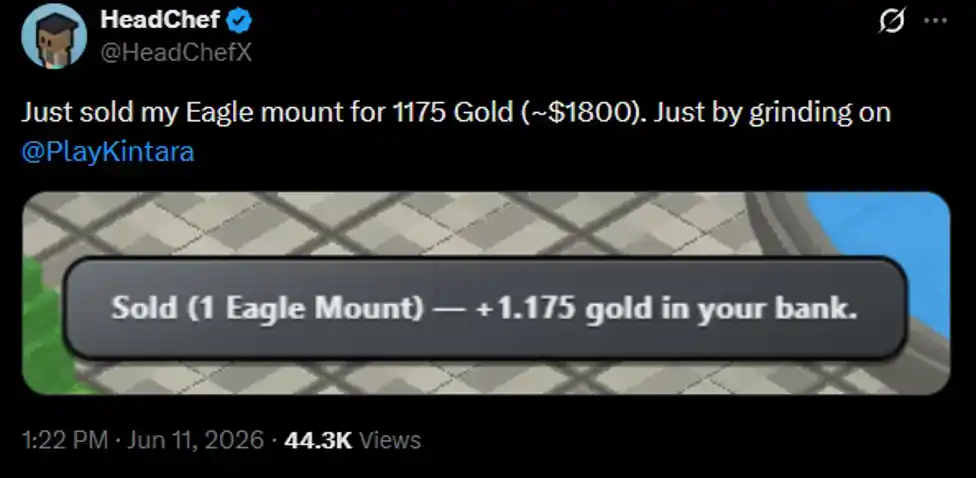
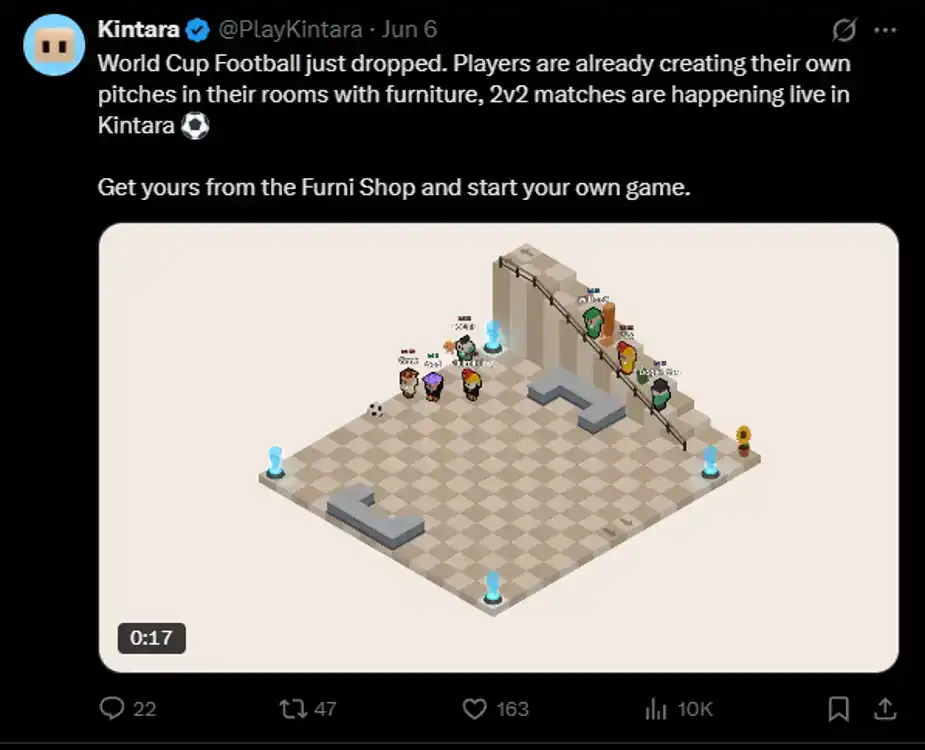
The project team of this game almost "doesn't promote play-to-earn," instead focusing heavily on "how to build network effects and a sense of player belonging." For example, integrating various Solana community meme coins or newly hot tokens into game elements, such as auctioning mansions in the game.

Or, promoting people organizing World Cup football matches in their houses:
When it was still obscure, with less than $40,000 market cap and 243 holders, this early phase of "unheard of and unknown" was written on the stats board in the game's main map. Everyone watched Kintara persistently and rapidly update game content, slowly gaining people's trust, gradually attracting KOLs like Gake and Ansem to become part of the game as players.
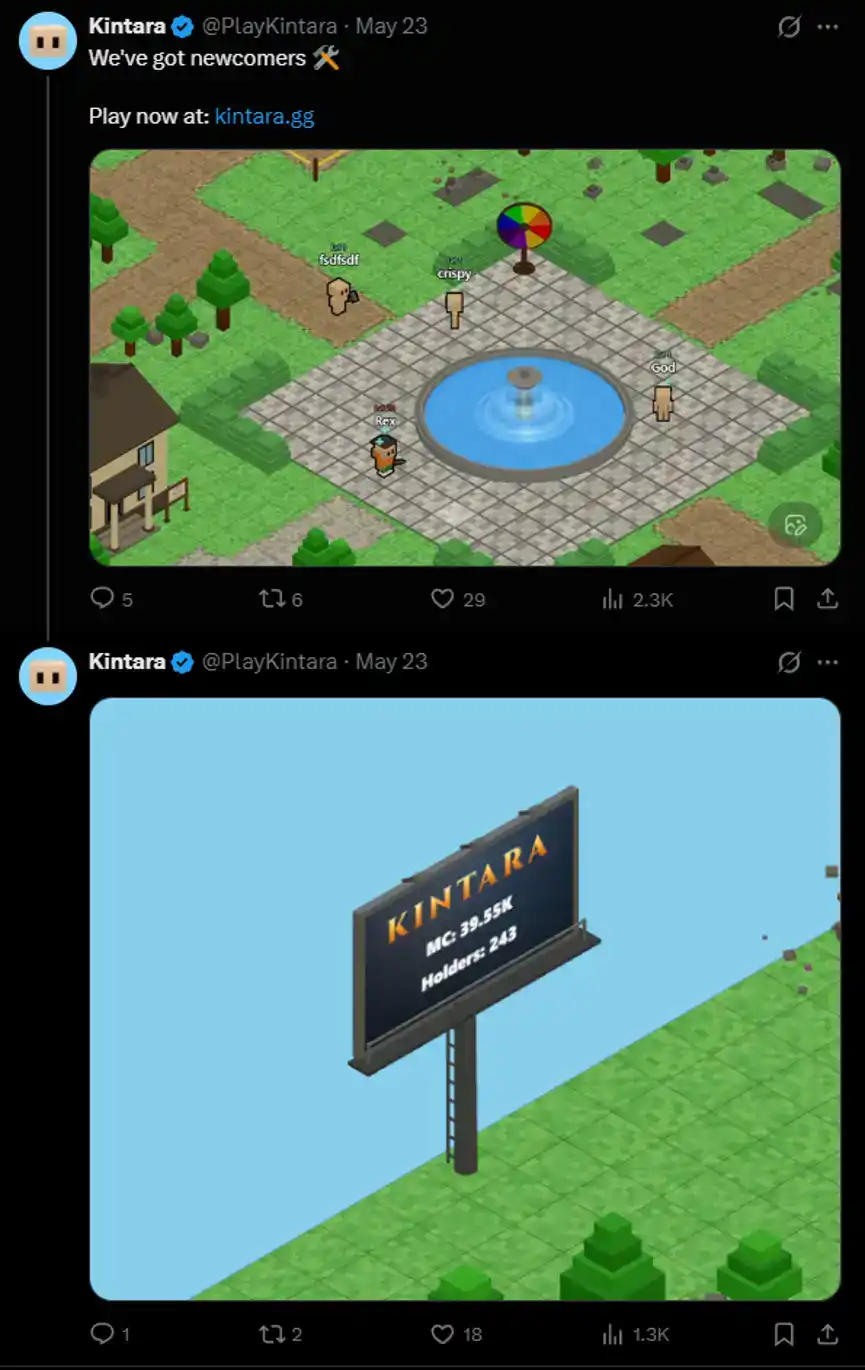
So no one calls this kind of project a "set-up play."

"What are we constantly chasing after all along? A game of mutual trust, or a game of mutual deception?"

This is a recent question Zhàn Háo has been asking himself.

Hopefully, such questioning can persist and ultimately lead to a healthier market.

Criptos en tendencia

Preguntas relacionadas

QWhat are the two main competing themes or approaches observed in the current Solana meme coin market, according to the article?

AThe two main competing themes are 'Attention PvP' and the 'Return of the Community'. Attention PvP relies on quick, hype-driven plays involving celebrity endorsements, hot events, and speed-based speculation. The Return of the Community focuses on meme coins with organic, long-term communities built around a shared culture or purpose, where members are willing to endure price fluctuations and consistently promote their project's ideals.

QHow did the $JOTCHUA meme coin benefit from the 'Attention PvP' dynamic, and what controversy surrounded its success?

AThe $JOTCHUA coin gained attention and its price surged largely after the meme's creator, @_kingorange, 'claimed' the coin on social media. However, its success is controversial because the coin's launch and initial pump did not happen after the creator's claim. Many believe the surge was due to market speculation triggered by KOL Ansem announcing his return to buying Solana meme coins, suggesting it was another 'pump group' setup rather than an organic community-driven event.

QWhat is the core mission of the $neet community, and how does it distinguish itself from typical 'Attention PvP' coins?

AThe core mission of the $neet community is to promote the idea that dedicating most of one's life to work means losing one's own life. It distinguishes itself from 'Attention PvP' coins by being a long-term, community-driven project. The community has organically organized offline 'anti-work' gatherings in the U.S. and focuses on a shared cultural belief rather than relying on short-term hype or celebrity endorsements for price action.

QAccording to Ansem's statement quoted in the article, what are the key characteristics of a successful meme coin that does not rely on a single influencer?

AAccording to Ansem, a successful meme coin that doesn't rely on a single influencer should have a large, genuine community. Members of this community should be willing to endure losses and consistently promote the project's underlying philosophy or culture day after day. Success should be indicated by market data like social media activity, trading volume, and holder count, not by the endorsement of any single key opinion leader (KOL).

QHow did the project behind the $KINS token (Kintara) build trust and a sustainable community, as described in the article?

AThe Kintara project ($KINS) built trust and a sustainable community through consistent delivery and focusing on player engagement rather than financial speculation. Key strategies included: rapidly updating game content, integrating other community meme coins into the game, organizing in-game community events (like house auctions and soccer tournaments), and having a transparent tokenomics model where 50% of optional spin revenue is used for token buyback/burns. This approach fostered a sense of belonging and network effect, attracting genuine players and even respected KOLs who became part of the community.

Lecturas Relacionadas

After Three Consecutive Quarters of Decline, Can the Crypto Market Find a Window for Stabilization in Q3?

The cryptocurrency market has just concluded its worst-performing quarter since 2022, with total capitalization dropping 12.6% to $2.1 trillion. All core metrics indicate capital is leaving the sector, not just rotating within it. Bitcoin fell 14.2% and Ethereum dropped 25.4% in Q2, breaking their previous correlation with US tech stocks. A key driver is the reversal in US spot Bitcoin ETF flows, which saw a net outflow of approximately $4.67 billion in Q2, including a record monthly outflow near $4.5 billion in June. While recent data suggests long-term holders are accumulating again, sustained ETF outflows mean continued selling pressure. Market focus is now singularly on the Federal Reserve. The upcoming July FOMC meeting is seen as the most critical event for Q3. A dovish signal could support Bitcoin reclaiming a $68,000-$84,000 range, while a hawkish stance might establish a new trading band around $50,000-$56,000. Additionally, regulatory uncertainty persists, with the progress of the crucial *CLARITY Act* stalling in the Senate, reducing its perceived 2026 passage probability to 40-45%. Despite the broad downturn, a few sectors showed growth. Prediction markets saw nominal volume surge 48.7% year-over-year to $113.8 billion, and tokenized collectibles transaction volume rose 143% quarterly to $1.4 billion. The Real-World Asset (RWA) tokenization sector also continued steady growth, now representing ~$28.1 billion in on-chain value. The market's foundation for an extreme crash appears limited, with Bitcoin price hovering near its 200-week moving average. However, the trading paradigm has shifted from narrative-driven speculation to decisions based on price action, policy developments, and interest rate expectations, making a broad sentiment-driven rally unlikely in the near term.

marsbitHace 1 hora(s)

After Three Consecutive Quarters of Decline, Can the Crypto Market Find a Window for Stabilization in Q3?

marsbitHace 1 hora(s)

BIT Trading Moment: BTC Still Suppressed by Weekly 200 EMA, Rejection May Restart Decline; Storage and Semiconductors that Surged Last Night Begin Falling in Evening Trading

**Crypto & Stock Market Wrap: Bitcoin Tests Resistance, Stocks Retreat After AI Surge** Bitcoin consolidates around $66,000, facing key resistance near $68,000—an area seen as a major psychological and technical hurdle where previous rallies have failed. Analysts note the cryptocurrency is caught between its 200-week moving average (~$63,333) and 200-week EMA (~$68,328). A clear break above $68k is needed to signal a stronger bullish trend, while a rejection could lead to a retest of $63k support. Market sentiment remains cautious, with low futures open interest pointing to a low-liquidity rebound rather than a full bull market. Bitcoin spot ETFs saw another $203 million inflow. US stock futures pointed lower after a strong Tuesday session led by a massive rebound in semiconductors and memory stocks. The rally was fueled by renewed optimism about AI-driven hardware demand, with Micron, SanDisk, and SK Hynix surging. However, those gains reversed in pre-market trading. Super Micro Computer (SMCI) soared over 20% after hours on strong guidance and a record backlog. Other standouts included Rocket Lab and nuclear energy plays Oklo and X-Energy. Rising oil prices (Brent above $91) and climbing Treasury yields (10-year near 4.64%), however, are reigniting inflation concerns and acting as a headwind for equities. In Asia, markets were mixed. South Korea's KOSPI pared early gains to close slightly higher as semiconductor stocks like SK Hynix gave back initial surges. Japan's Nikkei edged lower as the yen hit a fresh 38-year low against the dollar, raising fears of potential market intervention. Key events to watch include the Samsung Galaxy launch, AMD's AI event, and a slew of major tech earnings from Alphabet, Tesla, and IBM after the close on Wednesday, followed by the ECB meeting and Intel's earnings on Thursday.

marsbitHace 1 hora(s)

BIT Trading Moment: BTC Still Suppressed by Weekly 200 EMA, Rejection May Restart Decline; Storage and Semiconductors that Surged Last Night Begin Falling in Evening Trading

marsbitHace 1 hora(s)

Former CFTC Chairman, Circle President Tarbert: Preaching Long-Termism While Cashing Out $30 Million Himself

Former CFTC Chairman and Circle President Heath Tarbert has consistently advocated for a long-term vision in public, urging patience from investors as Circle’s stock price has fallen significantly from its peak. However, it has been revealed that since Circle’s IPO, Tarbert has continuously sold his CRCL shares through pre-arranged trading plans, cashing out approximately $30 million, without making any public market purchases. This contrast between his public messaging and personal actions has drawn criticism. Tarbert joined Circle in July 2023 as Chief Legal Officer, leveraging his regulatory experience to help guide the company through its IPO and expansion. Despite promoting stablecoins as long-term infrastructure, he established a 10b5-1 trading plan just before Circle went public, leading to substantial stock sales over the following year. In March 2026, he initiated another plan to sell more shares. His career trajectory highlights a pattern of moving between high-level regulatory roles and influential positions in the financial sector. After resigning as CFTC Chairman in early 2021, he joined Citadel Securities as Chief Legal Officer just 27 days later, during a period of intense regulatory scrutiny for the firm. He later joined Circle, aiding its efforts to navigate regulatory challenges for its public listing. While Tarbert's expertise in policy and compliance is valuable to companies like Circle, his actions—advocating long-term confidence while personally divesting—raise questions about the alignment between his public statements and his private financial decisions, leaving investors who followed his advice to bear the market risks.

marsbitHace 2 hora(s)

Former CFTC Chairman, Circle President Tarbert: Preaching Long-Termism While Cashing Out $30 Million Himself

marsbitHace 2 hora(s)

Gate Research Institute: The 'Wall Street-ization' Wave of Crypto Financial Products – Competition or Integration?

The article titled "Gate Research Institute: Are Crypto Financial Products Sparking a 'Wall Street' Wave—Competition or Convergence?" explores the evolving relationship between the crypto ecosystem and traditional finance (TradFi). The piece begins by reflecting on Bitcoin's original 2009 vision of decentralization, disintermediation, and moving away from banks. It then contrasts this with the 2024 landscape, where key crypto assets like Bitcoin are increasingly held through Wall Street products like ETFs issued by giants like BlackRock. The article questions whether this signifies that TradFi is systematically taking over the rights to issue, price, custody, and distribute crypto financial assets. The core argument is that this is not a zero-sum takeover but rather a bidirectional convergence where each side addresses the other's weaknesses. Crypto offers 24/7 global markets, programmable settlement, and open access but lacks compliant channels, institutional-grade custody, deep fiat liquidity, and mainstream distribution. TradFi possesses these but is constrained by legacy systems, limited operating hours, and slow settlement. Two primary convergence paths are highlighted: * **Path A (CEX to TradFi):** Exemplified by Gate, which has progressed from offering tokenized stocks and CFDs to providing direct, real stock trading (US, Hong Kong, South Korea) within its platform, using USDT. * **Path B (TradFi to Crypto):** Exemplified by Robinhood, which has integrated crypto trading, acquired exchanges like Bitstamp, and is moving traditional assets like stocks onto the blockchain via tokenization and its own Layer 2. Both paths are ultimately competing to become the next-generation, unified financial account—a "super account" where users can seamlessly trade cryptocurrencies, stocks, ETFs, RWA (Real World Assets), and tokenized treasury products in one interface. The growth of RWA and tokenized treasuries (e.g., BlackRock's BUIDL) is presented as the asset-layer fusion, providing stable, yield-bearing assets on-chain and acting as a bridge between the two worlds. In conclusion, the "Wall Street-ization" of crypto is framed as a mutual transformation. Decentralized ideals persist in the protocol layer, while at the application layer, a more efficient, global, and accessible unified capital market is emerging from this convergence. The future competition lies not between crypto exchanges and stockbrokers, but between platforms vying to offer the most comprehensive asset coverage, liquidity, and user experience within a single account.

marsbitHace 2 hora(s)

Gate Research Institute: The 'Wall Street-ization' Wave of Crypto Financial Products – Competition or Integration?

marsbitHace 2 hora(s)

Trading

Spot

Artículos destacados

Cómo comprar HYPE

¡Bienvenido a HTX.com! Hemos hecho que comprar Hyperliquid (HYPE) sea simple y conveniente. Sigue nuestra guía paso a paso para iniciar tu viaje de criptos.Paso 1: crea tu cuenta HTXUtiliza tu correo electrónico o número de teléfono para registrarte y obtener una cuenta gratuita en HTX. Experimenta un proceso de registro sin complicaciones y desbloquea todas las funciones.Obtener mi cuentaPaso 2: ve a Comprar cripto y elige tu método de pagoTarjeta de crédito/débito: usa tu Visa o Mastercard para comprar Hyperliquid (HYPE) al instante.Saldo: utiliza fondos del saldo de tu cuenta HTX para tradear sin problemas.Terceros: hemos agregado métodos de pago populares como Google Pay y Apple Pay para mejorar la comodidad.P2P: tradear directamente con otros usuarios en HTX.Over-the-Counter (OTC): ofrecemos servicios personalizados y tipos de cambio competitivos para los traders.Paso 3: guarda tu Hyperliquid (HYPE)Después de comprar tu Hyperliquid (HYPE), guárdalo en tu cuenta HTX. Alternativamente, puedes enviarlo a otro lugar mediante transferencia blockchain o utilizarlo para tradear otras criptomonedas.Paso 4: tradear Hyperliquid (HYPE)Tradear fácilmente con Hyperliquid (HYPE) en HTX's mercado spot. Simplemente accede a tu cuenta, selecciona tu par de trading, ejecuta tus trades y monitorea en tiempo real. Ofrecemos una experiencia fácil de usar tanto para principiantes como para traders experimentados.

252 Vistas totalesPublicado en 2024.12.11Actualizado en 2026.06.02

Cómo comprar HYPE

Discusiones

Bienvenido a la comunidad de HTX. Aquí puedes mantenerte informado sobre los últimos desarrollos de la plataforma y acceder a análisis profesionales del mercado. A continuación se presentan las opiniones de los usuarios sobre el precio de HYPE (HYPE).

活动图片













