Open a browser, enter a URL, and start playing 'Call of Duty' or 'GTA' directly?
Claude Opus 5.5.
As expected of you, still so attuned to Vibe Games...

Honestly, the recent gaming scene is like a grand 'Renaissance':
From 'Halo: Combat Evolved' and 'GTA: Vice City' to 'Skate 3' and 'The Simpsons: Hit & Run'...
Opus 5.5 has brought a wave of ancient masterpieces back to life in the browser, and the results are surprisingly good.
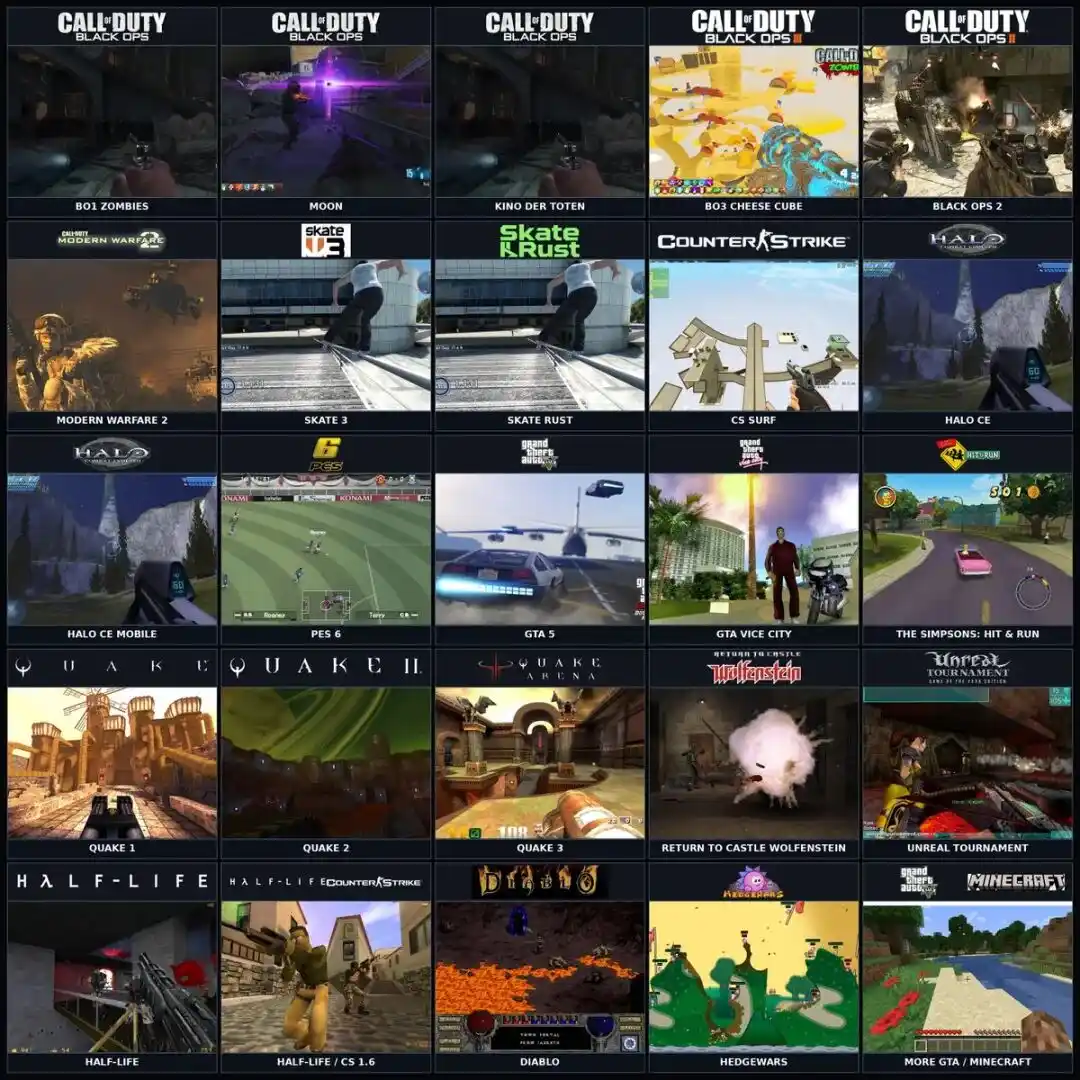
Take the web version of Halo, for example. The project saw nearly 20,000 game sessions explode within just 5 hours of launch, with players flooding in from 115 countries worldwide.
Just one word: Awesome!

Goodbye to those hefty installation packages of tens of gigabytes 👋
Now, a single webpage can handle zombies, driving, and shooting.
But the bad news is, the celebration barely lasted two days before the legal departments of Activision and Microsoft were already knocking on the door with cease-and-desist letters...
Hundreds of Old Games Moving House Collectively
No kidding, who would have thought...
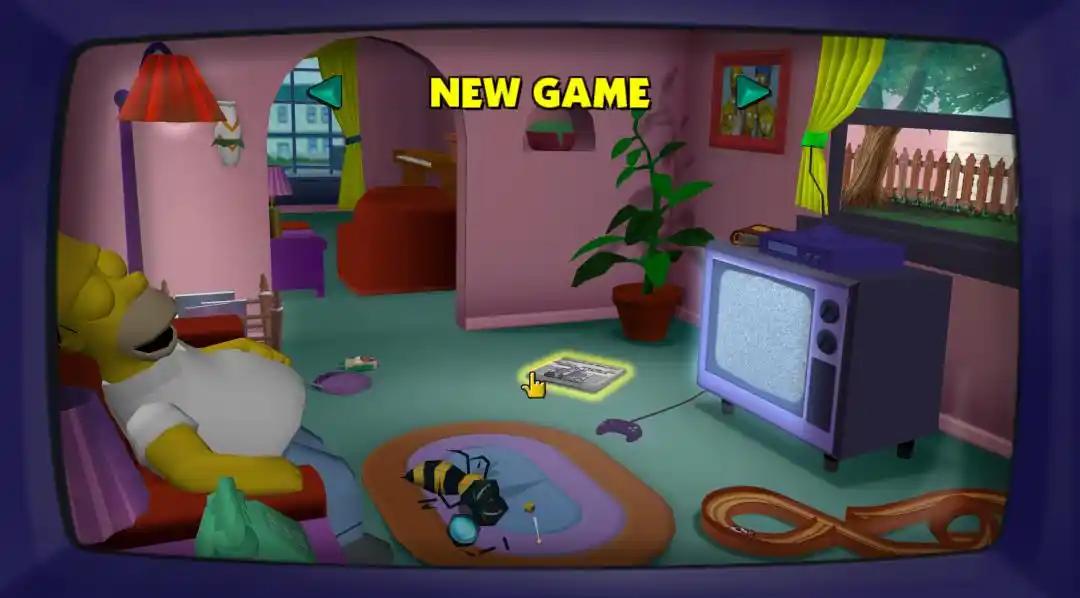
It's already 6202, and 'The Simpsons: Hit & Run' can still hit 240 FPS in a web page.
The occasionally stuttering console graphics from childhood memories now run butter-smooth in a browser tab~
And that web version of 'Halo: Combat Evolved' not only comes with its own multiplayer servers but also has surprisingly low latency when you jump in for a match.
Familiar scenes, mouse and keyboard controls, plus links you can share at the drop of a hat.
These classics from the PS2 and PS3 era have been faithfully restored and collectively moved into the new-era 4399.

So why do they run so smoothly?
Many might forget, the entire PS3 console back in the day had only about 512MB of RAM.
Nowadays, just opening Chrome for some casual browsing easily eats up around 1200MB of memory.
Hardware is no longer a barrier. The real Achilles' heel of web porting was always reverse engineering.
This means taking the already compiled game program and working backwards to reconstruct human-readable, recompilable code.
Game logic needs to closely match the original, and it all has to adapt to the browser.
The workload is massive. In the past, a few programmers working hard for months might not even fully decipher the old code.

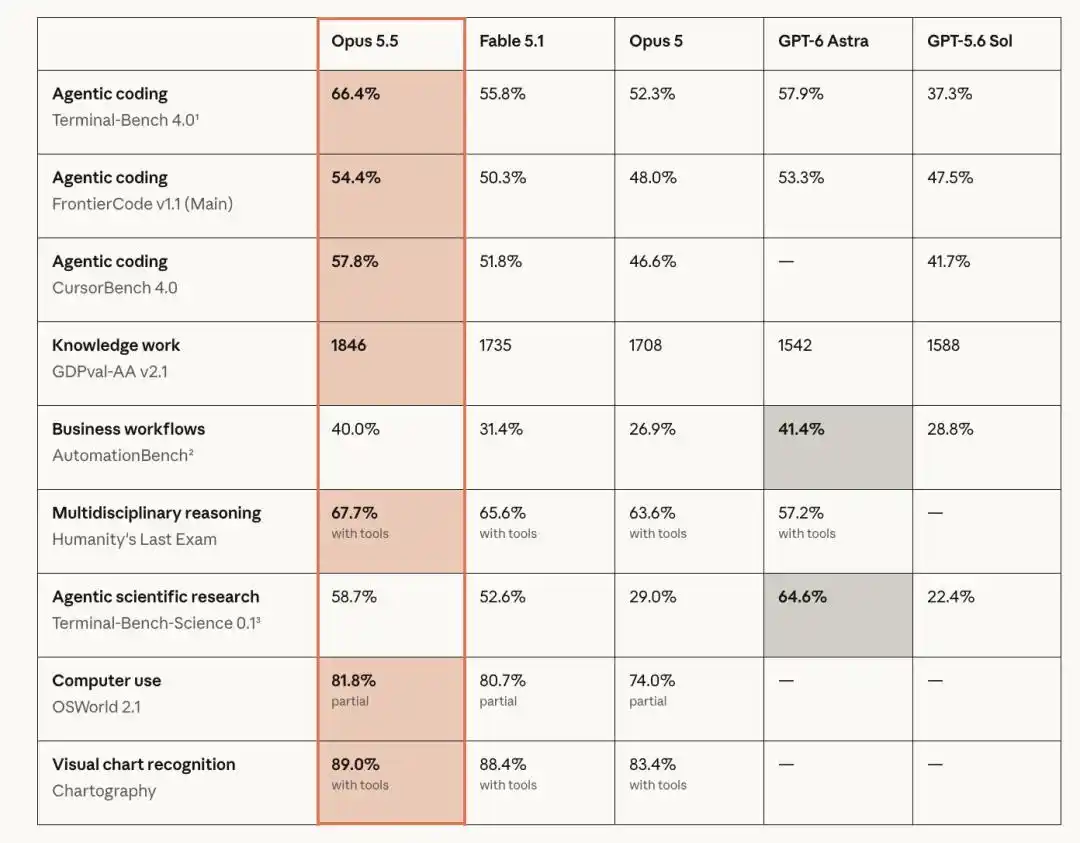
But the reverse-engineering capabilities shown by Claude Opus 5.5 are like having cheat codes enabled.
Anthropic officials mentioned that an early tester using Opus 5.5 migrated 680,000 lines of code in less than a day;
Another tester had it audit and fix 200,000 lines of code in under 3 hours, whereas Opus 5 took over 20 hours for similar tasks.
When creating games using the same prompts, Opus 5.5 also received the highest ratings for graphics and completeness.
On the actual development floor, models even work in a relay.
When developer Luckey Faraday was making the web version of 'Call of Duty', Claude initially refused to participate.
After using models like GLM to build the initial framework, the task was handed over to Claude for polishing visual details.
Ultimately, multiple models complemented each other's strengths, collaborating to complete maps and combat systems, with gameplay even richer than the original.
With Opus 5.5's help, developers can now even let the model run unattended overnight, instantly converting the complex underlying logic of old games into code that runs directly in the browser.
Brilliant, brilliant. This wave benefits players and makes sneaking in a game during idle moments even easier~
The Publishers Strike Back
But... Activision Blizzard doesn't see it that way:
Take them down! Take them all down!!!

Faraday's related porting project links have been taken down. The guy even semi-joked on X:
Am I the first Vibe Coder to get a DMCA notice from a game publisher? (doge)

To be fair, it's not entirely undeserved.
To stay true to the original, these web versions directly exported and packed in all the maps, models, and animation assets from the original PC games.
The code could be reverse-engineered and made "open-source" via AI, but those art and audio assets are 100% still under the copyright of the original developers and publishers.
And it's not just porting projects using old game assets that risk infringement; new works borrowing familiar worlds are also in danger ⚠️
Previously, developer Chris First used Opus 5.5 to create the web game 'Fallout: New York'.
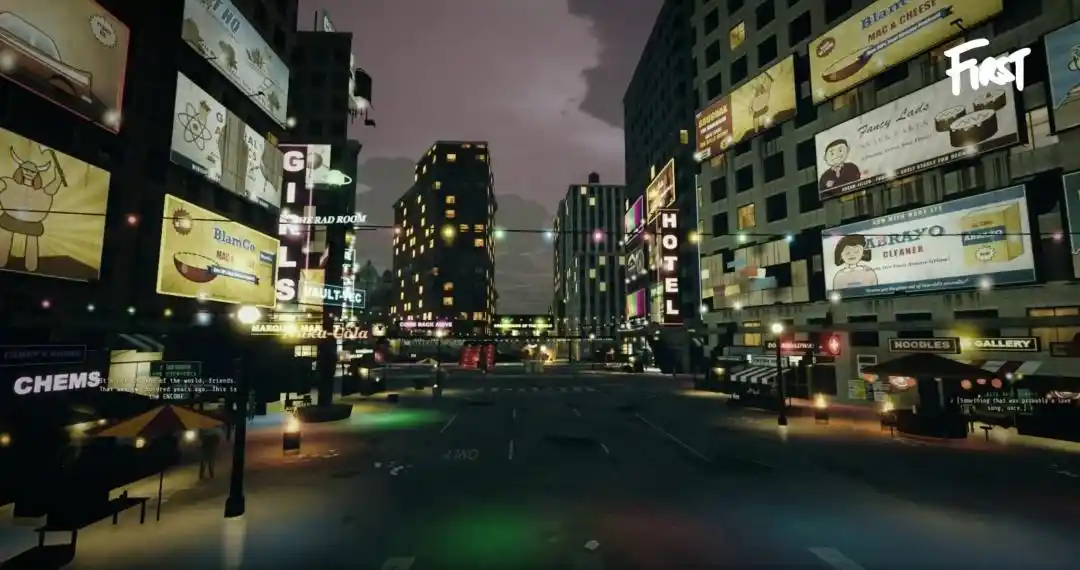
Although the locations, characters, and music were independently generated, he still received a cease-and-desist notice from the game's parent company, ZeniMax, and the subsequent project was announced as terminated.
Thus, to escape the heavy hammer of various legal departments, developers of different web projects have begun employing various tactics.
For example, the developer of the similarly targeted web version of 'Super Mario 64' was much smarter:
The online offering is purely the runtime and emulator, absolutely no copyrighted game textures or data included.
Want to play?
Players must provide their own game ROM, then upload it for parsing within the browser.
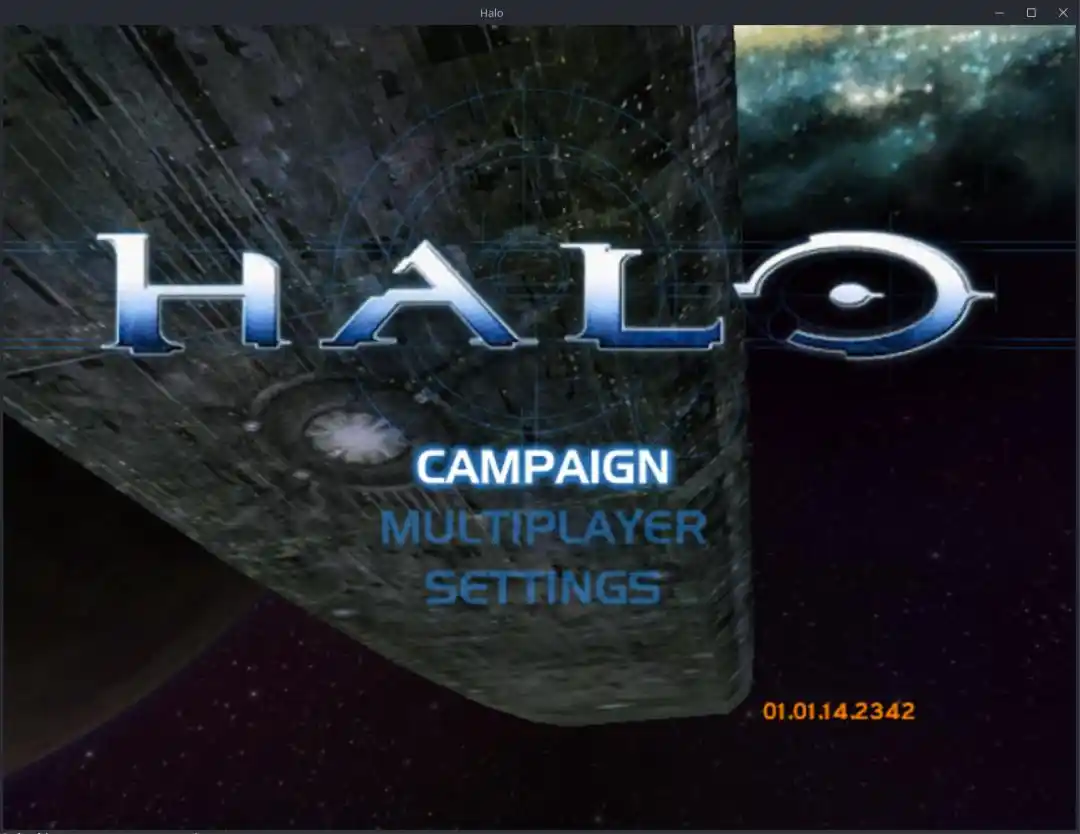
The OpenCE project for 'Halo' also clearly states it contains no game data.
On first launch, players need to select an Xbox disc image, from which the program extracts the maps. The web version saves files in the browser's local storage, not uploaded to any server.
By completely separating the runtime logic from the game assets, developers are trying to carve out a path to survival.
As for the players, the experience still happens in the browser, just with one extra preparation step before the first play.
But publishers won't go easy. Follow-up measures are already on the way.
AI can only push the porting project forward; it won't resolve the authorization issues for developers when they publicly release their work.
This round of cat-and-mouse in the gaming world has only just begun.
References:
[1]https://kotaku.com/we-might-be-cooked-as-these-vibe-coded-web-browser-ports-of-halo-the-simpsons-hit-and-run-and-gta-vice-city-seem-to-work-perfectly-2000743300
[2]https://www.techpowerup.com/353601/activision-dmca-takes-down-vibe-coded-call-of-duty-browser-ports
[3]https://momo5502.com/posts/2026-10-09-game-decompilation/
[4]https://www.pcgamer.com/hardware/you-can-now-play-halo-combat-evolved-in-a-web-browser-and-it-even-has-multiplayer/
This article is from the WeChat public account "Quantum Bit", author: Focus on Frontier Technology