OpenSea Insider Trading Case Ends Without A Retrial – Details

bitcoinistPublicado a 2026-01-24Actualizado a 2026-01-24

Resumen

Former OpenSea product manager Nathaniel Chastain will not face a retrial for insider trading after federal prosecutors dropped the case. This follows an appeals court overturning his earlier conviction, citing incorrect jury instructions. Prosecutors reached a deferred prosecution agreement, leading to the dismissal of charges. As part of the deal, Chastain will forfeit approximately 15.98 ETH and has already served a three-month prison sentence. The case, the first insider trading prosecution involving NFTs, highlights a legal gap between traditional fraud statutes and digital assets. The ruling may influence how confidential information is treated as property in future crypto-related cases.

Nathaniel Chastain, a former product manager at OpenSea, will not face a retrial after federal prosecutors chose to drop their re-review of his insider trading case.

Reports say the US Attorney’s Office reached a deferred prosecution agreement with Chastain that will lead to dismissal of the charges once the agreement runs its course.

What Prosecutors Decided

Prosecutors told a Manhattan federal court they would not retry Chastain following an appeals court ruling that tossed his earlier conviction.

Under the deferred prosecution deal, the government will dismiss the case about a month after notifying the court, and Chastain has agreed to forfeit roughly 15.98 ETH tied to the trades. He has already served three months in prison from his original sentence.
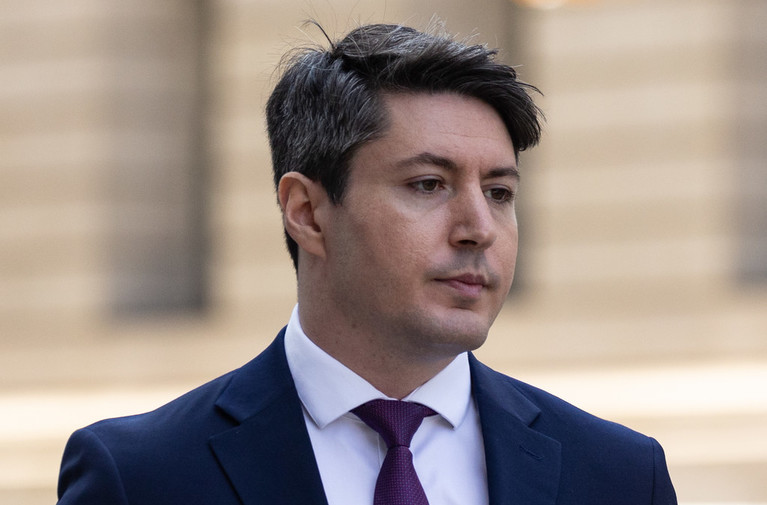
Nathaniel Chastain, former product manager at OpenSea, arrives at federal court in New York, US, on Tuesday, Aug. 22, 2023. Photo: Yuki Iwamura/Bloomberg

How The Appeals Court Changed The Case

According to the US Court of Appeals for the Second Circuit, the jury in the first trial had been given the wrong instructions about what the wire fraud law covers.

The judges said confidential information only counts as property under the statute when it has commercial value to the employer, and jurors might otherwise convict someone for behavior that is unethical but not criminal. That legal point is at the heart of the reversal.

Reports note that prosecutors had called the matter the first-ever insider trading case tied to NFTs. Now, lower courts and enforcement teams will have to think carefully before using traditional fraud laws to police activity in NFT markets.

The ruling highlights a gap between old statutes and new kinds of online goods, which may push lawmakers to give clearer rules for how to treat confidential business signals related to crypto platforms.

BTCUSD currently trading at $88,903. Chart: TradingView

OpenSea: The Case’s Earlier Chapters

Chastain was first charged in mid-2022 after prosecutors said he bought certain NFTs before they were featured on OpenSea’s homepage, then sold them after prices rose.

He was convicted at trial in 2023 of wire fraud and money laundering and received a sentence that included three months behind bars. The US Attorney’s Office originally described the scheme as a novel use of insider knowledge in digital markets.

With the deferred prosecution agreement in place for OpenSea, prosecutors can close this chapter without a new trial.

Chastain’s forfeiture of crypto assets and his already served time mean the government has secured some remedy, while the appellate decision leaves open big questions about when private business information can be treated as property for federal fraud charges.

Legal teams, judges, and regulators are likely to keep a close eye on how similar cases are handled in the future.

Featured image from Getty Images, chart from TradingView

Preguntas relacionadas

QWhy was Nathaniel Chastain's conviction overturned by the appeals court?

AThe appeals court overturned the conviction because the jury in the first trial was given incorrect instructions. The judges ruled that confidential information only qualifies as property under the wire fraud statute when it has commercial value to the employer, and the previous instructions could have led to a conviction for unethical but not criminal behavior.

QWhat is the outcome of the deferred prosecution agreement for Nathaniel Chastain?

AUnder the deferred prosecution agreement, the government will dismiss the case about a month after notifying the court. In exchange, Chastain has agreed to forfeit approximately 15.98 ETH and has already served his three-month prison sentence from the original conviction.

QWhat was Nathaniel Chastain originally convicted of in relation to his actions at OpenSea?

ANathaniel Chastain was originally convicted in 2023 of wire fraud and money laundering. Prosecutors alleged he used insider knowledge to purchase NFTs before they were featured on OpenSea's homepage and then sold them for profit after their prices increased.

QWhy is this case considered significant for the NFT market and legal enforcement?

AThis case is significant because it was the first-ever insider trading case tied to NFTs. The appellate ruling highlights a gap between traditional fraud laws and new digital goods, indicating that courts and enforcement teams must carefully consider how to apply old statutes to NFT market activity, potentially pushing for clearer regulations.

QWhat did Nathaniel Chastain agree to forfeit as part of his deal with prosecutors?

AAs part of the deferred prosecution agreement, Nathaniel Chastain agreed to forfeit approximately 15.98 ETH, which was tied to the trades he made using insider information while he was a product manager at OpenSea.

Lecturas Relacionadas

You Bet on the News, the Pros Read the Rules: The True Cognitive Gap in Losing Money on Polymarket

The article explains that the key to profiting on Polymarket, a prediction market platform, lies not just predicting real-world events correctly, but in meticulously understanding the specific rules that govern how each market will be resolved. It illustrates this with examples, such as a market on Venezuela's 2026 leader, where the official rules defining "officially holds" the office overruled the intuitive answer of who was in practical control. Other examples include debates over the definition of a "token" or what constitutes an "agreement." The core argument is that a "reality vs. rules" gap creates pricing discrepancies that savvy traders ("车头" or "whales") exploit. The platform has a formal dispute resolution process managed by UMA token holders to settle ambiguous outcomes. This process involves proposal submission, a challenge window, a discussion period, and a final vote. However, the article highlights a critical flaw in this system compared to a traditional court: the lack of separation between the arbiters (UMA voters) and the interested parties (traders with financial stakes in the outcome). This conflict of interest undermines the discussion phase, leads to herd mentality, and results in opaque final decisions without explanatory rulings. Consequently, the system lacks a body of precedent, making it difficult for users to learn from past disputes. The ultimate takeaway is that success on Polymarket requires a lawyer-like scrutiny of the rules to identify and capitalize on the cognitive gap between how events appear and how they are contractually defined for settlement.

marsbitHace 48 min(s)

You Bet on the News, the Pros Read the Rules: The True Cognitive Gap in Losing Money on Polymarket

marsbitHace 48 min(s)

Will the Fed Still Cut Interest Rates? Tonight's Data Is Crucial

The core debate surrounding the Federal Reserve's potential interest rate cuts is intensifying amid geopolitical conflict and rebounding inflation. The key question is whether high energy prices will cause persistent inflation or weaken consumer demand enough to force the Fed to cut rates. Citigroup presents a bullish case for cuts, arguing that oil supply disruptions from the Strait of Hormuz are temporary and will not lead to lasting inflationary pressure. They point to receding bond yields and oil prices as evidence the market is pricing in a short-lived shock. Citi's data also shows tightening financial conditions, a stabilizing labor market, and healthy tax returns, supporting their view that the path to lower rates remains open. Conversely, Deutsche Bank offers a starkly contrasting, more hawkish outlook. They argue the Fed's current policy is already neutral and expect rates to remain unchanged indefinitely. Their view is based on stalled disinflation progress and a shift toward more hawkish rhetoric from key Fed officials like Waller, who cited risks from prolonged Middle East conflict and tariffs. Other officials, including Williams and Hammack, signaled rates would likely stay on hold for a "considerable time." The market pricing has shifted dramatically, now forecasting zero cuts in 2026. The imminent release of the March retail sales "control group" data is highlighted as a critical test. This metric, which excludes gas station sales, will reveal if high gasoline prices are eroding consumer spending in other areas. A weak reading could support the case for imminent rate cuts, while a strong one would bolster the argument for the Fed to hold steady. This data is pivotal for determining the near-term policy path.

marsbitHace 1 hora(s)

Will the Fed Still Cut Interest Rates? Tonight's Data Is Crucial

marsbitHace 1 hora(s)

Trading

Spot
Futuros
活动图片