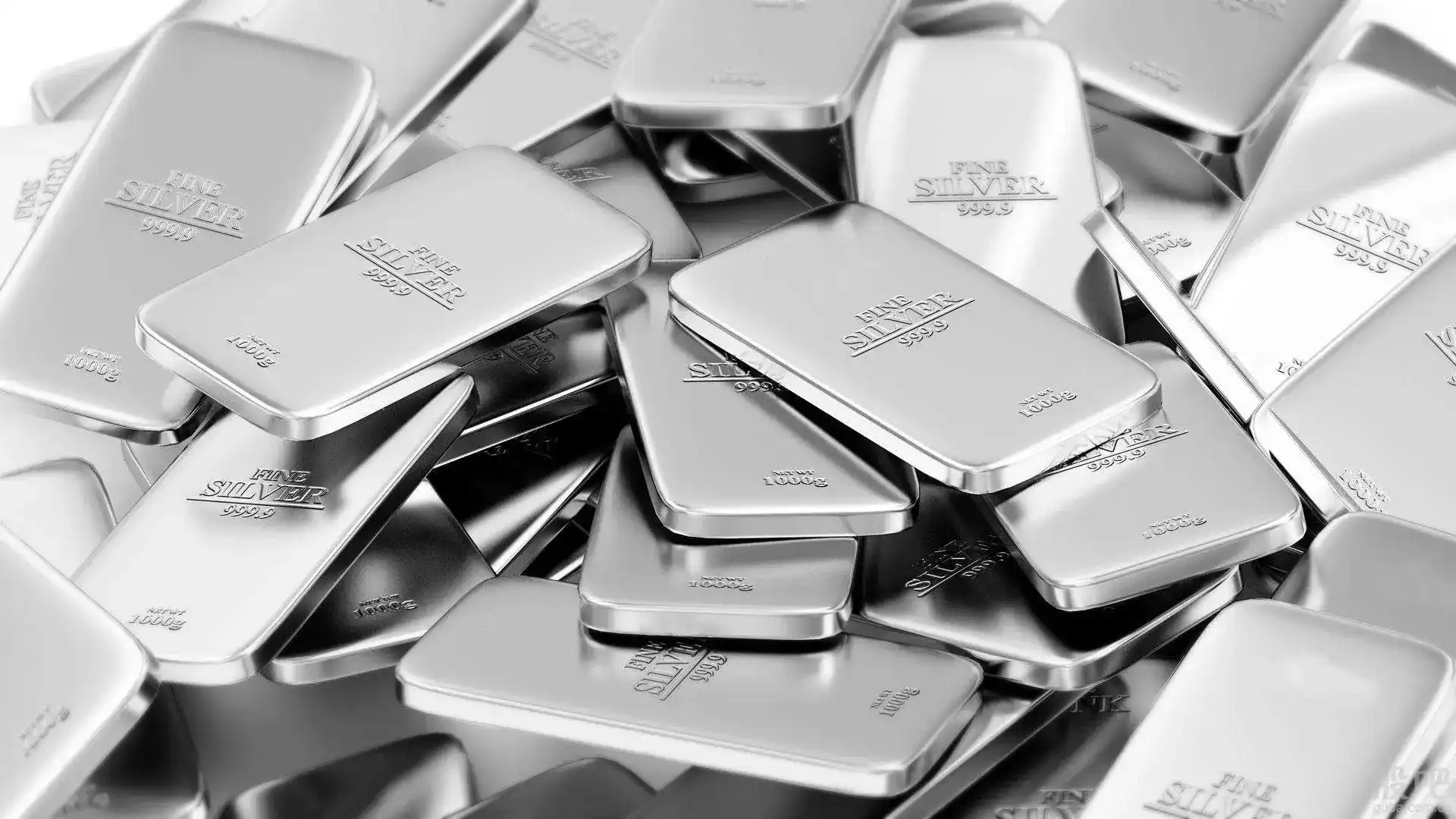
The Silver Crisis: When the Paper System Begins to Fail
Silver Crisis: When the Paper System Begins to Fail
In December, silver became the standout performer in the precious metals market, surging from $40 to over $60 per ounce, hitting a historic high of $64.28 on December 12 before experiencing sharp declines. Year-to-date, silver rose nearly 110%, far outpacing gold’s 60% gain.
The rally appears justified by fundamental factors: expectations of Fed rate cuts, strong industrial demand from solar, EV, and AI sectors, and declining global inventories. However, the surge lacks stability. Unlike gold, which is backed by central bank purchases, silver has almost no official reserves, making it an isolated asset with low market depth and high volatility.
The real driver behind the price spike is a futures squeeze. The market structure shifted into prolonged futures premium (contango), indicating either extreme bullish sentiment or deliberate market manipulation. Physical delivery demands surged on exchanges like COMEX and LBMA, exposing the fragility of the paper silver system—where paper claims vastly exceed actual physical silver.
JPMorgan, a key player historically accused of silver market manipulation, now controls nearly 43% of COMEX silver inventories and acts as the custodian for major silver ETFs. Its influence over physical supply and delivery eligibility adds to market instability.
The situation reflects a broader loss of confidence in financialized assets. Investors and central banks are increasingly shifting toward physical holdings, moving away from paper claims. This trend, coupled with declining Western gold and silver inventories and rising Asian demand, signals a structural shift in monetary and commodity markets.
In essence, the rules of the game are changing. When the music stops, those holding physical metal will have a chair—everyone else may be left standing.
marsbitHace 1 hora(s)