Author:Zhou Yongliang
An interesting phenomenon is happening.
In this wave of AI, the most active people on the center stage are no longer the experienced "tech gurus"; instead, a large number of young people with humanities backgrounds are emerging. Even the age has significantly dropped from the previous golden period of around 30 years old, with post-00s and even post-10s层出不穷 (appearing one after another).
The deep-seated reason behind this is that AI is shifting entrepreneurship from a "heavy" model to a "light" era.
In the past, starting a business required a grand narrative, a top-down insight into the market, proving you had the capability to leverage capital and build a team. It was a game with a high barrier to entry.
But now, AI has increased the world's "resolution." A tiny pain point or whimsical idea from a group of people, or even an individual, is like a pixel point and can be the beginning of a product. More importantly, an individual or a small team with an idea can now deliver a complete, even excellent, product.
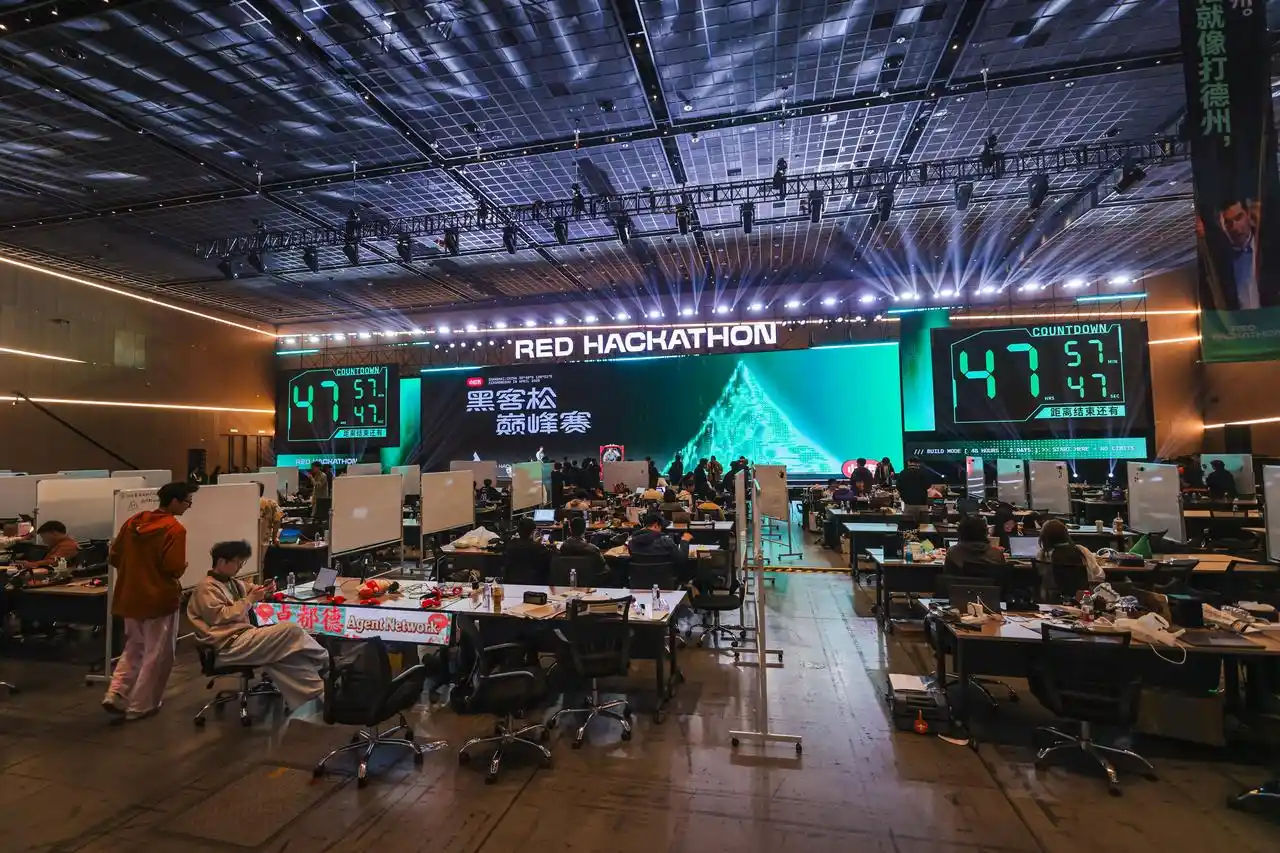
Last weekend, at the Xiaohongshu Hackathon Grand Finale, I had a stronger sense of this.
The final demo stage didn't have a tense competitive atmosphere; it felt more like a lively "product creation camp." Young faces, with a bit of geek shyness and creator's fervor, took the stage. Most surprisingly, a team of middle schoolers aged 12 and 13 won the special "AI Native" award.
Simultaneously, the granularity of innovation became extremely fine: one group was envisioning "putting a private server into a satellite," while the next was focusing on "AI-generated PPTs being too ugly"; here, a husband-and-wife duo was building a brain-controlled wheelchair for people with disabilities; there, a team was trying to use AI to solve the age-old problem of communicating with Tony the hairstylist during a haircut......

The project that ultimately won the grand prize was "Pocket Guitar" by team DAIZY. It's only the size of a smartphone and can easily fit into a pocket. Through clever design, it addresses three pain points for music lovers: the high barrier to entry for traditional guitars, simplified instruments still being bulky, and mobile apps completely lacking the real feel of strumming strings. It allows a complete beginner to achieve a decent performance in just a few minutes.
This sends a clear signal: these young, diverse "digital natives" are redefining innovation in the AI era in a lighter way. They are truly "AI Native": for them, AI is not a tool that needs to be "learned," but an innate "mother tongue."
This hackathon was less of a competition and more of a concentrated showcase of this generation's daily creation, a collective "coming-of-age ceremony" for the new generation of AI natives.
I. A New Kind of Startup Story
In the past, the script for tech innovation followed a "Silicon Valley paradigm": a creative idea, a business plan,反复打磨 (repeatedly polished) before knocking on the doors of VCs. The starting point of entrepreneurship was隐秘的 (secretive).
But at the 2026 Xiaohongshu Hackathon, I saw a completely different approach on these post-00s, even post-10s, which I'll tentatively call the "Xiaohongshu paradigm." Their starting point is no longer a BP (business plan), but a "note." A model called "Build in Public" is rewriting the old rules of the game.
Post-00s serial entrepreneur Chen Jinchu labels himself a "professional fun-maker." He has 13,000 followers on Xiaohongshu, where he posts various "unserious" AI tools and also candidly shares setbacks and "metaphysical insights" from his entrepreneurial journey.
Starting this January, he began持续发布 (continuously posting) about his Vibe coding project on Xiaohongshu to help with the product's cold start. In less than half a year, this product called nuwa gained 100,000 users.
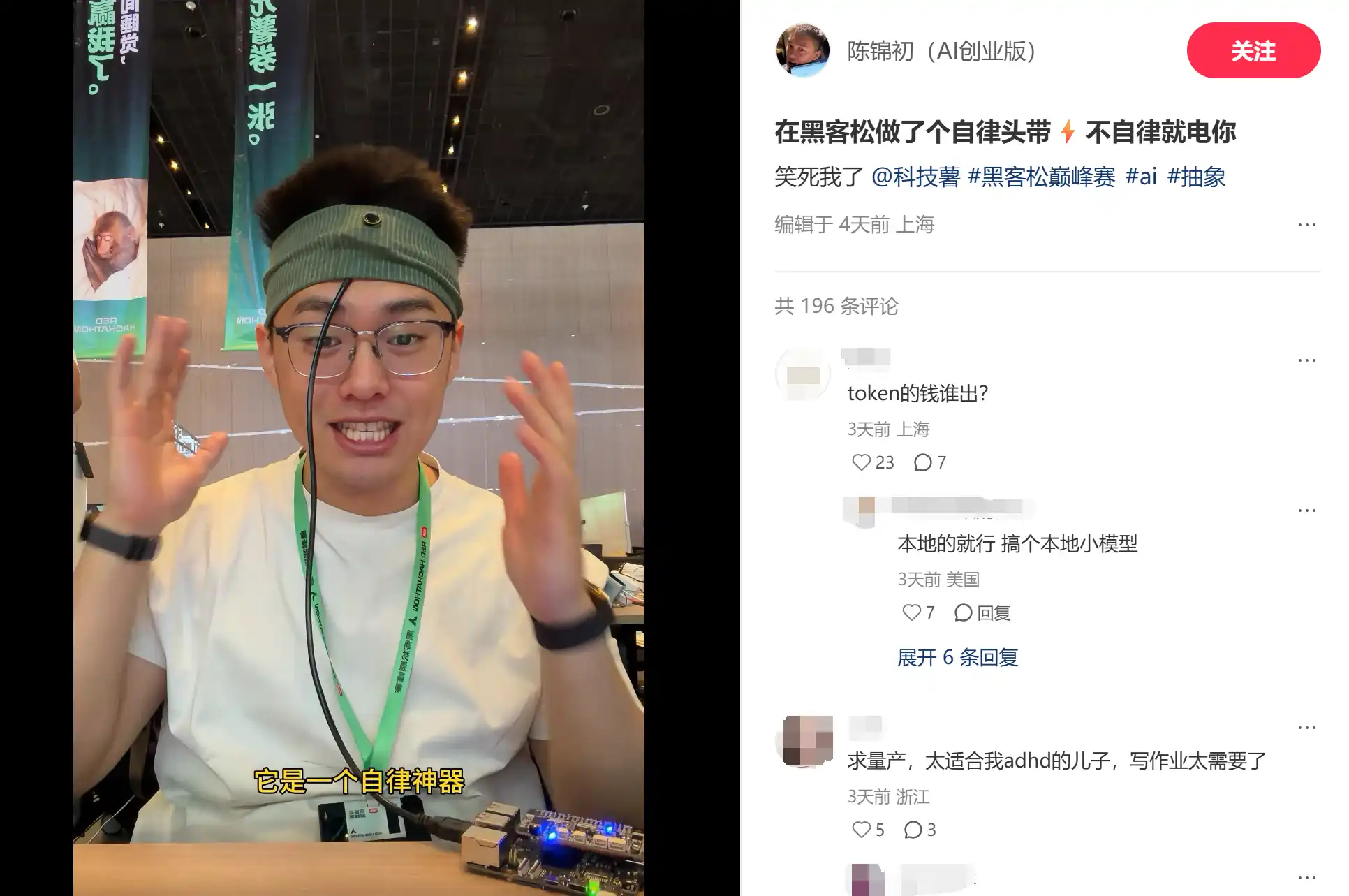
For this hackathon, his project was "Cyber Tight Golden Hoop" (赛博紧箍咒), a self-discipline gadget shaped like a headband, equipped with a camera and micro-current device. Users set precepts like "no smoking" or "no short videos during work hours" in the app. Once the camera on the headband识别到 (recognizes) the违规行为 (violating behavior), a gentle electric current immediately provides a "physical deterrent."
This is a world apart from the previous geek era where "code was king." They no longer hide the development process behind the scenes but turn it into a "reality show" co-evolving with the community.
23-year-old Lai Xinlu is the founder of the open-source community Share AI Lab. Interestingly, he almost never uses traditional recruitment platforms. His core development team members are scattered across the country, and the way these geeks gather is often just by stumbling upon a post discussing technology on Xiaohongshu, hitting it off in the comments section, and then directly "precisely matching" to join the team.
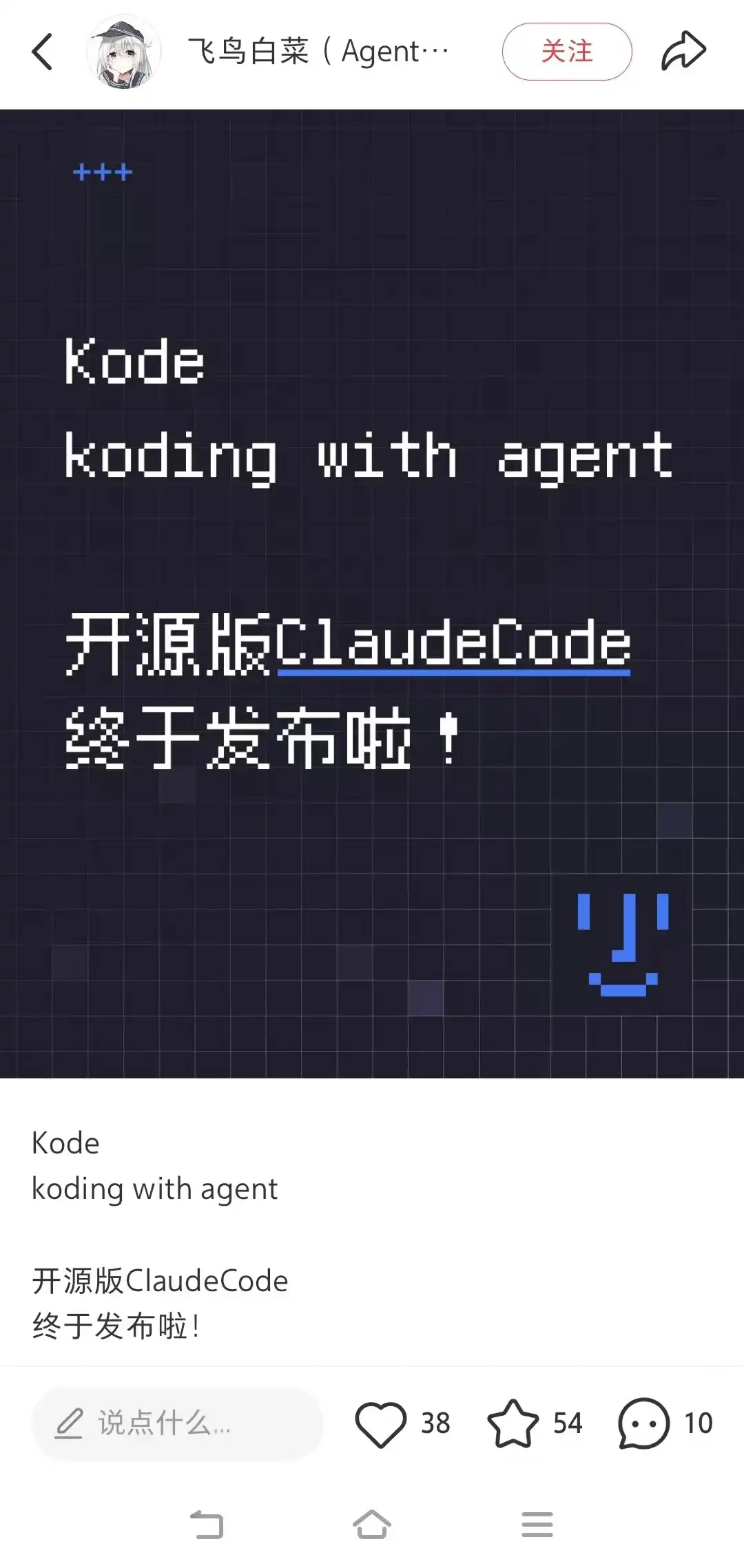
From挖掘需求 (uncovering needs),组建团队 (forming teams), to产品冷启 (product cold start) and持续迭代 (continuous iteration), Xiaohongshu provides this generation of developers with a complete, extremely low-cost innovation loop.
In my view, they are significantly different from the previous generation of developers. The previous generation of entrepreneurs, whether stationmasters from the PC internet era or App developers from the mobile internet era, were more like "hunters,"寻找风口 (looking for trends),精心打造 (meticulously building) a product, striving for a one-hit success. If they missed, they would look for the next prey.
The new AI generation is more like "farmers." They sow ideas in the soil of online communities, water and iterate day after day through "public building," watching it slowly sprout, grow, bloom, and bear fruit together with users. This process is full of uncertainty but is therefore more vibrant.
II. Reshaping the Two Levers of Innovation
AI Native新一代创业者 (a new generation of entrepreneurs) are emerging collectively. But we can't help but ask: Why this generation of young people? Why on a community like Xiaohongshu?
Behind this is the convergence of two major trends of the times, which together constitute an unprecedented momentum for innovation.
The first lever is the technology democratization (技术普惠) brought by AI.
In the past, to develop an App, you needed to master complex programming languages, database knowledge, server maintenance... the barrier was high.
But today, the explosion of generative AI is transferring the scepter of technology from the hands of a few algorithm scientists and top engineers to everyone with an idea and creativity with unprecedented force. Development capability is no longer a scarce resource; the value of creation is being重新放大 (re-emphasized).
The team Page One, which won the special "AI Native" award at this hackathon, consists of four middle schoolers with an average age of only 13.5.
Their project "Shu Yi NoteRx" is like an "AI private doctor" for Xiaohongshu notes. It uses a self-developed model and a "multi-round debate mechanism" of 5 AI Agents to provide data-driven note diagnosis and optimization solutions for creators.

When 13-year-old Yang Xizhe侃侃而谈 (spoke eloquently) on stage, you didn't see a "child prodigy," but a vivid "AI native." For him, "writing code is like playing games"; innovation itself is full of joy. After playing "The Legend of Zelda," he wanted to make his own game, thus embarking on the path of programming; when遇到解不出的编程题 (encountering unsolvable programming problems), AI became his most patient teacher; he posted his method of using AI to memorize words on Xiaohongshu,意外收获 (unexpectedly gained) millions of views, with the comments section filled with parents and classmates seeking advice.
The second lever is the community force of "building in public" on social media.
This generation of "AI natives" are also "social media natives." Sharing is not a learned strategy but an innate instinct. They are accustomed to recording life, expressing opinions, and naturally, they seamlessly迁移 (migrate) this instinct to creation and entrepreneurship.
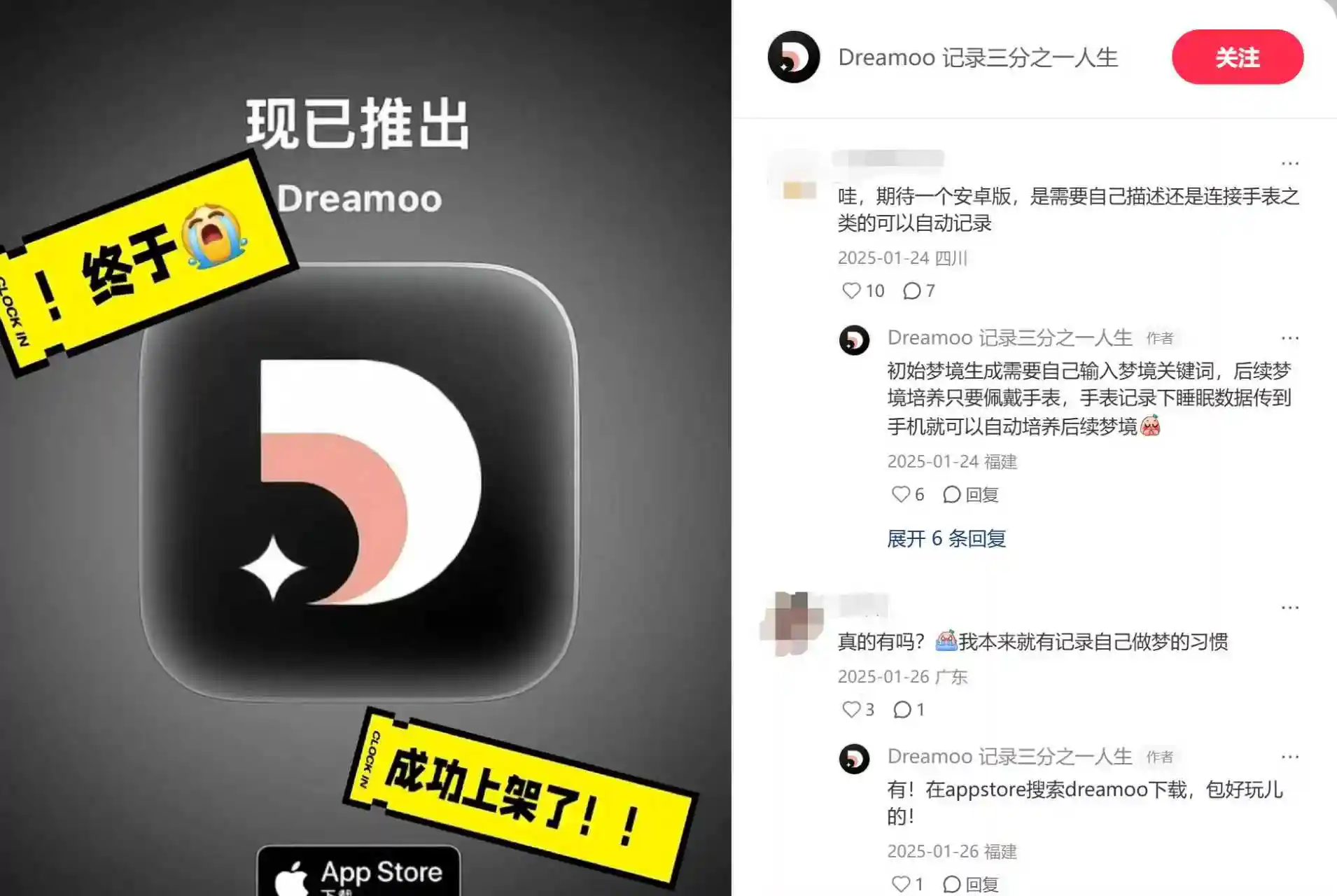
Post-00s developer Sun Donglai's "Dreamoo梦境社交" (Dreamoo Dream Social) APP almost entirely "grew" out of Xiaohongshu.
It started with a research post where his team wanted to verify if the idea of "using AI to manifest dreams and socialize" held water. Unexpectedly, this post, without any流量投入 (traffic investment), received tens of thousands of views and thousands of interactions. The comments section became a natural pool for需求洞察 (demand insight). Some said they recorded 800-word dreams daily; others, because they couldn't find a handy tool, even serialized their dreams on novel websites.
These vivid feedbacks confirmed to Sun Donglai that he had touched upon a neglected real need. Thus, from product naming, feature增减 (addition/removal) to UI design, he co-created with users through notes. In its first month after launch, Dreamoo garnered 3,000 seed users solely through Xiaohongshu's organic traffic and word-of-mouth.
When "AI technology democratization" and "community public building" combine, a全新的创新图景 (completely new innovation landscape) emerges: AI lowers the barrier to "making it," while the community solves the难题 (challenges) of "being needed" and "being discovered."
More importantly, the subjects of innovation have become空前多元 (unprecedentedly diverse). Middle school students, humanities students, designers, people with disabilities... regardless of your background, as long as you have a good idea and a keen insight into human nature, you have the potential to create truly valuable products.
These innovations that take root and sprout in the community are no longer obsessed with grand narratives and disruptive revolutions but are deeply rooted in specific,微小 (tiny) real pain points,痒点 (itch points),爽点 (pleasure points). They are diverse, long-tail, and细分 (niche),共同构成 (together constituting) a technological ecosystem.
III. The Innovation Evolution of a "Grass-Planting Community": From "Buy Buy Buy" to "Create Create Create"
The occurrence of all these phenomena is not accidental.
From last year's Xiaohongshu Independent Developer Competition to this year's hackathon, I can clearly feel a powerful innovation momentum accumulating and evolving. It is evolving from a lifestyle community into an innovation infrastructure for the AI era, even somewhat resembling the "App Store of the AI era."
Xiaohongshu's starting point was helping people decide "what to buy." Through countless authentic shares from ordinary users, it built a powerful "trust" network. Subsequently, this trust naturally extended from consumption decisions to various aspects of life like travel, food, fitness, and learning. Xiaohongshu became the decision-making entry point for "how to live" for people.

And now, a more fundamental creativity is emerging here. When tens of thousands of developers begin to use Xiaohongshu as the core阵地 (battleground) for their innovation and creation, the value dimension of this community is broadened once again. It is now answering a deeper question: "Create what?" and "How to create?"
First, for creators in the AI era, the technology itself is becoming homogenized and commoditized. The cost of calling a large model API is getting lower, while a profound understanding of people and敏锐洞察 (keen insight) into细分场景 (niche scenarios) are becoming the most scarce and valuable resources.
The 350 million monthly active users on Xiaohongshu generate a massive amount of complaints, requests for help, and shares every day,汇聚成 (converging into) a vibrant, diverse library of demand scenarios. Developers no longer need to guess what users want out of thin air; they just need to "lurk" in relevant notes and comment sections to hear the most authentic voices. They can use their initial设想 (conceptions) and概念图 (concept art) to perform the most authentic "echolocation," validating需求 (demand), even pre-testing products, and of course, building their brand and accumulating potential users from "day one of creation."
Second, traditional software development involves difficult steps in finding people, money, and traffic. Xiaohongshu provides a complete闭环 (closed loop) from 0 to 1. From挖掘 (uncovering) a real need, to finding like-minded partners through sharing, to publishing the first note to complete the product's cold start, even attracting investors' attention through community influence. The entire innovation chain can be completed公开 (publicly) and at low cost within this community.
Finally, there is the community's "co-creation" culture. On Xiaohongshu, "Build in Public" is not just a developer's solo act but a duet with users. Users are no longer passive consumers but active co-creators, promoters, and advocates. They provide suggestions for their favorite products, create content, and spread the word spontaneously.
Xiaohongshu's underlying logic is "people" and "trust." When this long-accumulated community trust meets the innovation needs of the AI era, it迸发出 (releases) astonishing energy. It allows those innovations that originate from real life, though small but beautiful, to have soil to take root, sprout, and thrive.
This is an evolving "symbiotic" story: it once symbiotized with new consumption and lifestyle content, and now it chooses to symbiotize with the new generation of AI Builders. It is this ability to resonate with cutting-edge creators of the era that allows the community to find a new narrative in the AI era and also constitutes its moat for穿越周期 (transcending cycles).
Looking back ten years, the wave of mobile internet gave birth to a generation of entrepreneurial heroes. They caught the红利 (dividend) of smartphone普及 (popularization), connected online and offline with Apps, and changed people's衣食住行 (clothing, food, housing, and transportation). That was an era belonging to channels and platforms. The core of innovation was to capture major user needs, seize entrances through scenarios, then拼执行力 (compete on execution), striving for winner-takes-all to build platforms.
Today, AI brings a new wave. This generation of post-00s, even post-05s entrepreneurs, face opportunities and challenges截然不同 (completely different) from the previous generation. The story of grabbing hundreds of millions of users with big demands伴随 (accompanying) mobile internet user growth no longer exists. However, the productivity explosion brought by AI no longer requires them to raise millions of dollars first before starting. One or several super-individuals empowered by AI productivity can already create good products.
Therefore, the world's "resolution" has increased. Creating better services for fewer users can also yield higher LTV (Lifetime Value). So now, their weapon for切入创新 (entering innovation) becomes the精准捕捉 (precise capture) of demand, the极致洞察 (ultimate insight) into细分场景 (niche scenarios), even the极致表达 (ultimate expression) of their own aesthetics, and moreover, the community cohesion brought by "public building."
When the logic and environment of entrepreneurship change, when individual creation becomes mainstream, a platform like Xiaohongshu, which汇聚 (aggregates) a massive number of vibrant individuals and real needs, becomes the best soil to承载 (carry) this transformation. It is evolving from a consumption decision-making platform into an innovation infrastructure for the AI era. Here, tiny innovations and inspirations from individuals can flow, collide, and validate in the most efficient way.
This is both a huge opportunity for Xiaohongshu as a community and a mission it should bear. I look forward to seeing more creative fields like this hackathon. Because this is not only about a platform's atmosphere of keeping pace with the times but also, to some extent, determines what kind of more meaningful value Xiaohongshu can bring to the world.