Memecoin Millionaires Line Up For Trump’s Exclusive Luncheon

bitcoinistPublicado a 2026-04-25Actualizado a 2026-04-25

Resumen

A crypto investor paid only $500 to attend an exclusive luncheon with former President Donald Trump at Mar-a-Lago, reflecting a significant decline in enthusiasm compared to previous events. The TRUMP memecoin has lost over 93% of its value since its peak, falling from around $45 to under $3. Despite the collapse, nearly 300 top holders are expected to attend the gathering, which critics argue is an attempt to buy access to the president. Notable attendees include key figures from the industry like Tether CEO Paolo Ardoino and Bitcoin advocate Anthony Pompliano. However, Tron founder Justin Sun, the largest holder of the token, is absent amid a lawsuit against a crypto platform co-founded by Trump’s sons. Ethics watchdogs have raised concerns about conflicts of interest and lack of financial transparency.

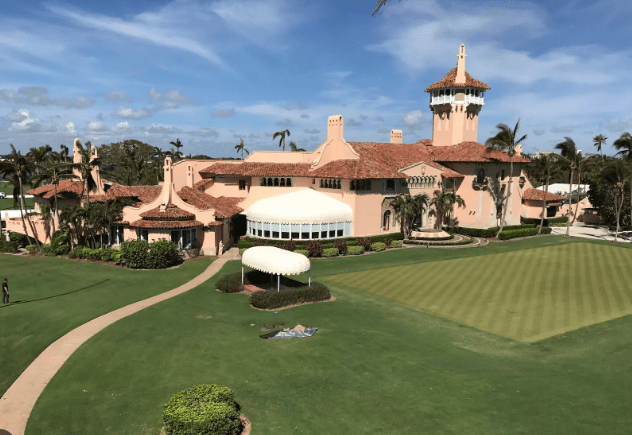
A crypto investor who paid just $500 got a seat at the table. That detail alone tells you something about the crowd gathering at Mar-a-Lago on Saturday.

A Token That Lost 93% Of Its Value

Morten Christensen, who attended a similar event in 2025 after a $1,200 bet on US President Donald Trump’s memecoin, scored his way back in for a fraction of that cost.

He’s candid about the mood shift. “Trump is much less liked right now than he was after inauguration,” Christensen told Bloomberg.

“With the whole year of tariffs, crypto is bleeding, his reputation within the crypto community is not as good.”

The TRUMP token, officially called Official Trump, has dropped more than 93% from its all-time high of roughly $45 to under $3.
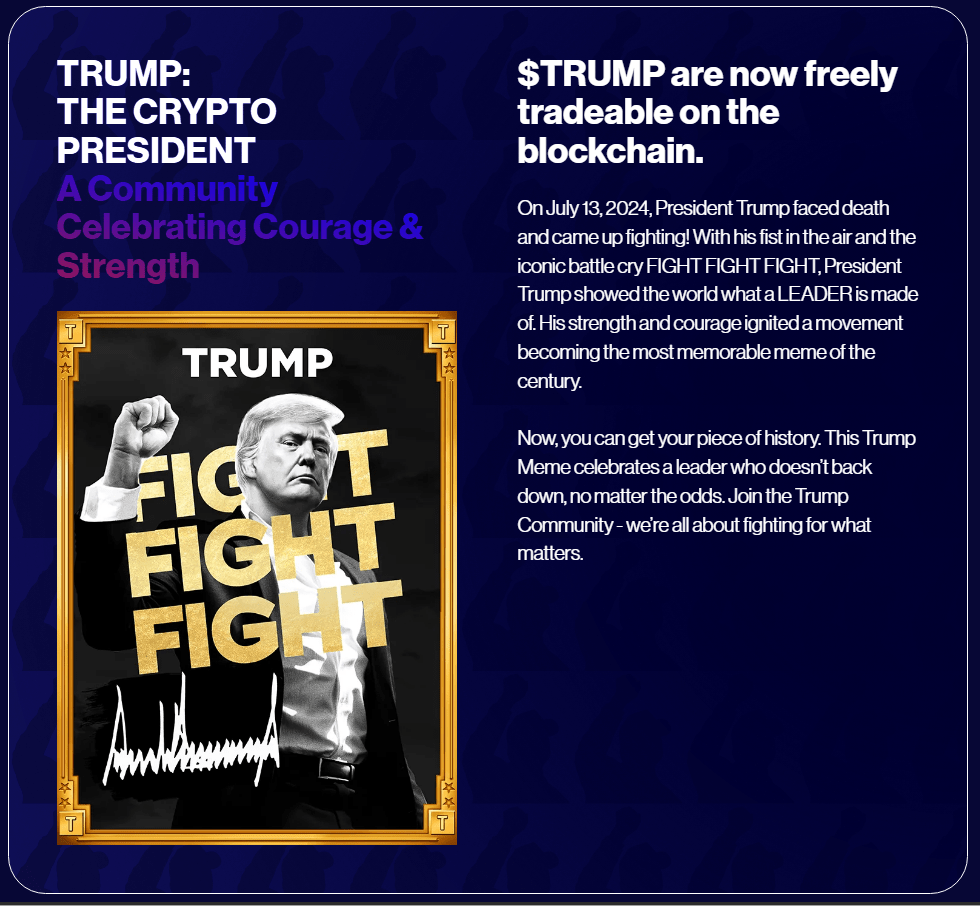
Source: gettrumpmemes.com

Despite that collapse, up to 297 top holders of the coin are expected to join Trump at his Florida estate for what organizers are calling the “Memecoin Millionaires Line Up for Trump’s Exclusive Luncheon” — a private gathering that critics say is really about buying face time with a sitting president.

The guest list reads like a who’s who of crypto finance: Tether CEO Paolo Ardoino, Upbit founder ChiHyung Song, Bitcoin advocate Anthony Pompliano, and Anchorage Digital CEO Nathan McCauley are all reported to be attending.

TRUMPUSDT currently trading at $2.56. Chart: TradingView

The Absent Name At The Top Of The Leaderboard

One name is conspicuously missing from the confirmed list. Tron founder Justin Sun sits atop the TRUMP memecoin leaderboard with 2.4 billion points — more than anyone else — yet no public confirmation of his attendance has been made.

That silence comes after Sun filed a lawsuit this week against World Liberty Financial, the crypto platform co-founded by Trump’s sons.
Sun alleges the platform froze his tokens and threatened to destroy them without valid reason. He described himself as an “ardent supporter” of Trump while blaming unnamed project team members for acting against the president’s values.

Ethics Watchdogs Raise Conflict Of Interest Concerns

Lawmakers and nonpartisan watchdog groups have criticized the Saturday gathering, arguing that Trump is using a financial product he personally profits from to offer access to the presidency.

The nonprofit Citizens for Responsibility and Ethics in Washington went further, pointing out in a Friday post that crypto wallets linked to the TRUMP token have moved money in ways that make it hard to trace how much the president is earning.

Featured image from Getty Images, chart from TradingView

Preguntas relacionadas

QWhat is the main reason critics are concerned about Trump's exclusive luncheon for memecoin holders?

ACritics argue that Trump is using a financial product he personally profits from to offer access to the presidency, raising conflict of interest concerns.

QHow much has the TRUMP memecoin dropped from its all-time high?

AThe TRUMP token has dropped more than 93% from its all-time high of roughly $45 to under $3.

QWhy is Justin Sun's absence from the event notable despite his large holdings?

AJustin Sun sits atop the TRUMP memecoin leaderboard with 2.4 billion points but hasn't confirmed attendance, following his lawsuit against World Liberty Financial, a crypto platform co-founded by Trump's sons.

QWhat does Morten Christensen say about Trump's current standing in the crypto community?

AChristensen states that Trump is much less liked now than after inauguration, citing tariffs, crypto market decline, and a damaged reputation within the crypto community.

QWhich prominent crypto figures are reported to be attending the luncheon?

AReported attendees include Tether CEO Paolo Ardoino, Upbit founder ChiHyung Song, Bitcoin advocate Anthony Pompliano, and Anchorage Digital CEO Nathan McCauley.

Lecturas Relacionadas

Will the Fed Definitely Raise Interest Rates in September? How Will Crypto and U.S. Stocks Withstand the Pressure?

The market's expectation for a September Fed rate hike surged dramatically in early August, jumping from under 50% to over 80% within a week. This shift followed a contentious July FOMC meeting, where a 9-3 vote to hold rates revealed growing dissent from hawkish members advocating for an immediate hike to combat persistent inflation. The primary catalyst for this repricing is rising oil prices, driven by renewed geopolitical tensions around the Strait of Hormuz, which threaten global supply. Energy costs directly influence inflation metrics, making the upcoming July CPI report (due August 12th) a critical data point. If it shows inflation reaccelerating, the probability of a September hike will solidify. For Bitcoin and crypto assets, this is typically bearish news. Bitcoin continues to behave as a high-beta, liquidity-sensitive risk asset. A rate hike raises the opportunity cost of holding non-yielding assets and could drive capital toward money markets, pressuring crypto prices in the short term. However, historical patterns suggest that if a hike is perceived as the end of a tightening cycle rather than the start, any negative price impact may be brief. U.S. stocks, particularly crypto-linked equities like Coinbase and growth-oriented tech stocks, are also vulnerable. Higher rates increase discount rates in valuation models, putting pressure on high-multiple companies. This coincides with a pivotal tech earnings season where investor focus has shifted from massive AI capital expenditure to tangible revenue and cash flow generation. Companies with negative cash flow and weak growth narratives could face heightened volatility if borrowing costs rise in September. In summary, a September Fed hike has evolved into a mainstream market scenario. Key factors to watch are oil prices, the July CPI report, and Fed communications, which will determine the final decision and its impact on volatile crypto and equity markets.

marsbitHace 5 min(s)

Will the Fed Definitely Raise Interest Rates in September? How Will Crypto and U.S. Stocks Withstand the Pressure?

marsbitHace 5 min(s)

A 'Overlooked' Market Event: Joint US-Japan-South Korea Intervention, Rare US Treasury Involvement, and Bessent's Quiet 'Market Rescue'?

Summary: The United States, Japan, and South Korea executed their largest coordinated foreign exchange intervention in nearly 30 years. The action targeted depreciation pressure on the Japanese yen and South Korean won. This move is seen as a significant effort by the US to stabilize the financial markets of its key allies and prevent the spillover of risks. Key details: * Japan reportedly intervened on July 30 using approximately 8.45 trillion yen (about $52.8 billion). South Korean authorities also intervened that day, selling dollars to support the won. * Notably, the US Treasury Department intervened directly in yen markets for the first time in roughly 30 years. The New York Fed, reportedly acting on behalf of the Treasury, sold euros to buy yen via Goldman Sachs and Morgan Stanley on July 31. Analysts view the use of the euro-yen pair as a way to alleviate yen pressure without adding selling pressure to the US dollar. * Prior to the action, the New York Fed conducted "rate checks" on both USD/JPY and EUR/JPY, a newer signaling tool that falls between verbal and physical intervention. The intervention is interpreted as going beyond traditional currency stabilization. Analysts, such as Michael Hartnett of Bank of America, suggest it resembles a "Price Keeping Operation" for the AI era. The core US objectives are perceived to be: 1. Preventing rapid yen depreciation from triggering a sharp rise in Japanese government bond yields. 2. Containing financial stress from spreading across Asian markets like South Korea and Japan. 3. Reducing the risk of disorderly capital flows impacting the US bond market. This coordinated action underscores the importance of Japan and South Korea as critical partners in the US semiconductor and AI supply chain. Stabilizing their financial markets is seen as vital to mitigating risks to the broader tech industry and the US market itself. The intervention coincides with market pressures, including the KOSDAQ index hitting a low since October 2022. While seen as a move to control volatility, some analysts caution it may not fundamentally reverse existing market trends.

marsbitHace 8 min(s)

A 'Overlooked' Market Event: Joint US-Japan-South Korea Intervention, Rare US Treasury Involvement, and Bessent's Quiet 'Market Rescue'?

marsbitHace 8 min(s)

Will the Federal Reserve Definitely Raise Interest Rates in September? How Will Cryptocurrencies and US Stocks Bear the Pressure?

In early August 2024, market expectations for a September Federal Reserve rate hike surged dramatically, from below 50% to over 80%, driven by renewed inflation concerns. This shift followed a contentious July FOMC meeting where a 9-3 vote to hold rates revealed a growing hawkish faction advocating for an immediate hike, citing prolonged above-target inflation. The key catalyst is escalating conflict near the Strait of Hormuz, which has pushed oil prices up approximately 20% in July, threatening to reignite inflation. The next critical data point is the July CPI report on August 12th; a hot reading could solidify hike expectations. For crypto assets, particularly Bitcoin, this represents near-term pressure. Bitcoin continues to exhibit high-beta, risk-on characteristics, making it sensitive to tightening liquidity and higher opportunity costs. However, historical precedent suggests that if a hike is perceived as the cycle's end rather than its start, the negative impact may be brief, with markets quickly pivoting to anticipate future rate cuts. U.S. stocks, especially crypto-linked equities like Coinbase and high-valuation tech stocks, face amplified volatility. Higher rates increase discount rates in valuation models, pressuring growth stocks. This coincides with a pivotal tech earnings season where investor focus has shifted from massive AI capital expenditures to demonstrable revenue and cash flow generation. Companies with negative cash flows and weak growth narratives could see severe pressure if a September hike materializes, as financing costs would rise. Key indicators to watch include oil prices, upcoming inflation data, and Fed commentary at events like the Jackson Hole symposium.

Odaily星球日报Hace 8 min(s)

Will the Federal Reserve Definitely Raise Interest Rates in September? How Will Cryptocurrencies and US Stocks Bear the Pressure?

Odaily星球日报Hace 8 min(s)

Trading

Spot
活动图片