Is South Korea set to get its own KRW-pegged stablecoin soon?

ambcryptoPublicado a 2026-03-28Actualizado a 2026-03-28

Resumen

South Korea is moving closer to potentially launching its own KRW-pegged stablecoin, driven by its large and active retail crypto market. With over 18 million citizens already participating in crypto trading, the market is fast-moving and retail-focused, at times rivalling traditional equity markets. However, inefficiencies like the "Kimchi Premium"—where crypto assets trade at higher prices on local exchanges—highlight strong local demand and limited capital flow flexibility. A KRW-backed stablecoin could reduce reliance on USD-based stablecoins, improve liquidity in KRW trading pairs, enable faster settlement, and leverage existing market support from large players on Korean exchanges. Despite the potential benefits, regulatory hurdles remain a significant challenge.

South Korea could be closer than expected to launching its own stablecoin! With chatter around a KRW-backed token picking up, the country is becoming one of the most closely watched markets.

Here’s why.

South Korea – One of the world’s biggest retail markets

With over 18 million citizens already participating, South Korean crypto trading is fast-moving and retail-centric. At multiple points, their activity has rivalled traditional equity markets!
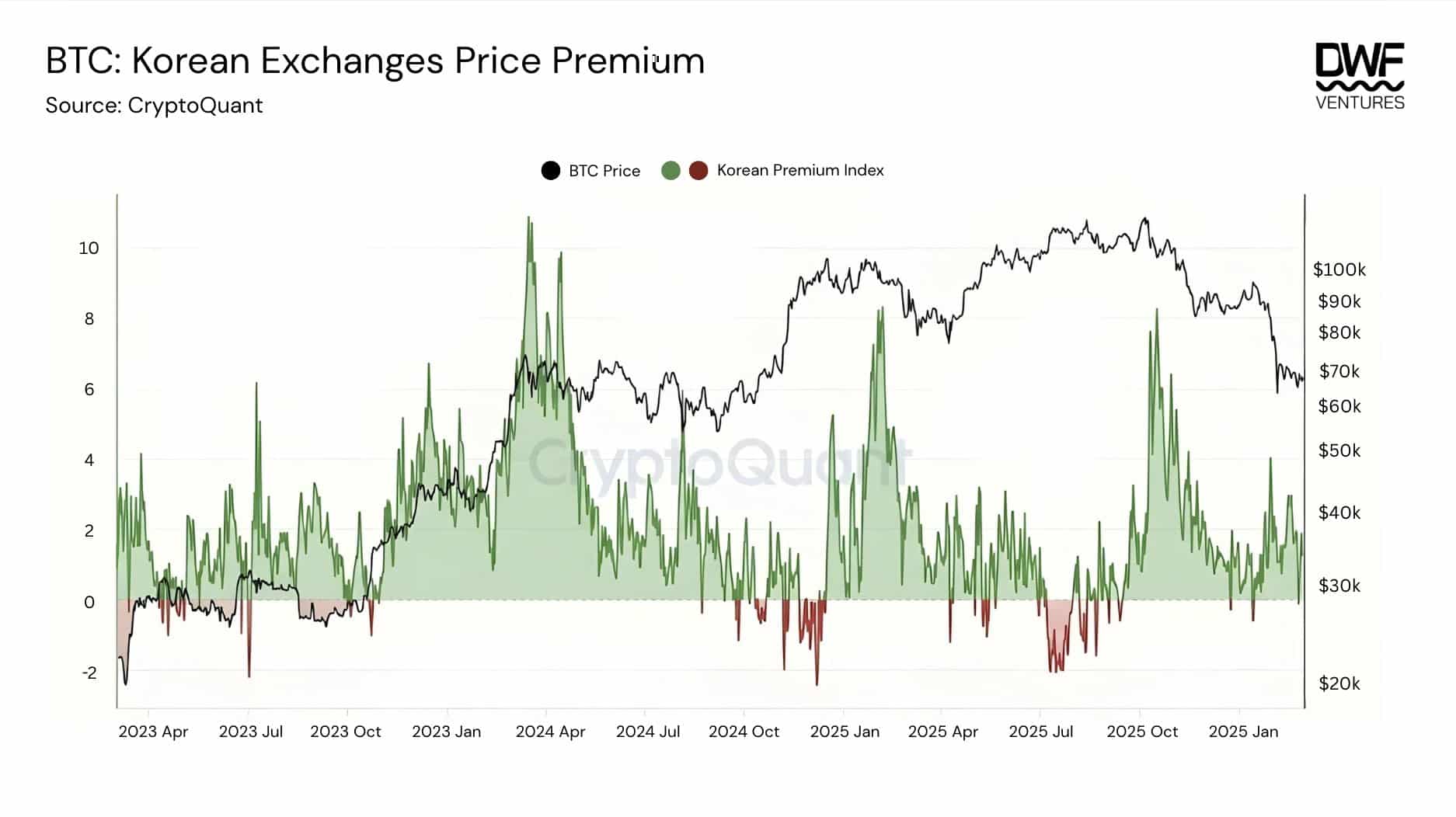
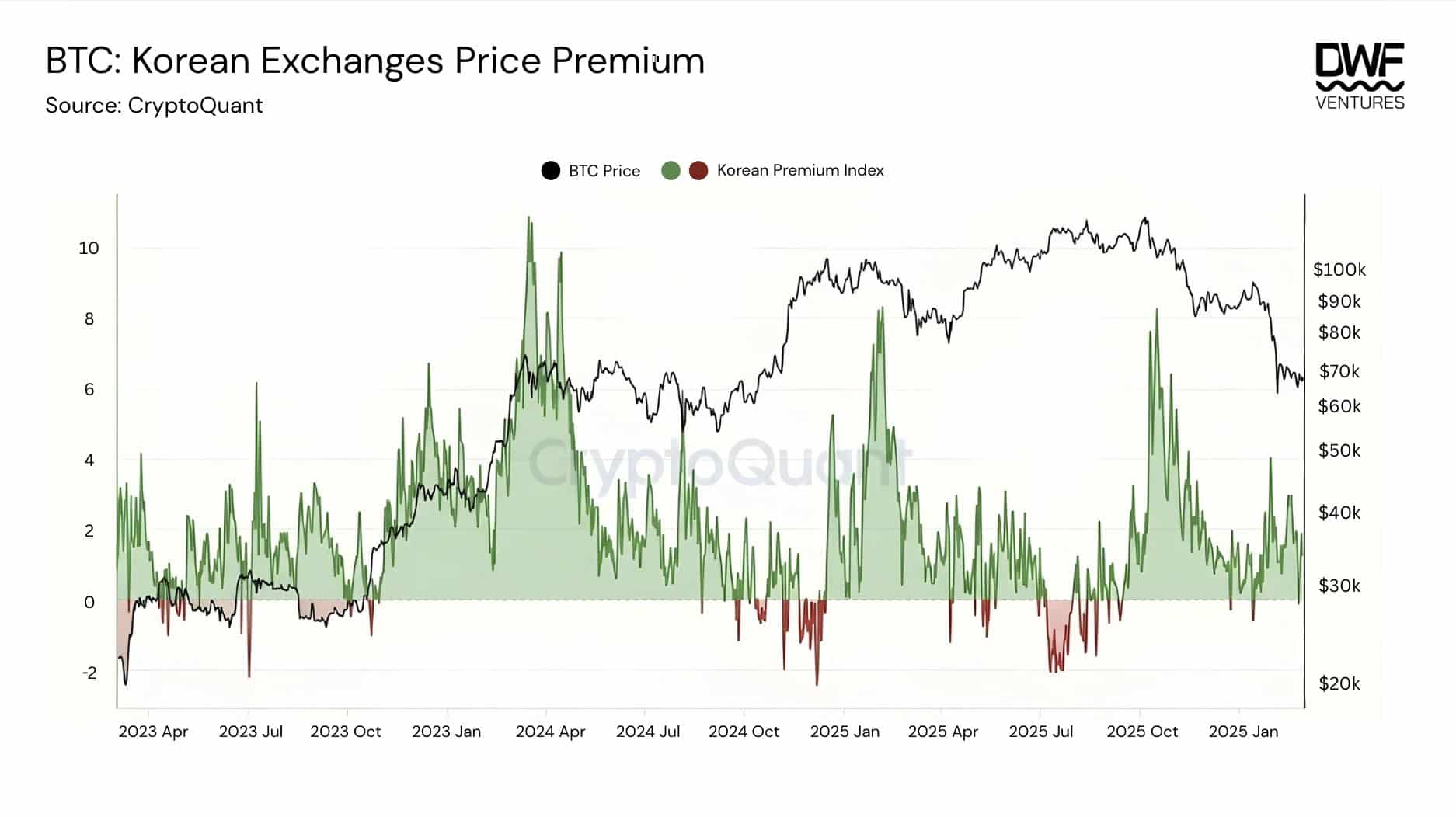
Source: DWF Ventures

However, this demand hasn’t always been efficient. The “Kimchi Premium,” where assets trade at higher prices on local exchanges, makes the gap between domestic and global markets clear. There’s both local demand and limited capital flow flexibility.

This is where a KRW stablecoin starts to make sense. A local alternative could reduce reliance on USD-based stablecoins and improve liquidity in KRW trading pairs. At the same time, it also helps achieve faster settlement.
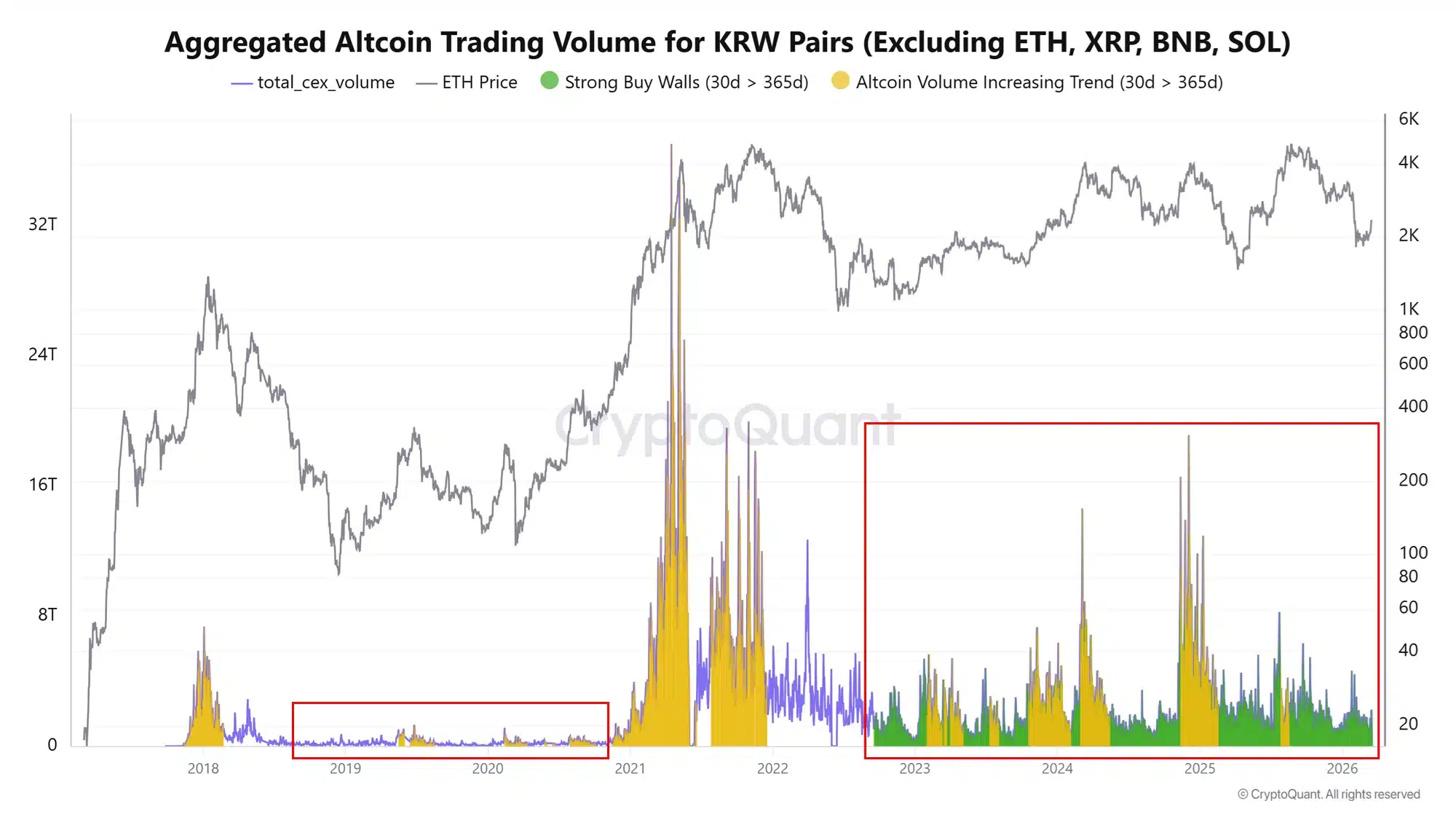
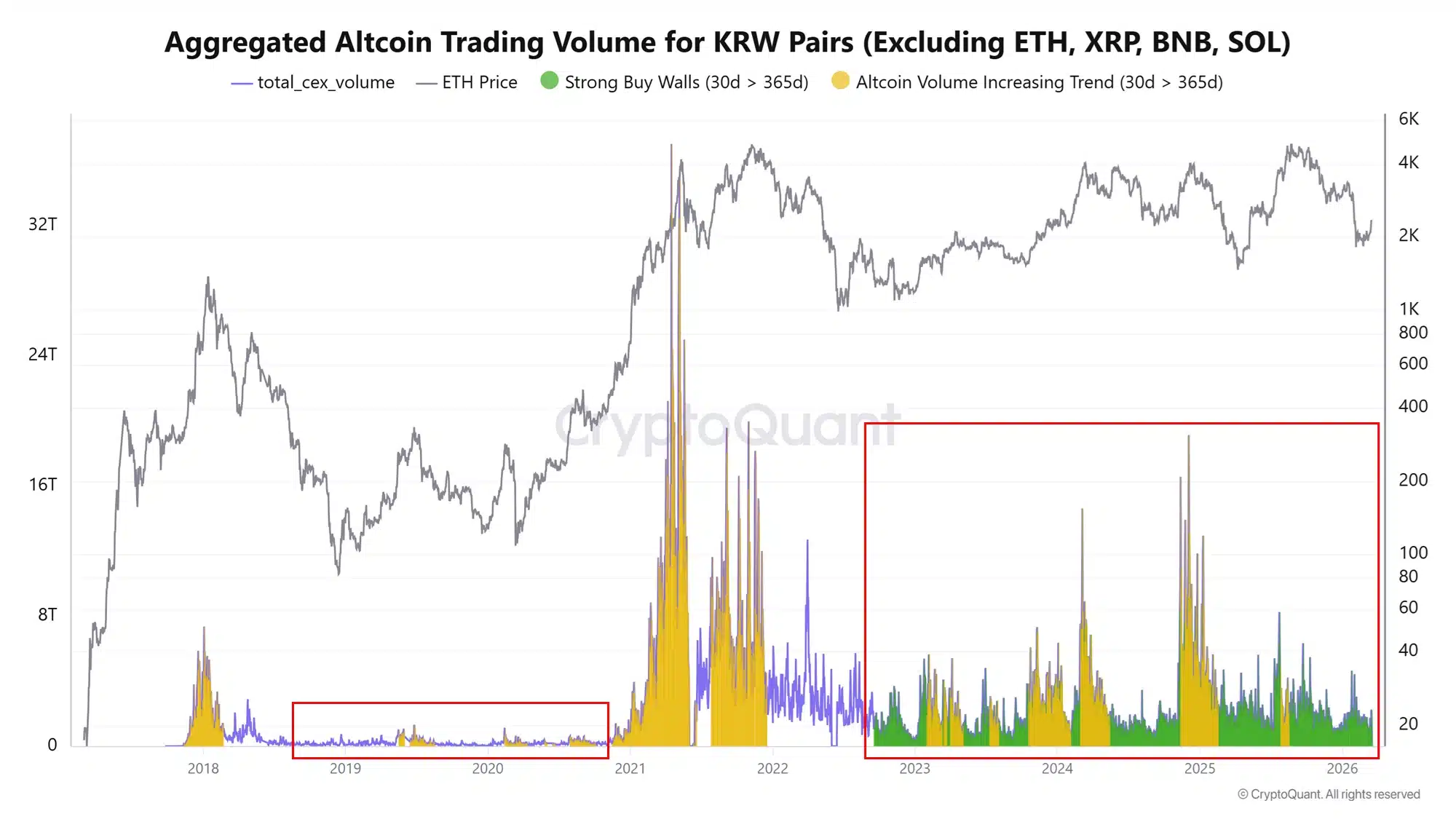
Source: Cryptoquant

And, here’s where it gets interesting; it’s not just the retail market. Large players on Korean exchanges have been absorbing sell-side pressure for years, creating a nice support wall that keeps liquidity intact.


Regulation is a hurdle

Preguntas relacionadas

QWhat is the main topic of the article regarding South Korea's financial market?

AThe article discusses the potential for South Korea to launch its own KRW-pegged stablecoin.

QWhy is South Korea considered a significant market for cryptocurrency trading?

ASouth Korea is one of the world's biggest retail markets for crypto, with over 18 million citizens participating in fast-moving, retail-centric trading.

QWhat is the 'Kimchi Premium' mentioned in the article?

AThe 'Kimchi Premium' refers to the phenomenon where crypto assets trade at higher prices on South Korean exchanges compared to global markets, highlighting local demand and limited capital flow flexibility.

QHow could a KRW-backed stablecoin benefit South Korea's crypto market?

AA KRW stablecoin could reduce reliance on USD-based stablecoins, improve liquidity in KRW trading pairs, and achieve faster settlement.

QWhat is identified as a major hurdle for the implementation of a KRW stablecoin in South Korea?

ARegulation is mentioned as a hurdle for the implementation of a KRW stablecoin in South Korea.

Lecturas Relacionadas

Why Bitcoin Holds Above $64,000 After Fed's Hard Pause

**Bitcoin Stabilizes Near $64,000 Following Hawkish Fed Pause** The cryptocurrency market, led by Bitcoin, remained stable around $64,000 despite a volatile reaction to the latest U.S. Federal Reserve meeting. The Fed paused interest rates but signaled a hawkish stance, with three committee members voting for an increase—the highest dissent since 2016. This limits risk appetite but hasn't triggered panic selling. Key market highlights include Bitcoin ETFs seeing a net inflow of $32.1 million, breaking a streak of outflows, while Ethereum ETFs experienced outflows of $18.65 million. Liquidations affected about 90,000 traders. Technically, Bitcoin finds support around $63,000-$63,500, with major resistance near $66,000. While its price is about 49% below its all-time high, institutional demand via ETFs and the absence of mass capitulation support a potential recovery scenario in the second half of the year. Major altcoins showed mixed movements, with Solana attracting capital while Ethereum faced selling pressure despite strong on-chain metrics like a growing staking queue. Regulatory news took a pause as the U.S. Senate delayed the CLARITY Act vote until at least autumn. For the final trading day of July, U.S. inflation and consumer spending data will be crucial. Bitcoin's key levels to watch are $63,000 support and $66,000 resistance. Sustained ETF inflows and Bitcoin holding above $63,000 are seen as positive signs for a potential market recovery later in the year.

cryptonews.ruHace 1 hora(s)

Why Bitcoin Holds Above $64,000 After Fed's Hard Pause

cryptonews.ruHace 1 hora(s)

Participants in XRP Fraud Scheme That Stole $9 Million from 71 Investors Arrested

South Korean police have arrested three individuals accused of operating a fraudulent investment platform that stole approximately 3.4 million XRP (worth about $9 million) from 71 investors between October 16 and 23. The suspects promoted the site Fxrpntwork.com through blogs, online articles, and YouTube videos, promising guaranteed principal and monthly returns of 1.5% to 1.8%. Investors were instructed to transfer XRP from Korean exchanges to overseas platforms and then to wallets controlled by the group before the site was shut down. The scammers copied the branding of legitimate projects Flare Network and FXRP to appear credible. Authorities warn that such impersonation frauds, which use familiar branding and urgent promises of guaranteed profits, are a common red flag. Legitimate companies do not solicit cryptocurrency transfers through unsolicited promotions. Seoul police have issued an Interpol Red Notice for a fourth suspect abroad and are investigating others involved in creating and promoting the fraudulent website. While investigators froze 17.3 billion won in assets, approximately 10 billion won was moved during the probe, with wallet analysis revealing transfers totaling 27.3 billion won, suggesting there may be additional unidentified victims and accomplices. The case underscores the organized, cross-border nature of crypto investment fraud.

cryptonews.ruHace 1 hora(s)

Participants in XRP Fraud Scheme That Stole $9 Million from 71 Investors Arrested

cryptonews.ruHace 1 hora(s)

Trading

Spot
活动图片




