Interactive Tutorial | Startale Group, Which Raised $63 Million, Launches Points Campaign

Odaily星球日报Publicado a 2026-03-27Actualizado a 2026-03-27

Resumen

Startale Group, a Singapore-based Web3 infrastructure and solution provider, has raised $63 million in a Series A funding round. The investment includes $50 million from SBI Group and $13 million from Sony Innovation Fund. The funds will be used to advance its on-chain infrastructure, including the development of its Ethereum Layer 2 network Soneium (co-managed with Sony), the Astar Network, a stablecoin (Startale USD and JPYSC), and tokenized securities. The company has launched an interactive points campaign where users can earn STAR points by completing various tasks. Key steps include: registering with an invitation code, daily check-ins, swapping at least 10 USDC (for 3 points), depositing at least 10 USDC into a vault (for 5 points and 7.42% APY), and providing liquidity (for 5 points plus daily rewards). An additional "Lucky Easter Egg" event from March 23 to April 3 offers extra chances to win STAR points and USDSC rewards.

Original | Odaily Planet Daily (@OdailyChina)

Author | Asher (@Asher_ 0210)
Yesterday, Startale Group announced the completion of a $63 million Series A funding round, with SBI Group investing $50 million and Sony Innovation Fund investing $13 million. This round of funding will be used to advance its on-chain infrastructure layout, including Layer2 networks, stablecoins, and tokenized securities.
Startale Group Announces Completion of $63 Million Series A Funding Round

Next, Odaily Planet Daily will break down Startale Group and provide a step-by-step guide on how to interact with the project.

Startale Group
Startale Group is a Web3 infrastructure and solutions provider headquartered in Singapore. It currently jointly operates the Ethereum Layer 2 network Soneium with Sony Group and operates Astar Network.

Startale Group is building a complete on-chain ecosystem around projects such as Soneium, Astar Network, Startale App, stablecoin products Startale USD and JPYSC, and Strium, focusing on infrastructure, consumer applications, and financial tools. Furthermore, Startale Group emphasizes entertainment-native blockchain, IP protection, compliant financial infrastructure (RWA, stablecoins), and mass adoption. Through partnerships with Sony and SBI, the company holds a significant position in Japan's Web3 ecosystem while actively expanding globally.

In summary, Startale Group is a key Web3 player backed by Sony, focusing on vertical integration from infrastructure to consumer applications, with the goal of making blockchain technology truly serve hundreds of millions of users.

Step-by-Step Interaction Tutorial

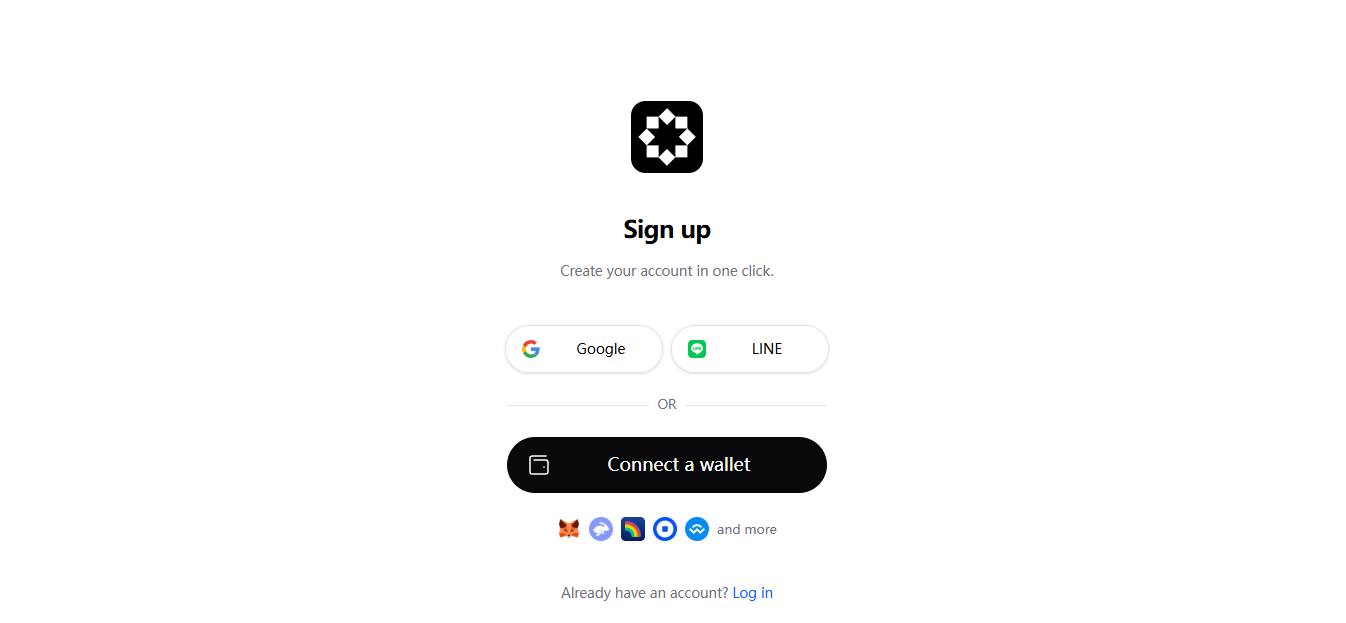
STEP 1. Go to the interaction website (link). An invitation code is required to participate. Three invitation codes are provided here: CMPRFS46, QSQREF49, TGIAHX63. After entering the invitation code, log in to your account via a Web3 wallet.
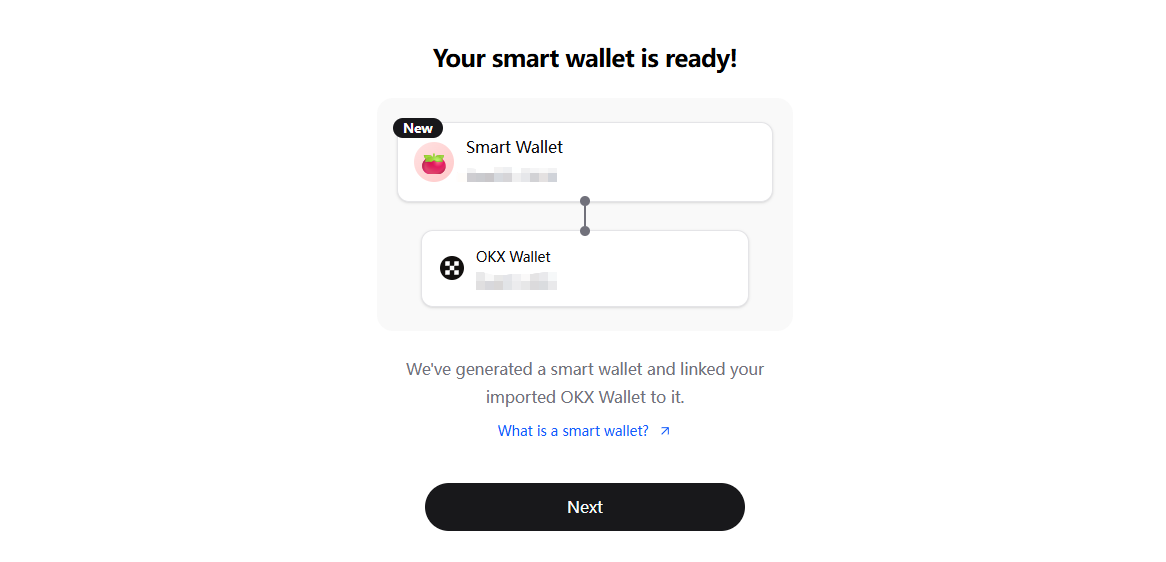
STEP 2. After entering the interaction website, click "Next" to automatically generate a built-in wallet.
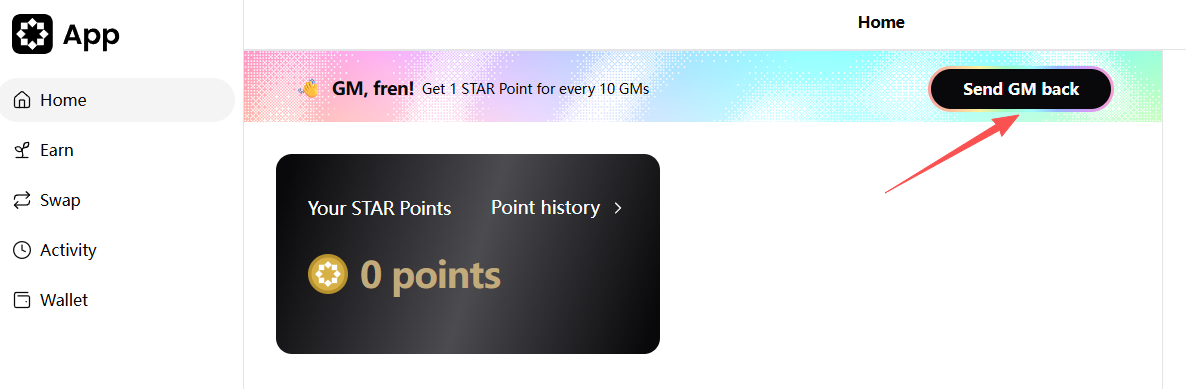
STEP 3. Click "GM" to complete the daily check-in. Consecutive check-ins for 10 days will yield rewards.
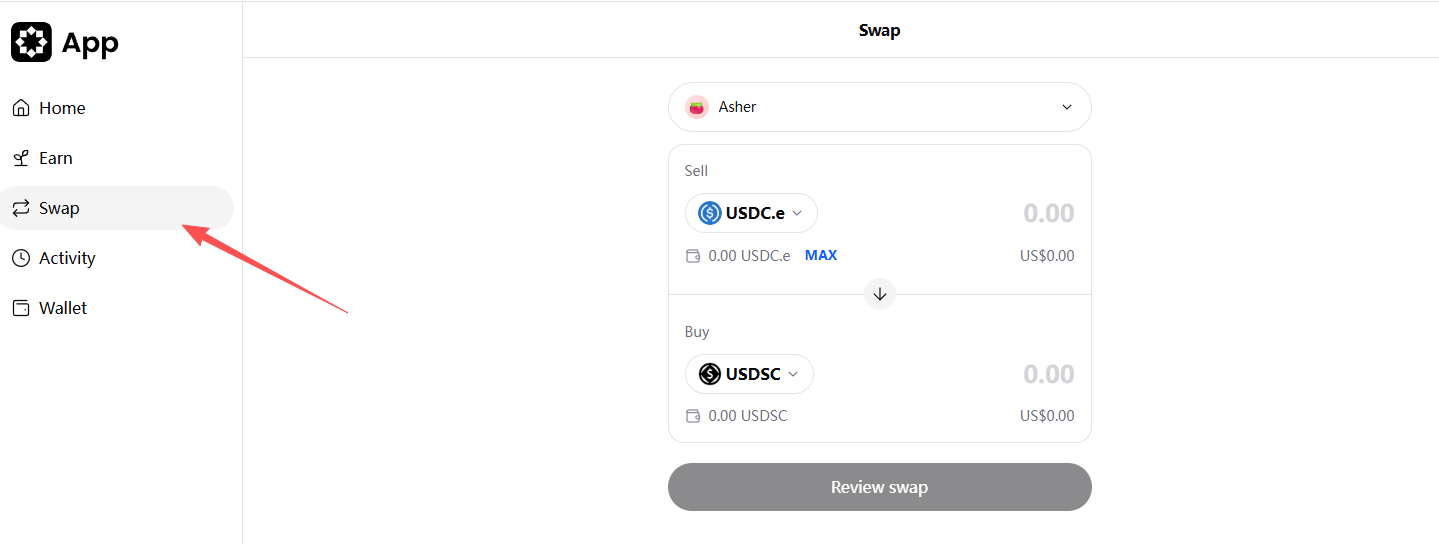
STEP 4. Swap USDC (minimum 10 USDC) to earn 3 STAR points.
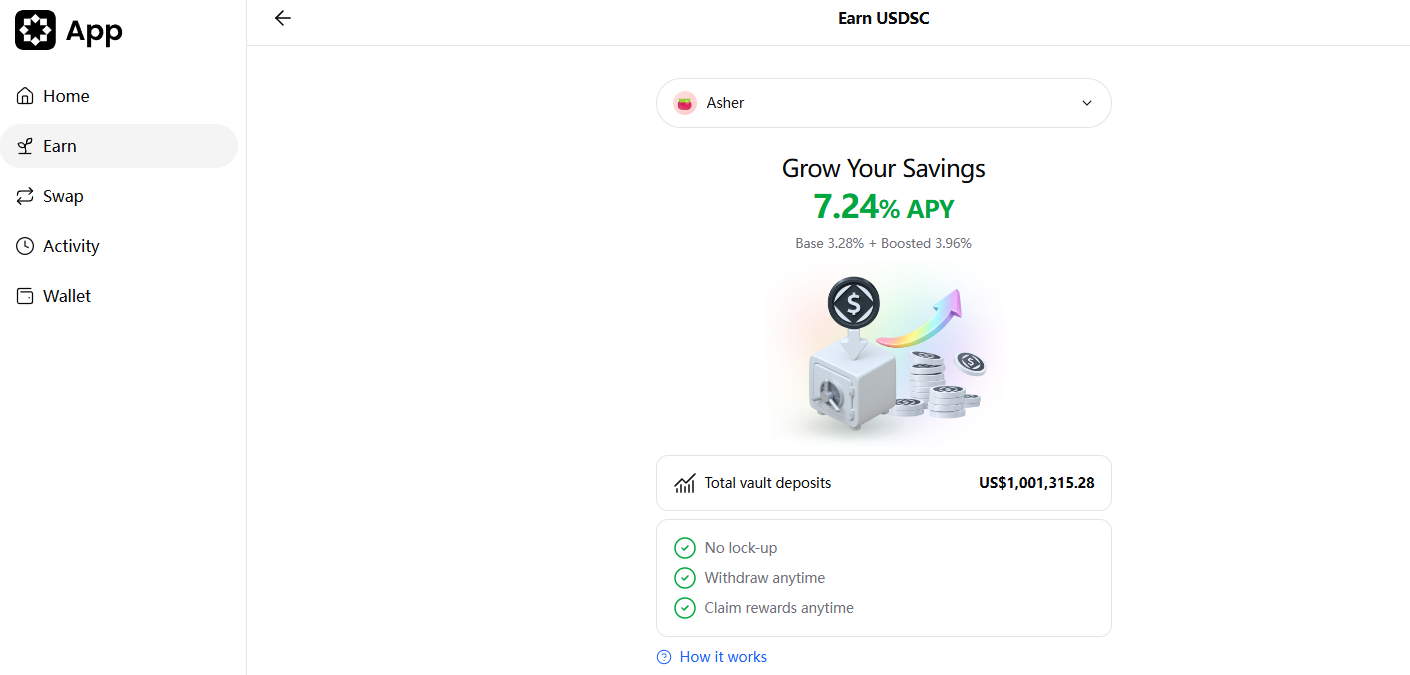
STEP 5. Deposit USDC into the vault (minimum 10 USDC) to earn 5 STAR points, while also receiving a 7.42% annualized yield. The current deposit amount is $1 million.
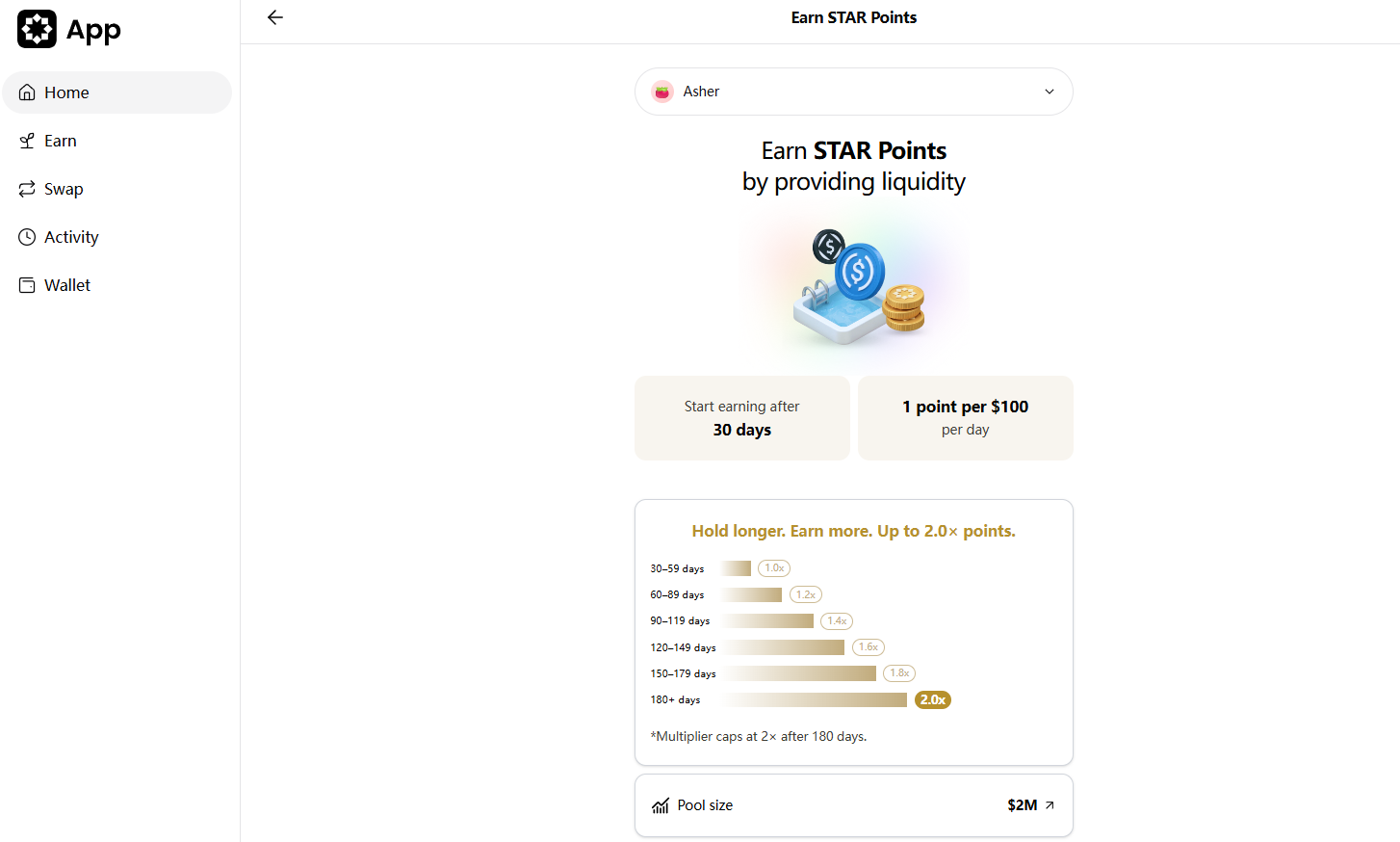
STEP 6. Provide LP liquidity to earn 5 points. Additionally, earn 1 STAR point daily for every $100 in value. Deposits held for over 60 days will receive additional STAR point bonuses.
Furthermore, Startale Group is running a "Lucky Easter Egg" event from March 23rd to April 3rd. Completing the above tasks will grant additional chances to open eggs for opportunities to win STAR points and USDSC rewards.

Preguntas relacionadas

QWhat is the total amount of Series A funding raised by Startale Group and who were the major investors?

AStartale Group raised a total of $63 million in Series A funding, with SBI Group investing $50 million and Sony Innovation Fund investing $13 million.

QWhat are the main business focuses and products of Startale Group as a Web3 infrastructure provider?

AStartale Group focuses on building a complete on-chain ecosystem, including the Ethereum Layer 2 network Soneium, operating Astar Network, the Startale App, stablecoin products Startale USD and JPYSC, and Strium. Their key areas are infrastructure, consumer applications, and financial tools.

QWhat is the first step to interact with the Startale Group project according to the tutorial?

AThe first step is to enter the interaction website, fill in an invitation code (e.g., CMPRFS46, QSQREF49, TGIAHX63), and then log in to the account using a Web3 wallet.

QHow can users earn STAR points by interacting with the platform?

AUsers can earn STAR points by: 1. Swapping at least 10 USDC to get 3 points. 2. Depositing at least 10 USDC into the vault to get 5 points. 3. Providing liquidity (LP) to get 5 points, plus 1 point daily for every $100 in value, with additional bonuses for deposits over 60 days.

QWhat special event did Startale Group launch from March 23 to April 3, and what can users win?

AStartale Group launched a 'Lucky Easter Egg' event during that period. Users who complete the interaction tasks get additional chances to open eggs and win STAR points and USDSC rewards.

Lecturas Relacionadas

AI "Transfer Station" Earning Millions Monthly? Five Questions Uncover the Truth of Token Arbitrage

The article "AI 'Transfer Station' Earns Millions Monthly? Five Questions Uncover the Truth of Token Arbitrage" explores the emerging business of API token transfer stations, which profit from global AI service price disparities and access barriers. These intermediaries purchase low-cost tokens from overseas AI providers (e.g., OpenAI, Claude) through grey-market methods—such as exploiting enterprise credits, bulk accounts, or subscription benefits—and resell them to Chinese users at a markup. Key drivers include the high cost of using top AI models (e.g., Claude Code costs ~$5 per million tokens), the performance gap between domestic and foreign models, and mismatches between subscription and API pricing. However, the practice carries significant risks: upstream token sources may be unstable or illegal; user data passing through intermediaries can be harvested or injected with hidden prompts; and models might be downgraded without disclosure. The market is evolving, with some operators now exporting cheaper Chinese models (e.g., Qwen3.5 at ~$0.11 per million tokens) to overseas users, leveraging price gaps. Yet, sustainability is low due to compliance crackdowns, instability, and reputational risks. Users are advised to employ detection methods (e.g., prompt adherence tests) and avoid sensitive data usage. The authors caution that while transfer stations offer short-term arbitrage, they lack long-term reliability and security compared to official APIs.

marsbitHace 36 min(s)

AI "Transfer Station" Earning Millions Monthly? Five Questions Uncover the Truth of Token Arbitrage

marsbitHace 36 min(s)

The Cost of an 11.5% Annualized Return: Will MicroStrategy's STRC Face a Moment of Reckoning?

This article analyzes the potential risks associated with MicroStrategy's (MSTR) use of structured financial products like STRC to leverage its BTC exposure. While these tools have enabled impressive returns (e.g., 11.5% annualized) and fueled significant capital inflows ($13.5B outstanding), they also create substantial annual dividend obligations (~$400M). The author argues that this structure, while effective in a bull market, could become a liability if BTC price stagnates or declines. The core risk is a potential negative feedback loop: the growing dividend burden from continued STRC issuance may eventually outweigh the benefits of increased BTC holdings. To meet these obligations, MicroStrategy might need to use new issuance proceeds for dividends instead of buying more BTC, which could disappoint equity investors. If the market capitalization (mNAV) falls below the value of its BTC holdings, the company could be forced to sell BTC instead of issuing new shares, potentially triggering a panic. The author estimates a potential inflection point in 6 months, where annual dividend costs reach $3-4B. At that stage, CEO Michael Saylor might face a difficult choice: sell BTC to meet obligations or sacrifice the credibility of the preferred shares by halting dividends. The article concludes that this financial engineering, while powerful, could ultimately "backfire" on MicroStrategy if market conditions turn.

marsbitHace 1 hora(s)

The Cost of an 11.5% Annualized Return: Will MicroStrategy's STRC Face a Moment of Reckoning?

marsbitHace 1 hora(s)

Trading

Spot
Futuros
活动图片