In-Depth Analysis of Moonbirds: Where Is It Headed Now?

marsbitPublicado a 2026-02-02Actualizado a 2026-02-02

Resumen

Moonbirds, once a prominent NFT project, was acquired by Orange Cap Games in 2025, shifting its focus toward becoming a broader IP-driven business. The new strategy aims to emulate the success of Pop Mart by expanding into physical collectibles, trading card games (TCG), and mobile games. Key initiatives include the "Blind Box 2.0," which bundles physical toys, TCG cards, and NFTs to cross-promote ecosystem engagement, and partnerships with major distributors for global retail presence. A TCG game and mobile app are designed to attract and retain users beyond the crypto niche. However, the utility of the $BIRB token remains vague, framed as a "cultural coordination layer" without clear economic benefits for holders. The project’s success hinges on transitioning from NFT speculation to sustainable IP monetization.

This report is written by Tiger Research. Moonbirds was launched as an NFT project in 2021. After being acquired by Orange Cap Games in 2025, its development path shifted. This raises a core question: Where is Moonbirds headed now?

Key Takeaways

  • Following the acquisition of Moonbirds, Orange Cap Games announced plans to issue a token and expand into a broader ecosystem.
  • To position the Moonbirds IP around fan culture rather than speculation, the team is launching various forms of engagement, including a card game, Blind Box 2.0 program, and a mobile game.
  • Although the expansion prospects for the Moonbirds IP are promising, a clearer and more specific utility framework for the $BIRB token still needs to be established.

1. Moonbirds Moves Towards a Larger Ecosystem
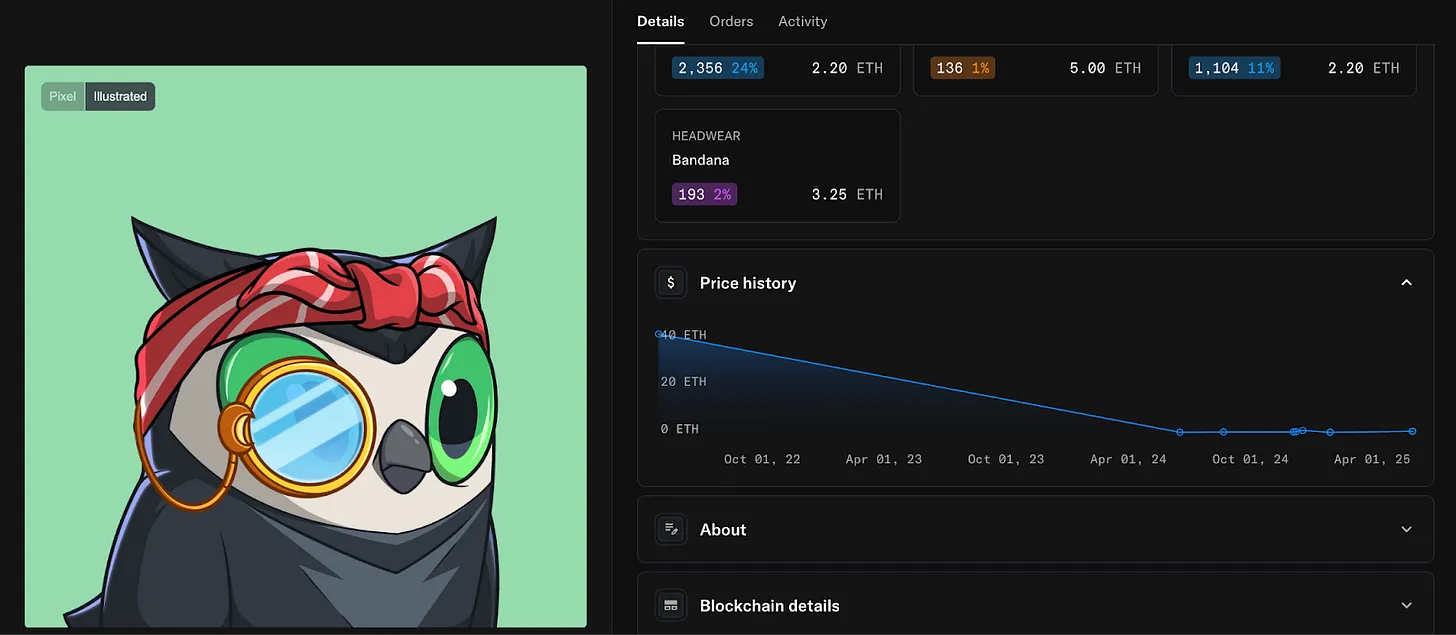
Source: Opensea

Moonbirds was once a high-profile NFT project in 2021, with trading prices reaching as high as 40 ETH. As the NFT market entered a downturn, attention gradually waned. However, Moonbirds recently returned to the spotlight by announcing a token issuance plan. Yet, viewing Moonbirds solely as an NFT project reflects a perspective stuck in 2021.

In May 2025, Moonbirds entered a new phase after being acquired by Orange Cap Games. The acquirer's goal was not to operate Moonbirds as a standalone NFT collection but to develop it into a broader IP-driven business. This shift requires us to look beyond the valuation of a single NFT and instead evaluate Moonbirds within a larger strategic framework.

2. Moonbirds and the Ambition to Become the Next "Pop Mart"
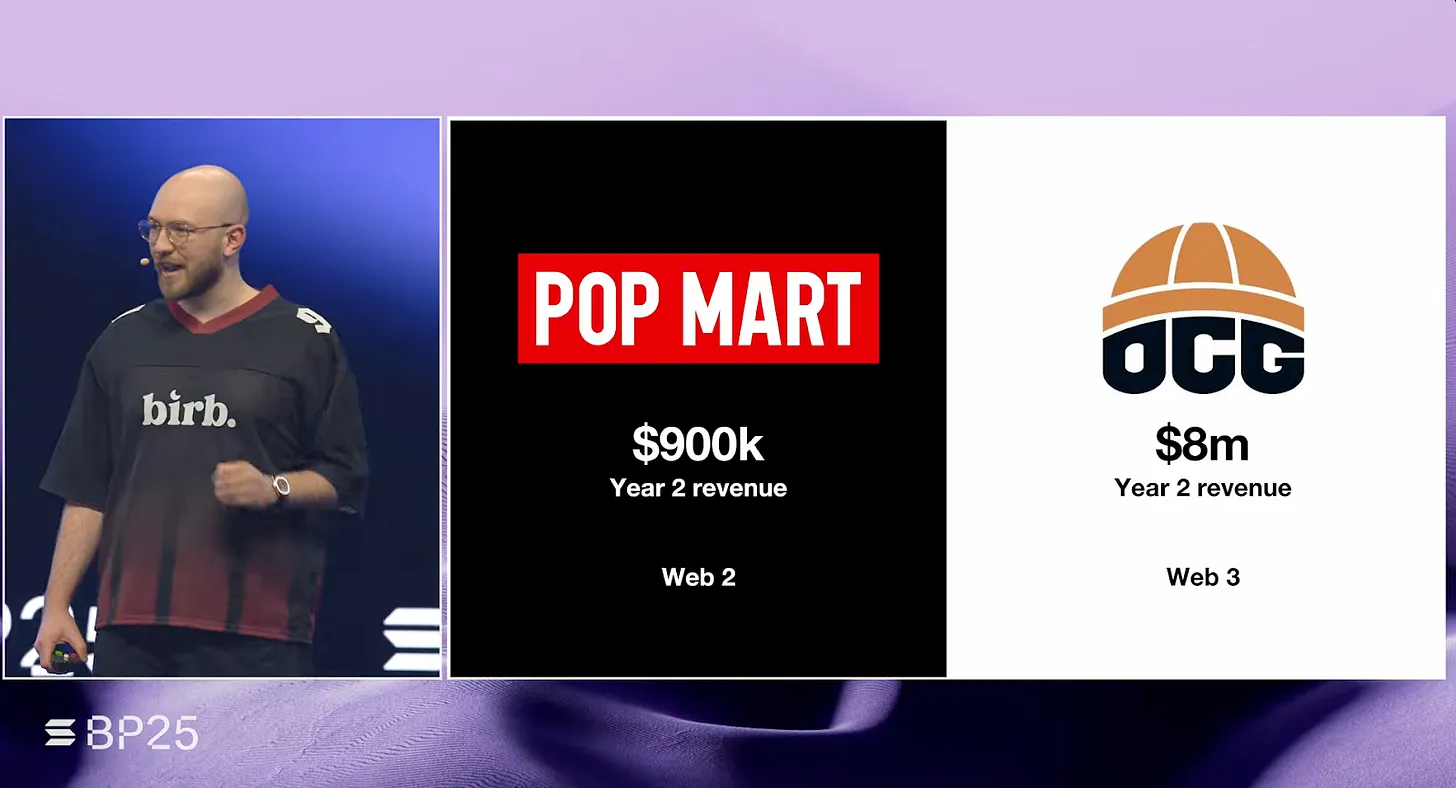
Source: Solana Youtube

The future envisioned by Orange Cap Games for Moonbirds is to become the "next Pop Mart."

CEO Spencer Gordon Sand stated that his ambition is to build a multi-billion dollar company by turning Orange Cap Games into the Web3 version of Pop Mart.

This ambition is closely tied to Sand's professional background. He was an early investor in NFT projects like Bored Ape Yacht Club (BAYC), RTFKT, and Cool Cats, giving him firsthand experience in how NFT projects evolve into IPs and how they fail.

Particularly, as one of the largest holders of Pudgy Penguins, he witnessed the brand expand into mainstream media, including television, with non-crypto audiences actively engaging with these characters. This experience likely shaped his belief in building the "next Pop Mart."

Echoing this background, Orange Cap Games' vision for Moonbirds is distinctly different from the typical NFT sales model. The company is not focused on NFT distribution within Web3 but instead uses Moonbirds as a starting point, acquiring and expanding multiple high-potential IPs, ultimately positioning itself as a diversified, IP-centric consumer business, structured similarly to Pop Mart.

What is Pop Mart's most popular blind box series?
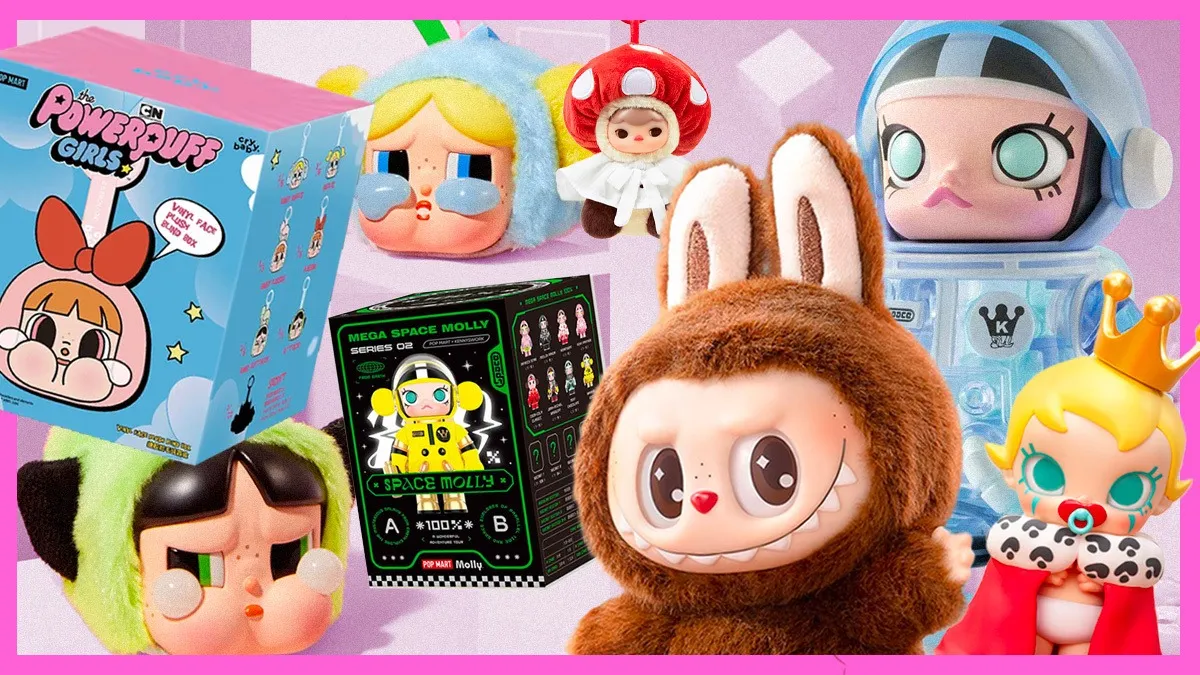
Source: Pop Mart

A representative success story for Pop Mart is the character Labubu. Labubu was not originally created by Pop Mart. In 2019, the company signed an exclusive agreement with a Hong Kong artist and successfully brought the character to the mass market.

Pop Mart is not a simple third-party IP reseller. Its core strength lies in vertical integration.

Similar to a talent agency, the company manages the entire lifecycle of IP development, from artist discovery and IP licensing to product design, manufacturing, and direct-to-consumer distribution through its own channels. This integrated structure allows Pop Mart to repeatedly scale new characters using a consistent expansion model.

Orange Cap Games appears to be pursuing a similar approach. The company's goal is not just to create products but to build a distribution layer capable of delivering multiple IPs.

This system encompasses physical distribution (e.g., figurines and trading cards), cultural distribution through offline tournaments and events, and digital distribution through games and NFTs. The aim is to create a repeatable framework that can support and scale any IP introduced into the ecosystem.

3. To Become Pop Mart, Products Must Be Well-Made and Distribution Must Be in Place
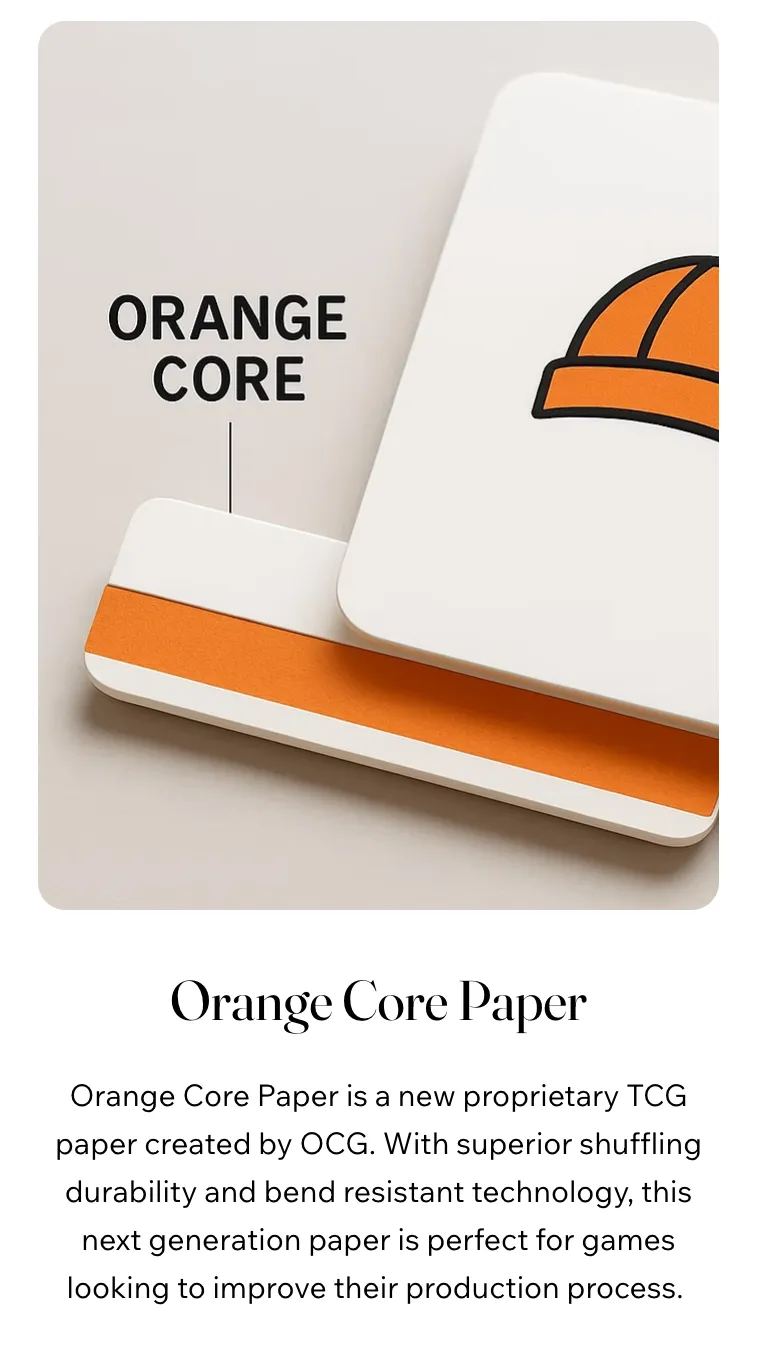
Source: Orange Cap Games

For Orange Cap Games, producing physical toys inspired by Moonbirds NFTs is important. However, trading cards play a more central role in building a scalable ecosystem.

To make its trading card game stand out, the company avoided industry-standard blue-core cardstock and instead developed its own orange-core material. This proprietary cardstock reduces common issues like edge wear and card bending. Orange Cap Games controls material selection and the manufacturing process, extending product ownership down to production details.

These efforts were validated when the cards received a PSA 10 rating (PSA's highest grade). Subsequently, the company partnered directly with PSA to launch co-branded promotional cards.
Source: Moonbirds

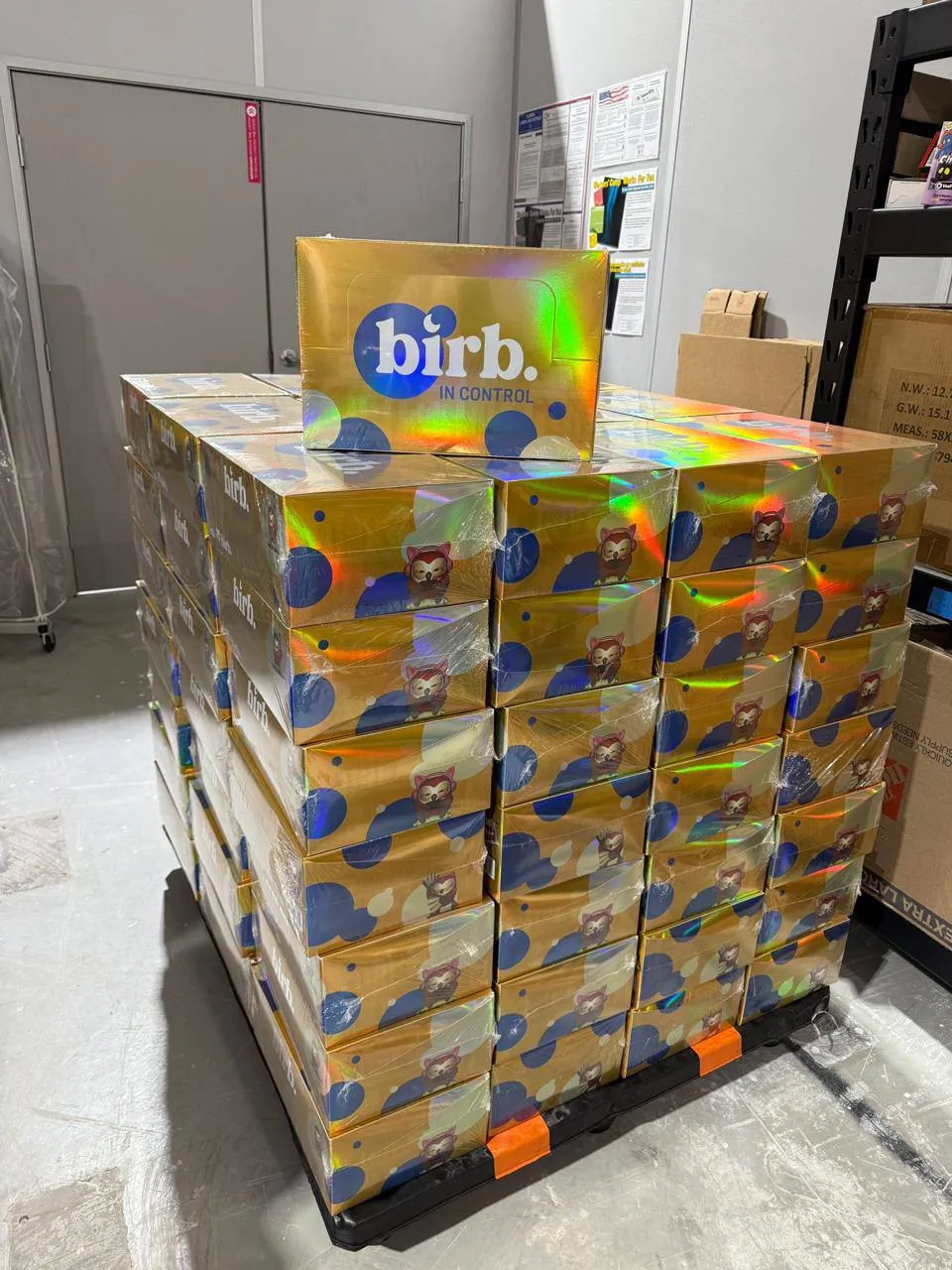
Product quality alone is not enough. The distribution infrastructure determines whether physical products can reach the right audience. Placement in high-traffic locations frequented by target consumers is crucial.

To this end, Orange Cap Games has established partnerships with major global distributors:

  • GTS Distribution: The largest collectibles distributor in North America

  • Star City Games: A core distributor for Magic: The Gathering

  • Asmodee: The world's third-largest board game and toy distributor

As a result, Moonbirds products are no longer confined to crypto-native channels like exchanges. They are now available in local hobby shops and toy stores, meeting the basic requirements for global expansion.

At this stage, Orange Cap Games has secured product quality and distribution channels. The next challenge is retention: whether customers who purchase these products will remain engaged within the broader Moonbirds ecosystem.

4. Persuading Consumers to Choose Moonbirds

Producing high-quality products and ensuring distribution are necessary but not sufficient. The real challenge lies in persuasion. Among the myriad character products on retail shelves, what makes consumers choose Moonbirds?

Labubu's success at Pop Mart was not driven solely by visual appeal. Orange Cap Games applies similar logic, using structured strategies to influence consumer behavior rather than relying solely on design.

4.1 Trading Card Game as a Cultural Entry Point

Cards are not just collectibles; they are also components of a game. For cards to be meaningful collectibles, there must first be a playable game. Without active gameplay, even beautifully designed and well-made cards are merely decorations.
Source: Vibes

The core question is how to attract players to a new card game.

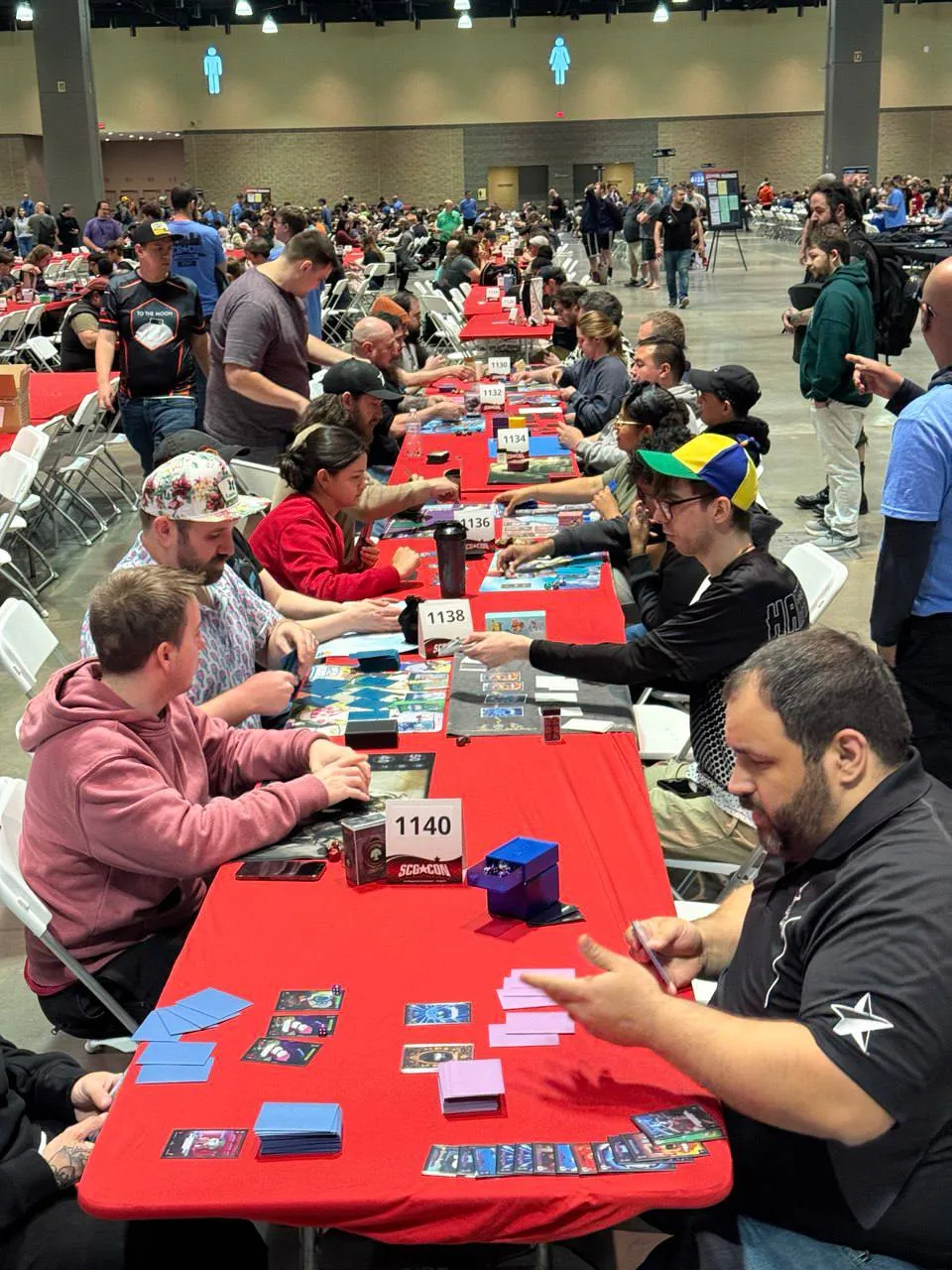
Orange Cap Games targets participants of large trading card tournaments. These events typically last five days, with about half of the participants eliminated on the first day. The company schedules its own tournaments on the second day, positioning them as an alternative for eliminated players.

From the participants' perspective, additional competitive opportunities are attractive. Preparation familiarizes them with the game, core players begin to gather, and the product starts to function as a real game rather than a niche experiment.

When Moonbirds tournaments are held alongside a large, established event, players also begin to associate them with the same competitive standards. This cognitive shift is crucial. The strategy's focus is not on immediate conversion but on repositioning Moonbirds TCG as a legitimate part of the broader card game ecosystem.

In essence, this approach is not just about participation but about changing how the product is perceived.
Source: scgcon

In practice, Orange Cap Games applied this strategy at SCG Con in 2025 with its Vibes TCG, hosting side events alongside the main tournament. Over time, this approach steadily increased the scale and visibility of Vibes TCG events.

4.2 Blind Box 2.0: From a Single Experience to a Triple Experience
Source: Moonbirds

Pop Mart's traditional blind boxes, like the Labubu series, typically contain a single figurine. Once the box is opened and the item is revealed, the experience ends. This model is designed around one-time consumption.

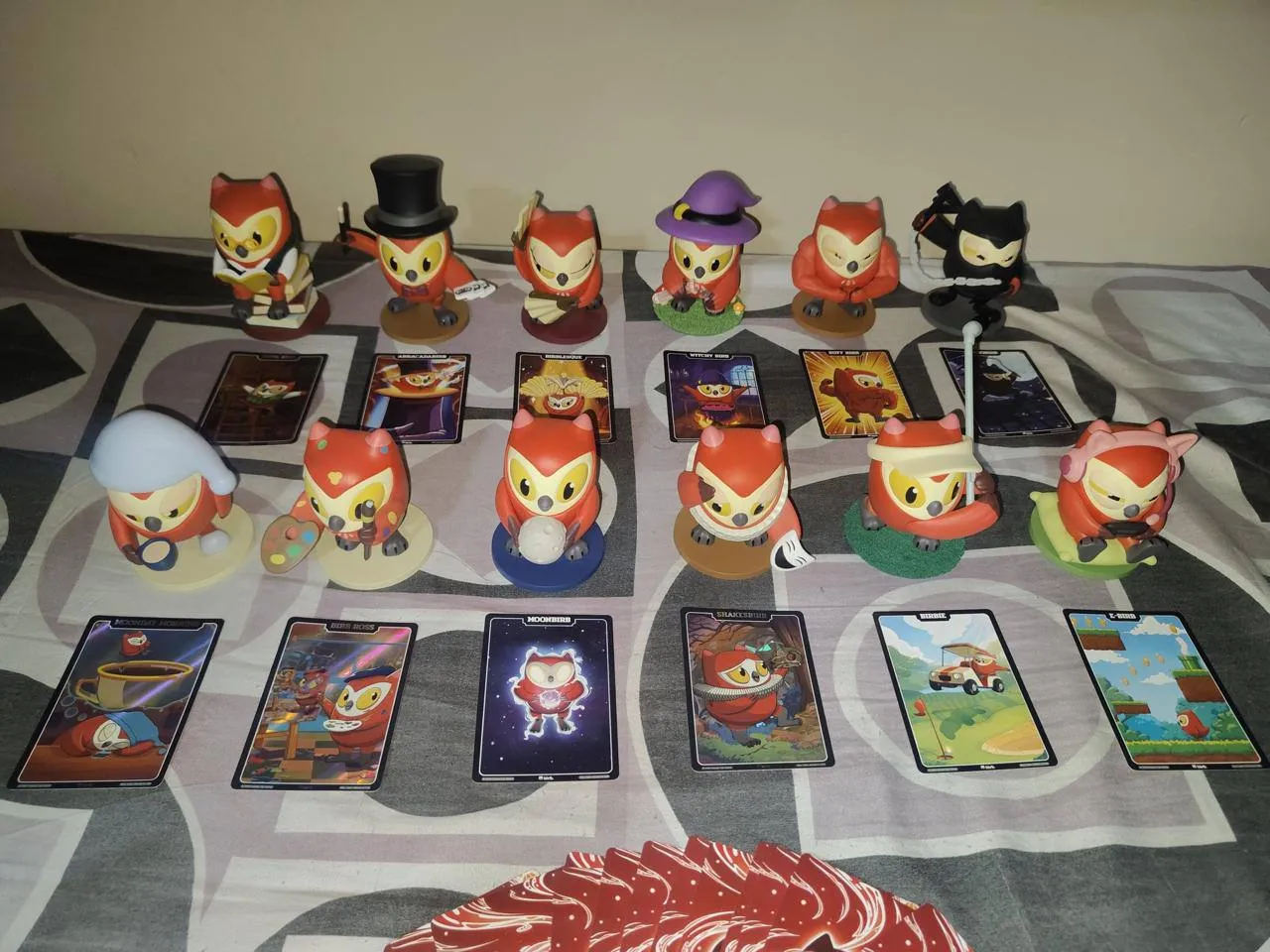
Moonbirds adopts a different approach—Blind Box 2.0. Each box contains three different collectibles:

  1. Plush toy or figurine
  2. Trading card
  3. NFT

By purchasing a single box, the consumer engages in three separate experiences, not one.

Orange Cap Games refers to this model as a "hybrid" category. It is not merely a bundle of three products. The core idea is cross-channel引流 (drainage/flow), with each item serving as an entry point to different parts of the ecosystem.

  • Buyers focused on toys discover TCG cards and are introduced to gameplay.
  • Buyers focused on TCG obtain NFTs and are exposed to on-chain assets.
  • Buyers focused on NFTs obtain physical toys and are guided into the offline community.

A single blind box becomes a gateway to all three of Orange Cap Games' business lines (toys, TCG, and NFTs). Consumers may only engage with their initial purchase intent. However, once curiosity extends beyond the original purpose, they are naturally guided into adjacent parts of the ecosystem.

4.3 Mobile Games as an Extended Channel for Daily Engagement
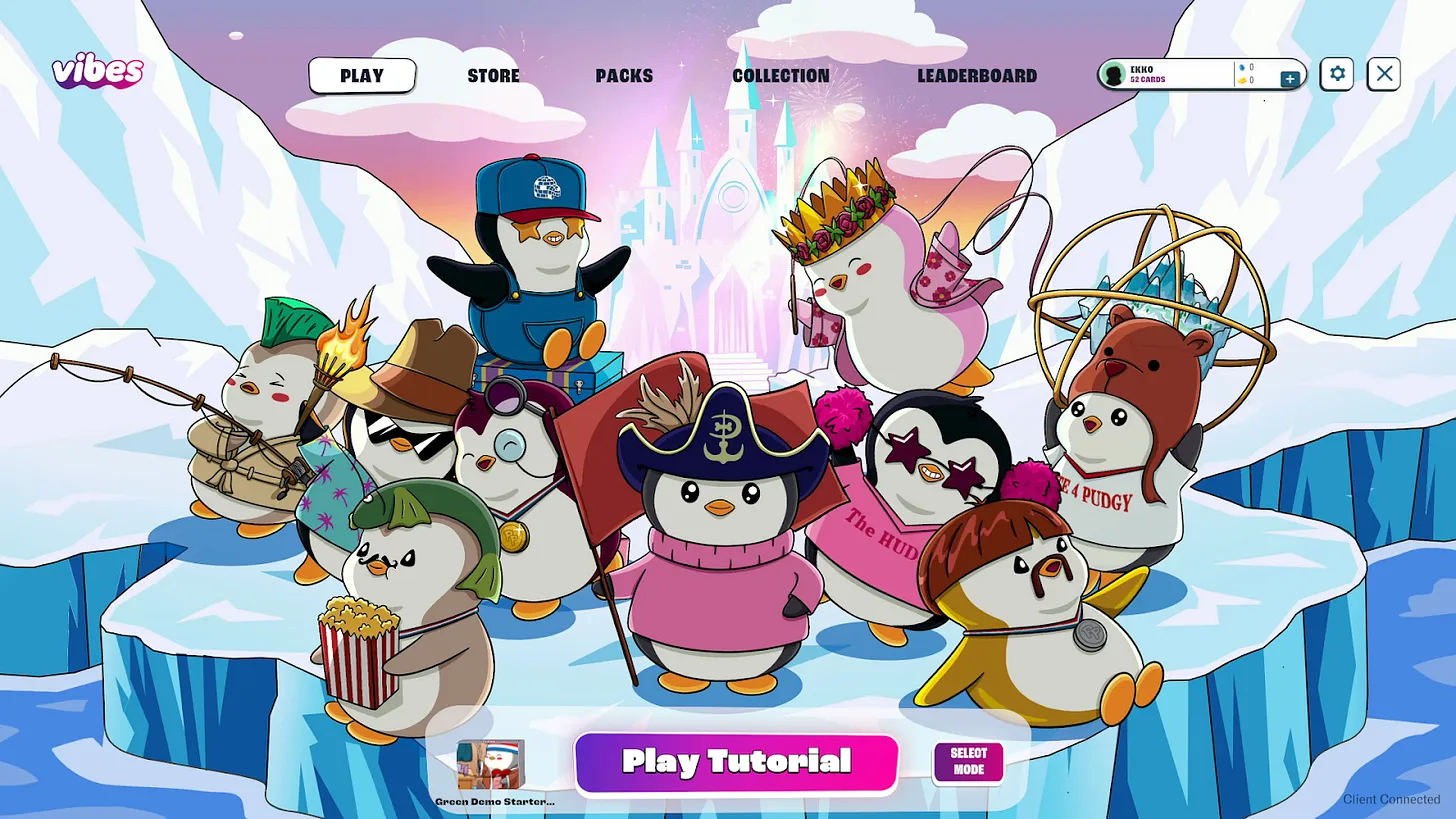
Source: Vibes

Buying trading cards requires money; collecting figurines requires prior interest. In contrast, free mobile games only require a download. Some users may subsequently invest time or money to improve their decks or progress, but the initial barrier to entry remains low.

Angry Birds provides a useful reference. The gameplay is simple, but the characters achieved global recognition. From there, the IP expanded into movies, merchandise, and theme parks. The game became the starting point for broad IP distribution.

Moonbirds' mobile game is designed to serve a similar purpose. Through gameplay, users become familiar with the characters and gradually absorb the broader世界观 (worldview). Even users with no immediate intention to buy cards or figurines are exposed to Moonbirds through the game.

Over time, this familiarity creates awareness. When consumers later encounter Moonbirds products in a retail environment, these characters are no longer strangers. The mobile game builds a psychological bridge that can turn passive awareness into potential purchase intent.

5. From Moonbirds to Orange Cap Games: The Role of $BIRB

Orange Cap Games has built the infrastructure and strategy to expand Moonbirds. However, for investors, the key question remains: What does the $BIRB token actually do?

The team describes $BIRB as a "coordination layer." In this framework, the token aims to accelerate cultural propagation, making memes spread more effectively. The strategy is to anchor the business in physical consumer products while leveraging crypto-native dynamics to amplify brand influence.

The challenge lies in specificity. It is not yet clear what specific benefits token holders will receive. Revenue sharing from product sales, NFT-linked memberships, or other incentive mechanisms have not been clearly defined.

Orange Cap Games emphasizes long-term ecosystem growth. Revenue is expected to be reinvested into the business rather than distributed to token holders. The goal is to create a positive feedback loop where attention generated from non-crypto markets feeds back into the crypto community.

A notable strength is that this is not a business assembled solely to justify a token issuance. The company generated real revenue through Vibes TCG before introducing the token layer. This approach is fundamentally different from meme coins that lack underlying operations.

However, unanswered questions remain. Whether the proposed "cultural coordination" function of the token can work in practice and whether this function can translate into sustained token value remains to be seen. The strategy of prioritizing reinvestment may also be less appealing to short-term investors.

Whether Moonbirds can achieve Pop Mart-level success remains uncertain. Nonetheless, as a real-time experiment in how an origin NFT IP can be monetized in the real world, the specific design of $BIRB and its early performance will determine the outcome of this experiment.

Related reading: Moonbirds: The Wealth Creation Narrative of Birbillions.

Criptos en tendencia

Preguntas relacionadas

QWhat is the core vision of Orange Cap Games for Moonbirds after its acquisition?

AOrange Cap Games aims to develop Moonbirds into a broader IP-driven business, positioning itself as a Web3 version of Pop Mart, with ambitions to build a multi-billion dollar company by expanding into multiple high-potential IPs across physical collectibles, trading card games, and digital assets.

QHow does Orange Cap Games plan to distribute Moonbirds products to reach a wider audience?

AThe company has partnered with major global distributors like GTS Distribution (North America's largest collectibles distributor), Star City Games (a core distributor for Magic: The Gathering), and Asmodee (the world's third-largest board game and toy distributor) to make Moonbirds products available in local hobby shops and toy stores beyond crypto-native channels.

QWhat is the 'Blind Box 2.0' strategy, and how does it differ from traditional blind boxes?

ABlind Box 2.0 includes three distinct collectibles in a single box: a plush toy or figurine, a trading card, and an NFT. This creates a hybrid experience that cross-promotes different parts of the ecosystem, unlike traditional blind boxes (e.g., Pop Mart's) which typically contain only one figurine and offer a single, consumable experience.

QWhat role does the mobile game play in Moonbirds' ecosystem expansion?

AThe mobile game serves as a low-barrier entry point to familiarize users with Moonbirds characters and lore, similar to how Angry Birds built global IP awareness. It acts as a channel for daily engagement, creating brand recognition that may later translate into purchases of physical or digital products when encountered in retail environments.

QWhat are the current challenges or uncertainties regarding the $BIRB token's design and utility?

AThe $BIRB token lacks a clear, specific utility framework. While described as a 'coordination layer' to accelerate cultural propagation, details on tangible benefits for holders (e.g., revenue sharing, NFT-linked memberships) are undefined. Revenue is prioritized for reinvestment rather than distribution to token holders, which may limit short-term investor appeal. Its effectiveness in driving token value remains unproven.

Lecturas Relacionadas

After Three Consecutive Quarters of Decline, Can the Crypto Market Find a Window for Stabilization in Q3?

The cryptocurrency market has just concluded its worst-performing quarter since 2022, with total capitalization dropping 12.6% to $2.1 trillion. All core metrics indicate capital is leaving the sector, not just rotating within it. Bitcoin fell 14.2% and Ethereum dropped 25.4% in Q2, breaking their previous correlation with US tech stocks. A key driver is the reversal in US spot Bitcoin ETF flows, which saw a net outflow of approximately $4.67 billion in Q2, including a record monthly outflow near $4.5 billion in June. While recent data suggests long-term holders are accumulating again, sustained ETF outflows mean continued selling pressure. Market focus is now singularly on the Federal Reserve. The upcoming July FOMC meeting is seen as the most critical event for Q3. A dovish signal could support Bitcoin reclaiming a $68,000-$84,000 range, while a hawkish stance might establish a new trading band around $50,000-$56,000. Additionally, regulatory uncertainty persists, with the progress of the crucial *CLARITY Act* stalling in the Senate, reducing its perceived 2026 passage probability to 40-45%. Despite the broad downturn, a few sectors showed growth. Prediction markets saw nominal volume surge 48.7% year-over-year to $113.8 billion, and tokenized collectibles transaction volume rose 143% quarterly to $1.4 billion. The Real-World Asset (RWA) tokenization sector also continued steady growth, now representing ~$28.1 billion in on-chain value. The market's foundation for an extreme crash appears limited, with Bitcoin price hovering near its 200-week moving average. However, the trading paradigm has shifted from narrative-driven speculation to decisions based on price action, policy developments, and interest rate expectations, making a broad sentiment-driven rally unlikely in the near term.

marsbitHace 19 hora(s)

After Three Consecutive Quarters of Decline, Can the Crypto Market Find a Window for Stabilization in Q3?

marsbitHace 19 hora(s)

BIT Trading Moment: BTC Still Suppressed by Weekly 200 EMA, Rejection May Restart Decline; Storage and Semiconductors that Surged Last Night Begin Falling in Evening Trading

**Crypto & Stock Market Wrap: Bitcoin Tests Resistance, Stocks Retreat After AI Surge** Bitcoin consolidates around $66,000, facing key resistance near $68,000—an area seen as a major psychological and technical hurdle where previous rallies have failed. Analysts note the cryptocurrency is caught between its 200-week moving average (~$63,333) and 200-week EMA (~$68,328). A clear break above $68k is needed to signal a stronger bullish trend, while a rejection could lead to a retest of $63k support. Market sentiment remains cautious, with low futures open interest pointing to a low-liquidity rebound rather than a full bull market. Bitcoin spot ETFs saw another $203 million inflow. US stock futures pointed lower after a strong Tuesday session led by a massive rebound in semiconductors and memory stocks. The rally was fueled by renewed optimism about AI-driven hardware demand, with Micron, SanDisk, and SK Hynix surging. However, those gains reversed in pre-market trading. Super Micro Computer (SMCI) soared over 20% after hours on strong guidance and a record backlog. Other standouts included Rocket Lab and nuclear energy plays Oklo and X-Energy. Rising oil prices (Brent above $91) and climbing Treasury yields (10-year near 4.64%), however, are reigniting inflation concerns and acting as a headwind for equities. In Asia, markets were mixed. South Korea's KOSPI pared early gains to close slightly higher as semiconductor stocks like SK Hynix gave back initial surges. Japan's Nikkei edged lower as the yen hit a fresh 38-year low against the dollar, raising fears of potential market intervention. Key events to watch include the Samsung Galaxy launch, AMD's AI event, and a slew of major tech earnings from Alphabet, Tesla, and IBM after the close on Wednesday, followed by the ECB meeting and Intel's earnings on Thursday.

marsbitHace 19 hora(s)

BIT Trading Moment: BTC Still Suppressed by Weekly 200 EMA, Rejection May Restart Decline; Storage and Semiconductors that Surged Last Night Begin Falling in Evening Trading

marsbitHace 19 hora(s)

Former CFTC Chairman, Circle President Tarbert: Preaching Long-Termism While Cashing Out $30 Million Himself

Former CFTC Chairman and Circle President Heath Tarbert has consistently advocated for a long-term vision in public, urging patience from investors as Circle’s stock price has fallen significantly from its peak. However, it has been revealed that since Circle’s IPO, Tarbert has continuously sold his CRCL shares through pre-arranged trading plans, cashing out approximately $30 million, without making any public market purchases. This contrast between his public messaging and personal actions has drawn criticism. Tarbert joined Circle in July 2023 as Chief Legal Officer, leveraging his regulatory experience to help guide the company through its IPO and expansion. Despite promoting stablecoins as long-term infrastructure, he established a 10b5-1 trading plan just before Circle went public, leading to substantial stock sales over the following year. In March 2026, he initiated another plan to sell more shares. His career trajectory highlights a pattern of moving between high-level regulatory roles and influential positions in the financial sector. After resigning as CFTC Chairman in early 2021, he joined Citadel Securities as Chief Legal Officer just 27 days later, during a period of intense regulatory scrutiny for the firm. He later joined Circle, aiding its efforts to navigate regulatory challenges for its public listing. While Tarbert's expertise in policy and compliance is valuable to companies like Circle, his actions—advocating long-term confidence while personally divesting—raise questions about the alignment between his public statements and his private financial decisions, leaving investors who followed his advice to bear the market risks.

marsbitHace 20 hora(s)

Former CFTC Chairman, Circle President Tarbert: Preaching Long-Termism While Cashing Out $30 Million Himself

marsbitHace 20 hora(s)

Gate Research Institute: The 'Wall Street-ization' Wave of Crypto Financial Products – Competition or Integration?

The article titled "Gate Research Institute: Are Crypto Financial Products Sparking a 'Wall Street' Wave—Competition or Convergence?" explores the evolving relationship between the crypto ecosystem and traditional finance (TradFi). The piece begins by reflecting on Bitcoin's original 2009 vision of decentralization, disintermediation, and moving away from banks. It then contrasts this with the 2024 landscape, where key crypto assets like Bitcoin are increasingly held through Wall Street products like ETFs issued by giants like BlackRock. The article questions whether this signifies that TradFi is systematically taking over the rights to issue, price, custody, and distribute crypto financial assets. The core argument is that this is not a zero-sum takeover but rather a bidirectional convergence where each side addresses the other's weaknesses. Crypto offers 24/7 global markets, programmable settlement, and open access but lacks compliant channels, institutional-grade custody, deep fiat liquidity, and mainstream distribution. TradFi possesses these but is constrained by legacy systems, limited operating hours, and slow settlement. Two primary convergence paths are highlighted: * **Path A (CEX to TradFi):** Exemplified by Gate, which has progressed from offering tokenized stocks and CFDs to providing direct, real stock trading (US, Hong Kong, South Korea) within its platform, using USDT. * **Path B (TradFi to Crypto):** Exemplified by Robinhood, which has integrated crypto trading, acquired exchanges like Bitstamp, and is moving traditional assets like stocks onto the blockchain via tokenization and its own Layer 2. Both paths are ultimately competing to become the next-generation, unified financial account—a "super account" where users can seamlessly trade cryptocurrencies, stocks, ETFs, RWA (Real World Assets), and tokenized treasury products in one interface. The growth of RWA and tokenized treasuries (e.g., BlackRock's BUIDL) is presented as the asset-layer fusion, providing stable, yield-bearing assets on-chain and acting as a bridge between the two worlds. In conclusion, the "Wall Street-ization" of crypto is framed as a mutual transformation. Decentralized ideals persist in the protocol layer, while at the application layer, a more efficient, global, and accessible unified capital market is emerging from this convergence. The future competition lies not between crypto exchanges and stockbrokers, but between platforms vying to offer the most comprehensive asset coverage, liquidity, and user experience within a single account.

marsbitHace 20 hora(s)

Gate Research Institute: The 'Wall Street-ization' Wave of Crypto Financial Products – Competition or Integration?

marsbitHace 20 hora(s)

Trading

Spot

Artículos destacados

Cómo comprar NFT

¡Bienvenido a HTX.com! Hemos hecho que comprar APENFT (NFT) sea simple y conveniente. Sigue nuestra guía paso a paso para iniciar tu viaje de criptos.Paso 1: crea tu cuenta HTXUtiliza tu correo electrónico o número de teléfono para registrarte y obtener una cuenta gratuita en HTX. Experimenta un proceso de registro sin complicaciones y desbloquea todas las funciones.Obtener mi cuentaPaso 2: ve a Comprar cripto y elige tu método de pagoTarjeta de crédito/débito: usa tu Visa o Mastercard para comprar APENFT (NFT) al instante.Saldo: utiliza fondos del saldo de tu cuenta HTX para tradear sin problemas.Terceros: hemos agregado métodos de pago populares como Google Pay y Apple Pay para mejorar la comodidad.P2P: tradear directamente con otros usuarios en HTX.Over-the-Counter (OTC): ofrecemos servicios personalizados y tipos de cambio competitivos para los traders.Paso 3: guarda tu APENFT (NFT)Después de comprar tu APENFT (NFT), guárdalo en tu cuenta HTX. Alternativamente, puedes enviarlo a otro lugar mediante transferencia blockchain o utilizarlo para tradear otras criptomonedas.Paso 4: tradear APENFT (NFT)Tradear fácilmente con APENFT (NFT) en HTX's mercado spot. Simplemente accede a tu cuenta, selecciona tu par de trading, ejecuta tus trades y monitorea en tiempo real. Ofrecemos una experiencia fácil de usar tanto para principiantes como para traders experimentados.

407 Vistas totalesPublicado en 2024.12.10Actualizado en 2025.03.21

Cómo comprar NFT

Qué es AINFT

EternaFi Agents y $AINFT: Un Análisis Integral de la Infraestructura NFT Potenciada por IA en el Ecosistema Web3 La intersección de la inteligencia artificial (IA) y la tecnología blockchain está evolucionando rápidamente, estableciendo plataformas innovadoras que redefinen los modelos de propiedad y la participación económica. EternaFi Agents, junto con su token nativo $AINFT, ejemplifica un enfoque revolucionario para la tokenización de infraestructuras de IA a través de tokens no fungibles (NFTs). Lanzado en julio de 2025 por el equipo de desarrollo de Nova Club, EternaFi fusiona los avances de la IA con los mecanismos financieros descentralizados de la blockchain, presentando una oportunidad de inversión única para los participantes dentro del ecosistema web3. Este artículo tiene como objetivo proporcionar una evaluación profunda de EternaFi Agents, cubriendo sus componentes centrales, funcionalidad y significado dentro del paisaje cripto. Introducción y Visión General del Proyecto EternaFi Agents se erige como un ejemplo destacado de cómo la tecnología blockchain puede democratizar el acceso a capacidades avanzadas de IA. El proyecto se esfuerza por remodelar el paradigma de la propiedad de la IA al diversificar la participación económica, haciendo que los sistemas de IA sofisticados sean accesibles para un mayor número de partes interesadas. En su núcleo, el proyecto tokeniza un modelo de lenguaje grande (LLM) propietario desarrollado por Nova Club, permitiendo a los poseedores de NFTs obtener una exposición fraccionada al rendimiento económico del modelo. Al utilizar NFTs que representan participaciones en el LLM, EternaFi Agents fomenta un modelo en el que las partes interesadas no solo participan en el consumo de servicios de IA, sino que también disfrutan de compartir las recompensas económicas generadas por la plataforma. Este enfoque transformador permite el desarrollo de modelos de ingresos sostenibles para los servicios de IA, al mismo tiempo que promueve un amplio compromiso comunitario y facilita una gobernanza transparente. ¿Qué es EternaFi Agents? EternaFi Agents representa un proyecto de infraestructura AI-NFT que busca combinar las capacidades de la IA con la tecnología blockchain en un ecosistema coherente. La característica esencial de este proyecto es la creación de NFTs que sirven como instrumentos financieros, representando fracciones de propiedad en la infraestructura de IA propietaria de Nova Club. Cada NFT simboliza una exposición directa al rendimiento económico del sistema de IA subyacente, proporcionando una oportunidad lucrativa para los inversores. El proyecto opera en la blockchain Base, conocida por su escalabilidad y eficiencia, asegurando así costos de transacción manejables mientras facilita una experiencia operativa fluida. Una de las características notables incluye un mecanismo de reparto de ingresos, en el que los poseedores de NFTs pueden recibir porciones de los ingresos por suscripción generados por los servicios de IA proporcionados en la plataforma. Este enfoque innovador establece una conexión entre el éxito de los servicios de IA y los dividendos económicos distribuidos entre los poseedores, asegurando así una alineación de intereses en toda la comunidad. ¿Quién es el Creador de EternaFi Agents? La fuerza creativa detrás de EternaFi Agents es Nova Club, un equipo de desarrollo con sede en Singapur, experto en la amalgama de IA y tecnología blockchain. Su experiencia previa en el desarrollo de IA y análisis de criptomonedas da credibilidad al proyecto, aportando una amplia gama de conocimientos a la creación de EternaFi Agents. La misión de Nova Club se centra en democratizar el acceso a tecnologías de IA de vanguardia mientras construye modelos económicos sostenibles que beneficien a los usuarios junto con los desarrolladores. Su compromiso con la transparencia, la gobernanza comunitaria y la innovación se refleja en el diseño e implementación de la plataforma EternaFi, con el objetivo de establecer un ecosistema único que fomente el compromiso positivo y la creación de valor a largo plazo. ¿Quiénes son los Inversores de EternaFi Agents? Los detalles específicos sobre los inversores u organizaciones de inversión que respaldan EternaFi Agents no están disponibles públicamente. Sin embargo, EternaFi ha adoptado un enfoque inclusivo para financiar su desarrollo a través de la venta de NFTs al público, permitiendo a una amplia variedad de participantes invertir en el ecosistema. La arquitectura del proyecto asegura que la infraestructura central se financie de manera responsable mientras permite a los miembros de la comunidad participar en la propiedad y los retornos económicos generados por los servicios de IA. Este modelo enfatiza el compromiso comunitario al alinear los intereses de los inversores y los desarrolladores del proyecto, creando un entorno colaborativo donde se incentiva la participación a largo plazo. ¿Cómo Funciona EternaFi Agents? EternaFi Agents opera a través de un ecosistema multifacético donde los NFTs sirven como un medio principal de representación de propiedad dentro del proyecto. Cada poseedor de un NFT tiene derecho a una parte de los ingresos por suscripción mensual producidos por la plataforma impulsada por IA subyacente, posicionando así la propiedad de NFTs como un vehículo de inversión lucrativo. Mecanismo de Generación de Ingresos La principal fuente de generación de ingresos para la plataforma EternaFi proviene de las tarifas de suscripción relacionadas con los servicios de IA proporcionados. Los usuarios pueden acceder a varios servicios escalonados, que van desde herramientas básicas de análisis de mercado hasta soluciones de trading asistidas por IA completas. Estos servicios se monetizan y forman la base del marco de reparto de ingresos, que distribuye ganancias a los poseedores de NFTs a través de contratos inteligentes automatizados. Una característica innovadora del ecosistema EternaFi es el mecanismo de reparto de ingresos que opera de manera transparente, asegurando que las recompensas se asignen en función de métricas verificables de las operaciones de la plataforma de IA. Esto crea un vínculo directo entre el rendimiento de los servicios de IA y los retornos disponibles para los inversores de la comunidad, estableciendo un modelo económico sostenible. Mecanismos de Staking y Vesting Los participantes dentro de EternaFi pueden participar en el staking de sus NFTs para desbloquear beneficios económicos adicionales. El cronograma de vesting está diseñado para promover el compromiso a largo plazo entre los participantes, recompensando a aquellos que demuestran apoyo continuo al proyecto. Esto asegura una robusta alineación de intereses y fomenta un sentido de compromiso comunitario esencial para lograr los objetivos a largo plazo del proyecto. Gobernanza Transparente EternaFi Agents abraza la gobernanza descentralizada, permitiendo a los poseedores de NFTs desempeñar un papel activo en la toma de decisiones sobre el desarrollo y las direcciones futuras de la plataforma. La estructura de gobernanza incluye mecanismos de votación comunitaria, proporcionando a los poseedores de NFTs la oportunidad de influir en decisiones significativas y contribuyendo a un enfoque colaborativo para el crecimiento del proyecto. Cronograma de EternaFi Agents La trayectoria de desarrollo de EternaFi Agents muestra un enfoque sistemático hacia la construcción de una infraestructura de IA sostenible mientras se satisfacen las necesidades de los participantes de la comunidad. A continuación, se presenta un cronograma de hitos importantes en la historia del proyecto: Julio de 2025: Lanzamiento de EternaFi Agents, incluyendo la venta pública de NFTs y el despliegue del token $AINFT en la blockchain Base. Q4 2025: Establecimiento de la infraestructura de mercado, incluyendo pools de liquidez y lanzamiento de paneles de staking para poseedores de NFTs. 2026: Inicio de programas de compromiso comunitario, expansión de capacidades de IA e integración con tecnologías cross-chain. Q4 2026: Implementación del sistema de distribución de dividendos, permitiendo a los poseedores de NFTs cosechar beneficios económicos de sus inversiones. Estos hitos significan el enfoque en establecer un ecosistema funcional y participativo mientras se asegura una evolución continua para satisfacer las demandas del mercado. Infraestructura Tecnológica e Integración Blockchain EternaFi Agents está anclado en un marco tecnológico avanzado que combina sistemas de IA con capacidades de blockchain. Operando en la blockchain Base, el proyecto aprovecha las ventajas de escalabilidad y bajos costos de transacción. La arquitectura subyacente de contratos inteligentes rige la propiedad de NFTs, el reparto de ingresos y las características de gestión comunitaria, asegurando eficiencia y transparencia. Desarrollo del Sistema de IA El modelo de lenguaje grande propietario que sustenta EternaFi Agents ha sido desarrollado de manera independiente y diseñado para atender aplicaciones generadoras de ingresos sin depender de marcos externos propietarios. Este esfuerzo refleja un compromiso con la creación de una infraestructura de IA versátil y adaptable capaz de ofrecer servicios significativos a los usuarios, generando así valor económico para los inversores. Medidas de Seguridad La solidez de la infraestructura de seguridad de EternaFi es primordial. Auditorías regulares y medidas de seguridad estrictas aseguran la integridad de los sistemas de IA y los mecanismos de blockchain, protegiendo contra vulnerabilidades potenciales mientras se fomenta la confianza entre los participantes. Conclusión EternaFi Agents significa una innovación histórica dentro del ámbito de la inteligencia artificial y la tecnología blockchain, abriendo avenidas para la propiedad comunitaria y la participación económica en capacidades avanzadas de IA. La estrategia integral del proyecto para tokenizar la infraestructura de IA a través de NFTs establece un precedente para futuros ecosistemas descentralizados. Al armonizar la sofisticación técnica con modelos económicos centrados en el usuario, EternaFi no solo fomenta el compromiso, sino que también genera un marco sostenible de reparto de ingresos para los participantes de la comunidad. La importancia de EternaFi se extiende mucho más allá de su éxito operativo, ya que ejemplifica cómo la blockchain puede democratizar tecnologías de IA de vanguardia, allanando el camino para futuras iniciativas en este espacio interseccional. La evolución de EternaFi Agents puede heraldar una nueva era de desarrollo de IA caracterizada por una gobernanza impulsada por los participantes, modelos económicos sostenibles y verificación transparente, contribuyendo en última instancia a la democratización más amplia de la IA y la accesibilidad tecnológica en diversas industrias.

898 Vistas totalesPublicado en 2025.08.14Actualizado en 2025.08.14

Qué es AINFT

Discusiones

Bienvenido a la comunidad de HTX. Aquí puedes mantenerte informado sobre los últimos desarrollos de la plataforma y acceder a análisis profesionales del mercado. A continuación se presentan las opiniones de los usuarios sobre el precio de NFT (NFT).

活动图片