Huobi Growth Academy | Crypto Market Macro Report: Liquidity Repricing Amid Fed Rate Cuts, BOJ Rate Hikes, and the Christmas Holiday Season

深潮Publicado a 2025-12-18Actualizado a 2025-12-18

Resumen

The recent volatility in the cryptocurrency market is driven by the convergence of three key macro factors: the Fed's rate cut, the Bank of Japan's anticipated rate hike, and reduced liquidity during the Christmas holiday period. The Fed's 25-basis-point cut did not signal the start of a sustained easing cycle; instead, it reflected a cautious stance on future liquidity, disappointing markets expecting more aggressive easing. This led to a repricing of risk assets, including cryptocurrencies. Meanwhile, the BoJ’s expected 0.75% rate hike threatens to disrupt the yen carry trade—a foundational source of global liquidity. This could trigger synchronized deleveraging across risk assets, as seen in past episodes of JPY-driven market stress. Compounding these shifts, the Christmas holiday season reduces market depth and liquidity, amplifying price movements and increasing volatility. Together, these factors suggest a period of elevated uncertainty and structural adjustment for crypto markets, rather than a definitive end to the broader trend.

Abstract

Recent volatility in the crypto market is not an isolated event but a structural adjustment triggered by the convergence of three macro factors over time. First, the Federal Reserve's rate cut during the super central bank week did not signal a clear easing cycle; instead, through its dot plot and voting structure, it conveyed a message of restrained future liquidity, correcting market expectations of "sustained monetary easing." Second, the upcoming rate hike by the Bank of Japan is shaking the foundation of the long-standing yen carry trade, which has served as a global low-cost financing mechanism, potentially triggering a phase of deleveraging and simultaneous pressure on risk assets. Finally, the liquidity contraction brought about by the Christmas holiday season has significantly reduced the market's capacity to absorb these macro shocks, amplifying price fluctuations. The convergence of these three factors has pushed the crypto market into a phase of high volatility and low error tolerance, where price action exhibits more non-linear characteristics and must be understood from a structural perspective.

I. The Fed Rate Cut: The Path to Easing After the Rate Reduction

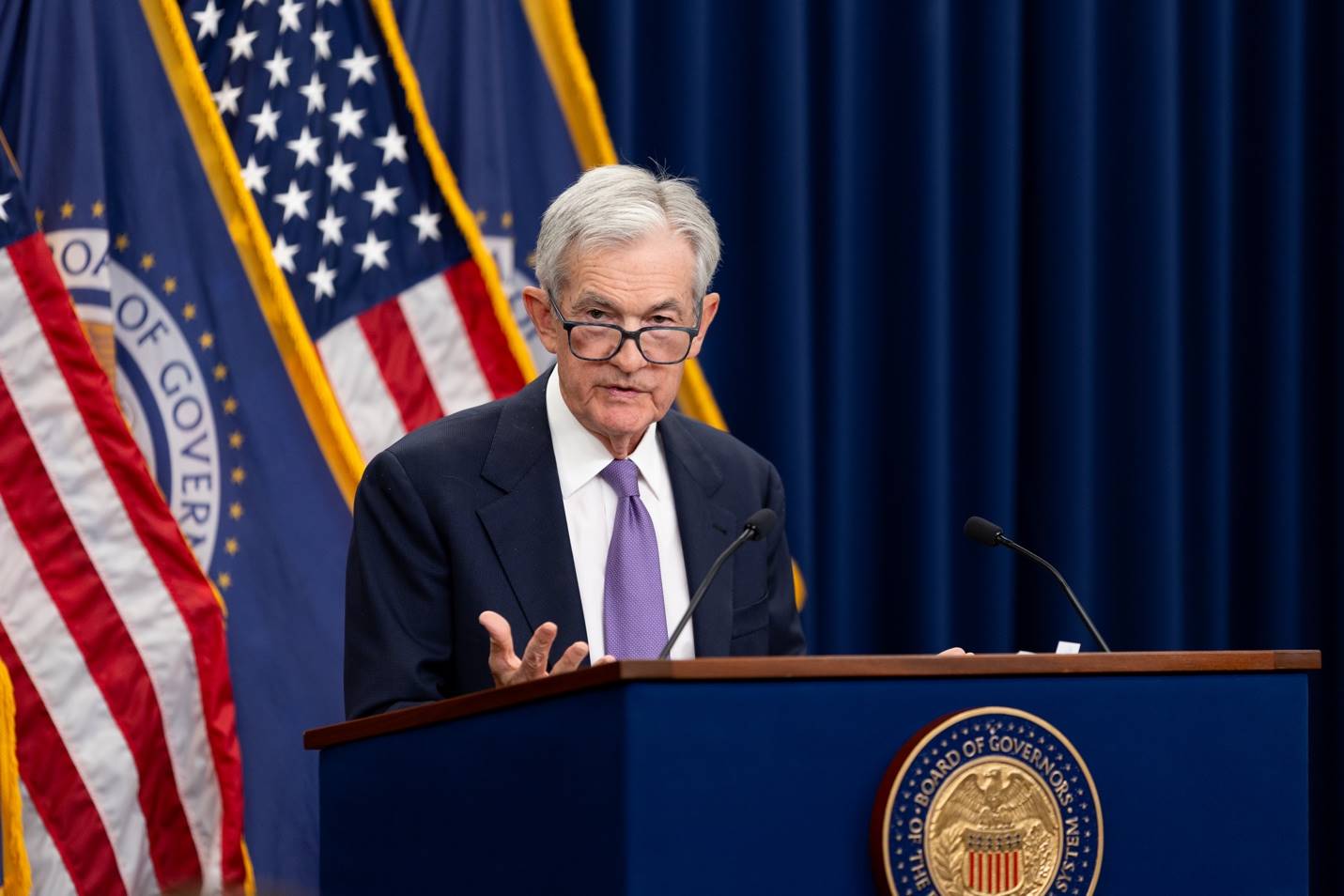
On December 11, the Federal Reserve announced a 25 basis point rate cut as expected. On the surface, this decision was highly consistent with market expectations and was even interpreted as a signal of a shift toward monetary easing. However, the market reaction quickly turned cold, with U.S. stocks and crypto assets falling simultaneously and risk appetite contracting significantly. This seemingly counterintuitive movement actually reveals a key fact in the current macro environment: a rate cut itself does not equate to liquidity easing. During this super central bank week, the message conveyed by the Fed was not "re-flooding the market with liquidity" but rather a clear constraint on future policy space. From a policy detail perspective, the changes in the dot plot had a substantive impact on market expectations. The latest projections indicate that the Fed may only implement one rate cut in 2026, significantly lower than the market's previously priced path of 2 to 3 cuts. More importantly, in the voting structure of this meeting, 3 out of 12 voting members explicitly opposed the rate cut, with 2 advocating for keeping rates unchanged. This divergence is not marginal noise but clearly indicates that the Fed's internal vigilance toward inflation risks is far higher than the market previously understood. In other words, the current rate cut is not the start of an easing cycle but rather a technical adjustment to prevent financial conditions from tightening excessively in a high-interest-rate environment.
For this reason, what the market truly anticipates is not a "one-time rate cut" but a clear, sustainable, and forward-looking easing path. The pricing logic of risk assets relies not on the absolute level of current interest rates but on the discounting of future liquidity conditions. When investors realize that this rate cut does not open new easing space but may instead lock in future policy flexibility prematurely, the original optimistic expectations are quickly corrected. The signal sent by the Fed resembles a "painkiller," temporarily alleviating tension but not changing the underlying issue; meanwhile, the restrained stance revealed in the forward guidance forces the market to reassess future risk premiums. In this context, the rate cut has instead become a classic case of "buy the rumor, sell the news." Long positions built around easing expectations began to unwind, with high-valuation assets bearing the brunt. Growth and high-beta sectors in U.S. stocks were the first to come under pressure, and the crypto market was no exception. The pullback in Bitcoin and other major crypto assets was not due to a single negative factor but rather a passive reaction to the reality that "liquidity will not return quickly." When futures basis converges, marginal ETF buying weakens, and overall risk appetite declines, prices naturally gravitate toward a more conservative equilibrium. A deeper change is reflected in the shift in the U.S. economic risk structure. A growing body of research suggests that the core risk facing the U.S. economy in 2026 may no longer be a traditional cyclical recession but rather a demand-side contraction directly triggered by a significant correction in asset prices. Post-pandemic, the U.S. has seen an "excess retirement" cohort of approximately 2.5 million people, whose wealth is highly dependent on stock market and risk asset performance, creating a highly correlated联动 relationship between their consumption behavior and asset prices. If the stock market or other risk assets experience a sustained decline, the consumption capacity of this group will contract simultaneously, forming a negative feedback loop for the overall economy. In this economic structure, the Fed's policy options are further constrained. On one hand, stubborn inflationary pressures persist, and premature or excessive easing could reignite price increases; on the other hand, if financial conditions continue to tighten and asset prices experience a systemic correction, it could quickly transmit to the real economy through wealth effects, triggering a demand slump. The Fed is thus caught in an extremely complex dilemma: continuing to suppress inflation forcefully could trigger an asset price collapse, while tolerating higher inflation levels could help maintain financial stability and asset prices.

More and more market participants are beginning to accept the judgment that in future policy games, the Fed is more likely to choose to "protect the market" over "protecting inflation" at critical moments. This implies that the long-term inflation center may shift upward, but short-term liquidity releases will be more cautious and intermittent rather than forming a sustained wave of easing. For risk assets, this is an unfriendly environment—the pace of interest rate decline is insufficient to support valuations, while liquidity uncertainty persists. It is against this macro backdrop that the impact of this super central bank week extends far beyond a single 25 basis point rate cut. It marks a further correction in market expectations of the "unlimited liquidity era" and sets the stage for the subsequent Bank of Japan rate hike and year-end liquidity contraction. For the crypto market, this is not the end of the trend but a critical phase where risks must be recalibrated and macro constraints must be re-understood.

II. Bank of Japan Rate Hike: The True "Liquidity Bomb Disposer"

If the Fed's role during the super central bank week was to disappoint and correct market expectations for "future liquidity," then the action the Bank of Japan is about to take on December 19 is closer to a "bomb disposal operation" directly acting on the底层 foundation of the global financial structure. The market's probability of expecting a 25 basis point rate hike by the BOJ, raising the policy rate from 0.50% to 0.75%, is now close to 90%. This seemingly modest adjustment意味着 Japan will push its policy rate to its highest level in three decades. The key issue lies not in the absolute value of the rate itself but in the chain reaction this change causes to the operational logic of global capital. For a long time, Japan has been the most important and stable source of low-cost financing in the global financial system. Once this premise is broken, its impact will far exceed the domestic Japanese market.
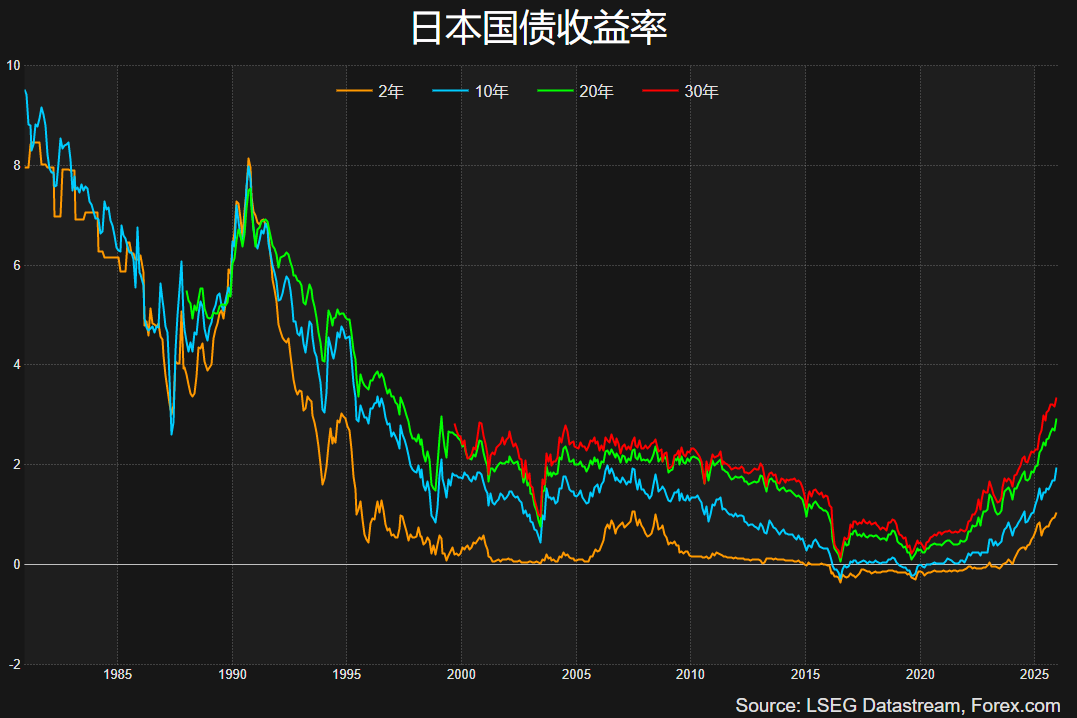
Over the past decade-plus, global capital markets have gradually formed an almost默认 structural consensus: the yen is a "permanent low-cost currency." Supported by long-term ultra-loose policies, institutional investors could borrow yen at near-zero or even negative costs, convert it into U.S. dollars or other high-yielding currencies, and allocate to U.S. stocks, crypto assets, emerging market bonds, and various risk assets. This model evolved from short-term arbitrage into a long-term capital structure worth trillions of dollars, deeply embedded in the global asset pricing system. Because of its long duration and high stability, the yen carry trade gradually shifted from a "strategy" to a "background assumption," rarely priced by the market as a core risk variable. However, once the BOJ clearly enters a rate-hiking channel, this assumption is forced to be reassessed. The impact of a rate hike extends beyond the marginal increase in financing costs; more importantly, it changes market expectations regarding the long-term direction of the yen exchange rate. When policy rates rise, and inflation and wage structures change, the yen is no longer just a passively depreciating funding currency but may transform into an asset with appreciation potential. Under such expectations, the logic of the carry trade is fundamentally disrupted. Capital flows originally centered on "interest rate differentials" begin to incorporate considerations of "exchange rate risk," rapidly deteriorating the risk-reward ratio for capital.

In this situation, the choices facing carry trade capital are not complex but highly destructive: either close positions early to reduce yen liability exposure or passively endure the dual pressure of exchange rate and interest rate squeezes. For large-scale, highly leveraged capital, the former is often the only viable path. The specific method of closing positions is also极其 direct—selling the held risk assets, converting back to yen, and using the proceeds to repay financing. This process does not distinguish between asset quality, fundamentals, or long-term prospects but has the sole goal of reducing overall exposure, thus exhibiting明显的 "indiscriminate selling" characteristics. U.S. stocks, crypto assets, and emerging market assets often come under pressure simultaneously, forming highly correlated declines. History has repeatedly verified the existence of this mechanism. In August 2025, the BOJ unexpectedly raised its policy rate to 0.25%, a move not traditionally considered aggressive, yet it triggered a剧烈 reaction in global markets. Bitcoin fell 18% in a single day, multiple categories of risk assets came under simultaneous pressure, and the market took nearly three weeks to gradually complete the repair. The reason that shock was so severe was precisely because the rate hike came suddenly, forcing carry trade capital to deleverage rapidly without preparation. The upcoming December 19 meeting, however, differs from that "black swan" event, resembling more a "gray rhino" whose tracks have been revealed in advance. The market already has some expectation of a rate hike, but expectation itself does not mean the risk has been fully digested, especially given the larger magnitude of the hike and its overlap with other macro uncertainties.

More notably, the macro environment in which this BOJ rate hike is occurring is more complex than in the past. Policies of major global central banks are diverging: the Fed is cutting rates nominally but tightening future easing space in terms of expectations; the ECB and BOE are relatively cautious; while the BOJ is becoming one of the few major economies explicitly tightening policy. This policy divergence will exacerbate the volatility of cross-currency capital flows, making the unwinding of carry trades not a one-time event but potentially an evolving process of phased, repeated occurrences. For crypto markets highly dependent on global liquidity, the persistent existence of this uncertainty means the center of price volatility may remain at a relatively high level for some time. Therefore, the BOJ's rate hike on December 19 is not merely a regional monetary policy adjustment but a critical node that could trigger a rebalancing of the global capital structure. What it "disposes of" is not the risk of a single market but the long-accumulated assumption of low-cost leverage embedded in the global financial system. In this process, crypto assets often bear the brunt of the impact due to their high liquidity and high-beta attributes. This impact does not necessarily imply a reversal of the long-term trend but is almost certain to amplify volatility, depress risk appetite in the short term, and force the market to re-examine the capital logic taken for granted over many years.

III. The Christmas Holiday Season: The Underestimated "Liquidity Amplifier"

Starting December 23, major North American institutional investors gradually enter the Christmas holiday mode, and global financial markets随之 enter the most typical, yet most easily underestimated, phase of liquidity contraction of the year. Unlike macro data or central bank decisions, the holiday does not change any fundamental variables but significantly削弱 the market's "absorption capacity" for shocks in a short period. For markets like crypto assets, which highly rely on continuous trading and market maker depth, this structural decline in liquidity is often more damaging than a single negative event itself. In a normal trading environment, the market has sufficient counterparties and risk-bearing capacity. A large number of market makers, arbitrage funds, and institutional investors continuously provide two-way liquidity, allowing selling pressure to be dispersed, delayed, or even hedged.

More alarmingly, the Christmas holiday does not occur in isolation but恰好 overlaps with the current集中 release of a series of macro uncertainties. The "dovish cut but hawkish stance" signal released by the Fed during the super central bank week has significantly tightened market expectations for future liquidity; meanwhile, the upcoming rate hike decision by the BOJ on December 19 is shaking the long-standing capital structure of the global yen carry trade. Under normal circumstances, these two types of macro shocks can be gradually digested by the market over a longer period, with prices completing repricing through repeated博弈. But when they恰好 occur during the Christmas holiday window, the period of weakest liquidity, their impact is no longer linear but exhibits a明显的 amplification effect. The essence of this amplification effect is not panic sentiment itself but a change in market mechanisms. Insufficient liquidity means the price discovery process is compressed; the market cannot gradually absorb information through continuous trading but is forced to complete adjustments through more drastic price jumps. For the crypto market, declines in such an environment often do not require new major negatives; merely the集中 release of existing uncertainties is enough to trigger a chain reaction: price drops trigger passive liquidations of leveraged positions, passive liquidations further increase selling pressure, selling pressure is rapidly amplified in shallow order books, ultimately forming剧烈 volatility within a short time. Historical data shows this pattern is not an exception. Whether in Bitcoin's early cycles or in the more mature stages of recent years, the period from late December to early January has always been a time when crypto market volatility is significantly higher than the annual average. Even in years with relatively stable macro environments, holiday liquidity declines are often accompanied by rapid price surges or plunges; in years with inherently high macro uncertainty, this time window is more likely to become an "accelerator" for trend movements. In other words, the holiday does not determine the direction but greatly amplifies the price performance once the direction is confirmed.

IV. Conclusion

In summary, the current pullback in the crypto market is closer to a phased repricing triggered by changes in the global liquidity path, rather than a simple reversal of a trend行情. The Fed's rate cut did not provide new valuation support for risk assets; on the contrary, its restrictions on future easing space in the forward guidance have led the market to gradually accept a new environment of "falling interest rates but insufficient liquidity." In this context, high-valuation and high-leverage assets naturally face pressure, and the adjustment in the crypto market has a clear macro logical basis.

Simultaneously, the BOJ's rate hike constitutes the most structurally significant variable in this adjustment round. The yen's long-standing role as the core funding currency for global carry trades means that once its low-cost assumption is broken, it triggers not just localized capital flows but a systemic contraction of global risk asset exposure. Historical experience shows that such adjustments are often phased and repetitive; their impact is not fully released in a single trading day but is gradually completed through sustained volatility in a deleveraging process. Crypto assets, due to their high liquidity and high-beta attributes, often reflect this pressure first, but this does not necessarily mean their long-term logic is negated.

For investors, the core challenge in this phase is not judging direction but recognizing environmental changes. When policy uncertainty and liquidity contraction coexist, the importance of risk management significantly outweighs trend judgment. Truly valuable market signals often emerge after macro variables gradually materialize and carry trade funds complete their phased adjustments. For the crypto market, the current period更像是一个过渡期 for recalibrating risks and rebuilding expectations, rather than the final chapter of the行情. The medium-term direction of future prices will depend on the actual recovery of global liquidity after the holiday season ends and whether the policy stance among major central banks diverges further.


Preguntas relacionadas

QWhat are the three key macro factors identified in the report that are causing structural adjustments in the crypto market?

AThe three key macro factors are: 1) The Federal Reserve's interest rate cut, which did not signal a clear easing cycle but instead showed restraint on future liquidity; 2) The upcoming interest rate hike by the Bank of Japan, which threatens the long-standing yen carry trade structure; 3) The liquidity contraction during the Christmas holiday period, which reduces the market's ability to absorb these macro shocks and amplifies price volatility.

QWhy did the crypto market react negatively to the Fed's rate cut, even though a cut is typically seen as positive for risk assets?

AThe market reacted negatively because the Fed's accompanying forward guidance, particularly the dot plot and voting structure, signaled a restrained approach to future liquidity. This corrected the expectation of 'sustained easing' and indicated that the cut was a technical adjustment rather than the start of a new easing cycle. This led to a reassessment of future risk premiums, causing a 'sell the news' event where long positions built on easing expectations were unwound.

QHow does the Bank of Japan's potential rate hike impact global financial markets, particularly crypto assets?

AA BoJ rate hike challenges the long-held assumption of the yen being a permanent low-cost funding currency. This disrupts the massive yen carry trade, where investors borrow cheap yen to invest in higher-yielding risk assets like crypto. An expected hike prompts these investors to unwind their leveraged positions by selling their risk assets (including crypto) to buy back yen and repay their loans. This creates a phase of synchronized, non-discriminatory selling pressure across global risk assets.

QWhat role does the Christmas holiday period play in amplifying market volatility according to the report?

AThe Christmas holiday period acts as a 'liquidity amplifier'. As major North American institutional investors go on holiday, market liquidity and depth significantly contract. This reduced 'shock absorption capacity' means that any existing macro shocks (like the Fed's signals or BoJ's actions) are not digested gradually through continuous trading but are instead forced through rapid, sharp price movements. This environment also makes the market more vulnerable to cascading liquidations from leveraged positions.

QWhat is the report's overall conclusion on the nature of the current crypto market correction and the key challenge for investors?

AThe report concludes that the current correction is a phase of repricing triggered by changes in the global liquidity path, not a simple reversal of the long-term trend. The key challenge for investors is not necessarily predicting the market's direction, but rather recognizing the changed environment. In this period of high policy uncertainty and liquidity contraction, risk management becomes significantly more important than trend forecasting. The market is in a transitional phase of recalibrating risks and rebuilding expectations.

Lecturas Relacionadas

Trading

Spot
Futuros

Artículos destacados

Qué es $S$

Entendiendo SPERO: Una Visión General Completa Introducción a SPERO A medida que el panorama de la innovación continúa evolucionando, la aparición de tecnologías web3 y proyectos de criptomonedas juega un papel fundamental en la configuración del futuro digital. Un proyecto que ha atraído la atención en este campo dinámico es SPERO, denotado como SPERO,$$s$. Este artículo tiene como objetivo reunir y presentar información detallada sobre SPERO, para ayudar a entusiastas e inversores a comprender sus fundamentos, objetivos e innovaciones dentro de los dominios web3 y cripto. ¿Qué es SPERO,$$s$? SPERO,$$s$ es un proyecto único dentro del espacio cripto que busca aprovechar los principios de descentralización y tecnología blockchain para crear un ecosistema que promueva la participación, la utilidad y la inclusión financiera. El proyecto está diseñado para facilitar interacciones de igual a igual de nuevas maneras, proporcionando a los usuarios soluciones y servicios financieros innovadores. En su esencia, SPERO,$$s$ tiene como objetivo empoderar a los individuos al proporcionar herramientas y plataformas que mejoren la experiencia del usuario en el espacio de las criptomonedas. Esto incluye habilitar métodos de transacción más flexibles, fomentar iniciativas impulsadas por la comunidad y crear caminos para oportunidades financieras a través de aplicaciones descentralizadas (dApps). La visión subyacente de SPERO,$$s$ gira en torno a la inclusividad, buscando cerrar brechas dentro de las finanzas tradicionales mientras aprovecha los beneficios de la tecnología blockchain. ¿Quién es el Creador de SPERO,$$s$? La identidad del creador de SPERO,$$s$ sigue siendo algo oscura, ya que hay recursos públicos limitados que proporcionan información de fondo detallada sobre su(s) fundador(es). Esta falta de transparencia puede derivarse del compromiso del proyecto con la descentralización, una ética que muchos proyectos web3 comparten, priorizando las contribuciones colectivas sobre el reconocimiento individual. Al centrar las discusiones en torno a la comunidad y sus objetivos colectivos, SPERO,$$s$ encarna la esencia del empoderamiento sin señalar a individuos específicos. Como tal, comprender la ética y la misión de SPERO sigue siendo más importante que identificar a un creador singular. ¿Quiénes son los Inversores de SPERO,$$s$? SPERO,$$s$ cuenta con el apoyo de una diversa gama de inversores que van desde capitalistas de riesgo hasta inversores ángeles dedicados a fomentar la innovación en el sector cripto. El enfoque de estos inversores generalmente se alinea con la misión de SPERO, priorizando proyectos que prometen avances tecnológicos sociales, inclusión financiera y gobernanza descentralizada. Estas fundaciones de inversores suelen estar interesadas en proyectos que no solo ofrecen productos innovadores, sino que también contribuyen positivamente a la comunidad blockchain y sus ecosistemas. El respaldo de estos inversores refuerza a SPERO,$$s$ como un contendiente notable en el dominio de proyectos cripto que evoluciona rápidamente. ¿Cómo Funciona SPERO,$$s$? SPERO,$$s$ emplea un marco multifacético que lo distingue de los proyectos de criptomonedas convencionales. Aquí hay algunas de las características clave que subrayan su singularidad e innovación: Gobernanza Descentralizada: SPERO,$$s$ integra modelos de gobernanza descentralizada, empoderando a los usuarios para participar activamente en los procesos de toma de decisiones sobre el futuro del proyecto. Este enfoque fomenta un sentido de propiedad y responsabilidad entre los miembros de la comunidad. Utilidad del Token: SPERO,$$s$ utiliza su propio token de criptomoneda, diseñado para servir diversas funciones dentro del ecosistema. Estos tokens permiten transacciones, recompensas y la facilitación de servicios ofrecidos en la plataforma, mejorando la participación y la utilidad general. Arquitectura en Capas: La arquitectura técnica de SPERO,$$s$ apoya la modularidad y escalabilidad, permitiendo la integración fluida de características y aplicaciones adicionales a medida que el proyecto evoluciona. Esta adaptabilidad es fundamental para mantener la relevancia en el cambiante paisaje cripto. Participación de la Comunidad: El proyecto enfatiza iniciativas impulsadas por la comunidad, empleando mecanismos que incentivan la colaboración y la retroalimentación. Al nutrir una comunidad sólida, SPERO,$$s$ puede abordar mejor las necesidades de los usuarios y adaptarse a las tendencias del mercado. Enfoque en la Inclusión: Al ofrecer tarifas de transacción bajas e interfaces amigables para el usuario, SPERO,$$s$ busca atraer a una base de usuarios diversa, incluyendo a individuos que anteriormente pueden no haber participado en el espacio cripto. Este compromiso con la inclusión se alinea con su misión general de empoderamiento a través de la accesibilidad. Cronología de SPERO,$$s$ Entender la historia de un proyecto proporciona información crucial sobre su trayectoria de desarrollo y hitos. A continuación se presenta una cronología sugerida que mapea eventos significativos en la evolución de SPERO,$$s$: Fase de Conceptualización e Ideación: Las ideas iniciales que forman la base de SPERO,$$s$ fueron concebidas, alineándose estrechamente con los principios de descentralización y enfoque comunitario dentro de la industria blockchain. Lanzamiento del Whitepaper del Proyecto: Tras la fase conceptual, se lanzó un whitepaper completo que detalla la visión, los objetivos y la infraestructura tecnológica de SPERO,$$s$ para generar interés y retroalimentación de la comunidad. Construcción de Comunidad y Primeras Interacciones: Se realizaron esfuerzos de divulgación activa para construir una comunidad de primeros adoptantes y posibles inversores, facilitando discusiones en torno a los objetivos del proyecto y obteniendo apoyo. Evento de Generación de Tokens: SPERO,$$s$ llevó a cabo un evento de generación de tokens (TGE) para distribuir sus tokens nativos a los primeros seguidores y establecer liquidez inicial dentro del ecosistema. Lanzamiento de la dApp Inicial: La primera aplicación descentralizada (dApp) asociada con SPERO,$$s$ se puso en marcha, permitiendo a los usuarios interactuar con las funcionalidades centrales de la plataforma. Desarrollo Continuo y Alianzas: Actualizaciones y mejoras continuas a las ofertas del proyecto, incluyendo alianzas estratégicas con otros actores en el espacio blockchain, han moldeado a SPERO,$$s$ en un jugador competitivo y en evolución en el mercado cripto. Conclusión SPERO,$$s$ se erige como un testimonio del potencial de web3 y las criptomonedas para revolucionar los sistemas financieros y empoderar a los individuos. Con un compromiso con la gobernanza descentralizada, la participación comunitaria y funcionalidades diseñadas de manera innovadora, allana el camino hacia un paisaje financiero más inclusivo. Como con cualquier inversión en el espacio cripto que evoluciona rápidamente, se anima a los posibles inversores y usuarios a investigar a fondo y participar de manera reflexiva con los desarrollos en curso dentro de SPERO,$$s$. El proyecto muestra el espíritu innovador de la industria cripto, invitando a una mayor exploración de sus innumerables posibilidades. Mientras el viaje de SPERO,$$s$ aún se desarrolla, sus principios fundamentales pueden, de hecho, influir en el futuro de cómo interactuamos con la tecnología, las finanzas y entre nosotros en ecosistemas digitales interconectados.

72 Vistas totalesPublicado en 2024.12.17Actualizado en 2024.12.17

Qué es $S$

Qué es AGENT S

Agent S: El Futuro de la Interacción Autónoma en Web3 Introducción En el paisaje en constante evolución de Web3 y las criptomonedas, las innovaciones están redefiniendo constantemente cómo los individuos interactúan con las plataformas digitales. Uno de estos proyectos pioneros, Agent S, promete revolucionar la interacción humano-computadora a través de su marco agente abierto. Al allanar el camino para interacciones autónomas, Agent S busca simplificar tareas complejas, ofreciendo aplicaciones transformadoras en inteligencia artificial (IA). Esta exploración detallada profundizará en las complejidades del proyecto, sus características únicas y las implicaciones para el dominio de las criptomonedas. ¿Qué es Agent S? Agent S se presenta como un marco agente abierto innovador, diseñado específicamente para abordar tres desafíos fundamentales en la automatización de tareas informáticas: Adquisición de Conocimiento Específico del Dominio: El marco aprende inteligentemente de diversas fuentes de conocimiento externas y experiencias internas. Este enfoque dual le permite construir un rico repositorio de conocimiento específico del dominio, mejorando su rendimiento en la ejecución de tareas. Planificación a Largo Plazo de Tareas: Agent S emplea planificación jerárquica aumentada por la experiencia, un enfoque estratégico que facilita la descomposición y ejecución eficiente de tareas complejas. Esta característica mejora significativamente su capacidad para gestionar múltiples subtareas de manera eficiente y efectiva. Manejo de Interfaces Dinámicas y No Uniformes: El proyecto introduce la Interfaz Agente-Computadora (ACI), una solución innovadora que mejora la interacción entre agentes y usuarios. Utilizando Modelos de Lenguaje Multimodal de Gran Escala (MLLMs), Agent S puede navegar y manipular diversas interfaces gráficas de usuario sin problemas. A través de estas características pioneras, Agent S proporciona un marco robusto que aborda las complejidades involucradas en la automatización de la interacción humana con las máquinas, preparando el terreno para una multitud de aplicaciones en IA y más allá. ¿Quién es el Creador de Agent S? Si bien el concepto de Agent S es fundamentalmente innovador, la información específica sobre su creador sigue siendo elusiva. El creador es actualmente desconocido, lo que resalta ya sea la etapa incipiente del proyecto o la elección estratégica de mantener a los miembros fundadores en el anonimato. Independientemente de la anonimidad, el enfoque sigue siendo en las capacidades y el potencial del marco. ¿Quiénes son los Inversores de Agent S? Dado que Agent S es relativamente nuevo en el ecosistema criptográfico, la información detallada sobre sus inversores y patrocinadores financieros no está documentada explícitamente. La falta de información disponible públicamente sobre las bases de inversión u organizaciones que apoyan el proyecto plantea preguntas sobre su estructura de financiamiento y hoja de ruta de desarrollo. Comprender el respaldo es crucial para evaluar la sostenibilidad del proyecto y su posible impacto en el mercado. ¿Cómo Funciona Agent S? En el núcleo de Agent S se encuentra una tecnología de vanguardia que le permite funcionar de manera efectiva en diversos entornos. Su modelo operativo se basa en varias características clave: Interacción Humano-Computadora Similar a la Humana: El marco ofrece planificación avanzada de IA, esforzándose por hacer que las interacciones con las computadoras sean más intuitivas. Al imitar el comportamiento humano en la ejecución de tareas, promete elevar las experiencias de los usuarios. Memoria Narrativa: Empleada para aprovechar experiencias de alto nivel, Agent S utiliza memoria narrativa para hacer un seguimiento de las historias de tareas, mejorando así sus procesos de toma de decisiones. Memoria Episódica: Esta característica proporciona a los usuarios una guía paso a paso, permitiendo que el marco ofrezca apoyo contextual a medida que se desarrollan las tareas. Soporte para OpenACI: Con la capacidad de ejecutarse localmente, Agent S permite a los usuarios mantener el control sobre sus interacciones y flujos de trabajo, alineándose con la ética descentralizada de Web3. Fácil Integración con APIs Externas: Su versatilidad y compatibilidad con varias plataformas de IA aseguran que Agent S pueda encajar sin problemas en ecosistemas tecnológicos existentes, convirtiéndolo en una opción atractiva para desarrolladores y organizaciones. Estas funcionalidades contribuyen colectivamente a la posición única de Agent S dentro del espacio cripto, ya que automatiza tareas complejas y de múltiples pasos con una intervención humana mínima. A medida que el proyecto evoluciona, sus posibles aplicaciones en Web3 podrían redefinir cómo se desarrollan las interacciones digitales. Cronología de Agent S El desarrollo y los hitos de Agent S pueden encapsularse en una cronología que resalta sus eventos significativos: 27 de septiembre de 2024: El concepto de Agent S fue lanzado en un documento de investigación integral titulado “Un Marco Agente Abierto que Usa Computadoras Como un Humano”, mostrando las bases del proyecto. 10 de octubre de 2024: El documento de investigación fue puesto a disposición del público en arXiv, ofreciendo una exploración profunda del marco y su evaluación de rendimiento basada en el benchmark OSWorld. 12 de octubre de 2024: Se lanzó una presentación en video, proporcionando una visión visual de las capacidades y características de Agent S, involucrando aún más a posibles usuarios e inversores. Estos marcadores en la cronología no solo ilustran el progreso de Agent S, sino que también indican su compromiso con la transparencia y la participación comunitaria. Puntos Clave Sobre Agent S A medida que el marco Agent S continúa evolucionando, varios atributos clave destacan, subrayando su naturaleza innovadora y potencial: Marco Innovador: Diseñado para proporcionar un uso intuitivo de las computadoras similar a la interacción humana, Agent S aporta un enfoque novedoso a la automatización de tareas. Interacción Autónoma: La capacidad de interactuar de manera autónoma con las computadoras a través de GUI significa un salto hacia soluciones informáticas más inteligentes y eficientes. Automatización de Tareas Complejas: Con su metodología robusta, puede automatizar tareas complejas y de múltiples pasos, haciendo que los procesos sean más rápidos y menos propensos a errores. Mejora Continua: Los mecanismos de aprendizaje permiten a Agent S mejorar a partir de experiencias pasadas, mejorando continuamente su rendimiento y eficacia. Versatilidad: Su adaptabilidad en diferentes entornos operativos como OSWorld y WindowsAgentArena asegura que pueda servir a una amplia gama de aplicaciones. A medida que Agent S se posiciona en el paisaje de Web3 y criptomonedas, su potencial para mejorar las capacidades de interacción y automatizar procesos significa un avance significativo en las tecnologías de IA. A través de su marco innovador, Agent S ejemplifica el futuro de las interacciones digitales, prometiendo una experiencia más fluida y eficiente para los usuarios en diversas industrias. Conclusión Agent S representa un audaz avance en la unión de la IA y Web3, con la capacidad de redefinir cómo interactuamos con la tecnología. Aunque aún se encuentra en sus primeras etapas, las posibilidades para su aplicación son vastas y atractivas. A través de su marco integral que aborda desafíos críticos, Agent S busca llevar las interacciones autónomas al primer plano de la experiencia digital. A medida que nos adentramos más en los reinos de las criptomonedas y la descentralización, proyectos como Agent S sin duda desempeñarán un papel crucial en la configuración del futuro de la tecnología y la colaboración humano-computadora.

364 Vistas totalesPublicado en 2025.01.14Actualizado en 2025.01.14

Qué es AGENT S

Cómo comprar S

¡Bienvenido a HTX.com! Hemos hecho que comprar Sonic (S) sea simple y conveniente. Sigue nuestra guía paso a paso para iniciar tu viaje de criptos.Paso 1: crea tu cuenta HTXUtiliza tu correo electrónico o número de teléfono para registrarte y obtener una cuenta gratuita en HTX. Experimenta un proceso de registro sin complicaciones y desbloquea todas las funciones.Obtener mi cuentaPaso 2: ve a Comprar cripto y elige tu método de pagoTarjeta de crédito/débito: usa tu Visa o Mastercard para comprar Sonic (S) al instante.Saldo: utiliza fondos del saldo de tu cuenta HTX para tradear sin problemas.Terceros: hemos agregado métodos de pago populares como Google Pay y Apple Pay para mejorar la comodidad.P2P: tradear directamente con otros usuarios en HTX.Over-the-Counter (OTC): ofrecemos servicios personalizados y tipos de cambio competitivos para los traders.Paso 3: guarda tu Sonic (S)Después de comprar tu Sonic (S), guárdalo en tu cuenta HTX. Alternativamente, puedes enviarlo a otro lugar mediante transferencia blockchain o utilizarlo para tradear otras criptomonedas.Paso 4: tradear Sonic (S)Tradear fácilmente con Sonic (S) en HTX's mercado spot. Simplemente accede a tu cuenta, selecciona tu par de trading, ejecuta tus trades y monitorea en tiempo real. Ofrecemos una experiencia fácil de usar tanto para principiantes como para traders experimentados.

781 Vistas totalesPublicado en 2025.01.15Actualizado en 2025.03.21

Cómo comprar S

Discusiones

Bienvenido a la comunidad de HTX. Aquí puedes mantenerte informado sobre los últimos desarrollos de la plataforma y acceder a análisis profesionales del mercado. A continuación se presentan las opiniones de los usuarios sobre el precio de S (S).

活动图片













