How to Adapt to Frequent Miraculous Comebacks After the New Patch When Trading in Polymarket's LOL Section?

Odaily星球日报Publicado a 2026-08-12Actualizado a 2026-08-12

Resumen

After recent League of Legends (LoL) game updates, major comebacks and unpredictable outcomes have become more frequent, making trading on Polymarket's LoL prediction markets challenging. This article analyzes the causes and offers adaptation strategies. The author, a longtime LoL fan turned Polymarket trader, notes that post-update, a large early-game gold lead no longer guarantees victory. The current meta reduces the decisive weight of economy, emphasizing instead "advantage conversion, resource trading, team composition strength, and teamfight execution." Key systemic changes aiding comebacks include: Bounty/Kill Gold Compensation, Strategic Objective Bounties, and reduced Baron Nashor rewards. Furthermore, the prevalence of mage picks in the bot lane, instead of traditional marksmen (ADC), can lower sustained damage and teamfight reliability in the late game, contributing to throws. For more successful trading, the article suggests: 1. **Choosing the Right Region:** Prioritize major regions (LPL, LCK, LEC, LCS) where matches matter for World Championship qualification or player contracts, leading to more serious play. Avoid or be extremely cautious with regions like CBLOL (Brazil), TCL (Turkey), and North American Challengers, citing high volatility and potential for unreliable outcomes. 2. **Trading Strategies:** * **Placing Orders:** Use limit orders below market price for strong favorites. In close matchups, consider placing equal low-ball bids (e.g., 25-40 ...

Original | Odaily Planet Daily (@OdailyChina)

Author | CryptoLeo (@LeoAndCrypto)

As a die-hard League of Legends fan, I've spent many late nights grinding Ranked to climb the ladder. While I didn't reach a very high rank when I was younger, I did encounter many skilled players and streamers in the Canyon. Now that I'm older, I just play casual games for fun. After Polymarket went viral, I naturally shifted my focus to trading in the PM LOL section.
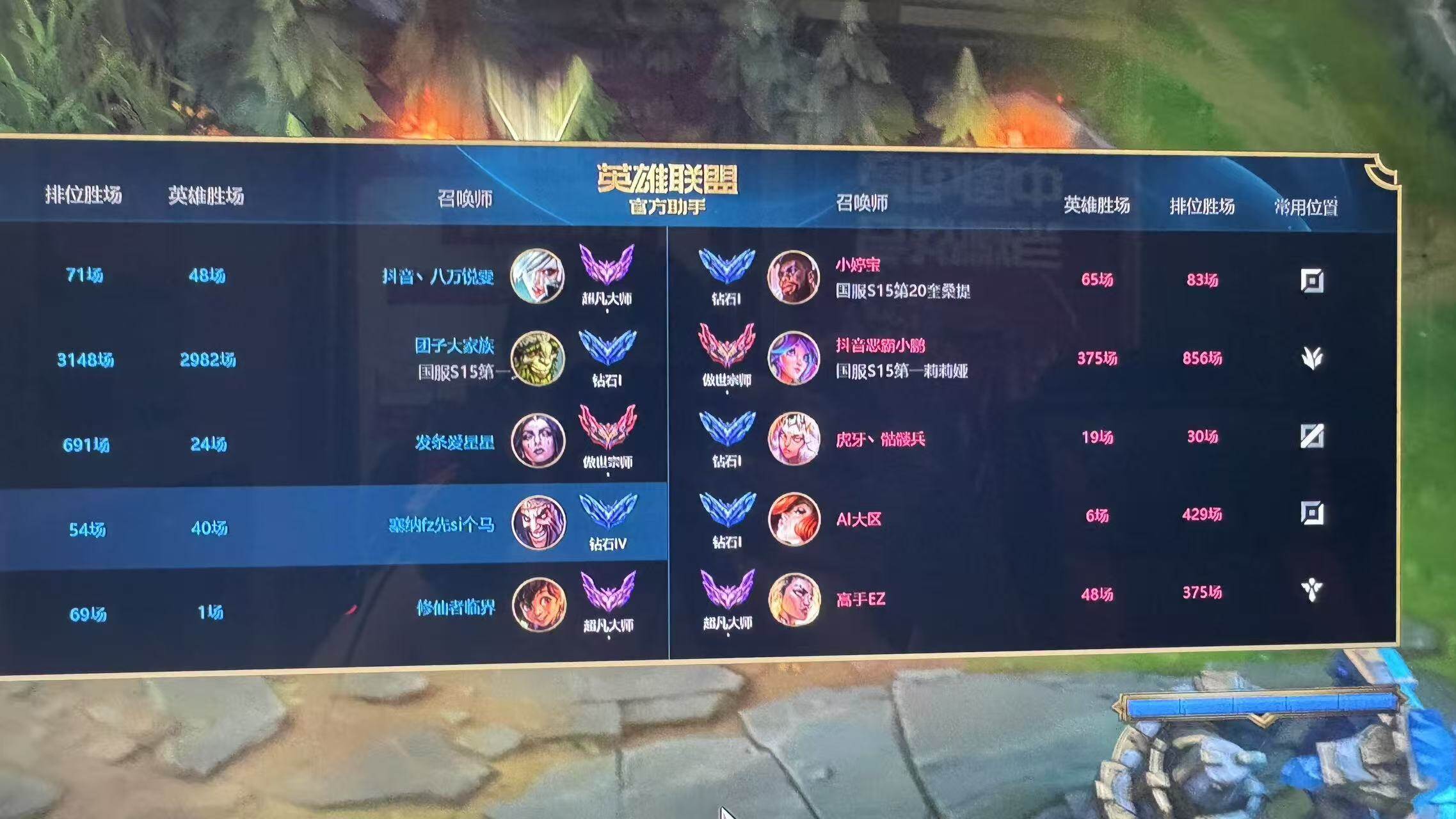
However, after the recent patch update, I feel like I know nothing about the matches anymore, and I've even started suspecting that the players are throwing games. After thinking about it carefully, it's not just me—friends who frequently trade in the Polymarket LOL section should be feeling quite 'weird/chaotic' lately. Miraculous comebacks have been occurring frequently in regions like LPL and LCK, and if you didn't sell your position on the leading side in time, your entire position could go to zero.

Therefore, I've done some research and analysis—based on this patch's ability to close out games, how can one trade LOL matches on Polymarket with a higher chance of success.

After the Patch Changes, a Significant Gold Lead Doesn't Guarantee Closing Out the Game

Recently, many League of Legends matches have seen teams lose despite having a gold lead of over 5000 in the early game, such as NIP vs IG, WE vs AL, BLG vs TES, and several matches in the LCK.

In previous League of Legends patches, teams with an early gold lead could easily 'snowball,' gaining a larger gold advantage and closing out the game effortlessly.

After the changes in this patch, the decisive weight of gold in closing out a game has decreased. The current patch emphasizes 'advantage conversion, resource trading, team composition strength, and teamfight execution' more than simply the early-game gold numbers.

Advantage conversion refers to a team turning a gold lead into pushing towers, securing kills, and taking objectives (Herald, Voidgrubs, Dragons, Baron, etc.);

Resource trading means a team makes decisions to compensate for resources they give up by securing other resources;

League of Legends champions are categorized as early-game or late-game champions. Early-game champions excel in early teamfights but become less effective later, while late-game champions are weak early but often decide the game's outcome in late-game teamfights. This has a decisive impact on overall team composition and strategy. A team with an early-game composition must end quickly, otherwise, there's a high probability of being overturned. A team with a late-game composition will usually win if the game goes late;

Teamfight execution involves preparation before fights, vision control, champion positioning, etc., all of which have a significant impact. A single operational mistake by someone can trigger a chain reaction leading to a major disadvantage.

The League of Legends system mechanics also give the disadvantaged side significant opportunities:

1. Bounty Shutdown Compensation: When a core champion from the leading team is killed, it grants the trailing team a large bonus bounty and experience, potentially instantly reducing the gold gap by a thousand or more;

2. Objective Bounties: The trailing team receives extra gold and experience compensation for destroying key objectives like turrets, dragons, and Baron, helping them catch up;

3. Baron Buff Nerf: The rewards for killing Baron have been reduced in the current patch, emphasizing the conversion of secured objectives into tower pushes and map control.

Many recent comebacks also stem from the fact that the current meta's bot lane choices are no longer traditional marksmen (ADC) but mages. Compared to marksmen, many mage-type heroes cannot achieve sustained damage output in teamfights and have lower fault tolerance, which is a factor in some teams losing their early leads and being overturned late game recently.

In summary: Previous patches were more about 'securing objectives to snowball.' The leading team could easily end the game by controlling key targets. The current patch relies more on mid-to-late-game decision quality than early-game gold differentials. The leading team pushes towers, controls vision, secures objectives, and avoids giving shutdowns. The trailing team stabilizes farm, looks for pick opportunities, and contests key objectives. In actual matches, execution and team composition synergy often determine the final outcome more than pure gold numbers. This is the fundamental reason for the frequent skirmishes, upsets, and difficulty in converting early advantages into victories in the current patch.

What Strategies Are Better

Based on my months of experience on PM, let me first introduce the matches I often play and the regions I suggest avoiding. We are now in the third split of the League of Legends competitive season. Many teams with a chance need points to compete for a spot in the 2026 World Championship. As long as there is a chance, these teams will strive to win their remaining matches. In terms of seriousness and the correspondence between 'strength and result,' this split might be slightly easier to predict than the first two.

For example, if a match has very low importance and doesn't affect the subsequent schedule, teams might not take it very seriously. For instance, in the recent LCK KeSPA Cup match between GENG and DNS, it was evident that the GENG players were particularly tired. They didn't need this win, so they weren't playing with full seriousness, or perhaps their desire to win was lower, leading to an upset.

One: Choosing the Right Region is Important

First, you need to choose the right matches you want to participate in. The filtering criteria are: whether it affects a team's points for qualifying for the League of Legends World Championship, whether there are substantial monetary prizes, and whether certain players need to perform well this split to secure better salaries next season.

My experience is as follows:

Major Regions: LPL, LCK, LEC, LCS, LCP, CBLOL. Prioritize LPL, LCK, LEC, LCS:

I think LPL matches are still relatively 'normal,' and particularly outrageous situations don't usually occur. Comebacks happen due to the patch and players' weak closing ability (picking an early-game composition and dragging it to late game), wasting early advantages through attempted macro play and getting overturned, or selecting poor compositions. So far, I haven't seen any LPL team clearly dominate others. Currently, BLG, TES, AL, and WE are considered strong teams, but some teams are 'godlike one game, clown-like the next';

LCK matches depend entirely on player form and drafting (champion select). Player form has a higher reference weight than draft. T1, HLE, GENG, KT, DK are still the stronger teams. You can watch the first game to assess player form and then buy/sell in the second game;

The LEC overlords are still G2 and KC. You can completely trust these two teams if they want to win;

The LCS overlord is still LYON (the kind that wins when they want to and can lose a game if they choose to). LYON's starting jungler Inspired is currently unavailable and is being replaced by a veteran player, but this likely won't significantly affect their record. The issue in the North American region is that sometimes there are teams that clearly don't want to win (intentionally picking poor compositions or not contesting objectives), requiring attention for selling;

It's advisable not to touch matches from the Brazilian region CBLOL. There's a saying, 'Brazilian stage, come if you dare.' It's so fake you'll suspect some pro players are bots. For example: Version one, a weak team gets early kills and an advantage, but once objective fights start, the strong team takes over and wins. Version two, the strong team plays well early, gets kills and objectives, but in the final teamfight, they suddenly misplay, get aced, and lose. There are many versions, so I won't list them all.

I rarely participate in the LCP region, so I won't discuss it.

For some smaller tournaments:

In LCK Challengers (CK), T1, DK, and Nongshim are the three strong teams, but T1 has a significant lead. The other two, DK and Nongshim, also 'frequently' lose to bottom-tier teams. Most CK matches are essentially a '1:1 league,' meaning in a BO3, each team wins one of the first two games (it's common for a team to seem completely uncoordinated in game one or pick champions they can't play, then become unstoppable like they're cheating in game two), with a decisive third game. My suggestion is to only play matches involving these three teams. Try to avoid the rest. If you must play, you can try entering at the lowest price betting on an upset. Also, some CK matches don't have a live stream, making prediction difficult without watching live;

In the French LFL, the top dogs are GAL and SLY. You can try playing matches involving these two teams. Among the remaining teams, the skill gap isn't huge. You might predict based on draft, but games are often lost despite having a good composition.

The German Prime League most frequently goes to a full three-game series, with the stronger team winning (if you don't know the strong/weak teams, you can judge based on the market price).

Circuito Desafiante is the Brazilian secondary league, also recommended to avoid.

Don't play the Turkish TCL. The fastest available live stream delay is over 3 minutes, making it hard to judge the outcome.

The North American Challengers league is basically hell-level difficulty; wins and losses are all about the 'script.'

Two: Trading Strategies

Before trading, you can generally analyze based on team composition and player form. Regarding composition, what's important for a team is their champion synergy: Do they have engage champions (frontline tanks with crowd control)? Do they have a sustained damage marksman? Do the damage dealers have mobility skills and space to deal damage? What is the power spike of key team champions? How is the AOE (area of effect) damage and burst of mages? Is there champion combo potential?

Assessing player form requires you to be someone who frequently watches matches and is familiar with a particular player's playstyle. This allows you to discern if their current performance differs significantly from their usual games and if they can effectively generate advantages for their team with a specific champion.

A small skirmish over an objective or one or two kills usually affects the price by 5-10 cents. My experience:

(1) Learn to Place Orders

1. For matches where you are certain one team has a significantly stronger lineup, place limit orders to buy at 5-15 cents below the market price, rather than buying at the current price. This minimizes your losses even if you're wrong;

2. For matches where the skill gap isn't that large, small reversals or major comebacks are common in this patch. A single small mistake can cause a 20-cent price swing for a team. If both teams are the type that likes to fight frequently, the prices for both sides will fluctuate considerably. Perhaps you can try placing limit orders for an equal number of shares on both sides simultaneously; as long as the total cost is below 100 cents, you profit. For example, A vs B. Team A has an early advantage, but Team B has a mid-to-late advantage. It's hard to confirm which team will close. In this case, soon after the match starts, you can place limit orders to buy 100 shares of A at 25-40 cents and 100 shares of B at 25-40 cents. Your total cost would be 50-80 cents, giving you a profit margin of 20-50 cents. If the price fluctuations are small, you might fail, but currently, for most major region matches without a huge skill gap, you can get fills for both A and B, depending on whether your bid prices are reasonable.

PS: I'm a relatively aggressive trader. I often place orders at 25 cents. Matches suitable for this strategy include CK matches (the first two games of a BO3), LFL matches (the first two games of a BO3), and German league matches (the first two games of a BO3). It's best to use this strategy in matches where the team gap isn't enormous.

3. As mentioned earlier, each team's composition has a power spike. Before this spike, they might be at a disadvantage. Once they hit their power spike, they can turn the tables. You can buy low during their weak phase and then place a sell order 20-40 cents above your purchase price, aiming for price swings rather than betting on the final outcome. Determining when a team's power spike occurs requires watching many matches to analyze.

(2) Sell in Time

Everyone has different playstyles. Some like to buy above 90 cents as a stable 'investment.' Some like to buy in the 50-80 cent range aiming for a big payout. In these cases, the selling price is extremely important.

Prediction markets are like crypto trading—the most important thing is learning to take profits (I still haven't mastered this). As mentioned, many matches see large early advantages wasted by dragging the game. If the team you favor gains an early advantage and your entry price was low, you should place sell orders in the 85-95 cent range. This is crucial. In many matches, I picked the correct early-game dominant side but often failed to sell in time, leading to a last-minute comeback and no chance to exit before my position went to zero.

My current selling habit is: For positions entered at 50-60 cents, I sell 75% at 85-90 cents. Even if the remaining 25% position goes to zero due to an upset, it's not too painful.

Another extreme method is: After buying the favored team low and selling high, immediately place an order for the opposing team (e.g., buy Team A at 30 cents, sell at 75 cents, then buy Team B at 25 cents, and finally Team B wins). This requires a zero-delay live stream and a deep understanding of the game's flow.

(3) Position Management

Learning position management is important. Don't tilt after losing a couple of matches and go all-in on the next one, as this can easily lead to a total loss. You can set a rule that the maximum amount per match does not exceed 5% or 10% of your principal. Most importantly, don't be affected by a few wins or losses. Some smaller region matches might have a day where all results are upsets (the last-place team crushing the first-place team). What you need to do most at such times is turn off the computer and find something else to do. Continuous tilt will lead to continuous losses.

Conclusion

When I started with prediction markets, it went smoothly, and I rarely lost. But recently, after the patch update, everything has become chaotic. Playing LOL predictions requires watching important matches and understanding how factors like gold, composition, team playstyle, and regional meta affect the game. This will help you quickly adapt to the patch.

The next patch update will be in August, where the influence of traditional marksmen is expected to increase. Many of the current mage bot lanes might disappear. If I have better insights for the next patch, I will promptly share them.

The above is merely my humble opinion, for reference only and not investment advice. Trading requires careful analysis and attention to risk. I also hope everyone develops their own strategies and theories to make more money. Furthermore, feel free to contact me anytime!(@LeoAndCrypto)


Criptos en tendencia

Preguntas relacionadas

QAccording to the article, what are the key factors that have made comebacks more frequent in the current version of League of Legends for prediction markets?

AThe article states that the current version has reduced the decisive weight of early-game gold leads. Key factors making comebacks more frequent include the game now emphasizing advantage conversion, resource trading, team composition strength, and teamfight execution over pure gold numbers. Systemic mechanics like bounty shutdowns and strategic point compensation also give the losing team significant opportunities to close the gap.

QWhat is the author's primary recommendation for managing risk when trading on a team that has taken an early lead?

AThe author's primary recommendation for managing risk on an early-leading team is to learn to take profits (止盈) and sell in time. Specifically, they suggest placing sell orders for a significant portion of the position (e.g., 75%) in the 85 to 90 cents range if the initial buy was around 50-60 cents. This prevents the entire position from going to zero if the team suffers a late-game comeback.

QWhich League of Legends regions does the author advise traders to be cautious about or avoid, and why?

AThe author advises being very cautious or avoiding the Brazilian CBLOL and Turkish TCL regions. For CBLOL, the matches are described as unpredictable and sometimes suspicious, with patterns that feel scripted. For TCL, the primary issue is high broadcast delay (over 3 minutes), making real-time prediction and trading very difficult. The North American Challengers league is also mentioned as being extremely difficult due to unpredictable 'scripts'.

QBesides team strength, what two main pre-game factors does the author suggest analyzing for better trade decisions?

AThe two main pre-game factors to analyze are: 1) Team composition (英雄选择), focusing on elements like engage tools, a sustained-damage ADC, the power spikes of key champions, and champion synergy/combo potential. 2) Player form/state (选手状态), which requires familiarity with a player's usual style to judge if their current performance deviates significantly.

QWhat trading strategy does the author mention for matches between two closely matched teams where the outcome is highly volatile?

AThe author suggests a strategy of simultaneously placing limit buy orders for both teams (A and B) at low prices (e.g., between 25-40 cents) at the start of the match. The goal is to acquire shares in both teams for a total cost below 100 cents (e.g., 50-80 cents total), creating a profit window of 20-50 cents regardless of which team wins, as long as the match is back-and-forth and the orders are filled. This works best in major regions where such price volatility is common.

Lecturas Relacionadas

Strong Growth, Moderate Rate Hikes, Controllable Oil Prices: The Market is Pricing a Non-existent Perfection

The global market is currently pricing in a contradictory "Goldilocks" scenario of robust growth, limited interest rate hikes, manageable energy supply shocks, and declining oil prices. Deutsche Bank strategist Henry Allen warns this leaves little room for error regarding policy, inflation, or geopolitics. While U.S. equities hit record highs and credit spreads are tight, signaling strong growth, interest rate markets price in only minimal Fed tightening ahead, despite inflation remaining above target. This combination is difficult to sustain. Historically, starting inflation levels suggest a much more aggressive Fed hiking cycle than currently anticipated, as seen in 2022. Furthermore, oil price declines contradict ongoing supply risks, with the Strait of Hormuz still disrupted. Market expectations for future supply recovery and lower prices depend on resolutions not yet achieved. Energy volatility and potential new inflationary pressures from AI-driven demand highlight persistent inflation risks. The core risk is that the multiple optimistic assumptions underpinning current asset prices fail to materialize simultaneously. Strong growth with loose financial conditions could force more aggressive Fed action, while prolonged energy disruptions could undermine disinflation. Markets have priced a near-perfect outcome with minimal margin for deviation, meaning any single factor disappointing expectations could trigger a broad repricing of growth, rates, and risk assets.

marsbitHace 3 min(s)

Strong Growth, Moderate Rate Hikes, Controllable Oil Prices: The Market is Pricing a Non-existent Perfection

marsbitHace 3 min(s)

Trading

Spot

Artículos destacados

Qué es $S$

Entendiendo SPERO: Una Visión General Completa Introducción a SPERO A medida que el panorama de la innovación continúa evolucionando, la aparición de tecnologías web3 y proyectos de criptomonedas juega un papel fundamental en la configuración del futuro digital. Un proyecto que ha atraído la atención en este campo dinámico es SPERO, denotado como SPERO,$$s$. Este artículo tiene como objetivo reunir y presentar información detallada sobre SPERO, para ayudar a entusiastas e inversores a comprender sus fundamentos, objetivos e innovaciones dentro de los dominios web3 y cripto. ¿Qué es SPERO,$$s$? SPERO,$$s$ es un proyecto único dentro del espacio cripto que busca aprovechar los principios de descentralización y tecnología blockchain para crear un ecosistema que promueva la participación, la utilidad y la inclusión financiera. El proyecto está diseñado para facilitar interacciones de igual a igual de nuevas maneras, proporcionando a los usuarios soluciones y servicios financieros innovadores. En su esencia, SPERO,$$s$ tiene como objetivo empoderar a los individuos al proporcionar herramientas y plataformas que mejoren la experiencia del usuario en el espacio de las criptomonedas. Esto incluye habilitar métodos de transacción más flexibles, fomentar iniciativas impulsadas por la comunidad y crear caminos para oportunidades financieras a través de aplicaciones descentralizadas (dApps). La visión subyacente de SPERO,$$s$ gira en torno a la inclusividad, buscando cerrar brechas dentro de las finanzas tradicionales mientras aprovecha los beneficios de la tecnología blockchain. ¿Quién es el Creador de SPERO,$$s$? La identidad del creador de SPERO,$$s$ sigue siendo algo oscura, ya que hay recursos públicos limitados que proporcionan información de fondo detallada sobre su(s) fundador(es). Esta falta de transparencia puede derivarse del compromiso del proyecto con la descentralización, una ética que muchos proyectos web3 comparten, priorizando las contribuciones colectivas sobre el reconocimiento individual. Al centrar las discusiones en torno a la comunidad y sus objetivos colectivos, SPERO,$$s$ encarna la esencia del empoderamiento sin señalar a individuos específicos. Como tal, comprender la ética y la misión de SPERO sigue siendo más importante que identificar a un creador singular. ¿Quiénes son los Inversores de SPERO,$$s$? SPERO,$$s$ cuenta con el apoyo de una diversa gama de inversores que van desde capitalistas de riesgo hasta inversores ángeles dedicados a fomentar la innovación en el sector cripto. El enfoque de estos inversores generalmente se alinea con la misión de SPERO, priorizando proyectos que prometen avances tecnológicos sociales, inclusión financiera y gobernanza descentralizada. Estas fundaciones de inversores suelen estar interesadas en proyectos que no solo ofrecen productos innovadores, sino que también contribuyen positivamente a la comunidad blockchain y sus ecosistemas. El respaldo de estos inversores refuerza a SPERO,$$s$ como un contendiente notable en el dominio de proyectos cripto que evoluciona rápidamente. ¿Cómo Funciona SPERO,$$s$? SPERO,$$s$ emplea un marco multifacético que lo distingue de los proyectos de criptomonedas convencionales. Aquí hay algunas de las características clave que subrayan su singularidad e innovación: Gobernanza Descentralizada: SPERO,$$s$ integra modelos de gobernanza descentralizada, empoderando a los usuarios para participar activamente en los procesos de toma de decisiones sobre el futuro del proyecto. Este enfoque fomenta un sentido de propiedad y responsabilidad entre los miembros de la comunidad. Utilidad del Token: SPERO,$$s$ utiliza su propio token de criptomoneda, diseñado para servir diversas funciones dentro del ecosistema. Estos tokens permiten transacciones, recompensas y la facilitación de servicios ofrecidos en la plataforma, mejorando la participación y la utilidad general. Arquitectura en Capas: La arquitectura técnica de SPERO,$$s$ apoya la modularidad y escalabilidad, permitiendo la integración fluida de características y aplicaciones adicionales a medida que el proyecto evoluciona. Esta adaptabilidad es fundamental para mantener la relevancia en el cambiante paisaje cripto. Participación de la Comunidad: El proyecto enfatiza iniciativas impulsadas por la comunidad, empleando mecanismos que incentivan la colaboración y la retroalimentación. Al nutrir una comunidad sólida, SPERO,$$s$ puede abordar mejor las necesidades de los usuarios y adaptarse a las tendencias del mercado. Enfoque en la Inclusión: Al ofrecer tarifas de transacción bajas e interfaces amigables para el usuario, SPERO,$$s$ busca atraer a una base de usuarios diversa, incluyendo a individuos que anteriormente pueden no haber participado en el espacio cripto. Este compromiso con la inclusión se alinea con su misión general de empoderamiento a través de la accesibilidad. Cronología de SPERO,$$s$ Entender la historia de un proyecto proporciona información crucial sobre su trayectoria de desarrollo y hitos. A continuación se presenta una cronología sugerida que mapea eventos significativos en la evolución de SPERO,$$s$: Fase de Conceptualización e Ideación: Las ideas iniciales que forman la base de SPERO,$$s$ fueron concebidas, alineándose estrechamente con los principios de descentralización y enfoque comunitario dentro de la industria blockchain. Lanzamiento del Whitepaper del Proyecto: Tras la fase conceptual, se lanzó un whitepaper completo que detalla la visión, los objetivos y la infraestructura tecnológica de SPERO,$$s$ para generar interés y retroalimentación de la comunidad. Construcción de Comunidad y Primeras Interacciones: Se realizaron esfuerzos de divulgación activa para construir una comunidad de primeros adoptantes y posibles inversores, facilitando discusiones en torno a los objetivos del proyecto y obteniendo apoyo. Evento de Generación de Tokens: SPERO,$$s$ llevó a cabo un evento de generación de tokens (TGE) para distribuir sus tokens nativos a los primeros seguidores y establecer liquidez inicial dentro del ecosistema. Lanzamiento de la dApp Inicial: La primera aplicación descentralizada (dApp) asociada con SPERO,$$s$ se puso en marcha, permitiendo a los usuarios interactuar con las funcionalidades centrales de la plataforma. Desarrollo Continuo y Alianzas: Actualizaciones y mejoras continuas a las ofertas del proyecto, incluyendo alianzas estratégicas con otros actores en el espacio blockchain, han moldeado a SPERO,$$s$ en un jugador competitivo y en evolución en el mercado cripto. Conclusión SPERO,$$s$ se erige como un testimonio del potencial de web3 y las criptomonedas para revolucionar los sistemas financieros y empoderar a los individuos. Con un compromiso con la gobernanza descentralizada, la participación comunitaria y funcionalidades diseñadas de manera innovadora, allana el camino hacia un paisaje financiero más inclusivo. Como con cualquier inversión en el espacio cripto que evoluciona rápidamente, se anima a los posibles inversores y usuarios a investigar a fondo y participar de manera reflexiva con los desarrollos en curso dentro de SPERO,$$s$. El proyecto muestra el espíritu innovador de la industria cripto, invitando a una mayor exploración de sus innumerables posibilidades. Mientras el viaje de SPERO,$$s$ aún se desarrolla, sus principios fundamentales pueden, de hecho, influir en el futuro de cómo interactuamos con la tecnología, las finanzas y entre nosotros en ecosistemas digitales interconectados.

350 Vistas totalesPublicado en 2024.12.17Actualizado en 2024.12.17

Qué es $S$

Qué es AGENT S

Agent S: El Futuro de la Interacción Autónoma en Web3 Introducción En el paisaje en constante evolución de Web3 y las criptomonedas, las innovaciones están redefiniendo constantemente cómo los individuos interactúan con las plataformas digitales. Uno de estos proyectos pioneros, Agent S, promete revolucionar la interacción humano-computadora a través de su marco agente abierto. Al allanar el camino para interacciones autónomas, Agent S busca simplificar tareas complejas, ofreciendo aplicaciones transformadoras en inteligencia artificial (IA). Esta exploración detallada profundizará en las complejidades del proyecto, sus características únicas y las implicaciones para el dominio de las criptomonedas. ¿Qué es Agent S? Agent S se presenta como un marco agente abierto innovador, diseñado específicamente para abordar tres desafíos fundamentales en la automatización de tareas informáticas: Adquisición de Conocimiento Específico del Dominio: El marco aprende inteligentemente de diversas fuentes de conocimiento externas y experiencias internas. Este enfoque dual le permite construir un rico repositorio de conocimiento específico del dominio, mejorando su rendimiento en la ejecución de tareas. Planificación a Largo Plazo de Tareas: Agent S emplea planificación jerárquica aumentada por la experiencia, un enfoque estratégico que facilita la descomposición y ejecución eficiente de tareas complejas. Esta característica mejora significativamente su capacidad para gestionar múltiples subtareas de manera eficiente y efectiva. Manejo de Interfaces Dinámicas y No Uniformes: El proyecto introduce la Interfaz Agente-Computadora (ACI), una solución innovadora que mejora la interacción entre agentes y usuarios. Utilizando Modelos de Lenguaje Multimodal de Gran Escala (MLLMs), Agent S puede navegar y manipular diversas interfaces gráficas de usuario sin problemas. A través de estas características pioneras, Agent S proporciona un marco robusto que aborda las complejidades involucradas en la automatización de la interacción humana con las máquinas, preparando el terreno para una multitud de aplicaciones en IA y más allá. ¿Quién es el Creador de Agent S? Si bien el concepto de Agent S es fundamentalmente innovador, la información específica sobre su creador sigue siendo elusiva. El creador es actualmente desconocido, lo que resalta ya sea la etapa incipiente del proyecto o la elección estratégica de mantener a los miembros fundadores en el anonimato. Independientemente de la anonimidad, el enfoque sigue siendo en las capacidades y el potencial del marco. ¿Quiénes son los Inversores de Agent S? Dado que Agent S es relativamente nuevo en el ecosistema criptográfico, la información detallada sobre sus inversores y patrocinadores financieros no está documentada explícitamente. La falta de información disponible públicamente sobre las bases de inversión u organizaciones que apoyan el proyecto plantea preguntas sobre su estructura de financiamiento y hoja de ruta de desarrollo. Comprender el respaldo es crucial para evaluar la sostenibilidad del proyecto y su posible impacto en el mercado. ¿Cómo Funciona Agent S? En el núcleo de Agent S se encuentra una tecnología de vanguardia que le permite funcionar de manera efectiva en diversos entornos. Su modelo operativo se basa en varias características clave: Interacción Humano-Computadora Similar a la Humana: El marco ofrece planificación avanzada de IA, esforzándose por hacer que las interacciones con las computadoras sean más intuitivas. Al imitar el comportamiento humano en la ejecución de tareas, promete elevar las experiencias de los usuarios. Memoria Narrativa: Empleada para aprovechar experiencias de alto nivel, Agent S utiliza memoria narrativa para hacer un seguimiento de las historias de tareas, mejorando así sus procesos de toma de decisiones. Memoria Episódica: Esta característica proporciona a los usuarios una guía paso a paso, permitiendo que el marco ofrezca apoyo contextual a medida que se desarrollan las tareas. Soporte para OpenACI: Con la capacidad de ejecutarse localmente, Agent S permite a los usuarios mantener el control sobre sus interacciones y flujos de trabajo, alineándose con la ética descentralizada de Web3. Fácil Integración con APIs Externas: Su versatilidad y compatibilidad con varias plataformas de IA aseguran que Agent S pueda encajar sin problemas en ecosistemas tecnológicos existentes, convirtiéndolo en una opción atractiva para desarrolladores y organizaciones. Estas funcionalidades contribuyen colectivamente a la posición única de Agent S dentro del espacio cripto, ya que automatiza tareas complejas y de múltiples pasos con una intervención humana mínima. A medida que el proyecto evoluciona, sus posibles aplicaciones en Web3 podrían redefinir cómo se desarrollan las interacciones digitales. Cronología de Agent S El desarrollo y los hitos de Agent S pueden encapsularse en una cronología que resalta sus eventos significativos: 27 de septiembre de 2024: El concepto de Agent S fue lanzado en un documento de investigación integral titulado “Un Marco Agente Abierto que Usa Computadoras Como un Humano”, mostrando las bases del proyecto. 10 de octubre de 2024: El documento de investigación fue puesto a disposición del público en arXiv, ofreciendo una exploración profunda del marco y su evaluación de rendimiento basada en el benchmark OSWorld. 12 de octubre de 2024: Se lanzó una presentación en video, proporcionando una visión visual de las capacidades y características de Agent S, involucrando aún más a posibles usuarios e inversores. Estos marcadores en la cronología no solo ilustran el progreso de Agent S, sino que también indican su compromiso con la transparencia y la participación comunitaria. Puntos Clave Sobre Agent S A medida que el marco Agent S continúa evolucionando, varios atributos clave destacan, subrayando su naturaleza innovadora y potencial: Marco Innovador: Diseñado para proporcionar un uso intuitivo de las computadoras similar a la interacción humana, Agent S aporta un enfoque novedoso a la automatización de tareas. Interacción Autónoma: La capacidad de interactuar de manera autónoma con las computadoras a través de GUI significa un salto hacia soluciones informáticas más inteligentes y eficientes. Automatización de Tareas Complejas: Con su metodología robusta, puede automatizar tareas complejas y de múltiples pasos, haciendo que los procesos sean más rápidos y menos propensos a errores. Mejora Continua: Los mecanismos de aprendizaje permiten a Agent S mejorar a partir de experiencias pasadas, mejorando continuamente su rendimiento y eficacia. Versatilidad: Su adaptabilidad en diferentes entornos operativos como OSWorld y WindowsAgentArena asegura que pueda servir a una amplia gama de aplicaciones. A medida que Agent S se posiciona en el paisaje de Web3 y criptomonedas, su potencial para mejorar las capacidades de interacción y automatizar procesos significa un avance significativo en las tecnologías de IA. A través de su marco innovador, Agent S ejemplifica el futuro de las interacciones digitales, prometiendo una experiencia más fluida y eficiente para los usuarios en diversas industrias. Conclusión Agent S representa un audaz avance en la unión de la IA y Web3, con la capacidad de redefinir cómo interactuamos con la tecnología. Aunque aún se encuentra en sus primeras etapas, las posibilidades para su aplicación son vastas y atractivas. A través de su marco integral que aborda desafíos críticos, Agent S busca llevar las interacciones autónomas al primer plano de la experiencia digital. A medida que nos adentramos más en los reinos de las criptomonedas y la descentralización, proyectos como Agent S sin duda desempeñarán un papel crucial en la configuración del futuro de la tecnología y la colaboración humano-computadora.

735 Vistas totalesPublicado en 2025.01.14Actualizado en 2025.01.14

Qué es AGENT S

Cómo comprar S

¡Bienvenido a HTX.com! Hemos hecho que comprar Sonic (S) sea simple y conveniente. Sigue nuestra guía paso a paso para iniciar tu viaje de criptos.Paso 1: crea tu cuenta HTXUtiliza tu correo electrónico o número de teléfono para registrarte y obtener una cuenta gratuita en HTX. Experimenta un proceso de registro sin complicaciones y desbloquea todas las funciones.Obtener mi cuentaPaso 2: ve a Comprar cripto y elige tu método de pagoTarjeta de crédito/débito: usa tu Visa o Mastercard para comprar Sonic (S) al instante.Saldo: utiliza fondos del saldo de tu cuenta HTX para tradear sin problemas.Terceros: hemos agregado métodos de pago populares como Google Pay y Apple Pay para mejorar la comodidad.P2P: tradear directamente con otros usuarios en HTX.Over-the-Counter (OTC): ofrecemos servicios personalizados y tipos de cambio competitivos para los traders.Paso 3: guarda tu Sonic (S)Después de comprar tu Sonic (S), guárdalo en tu cuenta HTX. Alternativamente, puedes enviarlo a otro lugar mediante transferencia blockchain o utilizarlo para tradear otras criptomonedas.Paso 4: tradear Sonic (S)Tradear fácilmente con Sonic (S) en HTX's mercado spot. Simplemente accede a tu cuenta, selecciona tu par de trading, ejecuta tus trades y monitorea en tiempo real. Ofrecemos una experiencia fácil de usar tanto para principiantes como para traders experimentados.

1.5k Vistas totalesPublicado en 2025.01.15Actualizado en 2026.06.02

Cómo comprar S

Discusiones

Bienvenido a la comunidad de HTX. Aquí puedes mantenerte informado sobre los últimos desarrollos de la plataforma y acceder a análisis profesionales del mercado. A continuación se presentan las opiniones de los usuarios sobre el precio de S (S).

活动图片