Hot Interaction Collection | Cascade Private Beta is Live; KARPAK Mints SBT (April 10th)

Odaily星球日报Publicado a 2026-04-10Actualizado a 2026-04-10

Resumen

**Hot Interaction Roundup: Cascade Private Beta Launches; KARPAK Mints SBTs (April 10)** **Cascade: 24/7 Stock and Crypto Perpetual Trading** Cascade is a crypto brokerage offering a trading app that operates 24/7, enabling users to trade cryptocurrencies, U.S. stocks, and private assets via perpetual contracts. Users can link their bank accounts and manage perpetual trading, portfolio-backed loans, and asset transfers within a single margin account. The platform has launched its private beta. Users can register via its official website using their X account and Google email, and join its Discord community. **KARPAK: Tokenizing Real-World Parking with DePIN** KARPAK is a DePIN project that converts real-world parking activities into on-chain, verifiable data assets. Parking data—such as duration, location, and cost—is collected, verified, and tokenized, allowing users to earn rewards, participate in governance, or receive revenue shares. The project has now launched its Soulbound Token (SBT). Users can mint the SBT by connecting a wallet (on BNB Chain), following KARPAK’s X account, and paying a small gas fee. **Pixie Chess: Web3 Chess with Crypto Incentives** Pixie Chess is a Web3 game combining classic chess, trading card mechanics, and crypto-economic incentives. It recently secured $5.2 million in seed funding led by Paradigm. Users can log in via wallet, create a profile, and choose gameplay modes, with video tutorials available to help them get started.

Original | Odaily Planet Daily (@OdailyChina)

Author | Asher (@Asher_ 0210)

Cascade: 24/7 US Stock Trading + Crypto Perpetual Contract Trading

Project Introduction

Cascade is an encrypted brokerage firm offering a brokerage-style trading app that operates 24/7, supporting perpetual contract trading for cryptocurrencies, US stocks, and private assets. Users can directly link their bank accounts to complete perpetual trading, portfolio-backed lending, and asset transfers within a single margin account.

According to ROOTDATA data, Citrea raised $15 million in funding, with investments from Polychain, Coinbase Ventures, and others.

On April 8th, Cascade announced on platform X the launch of the Cascade private beta.

Interaction Tutorial

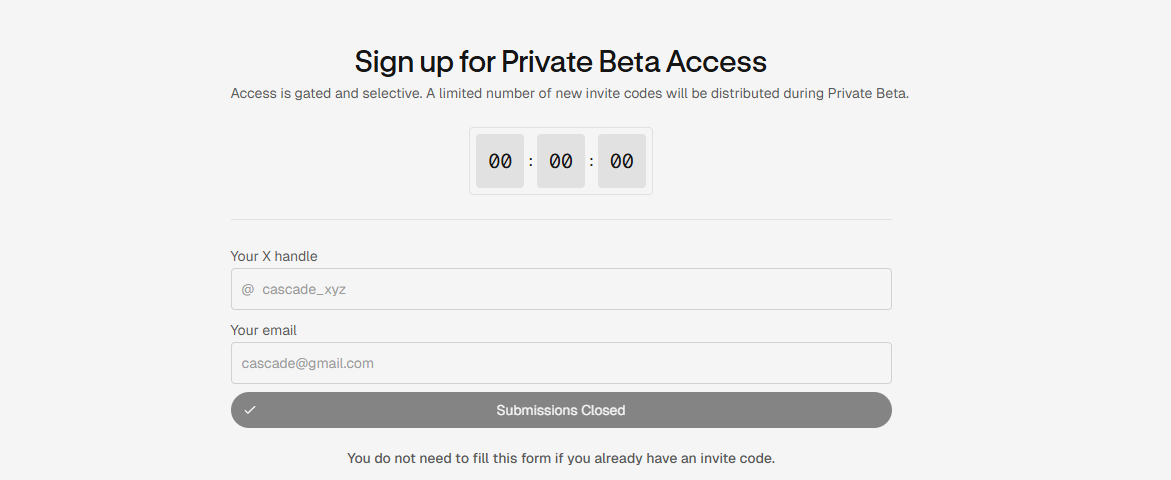
STEP 1. Go to the official website (link: https://cascade.xyz/join), fill in your X account and Google email to complete registration.
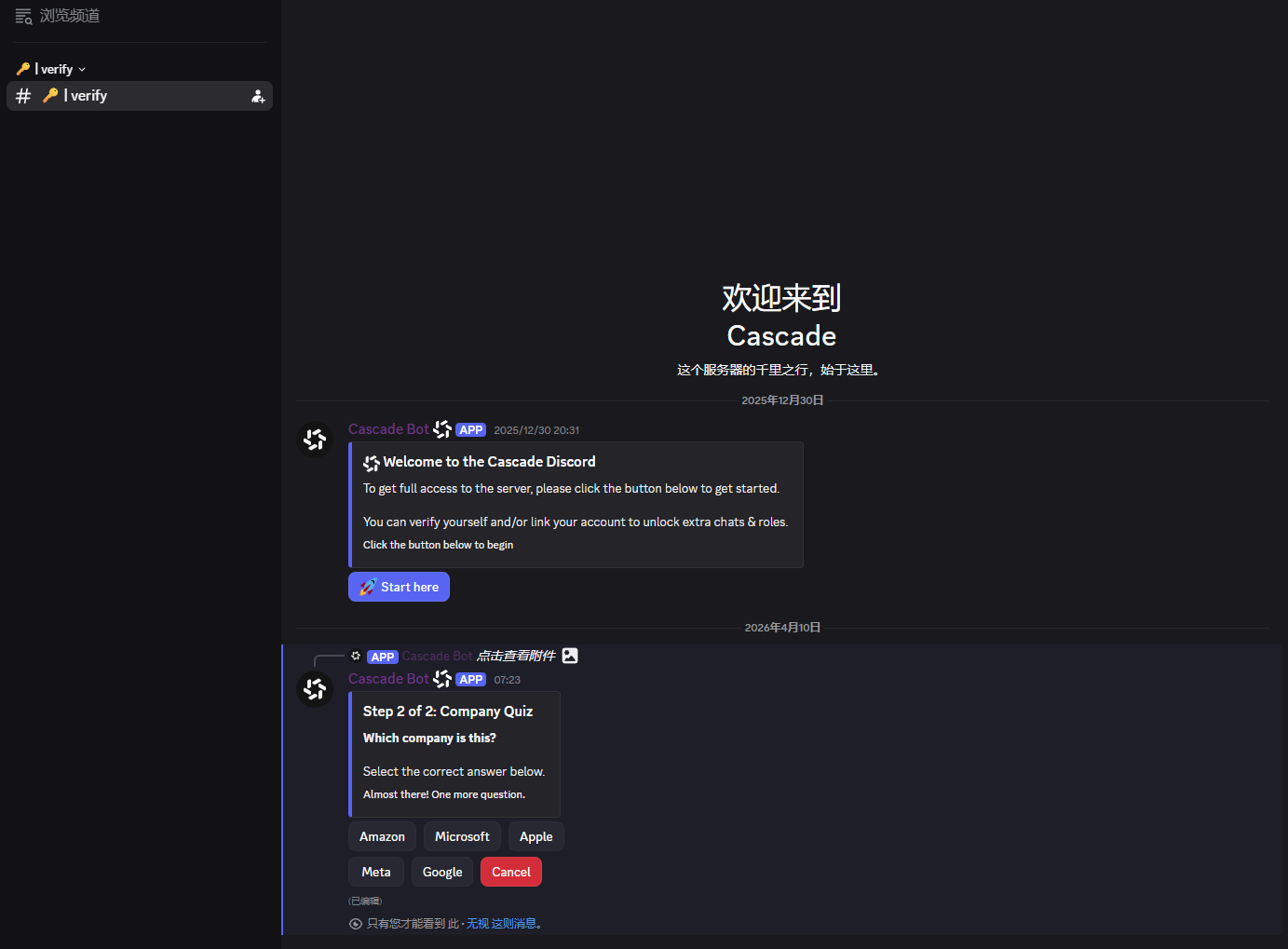
STEP 2. Join the official Discord community (link: https://discord.gg/cascade-xyz).
KARPAK: A DePIN Project Tokenizing Real-World Parking Behavior

Project Introduction

KARPAK is a DePIN project that tokenizes real-world parking behavior, transforming daily urban parking activities into on-chain verifiable data assets and proof-of-work. In other words, data generated when users park (parking duration, location, cost, etc.) is collected, verified, and put on-chain, becoming tokenizable signals that can generate income, participate in network governance, or earn rewards.

On April 8th, KARPAK announced on platform X that the KARPAK SBT is now live, users can mint a proof of being an early project participant and qualify for profit sharing.

Interaction Tutorial

STEP 1. Go to the official website (https://sbt.karpak.xyz/), connect your wallet (as it's an early project, it is recommended to use a wallet with minimal funds for airdrop hunting, be cautious of account theft).
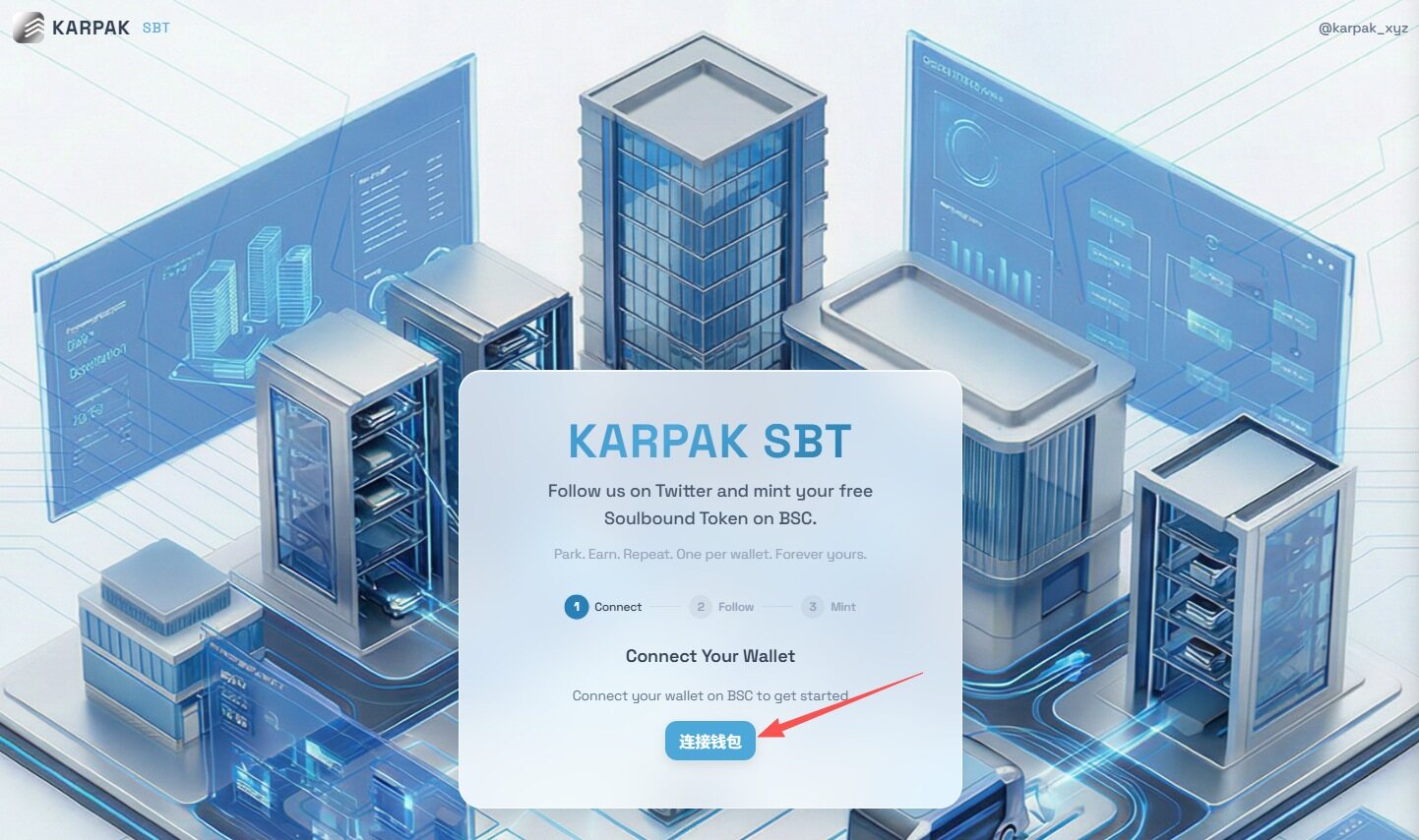
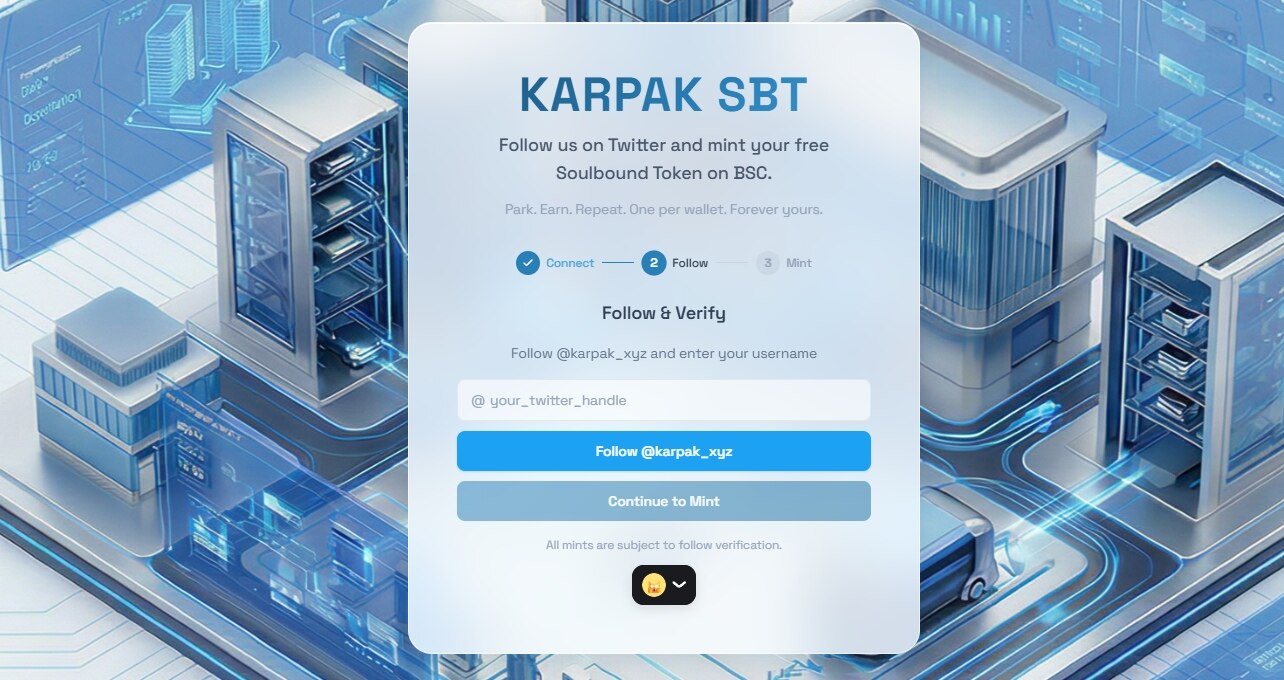
STEP 2. Enter your X account information and follow the official X account.
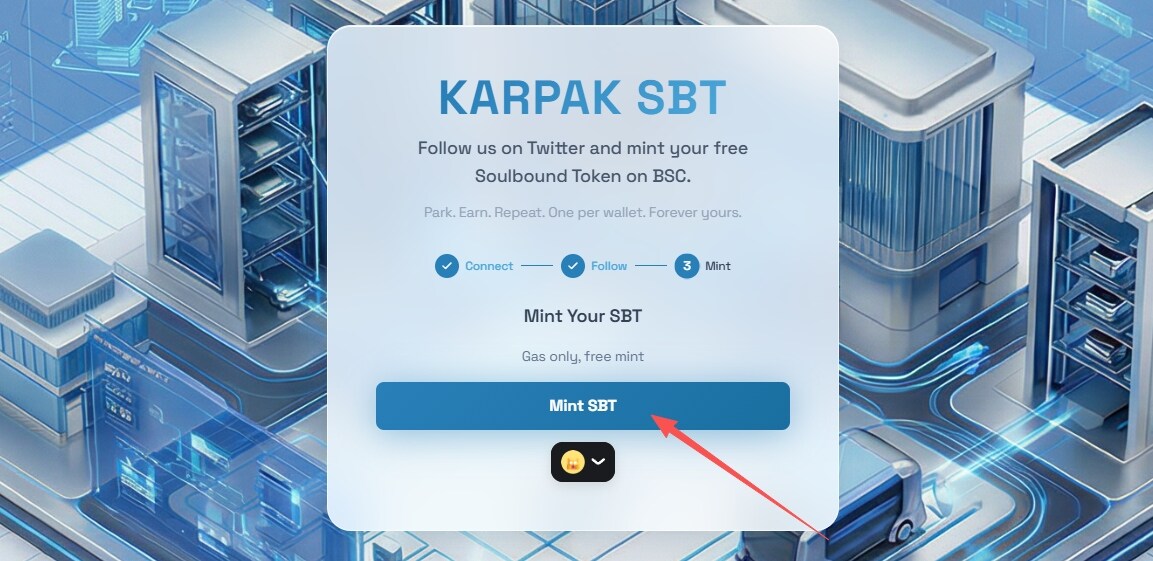
STEP 3. Pay a small amount of Gas (on BNB Chain) to complete the minting.
Pixie Chess: A Web3 Chess Game

Project Introduction
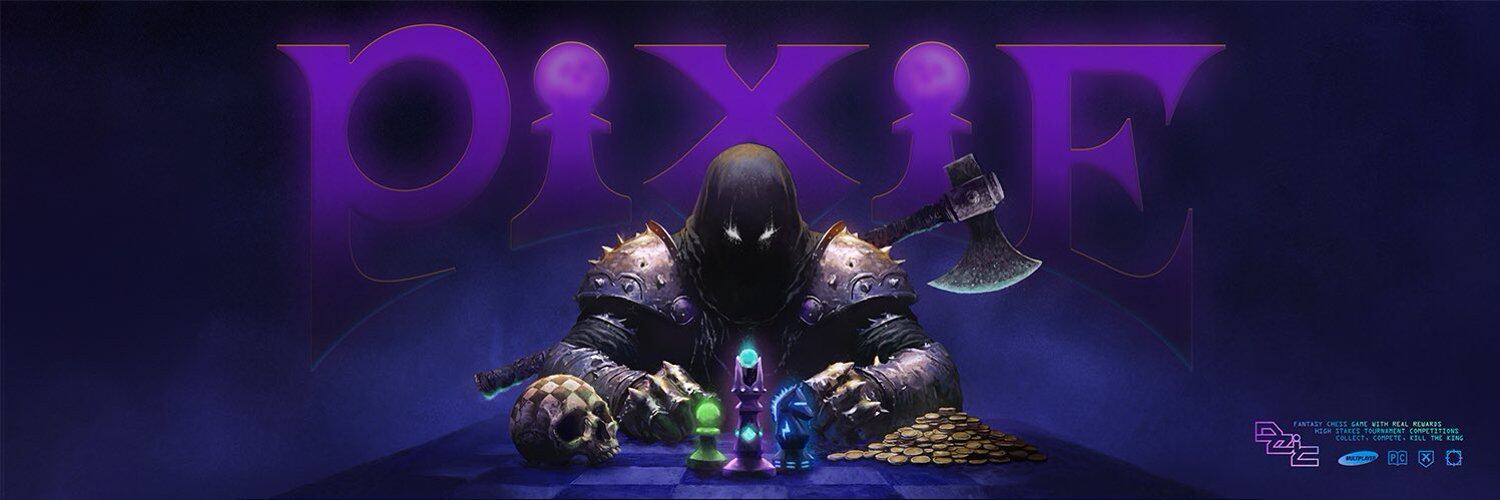
Pixie Chess is a Web3 chess game that combines classic chess strategy, trading card game (TCG) mechanics, and cryptocurrency economic incentives, themed as "Magical Chess for Real Money". On April 3rd, Pixie Chess announced the completion of a $5.2 million seed funding round led by Paradigm.

Interaction Tutorial

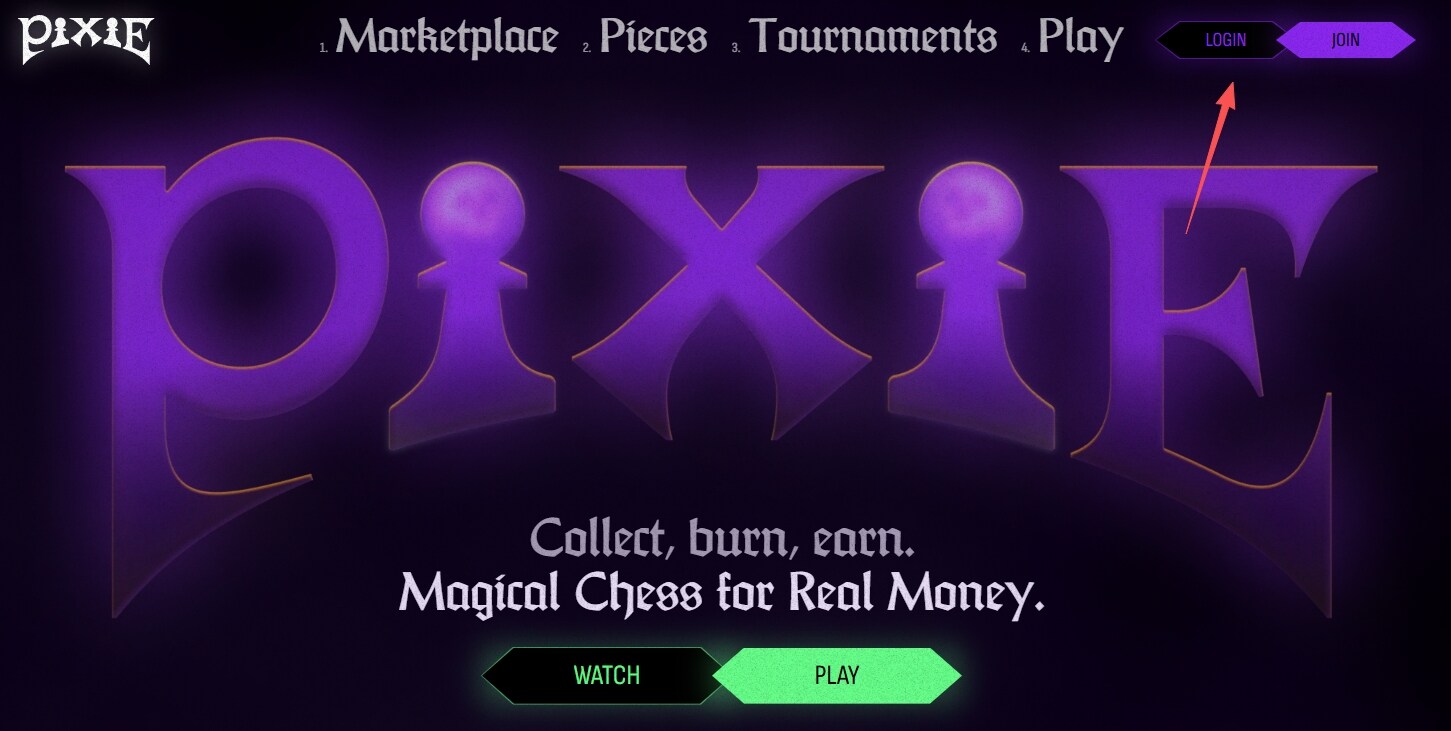
STEP 1. Go to the official website (link: https://www.pixiechess.xyz/), click "LOGIN" and log in by connecting your wallet.
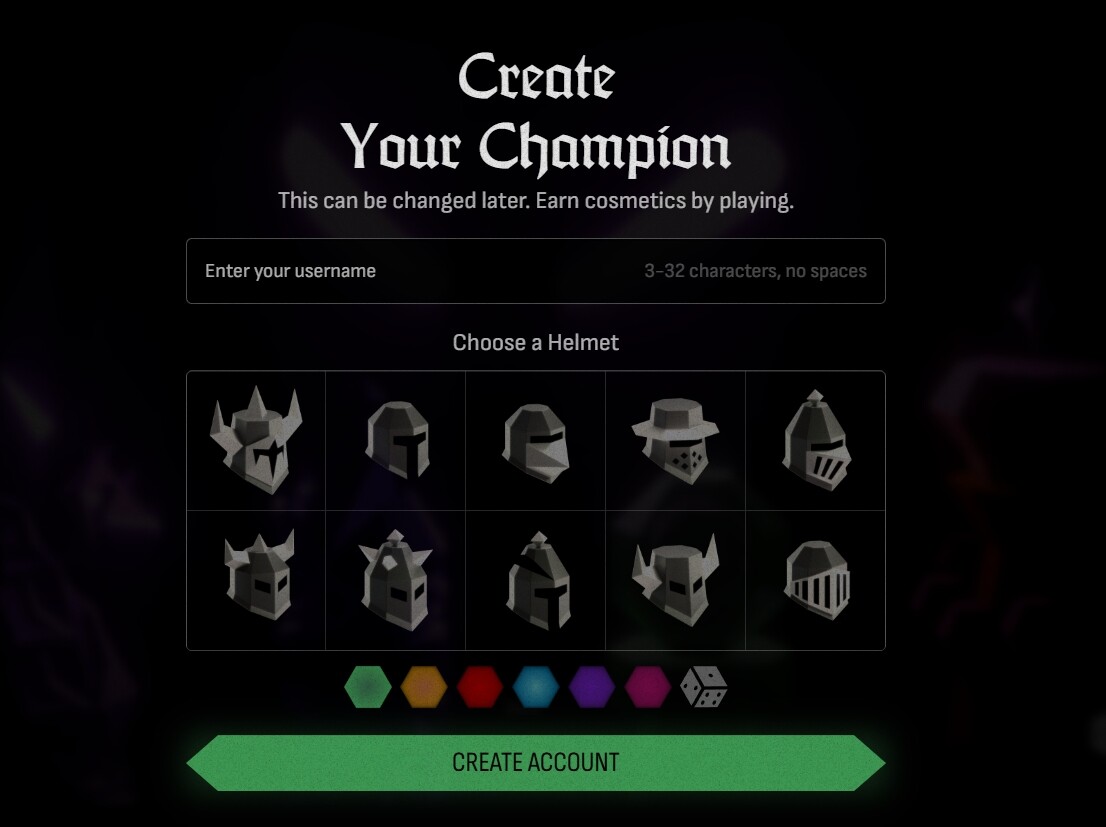
STEP 2. Enter a nickname and choose a helmet to complete character creation.
STEP 3. Select a mode and start the game (includes a video tutorial).

Preguntas relacionadas

QWhat is Cascade and what services does it offer?

ACascade is an encrypted brokerage firm that offers a 24/7 brokerage-style application supporting perpetual contract trading for cryptocurrencies, U.S. stocks, and private assets. Users can link their bank accounts to conduct perpetual trading, borrow against their portfolios, and transfer assets within a single margin account.

QWhat recent milestone did Cascade achieve as mentioned in the article?

ACascade launched its private beta version on April 8th, as announced on their X platform.

QWhat is KARPAK and how does it tokenize real-world behavior?

AKARPAK is a DePIN project that tokenizes real-world parking behavior by converting data such as parking duration, location, and fees into on-chain, verifiable data assets. This data acts as proof-of-work and can be tokenized to generate income, participate in network governance, or earn rewards.

QWhat can users do by minting a KARPAK SBT?

ABy minting a KARPAK Soulbound Token (SBT), users can prove they are early participants in the project and qualify for profit-sharing benefits.

QWhat is Pixie Chess and what makes it unique in the gaming space?

APixie Chess is a Web3 chess game that combines classic chess strategy, trading card game (TCG) mechanics, and cryptocurrency economic incentives. Its unique theme is 'Magical Chess for Real Money,' and it recently raised $5.2 million in a seed round led by Paradigm.

Lecturas Relacionadas

Bernstein Analysis: Can the $142 Billion Long-Term Order Hold Up the Memory Cycle?

Bernstein revisits long-term agreements (LTAs) in the memory industry, highlighting new contracts with purchase commitments, minimum prices, and financial guarantees signed by Micron and SanDisk. These aim to provide an earnings floor for the coming years. Micron has 16 strategic customer agreements, with 14 representing approximately $100 billion in minimum revenue and about $22 billion in cash deposits/commitments. SanDisk has contracts for around $42 billion in minimum revenue and over $11 billion in guarantees. Combined, these ~$33 billion in guarantees make it more costly for major clients to walk away. However, Bernstein models that the potential revenue needing protection over 3-5 years is around $5.2 trillion. The existing guarantees thus cover only about 0.6% of that scale. While LTAs provide a cushion, they cannot fully shield profits in a severe downturn, as clients may still find it cheaper to breach contracts if spot prices fall deeply below floor prices. LTAs are most suitable for large, credit-worthy customers like U.S. cloud service providers with stable, high-volume AI infrastructure needs. Consumer segments (phones, PCs) and some Chinese clients are less likely to adopt them, leaving an estimated 30-50% of the DRAM/NAND market exposed to spot price volatility. AI demand (e.g., HBM for training, storage for inference) supports higher valuations and makes LTAs more attractive for locking in high-demand customers. Yet, Bernstein stresses that LTAs soften, but do not eliminate, the memory cycle. Their true test will come in the next downturn, revealing whether clients honor contracts and whether guarantees provide sufficient pain to maintain supplier discipline.

marsbitHace 4 min(s)

Bernstein Analysis: Can the $142 Billion Long-Term Order Hold Up the Memory Cycle?

marsbitHace 4 min(s)

Dialogue with Jia Hang | Looking Back at Two Decades of Chinese Payment Going Global

**Summary: A Conversation with Jia Hang on Two Decades of China's Payment Globalization** Jia Hang, a veteran with over twenty years in payments, reflects on China's attempts to build a global payment network through three key phases: UnionPay (card networks), Alipay+ (digital wallets), and now, stablecoins. His journey began at UnionPay International, aiming to establish China's card network abroad. While successful in following Chinese tourists ("where Chinese go, UnionPay goes"), it struggled to achieve true global scale. The core lesson: card networks like Visa/Mastercard's unassailable advantage isn't just technical standards, but their deeply entrenched **governance and profit-sharing models** that create powerful network effects. Competing as the "same species" is nearly impossible. At Ant Group, he led Alipay+, a strategy to bypass card networks by interconnecting local e-wallets worldwide. While innovative, it faced a similar ceiling. Mobile QR payments and card swipes were essentially **the same species competing for the same pie**, lacking a disruptive value proposition for users or a sustainable new incentive model to replace the card networks' established flywheel. Today, at Singapore's DCS, Jia focuses on stablecoin-based payments. He argues stablecoins represent a fundamental shift. They are not competing with Visa for consumer payments but challenging the **traditional banking and account system for value movement**. Products like "U Cards" (stablecoin-linked payment cards) are transitional, leveraging existing card networks for acceptance while building new rails. The real potential lies in stablecoins enabling seamless, low-cost global value transfer, potentially reorganizing the financial infrastructure around **accounts rather than cards**. Jia believes stablecoin adoption for local retail payments, cross-border transactions, and as high-yield savings vehicles is becoming irreversible. This could gradually reduce reliance on traditional fiat channels, especially in regions with weak currencies or capital controls. The quest for the "next global payment network" continues, now centered on whether stablecoins can successfully bridge Web2 and Web3, establish new governance, and create compelling user value beyond mere cost reduction.

marsbitHace 27 min(s)

Dialogue with Jia Hang | Looking Back at Two Decades of Chinese Payment Going Global

marsbitHace 27 min(s)

Circle's Stock Price Plunges 76%, Hong Kong Dollar Stablecoin Set to Launch Within Two Weeks

Circle's stock price has plunged approximately 76% from its 2023 peak, reflecting a major market revaluation. Despite this, Circle President Heath Tarbert emphasized the company's focus on long-term execution and its dominant position with USDC's $73 billion circulation across 34 blockchains. The competitive landscape is intensifying. A new consortium-backed stablecoin, Open USD, is attempting to challenge incumbents by sharing reserve yields with partners. More significantly, Visa's new stablecoin platform, initially supporting Open USD while also being compatible with USDC, could erode Circle's network effects. In response, Circle is expanding into real-world payments through partnerships like the one with Japan's JCB. Separately, Tether (USDT) faces a two-year compliance window under new U.S. regulations, requiring it to adjust its reserve composition away from assets like Bitcoin and loans towards cash and U.S. Treasuries. Meanwhile, in Hong Kong, Standard Chartered-backed fintech firm Dian Dian is poised to launch a licensed HKD-pegged stablecoin (HKDAP), moving the industry into a phase where the real test is integrating licensed stablecoins into actual payment flows and corporate treasury systems. The sharp decline in Circle's stock underscores a broader shift: the stablecoin market is moving from a winner-takes-all dynamic to a multi-player competitive arena where execution, compliance, and real-world utility are becoming paramount.

marsbitHace 28 min(s)

Circle's Stock Price Plunges 76%, Hong Kong Dollar Stablecoin Set to Launch Within Two Weeks

marsbitHace 28 min(s)

Trading

Spot
活动图片