From AAVE to HYPE: Bitwise bets on altcoins with 11 crypto ETF filings

ambcryptoPublicado a 2025-12-31Actualizado a 2025-12-31

Resumen

Digital asset manager Bitwise has filed with the SEC for 11 new spot altcoin ETFs, targeting assets including AAVE, HYPE, UNI, and NEAR. The proposed ETFs will follow a 60/40 investment strategy, with the majority allocated to direct asset exposure and the remainder to derivatives. This move comes after the 2025 approval of several other altcoin ETFs, such as those for SOL, XRP, and DOGE. Despite significant institutional inflows exceeding $1 billion in some cases—like XRP and SOL ETFs—the prices of the underlying assets have remained subdued, showing a disconnect between ETF demand and market performance. Analysts suggest that while 2026 may be a pivotal year for crypto ETFs, the sector risks becoming overcrowded, potentially leading to a market shakeout.

Digital asset manager Bitwise plans to expand its presence in altcoin ETFs in 2026. According to a recent SEC filing, the firm has applied for 11 new U.S Spot crypto ETFs.

According to the Bitwise strategy, the investment in these altcoin ETFs will be split 60/40, where 60% is a direct investment in the underlying asset, while the rest involves derivatives and other ETPs.

The targeted crypto assets include Aave [AAVE], Zcash [ZEC], Uniswap [UNI], Hyperliquid [HYPE], Sui [SUI], Starknet [STRK], Near Protocol [NEAR], Bitensor [TAO], Ethena [ENA], Canton [CC], and TRON [TRX].

In 2025, the regulator greenlighted several altcoin ETFs, including Solana [SOL], Ripple [XRP], Hedera [HBAR], Litecoin [LTC], Chainlink [LINK], and even a memecoin product, Dogecoin [DOGE] ETF.

It appears that there’s still room to add more and enable traditional players to gain exposure in the rapidly growing blockchain industry. As one analyst, Chad Steingraber, summed it up,

“2026 is going to be year of the crypto ETF. A whole new market has just opened up to crypto.”

But what are the short-term to mid-term impact on the underlying assets?

ETFs’ impact on altcoin

Most top crypto assets now have at least demand lines, typical on-chain users, ETFs, and corporate treasuries.

Worth pointing out that Bitcoin [BTC] and Ethereum [ETH] benefited from institutional demand in H1 2025, driving their respective values to record highs. BTC crossed $126,000 while ETH nearly reached $5,000 before the late 2025 market rout reversed the gains.

However, the latest wave of crypto ETF approvals hasn’t enjoyed a similar price boost despite attracting over $1 billion in institutional inflows.

XRP ETFs, for example, have attracted $1.16 billion in cumulative inflows as of 30th of December, yet the XRP price has remained muted below $2.

A similar scenario was observed in U.S Spot SOL ETFs. The products have experienced only three days of net outflows since their debut in October.

Overall, they have seen $763 million in inflows, with total net assets almost reaching $ 1 billion. But SOL declined from $195 to $124 over the same period.

The rest of the altcoin ETFs, such as LINK, LTC, and HBAR, exhibited a similar trend: rising demand but muted price action. In fact, only the DOGE ETF hasn’t attracted significant inflows.

Although the assets’ prices may pick up if broader market sentiment improves, Bloomberg ETF analyst James Seyffart warned that the sector was becoming overcrowded and a shakeout was likely.


Final Thoughts

  • Bitwise sought SEC approval on 11 new crypto ETFs following the regulator’s greenlight to some altcoin ETFs in 2025.
  • Still, the strong demand for altcoin ETFs has not boosted the prices of underlying assets like SOL and XRP.

Preguntas relacionadas

QHow many new crypto ETFs has Bitwise applied for according to the SEC filing?

ABitwise has applied for 11 new U.S Spot crypto ETFs.

QWhat is the investment split strategy for these new altcoin ETFs as per Bitwise?

AThe investment will be split 60/40, with 60% being a direct investment in the underlying asset and the rest involving derivatives and other ETPs.

QWhich altcoin ETFs were approved by the regulator in 2025, as mentioned in the article?

AIn 2025, the regulator approved several altcoin ETFs, including Solana [SOL], Ripple [XRP], Hedera [HBAR], Litecoin [LTC], Chainlink [LINK], and a Dogecoin [DOGE] ETF.

QWhat was the performance of XRP and SOL ETFs in terms of inflows and price action?

AXRP ETFs attracted $1.16 billion in cumulative inflows but the price remained below $2. SOL ETFs saw $763 million in inflows, but the price declined from $195 to $124.

QWhat did Bloomberg ETF analyst James Seyffart warn about the altcoin ETF sector?

AJames Seyffart warned that the altcoin ETF sector was becoming overcrowded and that a shakeout was likely.

Lecturas Relacionadas

Fu Peng's First Public Speech in 2026: What Exactly Are Crypto Assets? Why Did I Join the Crypto Asset Industry?

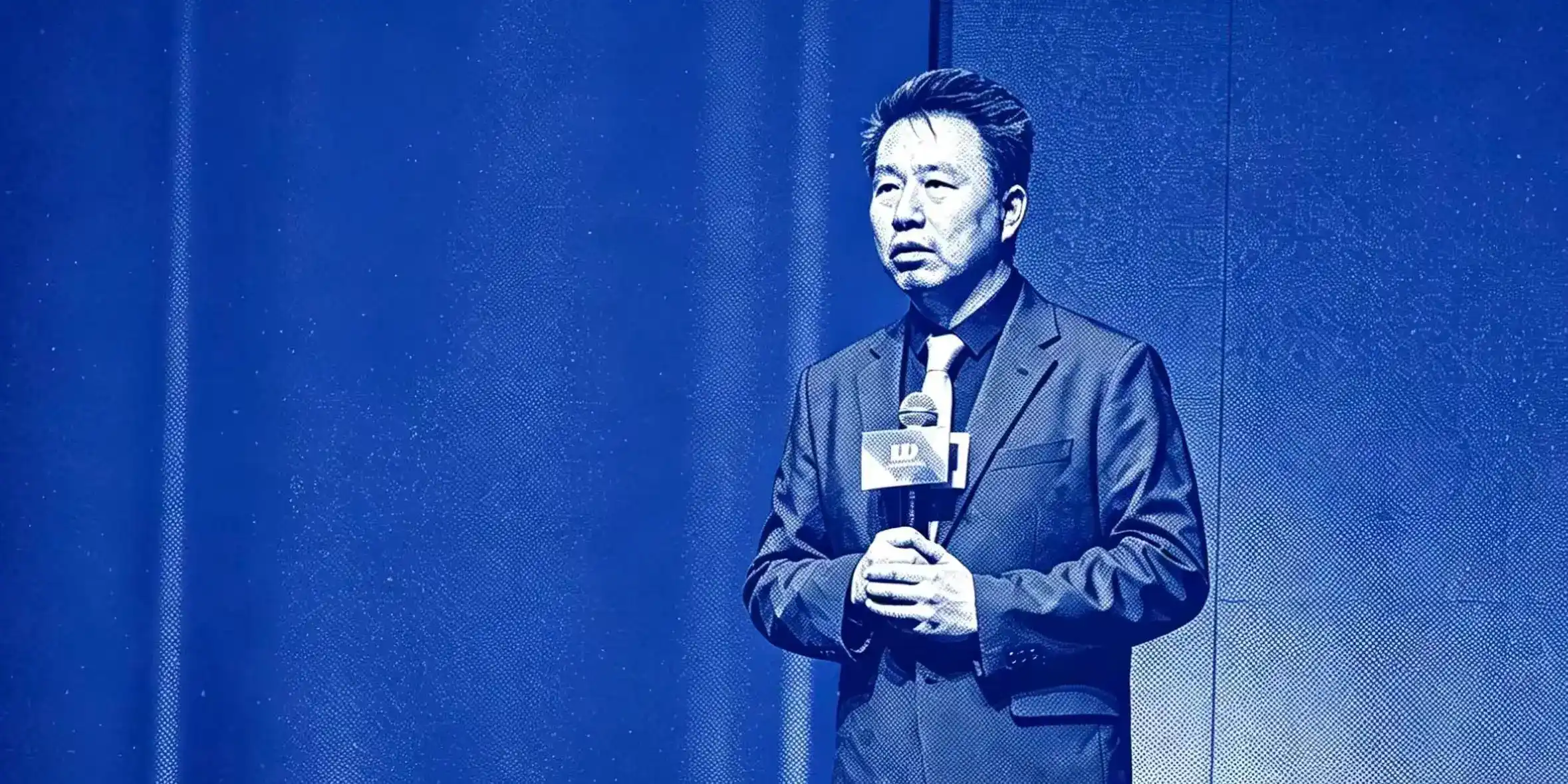
Fu Peng, a renowned macroeconomist and now Chief Economist at New火 Group, delivered his first public speech of 2026 at the Hong Kong Web3 Festival. He explained his perspective on crypto assets and why he joined the industry, framing it within the context of macroeconomic trends and financial evolution. Fu emphasized that crypto assets are transitioning from an early, belief-driven phase to a mature, institutionally integrated asset class. He drew parallels to the 1970s-80s, when technological advances (like computing) revolutionized traditional finance, leading to the rise of FICC (Fixed Income, Currencies, and Commodities). Similarly, current advancements in AI, data, and blockchain are reshaping finance, with crypto assets becoming part of a new "FICC + C" (C for Crypto) framework. He noted that institutional capital, including traditional hedge funds, avoided early crypto due to its speculative nature but are now engaging as regulatory clarity emerges (e.g., stablecoin laws, CFTC classifying crypto as a commodity). Fu predicted that 2025-2026 marks a turning point where crypto becomes a standardized, financially viable asset for diversified portfolios, akin to commodities or derivatives in traditional finance. Fu defined Bitcoin not as "digital gold" in a simplistic sense but as a value-preserving, financially tradable asset. He highlighted that crypto's future lies in regulated, institutional adoption, moving away from retail-dominated trading. His entry into crypto signals this maturation, where traditional finance integrates crypto into mainstream asset management.

marsbitHace 8 min(s)

Fu Peng's First Public Speech in 2026: What Exactly Are Crypto Assets? Why Did I Join the Crypto Asset Industry?

marsbitHace 8 min(s)

Justin Sun Sues Trump Family: What $75 Million Bought Was Only a Blacklist

Justin Sun, founder of Tron, has filed a lawsuit in federal court against World Liberty Financial (WLF), alleging he was made the "primary target of a fraudulent scheme" after investing $75 million. Sun claims the investment secured him an advisor title and WLFI tokens, which were later frozen by WLF, causing "hundreds of millions in losses." The dispute began in late 2024 when Sun's investment helped revive WLF's struggling token sale, which ultimately raised $550 million. Shortly after, the SEC dropped its lawsuit against Sun following Donald Trump's inauguration. However, relations soured when Sun refused WLF's demands for additional funding. In August 2025, WLF added a "blacklist" function to its smart contract, allowing it to unilaterally freeze tokens. Sun's holdings, worth approximately $107 million, were frozen, and he was threatened with token destruction. The lawsuit highlights WLF's structure, which directs 75% of token sale profits to the Trump family, who had earned $1 billion by December 2025. WLF's CEO is Zach Witkoff, son of U.S. Middle East envoy Steve Witkoff. The project faces scrutiny for opaque operations, including a controversial loan arrangement on the Dolomite platform, co-founded by a WLF advisor. Despite Sun's history with the SEC, the case underscores centralization risks within DeFi, as WLF controls governance and holds powers to freeze assets arbitrarily. Sun's tokens remain frozen as legal proceedings begin.

marsbitHace 16 min(s)

Justin Sun Sues Trump Family: What $75 Million Bought Was Only a Blacklist

marsbitHace 16 min(s)

$500 to Buy OpenAI Stock: Silicon Valley's Most Respectable Liquidity Invitation

Silicon Valley's largest venture capital platform, AngelList, has launched a new fund called USVC, allowing U.S. retail investors to buy into high-profile AI companies like OpenAI, Anthropic, and xAI with a minimum investment of $500—no accredited investor status required. Promoted by AngelList co-founder Naval Ravikant, the fund is framed as an opportunity for ordinary people to access high-growth private tech investments traditionally reserved for VCs. However, critics argue it functions more like an exit vehicle for early insiders. USVC acquires shares not through primary rounds but largely via secondary transactions—purchasing stakes from early investors, VC funds, and employees looking to cash out at peak valuations. With companies like xAI heavily weighted in the portfolio, the fund effectively channels retail money into providing liquidity for insiders who entered at much lower valuations. The fund’s structure raises concerns: shares are illiquid, with no secondary market, and buybacks are limited and discretionary. The actual annual fee reaches 3.61%, far above the advertised 1% management fee. This model parallels the "low float, high fully diluted valuation" strategy seen in crypto, where early investors profit by selling to latecomers at inflated prices. The timing—alongside similar moves by platforms like Robinhood—suggests that Silicon Valley’s sudden interest in retail inclusion may be less about democratizing access and more about securing exits for insiders.

marsbitHace 47 min(s)

$500 to Buy OpenAI Stock: Silicon Valley's Most Respectable Liquidity Invitation

marsbitHace 47 min(s)

Trading

Spot
Futuros

Artículos destacados

Cómo comprar AAVE

¡Bienvenido a HTX.com! Hemos hecho que comprar Aave Protocol (AAVE) sea simple y conveniente. Sigue nuestra guía paso a paso para iniciar tu viaje de criptos.Paso 1: crea tu cuenta HTXUtiliza tu correo electrónico o número de teléfono para registrarte y obtener una cuenta gratuita en HTX. Experimenta un proceso de registro sin complicaciones y desbloquea todas las funciones.Obtener mi cuentaPaso 2: ve a Comprar cripto y elige tu método de pagoTarjeta de crédito/débito: usa tu Visa o Mastercard para comprar Aave Protocol (AAVE) al instante.Saldo: utiliza fondos del saldo de tu cuenta HTX para tradear sin problemas.Terceros: hemos agregado métodos de pago populares como Google Pay y Apple Pay para mejorar la comodidad.P2P: tradear directamente con otros usuarios en HTX.Over-the-Counter (OTC): ofrecemos servicios personalizados y tipos de cambio competitivos para los traders.Paso 3: guarda tu Aave Protocol (AAVE)Después de comprar tu Aave Protocol (AAVE), guárdalo en tu cuenta HTX. Alternativamente, puedes enviarlo a otro lugar mediante transferencia blockchain o utilizarlo para tradear otras criptomonedas.Paso 4: tradear Aave Protocol (AAVE)Tradear fácilmente con Aave Protocol (AAVE) en HTX's mercado spot. Simplemente accede a tu cuenta, selecciona tu par de trading, ejecuta tus trades y monitorea en tiempo real. Ofrecemos una experiencia fácil de usar tanto para principiantes como para traders experimentados.

315 Vistas totalesPublicado en 2024.12.11Actualizado en 2025.03.21

Cómo comprar AAVE

Discusiones

Bienvenido a la comunidad de HTX. Aquí puedes mantenerte informado sobre los últimos desarrollos de la plataforma y acceder a análisis profesionales del mercado. A continuación se presentan las opiniones de los usuarios sobre el precio de AAVE (AAVE).

活动图片