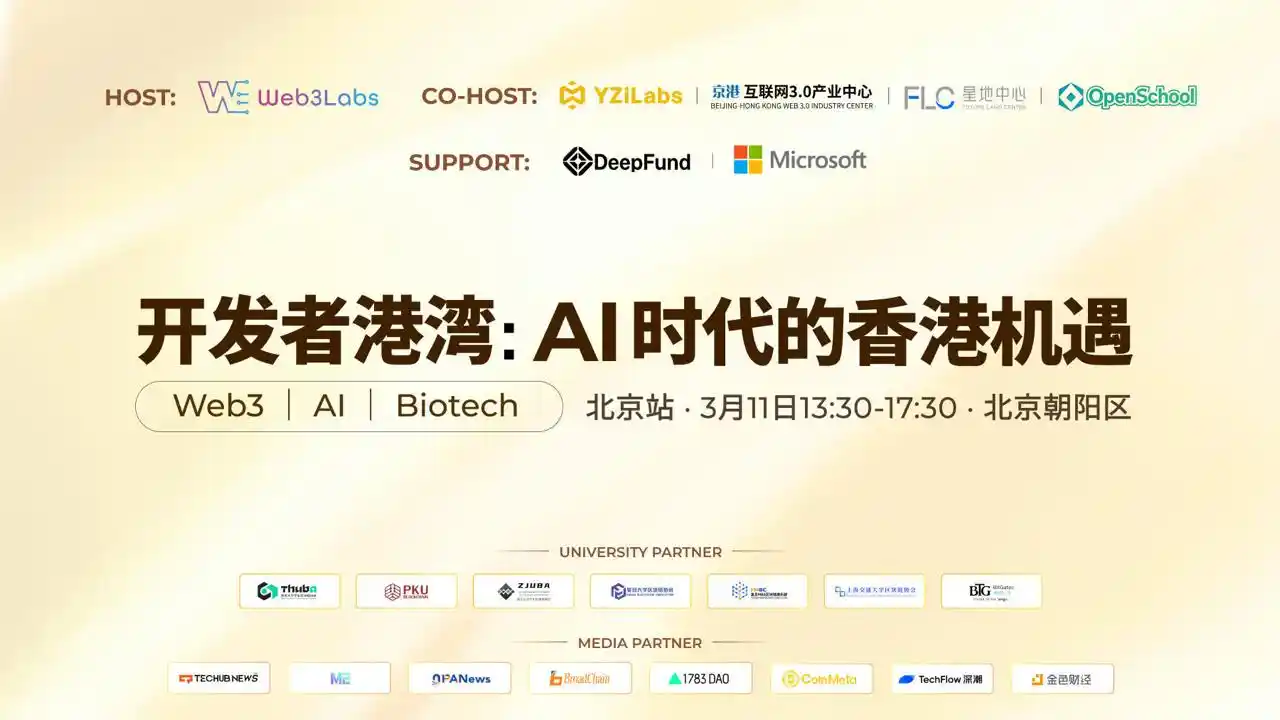
Developer Harbor: Hong Kong's New Opportunities in the AI Era (Beijing Station) Concludes Successfully, Ushering in a New Journey for Alpha Builders

marsbitPublicado a 2026-03-12Actualizado a 2026-03-12

Resumen

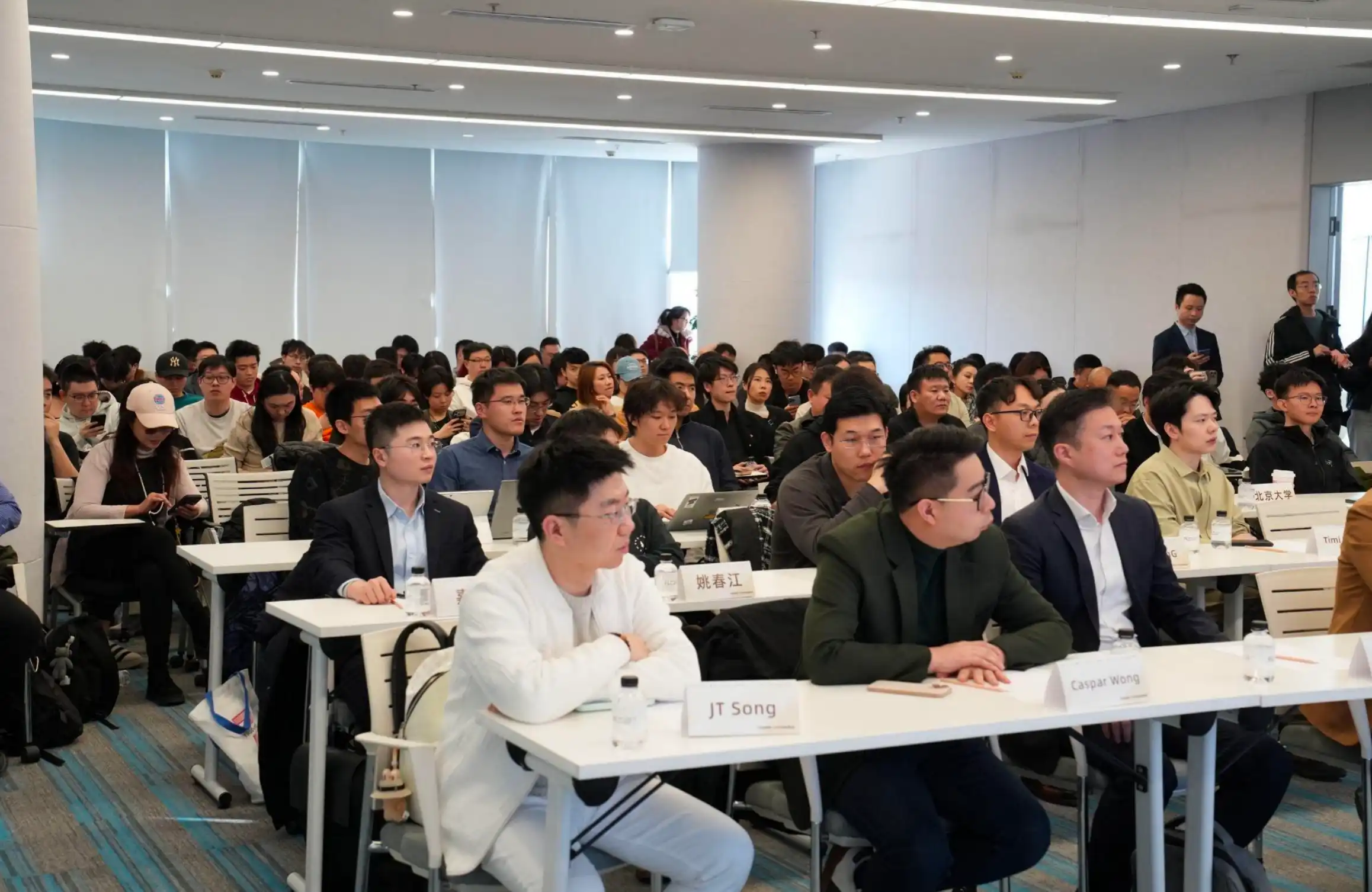
On March 11, 2026, the "Developer Harbor: Hong Kong's New Opportunities in the AI Era (Beijing)" event, co-hosted by Web3Labs and YZi Labs, was successfully held at StarLand Center in Beijing. The event brought together over a hundred builders from universities and tech organizations across China to explore Hong Kong's role as an international tech innovation hub in the AI age. The event featured opening remarks from government representatives, including officials from Beijing and Hong Kong, who emphasized the strategic synergy between the two cities in tech innovation, talent mobility, and industrial collaboration. A representative from the Hong Kong government also introduced talent admission policies to support mainland tech professionals seeking opportunities in Hong Kong. Web3Labs CEO Caspar Wong delivered a keynote, arguing that the convergence of AI and Web3 lies at the protocol layer rather than the application layer, with future investment logic focusing on composable, verifiable, and operational infrastructure of real value. A major highlight was the introduction of the "Alpha Builders Innovation Recruitment Program," an initiative by Web3Labs and YZi Labs aimed at identifying and empowering China’s most promising tech builders. Seven teams from top universities such as Tsinghua, Peking, Fudan, and Zhejiang presented projects spanning AI agents, Web3 infrastructure, biocomputing, and privacy computing. Selected teams will gain access to mentorship, ecosystem reso...

On March 11, 2026, "Developer Harbor: Hong Kong's New Opportunities in the AI Era," hosted by Web3Labs and YZi Labs, and co-hosted by the Beijing-Hong Kong Web3.0 Industrial Center, Star Land Center, and OpenSchool, was successfully held at the Star Land Center in Chaoyang District, Beijing. The event brought together over a hundred builders from innovative teams at universities nationwide and industry organizations to jointly explore the new opportunities for Hong Kong as an international hub for technological innovation in the AI era.

🔹 Twin-City Collaboration, Building an Innovation Bridge

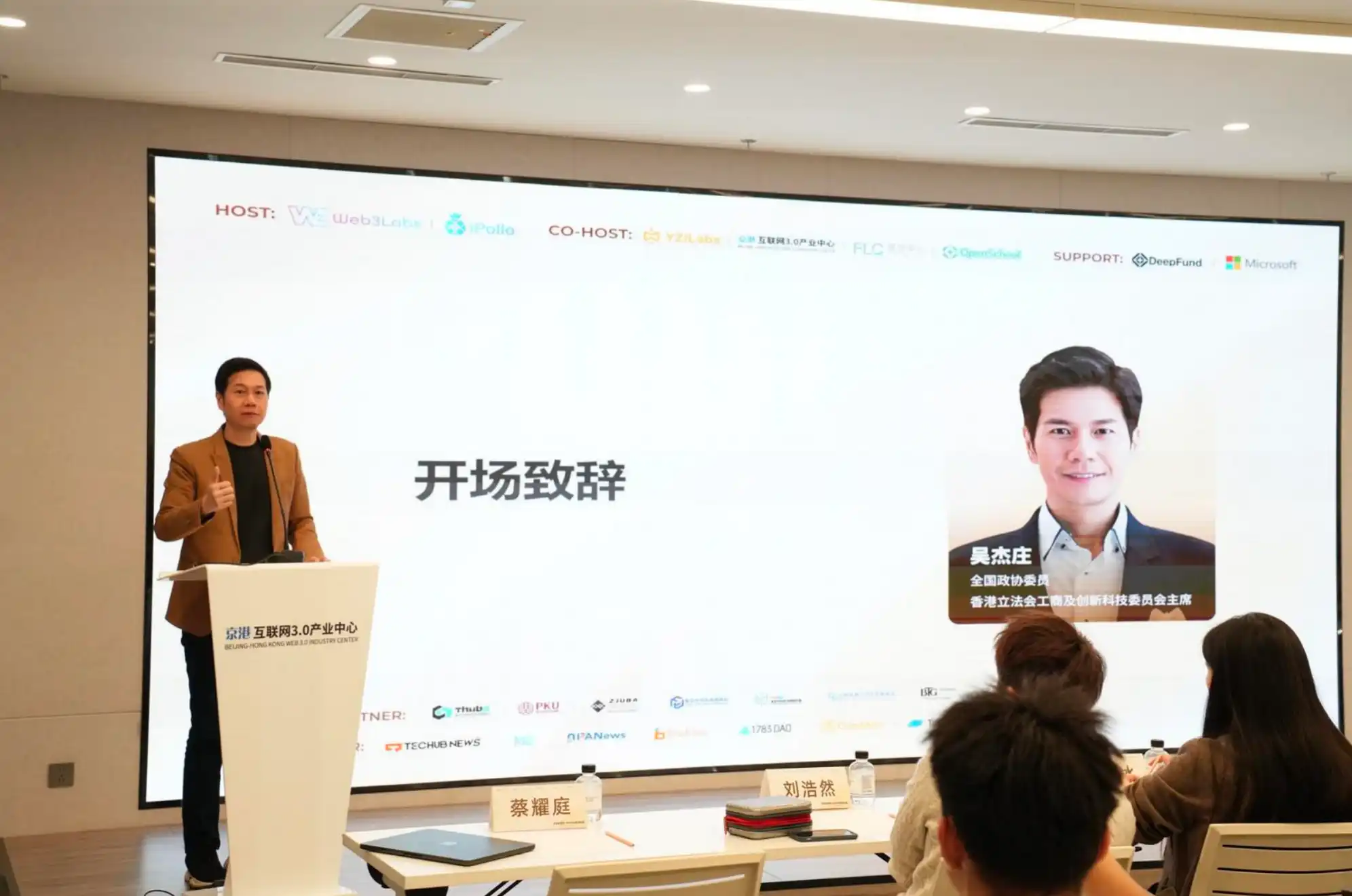
The event gathered over a hundred innovators from universities and cutting-edge technology fields across the country, witnessing a complete ecosystem from policy empowerment to technology implementation. The event kicked off with joint opening remarks by Chen Lei, Member of the Party Working Committee and Deputy Director of the Management Committee of Zhongguancun Chaoyang Park, and Dr. Wu Jiezhuang, Member of the National Committee of the Chinese People's Political Consultative Conference and Chairman of the Hong Kong Legislative Council's Commerce, Industry, and Technology Innovation Committee. Both guests emphasized the strategic complementarity between Beijing and Hong Kong in technological innovation, talent mobility, and industrial collaboration, injecting confidence into the joint building of a world-class innovation ecosystem between the two cities.
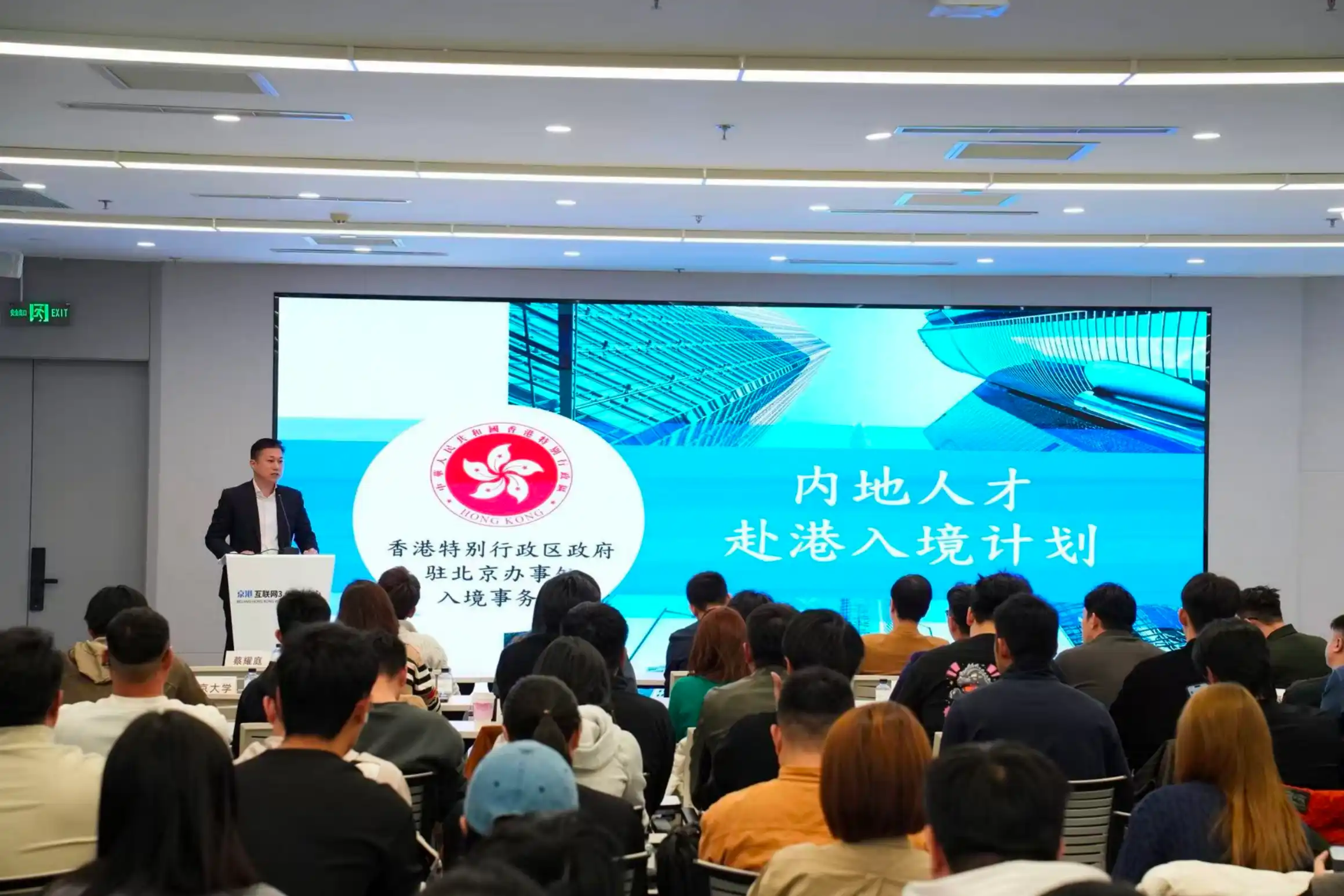
Subsequently, Huang Weiqi, Chief Affairs Director of the Hong Kong Special Administrative Region Government's Beijing Office, systematically interpreted the "Mainland Talent Admission Scheme for Hong Kong," providing detailed explanations of application channels, support measures, and development paths in Hong Kong, offering clear policy guidance for tech talents interested in cross-border development.
Web3Labs CEO Caspar Wong delivered a keynote speech, proposing that "the convergence of AI and Web3 lies not at the application layer but at the protocol layer," and revealing that the next generation of investment logic will focus on composable, verifiable, and operational real-value infrastructure.

🔹 Alpha Builders Gather for the First Time, Showcasing Their Potential

The core highlight of "Developer Harbor: Hong Kong's New Opportunities in the AI Era (Beijing Station)" was undoubtedly the debut of the innovative teams under the "Alpha Builders Innovator Recruitment Plan." This plan, jointly launched by Web3Labs and YZi Labs, aims to discover and empower China's most promising next-generation technical builders (Builders), bridging the critical path from campus innovation to global ecosystem implementation.

At the event, seven cutting-edge innovative teams from top domestic universities such as Tsinghua University, Peking University, Fudan University, and Zhejiang University took the stage to showcase their projects, covering frontier interdisciplinary fields such as AI agents, Web3 infrastructure, biocomputing, and privacy computing. These teams not only possess solid engineering capabilities but also demonstrate a deep understanding of "real-world problems"—a vivid reflection of the "value-driven innovation"理念 advocated by both parties.
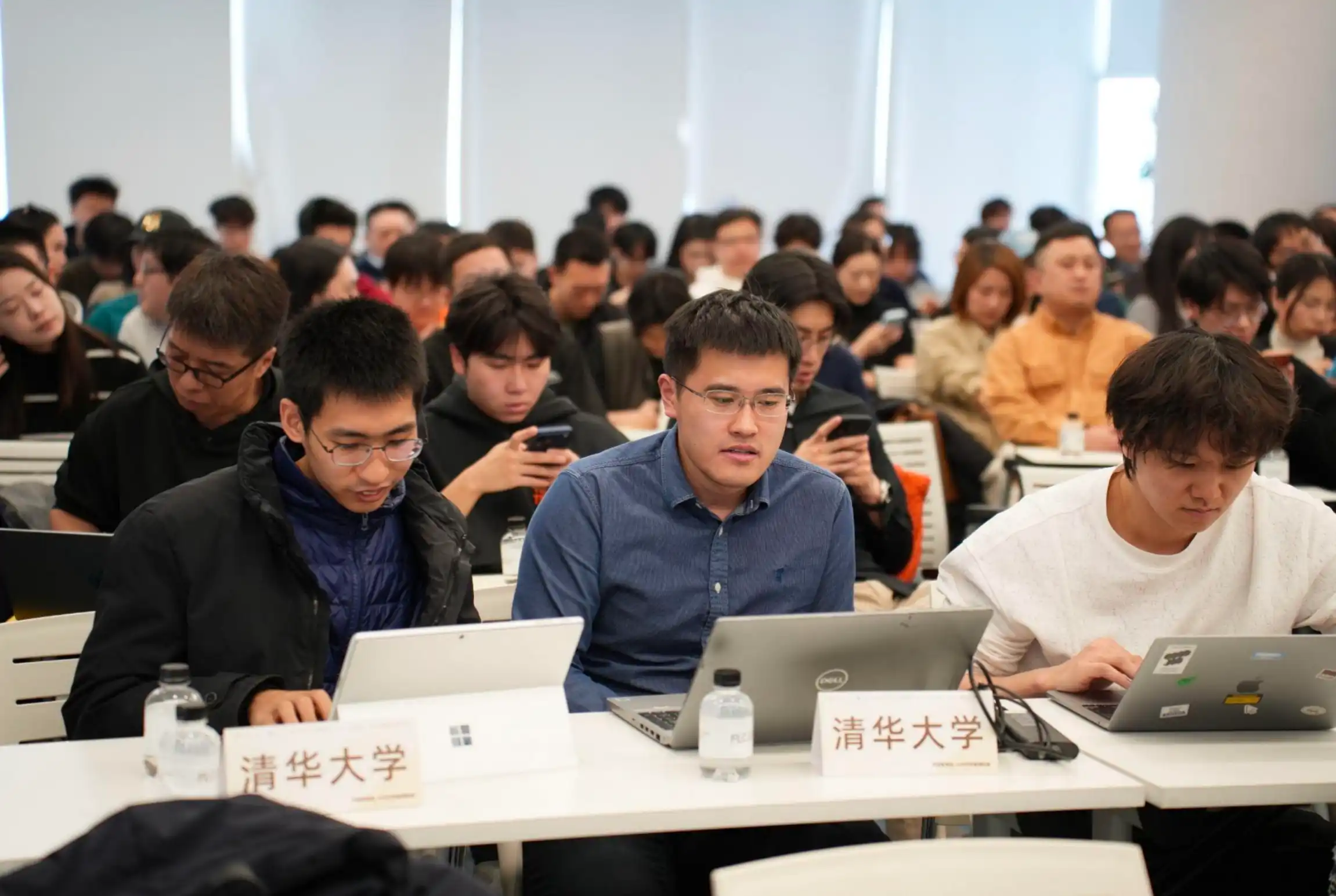
As a globally leading Web3 investment and incubation platform, Web3Labs, in collaboration with YZi Labs, is seeking builders who use technology to solve real-world challenges in Web3, AI, Biotech, and more." This Alpha Builders plan is a practical implementation of this vision—selected teams will have the opportunity to enter the interview process for the EASY Residency program launched by YZi Labs, receiving technical guidance, ecosystem resource connections, and early-stage funding support to accelerate their journey from prototype to product.

From campus laboratories to the international stage, Alpha Builders are constructing a high-speed channel for "youth innovation power × global Web3 ecosystem." This may well be the most anticipated answer to shaping the future in the AI era.
As AI and Web3 reshape the global technological landscape, Hong Kong, with its open system, international ecosystem, and forward-looking policies, is becoming a key hub connecting outstanding innovative forces with the world stage. Web3Labs will continue to collaborate with YZi Labs to discover those Alpha Builders who dare to build, jointly creating a more real, intelligent, and composable digital future.


Preguntas relacionadas

QWhat was the main theme of the 'Developer Harbor: Hong Kong's New Opportunities in the AI Era (Beijing Station)' event?

AThe main theme was exploring Hong Kong's new opportunities as an international technology and innovation hub in the AI era, with a focus on the 'Alpha Builders' initiative to empower the next generation of technical builders.

QWhich organizations co-hosted the event in Beijing?

AThe event was hosted by Web3Labs and YZi Labs, and co-hosted by the Beijing-Hong Kong Web3.0 Industrial Center, Star Land Center, and OpenSchool.

QWhat did Web3Labs CEO Caspar Wong propose in his keynote speech regarding AI and Web3?

AHe proposed that 'the convergence of AI and Web3 is not at the application layer, but at the protocol layer,' and revealed that the next generation of investment logic will focus on composable, verifiable, and operational real-value infrastructure.

QWhat is the purpose of the 'Alpha Builders Innovation Recruitment Program'?

AThe program aims to discover and empower China's most promising next-generation technical builders (Builders), providing a pathway from campus innovation to global ecosystem implementation, including technical guidance, resource connections, and early funding support.

QFrom which top Chinese universities did the innovative teams participating in the Alpha Builders program come from?

AThe teams came from top universities including Tsinghua University, Peking University, Fudan University, and Zhejiang University.

Lecturas Relacionadas

Why Pricing Social Interactions is Doomed to Fail?

Titled "Why Putting a Price on Social Interaction Is Doomed to Fail," this article critiques attempts to monetize social networks directly through SocialFi models, arguing their inevitable failure stems from a fundamental misunderstanding of media dynamics. Using Marshall McLuhan's theory of "hot" and "cold" media, the author posits that social networks are inherently "cold" media. Their value isn't contained in individual posts but is co-created through user participation, interpretation, and fragmented, ongoing interaction (e.g., replies, shares). This ambiguity and need for user involvement are core to their function. The article asserts that SocialFi projects like Friend.tech failed because introducing real-time, tradable financial pricing (a definitive "hot" signal) into this "cold" environment doesn't add a layer—it replaces the medium's essence. The unambiguous price signal overshadows and nullifies the nuanced, participatory social signal. Users become traders, not participants, and when speculative profits vanish, the underlying social ecosystem—never genuinely cultivated—collapses entirely. This principle extends beyond crypto. The author argues platforms like Twitter have gradually "heated up" through metrics (likes, retweets counts, algorithmically defined value), shifting users from participants to performers and eroding organic engagement. The solution isn't to abandon capital but to manage its entry point. Successful models like Substack, Patreon, or Bandcamp allow capital to "condense" at specific, isolated nodes (e.g., subscriptions, one-time payments) without permeating and "heating" every social interaction. They preserve the core "cold," participatory medium while enabling monetization at designated boundaries. The NFT boom and bust serves as a stark parallel: the ancient "cold" medium of collecting (valued for story, community, gradual accumulation) was rapidly destroyed by platforms that introduced real-time floor prices, rarity scores, and trading dashboards, transforming collectors into speculators and vaporizing cultural value when prices fell. The core lesson: "Liquidity equals heat." Injecting high liquidity and definitive pricing into a "cold" participatory medium doesn't optimize it; it fundamentally alters and destroys its value-creating mechanism. The future lies not in pricing every social gesture but in finding precise, non-invasive points for capital to condense without overheating the entire ecosystem.

marsbitHace 3 min(s)

Why Pricing Social Interactions is Doomed to Fail?

marsbitHace 3 min(s)

Jensen Huang's CMU Speech: In the AI Era, Don't Just Watch, Build

Jensen Huang, CEO of NVIDIA and a first-generation immigrant, delivered the commencement address to Carnegie Mellon University's class of 2026. He shared his personal journey from a humble background to founding NVIDIA, emphasizing resilience, learning from failure, and the responsibility that comes with leadership. Huang framed the present moment as the dawn of the AI revolution, a shift he believes is more profound than previous computing waves. He described AI as fundamentally resetting computing—moving from human-written software to machines that understand, reason, and use tools. This will create a new industry for generating intelligence and transform every sector. While acknowledging AI's potential to automate tasks and displace some jobs, Huang distinguished between the *tasks* of a job and its core *purpose*. He argued AI will augment human capability, not replace humans. The real risk, he stated, is not AI itself, but people being left behind by those who effectively use AI. He presented AI as a generational opportunity for massive infrastructure investment—in chip factories, data centers, energy grids, and advanced manufacturing—that could re-industrialize nations like the U.S. and bridge the digital divide by making computing and intelligent tools accessible to all. Huang called for a balanced approach: advancing AI safely and responsibly, establishing prudent policies, ensuring broad access, and encouraging universal participation. He urged the graduates not to fear the future but to engage with optimism and ambition, reminding them of CMU's motto, "My heart is in the work." His core message was clear: this is their moment to actively build and shape the AI-powered future, not merely observe it.

marsbitHace 59 min(s)

Jensen Huang's CMU Speech: In the AI Era, Don't Just Watch, Build

marsbitHace 59 min(s)

The Era Has Arrived Where Human Writers Must Prove They Are Not Machines

The article describes an era where AI-generated content is flooding the market, forcing human authors to prove they are not machines. It begins with the example of dozens of AI-written, error-ridden biographies of Henry Kissinger appearing on Amazon within hours of his death, a pattern repeated for other deceased celebrities and even living experts who find fraudulent books under their names. This spam content has exploded, with monthly new book releases on platforms like Amazon reaching 300,000 by late 2025. The issue spans genres, from suspiciously high proportions of AI-written teen romance and self-help books to dangerous, AI-generated foraging guides containing lethal advice. The platforms' automated review systems, designed to catch plagiarism and banned words, are ill-equipped to detect AI-generated text that avoids these pitfalls while being nonsensical or fraudulent. The problem has infiltrated traditional publishing. A major publisher, Hachette, had to recall a bestselling horror novel after AI detection tools suggested 78% of its content was machine-generated. An acclaimed European philosophy book was later revealed to be entirely written by AI under a fake author persona. In response, authors are fighting back. At the 2026 London Book Fair, 10,000 writers published a blank book titled "Don't Steal This Book" containing only their signatures—using emptiness as a protest weapon in an age of AI overproduction. Initiatives like the "Human Author Certification" program have emerged, ironically placing the burden on humans to prove their work is not machine-made. The article warns of a vicious cycle: AI-generated low-quality books pollute the data used to train future AI models, leading to "model collapse" and an ever-worsening flood of digital waste, eroding trust in publishing and devaluing human creativity.

marsbitHace 1 hora(s)

The Era Has Arrived Where Human Writers Must Prove They Are Not Machines

marsbitHace 1 hora(s)

Trading

Spot
Futuros

Artículos destacados

Cómo comprar ERA

¡Bienvenido a HTX.com! Hemos hecho que comprar Caldera (ERA) sea simple y conveniente. Sigue nuestra guía paso a paso para iniciar tu viaje de criptos.Paso 1: crea tu cuenta HTXUtiliza tu correo electrónico o número de teléfono para registrarte y obtener una cuenta gratuita en HTX. Experimenta un proceso de registro sin complicaciones y desbloquea todas las funciones.Obtener mi cuentaPaso 2: ve a Comprar cripto y elige tu método de pagoTarjeta de crédito/débito: usa tu Visa o Mastercard para comprar Caldera (ERA) al instante.Saldo: utiliza fondos del saldo de tu cuenta HTX para tradear sin problemas.Terceros: hemos agregado métodos de pago populares como Google Pay y Apple Pay para mejorar la comodidad.P2P: tradear directamente con otros usuarios en HTX.Over-the-Counter (OTC): ofrecemos servicios personalizados y tipos de cambio competitivos para los traders.Paso 3: guarda tu Caldera (ERA)Después de comprar tu Caldera (ERA), guárdalo en tu cuenta HTX. Alternativamente, puedes enviarlo a otro lugar mediante transferencia blockchain o utilizarlo para tradear otras criptomonedas.Paso 4: tradear Caldera (ERA)Tradear fácilmente con Caldera (ERA) en HTX's mercado spot. Simplemente accede a tu cuenta, selecciona tu par de trading, ejecuta tus trades y monitorea en tiempo real. Ofrecemos una experiencia fácil de usar tanto para principiantes como para traders experimentados.

303 Vistas totalesPublicado en 2025.07.17Actualizado en 2025.07.17

Cómo comprar ERA

Discusiones

Bienvenido a la comunidad de HTX. Aquí puedes mantenerte informado sobre los últimos desarrollos de la plataforma y acceder a análisis profesionales del mercado. A continuación se presentan las opiniones de los usuarios sobre el precio de ERA (ERA).

活动图片












