DeFi loses $169M in Q1 as Circle pushes for quantum security – Details
ambcryptoPublicado a 2026-04-07Actualizado a 2026-04-07
Resumen
DeFi security in Q1 saw $169 million lost across 34 protocols, primarily to operational weaknesses rather than cryptographic failures. Key compromises and permission errors accounted for a majority of attacks, with 63% linked to access control issues. While immediate threats remain execution-based, long-term quantum risks are gaining attention. Circle is proactively adopting Post-Quantum Cryptography (PQC), and new chains like Arc are building quantum-resistant features natively to avoid future upgrade challenges. Legacy chains, however, face slow adoption due to scalability and coordination hurdles, with significant value still locked in incumbent systems. The market currently prioritizes liquidity and usability, delaying broader PQC transition despite rising future threats.
Crypto security in 2026 is shifting, yet the threat pattern still reflects practical weaknesses rather than cryptographic failure. Attacks now target how systems operate, as access control gaps and key management errors remain easier to exploit. This shift occurs because attackers follow the simplest path, where operational flaws offer faster returns than breaking encryption.
DeFiLlama data shows $169 million lost across 34 protocols in Q1, reinforcing this pattern. Incidents such as a $40 million key compromise and Resolv’s $24.5 million breach show how control layers are becoming primary targets. At the same time, SlowMist reports that permission failures are responsible for 63% of DeFi-related attacks.
This dynamic reshapes risk perception, as users face execution-layer threats today, while firms like Circle prepare for future cryptographic risks, balancing immediate defense with long-term resilience.
Circle moves early on Quantum security risk
Notably, Circle is moving early on Post-Quantum Cryptography (PQC), and that shift reflects how security priorities are changing across the market. Arc L1 is building PQC into its base layer, which avoids the need for complex upgrades later. This matters because existing networks already carry exposure, with about 6.7 million Bitcoin [BTC], nearly one-third of the supply, sitting in vulnerable addresses.
Source: Quantumai Whitepaper
This risk persists because address reuse remains common, while upgrades require long coordination cycles. Past changes like SegWit and the Merge took years, showing how slow adaptation can be.
This explains why Circle is acting now to reduce future disruption. For current users, however, the risk is being felt gradually, which means adoption may be slow until mounting pressure drives broader change.
Arc embeds PQC as legacy chains face upgrade challenges
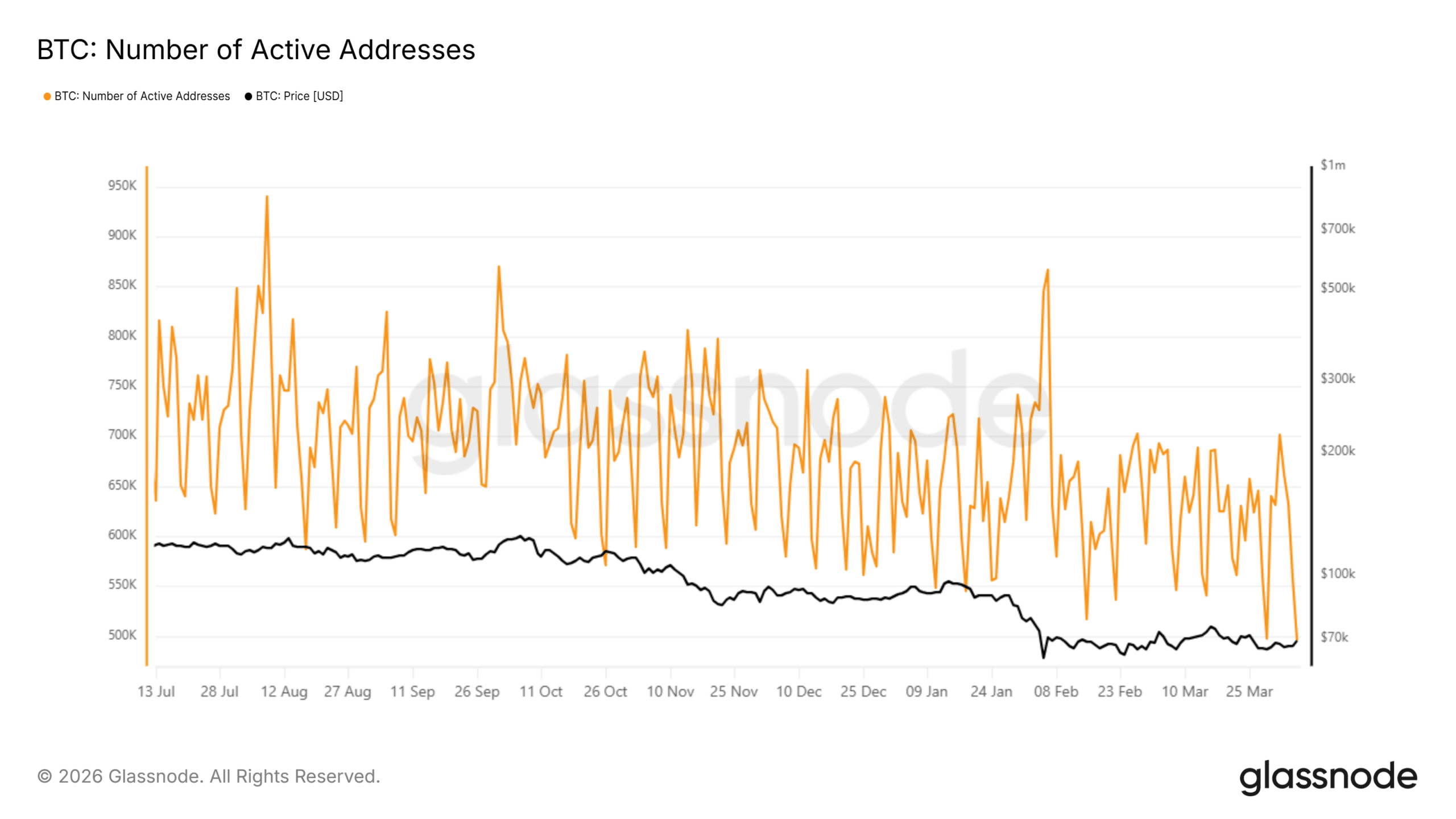
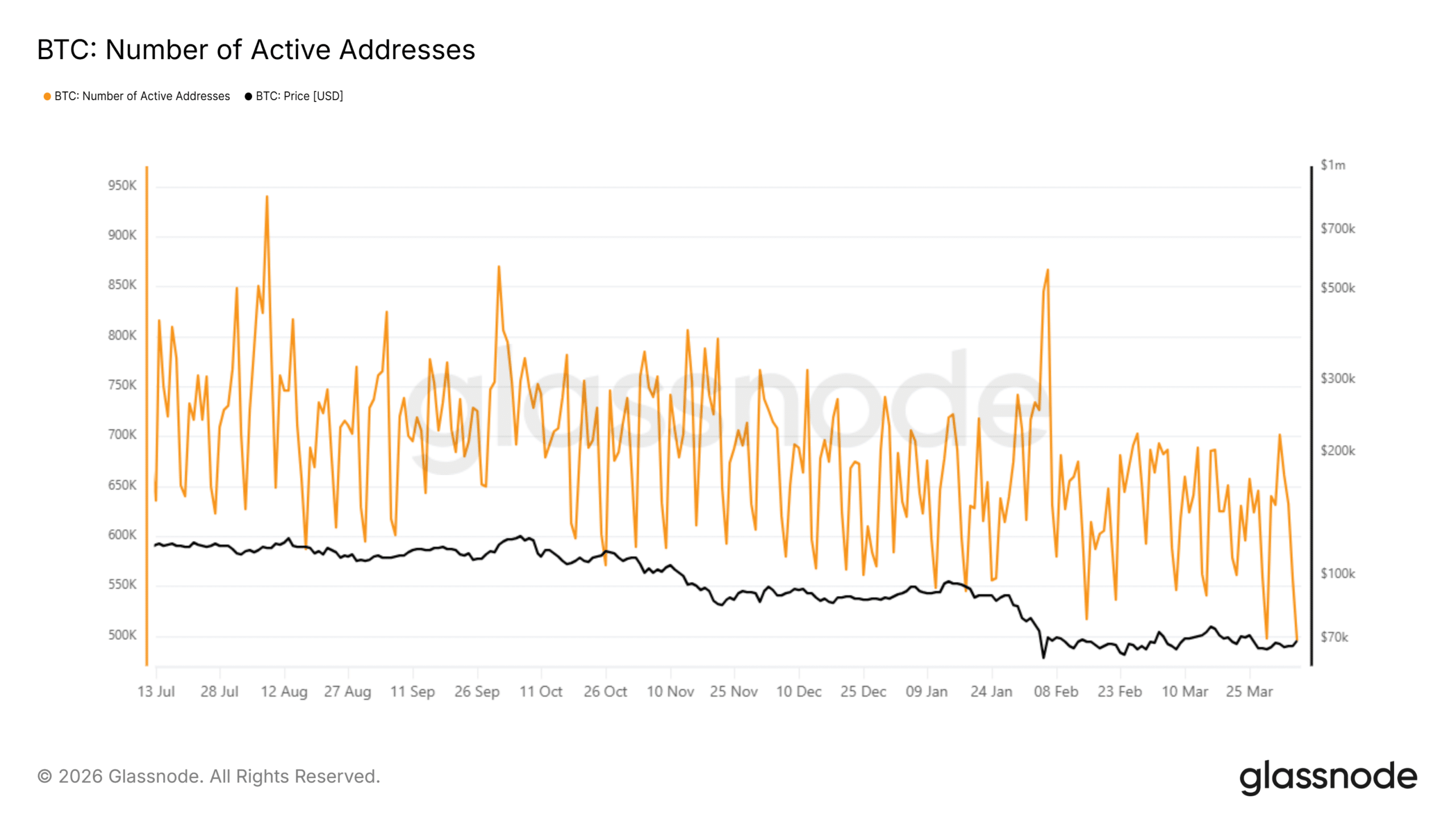
Such a shift exposes a deeper divide in how networks handle future risk, as design choices begin to matter more than upgrades. Arc embeds PQC from the start, which removes the need for large-scale coordination later. This approach emerges because legacy systems already operate at scale, with Bitcoin handling 550,000–590,000 daily addresses and Ethereum [ETH] near 385,000.
Source: Glassnode
However, that scale creates inertia, since upgrades must align millions of users, wallets, and contracts. Past changes like SegWit and the Merge took years, showing how difficult system-wide shifts become. This means retrofitting PQC could introduce friction and fragmentation.
Arc reduces this risk through design, yet incumbents retain over $94 billion in Locked Value. This balance indicates that users prioritize liquidity in the present, while long-term security may drive gradual structural changes.
That said, Circle’s quantum push strengthens long-term security, yet impact depends on timing, as markets still prioritize liquidity and usability over distant cryptographic threats.
Final Summary
Post-Quantum Cryptography (PQC) emerges as a forward security layer, yet current crypto risks remain driven by operational exploits, not cryptographic failure.
PQC adoption depends on timing, as markets prioritize liquidity today, delaying transition despite long-term systemic risk.
Preguntas relacionadas
QWhat was the total amount lost in DeFi during Q1 according to DeFiLlama data, and how many protocols were affected?
AAccording to DeFiLlama data, $169 million was lost across 34 protocols in Q1.
QWhat percentage of DeFi-related attacks does SlowMist report are due to permission failures?
ASlowMist reports that permission failures are responsible for 63% of DeFi-related attacks.
QWhy is Circle moving early on Post-Quantum Cryptography (PQC), and what risk does it address?
ACircle is moving early on Post-Quantum Cryptography (PQC) to reduce future disruption from quantum computing threats, which could break current encryption. This addresses the risk that approximately 6.7 million Bitcoin (nearly one-third of the supply) sits in addresses vulnerable to a quantum attack.
QWhat is a key advantage of Arc L1 blockchain embedding PQC into its base layer from the start?
AA key advantage of Arc L1 embedding PQC into its base layer from the start is that it avoids the need for complex, large-scale coordination upgrades later, which are difficult and slow for legacy systems.
QAccording to the article's final summary, what is the primary driver of current crypto risks, and what is prioritized by markets today over long-term security?
AAccording to the final summary, the primary driver of current crypto risks is operational exploits, not cryptographic failure. Markets today prioritize liquidity and usability over distant cryptographic threats, delaying the transition to quantum-resistant security.