Starting from September 1, 2026, cryptocurrency transactions in Russia will have clear rules: a new law will permit such operations but will maintain significant restrictions and remind investors of high risks.
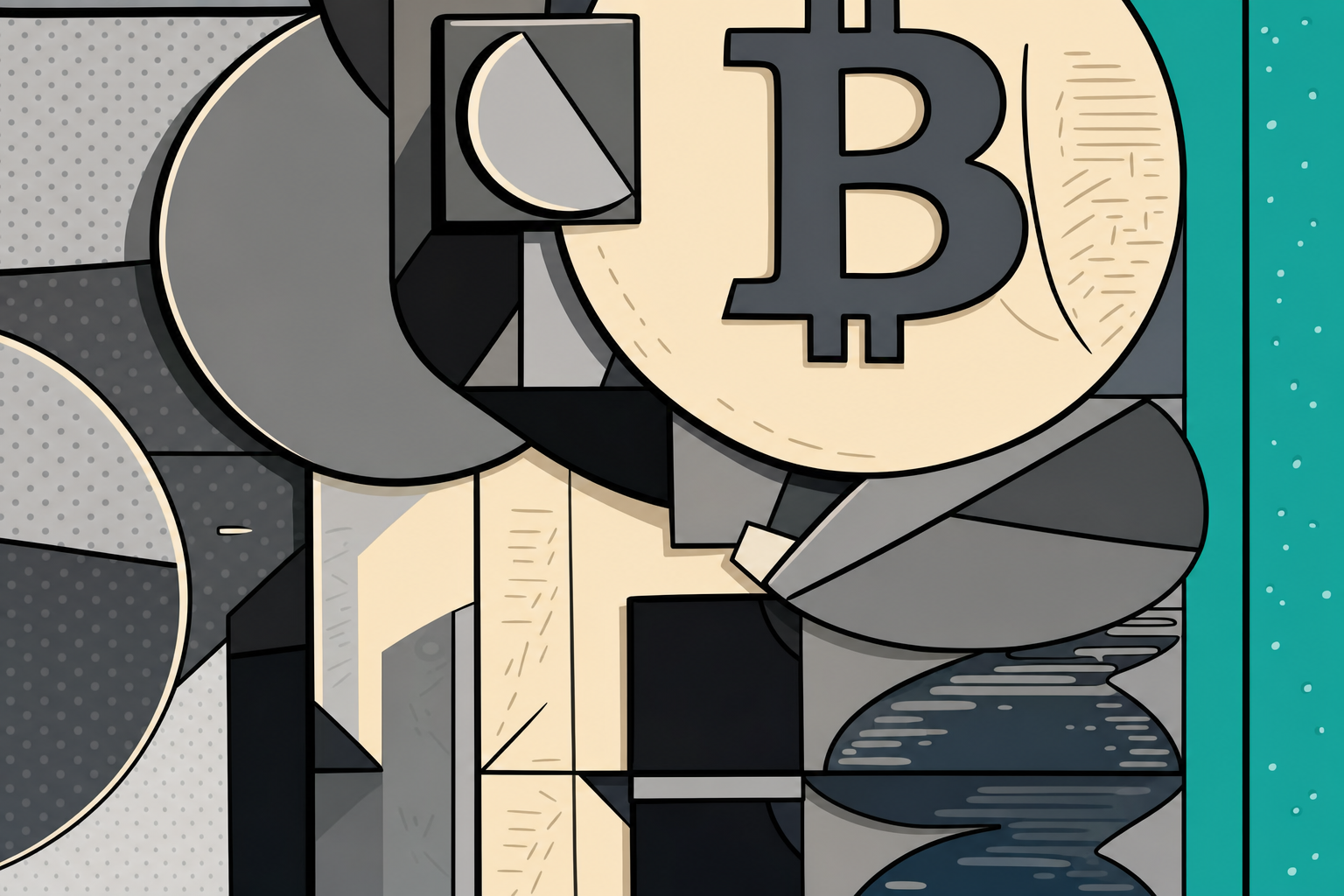
The Law "On Digital Currencies and Digital Rights" introduces a legal framework for working with crypto-assets and aims to help protect the interests of those investing in this market. This is not about the free use of crypto for any payments, but about regulated transactions through professional intermediaries.
Through Whom Cryptocurrency Can Be Bought and Sold
Cryptocurrency transactions will be conducted through professional intermediaries.
- Exchanges.
- Brokers.
- Digital depositories.
- Crypto exchangers.
Before September 1, 2027, such market participants must be listed in special registers of the Bank of Russia.
Both qualified and non-qualified investors will be able to buy and sell digital currency, but only after passing special testing. Intermediaries will face security requirements: they will need to protect their websites, applications, and the transactions themselves from hacking.
The typical process for buying through a legal intermediary usually looks like this:
- Choose an exchange, broker, digital depository, or crypto exchanger operating according to the law.
- Prepare documents for investor identification.
- Pass special testing if required for access to transactions.
- Fund your account with the intermediary and select a cryptocurrency available for your investor status.
- Execute the purchase, sale, or exchange and keep a record of the transaction.
In practice, this is important for any investor with a cryptocurrency wallet or interest in digital assets. In simple terms, cryptocurrency is a digital asset that exists on a network and is verified by records on a blockchain. It does not have a single central issuer like a bank or state: its operating rules are set by the technology and network participants. Cryptography, hash functions, and public-key cryptosystems are used for protection.
What Restrictions Will Remain
For non-qualified investors, access will be granted only to the most liquid cryptocurrencies. Furthermore, the total purchase amount per year through one intermediary must not exceed 300,000 rubles.
These limits will not apply to qualified investors: for them, there are no restrictions on amounts or types of cryptocurrencies.
Among well-known digital assets often considered for trading and investment are usually mentioned:
- Bitcoin.
- Ethereum.
- Ripple.
- Litecoin.
- Monero.
Access for non-qualified investors will depend on the rules applied by the intermediary within the framework of the law.
Using cryptocurrency to pay for goods and services in Russia remains prohibited. However, it can be exchanged for securities and Russian digital financial rights. In other words, digital currency remains an investment asset, not an everyday means of payment.
Income from cryptocurrency transactions in Russia must be declared. The tax burden depends on the investor's status, income size, and current rules, so it's important to understand how the tax will be calculated before making transactions.
How People Try to Earn Money with Cryptocurrency
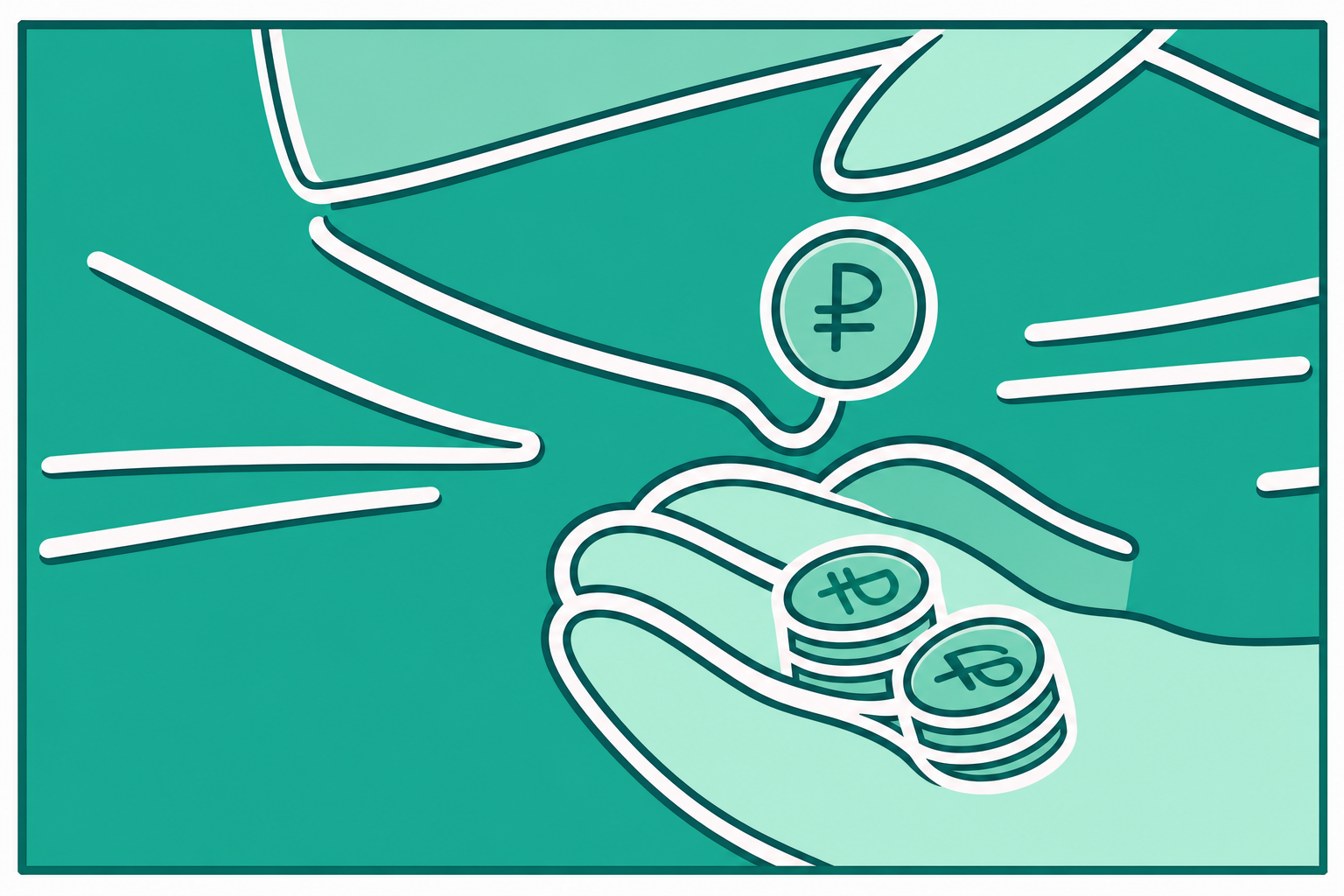
Earning methods vary by risk and level of involvement.
- Long-term investments: buy an asset and hold it, expecting price growth.
- Trading: buy and sell coins on market movements.
- Day trading: close deals within the same day.
- Scalping: work with short price movements and frequent trades.
- Dollar-cost averaging (Averaging): buy in parts to avoid entering the market with a single sum.
- Mining: receive rewards for supporting network operations, if such a mechanism is provided by the cryptocurrency.
- Staking: receive rewards for participating in transaction validation in networks where this is available.
- Participation in ICOs/IEOs: invest in new projects at an early stage, understanding the heightened risk.
Why Risks Remain High
Even after legalization, such investments cannot be considered safe. The crypto market is known for sharp price fluctuations. The value of coins is influenced by various factors.
- Sharp price jumps.
- Supply and demand.
- General sentiment in financial markets.
- Inflation.
- Investor expectations.
- Attitude towards cryptocurrency as a foreign asset.
There are also sanctions risks, since cryptocurrencies are classified as foreign assets. Therefore, even the legal status of operations does not cancel the main rule for a cautious investor: you should only invest money whose loss will not wreck your personal budget.
The technological side also requires understanding. Bitcoin is associated with the name Satoshi Nakamoto, and its foundation is the proof-of-work mechanism. But knowing the terms does not make investments risk-free: exchanges, wallets, payment systems, and any intermediary require careful selection, and an asset in accounting or a personal portfolio should be assessed soberly.
Technological risks should be considered separately: exchange hacks, phishing, and loss of access to a wallet. There are also legal risks, including changes in legislation or account blocking. The market also features fraudulent projects, scam schemes, and fake ICOs.
How to Store Cryptocurrency More Safely
Storage is usually divided into hot and cold wallets. A hot wallet is convenient for quick operations but is constantly connected to the internet. A cold wallet is used for more cautious storage when access to assets is needed less frequently.
- Enable two-factor authentication for accounts with intermediaries and services.
- Store private keys so that outsiders cannot access them.
- Create backup copies of data to restore access.
- Verify website and application addresses to avoid landing on phishing pages.
end-contentFinancial literacy in the topic of cryptocurrency is especially important: before buying, you need to understand the rules of the law, the restrictions for your investor status, and the real risks of the market.